• Link to X
  • Link to Facebook
  • Link to Instagram
  • Link to TikTok
  • Link to Youtube
  • About
    • About Us
      • President
      • Board of Directors
      • Board of Advisors
      • Financials
      • Our Methodology
      • Success Tracker
      • Contact
  • Act Now
    • 30 Ways to Help
      • Email Congress
      • Call Congress
      • Volunteer
      • Courses & Certificates
      • Be a Donor
    • Internships
      • In-Office Internships
      • Remote Internships
    • Legislation
      • Politics 101
  • The Blog
  • The Podcast
  • Magazine
  • Donate
  • Click to open the search input field Click to open the search input field Search
  • Menu Menu

Archive for category: Health

Information and stories on health topics.

Global Poverty, Health

Colombia’s Improved Healthcare

Colombia's Improved Healthcare
Colombia’s healthcare system has improved by leaps and bounds over the past few decades. The country has been able to provide its people with adequate healthcare coverage due to reforms it started making in the 90’s. Colombia offers a variety of healthcare plans to its people, including one that is public and the rest which are private. Also, Colombia is home to 40% of the best hospitals in Latin America.

Additionally, in 2018 and out of 191 countries, Colombia ranked 22nd in healthcare, according to the World Health Organization. To understand Colombia’s improved healthcare, it is important to highlight the process responsible for the success that the system currently enjoys.

The Process

The current state of Colombia’s healthcare traces back to 1993 with the introduction of Law 100. Law 100 stated that all citizens of Colombia, regardless of their financial state, are entitled to a comprehensive healthcare plan. This law created Colombia’s healthcare coverage system called the Sistema General de Seguridad Social en Salud (SGSSS). Colombia uses both general taxation and payroll contributions to ensure that the SGSSS continues receiving funding.

This reform has been beneficial to Colombians in several ways. Just in the first 10 years of the introduction of the SGSSS into law — the number of Colombian citizens that had healthcare coverage skyrocketed. Only 25% of Colombians were covered in 1993 and by 2003 that number was up at 75%. The percentage of people covered by the healthcare system has only risen since 2003. In 2007 about 90% of Colombians received coverage and in 2011, the percentage was at 95%. Other indicators of Colombia’s improved healthcare coverage system is in the country’s improved life expectancy and infant mortality. In 1993, with the introduction of the SGSSS, life expectancy was at 69 years. By 2015, the average life expectancy was at 74 years. The infant mortality rate in Colombia was 21 deaths per 1,000 births in the year 2000. In 2015 the infant mortality rate was down to 14 per 1,000 births.

Healthcare’s Impact on Poverty

Colombia’s improved healthcare has also been extremely beneficial to those living in poverty. For the poorest 20% in Colombia,  healthcare coverage was as low as 4% in 1993. This figure rose to 89% in 2016. Also, Colombians who live in rural areas have had an increase in coverage — rising from 6.6% in 1993 and growing to 92.6% in 2016. Moreover, Colombians all have the same types of health plans available to them. This means that any particular citizen has the same options available for them to choose from as any other citizen. Medical patients’ out-of-pocket spending on health services in Colombia is only at 14%. This figure is much lower than what most citizens in other Latin American countries pay.

A New Challenge

Colombia’s improved healthcare is a product of more than two decades of work and reform. The reforms have allowed many Colombian’s to have the healthcare they need, without the extreme costs. This includes all types of Colombians, regardless of their socio-economic standing. The only challenge to further reforms in Colombia is the growing population within the country. As the country grows so will the population and the amount of money the country spends on its healthcare system. This represents another challenge that the nation should bear in mind, going forward.

– Jacob E. Lee
Photo: Unsplash

September 16, 2020
https://borgenproject.org/wp-content/uploads/borgen-project-logo.svg 0 0 Kim Thelwell https://borgenproject.org/wp-content/uploads/borgen-project-logo.svg Kim Thelwell2020-09-16 03:22:272020-09-16 03:22:27Colombia’s Improved Healthcare
COVID-19, Food Security, Global Poverty, Health

How Food Supply Chains Are Curbing the COVID-19 Hunger Crisis

Food Supply Chains
Despite immense stress due to COVID-19, food supply chains have demonstrated resilience by offering a potential avenue for long-term poverty alleviation. The pandemic has threatened food security around the globe, with Feeding America reporting that as many as 17 million people could experience food insecurity in its wake. As such, food supply chains play an important role in assuring individuals’ access to food.

The Resilience of Food Supply Chains Amidst COVID-19

Food supply chains are the mechanism by which raw food becomes consumer-ready. These supply chains consist of farm production, processing, transportation and consumption. There are two primary categories of food supply chains. Firstly, domestic chains, in which food is produced and consumed in the same country. Second, international chains, in which food is transported across borders. Both domestic and international chains have been severely affected by the pandemic. However, there are notable differences in the impact on the two systems. This is due to their unique types of labor, transportation, and consumer demand among other conditions.

The Organization for Economic Cooperation and Development (OECD) explained that food supply chain complications disproportionately affect low- and middle-income countries. Wealthier countries, which use large-scale international chains, have more capital- and knowledge-intensive structures. These international supply chains have shown greater resilience amidst the pandemic. The recovery of international chains helps explain why low-income countries are experiencing disproportionate effects of the pandemic on food security.

In comparison, low-income countries primarily rely on small and medium domestic chains. Small domestic chains are more labor-intensive and thus affected more heavily by pandemic labor restrictions. Furthermore, the labor-intensive components of food supply chains are the hardest-hit by COVID-19. This impact stems from mobility restrictions, reduced workplace capacities and illness that limits employees’ ability to complete their jobs.

The Potential to Fight Poverty

Ensuring logistical flexibility and employee health is imperative in mitigating harm to domestic food chains. Social innovations are emerging to address the labor needs created by the pandemic. These innovations aim to increase the “flexibility of labor sourcing and timing,” by improving access to transportation, decreasing reliance on physical labor in certain production zones and improving hygiene and health education to avoid outbreaks in densely populated work areas.

Far beyond social innovation in labor, though, many believe the COVID-induced threat to food supply chains could provide an incredible opportunity for long-term poverty alleviation. One contributor to the International Food Policy Research Institute wrote: “During COVID-19, the bureaucratic, financial, logistical and technological reasons that always seemed to make actions impossible or improbable have fallen away.”

Food supply chain innovations have also addressed financial, managerial and health complications. These issues affect supply chains both in the short and long terms. For instance, digital innovation and the growth of e-commerce have played significant roles in enabling supply chains to overcome previously existing complications in the face of the pandemic.

Every type of food supply chain has increased e-commerce use. E-commerce decreases contact between workers and consumers and allows for easier food access around the globe. Apps developed by governments and businesses in places like India and China have allowed consumers direct access to food providers. Overall, these changes simplify the transportation process for food producers in countries around the world.

Innovations in Food Supply Chains

Large-scale supply chains and companies have also supported small and medium domestic supply chains with kick-starter financial support for COVID-19. Aid has also been provided to families and communities through voucher programs. Additionally, the World Bank has been working to stabilize prices across the various supply chains. By investing in the infrastructure and labor flexibility of domestic supply chains, governments and development partners have the power to strengthen global food security.

The threats to food supply chains have considerable policy implications, the OECD explains, underscoring the importance of open borders for importing and exporting food items. The World Bank released a joint statement calling for the free international movement of food to prevent a food insecurity emergency, calling on countries to cooperate to ensure food accessibility around the world. The statement also emphasizes the importance of making every step of food logistics accessible to prevent all people from going hungry, especially during pandemic lockdowns and restrictions.

– Emily Rahhal
Photo: Flickr

September 16, 2020
https://borgenproject.org/wp-content/uploads/borgen-project-logo.svg 0 0 Kim Thelwell https://borgenproject.org/wp-content/uploads/borgen-project-logo.svg Kim Thelwell2020-09-16 01:31:302020-09-18 14:14:40How Food Supply Chains Are Curbing the COVID-19 Hunger Crisis
Global Poverty, Health

Job Guarantees and Fighting Poverty

job guarantees
As global unemployment and food insecurity (as a result of the COVID-19 pandemic) rise — there is a great need for innovative macroeconomic solutions to mitigate the adverse effects of these crises on the world’s poor. The idea of a federal job guarantees has become more popular lately. This perhaps is a response to the mass international unemployment and recession caused by the COVID-19 pandemic.

Job guarantee programs, which have been implemented across the world, involve mass public employment for all people who are seeking a job. These programs are helping to lift millions out of poverty while also offering non-monetary health benefits. Creative ideas like job guarantee programs are imperative to consider when seeking solutions for the devastating harm that the COVID-19 pandemic has caused to the world’s poor.

The Benefits of Employment

Employment offers the obvious benefit of the income and the corresponding ability to provide for oneself and one’s family, monetarily. Mass public employment can reduce the need for many social welfare programs and replace them with salaries earned from substantive, productive and helpful work. In certain scenarios, job guarantees can provide healthcare, childcare and other benefits to the world’s poor.

Job guarantees can also provide individuals with non-monetary benefits that only employment can offer. Employment and higher income have been consistently correlated with better physical and mental health. Yet another reason why this type of program can be incredibly beneficial. Employment has also been linked to lower mortality rates and a reduced risk of depression and other mental illnesses. Furthermore, working individuals feel a higher sense of self-esteem and even recover more quickly from sickness, when employed.

Where It Has Worked

Countries across the world, most famously India and Argentina, have implemented employment guarantee programs. In Argentina, the government started the “Plan Jefes y Jefas” program in response to the country’s 2001 financial collapse. This program sought to improve public infrastructure such as sanitation, roads and schools by guaranteeing employment to any heads of households for a maximum of 20 hours per week.

The program specifically targeted female heads of households, as women are often left out of the labor force in Argentina and are quick to be labeled “unemployable.” In fact, 71% of the beneficiaries of the program were women. At the time, Argentina was classified as a developing economy — proving that job guarantees can thrive outside of the developed world.

In 2005, the Indian government passed the Mahatma Gandhi National Rural Employment Guarantee Act (MGNREGA) — which provided guaranteed jobs to India’s poorest rural population. The program has been an unprecedented success in raising wages for rural workers, helping women enter the workforce, increasing access to healthy foods and education and decreasing the number of people who unwillingly leave their home villages to seek employment in cities.

The program reached more than 54 million households, underscoring its ease of access. The success of the Indian job guarantee program demonstrates how transformative these types of programs are in fighting extreme poverty.

The Power of a Job Guarantee

Along with the individual relief that job guarantees provide, they also offer significant macroeconomic benefits. Job guarantees empower workers and increase their bargaining power against global conglomerates. Also, job guarantees can increase consumer spending and therefore boost tax income for developing governments. In that same vein, it is these very types of governments that would benefit greatly from the increased revenue. These programs can help steady the economy during recessions while also maintaining inflation through stabilizing purchasing power.

Job guarantee programs have serious potential to effectively fight poverty while also providing benefits to the governments that administer them. These programs have the potential to provide income, power, health benefits and other opportunities to the world’s poor. Moreover, as proven tools in the fight against global poverty, their use may be paramount.

– Garrett O’Brien
Photo: Flickr

September 15, 2020
https://borgenproject.org/wp-content/uploads/borgen-project-logo.svg 0 0 Kim Thelwell https://borgenproject.org/wp-content/uploads/borgen-project-logo.svg Kim Thelwell2020-09-15 07:53:252024-05-29 23:23:11Job Guarantees and Fighting Poverty
COVID-19, Global Poverty, Health, USAID

Kosovo and the Importance of the End Tuberculosis Now Act

End Tuberculosis Now Act
Kosovo is a country in southeastern Europe that declared independence from Serbia in February 2008. It is Europe’s youngest nation, but also one of its smallest and poorest. Kosovo ranks 137th in the world for GDP per capita and the country’s overall budget is just above $2 billion. Despite the fact that Tuberculosis (TB) is a completely preventable, treatable and curable airborne infection, the virus continues to spread throughout developing nations—including Kosovo—killing more people per year than any other infectious disease. The End Tuberculosis Now Act seeks to address this silent pandemic by refocusing U.S. efforts towards effective TB prevention and treatment in Kosovo and other developing countries. Neither the House nor Senate has held a vote on the End Tuberculosis Now Act since its introduction in August 2019. Kosovo demonstrates the importance of this act and why Congress needs to address it.

Kosovo’s Tuberculosis Rates

Among its neighbors in southeastern Europe, Kosovo has one of the highest TB infection rates, trailing only Moldova and Romania. From 1999 to 2006, total TB cases in Kosovo were declining. This progress has since stopped, with infection rates plateauing at the rate they were in 2006. A limited budget has severely hampered Kosovo’s efforts to combat and eradicate TB.

Kosovo’s insufficient health system is one reason behind the country’s spread of TB. A majority of Kosovo’s residents are dissatisfied with their health service. In addition, the nation’s top health authority is not responsible for contact tracing, testing, treatment or any other method that people use to combat TB. Instead, non-governmental organizations have received this responsibility, resulting in a lack of central planning. The End Tuberculosis Now Act would refocus USAID efforts on TB prevention and treatment in developing nations like Kosovo, providing a unified example of how to properly stop the spread and financially support affected individuals.

Kosovo and COVID-19

For some of the same reasons it struggles with TB, Kosovo is also struggling to stop the spread of COVID-19. Compared to its neighbors, the country’s pandemic response is falling short. Kosovo is much smaller than Albania, Montenegro and Greece, but has many more COVID-19 cases and deaths than these nations.

The COVID-19 pandemic has further exposed the aforementioned weaknesses in Kosovo’s healthcare system. For example, temporary medical facilities built to increase the nation’s hospital capacity have not been properly set up to prevent COVID-19 transmission between healthcare workers and infected patients.

No matter how valiant Kosovo’s efforts to combat COVID-19 are, the country is ultimately limited by its $2 billion yearly budget. The same is true when it comes to their fight against TB. Kosovo simply lacks the capital to properly test, treat and prevent the spread of both COVID-19 and TB. The End Tuberculosis Now Act will give developing nations like Kosovo a better chance of defeating TB while teaching them how to tackle similar pandemics.

Putting the Tuberculosis Fight on Hold

As the COVID-19 pandemic takes center stage, the fight against TB has been put on hold across the world. Despite this, TB has continued its spread. Approximately 80% of worldwide programs to combat the disease have experienced disruptions in their supply chains since the beginning of the COVID-19 pandemic.

Manufacturers of TB tests have pivoted to developing COVID-19 tests, reducing the overall availability of TB testing. This means massive drops in diagnosing TB. In one year, an infected individual can spread the virus to 15 people, making the diagnostic process extremely important. As testing capacities decrease, TB will continue its spread unabated in developing nations. Kosovo was already struggling to contain TB before the COVID-19 pandemic, but it could now get much worse. The End Tuberculosis Now Act is a critical component in increasing testing capacities in Kosovo to combat the spread of TB.

More Important Than Ever

TB is a preventable and treatable disease, yet it continues to kill more people worldwide than any other infectious disease. The End Tuberculosis Now Act would increase investments in TB prevention and treatment measures while saving countless lives in developing nations like Kosovo.

Furthermore, the bill would ensure that nations and non-governmental organizations receiving aid from USAID would stand by their commitments to eradicate TB. This refocusing of aid would provide the World Health Organization and the Stop TB Partnership with more resources to fulfill their missions.

Moving Forward

Kosovo’s continued fight against TB demonstrates the importance of the End Tuberculosis Now Act. The bill, introduced in August 2019, would save lives in developing nations and help combat a completely preventable and treatable disease. Congress must pass this bill to increase the quality of life for the world’s poor and help eradicate TB in developing nations.

– Marcus Lawniczak
Photo: Flickr

September 15, 2020
https://borgenproject.org/wp-content/uploads/borgen-project-logo.svg 0 0 Kim Thelwell https://borgenproject.org/wp-content/uploads/borgen-project-logo.svg Kim Thelwell2020-09-15 07:30:332024-05-29 23:22:48Kosovo and the Importance of the End Tuberculosis Now Act
Global Poverty, Health

5 Facts About Healthcare in Kiribati

healthcare in kiribati
The Republic of Kiribati, better known as just Kiribati, is an Oceanic country formed by 33 unique islands, of which 20 are inhabited. The majority of Kiribati’s population is located on the Eastern Gilbert islands, while many islands located in the center function without a permanent population. Healthcare in Kiribati has been a committed work-in-progress, especially after the notification in the late 20th century that its population was at one of the lowest standards of living in Oceania. The disjointedness of the islands and a lack of cohesive national health policy has significantly impacted Kiribati’s ability to effectively provide national healthcare services to all that need it.

In fact, as recently as 2012, there was not an official agency for national health policy, regulation of health standards, assessment of health technology, or management of health technology. However, despite this glaring lack of infrastructure, Kiribati has instituted projects at the national level to improve its primary level of healthcare. The government, along with partnerships from international health organizations, is working to invest in Kiribati’s health infrastructure.

The following five facts about healthcare in Kiribati are integral to understanding the country’s changing health structures and transition out of poverty.

5 Facts About Healthcare in Kiribati

  1. Around 22% of the Kiribati population is living under the “basic needs” threshold, according to the Department of Foreign Affairs and Trade. However, the traditional definition of poverty is not used in Kiribati, as much of the population believes that as long as one can maintain subsistence living, they are not poor. Instead, poverty is related to meet their basic expenses on a daily or weekly basis. This culture has made it so that many residents in Kiribati live in housing without access to clean water, sanitation or other basic hygiene utilities.
  2. Kiribati is at an elevated risk for infant mortality, consistently ranking as the highest country in Oceania by the estimated absolute number of incident cases, with approximately five times the number of cases as Australia. In 2012, the rate of infant mortality stood at 60 deaths per 1,000 individuals. While this statistic was significantly reduced from years past, there is no reason for such a high percentage of the population to suffer from infant mortality. The most common causes of infant mortality in Kiribati are perinatal diseases, diarrhoeal diseases and pneumonia. As a result of inadequate water supply and poor sanitation, water and food-borne illnesses can also contribute to the incidence of infant mortality.
  3. Kiribati also suffers from its lack of developed healthcare infrastructure. Hospital facilities, doctors to assist the population, and trained nurses are all hard to come by in Kiribati. Though they meet standards for routine care, the scarce availability of such facilities makes them hard to access for the general population. With only three district-level hospitals and one referral level hospital, patients often must be sent overseas if serious conditions arise. This remote level of treatment can often make timely access to medicines an issue as well.
  4. In Kiribati, there is a low number of doctors and nurses relative to the population overall. This low number contributes to the relatively high infant and maternal mortality rates of Kiribati. Recently, the government has worked with smaller groups around Kiribati to train more healthcare professionals. By holding orientation courses for all health staff and developing long-term courses for primary care staff, communities on many of Kiribati’s islands could tackle the lack of healthcare personnel issues. As a result of these programs and increased training, the number of individuals that are able to assist with healthcare is rising, and the rates of morbidity from common diseases have been reduced.
  5. Water supply is an issue in Kiribati that most don’t directly associate with healthcare and disease, but can have a significant impact on the health of the population. Outdoor defecation is said to be prevalent in Kiribati, which can lead to contamination of the water supply. Groundwater contamination is often related to a higher incidence of diarrheal diseases. However, outdoor defecation is not entirely the result of a lack of other options, but education is necessary to help the population of Kiribati understand the risks associated with it.

In the fight against poverty and for a healthcare system that can serve its entire population, Kiribati has much work to do. Progress has been made in developing training for healthcare professionals and educational programs for communities, but many services such as sanitation and clean water supply still aren’t up to standards. Still, with a government committed to increasing the healthcare provisions for its people, Kiribati is sure to develop into a country that can provide for its growing population.

– Pratik Samir Koppikar
Photo: Pixabay

September 14, 2020
https://borgenproject.org/wp-content/uploads/borgen-project-logo.svg 0 0 Kim Thelwell https://borgenproject.org/wp-content/uploads/borgen-project-logo.svg Kim Thelwell2020-09-14 11:16:442024-05-29 23:23:075 Facts About Healthcare in Kiribati
Global Poverty, Health

5 Facts about Healthcare in Belarus

healthcare in Belarus
Belarus is a landlocked country in Eastern Europe with a population of approximately 9.5 million people. Before gaining independence in 1991, Belarus was a constituent republic of the Soviet Union. The country had maintained strong economic and political relations with Russia for much of its post-independence history. Aleksandr Lukashenko, elected president in 1994, remains in power today. Despite sharp economic fluctuations in recent decades, Belarus is considered an upper-middle-income economy by the World Bank, and its GDP per capita was an estimated $18,900 in 2017. Belarus spent around 5.9% of the total size of its economy in the health sector in 2017 — slightly more than the 5.5% the nation invested from 2010 to 2014. To learn more about this important topic, here are five facts about healthcare in Belarus.

5 Facts about Healthcare in Belarus

  1. Experts estimate Life expectancy at birth in Belarus for women and men at 79.2 years and 69.3 years, respectively. This ranking grants the country a ranking of 139th in the world. Additionally, physician density, the number of physicians per 1,000 persons — stands at 0.00519 as of 2015. Hospital bed density is similarly modest, amounting to 10.8 beds per 1,000 persons as of 2014.
  2. The Ministry of Health directs the Belarusian healthcare system. The Ministry of Health centralizes, stratifies and operates the country’s healthcare system. Also, the Ministry of Health is solely involved in all matters related to creating and implementing healthcare policies and programs — as well as playing a significant role in pharmaceutical regulation. Individual regions fund primary and secondary care, while the Ministry of Health funds tertiary services. Notably, general taxation funds healthcare in Belarus.
  3. Belarus utilizes universal healthcare. Healthcare in Belarus is mostly provided through government-owned facilities, allowing citizens to receive free services. Moreover, the percentage of out-of-pocket expenses relative to total health expenditures has traditionally been low. For instance, in 2017, this figure reached approximately 27.5%. The breadth of access to primary care providers and inpatient care services depends on citizens’ geographical location, except for emergency services.
  4. Preventable habits and diseases represent major health concerns. Alcohol, tobacco, tuberculosis and HIV/AIDS are all lifestyle-induced conditions posing major health risks to the citizens of Belarus. With an average of 17.5 liters per person, Belarus ranks among the top 10 countries with the highest rates of annual alcohol consumption. Tobacco use is similarly prevalent. For example, in 2011, 50.4% of men and 10.2% of women reported smoking, daily. Tuberculosis (TB) is another disease that has imposed a significant threat in terms of public health in Belarus. More than 9,000 diagnoses occurred in 2011; approximately 25% of those patients had multi-drug-resistant (MDR) TB. This represents a strain of TB that is highly resistant to drugs and may cause death. The country also ranks 75th for the number of people living with HIV/AIDS, estimated at 27,000.
  5. Efficiency in delivering healthcare services is problematic. Not only is there a shortage of professionals at primary care facilities, but the overuse of healthcare facilities is also a key concern. Moreover, many areas rely on healthcare professionals who are either still in training or preparing for retirement. This means that their capacity to serve is limited. Also, the industry in Belarus pays Healthcare workers noticeably less, compared with neighboring countries.

Room for Improvement

These facts indicate that the healthcare system in Belarus is generally effective in terms of coverage and guaranteeing medical services to all. However, there remain significant areas where healthcare in Belarus needs improvement. For example, some suggestions include implementing better management, tackling the health risks associated with heavy alcohol and tobacco consumption and providing better pay for healthcare workers. With these improvements, healthcare in Belarus can better the lives of thousands of citizens, nationwide.

– Oumaima Jaayfer
Photo: Pixbay

September 14, 2020
https://borgenproject.org/wp-content/uploads/borgen-project-logo.svg 0 0 Kim Thelwell https://borgenproject.org/wp-content/uploads/borgen-project-logo.svg Kim Thelwell2020-09-14 07:08:122024-05-29 23:23:095 Facts about Healthcare in Belarus
Global Poverty, Health

5 Facts about Healthcare in Slovakia

healthcare in Slovakia
The Eastern European country of Slovakia has a universal healthcare system for its population of 5.5 million people. Considering insurance, life expectancy and migration, there is a multitude of factors that play a role in the healthcare system of Slovakia. Here are five facts about healthcare in Slovakia.

5 Facts About Healthcare in Slovakia

  1. Slovakia has a relatively low life expectancy. The average life expectancy in Slovakia is 77.3 years, which is lower than the average life expectancy in the E.U. The life expectancy for women is 80.7 years while the average life expectancy for men is 73.8 years. Higher education levels can correlate with living a longer life. As a specific example, men with the highest level of education are predicted to live 14 years longer than those less educated.
  2. Slovakia supports universal healthcare. The country of Slovakia has universal healthcare coverage. Moreover, there are 44 state hospitals within the country. Citizens can choose between three nationwide health insurance companies; one is private while the two are public. There is a national average of 3.4 doctors per 1,000 people. In the capital region of Bratislava, there is a higher concentration of doctors with 6.9 physicians per 1,000 people.
  3. The country is lacking healthcare workers. The migration of doctors to neighboring countries has resulted in a shortage of healthcare workers within the country. After Slovakia became a member of the E.U., an estimated 300,000 workers left for countries with better pay, between 2004 and 2019. This affected the number of people in the healthcare field and resulted in a below-average amount of nurses. To keep healthcare professionals in the country, many Slovakians believe that the government should allocate more funding toward the healthcare sector. In this same vein, the government could pay doctors and nurses higher wages.
  4. Risk factors including obesity and smoking affect Slovakians’ lifespans. Obesity is increasing in Slovakia, with 14% of the population identified as overweight. Moreover, when considering the adult population, 20% smoke tobacco products — which contributed to more than 9,000 deaths in 2017. Slovakian men have shorter lifespans than Slovakian women due to partaking in more behavioral risk factors. However, half of the deaths related to these risk factors are preventable.
  5. Roma populations face social discrimination, which leads to health inequalities. Regions such as Kosice and Presov, with large Roma populations, also have a lower life expectancy as well as an infant mortality rate that is twice the national average. The Roma Health Mediators Programme is working to eliminate the barriers of access to medical care. Some of these initiatives include language translations for doctors and enforcing insurance rights to promote the use of health services by the Roma population.

A Bright Future

In 2018, the Slovakian government created the public eHealth initiative to improve technology within hospitals and create electronic medical records. Interestingly, Slovakia has a low healthcare budget as compared with the rest of the E.U. countries. In 2019, the country increased its budget by €300 million, resulting in a total healthcare budget of €5.2 billion. If the government continues to follow this trend of investing more in its hospitals as it currently does — healthcare in Slovakia will greatly improve with additional support from nurses and technological advancements.

– Hannah Nelson
Photo: Pikist

September 14, 2020
https://borgenproject.org/wp-content/uploads/borgen-project-logo.svg 0 0 Kim Thelwell https://borgenproject.org/wp-content/uploads/borgen-project-logo.svg Kim Thelwell2020-09-14 01:32:032024-05-29 23:22:585 Facts about Healthcare in Slovakia
Development, Global Poverty, Health

How SpinCycle is Helping Impoverished Populations

SpinCycle Helping Impoverished Populations
Richard Hewitt, a product design student at Sheffield Hallam University, devised the idea for the SpinCycle while volunteering at an orphanage in Burundi, Africa. Hewitt experienced how tedious and time-consuming it was to wash over 30 loads of children’s clothes by hand. He became dedicated to finding a more efficient solution. In 2010, Hewitt invented the SpinCycle: a bicycle-powered portable washing machine. He customized the machine to easily attach to the back of a bicycle so users could wash their clothes while also getting exercise, saving time and money. Another advantage of this bicycle-powered solution is that it can easily circulate throughout small communities to ensure that everyone’s laundry is washed quickly and affordably. Therefore, SpinCycle is also very beneficial for individuals who have mobile laundry services. Here are five facts demonstrating how SpinCycle is helping impoverished populations.

5 Facts About the SpinCycle

  1. Though created in the U.S., the product trials took place in Africa. Richard Hewitt returned to Burundi in 2012 to test out the first SpinCycle. Since Burundi inspired the idea, Hewitt figured it was the most appropriate place to test out the first re-designed SpinCycle. While in Africa, Hewitt met a young man who worked as a clothes washer in the small village of Ngozi. Hewitt gifted the first SpinCycle to that laundryman, equipping him with a cycle-powered full laundry service.
  2. The SpinCycle started as a mandatory college project. To fulfill his Product Design major at Sheffield Hallam University, Hewitt had to complete and present a self-directed project. After his experience in Burundi, Hewitt decided to center his project around the construction of a cycle-powered washing machine. This earned him top grades and recognition from his teachers as well as national media recognition from supporters all over the world.
  3. Hewitt’s vision for the SpinCycle was that of a “micro-enterprise in the developing world.” In every aspect of the design process, Hewitt considered the needs of impoverished communities, including those of the Burundi village community. Therefore, Hewitt designed the SpinCycle to save time, energy and water for those who lack access to these basic necessities. Additionally, Hewitt wants the SpinCycle to be easily accessible for populations without available electricity. He hopes to help provide better resources to impoverished people around the world.
  4. SpinCycle plans to open a factory in Africa to distribute the machine to impoverished populations. Twenty-eight of the poorest countries in the world are in Africa, making Africa the poorest continent on earth. Therefore, Richard Hewitt and other SpinCycle investors are planning to open a SpinCycle factory in Africa, centralizing the company near the majority of its user base. SpinCycle also plans to partner with charities and other non-governmental organizations throughout Africa to distribute the SpinCycles to communities without electricity.
  5. The SpinCycle could also be useful after natural disasters. Storms and natural disasters, both in the United States and abroad, largely impact a community’s electricity. Losing power typically prevents individuals from showering, cooking and doing laundry. The SpinCycle does not require any electricity, however, allowing users to wash their clothes without interruption. The SpinCycle is helping impoverished populations in remote areas. However, many individuals worldwide could use and appreciate the invention as it is cost-effective, easy-to-use and environmentally friendly.

Richard Hewitt transformed a college project into a tangible invention that is helping the world’s poor. The SpinCycle is helping impoverished populations by saving time, water, energy and money. More importantly, though, this invention encourages innovation and growth in these poor, rural communities that could improve life in many societies for years to come.

– Ashley Bond
Photo: Wikimedia

September 13, 2020
https://borgenproject.org/wp-content/uploads/borgen-project-logo.svg 0 0 Kim Thelwell https://borgenproject.org/wp-content/uploads/borgen-project-logo.svg Kim Thelwell2020-09-13 01:30:242020-09-12 07:22:29How SpinCycle is Helping Impoverished Populations
Developing Countries, Food & Hunger, Global Poverty, Health

3 Ways Rethinking the International Food Trade Can Help Impoverished Regions

international food tradeMalnutrition, the state of nutrient over-consumption or under-consumption, plagues every nation in the world. Every day, one out of every nine individuals around the world goes hungry, while one out of every three is overweight. What causes this problem? The growth of the international food trade has stoked the flames of a malnutrition crisis that already disproportionately impacts impoverished countries. Nevertheless, governments and major firms in the international food trade can take simple steps to transform markets and reduce malnutrition all over the globe. Here are three ways that rethinking the international food trade can help impoverished regions deal with malnutrition.

Rethink Pricing Policies

It’s simple economics that when products drop in price, they become more widely purchased and distributed throughout the world. Unfortunately, many of the foods priced lowest in the international food trade fall into the category of “ultra-processed.” Consumption of these nutrient-poor foods is increasing due to their low price. In October 2019, sugar was priced at around $0.13 per pound, and its consumption was set to increase by 1.4%. Comparatively, meat saw a 1% decrease in production from 2018 to 2019 when its prices increased moderately.

With reduced national wealth, impoverished countries must often resort to purchasing these cheaper, unhealthy commodities. Driven by lower sugar prices, the consumption of sugar is expected to grow in Africa, the Middle East, Latin America and the Caribbean. Less wealthy countries will therefore continue to purchase “ultra-processed” foods linked to heart disease and diabetes. In doing so, they will provide their citizens with potentially harmful food that will only worsen the malnutrition crisis.

Rethinking trade policies can solve this issue of imbalanced prices. Many processed foods made with sugars or fatty oils have low international safety standards, which allows them to be sold within markets for low prices, whereas healthier fruits and vegetables have high international safety standards, which causes their prices to rise. This makes healthier foods less affordable for impoverished regions.

By applying high safety standards to sugar- and oil-based foods, the international food trade could equalize prices of healthy and unhealthy products. Healthy foods would then be more accessible to malnourished communities and help to reduce the impacts of malnutrition. Additionally, individual countries can redesign national trade policies to subsidize the production of healthier foods like fruits and vegetables so as to make them more affordable for impoverished countries.

Rethink Market Orientations

By 2022, the global fast food market is expected to grow by $188.4 billion. From 2018 to 2019, the international trade of oil crops reached an all-time high, and experts also expect the international market of sugar products to expand through 2020. Comparatively, the international market for healthier products like coarse grains may soon undergo a “sharp anticipated drop” in consumption and production.

The international food trade is therefore oriented toward distributing foods around the globe that contribute to the growth of obesity-related diseases and malnutrition. Given that the international food trade continues to prioritize markets for “ultra-processed foods,” it becomes even more likely that poor individuals will have to purchase and consume these foods. In turn, this will lead to poor regions eating increased amounts of refined foods linked to chronic diseases while consuming fewer natural foods that contain essential nutrients.

Such a market orientation stands to further deprive already starving individuals of the few nutrients remaining in their diet, thus worsening the global malnutrition crisis. In this case, governments and major food producers can help reduce malnutrition in impoverished countries by reorienting international food markets toward the production and consumption of healthier commodities like fruits, grains, vegetables and meats. These food groups currently make up only 11% of global food production.

By overhauling what gets sold within the international food trade and by emphasizing the commercialization of healthier foods, governments can work together to provide nutritious food to every country. These foods would help eliminate, not contribute to, cases of debilitating malnutrition.

Rethink Food System Investment

According to the WHO, 42 million children worldwide under the age of five are overweight or obese, while 50 million children are too thin for their height. Both of these conditions are associated with massive health risks as well as massive risks to the health of global economies. By 2030, the economic cost of diabetes, a disease linked to obesity and highly processed foods, could increase to $2.5 billion a year.

Through micro-financing and “multisectorial investments in nutrition,” governments and international food trade firms can grant increased buying power to communities with particularly high malnutrition levels. This type of investment could provide impoverished communities with food or direct cash grants that could help them reduce malnutrition and stimulate economic growth. Domestic financing has the potential to kickstart the economies of impoverished regions, which gives them the opportunity to purchase healthful foods crucial to reducing malnutrition rates.

Many current food systems lack any outside investment. For this reason, countries around the world would need $9 billion per year over the next five years to meet nutritional goals. By rethinking investment into international food markets and systems, the global community can come together to stimulate the economies of impoverished countries. This would give them a dignified way to access markets, purchase healthy foods and reduce malnutrition in the communities most in need.

Overall, although the current mechanisms of the international food trade foster malnutrition, countries can easily redesign them in ways that will actively help to reduce malnutrition worldwide. By rethinking trade policies, market orientations and community investments, governments and major firms in the international food trade can begin to address malnutrition and help provide impoverished individuals with the wholesome food crucial to lifelong health and happiness.

– Nolan McMahon
Photo: Flickr

September 12, 2020
https://borgenproject.org/wp-content/uploads/borgen-project-logo.svg 0 0 Kim Thelwell https://borgenproject.org/wp-content/uploads/borgen-project-logo.svg Kim Thelwell2020-09-12 07:55:062024-05-29 23:23:043 Ways Rethinking the International Food Trade Can Help Impoverished Regions
Global Poverty, Health, Technology

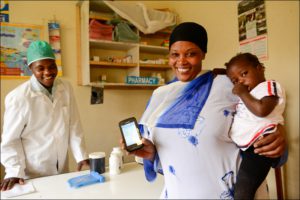
Revolutionizing Health Sector Communication with mHero

health sector communication
Communication is key when it comes to developing a well-performing healthcare system. Ineffective communication within healthcare systems “increases the likelihood of negative patient outcomes,” overall costs for healthcare systems, and “patient utilization of inpatient and emergency care.” Meanwhile, sound health sector communication ensures the maintenance of overall health and helps prevent diseases and premature death. Thus, it is important to ensure that healthcare systems across the globe are well equipped and supported. Recent developments in mobile technologies have made it easier to do so and transformed health-sector communication in several countries.

mHERO

A recently developed mobile application, called mHERO, has become one of the latest mobile applications to demonstrate the powerful and wide-reaching role that technology plays in health-sector communication. Created in 2014 by IntraHelath International and UNICEF, mHERO is a mobile-based application used by healthcare workers and ministries of health in order to communicate and coordinate effectively and efficiently. The application was developed during the 2014 Liberian Ebola outbreak after recognizing the need for a way to communicate urgent messages to frontline healthcare workers, to collect data concerning outbreaks development, and to provide support and training.

Messages sent through the application are transmitted through basic text or SMS. The app is compatible with most cellular devices. By merging existing health information systems, such as Integrated Human Resources Information System (iHRIS) and Fast Healthcare Interoperability Resources (FHIR), with popular communication platforms, such as RapidPro, Facebook Messenger and WhatsApp, mHERO acts as a cost-efficient, accessible and sustainable resource for many healthcare systems.

Implementation in Liberia 2014

The 2014 West African Ebola outbreak overwhelmed the Liberian healthcare sector. The absence of effective communication channels blocked the supply of vital information from health officials to health workers. UNICEF and IntraHealth International created mHERO to address the communication challenge. The application was initially designed to suit the needs of the Liberian healthcare system, utilizing the technology that was already available in the country. It then became the responsibility of the ministry of health to effectively manage and maintain the application’s implementation and its continued use.

Liberia utilized mHERO to validate healthcare facility data, to update health workers and to track which facilities need additional resources. Today, health officials use mHero to coordinate the country’s response to COVID-19. mHERO has become an integral part of the Liberian healthcare system, maintaining a vital role in health-sector communication.

Development and Reach

Guinea, Mali and Sierra Leone followed Liberia’s lead with the mHero integration process. The implementation guidelines and intent of use in these countries have generally remained the same as Liberia’s. Mali, however, has implemented the application with a need to train and develop the skills of healthcare workers.

Uganda, as of 2020, has also incorporated mHERO into its healthcare system with the intent of reducing the spread of COVID-19. The application has allowed for easier COVID-19-related communication between ministries of health, health officials and healthcare workers.

Uganda employes a developed form of the application with an extension called FamilyConnect. The extension sends “targeted lifecycle messages via SMS to pregnant mothers, new mothers, heads of household and caregivers about what they need to do to keep babies and mothers safe in the critical first 1,000 days of life” as long as they have been registered with the Ministry of Health’s Reproductive, Maternal, Newborn, Child and Adolescent Health (RMNCAH). Mothers can register themselves or can choose to have registration done by a community health worker.

Future Plans

UNICEF and IntraHealth International want to expand access to mHERO. Counties in East and West Africa have indicated an interest in implementing the application. UNICEF and IntraHealth International intend to continue to support the ministries of health and healthcare systems in which mHERO has already been implemented. They also hope to find new ways to encourage ministries of health “to understand the interoperability of the technology, the processes for implementation and best practices to using mHero data.”

Overall, mHERO has substantially improved health-sector communication within several countries, proving the application’s potential for revolutionizing health-sector communication throughout the world. Developments can be made to expand the application’s capabilities and reach, as proven in Uganda. The application is a sustainable and cost-efficient resource for healthcare systems and helps reduce the chances of premature death along with the spread of diseases and misinformation. It provides crucial support to healthcare workers, especially during times of epidemics, increasing the overall quality of healthcare and life.

– Stacy Moses
Photo: Flickr

September 11, 2020
https://borgenproject.org/wp-content/uploads/borgen-project-logo.svg 0 0 Kim Thelwell https://borgenproject.org/wp-content/uploads/borgen-project-logo.svg Kim Thelwell2020-09-11 10:40:372024-06-07 05:08:06Revolutionizing Health Sector Communication with mHero
Page 102 of 212«‹100101102103104›»

Get Smarter

  • Global Poverty 101
  • Global Poverty… The Good News
  • Global Poverty & U.S. Jobs
  • Global Poverty and National Security
  • Innovative Solutions to Poverty
  • Global Poverty & Aid FAQ’s
Search Search

Take Action

  • Call Congress
  • Email Congress
  • Donate
  • 30 Ways to Help
  • Volunteer Ops
  • Internships
  • Courses & Certificates
  • The Podcast
Borgen Project

“The Borgen Project is an incredible nonprofit organization that is addressing poverty and hunger and working towards ending them.”

-The Huffington Post

Inside The Borgen Project

  • Contact
  • About
  • Financials
  • President
  • Board of Directors
  • Board of Advisors

International Links

  • UK Email Parliament
  • UK Donate
  • Canada Email Parliament

Get Smarter

  • Global Poverty 101
  • Global Poverty… The Good News
  • Global Poverty & U.S. Jobs
  • Global Poverty and National Security
  • Innovative Solutions to Poverty
  • Global Poverty & Aid FAQ’s

Ways to Help

  • Call Congress
  • Email Congress
  • Donate
  • 30 Ways to Help
  • Volunteer Ops
  • Internships
  • Courses & Certificates
  • The Podcast
Scroll to top Scroll to top Scroll to top