• Link to X
  • Link to Facebook
  • Link to Instagram
  • Link to TikTok
  • Link to Youtube
  • About
    • About Us
      • President
      • Board of Directors
      • Board of Advisors
      • Financials
      • Our Methodology
      • Success Tracker
      • Contact
  • Act Now
    • 30 Ways to Help
      • Email Congress
      • Call Congress
      • Volunteer
      • Courses & Certificates
      • Be a Donor
    • Internships
      • In-Office Internships
      • Remote Internships
    • Legislation
      • Politics 101
  • The Blog
  • The Podcast
  • Magazine
  • Donate
  • Click to open the search input field Click to open the search input field Search
  • Menu Menu

Archive for category: Global Poverty

Key articles and information on global poverty.

Disability, disability and poverty, Global Poverty

Breaking the Cycle of Disability and Poverty in Lesotho

Disability and Poverty in LesothoPeople living in poverty and with disabilities in Lesotho face overlapping barriers, such as limited education, health care and labor-market access, that increase poverty risks. Policies like the Disability Equity Act (2021), Inclusive Education Policy (2018) and pilot Disability Grant create a rights-based foundation, but weak implementation, underfunding and stigma limit impact. Stronger social protection, inclusive education and scaled-up grants are key to breaking the cycle of disability and poverty in Lesotho.

Disability, Poverty and Social Protection in Lesotho

A report evaluating the effectiveness of Lesotho’s social protection policies and initiatives was published by the World Bank in partnership with the government of Lesotho. The research emphasizes the necessity for robust, efficient social protection measures to assist disadvantaged individuals in meeting their fundamental requirements. This need is especially urgent given Lesotho’s lackluster economic growth and constrained fiscal resources, which are further stretched by the COVID-19 pandemic.

Lesotho’s achievement in developing safety net systems is acknowledged in the Social Protection Program and Systems Review. The review also offers several policy recommendations to boost cost savings and improve program efficacy and coverage. According to the Ministry of Social Development, Lesotho implements several key social protection initiatives to support the underprivileged.

One such initiative is the Child Grant Program, an unconditional cash transfer designed to improve the standard of living for low-income families with children younger than 18. The program aims to boost school enrollment, strengthen health outcomes and reduce malnutrition.

Lesotho’s Disability Act: Progress Made, Challenges Remain

Lesotho, a nation that has historically lagged in promoting rights and support for people with disabilities and poverty, saw a turning point with the passage of the Persons with Disability Act in 2021. The Act creates a legal framework to protect the autonomy, dignity and inclusion of people with disabilities in all areas of life.

However, even while the law has undoubtedly paved the way for PWDs to participate more fully in the business and economic sectors, structural issues and implementation still prevent the full potential of its revolutionary power from being realized. To ensure meaningful inclusion, systematic reforms must be implemented to align with the United Nations Convention on the Rights of Persons with Disabilities, which Lesotho has ratified.

Lesotho Advances Disability Rights With Landmark Equity Bill

The Disability Equity Bill represents a major step forward for Lesotho’s social inclusion goals, crippling disability and poverty, according to the World Bank. The organization outlined its “10 Promises” in the summer of 2018 to accelerate global action for development that includes people with disabilities. The Disability Equity Bill builds on Lesotho’s previous efforts.

The country ratified the United Nations Convention on the Rights of Persons with Disabilities in 2008, becoming the 42nd nation. In 2017, the Constitutional Court struck down a provision in the Criminal Procedure and Evidence Act of 1981 that barred people with intellectual disabilities from testifying in court. The new bill requires the convention to be demonstrated and ensures that the rights it guarantees are implemented.

Takeaway

Lesotho has made progress in social protection and disability through programs like the Child Grant and laws such as the Persons with Disability Act and the Disability Equity Bill. Despite those advances, structural challenges and weak implementations limit their full effectiveness. Strengthening systems and enforcing disability rights are essential to reduce poverty and promote meaningful inclusion.

– Joshua Pettis

Joshua is based in Houston, TX, USA and focuses on Global Health for The Borgen Project.

Photo: Flickr
October 5, 2025
https://borgenproject.org/wp-content/uploads/borgen-project-logo.svg 0 0 Lynsey 2 https://borgenproject.org/wp-content/uploads/borgen-project-logo.svg Lynsey 22025-10-05 07:30:342025-10-04 03:59:23Breaking the Cycle of Disability and Poverty in Lesotho
elderly poverty, Global Poverty, Health

Addressing Elderly Poverty in the Solomon Islands

Addressing Elderly Poverty in the Solomon Islands The Solomon Islands, a group of 992 islands in the South Pacific near New Guinea and Australia, has a population of more than 800,000. The Solomon Islands and Australia share a long history that has resulted in economic, infrastructural and developmental progress. The island country is vulnerable to natural disasters such as tropical storms, tsunamis and earthquakes, and the region also has active volcanic activity. The islands face food insecurity and malnutrition, with main exports including copra, cocoa and timber. Elderly poverty in the Solomon Islands is an issue that receives little discussion within the country. The country’s poverty rate is 25%, and 80% of the Solomon Islands’ population lives in rural areas.

Nonprofit organizations such as the West ‘Are’ Are Rokotanikeni Association (WARA) work to reduce poverty and uplift the social status of women in the Solomon Islands. The government of Australia works closely with the Solomon Islands through Australia’s Official Development Assistance (ODA) program, aiming to improve the quality of life, boost the economy and strengthen the country’s resilience. With elderly Solomon Islanders being the most vulnerable, assistance from the neighboring country supports healthier outcomes against elderly poverty.

Elderly Population

The elderly population of the Solomon Islands over the age of 65 is 5%. As they are the most vulnerable population, the elderly need as much assistance as possible to continue living their lives with friends and family. Many elderly people are susceptible to noncommunicable diseases such as strokes, heart disease, kidney disease and diabetes. The elderly Solomon Islanders in poverty suffer from the lack of basic health care needs, food insecurity, malnutrition and hunger. With a majority of the population living in rural areas in general, the elderly suffer without access to transportation, food or clean water.

Transportation and Health Care

Many Solomon Islanders travel via boat to different islands for work or other necessities. Without access to transportation, the elderly island people have difficulty getting the care they need. In the capital city of Honira, 75% of the doctors work in the National Referral Hospital (NRH), while a majority of the nation’s population lives in rural areas.

NRH is known to be the best hospital in the country because of its access to resources, quality care and accessible location on the main island, Guadalcanal. NRH connects with organizations such as the Australian Volunteer Program to work alongside local hospitals and clinics to provide care to young and elderly patients. Education programs such as the Postgraduate Diploma of Rural Medicine enable provincial doctors to work in rural hospitals and clinics as specialists.

Australia’s Official Development Assistance Program

Australia’s goal in its partnership with the Solomon Islands is to make the country more stable and prosperous. To make this goal possible, the ODA has three objectives. The first objective is creating more job opportunities, building economic growth and infrastructure. The second objective is investing in the Solomon Islands people and communities. Finally, the third objective is improving stability and resilience in the Solomon Islands.

Reducing the Poverty Rate

The Solomon Islands’ National Development Strategy (NDS) is a government-led plan to improve the Solomon Islands’ economy, infrastructure, workforce and bring poverty down to 5% by 2035. This long-term plan focuses on “improving the social and economic livelihoods of all Solomon Islanders.” In reducing the poverty rate, the government of the Solomon Islands plans to focus on the basic needs of the native people, such as sanitation, transportation, clean water and food security, increasing employment and job security and resolving gender inequality for women and people with disabilities.

Looking Ahead

Through surrounding countries and island nations, the resources needed to improve elderly poverty in the Solomon Islands are available, though progress comes in steps. Australia’s government provides support through ODA, along with branches of government organizations and nonprofits working alongside the Solomon Islands. The country’s own government has long-term plans to address poverty and is actively taking steps to support even the most vulnerable people, including the elderly. Together, these efforts look to create a path toward lasting progress and a stronger future for the Solomon Islands.

Gene A. Lambey, Jr.

Gene is based in Washington, D.C., USA and focuses on Good News and Global Health for The Borgen Project.

Photo: Flickr
October 5, 2025
https://borgenproject.org/wp-content/uploads/borgen-project-logo.svg 0 0 Precious Sheidu https://borgenproject.org/wp-content/uploads/borgen-project-logo.svg Precious Sheidu2025-10-05 07:30:252025-10-04 04:19:59Addressing Elderly Poverty in the Solomon Islands
Economy, Global Poverty

5 Facts About Vietnam’s Economic Reforms

vietnam's economic reformsOver the past decade, Vietnam has steadily transformed itself from a low-income country into one of the most dynamic economies in Southeast Asia. What makes Vietnam’s rise remarkable is not just its rapid pace of growth, but the structural reforms that underpin it. These reforms are reshaping Vietnam’s economy, strengthening resilience and preparing the country for a bigger role on the global stage. Here are five key facts that highlight Vietnam’s ongoing economic reforms.

Vietnam’s Growth Is Outpacing the Region

In the first half of 2025, Vietnam recorded 7.5% GDP growth, one of the highest rates among Southeast Asian economies. While many countries have struggled with trade tensions and slowing global demand, Vietnam’s export-oriented economy has remained resilient. Manufacturing continues to be a major growth driver, with foreign investors flocking to Vietnam as an alternative hub to China for electronics, textiles and consumer goods. This fast-paced economic growth has positioned Vietnam as one of Asia’s leading economic success stories.

One of the clearest indicators of Vietnam’s progress is the sharp decline in poverty. In 2010, 13 million people lived under the international poverty line of $3.65 per day. By 2022, that figure had dropped to 4.2 million. This achievement reflects not only rising incomes but also the government’s investment in health, education, and rural development. Poverty reduction has been one of Vietnam’s greatest success stories and is often cited by the World Bank as a model for other developing countries for economic reforms.

Ambitious Infrastructure and Reform Projects

Vietnam is investing heavily in infrastructure and governance reforms to sustain long-term growth as reform. Major projects include a rail link connecting Vietnam to China, as well as plans to launch its first nuclear power plants to meet rising energy demand. At the same time, the government has approved an ambitious administrative reform program that involves merging provinces and reducing bureaucratic layers. These changes are designed to make governance more efficient, cut costs, and improve the business environment.

Despite global uncertainty, Vietnam has managed to keep both exports and foreign direct investment flowing steadily. Multinational corporations see Vietnam as an attractive destination because of its competitive labor costs, strategic location and trade agreements with major markets. Foreign investment is spread across manufacturing, energy and technology, reflecting Vietnam’s diversification beyond tradition. This ongoing flow of investment is a critical driver of growth for Vietnam’s economic reforms.

Vietnam Is Moving Toward Emerging Market Status

Perhaps the most symbolic sign of Vietnam’s progress is its effort to upgrade its classification from a frontier market to an emerging market. Vietnamese officials recently met with representatives from the London Stock Exchange and FTSE Russell to advance this goal. Such an upgrade could open the door to billions of dollars in new foreign investment, as global funds tracking emerging market indices would be able to include Vietnam. Achieving this milestone would not only boost Vietnam’s financial markets but also signal global recognition of its economic maturity.

– Nilay Ersoy

Nilay is based in Cambridge, MA, USA and focuses on Business and Good News for The Borgen Project.

Photo: Flickr
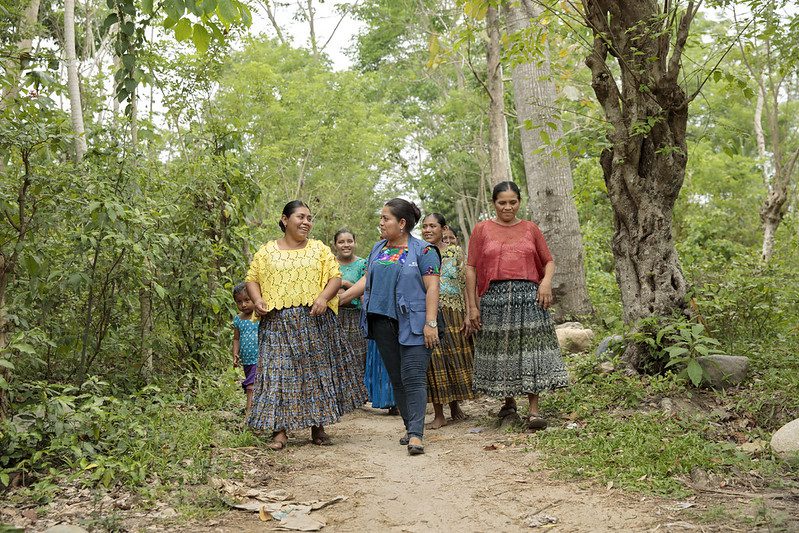
October 5, 2025
https://borgenproject.org/wp-content/uploads/borgen-project-logo.svg 0 0 Naida Jahic https://borgenproject.org/wp-content/uploads/borgen-project-logo.svg Naida Jahic2025-10-05 03:00:472025-10-04 04:08:185 Facts About Vietnam’s Economic Reforms
Development, Global Poverty, Technology

Bridging the Digital Divide in Barbados

Digital Divide in BarbadosThe increase in internet penetration has been highly beneficial in bridging the digital divide in Barbados. This has allowed those who were formerly unable to connect with others worldwide the ability to do so. Some of the main challenges to achieving full connectivity include limited digital literacy, frequent disconnections, vulnerability to major cyber incidents and a shortage of local websites.

Still, significant progress has been made. Barbados has modernized its public sector through improved digital channels. The digital divide in Barbados is also narrowing thanks to the accelerated pace of digital transformation, led partly by the UNDP. This effort targets government institutions, strategic partners, businesses and the youth.

In addition, the UNDP’s blueDIGITAL initiative has provided essential tools to support fisherfolk, government agencies, tourism partners and the wider public. These tools are driving innovative digital solutions tailored to Barbados’s specific needs, further helping to bridge the digital divide.

Current Issues

As of 2022, an estimated 76% of Barbados’s population has internet access. However, challenges remain: only 25% of the most visited websites in the country can be accessed locally and overall internet quality is below standard for the general population due to weak market competition. Additionally, the nation’s internet resilience score of 46% means it can withstand only limited disruptions.

According to the Global Cybersecurity Index, Barbados ranks among evolving nations (score of 20-55) in handling cyber incidents. The country has about 1,889 domains registered under its country code (.bb). However, the main challenge is limited locally hosted content, which weakens internet resilience and slows progress in bridging the digital divide.

Working To Move Forward

The digital divide in Barbados has gradually narrowed, thanks in part to outside support. Key contributions include the modernization of the public sector, the accelerated pace of digital transformation and the UNDP’s blueDIGITAL initiative.

Support from the Inter-American Development Bank (IDB) has also been critical. Its $40 million loan to Barbados is driving the digital transformation of public administration, while efforts are underway to improve both public and private services. These changes aim to reduce transactional costs and make services more accessible.

The UNDP has also played a key role in reducing the digital divide in Barbados. Through two digital transformation initiatives, the Business Adaptation Programme and Work Online Dominica, the UNDP has helped participants adapt to the digital world of work. These programs equip individuals with skills to manage their businesses, strengthen marketing and improve their financial standing.

Conclusion

Barbados has faced its fair share of issues regarding its internet stability and getting everyone online, with many problems still being faced with major cyber incidents and their prevention. However, with assistance from the UNDP and the IDB, Barbados has made significant progress in its digital development. Thanks to these initiatives, the digital divide in Barbados grows narrower with each passing day.

– Amari Jennings

Amari is based in Orlando, FL, USA and focuses on Technology and Solutions for The Borgen Project.

Photo: Flickr

October 5, 2025
https://borgenproject.org/wp-content/uploads/borgen-project-logo.svg 0 0 Lynsey 2 https://borgenproject.org/wp-content/uploads/borgen-project-logo.svg Lynsey 22025-10-05 03:00:262025-10-04 03:51:51Bridging the Digital Divide in Barbados
Disease, Global Health, Global Poverty

All About Tungiasis in Sub-Saharan Africa: What, Where and How

All About Tungiasis in Sub-Saharan Africa: What, Where and How Tungiasis is a neglected tropical disease (NTD), meaning it does not receive adequate attention.  It is most prevalent among those living in poverty in the Caribbean, South America and the sub-Saharan region of Africa. Despite this fact, Tungiasis continues to go unaddressed in global public health agendas. Tungiasis does not get much coverage in academic circles, by community health care practitioners, public health experts, decision makers, funding organizations and pharmaceutical companies. No country, particularly in the sub-Saharan region, knows its disease burden regarding Tungiasis, which is a challenge in addressing the problem.

The What

Tungiasis is a skin disease caused by female sand fleas (Tunga penetrans), commonly called jiggers. It is a zoonosis, meaning it can be transmitted between humans and animals, particularly domestic animals such as dogs, cats and pigs. The disease occurs when the female flea burrows into the skin. The most affected areas of the human body are the feet, but the elbows, hands, knees, genitals, buttocks and periungal areas (fingers or toes) are also sites of infection.

At the acute stage, victims suffer from severe pain, itching, sleep problems, inflammation, swelling, deep fissures, ulcers and abscess development due to bacterial superinfection.  Those who suffer chronically experience protracted pain, deformity, damage to the feet, disability and eventually long-term cognitive impairment. In addition to the physical manifestations of the disease, those with Tungiasis also endure social stigma and isolation.

Tungiasis Prevalence: The Where

The prevalence of Tungiasis in Sub-Saharan Africa varies by location.  The disease primarily affects children and elderly people in every country within the Sub-Saharan region of Africa.  The prevalent rates of infection in each country are as follows: 

  • Ethiopia: 46.5%
  • Cameroon: 44.9%
  • Tanzania: 42.0%
  • Kenya: 37.2%
  • Nigeria: 28.1%
  • Rwanda: 22.7%
  • Uganda: 20.1% 

These rates are averages, but some areas within these countries show higher prevalence. For example, northeastern Uganda recorded a prevalence rate of 62.8%.

Ongoing Efforts: The How

Risk factors for contracting Tungiasis include poverty, poor hygiene, lack of sealed flooring, mud/earthen housing, rearing of domestic animals, and walking barefoot. Home remedies attempted include manual extractions with non-sterile sharp instruments, which cause inflammation, significant pain, bleeding, open wounds and a high risk of bacterial and viral infections. Other methods include the use of motor oil, tobacco, naphthalene, kerosene and hydrogen peroxide. None of these methods is effective, and all are dangerous.

The most recommended treatment for Tungiasis is the use of low-viscosity Dimeticone. It is the most effective and works in mild and severe cases. Another effective treatment is the combination of coconut and neem oil. However, it is not as effective as Dimeticone and requires more application to the affected area.

Innovations for Tropical Disease Elimination (IFOTRODE), a humanitarian organization based in Uganda, carried out a two-year study in the country’s northeast. The study included quarterly detection and treatment efforts. People and animals received treatment with Dimeticone oil, and the team also organized community health promotions through local dialogues. During the study, health workers diagnosed and treated 12,540 cases. As a result, the prevalence of tungiasis in the area dropped from 62.8% to 5.7%. It appears researchers have discovered the formula required to reduce and even possibly eradicate Tungiasis.

Looking Ahead

The success of community-based efforts in Uganda shows that the right tools and attention can dramatically reduce tungiasis. Expanding access to effective treatments like dimeticone, investing in public health education, and strengthening global awareness will help eliminate the disease. With continued innovation and support, communities can achieve the goal of ending the suffering caused by tungiasis in Sub-Saharan Africa.

– Danielle Milano

Danielle is based in Pineville, LA, USA and focuses on Good News and Global Health for The Borgen Project.

Photo: Flickr

October 5, 2025
https://borgenproject.org/wp-content/uploads/borgen-project-logo.svg 0 0 Precious Sheidu https://borgenproject.org/wp-content/uploads/borgen-project-logo.svg Precious Sheidu2025-10-05 03:00:112025-10-04 03:45:10All About Tungiasis in Sub-Saharan Africa: What, Where and How
Global Poverty, Hunger, Malnourishment

US aid fighting hunger in Kenya

hunger in kenyaKenya faces a persistent hunger and malnutrition crisis, with more than 18.7 million people, more than one-third of the population, undernourished. Recurring droughts, floods and disease outbreaks exacerbate this process. However, U.S. foreign aid alleviates this situation through various programs and initiatives.

US Humanitarian Assistance in Kenya

In response to the 2023 Horn of Africa drought, the U.S. government, through USAID, provided nearly $310 million in humanitarian assistance to Kenya. This funding supported emergency food aid, nutrition programs and resilience-building activities.

Additionally, the U.S. Department of Agriculture (USDA) has been instrumental in combating child malnutrition in Kenya through the McGovern-Dole Food for Education Program. In 2023, this program supplied U.S.-grown food to more than 650,000 children across more than 2,000 schools, ensuring they receive nutritious meals that support their education and overall well-being.

Addressing Acute Malnutrition

Acute malnutrition remains a significant concern, particularly among children under 5. As of October 2023, approximately 847,000 children in Kenya were facing acute malnutrition. U.S. aid contributes to programs that provide therapeutic feeding, micronutrient supplementation and community-based nutrition interventions to address this issue.

Kenya hosts a substantial refugee population, many of whom are at heightened risk of food insecurity. In 2024, the U.S. government allocated $37 million to support refugees in Kenya, enabling the World Food Programme (WFP) to increase food rations and resume cash transfers in camps like Dadaab and Kakuma. These efforts are crucial in preventing malnutrition and promoting the self-reliance of displaced individuals.

Challenges and Ongoing Needs

Despite these efforts, challenges persist. The Global Hunger Index 2024 categorizes Kenya’s hunger level as “serious,” with indicators such as child stunting and undernourishment remaining high. Moreover, recent U.S. aid cuts have led to significant reductions in food assistance for refugees, with some receiving only 28% of the recommended food rations, putting vulnerable populations at further risk.

Funding shortfalls have also become a pressing challenge. In recent years, reductions in U.S. aid have forced humanitarian organizations to scale back food assistance. Such shortfalls endanger vulnerable populations and risk undoing years of progress in improving food security. Without sustained investment, cycles of hunger and malnutrition could worsen, especially during weather shocks.

Another obstacle is climate instability. Kenya’s heavy reliance on rain-fed agriculture makes its population highly vulnerable to droughts and floods. Extreme weather events have become more frequent, damaging crops, killing livestock and reducing access to safe water. While humanitarian assistance can provide short-term relief, long-term resilience requires greater investment in sustainable farming practices, climate adaptation and diversified food systems.

U.S. programs that combine food assistance with resilience-building measures are therefore vital. However, their reach remains limited compared to the scale of the crisis.

Looking Forward

The partnership between the U.S. and Kenya shows the importance of international cooperation in fighting hunger. U.S. assistance has helped millions of Kenyans access life-saving food, reduced rates of acute malnutrition among children and supported education through school meals. Often among the hardest hit, refugees have also benefited from direct food aid and cash transfers that restore dignity and choice in how families feed themselves.

Still, the persistence of hunger in Kenya serves as a reminder that humanitarian aid cannot be the only solution. Addressing root causes—poverty, inequality, weather instability and fragile health systems—is essential for long-term progress. Programs that integrate food assistance with agricultural development, women’s empowerment and climate adaptation can create more sustainable outcomes. The U.S., alongside Kenyan institutions and international partners, will need to continue expanding investments in these areas to prevent recurring food crises.

Ultimately, U.S. foreign aid is more than just emergency relief—it is an investment in human potential and stability. By ensuring children are well-nourished, families are food-secure and communities are resilient, these efforts contribute to Kenya’s broader development goals. While challenges remain, ongoing U.S. support provides a foundation of hope that Kenya can reduce hunger and malnutrition, even in the face of climate and economic pressures.

– Skylar Roy

Skylar is based in Carlsbad, CA, U.S.A and focuses on Good News and Global Health for The Borgen Project.

Photo: Wikimedia Commons

October 5, 2025
https://borgenproject.org/wp-content/uploads/borgen-project-logo.svg 0 0 Naida Jahic https://borgenproject.org/wp-content/uploads/borgen-project-logo.svg Naida Jahic2025-10-05 01:30:202025-10-05 03:12:35US aid fighting hunger in Kenya
Education, Global Poverty

Vocational training helps Bosnia’s Roma to employment

bosnia's romaIn many ways, the story of Bosnia and Herzegovina is a journey of triumph in the face of hardship. Since 2015, Bosnia and Herzegovina has achieved real income growth of 3% annually, helping the nation to reduce its poverty rate from just under 17% to 13.5% by 2021. However, just like every journey, people can be left behind, and in this case, Bosnia’s Roma are at risk of slipping out of Bosnia’s path to progress.

Background

The Roma community face harsh discrimination in Bosnia and Herzegovina, encompassing multiple aspects of life, stemming from the Roma’s classification as a non-constituent people in Bosnia. A significant consequence of this discrimination is through employment practices, which contribute to the substantial multidimensional poverty experienced by Bosnia’s Roma. There is a heavy reliance on the informal economy to supply livelihoods, which excludes them from social protections and security. Crucially, NGO projects are empowering the Roma community to break the vicious cycle of unemployment through vocational training, diversifying the labour market for Roma and facilitating access to jobs with social protections to escape poverty.

Unemployment and Discrimination

Roma do not comprise a huge proportion of the Bosnian population, but they face the harshest discrimination in the country. Ninety percent of Bosnia’s Roma do not have a job, a stark indication of the country’s failure to include them within the labour market. Roma, many of whom are Muslim, are not part of multiple forms of political participation and expression by law, a by-product of their recognition as a non-constituent people.

This categorization underpins the employment discrimination they experience, with many failing to access support services or apply for jobs due to registration difficulties and a lack of documentation. Difficulties in obtaining official documentation relates to the informal settlements the Roma community tends to reside in, preventing them from accessing a stable labour market, thus depriving them of a dependable income to live in a permanent address where access to services and documentation can be achieved.

Subsidised Employment Programs Ineffective


One of the central tenets of Bosnia’s Poznan Declaration in 2019 to improve Roma Integration was enhancing employability. The target was to “increase the employment among Roma to at least 25%.” The plan involved allocating 5.2 million BAM ($3.1 million) to employ 650 Roma, however, a pattern of deteriorating funding and repeatedly failing action plans has resulted in little tangible progress for increasing employment for Bosnia’s Roma.

A 60% reduction in funding from the initial strategy means that Roma employability will likely fall, due to continued bureaucratic barriers and an expiring support period from Bosnia’s latest action plan. Whilst subsidised programs have failed, community-based projects from NGOs have garnered more support and more results through its focus- providing vocational training and upskilling individuals.

NGOs remain AHEAD of the game

One innovative project helping to improve employability is the AHEAD project, which focuses on combating intolerance against Roma through the encouragement of good practices, promoting round tables and seminars to dissect the root causes of discrimination.

Through targeting hate speech in the employment sector, if offers specific training to numerous stakeholders promoting anti-discrimination processes, facilitating the progression of Bosnia’s Roma- particularly the young generation searching for employment- into active, stable employment routes.

The Otaharin Citizens Association has been active in providing vocational training, particularly for Roma women in Bosnian society. The Association provides round tables like the AHEAD project, in addition to educational projects which provide a foundation for acquiring skills, promoting the importance of secure employment.

Otaharin further promotes employability skills through their social enterprise project, supporting work placements for Roma university students and volunteering programs for Roma secondary school students to help build their experience.

The Future

These organizations’ holistic focus towards employment means that more of the Roma community, especially young, aspiring Roma, are gaining the necessary vocational skills and experience to overcome discriminatory processes. Furthermore, educating wider stakeholders to tackle deep-rooted stereotypes regarding Romani people has ensured a two-way process can begin, a journey that Bosnia’s Roma can finally be a part of.

– Oscar McClintock

Oscar is based in Cambridge, UK and focuses on Good News and Global Health for The Borgen Project.

Photo: Flickr

October 5, 2025
https://borgenproject.org/wp-content/uploads/borgen-project-logo.svg 0 0 Naida Jahic https://borgenproject.org/wp-content/uploads/borgen-project-logo.svg Naida Jahic2025-10-05 01:30:062025-10-04 03:22:43Vocational training helps Bosnia’s Roma to employment
Developing Countries, Education, Global Poverty

Education in Nigeria

Education Struggles in Nigeria According to the United Nations International Children’s Emergency Fund (UNICEF), more than 10 million Nigerian children are not receiving formal education — the highest number in the world. Poverty, conflict and gender inequality are the biggest barriers keeping kids out of classrooms.

Causes of Educational Struggles in Nigeria

  • Lack of funding. Long-standing corruption within Nigeria, most prominently academic misconduct, defined as any action that gains or attempts to gain within an educational setting to gain an unfair academic advantage, has consistently undermined education funding in Nigeria. This has resulted in poor infrastructure, such as unsafe classrooms, limited access to clean water, untrained teachers, a lack of quality teaching materials and frequent failures to pay teachers’ allowances, all of which hinder children’s ability to secure adequate education.
  • Armed attackers. In northern Nigeria, armed attackers have attacked schools, leaving families afraid to send their children to class. “In 2022 and 2023, attacks on schools in Nigeria persisted in the context of armed conflict in northeastern states due to the presence of nonstate armed groups, as well as armed violence in northwestern and northcentral states due to pastoralist-farmer tensions.” Children ultimately suffer the most from these attacks, leaving them in a state of distress and unsafe when trying to access education. However, organizations including “Save the Children” have been working to resolve this issue and have provided 47 million children with education, medicine and food globally.
  • Girls’ vulnerabilities. Girls are especially at risk, as child marriage and household labor often hinder their educational needs. According to reports, 4 out of 10 girls marry before the age of 18 (44%) in Nigeria, totaling more than 24 million child brides. This prevents them from accessing education as they are forced to take on adult responsibilities, thereby removing their focus from necessary education. This high percentage of child marriage is detrimental to young girls, as it “violates the fundamental rights and freedoms of young girls.” Moreover, organizations supported by the United States (U.S.) foreign aid, such as UNICEF and the Global Partnership for Education, are working to address these challenges. They help rebuild schools, provide learning materials and promote safe, equal access to education for girls.

Ongoing Efforts to Refocus Attention on Education

Recognizing the urgent need to tackle the issue, representatives from multiple sectors came together at the “Child Marriage Stakeholders’ Consultations” to discuss long-term strategies for ending child marriage in Nigeria.

Participants pledged to work toward eliminating child marriage nationwide by 2030 through coordinated efforts and new policies and resources at the federal, state and community levels. A key initiative introduced in Nigeria to expand access to education, the Universal Basic Education (UBE) program, aims to provide free schooling to every child. It has shown success by improving access to basic education and reducing the number of children out of school. According to the United Nations (U.N.), primary school enrollment rates in Nigeria increased from 57% in 1999 to 71% in 2018. Efforts are also underway to increase investments, focusing on digital inclusion and the development of 21st-century skills, including AI integration.

Empowering Nigeria’s Future Through Education

By supporting education in Nigeria, the U.S. not only empowers millions of young people but also invests in a more stable and prosperous partner in Africa. Strong education systems reduce poverty, boost economies and help communities resist extremist groups, with benefits that extend far beyond Nigeria’s borders. In addition, reducing high levels of child marriage allows children to refocus on the education they need for a brighter future.

– Carise Wallbank

Carise is based in the United Kingdom and focuses on Global Health for The Borgen Project.

Photo: Flickr

October 5, 2025
https://borgenproject.org/wp-content/uploads/borgen-project-logo.svg 0 0 Precious Sheidu https://borgenproject.org/wp-content/uploads/borgen-project-logo.svg Precious Sheidu2025-10-05 01:30:002025-10-04 03:27:54Education in Nigeria
Global Health, Global Poverty, Nonprofit Organizations and NGOs

Dying to Give Birth: Maternal Mortality in Indonesia

Dying to Give Birth: Maternal Mortality in Indonesia Experts widely recognize maternal mortality as a critical indicator of the quality of a nation’s health care system. The Sustainable Development Goals (SDGs) call for a global maternal mortality ratio (MMR) of less than 70 maternal deaths per 100,000 live births by 2030. Indonesia, however, continues to face serious challenges in meeting these targets.

Regional Disparities Highlight Inequities in Care

According to World Bank data, 140 women die per 100,000 live births due to pregnancy-related causes in Indonesia — higher than the regional average. While maternal deaths have steadily declined, Indonesia remains among the highest in Southeast Asia, with significant disparities within the country. Hypertensive disorders and non-communicable diseases account for a growing share of maternal deaths, complicating efforts to reduce mortality.

The national MMR masks stark regional differences. Provinces in Java and Bali report lower maternal mortality rates, whereas Sulawesi and Eastern Indonesia experience rates more than twice the national average. These disparities reflect unequal access to health care and differences in the availability of skilled professionals. 

Drivers of Maternal Mortality

The main medical causes of maternal death include hemorrhage, hypertensive disorders and sepsis. However, structural and social factors play an equally critical role. Studies indicate that rural and remote settings correlate with higher complication rates and insufficient referrals. The availability of obstetricians and midwives explains nearly half of the variance in maternal mortality outcomes across the country. Patients from wealthier backgrounds often migrate across provinces to seek better care, highlighting the quality gaps in rural facilities.

Distance and lack of infrastructure further endanger women’s lives. As Noorkarmila, a midwife from West Java, observes, “The long distance it takes them to get to the hospital and limited facilities… it saddens me to see [a pregnant woman’s journey] to the moment she dies, especially when there are things we can do to prevent it.”

Socioeconomic inequalities, entrenched gender norms and gender-based violence (GBV) exacerbate these risks. Nationwide surveys indicate that roughly one in three Indonesian women aged 15 to 64 has experienced physical or sexual violence, which carries both immediate and long-term health consequences such as trauma, unwanted pregnancies and chronic illness. Underreporting and weak enforcement of laws further compound the problem.

Local Initiatives Bridging the Gap

Despite these challenges, local nongovernmental organizations (NGOs) and programs are making meaningful progress. The Indonesian Global Health Foundation provides telemedicine devices to connect rural residents with doctors, midwives and nurses, facilitating more than 350 online consultations across at least 20 villages.

Project HOPE focuses on strengthening the skills of midwives, who provide the first neonatal care for half of all infants in Indonesia. Through training and ongoing supervision, midwives gain confidence in managing common obstetric and newborn emergencies, improving outcomes in sub-district health facilities and private midwife practices.

The Road Ahead

The challenge of maternal mortality in Indonesia underscores the urgent need for equitable access to health care, investment in skilled personnel, and interventions addressing social determinants of health. Achieving the SDG targets by 2030 will require sustained efforts, particularly in underserved regions, alongside comprehensive strategies to combat poverty, gender inequality and violence against women. With targeted initiatives and local innovations, Indonesia can continue its progress toward ensuring safe motherhood for all.

– Kai Xian Lim

Kai is based in Odense, Denmark and focuses on Global Health for The Borgen Project.

Photo: Flickr

October 4, 2025
https://borgenproject.org/wp-content/uploads/borgen-project-logo.svg 0 0 Precious Sheidu https://borgenproject.org/wp-content/uploads/borgen-project-logo.svg Precious Sheidu2025-10-04 07:30:522025-10-04 03:08:51Dying to Give Birth: Maternal Mortality in Indonesia
elderly poverty, Global Poverty, Health

In-Home Health Care Strategy: Reducing Elderly Poverty in Norway

Elderly Poverty in NorwayThe Norwegian health care system is often cited as one of the most efficient, accessible and patient-oriented nationwide health services available. In 2024, the Scandinavian country’s universal health care structure earned a number five ranking in the World Index of Healthcare Innovation, a measure the Foundation for Research on Equal Opportunity uses to assess health care quality for 32 high-income nations.

With world-class infrastructure and prestigious credentials, Norway’s exemplary health care system offers a template for socialized coverage that neighboring countries often look to adopt. Despite its strengths, Norway’s health care system faces challenges that could leave its aging population in the margins. Fortunately, Norway’s ever-advancing welfare technology offers promising solutions. Here are the upcoming challenges older Norwegians face in securing adequate health care and how this relates to old-age poverty in Norway. 

How Norway’s Health Care System Works

Norway’s decentralized health care system allows for a higher degree of municipal management, providing a regionally tailored experience for patients across the country. National and municipal taxes fund Norway’s health care infrastructure: a system of four Regional Health Authorities that cover residents’ health insurance and oversee the country’s 20 hospital trusts.

In 2023, 11% of the country’s gross domestic product (GDP) accounted for health care spending. As of 2025, around one in 10 Norwegians receives private health insurance. The 2012 Public Health Act reflects Norway’s policy-forward approach to health care by making health a priority in all public service management. A well-integrated blend of national and local oversight for health care services leaves Norwegian residents with a considerable social safety net; however, recent concerns have arisen surrounding the rising costs of sustaining such a system. In particular, elderly poverty in Norway will disproportionately affect the elderly who face low socioeconomic status. 

Strained Health Care Services

As in many other developed countries, Norway’s increasing life expectancy places a significant strain on assisted living facilities that are already understaffed. From 2007 to 2017 alone, demand for nursing services jumped by 18% Per projections, demand could increase in the coming years, as 250,000 more Norwegians older than 80 will add to the country’s population in the next two decades.

Notably, the past decade saw a 37.9% increase in the number of Norwegians ages 67 to 79, a landmark figure. All the while, in the short span from 2015 to 2018, the country’s nursing home availability decreased by 2%. Old age often brings increased vulnerability to isolation and stigma, which can deter individuals from seeking care—heightening risks to both health and financial stability. Unfortunately, discrepancies exist in which Norwegians are most likely to experience these injustices as they age. 

Access to Health Care

Older Norwegians with differing educational attainment and income levels, which are often interdependent, see notable discrepancies in available health care. For example, a difference in life expectancy of up to seven years exists between Oslo’s districts. A 2024 study, highlighting higher mortality rates for elderly patients discharged to under-resourced municipalities, speaks to the social gradient that Norwegian elderly experience. Rural municipalities with populations of 10,000 or fewer, where 17% of Norwegians live, are particularly underserved. Furthermore, a higher educational degree can add four years to the life expectancy of Norwegians 65 or older, compared to those with a lower degree.

Norwegians without a high socioeconomic status may lack the financial stability to afford the costs of living in municipalities with more abundant health care services. Even when they can, only two in five patients living in municipalities with populations of 50,000 or more register for a nursing home within 15 days of requesting one. Clearly, intra-municipality competition for aging services exacerbates regional inequalities in nursing home availability. With such sparse resources, the existing social safety net may not sufficiently protect the country’s aging population from old-age poverty. 

What Elderly Poverty Means for Aging Norwegians

With current levels of competition for nursing home services, elderly poverty in Norway is at risk of increasing in the coming years. As older Norwegians are discharged early from hospitals to underserved municipalities, they may be more likely to require future care. Consistent transitions in and out of hospitals can accumulate costs over time, while the proactive care nursing homes could provide often remains out of reach for elderly people without the means to finance it.

A 2022 study also noted cases in which Norwegian employees took sick leave to care for their elderly parents. Thus, elderly poverty can become generational if aging parents depend on their children to provide the services that municipal health care doesn’t have the bandwidth to. While Norway’s nursing home services are not at a capacity to sustain current and future demand, technological advances in in-home care have the potential to address this shortcoming.

The Path Forward

The future of equal health care and prevention of old-age poverty in Norway is complex, with elderly health care needs differing between rural and urban municipalities. With 38.5% of Norway’s elderly aged 65 and older living alone, local health care services are looking to welfare technology to sustain in-home care as an alternative to nursing homes. Home installments designed to detect signs of distress and enhance autonomy enable older Norwegians to maintain a sense of independence and forgo the transition to a nursing home environment as they age.

While relieving pressure on crowded, assisted living facilities, Norwegian elderly will be able to preserve their financial resources and social networks, promoting personal resilience to otherwise life-disrupting events. In-home aging technology may still be out of reach for some older Norwegians due to socioeconomic discrepancies, but this innovation will play a central role in reducing current and future elderly poverty in Norway.

– Isla Hansen

Isla is based in Spokane, WA, USA and focuses on Good News and Politics for The Borgen Project.

Photo: Flickr

October 4, 2025
https://borgenproject.org/wp-content/uploads/borgen-project-logo.svg 0 0 Precious Sheidu https://borgenproject.org/wp-content/uploads/borgen-project-logo.svg Precious Sheidu2025-10-04 07:30:492025-10-04 02:59:20In-Home Health Care Strategy: Reducing Elderly Poverty in Norway
Page 99 of 2163«‹979899100101›»

Get Smarter

  • Global Poverty 101
  • Global Poverty… The Good News
  • Global Poverty & U.S. Jobs
  • Global Poverty and National Security
  • Innovative Solutions to Poverty
  • Global Poverty & Aid FAQ’s
Search Search

Take Action

  • Call Congress
  • Email Congress
  • Donate
  • 30 Ways to Help
  • Volunteer Ops
  • Internships
  • Courses & Certificates
  • The Podcast
Borgen Project

“The Borgen Project is an incredible nonprofit organization that is addressing poverty and hunger and working towards ending them.”

-The Huffington Post

Inside The Borgen Project

  • Contact
  • About
  • Financials
  • President
  • Board of Directors
  • Board of Advisors

International Links

  • UK Email Parliament
  • UK Donate
  • Canada Email Parliament

Get Smarter

  • Global Poverty 101
  • Global Poverty… The Good News
  • Global Poverty & U.S. Jobs
  • Global Poverty and National Security
  • Innovative Solutions to Poverty
  • Global Poverty & Aid FAQ’s

Ways to Help

  • Call Congress
  • Email Congress
  • Donate
  • 30 Ways to Help
  • Volunteer Ops
  • Internships
  • Courses & Certificates
  • The Podcast
Scroll to top Scroll to top Scroll to top