Everything To Know About Poverty in Bulgaria
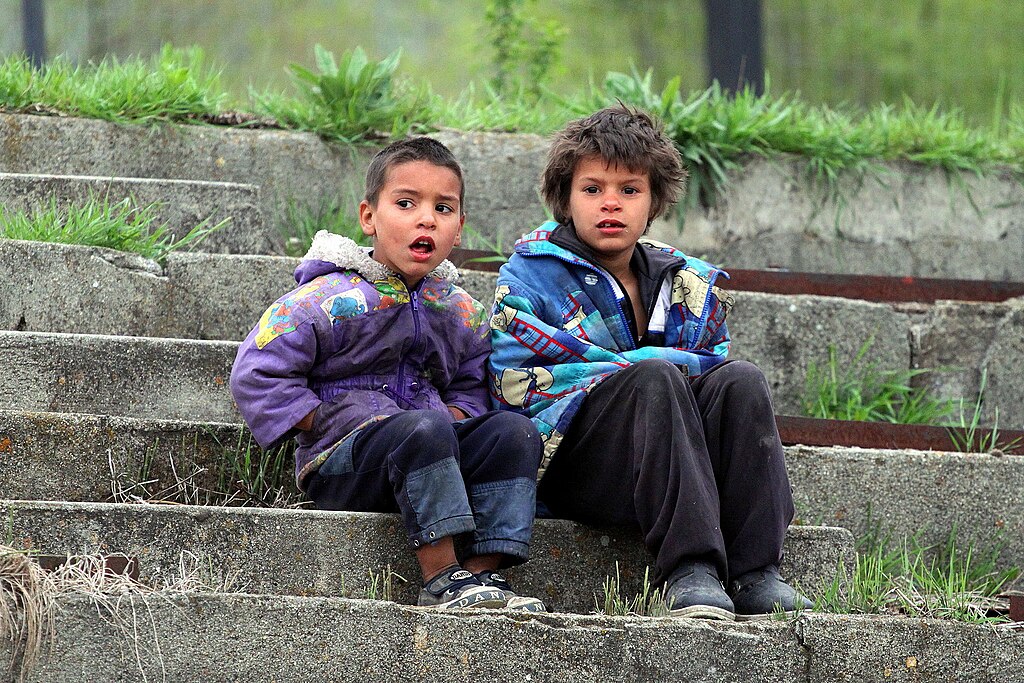 For a substantial portion (approximately 21.7% or 1.5 million in 2024) of Bulgaria’s population, poverty is an inescapable reality. Vulnerable citizens, especially Romani people, are born into families with little access to basic needs, such as education, housing and employment, further maintaining the cycle of systemic inequality. Recently, however, the nation’s government and nonprofits have been taking measurable steps toward a brighter outlook by reducing the risk of poverty for more than 1 million individuals since 2015. Understanding poverty in Bulgaria starts with recognizing who is experiencing the most impact and why the hardships persist, and the actions organizations are taking to alleviate the conditions of poverty in Bulgaria.
Who Faces the Greatest Risk
The effects of poverty disproportionately impact children and Romani communities. About 28.2% of Bulgarian minors were at risk of poverty in a 2024 report; four-fifths of them were born into households with parents who had not completed more than ISCED Level 1 education. Systematic inequality continues to affect Romani peoples’ access to basic needs unduly. The income inequality is especially notable, as the region with the lowest GDP per capita in the European Union, Severozapaden, also reports the lowest life expectancy.
Numerous interconnected factors have been maintaining this state of affairs, and their consequences are evident. While average wages and the poverty line have increased in recent years, they remain among the lowest in the EU. Individuals working in low-value-added industries (agriculture, most commonly) struggle most with poverty in Bulgaria. Due to low birth rates and emigration, Bulgaria’s population has dropped by nearly 25% since 1990. While rural communities are most subject to depopulation and low investment, economic growth remains concentrated in Sofia.
Social Transfers and EU Cohesion Funds
To support the impoverished, several government and NGO interventions have been implemented and are underway. Pensions, child allowances and other governmental social transfers are serving hundreds of thousands of households that were previously facing the predicament of whether to cut back on essentials in order to provide their children with food and school supplies. Such transfers decreased the likelihood of child poverty by 13.6 percentage points in 2023. Funding from the EU is especially important in facing regional imbalances and persistent poverty. The EU Cohesion Policy for 2021–2027 continues to support the improvement of infrastructure, as well as increased employment opportunities and vocational training. Additionally, billions of leva have been allocated by the Human Resources Development Programme to promote entrepreneurial activity, fund improved childcare and train employees. According to the Ministry of Labour and Social Policy, hundreds of thousands of Bulgarians have completed the training.
An NGO’s Impact
According to the European Anti-Poverty Network (EAPN), Bulgaria not only advocates for fairer wages and more inclusive social policies, but also directly assists households during energy crises. Thousands of families received such energy assistance, according to the EAPN’s 2023 Poverty Watch. The group has demanded that the government raise the minimum wage and pension, tax more equitably and guarantee that all disadvantaged populations receive proper support.
Looking Ahead
Bulgaria is moving towards the goal of leaving no one behind, thanks to national transfers alleviating child poverty, EU cohesion funds increasing access to education and jobs and civil organizations supporting vulnerable households. The most critical first step that is needed in the fight against inequality is the recognition that an issue as widespread as poverty affects millions of lives that have untold potential.
– Clara Garza
Clara is based in Los Angeles, CA, USA and focuses on Global Health and Politics for The Borgen Project.
Photo: Wikimedia Commons
