• Link to X
  • Link to Facebook
  • Link to Instagram
  • Link to TikTok
  • Link to Youtube
  • About
    • About Us
      • President
      • Board of Directors
      • Board of Advisors
      • Financials
      • Our Methodology
      • Success Tracker
      • Contact
  • Act Now
    • 30 Ways to Help
      • Email Congress
      • Call Congress
      • Volunteer
      • Courses & Certificates
      • Be a Donor
    • Internships
      • In-Office Internships
      • Remote Internships
    • Legislation
      • Politics 101
  • The Blog
  • The Podcast
  • Magazine
  • Donate
  • Click to open the search input field Click to open the search input field Search
  • Menu Menu

Archive for category: Global Poverty

Key articles and information on global poverty.

Aid, Global Poverty, Trade

Brazil Prosperity Fund: Unlocking Brazil’s Trading Power

Brazil Prosperity FundThe Brazil Prosperity Fund was a range of projects designed to use aid from the U.K. to expand Brazil’s trade network and accelerate the country’s development. The scheme invested $40 million of U.K. aid between 2018 and 2023 and focused on four key areas:

  1. Energy
  2. Green Finance
  3. Future Cities
  4. Trade

Funding provided by the Brazil Prosperity Fund helped facilitate the exchange of information between U.K. scientists and the Brazilian Energy Program (BEP) on the most efficient ways to collect and utilize biogas. This led to the passing of Brazil’s Fuel of the Future law in October 2024, which regulates the country’s energy sector. The law was passed to reduce Brazil’s greenhouse gas emissions and establish the country as a market leader in the sale of renewable energy, maximizing its trading power.

São Paulo Metro System Expansion

The Brazil Prosperity Fund provided funding, along with the World Bank, for the Brazilian branch of the Future Cities Programme. The funds from this scheme were used to expand the existing metro system in São Paulo, South America’s largest conurbation, with a population of more than 20 million people.

A key innovation in this scheme was to help expand Brazil’s trading power by connecting the city’s international airport to the Barra Funda area via express trains in 2018. This has allowed easier access to the city center for international travelers and a good entry into the country.

The São Paulo municipal government intends to continue to expand its metro network, with seven new metro lines planned for construction over the next decade.

The Brazil Exportação Platform

Brazil’s trading power had previously been hampered by the lack of access Brazilian businesses had to international markets. The Brazil Prosperity Fund aimed to alter that by establishing the Brazil Exportação (BRAEXP) trading platform.

BRAEXP works by identifying potential international buyers for Brazilian businesses and suggesting methods of payment that are accessible both to the businesses themselves and to consumers based overseas. The platform reported more than 50,000 unique accesses between its foundation in November 2023 and June 2024.

Reforming Brazil’s Transfer Pricing

Economic advisors from the U.K. were also involved in designing reform to Brazil’s transfer pricing system. Brazil’s trading power had previously been limited by its transfer pricing laws. These laws left some goods vulnerable to “double taxation,” where foreign exporters risked paying significantly more than the market rate to sell their products in Brazil.

The Organization for Economic Co-operation and Development (OECD), the global policy forum that sets guidelines for international trade, has established the “arm’s length principle.” Under this agreement, any transaction between two parties must be priced within an appropriate range, as if the transaction were taking place between two entirely unrelated parties.

By enshrining this into Brazilian law in January 2024, the Brazilian government ensured fair competition between domestic and international producers. This makes Brazil a more attractive trading partner to developed nations.

The UK’s Trade With Brazil

The most recently published data shows that the total value of the U.K.’s trade with Brazil stood at approximately $16.6 billion for the year between April 2024 and March 2025. This represents an increase of more than 80% since the launch of the Brazil Prosperity Fund in 2018. The U.K.’s positive trade balance with Brazil increased, reaching more than $12 billion in the four quarters to the end of Q1 2025. This growth occurred despite the U.K.’s overall trade balance remaining negative during this period. These latest figures also show that Brazil is now the U.K.’s 26th largest trading partner globally and the country’s largest in South America.

Brazil’s trading power with the U.K. primarily stems from its exports of food and drink. These make up more than half of the U.K.’s imports from Brazil and utilize the South American country’s unique climate in an economically and environmentally sustainable way. Conversely, the U.K.’s leading exports to Brazil are medicinal and pharmaceutical products (17.4% of exports between April 2024 and March 2025) and mechanical power generators (10.2%). It is hoped that exports in both of these areas will further aid Brazil’s development and ability to produce exportable goods, while also improving the nation’s health care services.

Trade in the service sector, where the U.K. is a traditionally large exporter, between the two countries has been primarily based around financial services. By providing Brazilian businesses with access to London-based financial markets, this financial trade may allow for greater trade between Brazil and the rest of Europe, while also improving Brazil’s economic stability.

What Can We Learn From Brazil?

Brazil’s growing trade relationship with the U.K. is an example of a mutually beneficial arrangement between a developing nation and a developed nation, which overcomes geographic and linguistic barriers. This would not be as profitable for either country, without the recent acceleration of Brazil’s development, which was partially funded by international aid schemes such as the Brazil Prosperity Fund.

– Billy Stack

Billy is based in London, UK and focuses on Business and Politics for The Borgen Project.

Photo: Pixabay

October 7, 2025
https://borgenproject.org/wp-content/uploads/borgen-project-logo.svg 0 0 Lynsey 2 https://borgenproject.org/wp-content/uploads/borgen-project-logo.svg Lynsey 22025-10-07 01:30:522025-10-07 01:33:14Brazil Prosperity Fund: Unlocking Brazil’s Trading Power
Global Poverty, Hunger

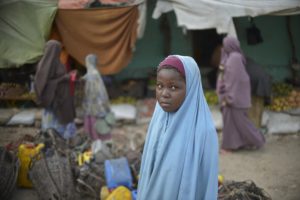
How US Support Is Tackling Hunger and Malnutrition in Kenya

Hunger and Malnutrition in KenyaKenya faces a persistent hunger and malnutrition crisis, with more than 18.7 million people, more than one-third of the population, undernourished. Recurring droughts, floods and disease outbreaks exacerbate this process. However, United States (U.S.) foreign aid alleviates this situation through various programs and initiatives.

US Humanitarian Assistance in Kenya

In response to the 2023 Horn of Africa drought, the U.S. government, through USAID, provided nearly $310 million in humanitarian assistance to Kenya. This funding supported emergency food aid, nutrition programs and resilience-building activities.

Additionally, the U.S. Department of Agriculture (USDA) has been instrumental in combating child malnutrition in Kenya through the McGovern-Dole Food for Education Program. In 2023, this program supplied U.S.-grown food to more than 650,000 children across more than 2,000 schools, ensuring they receive nutritious meals that support their education and overall well-being.

Addressing Acute Malnutrition

Acute malnutrition remains a significant concern, particularly among children under 5. As of October 2023, approximately 847,000 children in Kenya were facing acute malnutrition. U.S. aid contributes to programs that provide therapeutic feeding, micronutrient supplementation and community-based nutrition interventions to address this issue.

Supporting Refugees and Vulnerable Populations

Kenya hosts a substantial refugee population, many of whom are at heightened risk of food insecurity. In 2024, the U.S. government allocated $37 million to support refugees in Kenya, enabling the World Food Programme (WFP) to increase food rations and resume cash transfers in camps like Dadaab and Kakuma. These efforts are crucial in preventing malnutrition and promoting the self-reliance of displaced individuals.

Challenges and Ongoing Needs

Despite these efforts, challenges persist. The Global Hunger Index 2024 categorizes Kenya’s hunger level as “serious,” with indicators such as child stunting and undernourishment remaining high. Moreover, recent U.S. aid cuts have led to significant reductions in food assistance for refugees, with some receiving only 28% of the recommended food rations, putting vulnerable populations at further risk.

Funding shortfalls have also become a pressing challenge. In recent years, reductions in U.S. aid have forced humanitarian organizations to scale back food assistance. Such shortfalls endanger vulnerable populations and risk undoing years of progress in improving food security. Without sustained investment, cycles of hunger and malnutrition in Kenya could worsen, especially during climate shocks.

Another obstacle is climate instability. Kenya’s heavy reliance on rain-fed agriculture makes its population highly vulnerable to droughts and floods. Extreme weather events have become more frequent, damaging crops, killing livestock and reducing access to safe water. While humanitarian assistance can provide short-term relief, long-term resilience requires greater investment in sustainable farming practices, climate adaptation and diversified food systems.

U.S. programs that combine food assistance with resilience-building measures are therefore vital. However, their reach remains limited compared to the scale of the crisis.

Looking Forward

The partnership between the U.S. and Kenya shows the importance of international cooperation in fighting hunger. U.S. assistance has helped millions of Kenyans access life-saving food, reduced rates of acute malnutrition among children and supported education through school meals. Often among the hardest hit, refugees have also benefited from direct food aid and cash transfers that restore dignity and choice in how families feed themselves.

Still, the persistence of hunger in Kenya serves as a reminder that humanitarian aid cannot be the only solution. Addressing root causes—poverty, inequality, climate instability and fragile health systems—is essential for long-term progress. Programs that integrate food assistance with agricultural development, women’s empowerment and climate adaptation can create more sustainable outcomes. The U.S., alongside Kenyan institutions and international partners, will need to continue expanding investments in these areas to prevent recurring food crises.

Ultimately, U.S. foreign aid is more than just emergency relief—it is an investment in human potential and stability. By ensuring children are well-nourished, families are food-secure and communities are resilient, these efforts contribute to Kenya’s broader development goals. While challenges remain, ongoing U.S. support provides a foundation of hope that Kenya can reduce hunger and malnutrition, even in the face of climate and economic pressures.

– Skylar Roy

Skylar is based in Carlsbad, California, USA and focuses on Good News and Politics for The Borgen Project.

Photo: Wikimedia Commons
October 7, 2025
https://borgenproject.org/wp-content/uploads/borgen-project-logo.svg 0 0 Lynsey 2 https://borgenproject.org/wp-content/uploads/borgen-project-logo.svg Lynsey 22025-10-07 01:30:042025-10-06 00:16:25How US Support Is Tackling Hunger and Malnutrition in Kenya
Developing Countries, Education, Global Poverty, Poverty Reduction

Quiet Revolution: Education in Vietnam Drives Poverty Reduction

Education in VietnamVietnam transformed from one of Southeast Asia’s most underserved, war-torn nations in the early ’90s into a global model for poverty reduction. This transformation did not happen overnight. The country changed over the years of investment in its future: the children of Vietnam and their education.

Extreme poverty previously covered around 45–52% of the population in the early ’90s. By 2022, it had dramatically decreased to about 1%. This change came not from foreign aid or outside enterprises, but from a sustained, state-led initiative to invest in children in rural areas by expanding education and bolstering electrification, infrastructure and health care.

Education as the Foundation

The strongest pillar in Vietnam’s poverty reduction is the expansion of access to education throughout the country, reaching even the most remote regions of Vietnam. The country pushes for universal primary school enrollment and strong secondary school access, stressing the importance of education as a way to combat future poverty. These expansions raised literacy rates and skyrocketed school completion.

They also gave children who once had no chance for a solid educational foundation the opportunity to move through their lives with purpose. In a case study, one family stated, “I had no school education, but I want my children to go to school as long as I can afford it. They know how to read and write, so they know the direction when they visit big towns… I want my children to finish high school and possibly do vocational training. I believe that with higher education, they will have more opportunities than I do.”

Today, adult literacy in Vietnam stands at about 96%, which is very high compared to many countries in similar income brackets. Among youths ages 15–24, literacy is effectively universal and socially normalized. Vietnamese students also consistently outperform expectations.

In 2012 and 2015, Vietnam placed ahead of many wealthier nations in reading, math and science on international PISA assessments. Their strong results stem from their willingness to learn. Even disadvantaged students from more impoverished socioeconomic backgrounds outperform their peers in many OECD countries at the same levels.

Policies such as the Education Law of 2005 set high minimum standards, professionalized teachers and invested in school infrastructure across the nation. They also influenced cultural attitudes that emphasized the role of education in improving the lives of impoverished citizens and contributing to poverty reduction in Vietnam.

Rural Infrastructure & Basic Services

Alongside education, Vietnam invested heavily in rural infrastructure, especially electrification. In the ’70s, only a small minority of communities had electricity. By 2022, 99.7% of households had electricity, with 99.53% in rural areas. Electrification advanced communities in many ways: enabling evening study, powering lights, fans and computers in schools and allowing health clinics to refrigerate vaccines.

Radio and broadcast media informed citizens on a mass scale and internet access became far more feasible. Public health improvements accompanied education and infrastructure, delivering better water, sanitation, nutrition and maternal care. These initiatives reduced disease burden, increased school attendance and lowered mortality.

Economic Growth & Policy Choices

Education, electricity and public health initiatives expanded access to jobs, markets and institutional decisions. The Đổi Mới reforms of 1986 liberalized parts of the economy, encouraged trade and agricultural reforms. These changes enabled growth in manufacturing, services and exports, while raising productivity in smallholder farming.

The government steadily increased budget shares for education and social services. It also rolled out national targeted programs to reach ethnic minorities and remote, rural areas where poverty and deprivation remained high. These programs built roads, water systems, power lines and clinics and they placed teachers in remote schools.

Why Vietnam’s Model Matters

Vietnam’s poverty reduction model shows that all impoverished countries can duplicate. Vietnam demonstrates how much becomes possible when governments commit to inclusive, long-term investment rather than short-term flashy projects.

Key lessons include:

  • Equity-first: Focus on reaching all children, not just those in cities or wealthier areas. Rural, minority and disadvantaged students gained the most.
  • Cross-sector investment: Education, health, infrastructure and electrification amplify each other.
  • State leadership: The government did not abdicate responsibility; it set standards, built capacity, regulated and followed through.
  • Cost-effectiveness: Even with a relatively low per capita income, Vietnam achieved high student performance. Scholars have praised the quality of its educational inputs.

Remaining Challenges & Why Poverty Isn’t Solved

While extreme poverty has fallen to about 1% under the World Bank’s international extreme poverty line, many people remain vulnerable. Using broader poverty lines, sizable fractions of the population remain just above the threshold—or worse, in remote ethnic minority areas where services still need improvement.

Improvements in enrollment and infrastructure do not always mirror perfect equity in learning outcomes. Differences persist between majority and minority groups. Internet access and modern learning technology still lag behind basic school access and electric power. Social protections such as cash transfers and shock-responsive systems remain weaker in many rural and ethnic minority communities.

A Model for Change

Vietnam’s success story is not a miracle. Progress resulted from decades of policies that put children first, extending education into rural valleys, electrifying homes and schools and building systems to sustain it all. When governments deliver universal education, rural infrastructure and public health together, poverty retreats quickly and lives change faster than expected.

– Nicole Fernandez

Nicole is based in Reno, NV, USA and focuses on Good News and Technology for The Borgen Project.

Photo: Wikimedia Commons
October 6, 2025
https://borgenproject.org/wp-content/uploads/borgen-project-logo.svg 0 0 Lynsey 2 https://borgenproject.org/wp-content/uploads/borgen-project-logo.svg Lynsey 22025-10-06 07:30:202025-10-06 00:25:33Quiet Revolution: Education in Vietnam Drives Poverty Reduction
Agriculture, environment, Global Poverty

Climate-Smart Farming in Bangladesh: A Path Out of Poverty

Climate-Smart FarmingClimate-smart farming is a critical development in the rural economy of Bangladesh, where millions of smallholder farmers face seasonal uncertainty in one of the world’s most climate-vulnerable nations. Bangladesh is heavily reliant on agriculture, with the World Bank estimating in 2016 that 87% of rural households rely on farming for at least part of their income. Extreme natural disasters can jeopardise the population’s ability to farm effectively and expose millions to freak weather events and longer-term threats such as temperature and rainfall changes.

Now at risk of losing one-third of its agricultural GDP due to climate-related events by 2050, Dhaka is working hard to equip rural citizens with the tools to protect themselves from climate hazard’s most damaging, poverty-inducing effects. Adopting a climate-smart agricultural strategy has already paid dividends in the fight against climate-related poverty. It has empowered Bangla farmers to institute change to often centuries-old practices.

Climate Instability and the Farming Poverty Trap

Agriculture has been central to poverty reduction in Bangladesh, responsible for 90% of poverty alleviation between 2005 and 2010, while national grain production has tripled since 1972. Yet climate instability now threatens to reverse this progress. Rising sea levels swallow farmland and leave less space to cultivate crops, while shifting temperatures and rainfall patterns drive yields down.

When production falters, Bangladesh risks greater dependence on imports, cutting jobs for the impoverished rural people who rely on farming for income. Extreme weather events also add to the strain. Cyclone Sidr in 2007 and Cyclone Aila in 2009 devastated harvests and forced families into poverty overnight.

These pressures highlight how fragile Bangladesh’s agricultural gains remain and how climate shocks can derail one of the nation’s most effective escape routes from poverty.

Breaking the Cycle With Feed the Future

The Feed the Future Climate-Smart Agriculture Project offered a blueprint for how farming could once again lift families out of poverty despite worsening climate risks. Backed by USAID funding and administered by the International Fertilizer Development Center, this initiative equipped small producers with the seeds, skills and technologies to adapt to future climate-related risks.

In 2023, Feed the Future delivered more than 150 demonstrations covering topics from climate-smart rice cultivation to better supply chain access. While these primarily targeted the operations of smallholder farmers, Feed the Future also worked to link up larger farming stakeholders in the private sector with climate-efficient technologies and information.

As a result, smallholder farmers purchasing from these actors gained easier access to the latest climate-resilient seeds and farming practices. This support helped them boost yields, reduce costs and earn a more reliable income. Supplemented by domestic political support, the Climate-Smart Agriculture Project put years of agitation for climate-smart agriculture into practice. It operated with both short and intermediate goals in mind.

A Blueprint for Other Developing Nations

Yet sweeping cuts to the USAID budget in 2025 affected the Feed the Future Climate-Smart Agriculture Project. On February 26, 2025, the initiative was subject to a termination notice as part of broader 56% cuts to the U.S.-Bangladesh aid budget. Despite being terminated three years before its planned end date, climate-smart farming in Bangladesh leaves behind a tested example for developing nations looking to incorporate these practices into their agricultural policy.

At just $35 million, the project only represented a small fraction of the total USAID budget for Bangladesh. Yet early results suggest that even modest funding can trigger meaningful changes, including private-sector investment in inputs, demo plots in model villages and adoption of climate-resilient seed varieties. Comparable efforts may benefit other developing nations facing the twin challenges of climate instability and rural poverty.

– George Horberry

George is based in York, UK and focuses on Good News and Politics for The Borgen Project.

Photo: Pexels

October 6, 2025
https://borgenproject.org/wp-content/uploads/borgen-project-logo.svg 0 0 Lynsey 2 https://borgenproject.org/wp-content/uploads/borgen-project-logo.svg Lynsey 22025-10-06 07:30:132025-10-06 00:33:47Climate-Smart Farming in Bangladesh: A Path Out of Poverty
Disease, Global Poverty, Health

Taking Action Against Yellow Fever in Colombia

Yellow Fever in ColumbiaAfter the mysterious deaths of three monkeys of different species in Putumayo, Colombia, health teams quickly determined the cause. They identified that the deaths were not random or coincidental, but the beginning of what could have been a yellow fever outbreak in Colombia. It is a highly contagious virus mainly transmitted by mosquito bites.

However, it can be prevented by vaccines, which are relatively affordable and easily accessible. Nonetheless, depending on the region, it can be harder to access or afford. In 2025, five countries reported an increasing presence of yellow fever. In Colombia (as of June 28, 2025), there have been 114 confirmed human yellow fever cases, 49 confirmed deaths and case fatality rate of 43%.

The Pan-American Health Organization (PAHO) offered training to health teams through the PROTECT initiative in Colombia. It educated health workers on taking preventative measures quickly and efficiently against outbreaks of viral diseases such as yellow fever.

Education From Health Professionals

Following the deaths of the monkeys, several immediate preventative measures were taken. These included vaccinating environmental workers, conducting entomological studies and analyzing the affected area. Due to the training offered by PAHO, health teams were taught how to take samples from wildlife safely and the importance of integrated surveillance.

Integrated surveillance showed health workers the importance of monitoring primates and mosquitoes in the area and shared many tools to take preventative action and control outbreaks. Due to strong surveillance of the area, Colombian professionals were able to identify the presence of yellow fever in Putumayo, Colombia and control further spread of the virus.

Maintaining high vaccination levels and continued wildlife surveillance will help catch future outbreaks before they become too severe. Colombia has issued regulations and laws to help contain the spread of yellow fever and increase preparedness for future situations where swift action is needed.

PAHO has urged countries to “maintain active surveillance, vaccinate at-risk populations and ensure rapid responses to early warning signs — such as unexplained monkey deaths.” This is extremely important because our health depends on the health of our environment and the wildlife inside it. Monkeys are extremely similar to humans, so we won’t be far behind if they are affected.

The Future of PAHO’s Health Initiative

PAHO has made guidance documents publicly available on the regional level, which include instructions on safe sample collection, guidelines for managing control endeavors and maps of high-risk areas. It continues to conduct in-person training on surveillance and entomology of yellow fever for vulnerable countries.

Colombia has also issued circulars that establish transitional measures for yellow fever vaccinations. The criteria of these letters extend from ages 9 months to 59 years of age. The public health risk of yellow fever is extremely high.

However, with these measures implemented by PAHO/WHO, such as increasing vaccination levels, people have been successfully learning to save lives and contain outbreaks of yellow fever in Colombia.

– Bowie Aldrich

Bowie is based in North Syracuse, NY, USA and focuses on Business and Global Health for The Borgen Project.

Photo: Unsplash

October 6, 2025
https://borgenproject.org/wp-content/uploads/borgen-project-logo.svg 0 0 Lynsey 2 https://borgenproject.org/wp-content/uploads/borgen-project-logo.svg Lynsey 22025-10-06 03:00:502025-10-06 00:21:48Taking Action Against Yellow Fever in Colombia
Global Poverty, Water Crisis

Progress on Clean Water in Kenya

Clean Water in KenyaKenya has long struggled with clean water access, especially in rural areas where millions still depend on unsafe sources. The lack of reliable water fuels waterborne diseases, limits school attendance and places the collection burden primarily on women and girls.

However, progress is underway through partnerships between local communities, NGOs, international organizations and intentional partners. They work together to create lasting solutions that improve health, education and economic opportunities.

The Challenges of Water Insecurity

For Kenyan families, fetching water requires walking long distances, sometimes several hours daily. Women and children are the most affected, often sacrificing time for education or work to ensure their household has water. Even then, the water they collect is not always safe, contributing to the spread of cholera, typhoid and diarrhea.

These diseases are some of the leading causes of death in Kenya, particularly among young children. Without reliable water, farming and livestock rearing, the backbone of rural economies, also face challenges.

The Upper Tana-Nairobi Water Insecurity

One of the most impactful initiatives addressing water scarcity in Kenya is the Upper Tana-Nairobi Water Fund, launched by The Nature Conservancy. The fund protects Nairobi’s main water source by encouraging sustainable farming practices, reducing soil erosion and expanding tree planting in the Upper watershed.

This approach benefits both the environment and local communities. More than 70,000 hectares are now under improved management, helping secure clean water for millions of people in Nairobi. At the same time, farmers gain from healthier soil and improved crop yields. By investing in nature-based solutions, the fund creates a sustainable cycle that ensures clean water for urban residents while strengthening rural livelihoods.

Sand Dams: Harnessing Rain Water for the Dry Seasons

The Africa Sand Dam Foundation (ASDF) builds sand dams in drought-prone regions that store rainwater in sandy riverbeds, making it available throughout dry seasons. These structures now benefit nearly one million people by reducing time spent fetching water, cutting disease rates and supporting small-scale farming.

Organizations like Aqua Clara Kenya focus on WASH by providing filters, community training and school programs. Its work has reached hundreds of thousands, strengthening hygiene practices and ensuring access to safe drinking water.

Meanwhile, Water is Life Kenya works with Maasai communities to drill boreholes, provide WASH education and empower women. Women often serve in leadership roles on local water committees, gaining both a voice and an opportunity to shape decisions affecting their lives.

This empowerment has ripple effects, communities not only gain access to clean water but also create new economic opportunities. Health improves, children can attend school more regularly and women can invest time in businesses or farming instead of long water treks.

A Future of Shared Progress in Kenya

The clean water story is still evolving. While millions remain without safe access, the progress made through partnerships between local communities, NGOs and international organizations offers hope by combining infrastructure projects like sand dams and boreholes with education, conservation and women’s empowerment. These efforts are tackling water insecurity from multiple angles.

The journey toward universal clean water access in Kenya is far from over. However, each initiative brings the country closer to ensuring every family has the right to safe, reliable water. The impact goes beyond hydration; it transforms health, education, gender equality and economic growth, shaping a brighter and more resilient future.

– Reign Lankford

Reign is based in Houston, TX, USA and focuses on Global Health for The Borgen Project.

Photo: Pixabay

October 6, 2025
https://borgenproject.org/wp-content/uploads/borgen-project-logo.svg 0 0 Lynsey 2 https://borgenproject.org/wp-content/uploads/borgen-project-logo.svg Lynsey 22025-10-06 03:00:232025-10-06 00:12:00Progress on Clean Water in Kenya
Food & Hunger, Global Poverty

Trees That Feed Foundation: The Breadfruit Revolution

Trees That Feed Foundation:Communities across the tropics are proving that breadfruit is more than a promising idea — it is already a vital tool in reducing hunger and building resilience. Once described as a “super tree,” breadfruit is now being cultivated and consumed on a wide scale, turning possibility into reality. From school meal programs in Haiti to women’s cooperatives in Uganda and innovative food businesses in Puerto Rico, breadfruit is reshaping the conversation around global hunger. These stories show how breadfruit food security and breadfruit hunger solution efforts are changing lives today.

Feeding Communities

In Haiti’s Central Plateau, Klinik Sen Jozèf and the Trees That Feed Foundation have integrated breadfruit into school meals and malnutrition programs. Farmers were given saplings to grow their own crops, and breadfruit flour was added to feeding initiatives, directly improving children’s diets and reducing hunger.

Uganda has embraced breadfruit as both a household food and a source of income. Families grow orchards that provide hundreds of fruits per year, enough to feed households and sell in local markets. Entrepreneurs have also begun processing breadfruit into snacks and baked goods, creating jobs and supporting community health. Breadfruit’s role as a consistent harvest makes it a cornerstone of breadfruit food security in East Africa.

In Puerto Rico, breadfruit has become part of the island’s recovery and resilience strategy. After Hurricane Maria devastated traditional crops, breadfruit remained productive The company Amasar now uses the fruit to create pancake and waffle mixes, making breadfruit part of both local diets and the economy. This adaptability shows how breadfruit hunger solution projects provide stability during crises.

Agroforestry and Climate Resilience

In Hawaii, people are restoring breadfruit in traditional groves ‘ulu, where it regenerates degraded soil and supplies food to schools and food banks. In Uganda, farmers are planting breadfruit within agroforestry systems, where it strengthens ecosystems and improves harvests of other crops. Studies also confirm that breadfruit thrives under climate change conditions, with its growing range stable and expanding in Sub-Saharan Africa.

Global Expansion

Governments and NGOs are scaling breadfruit worldwide. The Trees That Feed Foundation and the National Tropical Botanical Garden have distributed tens of thousands of saplings across the Caribbean, Africa, and Asia.

From Haiti’s classrooms to Puerto Rican kitchens and Ugandan farms, breadfruit is proving its value as a sustainable crop that feeds, employs, and restores. What was once talked about as potential is now visible in thriving programs and markets across the tropics.

The world is witnessing the real impact of the breadfruit revolution. With every orchard planted and every new product created, breadfruit hunger solution initiatives are bringing families closer to lasting breadfruit food security worldwide.

– Diane Dunlop

Diane is based in Alberta, Canada and focuses on Good News for The Borgen Project.

Photo: Flickr

October 6, 2025
https://borgenproject.org/wp-content/uploads/borgen-project-logo.svg 0 0 Naida Jahic https://borgenproject.org/wp-content/uploads/borgen-project-logo.svg Naida Jahic2025-10-06 03:00:132025-10-06 00:09:08Trees That Feed Foundation: The Breadfruit Revolution
Children, Food & Hunger, Global Poverty

Force For Good Foundation and Nourish The Children Initiative

Nourish The ChildrenThe Skincare industry is often catered towards luxury buyers, utilizing bold, minimalist designs and cutting edge technology. Specifically, NU Skin, a leading global brand with more than $1.7 billion in revenue in 2024, has made an emphasis on philanthropy. With such earnings, NU Skin has formed two philanthropy organizations.

The Force for Good Foundation

The main organization, the Force For Good Foundation, is a comprehensive nonprofit that focuses on improving the quality of life worldwide. Despite working with disaster relief and coastline preservation, the organization focuses on lifting children out of poverty without geographical constraints. Having been active for over 20 years in 50 countries and impacting more than 100,000 children, the Force For Good Foundation has undoubtedly been a leading organization in poverty reduction.

The secondary organization, Nourish the Children, is a for-profit social initiative focusing on combating hunger and malnutrition. Hunger plays a major role in adolescent poverty, causing 3.1 million deaths under the age of 5. Recognizing that at the bare minimum, children need to survive, NU Skin dedicates additional effort through Nourish the Children.

NU Skin’s Impact

NU Skin’s organizations undertook significant projects in Africa. The Force For Good Foundation has three programs in Malawi centered around conservation, sustainability, and access to clean water. The programs include the School of Agriculture for Family Independence (SAFI), Seeds of Hope, and Wells of Hope. SAFI introduces residents to sustainable farming techniques, with an increased yield of 700% after implementation.

The Wells of Hope, which built clean wells in villages each serving 500 people, reduces waterborne illnesses such as dysentery. Paired with Seeds of Hope’s preservation of native vegetation such as the sacred Baobab tree, villages have become increasingly secure and stable.

Food Distribution

In addition to development, Nourish the Children provides direct relief through distributing food to malnourished children in Malawi. NU Skin partners with food manufacturers to create VitaMeal, a nutrient rich vegetarian meal designed for malnourished children. Based on customer’s additional donations when a product is purchased, meals are manufactured and sent to Malawi. As each unit can feed up to 30 children for a month, more than 70,000 children receive food a day.

So far, the impact NU Skin’s Force For Good Foundation has made is monumental. As of 2023, the organization has given more than $3.5 million to advance the missions of the foundation. In the same year, NU Skin chartered 30 grants. Nonprofits need a stable amount of funding to stay afloat. On top of donations, NU Skin is dedicating a share of revenue to fund the foundation demonstrates significant philanthropic commitments and a desire to create value for the impoverished.

Companies such as NU Skin are leaders in promoting philanthropy in a luxurious industry. With noticeable success and impact on impoverished children, other high-end companies may follow suit. After all, a wealthy consumer base holds the most power to transform living conditions in impoverished communities.

– Owen Wu

Owen is based in Boston, MA, USA and focuses on Business and Good News for The Borgen Project.

Photo: Flickr

October 6, 2025
https://borgenproject.org/wp-content/uploads/borgen-project-logo.svg 0 0 Naida Jahic https://borgenproject.org/wp-content/uploads/borgen-project-logo.svg Naida Jahic2025-10-06 01:30:512025-10-05 23:46:19Force For Good Foundation and Nourish The Children Initiative
elderly poverty, Global Poverty

Addressing Elderly Poverty in Liberia

Elderly Poverty in LiberiaLiberia is located on the Atlantic Coast and borders Sierra Leone, Guinea and the Ivory Coast. Its capital and largest city is Monrovia. Spanning approximately 111,000 square kilometers, Liberia is characterized by flat coastal plains, hills and inland mountains. Situated between 4°N and 8°N latitude, the country experiences a tropical, humid climate throughout the year.

The elderly population in Liberia, defined as those aged 65 and above, comprises approximately 2.8% of the total population, or roughly 147,000 people. Of these, approximately 61% are “young-old” (65–74 years), 23% are “middle-old” (75–84 years), and 16% are “old-old” (85 years and older). More than half (55%) live in rural areas. Many elderly Liberians face significant hardships driven by poverty, limited social safety nets and minimal pension coverage. Most have not worked in the formal sector, leaving them without pension benefits. Many are survivors of prolonged civil conflict and economic hardship, relying heavily on family or community support for survival. Here is more information about elderly poverty in Liberia.

The Plight of Elderly Poverty in Liberia

In exploring the plight of the elderly in Liberia: challenges, social conditions and support initiatives, stories of elderly Liberians reveal harsh realities. Martha Nyemah, aged 96, lost two children to war, and the remaining two left Liberia. Currently, she depends on a distant relative who pushes her in a wheelbarrow to beg on the streets of Monrovia. These examples highlight widespread issues of abandonment, social discrimination and poverty among the elderly in Liberia.

Many elderly people in Liberia experience rejection, accusations of witchcraft and neglect from family or community members. Due to the breakdown of extended family support systems and the absence of comprehensive state welfare programs, most live in poverty or must resort to begging to survive. While some national pension schemes exist, they cover only a small fraction of the elderly, leaving most without financial security.

Context of Elderly Poverty in Liberia

Liberia traditionally values extended family ties, which provide informal care for elders. However, economic hardship and societal shifts are weakening these bonds. The government lacks specific agencies or infrastructure dedicated to elder care, and most seniors are cared for at home by relatives who often lack the necessary resources and skills for proper elderly care. Formal institutions, such as long-term care facilities, are often nonexistent, leaving families and informal networks to provide for aging members.

US Support to Liberia

The United States (U.S.) plays a significant role in addressing some of the challenges faced by the elderly population. The U.S. mainly supports Liberia through humanitarian aid, development assistance and health programs. Over recent years, it has pledged billions of dollars; for the fiscal years of2023 and 2024, aid figures hovered around $167.5 million annually. Agencies such as USAID, the Department of State and military programs provide significant resources.

In 2023, approximately $167.5 million went toward supporting economic development, health care, education and infrastructure. U.S. military hospitals received donations of medical equipment, including endoscopic tools to improve diagnosis and treatment. USAID has historically funded programs targeting malaria, maternal health, HIV/AIDS and community health. However, recent reductions in aid, especially from USAID, have caused setbacks. Shortages of medicines, reduced healthcare services, and disruptions in essential programs like HIV prevention and maternal care have emerged. Community grants from the U.S. embassy aim to support local projects, but the overall decline in aid hampers progress.

Despite ongoing partnerships, funding cuts threaten long-term health and development programs. Nonetheless, efforts to support the elderly in Liberia, including addressing challenges, improving social conditions, and implementing support initiatives, continue with contributions from Non-Governmental Organizations (NGOs) such as HelpAge International and the National Senior Citizens Federation, which work to improve the lives of older people. These organizations provide health care, nutrition, mobility aids, psychosocial assistance and advocate for the rights of elders — vital in a context where formal elder care infrastructure is lacking.

How GAROP is Addressing Elderly Poverty in Liberia

Liberia faces challenges in caring for its aging population. However, international and local organizations offer hope. Many NGOs and community groups, such as Global Alliance for the Rights of Older People (GAROP) and HelpAge International, are actively working to enhance the well-being of older adults.

The Global Alliance for the Rights of Older People (GAROP) has supported several concrete projects in Liberia with a focus on advocacy, emergency response and capacity-building for organizations that support older people. GAROP supported the National Old Folks of Liberia, Inc. (NOFOL) to organize a public rally on April 4, 2024. This event brought together elders and advocates to demand the passage of a bill establishing a National Commission for the Elderly and to encourage Liberia’s participation and support of a UN Convention on the Rights of Older People. The rally provided a public platform for elderly Liberians to voice their needs and directly influence policymakers.

GAROP’s collaboration with the Coalition of Caregivers and Advocates for the Elderly in Liberia (COCAEL)—a network of 16 NGOs—has centered on advocacy, ensuring elderly inclusion in national health and social policies, especially during the Ebola and COVID-19 crises. The “Global Fight Against Ageism Project” in Liberia highlighted the exclusion of older people from initial emergency response structures and urged the government to improve representation.

HelpAge International’s Efforts

HelpAge International is working in Liberia by partnering with the Center for Community Advancement and Family Empowerment (CECAFE) to improve the lives of older people through community development, advocacy and service programs. The partnership focuses on building the capacity of communities to better serve vulnerable groups, especially the elderly and organizing national conferences, campaigns and networks to enhance support for older people.

The CECAFE–HelpAge collaboration influenced government policy to include the well-being of older people in national crisis responses, such as the Ebola response and subsequent humanitarian planning, where the needs of the elderly had previously been overlooked.

Distribution campaigns, coordinated through the partnership and the COCAEL network, delivered food, health supplies, and preventive awareness materials to vulnerable elderly people during and after the Ebola outbreak, reaching residents in old folks’ homes and community-dwelling seniors in various parts of Liberia.

Social work students received expanded training and practical internships through CECAFE, building local capacity for professional social support to vulnerable groups, including the elderly. This has created a pipeline of practitioners with direct community service skills.

Looking Ahead

In conclusion, Liberia’s elderly population confronts significant hardships due to poverty, social discrimination, and a lack of formal care systems. However, ongoing international support, particularly from the U.S. and NGOs, helps to address some of these gaps. Greater awareness and targeted efforts are needed to ensure that Liberia’s elders can age with dignity, security and access to essential services.

 – Joan F. Avila

Joan is based in Alexandria, VA, USA, and focuses on Business and Politics for The Borgen Project.

Photo: Unsplash

October 6, 2025
https://borgenproject.org/wp-content/uploads/borgen-project-logo.svg 0 0 Jennifer Philipp https://borgenproject.org/wp-content/uploads/borgen-project-logo.svg Jennifer Philipp2025-10-06 01:30:222025-10-05 23:59:52Addressing Elderly Poverty in Liberia
Charity, Global Poverty, Sports

Instituto Charles do Bronx: Giving Back to the Favelas

Instituto Charles do BronxDays before UFC 274, Charles Oliveira da Silva, known to millions as “Do Bronx,” stepped on the scale ahead of his highly anticipated bout against Justin Gaethje. He needed to make the 155-pound limit for the lightweight division, a challenge that had plagued him throughout his career. Oliveira missed weight by half a pound, costing him his title.

The fight went ahead, but only Gaethje was eligible to claim the belt. The setback proved temporary. In Phoenix, Arizona, after being rocked early, Oliveira locked Gaethje in a chokehold to reclaim the championship. The crowd erupted, but the biggest reaction came from his home Protégées commentary team when Gaethje finally tapped out.

Growing Up in the Favelas

UFC 274 wasn’t the only pause in Do Bronx’s journey, which is marked by highs and lows. Growing up in the favelas of Brazil, Oliveira has become a symbol of resilience and a hometown hero. He earned his nickname, “Do Bronx,” from the area where he grew up in São Paulo, Brazil.

Oliveira also faced a major setback at age 7, when he was diagnosed with rheumatic fever and a heart murmur—conditions that doctors warned could leave him paraplegic. But with the support of his family, who sold snacks and cardboard to fund his training, Oliveira defied the odds. He started practicing Brazilian jiu-jitsu (BJJ) at age 12. Da Silva would turn to BJJ to escape the violence and for a sense of community at home.

“That was my mother’s concern,” Oliveira said. “I lost friends to crime—unfortunately, some died, others are in prison. I still know people who live that life; they chose it. But thanks to my mother, I chose the right path. We chose the right side, all my family, my brothers.”

Even against doctors’ advice, Oliveira kept participating in activities despite his medical condition. In an interview with ESPN, Oliveira described continuing his BJJ journey despite his medical conditions: “If it is God’s will for me to die, then I will die,” he stated.

Oliveira continued to pursue what he loved, becoming an inspiration to the people of Brazil, the same community he would give back to at the peak of his career. He has become a catalyst for supporting communities and helping people in need around the world.

The Rise of Do Bronx

Oliveira’s UFC career began in 2010. Over the next decade, he would become one of the most decorated fighters in the sport, with 16 submission wins, 20 finishes and 20 performance bonuses. Oliveira’s early UFC career was far from smooth. Multiple losses and ongoing weight-cut issues stalled his progress. But then, everything clicked. Starting in 2018, he went on an 11-fight winning streak until 2022. The highlight of this streak came in 2021, when he claimed the vacant lightweight title with a victory over Michael Chandler.

Oliveira earned the nickname “Do Bronx” after his hometown in Brazil. The name translates to “from the Bronx” and is a mark of honor for someone who grew up in the Brazilian favelas. For him, “Do Bronx” became more than a nickname; it was a calling, a symbol of pride and a way to represent his community. “A kid who came from nothing, from the bottom, from the favelas, disparaged,” said Oliveira. “That’s what ‘Do Bronx’ means to me. A kid who came from the favela to win.”

Instituto Charles do Bronx

Despite global fame, Oliveira never forgot his roots. In 2012, he founded the Instituto Charles do Bronx in his hometown. The institute offers free jiu-jitsu classes, education and mentorship to underprivileged youth, many of whom face the same challenges he once did.

The institute has served more than 150 young people and continues to grow. In 2023, Oliveira expanded the facility to include sign language classes and academic tutoring. His efforts earned him the 2025 UFC Forrest Griffin Community Award, personally selected by UFC CEO Dana White.

“[Oliveira] is not only a great athlete, he’s an amazing role model who enjoys giving back to the community,” White said. “It’s an honor to present him with his award.” This isn’t the only way da Silva has given back to his community. A heartwarming moment unfolded in his hometown shortly after his UFC 256 victory. Da Silva returned to his hometown to distribute meal kits to residents, many of whom had been severely impacted by the COVID-19 pandemic.

“During this pandemic, y’all know several families struggled,” Oliveira tweeted. “Today, I had the opportunity of donating food to the Prainha community. If you can, please help those who need help. Small efforts can generate huge impacts. Give it a try.”

The Champ Will Forever Have a Name

Oliveira’s impact goes beyond charity and the Instituto Charles do Bronx. He’s currently the subject of a biopic in development by 405 Films, which will chronicle his rise from the favelas to UFC glory. In April 2025, he was inducted into the UFC Hall of Fame for his fighting prowess and humanitarian work.

Now at 35 years old, coming off a knockout loss for the lightweight belt, Oliveira is preparing for another comeback fight at UFC Rio against Rafael Fiziev, a homecoming in a way for the only “Do Bronx.” Whether or not he reclaims the lightweight title before his career ends, Oliveira has already won something far greater: the hearts of his people and a legacy in giving back that will inspire generations.

– Dylan Fly

Dylan is based in Detroit, MI, USA and focuses on Good News and Celebs for The Borgen Project.

Photo: Flickr

October 6, 2025
https://borgenproject.org/wp-content/uploads/borgen-project-logo.svg 0 0 Lynsey 2 https://borgenproject.org/wp-content/uploads/borgen-project-logo.svg Lynsey 22025-10-06 01:30:072025-11-09 04:05:31Instituto Charles do Bronx: Giving Back to the Favelas
Page 98 of 2163«‹96979899100›»

Get Smarter

  • Global Poverty 101
  • Global Poverty… The Good News
  • Global Poverty & U.S. Jobs
  • Global Poverty and National Security
  • Innovative Solutions to Poverty
  • Global Poverty & Aid FAQ’s
Search Search

Take Action

  • Call Congress
  • Email Congress
  • Donate
  • 30 Ways to Help
  • Volunteer Ops
  • Internships
  • Courses & Certificates
  • The Podcast
Borgen Project

“The Borgen Project is an incredible nonprofit organization that is addressing poverty and hunger and working towards ending them.”

-The Huffington Post

Inside The Borgen Project

  • Contact
  • About
  • Financials
  • President
  • Board of Directors
  • Board of Advisors

International Links

  • UK Email Parliament
  • UK Donate
  • Canada Email Parliament

Get Smarter

  • Global Poverty 101
  • Global Poverty… The Good News
  • Global Poverty & U.S. Jobs
  • Global Poverty and National Security
  • Innovative Solutions to Poverty
  • Global Poverty & Aid FAQ’s

Ways to Help

  • Call Congress
  • Email Congress
  • Donate
  • 30 Ways to Help
  • Volunteer Ops
  • Internships
  • Courses & Certificates
  • The Podcast
Scroll to top Scroll to top Scroll to top