• Link to X
  • Link to Facebook
  • Link to Instagram
  • Link to TikTok
  • Link to Youtube
  • About
    • About Us
      • President
      • Board of Directors
      • Board of Advisors
      • Financials
      • Our Methodology
      • Success Tracker
      • Contact
  • Act Now
    • 30 Ways to Help
      • Email Congress
      • Call Congress
      • Volunteer
      • Courses & Certificates
      • Be a Donor
    • Internships
      • In-Office Internships
      • Remote Internships
    • Legislation
      • Politics 101
  • The Blog
  • The Podcast
  • Magazine
  • Donate
  • Click to open the search input field Click to open the search input field Search
  • Menu Menu

Archive for category: Global Poverty

Key articles and information on global poverty.

Aid, environment, Global Poverty

Belize Fund for a Sustainable Future

Belize Fund for a Sustainable FutureIn the coastal community of Chunox, members of the local fishermen’s association are now planning the construction of a new multipurpose building, a hub for training, meetings and budding small businesses. Their project is one of the first “Community Grants” awarded by the Belize Fund for a Sustainable Future (BFSF), designed to build the capacity of grassroots organizations to manage money and create sustainable local livelihoods. This restorative endowment in a fishing village’s economic future is a tangible measure of the Blue Bond’s success, showcasing one of the developing world’s most innovative financial mechanisms.

Belize’s 2021 “Blue Bond” is a landmark debt-for-nature swap that may finally spell freedom from foreign debt entrapment and the revival of a degenerated sovereign economy.

The Problem & The Financial Innovation

For years, Belize’s economy struggled with unsustainable public debt, which reached 127% of GDP in 2020. In an agonizing retelling of a story unfolding in countless nations across the developing world, the cost of servicing this debt drained resources from critical needs, including the stability of Belize’s vital coastal communities. As a result, virtually every major district was plundered deeper into destitution, with an average 10% increase in poverty rates from 2009 to 2018 and increases as high as 22% in the coastal district of Toledo, where poverty rates reached 82%.

The breakthrough came in a deal which The Nature Conservancy (TNC) brokered. It bought back Belize’s old, expensive debt and replaced it with a new, cheaper “Blue Loan.” The terms of the agreement stipulated that Belize was legally obligated to redirect a portion of its debt savings—an estimated BZ$360 million over 20 years—into a dedicated conservation fund. This money went into the newly created, independently managed Belize Fund for a Sustainable Future (BFSF). In effect, the deal not only alleviated a noteworthy portion of Belize’s debt obligation but also contained an internal mechanism that operates to develop Belize’s economic self-sufficiency and by extension, its means of independently repaying its remaining debts, ensuring the Blue Bond’s success.

Belize Fund for a Sustainable Future: The Impact

The BFSF, established as the vessel for this investment stream, is a private conservation trust fund which a board with a non-governmental majority governs. Its mission is to mobilize investment for the responsible development of Belize’s coastal resources. In its first three years, the BFSF has committed BZ$25.8 million for projects, disbursing BZ$7.2 million directly to non-government partners and BZ$8.1 million to government programs. The Fund’s strategy focuses on thematic pillars like Sustainable Fisheries and Blue Business Innovation, making it clear that the Blue Bond’s success is contingent upon poverty alleviation of coastal communities.

From Finance to Livelihoods

The true measure of the Blue Bond’s success is in the projects it enables, which build economic capacity within communities dependent on functioning marine ecosystems

A principle imperative of the agreement is revitalizing the coastal foundation of the “blue economy’s”. Through its Community Grants program, the BFSF provides direct funding to local fisher groups like The Chunox Fishermen Association, which received a grant to construct a community building and train members in entrepreneurship to launch micro-businesses, according to the 2024 report. Similarly, the Shark Fishers Association received funds to train junior fishers in sustainable practices and international compliance.

Beyond fishing, grants also help with seed diversification and sow complexity into the coastal economy. One project trained tour guides in marine ecology to build a skilled workforce for sustainable tourism, while another explores creating a sustainable seaweed farming industry, according to the 2024 report.

For broader impact, the BFSF makes strategic allocations to government agencies. The largest is a BZ$3.04 million grant to the Belize Fisheries Department to strengthen fisheries governance and enforce policies for ecological conservation, according to the 2024 report.

This funding also directly supports national initiatives like the Oceans Economy and Trade Strategies (OETS) project, which aims to improve fishers’ livelihoods by promoting sustainable harvests and adding value to seafood. By resourcing the government’s own poverty-reduction strategies, the Blue Bond mechanism amplifies its reach to raise incomes for thousands.

The Bigger Picture

The Belize Blue Bond’s legacy is unfolding on multiple fronts. The deal has already helped Belize expand its marine biodiversity protection zones to 25% of its ocean space, contributing to a cautiously hopeful improvement in the health of the Mesoamerican Reef.

Financially, analysts hail the deal’s “credible climate conservation commitments” as an important evolution in green finance, creating a binding link between debt relief and on-the-ground investment. Indeed, this robust structure has already served as a blueprint for similar swaps in Barbados, Ecuador, and Gabon

Belize’s model demonstrates that solving a national debt crisis goes hand in hand with investing in local economic livelihoods. By legally mandating that debt savings flow into a community-focused trust fund, it turns a macroeconomic problem into a microeconomic solution. The Blue Bond is now saving the ocean itself while funding a sustainable future for the people who live beside it. For other nations navigating the concatenating perils of a public debt crisis and disaster vulnerability, Belize offers a powerful precedent: with innovative structuring, the tools of global finance can help build resilience from the bottom up, proving that economic stability and poverty reduction can stem from the same source.

– Georgio Moussa

Georgio is based in London, UK and focuses on Good News and Politics for The Borgen Project.

Photo: Wikimedia Commons

February 8, 2026
https://borgenproject.org/wp-content/uploads/borgen-project-logo.svg 0 0 Naida Jahic https://borgenproject.org/wp-content/uploads/borgen-project-logo.svg Naida Jahic2026-02-08 03:00:122026-02-07 23:02:18Belize Fund for a Sustainable Future
Artificial Intelligence (AI), Global Poverty, Technology

The Role of AI in Developing Nations

AI in Developing NationsArtificial intelligence (AI) is becoming seen as the technology of the future, something speculative, experimental or confined to advanced economies. But the role of AI in developing nations today is already shaping decisions that affect food security, public health and poverty reduction. Far from the abstract, these systems are becoming deeply embedded in the daily work of governments, humanitarian agencies and farmers responding to real-world crises.

The question is no longer whether AI will influence development, but how and under what conditions it can support, rather than undermine, human well-being.

Predicting Hunger Before It Becomes Famine

One of the most consequential uses of AI in developing nations is in forecasting food insecurity. Historically, famine response has been reactive: aid arrives after a visible crisis, often too late to prevent mass suffering. AI-driven early warning systems aim to change that.

The World Bank developed the Famine Action Mechanism (FAM) in collaboration with the United Nations (U.N.) and the World Food Programme (WFP). It uses machine learning models to forecast food insecurity months in advance by integrating satellite imagery, climate indicators, market prices, conflict data and household surveys. Complementing this effort is HungerMap LIVE, a real-time food security monitoring platform developed by WFP.

HungerMap LIVE is currently used across Kenya, Ethiopia, Somalia, South Sudan and Bangladesh. The platform integrates mobile phone surveys, remote sensing and predictive analytics to produce continuously updated risk assessments. These systems directly inform when and where resources are deployed, enabling earlier cash transfers, targeted food assistance and preventative interventions.

Evidence from WFP and the World Bank shows that anticipatory action is both more humane and more cost-effective than emergency response after crisis onset.

AI on the Farm: Empowering Smallholder Farmers

Agriculture remains the primary livelihood for hundreds of millions of people in developing nations. Yet smallholder farmers often lack timely agronomic expertise. AI is beginning to close that gap.

In Kenya and across East Africa, the PlantVillage Nuru app uses smartphone-based computer vision to diagnose crop diseases in real time. Designed to operate offline, Nuru enables farmers to identify threats such as cassava mosaic disease and fall armyworm by photographing affected plants. Research published by Penn State University and FAO partners shows that early detection through AI-based diagnostics significantly reduces crop losses and improves smallholder resilience.

Still, limitations remain. Unequal smartphone access, language localization challenges and the need for contextual agronomic knowledge highlight that AI tools must be embedded within broader agricultural support systems, not treated as standalone fixes.

Expanding Health Care Access Through AI Screening

In health care, AI’s most immediate promise lies in early detection, particularly in regions where trained specialists are scarce. In India, the health-tech company Niramai has developed Thermalytix. This AI-based breast cancer screening system uses thermal imaging rather than mammography.

The technology is portable, radiation-free and significantly lower-cost, making it viable for rural clinics and mobile health camps. Clinical studies published in peer-reviewed medical journals show that Thermalytix demonstrates high sensitivity in detecting early-stage breast cancer, particularly among younger women. Importantly, though the system is designed to assist clinicians, not replace them, it reinforces AI’s role as decision-support rather than autonomous authority.

How Institutions Are Integrating AI

AI adoption in developing nations is not happening in isolation. Major institutions, including the World Bank, WFP, FAO, UNICEF and national ministries, are integrating AI into policy planning, service delivery and crisis response. This integration involves building a larger infrastructure for data models and storage, training local staff, establishing accountability mechanisms and partnering with local organizations.

The Risks Beneath the Promise

Despite its potential, AI, while still in its development stages, raises serious concerns. Predictive models are only as good as the data they rely on. In many developing regions, data is incomplete, uneven or biased.

U.N. reports warn that algorithmic bias, financial incentives and extractive data practices can entrench inequality and potentially harm individuals if governance safeguards are absent. The U.N. Technology and Innovation Report 2025 warns that up to 40% of global jobs could be affected by AI, with economies that rely on low-cost labor potentially losing their competitive edge. There is also the risk of over-reliance on algorithmic forecasts, in which predictive outputs are treated as objective truth rather than probabilistic guidance, sidelining local knowledge and accountability.

Recognizing these risks, international bodies and governments are developing safeguards. UNESCO’s Ethics of Artificial Intelligence framework emphasizes human rights, transparency, accountability and data sovereignty. Similarly, UNICEF’s Guidance on AI and Children focuses on protecting children and vulnerable populations from harm, surveillance and exclusion resulting from AI’s prevalence.

Meanwhile, multiple developing nations are drafting national AI strategies to align technological deployment with development priorities rather than external commercial interests.

AI as Development Infrastructure

AI will not end poverty or hunger on its own. But when treated as infrastructure rather than innovation, embedded in institutions, guided by ethics and grounded in local realities, it can meaningfully improve how societies anticipate crises, allocate resources and expand access to essential services. The role of AI in developing nations will not be decided by algorithms alone, but by governance choices: who designs these systems, who controls the data and whose lives they are built to improve.

– Matt Irwin

Matt is based in Brooklyn, NY, USA and focuses on Technology and Solutions for The Borgen Project.

Photo: Pixabay

February 8, 2026
https://borgenproject.org/wp-content/uploads/borgen-project-logo.svg 0 0 Lynsey 2 https://borgenproject.org/wp-content/uploads/borgen-project-logo.svg Lynsey 22026-02-08 01:30:352026-02-07 22:53:06The Role of AI in Developing Nations
Food Insecurity, Global Poverty, Hunger

Hunger as a Political Tool: Food Insecurity in the DRC

Food Insecurity in the DRCIn provinces of North Kivu, South Kivu, Tanganyika and Ituri, food insecurity in the Democratic Republic of Congo (DRC) has become a chronic crisis tied to displacement, conflict and governance breakdown with millions of citizens living on the edge of survival. Instead of it being an outcome of war, food insecurity in DRC is increasingly a political occurrence that is determined by armed conflict, restricted access to land and markets and a dysfunctional governing mechanism that is unable to meet basic needs.

The World Food Program (WFP) states that approximately 26.6 million people in the DRC will deal with acute food insecurity in early 2026, with about 4 million reaching IPC phase 4, which is the second-highest severity level before famine. This is not only a humanitarian crisis but a political and governance crisis. Violence interferes with farming and trade, displacement dismantles entire communities and minimal state protection means the civil population are left to fend for themselves.

Conflict, Displacement and Hunger

Ongoing conflict with the resurgence of the M23 armed group has accelerated this crisis. The renewed hostilities have created waves of displacement. The U.N. reports that about 500,000 people had to flee their homes in South Kivu since the resurgence, many of them now facing utter desperation without having reliable access to food.

Displaced households are typically dependent on unstable markets or humanitarian assistance, both of which are decreasing as insecurity and lack of sufficient funding constrain aid delivery.

Violence also hinders agriculture alone. Fields are untended when farmers flee and local food production stalls under the weight of insecurity. The Food and Agriculture Organization (FAO) as well as WFP show that conflict and increasing food prices have forced millions into acute food insecurity, even as access to markets deteriorates and essential goods are now unaffordable. Conflict has cut trade routes, transport is unsafe and families find themselves without food stocks and no income.

Shortages in Funding and Humanitarian Access

Clashes and insecurity also hinder humanitarian access. Airports in Goma and Bukavu have not been operating for several months, delaying aid deliveries to areas hit hardest. However, funding has not kept up with needs. The WFP states it faces a standstill of emergency food assistance in eastern regions without a substantial increase in funds as major donors scale back on budgets and redirect resources elsewhere. This blocks life-saving food distribution to millions who otherwise are unable to feed themselves.

Political Dimensions of Hunger

In this context, food insecurity in DRC begins to function as a political tool. Armed groups exert control over territory as well as resources, determining who has access to food and who goes hungry. Without effective state governance, civilians are at the mercy of whoever controls the territory. This dynamic not only increases suffering but also weakens trust in the Congolese administration’s ability to protect and provide for its citizens.

In addition, hunger fuels further displacement and instability. As rural households no longer have access to farmlands and markets, they have to move to urban settings or across borders, which are typically camps struggling with overdcrowding in dire conditions and resources are scarce. Data from the WFP shows that conflict-induced displacement continues to grow, exacerbating food needs and creating continuous cycles of vulnerability that are difficult to break.

Responses that Work and Their Limits

In spite of the gravity of the crisis, responses rooted in both humanitarian relief and long-term resilience are promising if properly supported and scaled.

Humanitarian agencies like the WFP are applying delivery mechanisms in order to get to isolated areas through food assistance, cash transfers and nutrition programs for children and pregnant women. In 2025, WFP provided millions with food and cash assistance. Although gaps in funding would also mean that the aid is insufficient

The FAO has highlighted the significance of investing in agriculture even in the midst of ongoing conflict. By supporting seed distribution and livestock, FAO will assist households to regain productive capacity once security permits. Resilience programs focus on sustainable livelihoods, which focus on the root causes of food insecurity and not just its symptoms.

Negotiating passage for aid delivery with M23 and other local armed groups can provide access for food to reach civilians in compromised areas where neither the government nor humanitarian personnel can freely enter. Though politically sensitive these negotiation mechanisms have allowed for life-saving assistance in other prolonged conflicts.

Conclusions

Aid operations will continue to struggle without political progress towards peace and improved security. Also, gaps in funding significantly hamper both emergency response and longer-term resilience building. Without new international support, eastern DRC could face a full breakdown of food assistance by early 2026.

However targeted, adaptive interventions can alleviate the worst impacts of hunger, particularly when paired with efforts to restore mobility, production in agriculture and civilian governance. In a conflict where hunger is intertwined with power and displacement, solutions must be humanitarian and political, aiming to safeguard lives now while working towards a more food-secure future.

– Gloria Bwenge

Gloria is based in New York, NY and focuses on Global Health and Politics for The Borgen Project.

Photo: Flickr

February 8, 2026
https://borgenproject.org/wp-content/uploads/borgen-project-logo.svg 0 0 Naida Jahic https://borgenproject.org/wp-content/uploads/borgen-project-logo.svg Naida Jahic2026-02-08 01:30:342026-02-07 22:47:47Hunger as a Political Tool: Food Insecurity in the DRC
Global Poverty, Natural Disaster, Nonprofit Organizations and NGOs

Gift of the Givers: Response to the Flood in South Africa

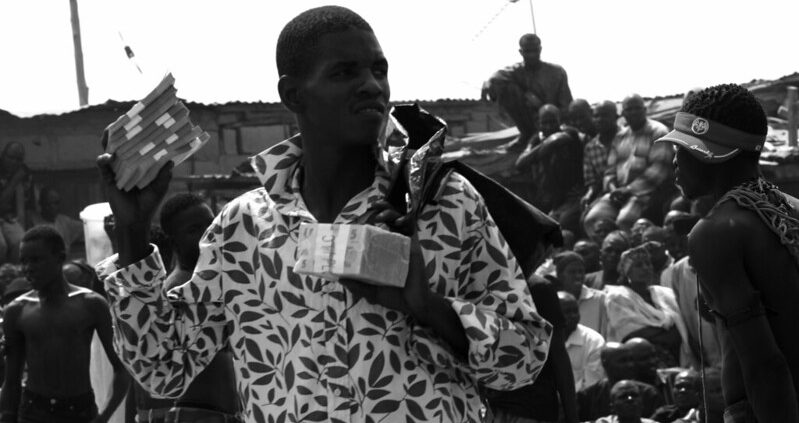
Gift of the GiversAfter weeks of relentless torrential rain beginning Jan. 18, 2026, South Africa officially declared a national disaster caused by devastating floods that killed at least 30 people, destroyed thousands of homes, roads and bridges and forced the closure of Kruger National Park.

The floods hit the northern provinces, particularly Limpopo and Mpumalanga, hardest, adding to the deadly pattern of floods that has plagued the country for years. Many residents remain missing, the floods have destroyed many communities and survivors are reluctant to leave their homes behind. However, the national disaster declaration enabled a coordinated disaster response to the flood in South Africa from the government and other organizations. These groups are working together to provide for both immediate humanitarian needs and long-term recovery for people and their homes.

Government Efforts

Before the national disaster declaration, multiple government officials personally assessed flood-affected areas alongside disaster management services.

For example, Minister Willie Aucamp visited the closed Kruger National Park before confirming the establishment of SANParks’ Kruger Recovery Fund, which supports the park’s long-term sustainability through local and international donations. Public support for the fund has been widespread among individuals ranging from pensioners to youth.

Minister of Cooperative Governance and Traditional Affairs (CoGTA) Velenkosini Hlabisa emphasized the importance of decisive leadership in safeguarding lives and strengthening community resilience through the mobilization of adequate resources for both relief and recovery efforts. The government had previously set aside R20 million to rebuild infrastructure and offer assistance to impacted households following floods in 2011.

Now, officials estimate that R500 million is needed to rebuild the park. Search and rescue teams also coordinated with the National Disaster Management Institute and the South African Air Force, with approximately half a dozen South African military helicopters deployed to deliver emergency aid and locate stranded residents.

National Level

At the national level, the National Executive assumed primary responsibility for the coordinated disaster response to the flood in South Africa.

The government aims to strengthen disaster management structures, provide for basic survival needs, create contingency plans, submit progress reports to the National Disaster Management Center and ensure the growth of resilience.

The Department of Water and Environmental Affairs has also assigned teams to assess water and dam monitoring equipment whenever a flood occurs. For example, dam safety specialists worked to prevent the collapse of local earthen dams and the development of future disasters.

At the community level, local radio stations utilized early warning systems in collaboration with risk management committees to spread critical information. However, rescue efforts were initially paralyzed due to a lack of resources and means of rescue.

The floods left many survivors homeless and afraid.

Gift of the Givers

Multiple organizations have previously aided South Africa during the aftermath of violent floods. For example, GlobalGiving project No. 55975 managed to raise $4,180 in 2022.

However, a key organization in the 2026 floods is Gift of the Givers. It delivered much-needed flood relief to affected households, including food, shelter, bedding and medical supplies, establishing a coordinated disaster response to the flood in South Africa with the government.

Gift of the Givers aims to assist in disaster responses, promote human development and address global hunger. During the floods, the organization visited 130 households in Mkondo, Mpumalanga and completed distributions with support from the Mkondo Disaster Team despite damaged roads and continuous rain.

The organization also supported search and rescue teams, disaster management and helicopter pilots by providing meals to ensure effective, sustained emergency responses.

Minister Hlabisa, Mpumalanga Premier Mandla Ndlovu and MEC Speed Mashilo acknowledged these efforts while assessing more than 1,000 households together.

Looking Ahead 

First responders, disaster management teams, the police force, the National Defense Force and humanitarian organizations have been essential to restoring normality and infrastructure, according to government officials. While residents remain missing and many communities are still recovering, Gift of the Givers and the South African government have corroborated their efforts for a coordinated disaster response to the flood in South Africa.

– Cindy Nguyen

Cindy is based in Albuquerque, NM, USA and focuses on Good News and Global Health for The Borgen Project.

Photo: Flickr
February 7, 2026
https://borgenproject.org/wp-content/uploads/borgen-project-logo.svg 0 0 Precious Sheidu https://borgenproject.org/wp-content/uploads/borgen-project-logo.svg Precious Sheidu2026-02-07 07:30:222026-02-07 03:22:34Gift of the Givers: Response to the Flood in South Africa
Global Poverty, Water Crisis, Water Sanitation

Access to Clean Water in Chad and the Fight Against Poverty

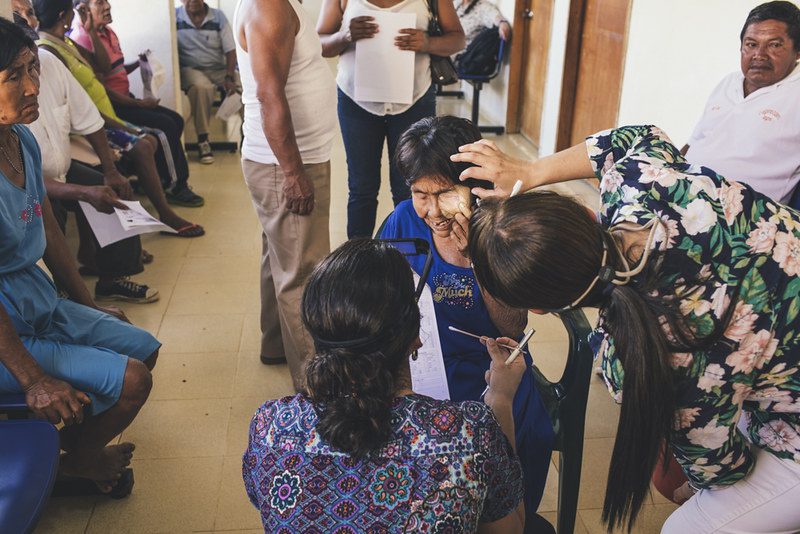
Access to Clean Water in Chad and the Fight Against Poverty Access to clean water is a critical issue in Chad, a landlocked country in Central Africa. Millions of people in Chad struggle daily to obtain safe drinking water, which affects health, education and economic development. Understanding the challenges and potential solutions is essential for improving the lives of people in Chad.

The Water Crisis in Chad

Chad faces one of the most severe water scarcity situations in the world. Many rural areas lack reliable water sources, and residents often rely on contaminated rivers or ponds. According to UNICEF, less than half of Chad’s population has access to safe drinking water. This shortage leads to widespread waterborne diseases such as cholera, diarrhea and typhoid.

Factors Contributing to Water Scarcity

Several factors worsen the water crisis in Chad:

  1. Climate and droughts: Chad has a dry climate, with frequent droughts that reduce the availability of surface water.
  2. Poor infrastructure: Many regions lack wells, pumps and pipelines to deliver clean water.
  3. Population growth: Rapid population growth increases demand, putting more pressure on limited water resources.
  4. Conflict and displacement: Violence and political instability disrupt water systems and force people to flee to areas without safe water.

Health Impacts of Unsafe Water

Without access to clean water, children under five are especially vulnerable. Contaminated water contributes to high rates of malnutrition, stunting and preventable deaths. Women and girls often spend hours each day fetching water, which reduces time for education and work.

Solutions to Improve Access

Efforts to improve water access in Chad focus on both infrastructure and community programs:

  1. Boreholes and wells: Drilling deep wells provides communities with access to safe groundwater.
  2. Water filtration systems: Simple filtration devices can remove bacteria and pathogens from contaminated water.
  3. Education on hygiene: Teaching communities about handwashing, water storage and sanitation reduces waterborne diseases.

Looking Ahead 

Improving access to clean water in Chad is essential for health, education and economic growth. While challenges such as the changing climate, population growth and poor infrastructure remain, targeted solutions such as wells, filtration systems and hygiene education can make a meaningful difference.

– Nishanth Pothapragada

Nishanth is based in London, Ontario, Canada and focuses on Technology and Global Health for The Borgen Project.

Photo: Flickr
February 7, 2026
https://borgenproject.org/wp-content/uploads/borgen-project-logo.svg 0 0 Precious Sheidu https://borgenproject.org/wp-content/uploads/borgen-project-logo.svg Precious Sheidu2026-02-07 07:30:082026-02-07 03:26:34Access to Clean Water in Chad and the Fight Against Poverty
Global Poverty, Health, HIV/AIDS

Sustained Funding & Combating HIV/AIDS in Comoros

HIV/AIDS in ComorosLimited health care infrastructure, economic vulnerability and heavy reliance on external humanitarian aid make the fight against HIV/AIDS in Comoros fragile. While HIV prevalence remains low, progress depends largely on donor-funded programs. Inconsistent and short-term funding threatens to reverse gains in prevention, treatment access and health system resilience. Sustained funding for HIV/AIDS in Comoros is essential to ensure long-term prevention, uninterrupted treatment and national health stability.

HIV/AIDS in Comoros: A Fragile Success

HIV prevalence in Comoros remains below 1%, one of the lowest rates in sub-Saharan Africa. This success is largely due to early prevention strategies, cultural factors and donor-supported health programs. However, limited domestic health financing means that HIV/AIDS services depend heavily on external support for antiretroviral treatment (ART), testing services and public awareness campaigns. Any reduction in funding risks service disruption, increased transmission and setbacks to national health goals. Donor-supported programs have included nationwide HIV awareness campaigns, voluntary counseling and testing services and integration of HIV services into primary health care, all of which have contributed to maintaining low prevalence levels. Here is why sustained funding matters.

Continuity of Treatment

HIV is a lifelong condition with no cure and requires continuous treatment with antiretroviral drugs to suppress the virus and protect the immune system. According to the World Health Organization (WHO), uninterrupted ART significantly reduces HIV-related deaths and prevents drug resistance. Funding interruptions can lead to medication shortages, treatment gaps and declining health outcomes. Sustained funding for HIV/AIDS in Comoros ensures consistent patient monitoring, reliable medication supply and effective long-term care.

In Comoros, antiretroviral treatments are largely financed internationally, particularly grants from the Global Fund. According to UNAIDS, this external supply creates challenges such as supply chain delays, limited laboratory capacity and difficulties to provide a consistent patient follow-up across the islands. Sustained funding for HIV/AIDS in Comoros ensures consistent patient monitoring, reliable medication supply and effective long-term care.

Prevention and Education

Prevention and education programs are critical to maintaining low HIV prevalence in Comoros. One major example is the national prevention of mother-to-child transmission (PMTCT) program, supported by international partners such as UNICEF and WHO, which provides testing, treatment and counseling to pregnant women living with HIV; as a result, HIV prevalence among pregnant women stands at an exceptionally low level and infants born to HIV-positive mothers have consistently tested HIV-negative under this initiative.

Existing initiatives include community-based awareness campaigns supported by UNAIDS and the Global Fund, HIV testing and counseling services and outreach programs targeting young people and women. International assistance has supplied critical testing equipment and strengthened health worker training, helping expand access to HIV information and services. These programs promote safe practices, reduce stigma and encourage early testing. Long-term funding allows these initiatives to operate consistently and expand into underserved communities, particularly in rural areas.

Strengthening Health Systems

Efforts are underway to broaden health system improvements in Comoros. Investments have supported clinic infrastructure, trained health care workers and strengthened disease surveillance systems. However, challenges remain, including shortages of medical staff, limited laboratory capacity and unequal access to care between urban and rural regions. These weaknesses increase vulnerability to HIV transmission and hinder treatment access.

In Comoros, HIV/AIDS-related investments have contributed to improved primary health facilities and health worker training, but the country continues to face shortages of medical personnel and limited diagnostic infrastructure, particularly outside urban areas. According to the World Bank, stronger health systems improve economic resilience and reduce poverty in developing countries.

Solution in Action: The Global Fund

Established in 2002, the Global Fund has played a key role in supporting HIV/AIDS programs in Comoros. The Global Fund is one of the main external financiers of HIV/AIDS programs in Comoros, supporting HIV treatment and prevention efforts in collaboration with national health authorities. By financing antiretroviral therapy, HIV testing and health system strengthening, the organization has expanded access to essential services.

According to the Global Fund, its investments support the delivery of HIV services across the country, demonstrating how sustained international funding strengthens national health capacity. In 2023, countries supported by the Global Fund reported that approximately 25 million people were on antiretroviral therapy, and 53.8 million HIV tests were conducted through its investments, reaching millions with prevention services. While these figures reflect global outcomes, they illustrate the scale of support provided to countries like Comoros.

Poverty and HIV/AIDS in Comoros

Poverty remains a significant challenge in Comoros, where a large portion of the population lives below the national poverty line. Using the international poverty line of $3.65 per day, about 39.5% of Comorians lived in poverty in 2023, reflecting persistent economic hardship that constrains access to essential services like health care, education and transportation. In Comoros, long distances to health facilities, high out-of-pocket costs for care and shortages of trained health workers make it difficult for poor households to obtain HIV testing and treatment services, contributing to health inequalities. People living in poverty are also more vulnerable to poor health outcomes due to malnutrition and limited medical access. Addressing HIV/AIDS through sustained funding helps reduce these inequalities and supports broader poverty reduction efforts.

The Role of International Support

International support remains vital to sustaining HIV/AIDS programs. Comoros participates in regional HIV response efforts coordinated by UNAIDS and partners, such as Indian Ocean Island forum meetings aimed at strengthening prevention and treatment planning, demonstrating the active role of international support in shaping the country’s HIV strategy. Donor countries and multilateral institutions help bridge funding gaps while the government gradually strengthens domestic health financing. Sustained funding aligns with global commitments to end AIDS as a public health threat by 2030 and ensures that small island developing states like Comoros are not left behind.

Conclusion

The fight against HIV/AIDS in Comoros is about securing long-term public health and economic stability. Sustained funding ensures uninterrupted treatment, effective prevention strategies and stronger health systems. Programs supported by the Global Fund and other international partners show that long-term investment expands access to ART, increases testing in rural communities and reduces health disparities. With predictable and sustained funding, Comoros can continue to maintain low HIV prevalence, improve health outcomes and support sustainable development.

– Numahaiseta Sillah Tunkara

Numahaiseta is based in Duisburg, Germany and focuses on Technology and Politics for The Borgen Project.

Photo: Flickr

February 7, 2026
https://borgenproject.org/wp-content/uploads/borgen-project-logo.svg 0 0 Jennifer Philipp https://borgenproject.org/wp-content/uploads/borgen-project-logo.svg Jennifer Philipp2026-02-07 03:00:342026-02-07 03:15:06Sustained Funding & Combating HIV/AIDS in Comoros
environment, Global Poverty, Homelessness

Displacement in Asia as Natural Disasters Sweep the Continent

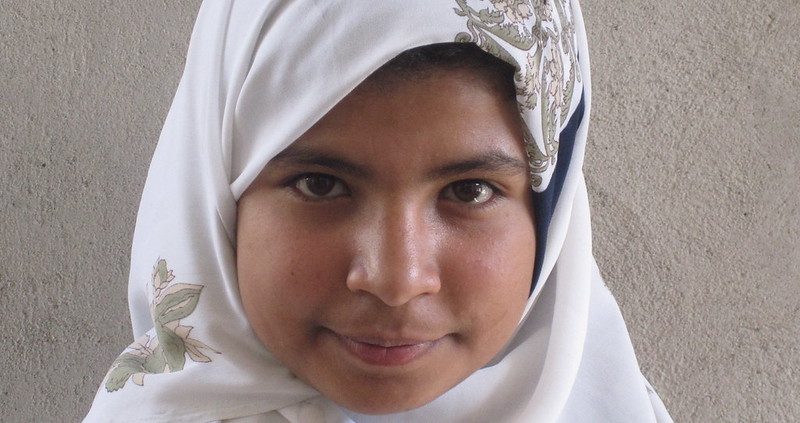
displacement asiaIn 2025, a series of extreme weather events swept through the eastern hemisphere, causing widespread displacement in Asia. Hundreds of families and refugees are unhoused or experience forced displacement from floods or sudden land erosion, leading many to lose food resources when livestock and crops are adversely affected by the damage.

Sri Lanka, Bangladesh, and Thailand are a few of the many countries with a rising number of people who are struggle with displacement in Asia because of natural disasters. Hundreds have died or gone missing after getting trapped by the elements, blocking them inside the villages they live. Increasing water levels and blockages from large boulders or mud cause houses to get submerged by the aftermath of a mudslide.

Local government shelters provide temporary housing for the unhoused populations, including residents living along the Kelani River in Sri Lanka, northern Kurigram, Bangladesh, and even in Diourbel, Senegal.

Sri Lanka

During the monsoon season, Sri Lanka experienced damage from mudslides and floods, causing forced displacement and homelessness. According to the BBC, the Disaster Management Centre reported that, with the destruction of 20,000 homes due to severe natural disasters, 108,000 people had to relocate to temporary shelters.

The island is still recovering from the devastation of Cyclone Ditwah, which left a portion of the country without access to water or power, resulting in emergency evacuations.

Since it is monsoon season in Sri Lanka, the effects of intense weather and the changing climate are having adverse effects. These deadly floods have not only killed hundreds of people, but these disasters impacted Indonesia, as well as Thailand and Malaysia, with a high number of deaths in Kandy and Badulla, Sri Lanka.

Consequently, the latest natural disasters are the worst in Sri Lanka’s history, making it challenging to rebuild. However, resources are limited, forcing the Sri Lankan government to resort to sending an appeal for international aid and encouraging residents to raise money for struggling communities. Saman Kumara from the Badulla village of Maspanna shared his experience with the BBC via telephone, saying, “We lost two people in our village… others are sheltering in a temple and a house that is still standing. There is no food, and we are running out of clean water.”

Bangladesh

In certain parts of Bangladesh, the collapse of riverbanks continues to erode land each year. Hundreds of families and refugees face dispdue todisplacement from sudden land erosion, leading many to lose food resources when livestock and crops face damages. Data from the World Bank reveals that one in seven Bangladeshis face displacement due to severe natural disasters by 2050.

Extreme weather events, such as monsoons and melting glaciers, destroy land near rivers. Displacement affects families suffering from the loss of vital resources.

Despite these hardships, Bangladesh invests heavily in the country’s infrastructure. Modern preventive measures include the addition of embankments, quality storm forecasting, and modifications that focus on supporting communities, Reuters reports.

In addition, communities in Kheyar Alga Char, Bangladesh, were able to continue living in their homes. This was possible because community groups collaborated to implement resistant materials, including Geobags that reinforce the stability of riverbanks. Local NGOs are assisting with rebuilding villages by constructing homes raised above ground, keeping water out. In an Interview with Reuters, Johurul Islam lost his home multiple times before relocating to benefit from the modern infrastructure in Kheyar Alga Char, Bangladesh. Islam said, “Geobags have made a huge difference. For the last three years, the river did not take our land. For the first time, I feel a little confident about the future.”

Refugees

Since 2010, refugees from Bangladesh and Senegal have been fleeing from repeated storms and flooding, making parts of these regions uninhabitable. Ultimately, this pressures displaced migrants to seek asylum in other countries to avoid displacement in Asia. Reporting from The Guardian found that displaced people from Feni, Bangladesh and Diourbel, Senegal, struggled with environmental destruction, causing more than 237,000 asylum seekers to find emergency shelter in New York City since April 2022.

Severe weather storms destroyed homes and the vitality of crops in the western and central regions of Senegal. Columbia Journalism Investigations notes that more than 1,800 displaced Senegalese migrants fled an aggressive series of storms between 2019 and 2024.

Felipe Navarro, Associate Director of Policy and Advocacy for the Center for Gender and Refugee Studies at the University of California’s College of the Law, explains how Irreparable damage, in combination with inefficient government responses to hurricanes and floods, force people to leave. While some residents, like Mohamed’s family from Diourbel in Senegal, were able to minimize the damage themselves. According to The Guardian, Mohamed’s brother a teacher living in Senegal, built a house with a solid foundation constructed using sand, gravel, and cement, preventing water from flooding the home.

The Path Forward

Within Asia, some countries are predisposed to cycles of floods and storms, benefiting from UNICEF’s programs and partners. These programs provide preventative treatments, such as vaccines given to children to protect them from diseases. Providing malnutrition intervention to improve health. Emergency hygiene materials and equipment, shielding children from severe weather conditions, has also assisted in preserving the lives of children in South Asian countries.

Although UNICEF directs its services towards children, there have been expansions to support families and communities that suffer from climate-related emergencies. UNICEF partners with donors, governments, and civil society groups to continue reducing the number of displaced in Asia.

Advancing services to support vulnerable populations is UNICEF’s priority, while its efforts assist displaced children and families by preserving lives and reducing displacement in Asia.

– Lala McCullough

Lala is based in Brentwood, CA, USA and focuses on Good News for The Borgen Project.

Photo: Flickr
February 7, 2026
https://borgenproject.org/wp-content/uploads/borgen-project-logo.svg 0 0 Naida Jahic https://borgenproject.org/wp-content/uploads/borgen-project-logo.svg Naida Jahic2026-02-07 01:30:102026-02-06 11:37:20Displacement in Asia as Natural Disasters Sweep the Continent
Artificial Intelligence (AI), Global Poverty, Health

A $50 Million AI Investment Will Boost Health Care in Rwanda

Health Care in RwandaBill Gates and OpenAI are planning to invest $50 million into AI health care systems in sub-Saharan Africa. The investment, which will chiefly benefit communities in Rwanda, will be implemented by 2028 and seeks to address persistent staff shortages in thousands of primary health clinics.

The Problem: Health Worker Shortages

Sustainable Development Goal (SDG) 3, one of 17 global SDGs set by the U.N. in 2015, is to “ensure healthy lives and promote well-being for all at all ages” by 2030. A key step toward realizing this goal is ensuring that everyone has access to quality health care. It follows that for a nation to have universal access to quality health care, it must have an appropriate number of health care professionals to tend to the needs of its population.

Rwanda and other sub-Saharan African nations have traditionally experienced a deficit of health care professionals according to their needs. In 2022, it was estimated that Africa as a whole needed a total of 9.75 million health workers to meet the health care needs of its population, of which it had only 43%. The number of health care workers in Africa is expected to increase.

However, at the current rate, only about 49% of the workforce needed to meet the continent’s health care demands will be in place by 2030. At this pace, SDG 3 will remain out of reach, leaving millions of Africans without access to quality health care.

To meet SDG 3 targets by 2030, African nations must significantly expand their health care workforce or adopt alternative strategies to improve health care efficiency and service delivery.

The Solution: AI Integration in Health Care

AI has great potential to provide a novel solution to the shortage of health workers in sub-Saharan African nations. Rwanda has just one health care worker per 1000 people, well below the WHO-recommended average of 4.45 per 1000 people. The $50 million investment proposed by the Gates Foundation and OpenAI in Rwanda will support the integration of AI into local health care clinics.

This technology will assist health workers with daily tasks, allowing clinics to operate more efficiently. As a result, the introduction of AI is expected to significantly improve health care outcomes across the country. Health workers in Rwandan clinics will be able to use AI tools to handle a range of administrative tasks, including record-keeping, automatic transcription of patient visits and the creation of clinical summaries.

This will allow doctors to see more patients and focus their time on critical responsibilities such as diagnosis and treatment. AI will also benefit maternal and child health. Sub-Saharan Africa accounted for almost 70% of global maternal deaths in 2023. By analyzing large datasets, AI can predict potential health problems during pregnancy, ensuring that doctors are well-prepared to treat patients and aware of regional health trends.

Rural communities in Rwanda are expected to benefit significantly from the integration of AI-driven telemedicine. These areas often have limited access to medical professionals and AI-enabled tools will allow doctors to monitor, diagnose and treat patients remotely through technologies such as smartwatches. This approach has the potential to reduce health care disparities in remote regions.

Furthermore, patients will be able to interact with AI chatbots that can answer basic medical questions, assist with scheduling doctor appointments and provide medication reminders.

Overall

The Gates Foundation and OpenAI’s $50 million investment will provide a novel solution to the shortage of health care workers in sub-Saharan Africa. The use of AI in the health care system in Rwanda will allow health professionals to care for a far greater number of patients while ensuring the quality of medical care remains high. AI is forecast to have an overwhelmingly positive impact on the health systems of sub-Saharan nations, making a universal basic standard of health care seem more achievable than ever.

– Arthur Horsey

Arthur is based in Hampshire, UK and focuses on Business and Technology for The Borgen Project.

Photo: Flickr

February 7, 2026
https://borgenproject.org/wp-content/uploads/borgen-project-logo.svg 0 0 Lynsey 2 https://borgenproject.org/wp-content/uploads/borgen-project-logo.svg Lynsey 22026-02-07 01:30:072026-02-06 11:20:15A $50 Million AI Investment Will Boost Health Care in Rwanda
Global Poverty, Women, Women's Rights

Actions Against Femicide in Latin America

Femicide in Latin America

Latin America struggles with a patriarchal system that is plagued by the gender-motivated murder of women and girls. The United Nations (U.N.) recognizes many countries in Latin America, from Mexico to the Caribbean, as having the highest global rates of femicide. In 2021, it was estimated that around one woman is killed every two hours in Latin America. Feminist movements, such as “Ni Una Menos” (Not One Less), have pushed for legislation to protect women.

​What Is Femicide?​

Femicide is a term that defines the killing of women and girls based on their gender. According to the Human Rights Research Center, there are three main types of femicide: intimate femicide, familial femicide and non-intimate femicide. Intimate femicide is murder by a current or former partner, while nonintimate femicide is committed by someone with whom the victim did not have a relationship. Familial femicide occurs when a male family member murders women or girls.

Human Rights Violation​

Femicide is the most extreme form of gender-based violence against women that threatens the dignity, security and equality rights. Global organizations recognize the issue in Latin America as a violation of women’s human rights. In 2021, U.N. Women found that out of the 25 countries with the highest rates of gender-based violence, 14 were in Latin America. As of 1994, the Organization of American States (OAS) adopted the Belém do Pará Convention. This is an inter-American convention that is supposed to focus on the prevention, punishment and eradication of violence against women.

On International Human Rights Day 2025, the Inter-American Commission on Human Rights (IACHR) expressed its concern over the increasing rates of gender-based violence. It reaffirmed the OAS’s obligation to protect women from violence, as established in the Belém do Pará Convention. The IACHR declared femicide as a violation not only of Human Rights but as a threat to democracy. In its press release, the IACHR stated that it will continue to work with the OAS to ensure the safety of women and girls.​

Causes of Femicide

​Evidently, femicide is motivated by gender stereotypes and discrimination against women and girls. Femicide is especially prevalent in Latin America due to the machismo culture. Machismo refers to traditional masculinity beliefs that men are superior to women and presents itself through emotional insensitivity, womanizing, physical strength and aggression.

Historians trace machismo back to European colonialization, which introduced patriarchal systems. Power structures that reinforce gender inequality and misogynistic views further aggravate the issue of femicide. It is believed that the rates of femicide are much higher than what is estimated, since stigma prevents women from recognizing and freely discussing gender-based violence.

Additionally, in many Latin American countries, domestic violence is considered a private matter and is rarely reported. Thus, resulting in the killing of women by their partners, not to be recognized as femicide. Further contributions to femicide include government inaction and flawed justice systems. For example, in Mexico, less than 3% of cases of femicide are prosecuted and only 1% lead to sentencing.

Some Latin American countries did not criminalize femicide until the 2010s and each country has a different legal definition for femicide.

​The Fight To End Femicide​

The “Ni Una Menos” protests began in Argentina in 2015 and spread to other Latin American countries, including Mexico, Chile, Uruguay and Peru. In 2020, thousands of people protested against femicide across Mexico, asking the government to take action. There was also a nationwide strike in which women stayed at home.

Awareness of femicide has also recently reached Hollywood. “La Cazadora” premiered at the 2026 Sundance Film Festival. The film follows a Mexican factory worker in Ciudad Juárez who becomes a vigilante, killing a serial rapist to protect her 14-year-old daughter and other young women. It is based on the true story of Diana Cazadora de Choferes (Diana Huntress of Bus Drivers).

Diana killed two bus drivers in Ciudad Juárez after women factory workers filed 12 complaints of sexual violence against bus drivers and authorities failed to take action.

Looking Ahead

All countries in Latin America have laws to prevent and end violence against women, but only 19 have laws penalizing femicide. Despite these laws, women are unable to access protection or get justice. Movements like “Ni Una Menos” are necessary for social awareness and holding governments accountable.

The goal is to reinforce policies that prevent gender-based violence, such as protective measures, shelters, economic autonomy groups and community support systems. However, beyond systemic reform, there is also a need to transform societal and cultural norms around machismo through education, public awareness and behavioral shifts grounded in respect and equality.

– Thirza List

Thirza is based in the United States and focuses on Politics for The Borgen Project.

Photo: Freepik

February 6, 2026
https://borgenproject.org/wp-content/uploads/borgen-project-logo.svg 0 0 Lynsey 2 https://borgenproject.org/wp-content/uploads/borgen-project-logo.svg Lynsey 22026-02-06 03:00:102026-02-06 04:24:54Actions Against Femicide in Latin America
elderly poverty, Global Poverty, Government

Elderly Poverty in Saint Lucia

Elderly Poverty in Saint LuciaThe volcanic island of Saint Lucia is home to more than 170,000 people. It is often characterized by its rich culture, with the country’s history lending to a diverse and unique display of different heritages. Unfortunately, despite the country’s constant efforts to promote the respect of human rights, elderly poverty in Saint Lucia is a looming dampener on the quality of life in Saint Lucia. 

The Elderly Population and Poverty

Historically speaking, elderly poverty in Saint Lucia has always been a cause for concern. In 2010, it was recorded that around 40% of Saint Lucia’s elderly population lived below the poverty line, with 21% living below the poverty line significantly.

As of 2024, approximately 9.5% of Saint Lucia’s population are 65 and older. As global life expectancy increases every year, this approximation is likely to increase. And yet, the Saint Lucian Ministry of Health has stated that this population is vulnerable to major forms of abuse, including financial abuse, which may relate to elderly poverty in Saint Lucia.

Solutions

The Saint Lucian government is making efforts to address elderly poverty in Saint Lucia every year. For instance, in 2025, there was a 3.9% increase in monthly pension payouts. This is all in an attempt to provide Saint Lucia’s population with the dignity they deserve.

Another change that the Saint Lucian government can make in order to promote the reduction of elderly poverty in Saint Lucia, is a stronger commitment to programs that aid the elderly. An example of this is the government actively working to manufacture a budget that is able to better provide support to the elderly population.

As of 2025, the Ministry of Equity, Social Justice and Empowerment increased the amount of money that will go toward grassroot initiatives. This increase has allowed for the improvement of intervention strategies such as the Home Care Programme For Older Persons, which the Saint Lucian government originally introduced in 2012. With this increase, improvements including the introduction of weekend service to aid vulnerable elderly.

Outside of the government, there are many non-governmental organizations that aim to help with elderly poverty. For example, the charity the Royal Commonwealth Ex-Services League is focused on supporting commonwealth veterans. Founded in 1921 in Cape town, South Africa, the Royal Commonwealth Ex-Services League helps elderly veterans in Saint Lucia and around the world. It provides them with pension advice, as well the opportunity to receive “Two meal a day grants,” which as of 2024, has gone to 3,362 beneficiaries globally.

In Summary 

For the elderly population of Saint Lucia, towing the line of poverty has always been a risk. Although Saint Lucia has always promoted a focus on human rights, unfortunately, communities in Saint Lucia fall through the cracks. However, the Saint Lucian government is constantly making efforts financially to improve the elderly poverty of the elderly, such as increasing pensions. Furthermore, grassroot organizations that help provide care for the elderly should help mitigate poverty.

– Bernice Attawia

Bernice is based in London, UK and focuses on Global Health and Politics for The Borgen Project.

Photo: Wikimedia Commons

February 6, 2026
https://borgenproject.org/wp-content/uploads/borgen-project-logo.svg 0 0 Jennifer Philipp https://borgenproject.org/wp-content/uploads/borgen-project-logo.svg Jennifer Philipp2026-02-06 01:30:492026-02-05 00:46:24Elderly Poverty in Saint Lucia
Page 53 of 2162«‹5152535455›»

Get Smarter

  • Global Poverty 101
  • Global Poverty… The Good News
  • Global Poverty & U.S. Jobs
  • Global Poverty and National Security
  • Innovative Solutions to Poverty
  • Global Poverty & Aid FAQ’s
Search Search

Take Action

  • Call Congress
  • Email Congress
  • Donate
  • 30 Ways to Help
  • Volunteer Ops
  • Internships
  • Courses & Certificates
  • The Podcast
Borgen Project

“The Borgen Project is an incredible nonprofit organization that is addressing poverty and hunger and working towards ending them.”

-The Huffington Post

Inside The Borgen Project

  • Contact
  • About
  • Financials
  • President
  • Board of Directors
  • Board of Advisors

International Links

  • UK Email Parliament
  • UK Donate
  • Canada Email Parliament

Get Smarter

  • Global Poverty 101
  • Global Poverty… The Good News
  • Global Poverty & U.S. Jobs
  • Global Poverty and National Security
  • Innovative Solutions to Poverty
  • Global Poverty & Aid FAQ’s

Ways to Help

  • Call Congress
  • Email Congress
  • Donate
  • 30 Ways to Help
  • Volunteer Ops
  • Internships
  • Courses & Certificates
  • The Podcast
Scroll to top Scroll to top Scroll to top