• Link to X
  • Link to Facebook
  • Link to Instagram
  • Link to TikTok
  • Link to Youtube
  • About
    • About Us
      • President
      • Board of Directors
      • Board of Advisors
      • Financials
      • Our Methodology
      • Success Tracker
      • Contact
  • Act Now
    • 30 Ways to Help
      • Email Congress
      • Call Congress
      • Volunteer
      • Courses & Certificates
      • Be a Donor
    • Internships
      • In-Office Internships
      • Remote Internships
    • Legislation
      • Politics 101
  • The Blog
  • The Podcast
  • Magazine
  • Donate
  • Click to open the search input field Click to open the search input field Search
  • Menu Menu

Archive for category: Global Poverty

Key articles and information on global poverty.

Development, Global Poverty, NGOs

Urban Innovation in Lagos Fights for a Fairer City

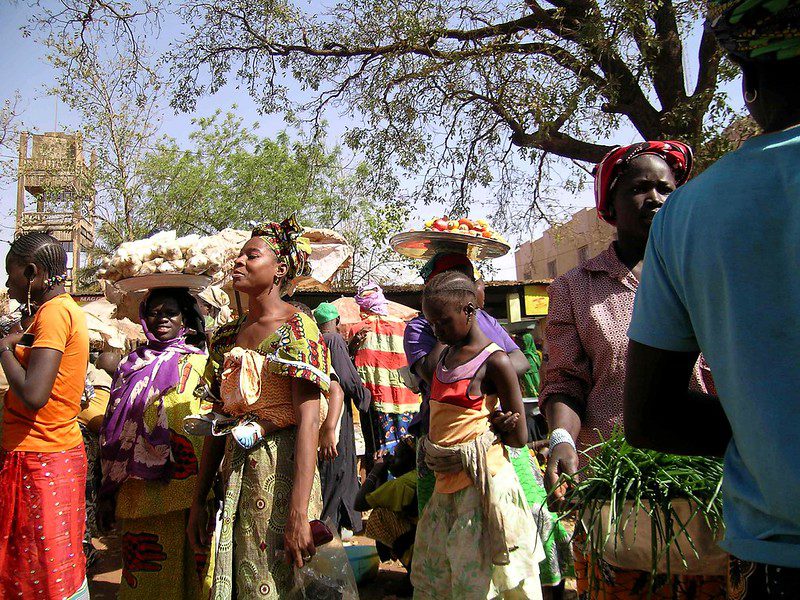
Urban Innovation in LagosIn Lagos, rapid urbanization has exacerbated housing shortages and food insecurity. In response to these pressures, community groups and nongovernmental organizations (NGOs) are reshaping urban innovation in Lagos. Across the city’s informal settlements, grassroots solutions aim to improve food security and expand opportunities for low-income residents.

Urban Poverty and Informal Settlement Dynamics

Lagos is one of Africa’s largest and most densely populated cities. Population estimates range from 16 million to more than 20 million. Rural migrants to Lagos increasingly turn to informal settlements as affordable housing fails to keep pace with population growth. Research finds that Lagos’ slum districts grew to more than 200 by 2023, with more than 70% of the city’s population now living in informal settlements. Poverty remains the primary challenge facing settlement residents.

The latest World Bank statistics show that about 37% of Nigerians live below the national poverty line. This is particularly acute in Lagos, where an estimated two-thirds of residents live on the equivalent of $1 a day. As inflation reached nearly 34% in 2024, food prices increased fivefold. Low-income households, which spend about 70% of their wages on food, face the greatest impact.

Community-Led Solutions

In response to these pressures, community groups are reshaping urban innovation in Lagos through practical programs aimed at improving living conditions in informal settlements. The Okerube Project addresses chronic water, sanitation and hygiene (WASH) challenges by strengthening community-led systems. The project links women’s water and sanitation committees with community development associations to implement sustainable WASH infrastructure. Using a bottom-up approach, the Okerube Project relies on community governance to ensure infrastructure improvements reflect the needs of settlement residents.

Food Security Initiatives

The United Nations World Food Program (WFP) has warned of an emerging hunger crisis in Nigeria. Food insecurity remains a major challenge in Lagos’ informal settlements, where residents struggle with high living costs and inflation. In response, local nonprofits such as the Lagos Food Bank Initiative’s Family Farming Program support urban farming to help households produce food and generate income.

Participants receive practical training and starter kits to establish backyard farms for personal consumption and sale. Lagos’ rapid urban development has displaced many residents from agricultural land, causing income loss. The Family Farming Program aims to counter this trend by supporting the revival of small-scale farming livelihoods.

Digital and Technological Innovation

Digital and technological solutions play an important role in urban innovation in Lagos. Technology initiatives such as Co-Creation Hub (CcHUB) address social challenges in informal settlements. CcHUB works with scientists, entrepreneurs, government leaders and local residents to support sectors most affected by poverty.

Projects include Re:learn, which works with schools to improve how teachers deliver science, technology, engineering and mathematics (STEM) subjects. Through Re:learn, CcHUB introduces digital laboratories, modernizes STEM instruction and provides professional development for teachers. By partnering with organizations such as the Mastercard Foundation, CcHUB expands access to STEM education in informal settlements, supporting participation in Lagos’ emerging job markets.

The Future of Urban Innovation in Lagos

As these efforts expand, the future of urban innovation in Lagos is increasingly shaped by policy engagement. State institutions and research bodies are beginning to formalize support for inclusive development by linking grassroots experience with city-level planning. In 2025, the Lagos State Government partnered with the African Cities Research Consortium (ACRC) to strengthen urban resilience strategies.

These initiatives align future development planning with community-led projects and reflect broader policy efforts to integrate lived experience into responses to complex urban challenges.

Building on the work of community groups and NGOs, these policies connect grassroots initiatives with formal planning processes. With nearly 35 million people facing extreme hunger in Nigeria, Lagos remains a critical site for resilience-building. The growing alignment between policymakers, researchers and community actors suggests that urban transformation can support both infrastructure development and inclusive growth. Urban innovation in Lagos may offer lessons for other emerging megacities across Africa.

– Rory Wesson

Rory is based in London, UK and focuses on Technology and Politics for The Borgen Project.

Photo: Flickr

February 11, 2026
https://borgenproject.org/wp-content/uploads/borgen-project-logo.svg 0 0 Precious Sheidu https://borgenproject.org/wp-content/uploads/borgen-project-logo.svg Precious Sheidu2026-02-11 01:30:522026-02-11 00:02:49Urban Innovation in Lagos Fights for a Fairer City
Food Insecurity, Global Poverty, Hunger

How LEAF is Addressing Malnutrition in Kenya

Malnutrition in KenyaKenya lies in East Africa and borders the Indian Ocean. It is best known for its diversity, its wildlife conservation efforts, and producing some of the most globally recognizable long-distance runners.

Despite its rich history and diverse population, Kenya faces persistent food insecurity and inadequate access to health care, which disproportionately affect their children. LEAF is addressing malnutrition in Kenya through targeted health and agricultural interventions.

According to UNICEF, more than 25% of children under the age of 5 experience stunted growth. Food insecurity and chronic undernourishment commonly cause this condition. An additional 11% of children are underweight and 4% suffer from severe wasting. These problems lead to an increased prevalence and likelihood of death among the Kenyan children.

Root Causes of the Crisis

Many of these issues are a result of a lack of support in education for families and farmers on malnutrition, and farmers’ limited ability to adapt to natural disasters. Without the necessary support, poverty cycles from one generation to the next, preventing households from reaching their full potential.

To break this cycle, the organization Concern began working with government officials and community leaders to design potential solutions. The organization focused its efforts on Tana River County, Kenya.

Agriculture and pastoralism dominate the region, but extreme weather patterns have severely disrupted livelihoods. Hotter days and less rainfall caused animals and crops to suffer. Clinics reported a sharp rise in child malnutrition, prompting the need for immediate intervention.

The LEAF Initiative

The Lifesaving Education and Assistance to Farmers (LEAF) had two main goals: to ensure pregnant women and malnourished children receive lifesaving treatment in a timely manner and to create systematic change in the livelihoods of people living in poverty to prevent future cases of malnutrition

The LEAF initiative began its approach by prioritizing community outreach to reduce acute malnutrition. Through the funding of the Illinois-based food ingredients company Archer Daniels Midland (ADM), they supported the local health department conducting malnutrition screenings.

The organization used monthly house visits to households with pregnant women and/or children where they referred anyone showing signs of malnutrition to local clinics and educated families on nutritional and health topics. LEAF is addressing malnutrition in Kenya, as it estimated that 82% of the families living in the region in 2021 were able to get monthly screenings by the conclusion of the program.

Building Long-Term Resilience

To ensure the screenings did not remain a temporary solution, Concern implemented the second phase of the program. This phase focused on creating systemic change across multiple villages in Kenya. Concern worked with local farmers to reshape their agricultural methods to adapt to extreme climate conditions. Concern provided drought-tolerant seeds to prevent crop loss and irrigation canals to improve village access to affordable water.

These changes proved life-changing. Halim Diramu Jilu, a farmer in Tana River County, praised the program, saying, “Our lives have changed. We have enough water now.” The program reached 39,704 people. Furthermore, crop loss fell from 60% to less than 20%, reinforcing how LEAF is addressing malnutrition in Kenya by strengthening food security at the community level.

The LEAF initiative offers a strong model for how targeted health interventions can combine with grounded community-level agricultural support to tackle poverty and malnutrition. By combining climate education with immediate nutritional support, Concern helped families build independence and improve long-term outcomes for future generations.

– Sachin Kapoor

Sachin is based in Atlanta, GA, USA and focuses on Technology and Solutions for The Borgen Project.

Photo: Flickr

February 11, 2026
https://borgenproject.org/wp-content/uploads/borgen-project-logo.svg 0 0 Naida Jahic https://borgenproject.org/wp-content/uploads/borgen-project-logo.svg Naida Jahic2026-02-11 01:30:062026-02-10 23:44:07How LEAF is Addressing Malnutrition in Kenya
Global Poverty, Health, World Bank

Health Care Access in Tajikistan

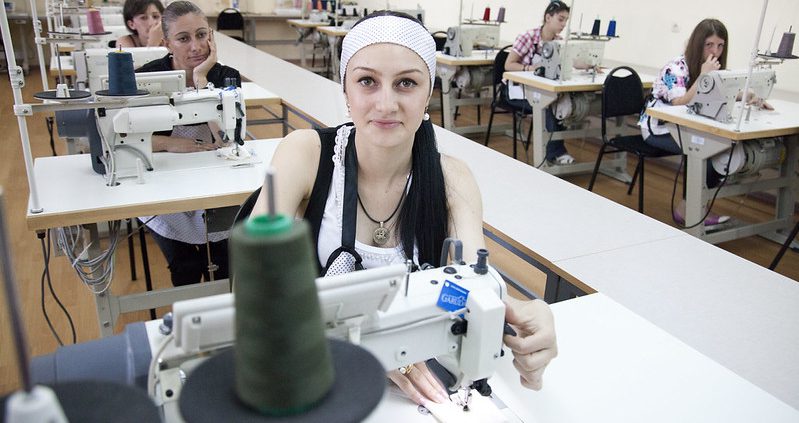
Healthcare Access in TajikistanTajikistan, a country in Central Asia surrounded by Afghanistan, Uzbekistan, China and Kyrgyzstan, faces a health care crisis. With 25% of its population living below the poverty line and a health infrastructure that has barely been updated since the Soviet collapse, access to medical care remains out of reach for millions, particularly in rural areas. Health care access in Tajikistan has become a critical development challenge, encouraging a wave of private sector initiatives attempting to fill the gap left by decades of government underinvestment. Private clinics are expanding slowly, the government is working with civil society organizations to achieve universal health care, and there is a strong foundation that could be built upon in this country.

The Situation in Tajikistan

Tajikistan is the poorest country in the WHO European Region. The World Bank’s 2024 report shows that over 25% of the population lives on less than $3.65 per day, with 80% of the poor living in rural areas. This poverty directly impacts health care access in Tajikistan, where vital treatment remains unaffordable.

In 2025, Tajikistan launched a groundbreaking Universal Health Coverage (UHC) pilot program in the Sughd region, with presidential approval. The pilot tests new health financing and governance reforms designed to improve access and affordability of health care. The early results of this include districts that are investing in services that meet specific community needs, and health facilities are better able to attract primary health care nurses and doctors.

Health Care Access Challenges

Improving health care access in Tajikistan requires addressing severe gaps in basic services. Currently, 44% of Tajik men have never had their blood pressure measured. In 2022, 18% of households experienced catastrophic health spending. In Tajikistan, hospital services require 80% cost-sharing and when compared to a country like India, where controlling blood pressure for hypertension costs just $2-4 per patient annually, this treatment remains unaffordable for many Tajiks. However, a potential foundation is present in this country. Since 2008, there have been free family doctor consultations for all citizens, and an extensive primary care clinic network already exists.

Government and Private Partnerships

In 2023, when Tajikistan declared the ‘Year of Human Capital,’ the $57.25 million World Bank “Millati Solim” (Healthy Nation) project was approved, which aimed to achieve universal health coverage. The World Bank currently finances 26 projects in Tajikistan totalling $1.6 billion and this collaboration is a major government-private partnership. The focus on primary care is targeting the most vulnerable and direct beneficiaries include young children, pregnant women, the elderly and victims of gender-based violence.

Aga Khan Development Network (AKDN) is a private organization that partners with the Tajik government, and in the last 6 years, it has allowed 650,000 people to gain access to primary health care, using teleconsultations to increase access. It has provided over 53,550 people with access to safe drinking water and sanitation, as well as microfinance clients who live in remote, rural areas. AKDN is an example of how private organisations can serve, not exploit, the poor.

The Role and Limits of Private Clinics

Following the 1991 Soviet collapse and the 1990s civil war, many experienced doctors left Tajikistan, so the government had to terminate the free health care program due to a shortage of doctors and supplies. Over the last decade, the private sector in health care has developed. Prospekt Medical Clinic, founded in 2004, is the first western-style clinic in Dushanbe, using western equipment, pharmaceuticals and vaccines, however, hospitals typically require upfront payment in cash. Additionally, rural populations have virtually no access to private care and evidence shows that these clinics cater almost exclusively to wealthy Tajiks and those with international health insurance.

Tajikistan citizens often seek medical management abroad due to the undeveloped medical infrastructure, with India emerging as a leading hub. This means even private clinics in Tajikistan cannot meet the needs of those who may be able to pay, but regardless, private clinics rarely serve the 75% of Tajiks who are in poverty in rural areas.

Looking Ahead

While private clinics offer advanced equipment and western standards, they serve only wealthy urbanites and expatriates in Dushanbe, leaving the 75% of Tajiks in rural poverty completely behind. However, a different model offers hope. The success of partnerships like AKDN and ambitious government initiatives like the $57.25 million Millati Solim project and the Sughd UHC pilot demonstrate that carefully structured public-private collaborations can serve the poor without abandoning them.

Unregulated private clinics serving only those who can pay upfront create inequality, but government-led partnerships with civil society organizations, guided by principles of universal coverage and explicit protection for the vulnerable, can transform health care from a luxury commodity into a fundamental right. For Tajikistan’s millions living on less than $3.65 a day, health care access in Tajikistan depends on this distinction: the difference between care and commerce.

– Anisa Begum

Anisa is based in Birmingham, UK and focuses on Business and Global Health for The Borgen Project.

Photo: Wikimedia Commons

February 10, 2026
https://borgenproject.org/wp-content/uploads/borgen-project-logo.svg 0 0 Precious Sheidu https://borgenproject.org/wp-content/uploads/borgen-project-logo.svg Precious Sheidu2026-02-10 07:30:472026-02-09 23:18:17Health Care Access in Tajikistan
Clean Water Access, Global Poverty, Water Quality, Water Sanitation

Overcoming Challenges to Improve Water Quality in Cambodia

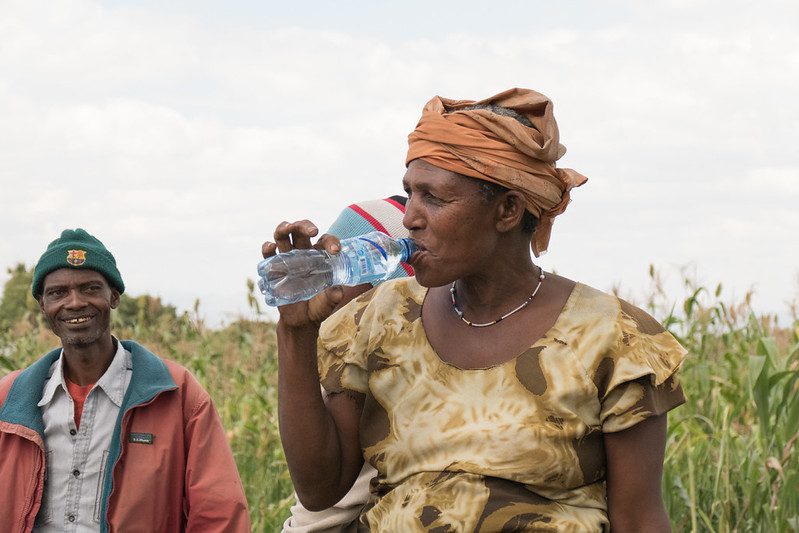
Water Quality in CambodiaWater quality issues in Cambodia stem from a chain of connected problems. Limited sanitation infrastructure contributes to poor hygiene practices, contaminating water sources in a country already vulnerable to floods and droughts. Organizations are addressing these challenges by establishing reliable water sources and developing infrastructure that promotes healthy hygiene habits.

Root Causes

Nearly half of rural Cambodians rely on rivers, lakes and ponds for drinking water that is contaminated by poor waste disposal. Even groundwater in coastal regions is contaminated with coliform and E. coli, exposing communities to serious health risks. Without proper facilities and disposal practices, communities are left to depend on water that spreads disease and causes chronic illness.

The lack of sanitation infrastructure leaves people with few safe options. UNICEF reports that eight in 10 rural Cambodians defecate in open fields or bodies of water. Without toilets or clean water for handwashing, surface water is contaminated, continuing to pose a threat to water quality in Cambodia. There is a need for both reliable infrastructure and safe hygiene education to minimize the effects of waste disposal pollution.

Opposing seasons make improving water quality in Cambodia even more challenging as natural disasters intensify. Floods during the wet season carry debris and sewage, further contaminating water sources and damaging sanitation infrastructure. Relief is brief after the wet season, as the dry season brings droughts that deplete the remaining safe water sources. These harsh seasonal conditions force many Cambodians living in floodplains to rely on unsafe wells and surface water throughout the seasons.

What’s Changing?

Despite the challenges, progress is taking shape as local organizations partner with UNICEF’s WASH Program (Water, Sanitation and Hygiene) to improve access to clean water, sanitation infrastructure and hygiene education.

Organizations such as Water for Cambodia are working to restore freshwater as a reliable source. Schools and homes can now use BioSand Water Filters to turn contaminated water into safe drinking water. Built using local materials, it filters polluted water through sand and gravel, producing clean water within minutes. One filter can give a family direct access to clean water for years, all while using the resources around them. New wells, rainwater systems and pipelines are also being built, creating dependable water sources in communities across the country.

Water for Women is tackling gaps in sanitation infrastructure by connecting more than 360,000 people in rural Cambodia to clean hygiene practices. The program improves WASH standards by providing sanitation products, building sheltered latrines and developing safe waste management systems. By prioritizing resilient infrastructure that can withstand floods and droughts, Water for Women is working to create long-term solutions to improve water quality in Cambodia. By equipping communities with the tools to prevent contamination, access to clean water becomes more reliable year-round.

Looking Ahead

To ensure lasting change, Water for Cambodia is investing in hygiene education for schools and households, providing communities with the tools and knowledge to stay healthy. By providing hygiene kits and educational sessions, the program ensures new infrastructure is actively used. Showing real progress is made when clean water, facilities and healthy habits are accessible.

The path to clean water is far from finished, but steady progress is being made. With local innovation, community leadership and global support, Cambodians are slowly breaking the cycle, creating resilient infrastructure to improve water quality and access.

– Hope Jowharian

Hope is based in Paris, France and focuses on Good News for The Borgen Project.

Photo: Flickr

February 10, 2026
https://borgenproject.org/wp-content/uploads/borgen-project-logo.svg 0 0 Naida Jahic https://borgenproject.org/wp-content/uploads/borgen-project-logo.svg Naida Jahic2026-02-10 07:30:422026-02-09 23:12:32Overcoming Challenges to Improve Water Quality in Cambodia
Business, Economy, Global Poverty

How Tradedepot Is Driving Growth for Small Retailers in Nigeria

TradeDepotAcross Nigeria, small retailers power local economies, yet remain disconnected from efficient global supply chains. This gap drives high costs, inefficient logistics and lost income opportunities for informal businesses. TradeDepot offers a digital solution to this challenge, bridging global supply networks and small retailers in Nigeria.

The Gap Between Small Retailers and Reliable Supply Chains

Small retailers, including family-run shops, street vendors and kiosks, are the backbone of developing economies. Many operate out of homes and are run by women balancing entrepreneurship with domestic work. Together, these businesses account for up to 80% of employment in Africa, making them a powerful driver of income generation and poverty reduction.

Studies by TechnoServe show that targeted support for small retailers can increase incomes by more than 30%. Given the scale of informal retail across Africa, even minor improvements can create lasting economic and social impact. As the final link in the supply chain, small retailers are responsible for distributing essential goods within their communities.

Yet persistent gaps between informal retailers and major suppliers result in fragmented logistics, limited visibility and widespread inefficiency. In Nigeria alone, these systemic gaps generate more than $4 billion in annual losses across the consumer goods supply chain. Most existing supply-chain technologies prioritize large enterprises, leaving informal retailers underserved.

By directly connecting small retailers to reliable supply networks, platforms like TradeDepot enable business owners to save time, reduce costs and increase profits.

TradeDepot’s Digital Solution

African retailers face some of the highest product distribution costs globally and TradeDepot is working to change this reality in Nigeria. By establishing a direct digital channel between manufacturers and informal retailers, the platform streamlines procurement, logistics and inventory management in a single system. Through this platform, small retailers in Nigeria can place orders, track deliveries and manage inventory in real time.

Increased price transparency and access to supplier discounts reduce costs at the earliest stages of the supply chain, directly improving retailer margins. TradeDepot positions itself as the middleman between global brands seeking new markets and Nigerian retailers pursuing growth. As the company scales, it is extending its logistics and distribution expertise to support informal retail ecosystems across Africa.

Market Potential for Global Brands

Africa’s young and rapidly growing population presents major opportunities for global brands. Rising incomes and urbanization are driving demand for quality consumer goods. Yet, fragmented logistics continue to constrain efficient trade and prevent profits from staying within local economies.

TradeDepot’s model reframes poverty reduction through a business lens, shifting power within supply chains toward small retailers. Rather than charity, it provides entrepreneurs with the tools, data and market access required to drive sustainable business growth.

Improved Quality of Life for Small Retailers in Nigeria

TradeDepot’s platform is transforming daily business operations, giving small retailers in Nigeria greater autonomy, predictability and control. As many informal shops are home-based and women-led, these efficiencies have a powerful impact on female entrepreneurs. Women account for 85% of TradeDepot’s retail users and 65% of its distributor network.

Access to tools such as digital wallets and credit lines strengthens financial inclusion, increasing women’s purchasing power and business agency. In a survey of more than 200 customers, 90% reported improved quality of life after adopting TradeDepot’s platform. Retailers no longer need to close shops or travel long distances to source stock.

Instead, they can access consistent inventory at fair prices through nearby depots, improving product availability for communities while boosting retailer profits.

Final Thoughts

By connecting global brands with informal retailers, TradeDepot is driving growth for small retailers in Nigeria, unlocking Africa’s consumer market while navigating the continent’s complex distribution networks. The result is stronger small businesses, more resilient local economies and a scalable, market-driven approach to poverty reduction.

– Hope Jowharian

Hope is based in Paris, France and focuses on Business and New Markets for The Borgen Project.

Photo: Pexels

February 10, 2026
https://borgenproject.org/wp-content/uploads/borgen-project-logo.svg 0 0 Lynsey 2 https://borgenproject.org/wp-content/uploads/borgen-project-logo.svg Lynsey 22026-02-10 03:00:442026-02-09 22:57:04How Tradedepot Is Driving Growth for Small Retailers in Nigeria
Development, Economy, Global Poverty

Does the Belt and Road Initiative Reduce Poverty?

The Belt and Road InitiativeAcross the hilly Burera District of northern Rwanda, travel between towns and distant regions is a challenge. For many, including businessman Seth Havugimana, reaching a larger city such as Musanze takes four hours. However, one day, men in bright neon construction vests and the smell of newly laid asphalt began to permeate the countryside.

A new road is slowly taking shape, funded by the China Road and Bridge Corporation and Rwanda’s NPD Ltd. This new road will connect once-distant towns and provide economic opportunities to countless individuals. Havugimana recounts how, after the construction of the Base-Butaro-Kidaho road, “business can move and people can go from here to another place easily,” transforming lives in the district.

The Belt and Road Initiative

The Belt and Road Initiative (BRI), a Chinese program aimed at international cooperation and development, funds projects like these globally. Chinese President Xi Jinping announced the BRI in October 2013 and as of December 2023, the program works with around 146-151 countries. Although lacking a clear governance framework, institutions such as the Asian Infrastructure and Investment Bank, the Commercial Bank of China and the Silk Road Fund have contributed to foreign projects through grants and loans.

In addition to the newly constructed road in Rwanda, other recent BRI plans include road and bridge construction in Lesotho’s Qacha’s Nek District and a 2.2-kilometer coastal road in Tanzania near Zanzibar.

How These Projects Can Reduce Poverty

The creation of infrastructure, such as roads, bridges and energy facilities, plays an undeniably important role in fighting poverty worldwide. According to a 2025 report by the World Bank Group, prevailing evidence points to infrastructural development being a “main driver of poverty reduction” and leading directly to an “impact of growth.” The creation of transportation infrastructure, for example, has decreased poverty in Ethiopia and increased earning opportunities for isolated households in Cameroon.

Back to the construction of the Base-Butaro-Kidaho road in Rwanda, the new ease of transportation allows individuals to more easily access schools, hospitals and markets than ever before. In turn, more people in the Burera District have better access to health care and higher levels of education, displaying how the BRI reduces poverty through its projects. Although the answer is not always straightforward, infrastructure spending usually leads to a “positive multiplier” on a country’s GDP.

However, in some cases, there is no benefit due to factors such as delays or a lack of maintenance.

Does the Belt and Road Initiative Reduce Poverty?

While research on the overall effectiveness of the BRI in combating poverty is limited, many sources point to a positive impact. According to the World Bank Group, the BRI covers about one-third of the world’s impoverished population. To this end, there is already an unbelievable amount of scope that the BRI has identified and invested billions of dollars in.

Critics of the program argue that, contrary to the rapid capital accumulation typically associated with new infrastructure, China’s contributions do not lead to improved industries or increased exports. However, a World Bank Group report estimates that 76 million people could escape poverty by 2030 due to the BRI’s efforts. While it may be true that China has seen a rise in exports and some participating countries have experienced losses in their local economies, the BRI’s overall impact on poverty reduction appears positive.

Final Thoughts

Research indicates that expanded international trade and capital growth significantly promote economic growth. Through its many projects and strengthened economic ties with BRI countries, China is contributing to economic growth and, in turn, poverty reduction for innumerable individuals. Like the ancient Silk Road, which facilitated the flow of goods across Afro-Eurasia, the BRI is opening new markets for global trade today.

Although the program is relatively new, its impacts are already being felt and its continued implementation is expected to significantly transform poverty outcomes in the coming years.

– Benjamin Anderson

Benjamin is based in Madrid, Spain and focuses on Business and Politics for The Borgen Project.

Photo: Unsplash

February 10, 2026
https://borgenproject.org/wp-content/uploads/borgen-project-logo.svg 0 0 Lynsey 2 https://borgenproject.org/wp-content/uploads/borgen-project-logo.svg Lynsey 22026-02-10 03:00:102026-02-09 23:05:41Does the Belt and Road Initiative Reduce Poverty?
Global Poverty, Health, Women

Community Health Workers in Sierra Leone Save Mothers’ Lives

Community Health Workers in Sierra LeoneCommunity Health Workers (CHWs) in rural Sierra Leone are bringing maternal health support directly into villages. They connect families to clinics and hospitals better equipped to handle pregnancy and childbirth. They operate in a country that has faced some of the highest maternal health risks in the world.

UNICEF reported that Sierra Leone’s maternal mortality ratio reached 1,360 maternal deaths per 100,000 live births in 2015. Approximately one in 17 women faced a lifetime risk of dying from pregnancy-related causes at that time. However, national and partner-led investments have contributed to measurable improvement.

The World Bank modeled estimates show that Sierra Leone’s maternal mortality ratio declined to about 354 deaths per 100,000 live births in 2023, reflecting substantial progress over the past decade.

How CHWs Work

Community Health Workers in rural Sierra Leone reduce maternal risk by reaching women earlier, identifying warning signs during pregnancy and helping families reach health facilities quickly during emergencies. They usually conduct home visits throughout pregnancy and for up to a year after delivery, providing referrals and accompanying women to care when complications occur. They also serve as a first point of contact at the community level.

Key ways local health workers support safer pregnancy and childbirth include:

  • Home visits that encourage antenatal care and help spot complications early
  • Referrals and accompaniment that help women reach skilled care faster during emergencies
  • Follow-up after delivery that supports recovery and newborn health in the first year
  • Trust-building that increases the use of facility-based services over time

Partners In Health’s Work in Sierra Leone

Partners In Health began working in Sierra Leone during the 2014 Ebola outbreak, after the government requested support and committed to strengthening the health system beyond the emergency response. In partnership with Sierra Leone’s government, the organization supports 11 health facilities across eight districts and combines community outreach with strengthened maternity wards and emergency referral systems.

As Kono District’s only hospital, Koidu Government Hospital now provides safer maternal care after Partners In Health introduced essential services, including running water and 24-hour electricity. The organization also expanded clinical capacity through oxygen production and a functioning blood bank. These upgrades allow clinicians to respond to obstetric emergencies that once proved fatal, including hemorrhage and obstructed labor.

Partners In Health also employs the district’s only specialized obstetrician-gynecologist and pediatrician. It has expanded services to include an emergency room, a special care baby unit and 24-hour access to C-sections and other surgeries, ensuring women receive timely, skilled care during complications.

Beyond the hospital, Partners In Health operates Wellbody Clinic, a model primary health facility providing maternal care alongside services for infectious and chronic diseases. It also partners with smaller public primary health clinics across the district to extend access to care before and after childbirth.

Measured Gains in Maternal and Newborn Care

From 2020 to 2025, Koidu Government Hospital saw a 69% increase in the number of women delivering there. In 2025 alone, more than 2,700 deliveries occurred at Koidu Government Hospital and 44% were C-sections. The program attributes this to the hospital’s role as a key referral facility for pregnancy complications.

Partners In Health also reported an 8% decrease in maternal deaths at Koidu Government Hospital from 2020 to 2022. The organization also reported broader gains across its supported system, including a 73% increase in mothers served at its supported facilities and a 49% increase in patients supported by CHWs. These figures indicate both stronger facility capacity and more consistent outreach in communities with historically limited access to skilled care.

Traditional Birth Attendants and Emergency Referrals

CHWs in rural Sierra Leone strengthen maternal care by working alongside trusted community figures who already support women during pregnancy and childbirth. Partners In Health Sierra Leone trained 191 traditional birth attendants and integrated them into the formal health system. They provide health education, accompany women to clinics and help families navigate care.

In 2025, these traditional birth attendants made more than 110,000 visits, connecting pregnant women to health services. They also helped reduce obstetric complications, stillbirths and maternal deaths across Kono District. When complications escalate, Partners In Health Sierra Leone supports Sierra Leone’s National Emergency Medical Services with fuel for ambulances, enabling rapid referrals.

In 2025 alone, 562 pregnant women reached Koidu Government Hospital through this emergency pathway, turning community-level care into timely, lifesaving treatment.

Expanding Capacity in 2026

Partners In Health and the Ministry of Health plan to expand maternal and newborn services through the Paul E. Farmer Maternal Center of Excellence. The center is scheduled to open in February 2026 on the Koidu Government Hospital campus in rural Kono District. The new center will add 120 beds across four modern buildings and include three operating theaters, significantly increasing capacity for complex deliveries and emergency obstetric care.

As the first facility outside Freetown with a piped medical gas system, the center will allow clinicians to deliver oxygen and anesthesia directly at the bedside, reducing delays during critical interventions. Alongside expanded clinical care, the center will function as a rural training hub. It will equip the next generation of health care workers with the skills needed to sustain maternal and newborn services in underserved settings.

Why the Approach Matters

Community Health Workers in rural Sierra Leone improve maternal survival by shortening the time between the first signs of complications and skilled medical care. UNICEF has found that many women never reach a health facility to give birth and that expanding training, equipment and medical supplies plays a critical role in increasing access to skilled care. By pairing community outreach with better-equipped hospitals and clinics, Partners In Health and government partners now reach women earlier in pregnancy and respond more quickly when complications arise.

This system depends on CWHs, who bring care closer to mothers while linking families to facilities that can deliver lifesaving treatment during emergencies.

– Kira Dosanjh Rai

Kira is based in London, UK and focuses on Global Health for The Borgen Project.

Photo: Flickr
February 10, 2026
https://borgenproject.org/wp-content/uploads/borgen-project-logo.svg 0 0 Lynsey 2 https://borgenproject.org/wp-content/uploads/borgen-project-logo.svg Lynsey 22026-02-10 01:30:522026-02-09 23:01:21Community Health Workers in Sierra Leone Save Mothers’ Lives
Employment, Global Poverty, Youth Empowerment

Youth Skills Projects in Kenya: Employment and Economic Mobility

Youth Skills Projects in KenyaKenya’s youth skills are transforming how young people transition from education to stable employment. In Kenya, youth unemployment continues to limit economic mobility, particularly among those aged 18 to 34. Despite being the largest working-age group in the country, young people have significantly higher unemployment rates than older workers.

Youth skills projects in Kenya are increasingly tailoring training to corporate demands, entrepreneurial opportunities and emerging industries. These programs are helping reduce poverty by creating stable income opportunities for vulnerable households.

Youth Unemployment in Kenya Limits Economic Mobility

According to Kenya’s National Bureau of Statistics, the bulk of young people employed are in low-wage, informal jobs. Youth unemployment remains close to 13%, with young women facing higher rates at around 18%. These labor inequities undermine long-term economic resilience and exacerbate household poverty.

To address this issue, Kenyan youth skills programs increasingly focus on hands-on training that leads directly to employment and the establishment of businesses.

Government Training Programs Expand Workforce Readiness

Kenya’s government boosted Technical and Vocational Education and Training (TVET) to align classroom better learning with labor market demands. Enrollment at public TVET institutions has increased from more than 345,000 to more than 565,000 trainees between the academic years 2022–2023 and 2024–2025. This represents a 63.8% increase as the Ministry of Education improved access, quality and industry alignment.

Officials are also implementing a Competency-Based Education and Training (CBET) framework that closely aligns courses with real-world, industry-relevant skills. This method aims to help graduates enter the workforce with the skills businesses require and focuses on practical training valued by employers. The government announced plans to boost the number of young people participating in TVET programs to two million by the end of 2025.

To broaden access, it allocated additional funding for facilities, equipment and the recruitment of trainers. This expansion is expected to significantly reduce poverty by equipping youth with marketable skills that generate sustainable income.

Digital Skills Programs Connect Youth to Global Markets

The Kenyan government’s Ajira Digital Program, which collaborates with partners such as eMobilis and the Kenya Private Sector Alliance, provides free digital and online job training. The initiative has trained more than 250,000 young people in Kenya, with modules covering digital marketing, transcribing and other internet skills. According to a tracking poll commissioned by Ajira, nearly one-third of participants report earning money online after completing the course.

By connecting youth to online income streams, the program tackles poverty and expands economic opportunity nationwide.

Green Energy and Agribusiness Training Create Local Jobs

Kenya’s renewable energy expansion has boosted demand for solar technicians and electrical installers. Training facilities like Strathmore Energy Research Center offer solar certification courses to prepare young people for jobs installing and maintaining off-grid energy systems. Moreover, TechnoServe Kenya funds youth agribusiness training and market access programs.

The training has helped tens of thousands of young farmers boost productivity and incomes, particularly in rural areas. These initiatives reduce poverty by increasing household earnings and fostering entrepreneurship in local communities.

Conclusion

Kenya’s youth skills programs show how coordinated investments in technical education, digital training, renewable energy and agriculture can transform classrooms into economic growth engines. Youth skills projects in Kenya, government initiatives and nonprofit partnerships are helping young people gain practical skills, income opportunities and entrepreneurship pathways. They are now providing young people with practical skills, income opportunities and entrepreneurship pathways.

These initiatives improve household stability, lower unemployment and increase Kenya’s long-term economic resilience.

– Madison Brown

Madison is based in Nottingham, UK and focuses on Good News for The Borgen Project.

Photo: Flickr

February 10, 2026
https://borgenproject.org/wp-content/uploads/borgen-project-logo.svg 0 0 Lynsey 2 https://borgenproject.org/wp-content/uploads/borgen-project-logo.svg Lynsey 22026-02-10 01:30:442026-02-09 22:52:11Youth Skills Projects in Kenya: Employment and Economic Mobility
Development, environment, Global Poverty

Inside the Project Designed To Improve Thai Infrastructure

Thai InfrastructureThe Thailand Resilient Transport Connectivity and Irrawaddy Dolphin Conservation Project (TRIP) will improve Thai infrastructure and protect local biodiversity in the Songkhla Lake region through the strategic construction of two new bridges. Last spring, the International Bank for Reconstruction and Development (IBRD) approved funding for the project. The World Bank published a disclosure on May 25, 2025, announcing its $144.76 million loan commitment, marking the organization’s first significant lending operation in the country in more than 15 years.

In a press release, the World Bank’s Division Director for Myanmar and Thailand, Melinda Good, said, “This project marks a significant milestone in our renewed partnership with Thailand—bringing critical infrastructure to local communities while protecting the country’s unique natural assets that support local economies.”

Connecting Communities

TRIP promises to connect communities in the Songkhla Lake region through the construction of two new, crucially weather-resistant bridges. According to plans, the new Songkhla Lake Bridge will link Songkhla and Phatthalung provinces via a seven-kilometer roadway across Songkhla Lake. At present, an 80-kilometer or roughly two-hour, detour stands in the path of travelers between the two regions.

TRIP aims to reduce this journey to a mere 10 minutes. Additional plans include the construction of the Kho Lanta Bridge, a two-kilometer roadway connecting Krabi on the mainland to Koh Lanta, a Songkhla Lake island. Kwanpadh Suddhi-Dhamakit, a senior officer for Thailand at the World Bank, stressed in a social media post last month that plans consider the region’s environmental challenges and draw on examples of past natural disasters.

Indeed, southern Thailand’s climate dictates that both bridges incorporate weather-resilient engineering in their design. Floods, storms and sea-level rise all pose distinct threats to communities around Songkhla Lake in the coming years. The presence of the Kho Lanta and Songkhla Lake bridges strengthens future evacuation routes for local communities.

Economic Importance

On the project, Suddhi-Dhamakit said, “Improved connectivity is expected to support job creation during construction and long-term employment through tourism and local economic activity.” In this way, TRIP holds significant economic importance for the areas surrounding Songkhla Lake. Southern Thailand’s economic growth trails behind that of the rest of the country.

The poverty rate there is 7.4%, more than double the national average. Connectivity plays an important role in the job market because transportation bottlenecks can impede the ability of residents to attend markets and access services and other employment opportunities. The construction of the two new bridges stands to benefit the local population initially by providing construction jobs.

It will later allow easier access to other employment through improved transportation infrastructure. Three million tourists also pass through the region each year, a number experts expect to rise with the area’s improved travel connections.

Final Thoughts

While the project remains in its infancy, support from the World Bank represents a monumental step toward its eventual realization. Negative environmental trade-offs often materialize in large-scale infrastructure development, such as what TRIP proposes. Nonetheless, the project aims to bridge the gap by simultaneously developing Thai infrastructure and protecting local biodiversity.

– Louis Sartori

Louis is based in London, UK and focuses on Good News and Technology for The Borgen Project.

Photo: Unsplash

February 10, 2026
https://borgenproject.org/wp-content/uploads/borgen-project-logo.svg 0 0 Lynsey 2 https://borgenproject.org/wp-content/uploads/borgen-project-logo.svg Lynsey 22026-02-10 01:30:412026-02-09 22:48:09Inside the Project Designed To Improve Thai Infrastructure
Agriculture, Food Insecurity, Global Poverty

Women’s Cooperative Farming Combating Poverty in The Gambia

Poverty in The GambiaWomen play a key role in agriculture in The Gambia, especially in rural communities where poverty remains a day-to-day issue. More than 60% of Gambians depend on agriculture for their livelihood. Women make up more than half of the agricultural labor force and produce around 40% of total output.

Agriculture contributes about 20% of the country’s GDP. Approximately 74% of rural residents live below the poverty line, which increases vulnerability for farming households. Many women rely on small-scale farming for food and income; however, limited access to land, resources and markets often restricts their economic opportunities.

Barriers Faced by Women Farmers

There are unspoken barriers that Gambian women face, limiting their ability to increase income and reduce poverty. They have limited opportunities for education, land ownership or access to productive inputs, reducing both productivity and household income. Limited access to seeds, tools, fertilizers and financial services further slows agricultural productivity for women farmers.

These obstacles contribute to persistent poverty and food insecurity among women and their households.

Women’s Cooperative Farming Projects as a Solution

Women’s cooperative farming has become an effective solution to the economic challenges faced by women farmers in The Gambia. Cooperatives are the means by which women have accessed resources, such as seeds, tools and fertilizers. These collective structures allow them to sell their produce in local and regional markets and negotiate fairer prices.

For example, a program aims to reach about 40,000 households (more than 10% of the population). Women account for about 80% of participants, boosting productivity, food availability, market access and income stability. Women’s cooperatives have become a key asset in improving household livelihoods and reducing poverty in rural Gambian communities.

FAO Climate-Smart Agriculture Programs

The Food and Agriculture Organization (FAO) strengthens the resilience of women farmers through sustainable, climate-smart agriculture. Through these initiatives, training is provided in sustainable farming techniques and soil management. This helps women gain the knowledge and support to increase productivity while adapting to climate challenges.

Hands-on workshops are key to improving practical skills and food security. Women who participate in these programs receive education and guidance on generating a stable income and reducing poverty.

IFAD-Supported Women’s Cooperatives

The International Fund for Agricultural Development (IFAD) supports women’s cooperative farming in The Gambia by helping create community gardens, develop value chains and provide inclusive access to microloans. IFAD programs help women secure better prices for their products in the market. Through these initiatives, participating communities experience increased household income and a sustainable reduction of poverty.

To help protect rural households, IFAD has been funding the National Agricultural Land and Water Management Development (NEMA) project through its Adaptation for Smallholder Agriculture Program (ASAP). It aims to increase the climate resilience of smallholder farmers and improve local climate emergency management.

NEMA has increased agricultural productivity and household income by improving access to irrigation, land and markets. Also, FAO-supported horticulture projects provide training, tools and seeds, strengthening food security and income generation for rural communities.

ActionAid SAPOF Project

ActionAid International The Gambia, has a project named Strengthening Civil Society Organizations Support and Advocacy for Sustainable Production (SAPOF), funded by the European Union. SAPOF has established women’s vegetable gardens in several communities. It has trained more than 100 women, youth and persons with disabilities in organic/compost fertilizer production and sustainable farming practices.

Thanks to these gardens, many women farmers benefit from agricultural production and training in climate-resilient practices. Participants from across the nation have reported that gardens have improved their quality of life and household nutrition and have helped reduce economic dependency and food insecurity.

Impact on Women, Households and Communities

These farming initiatives have a huge impact on poverty reduction in The Gambia by increasing women’s economic participation in the household income. Women involved in such initiatives report improved nutrition, stable income and even greater decision-making power within their communities. This is a way of strengthening women’s role in farming projects, which also contributes to the local food supply chain and benefits households where poverty and food insecurity remain highest.

Why Women’s Cooperative Farming Matters

Women’s cooperative farming projects in The Gambia play a key role in addressing poverty and food insecurity. Supporting women farmers is essential to improve households’ well-being, nutrition and sustainable development and to reduce poverty across rural regions of The Gambia. All of this is possible with access to resources, markets and land.

– Numahaiseta Sillah

Numahaiseta is based in Duisburg, Germany and focuses on Technology and Global Health for The Borgen Project.

Photo: Flickr
February 9, 2026
https://borgenproject.org/wp-content/uploads/borgen-project-logo.svg 0 0 Lynsey 2 https://borgenproject.org/wp-content/uploads/borgen-project-logo.svg Lynsey 22026-02-09 07:30:132026-02-09 02:06:25Women’s Cooperative Farming Combating Poverty in The Gambia
Page 51 of 2162«‹4950515253›»

Get Smarter

  • Global Poverty 101
  • Global Poverty… The Good News
  • Global Poverty & U.S. Jobs
  • Global Poverty and National Security
  • Innovative Solutions to Poverty
  • Global Poverty & Aid FAQ’s
Search Search

Take Action

  • Call Congress
  • Email Congress
  • Donate
  • 30 Ways to Help
  • Volunteer Ops
  • Internships
  • Courses & Certificates
  • The Podcast
Borgen Project

“The Borgen Project is an incredible nonprofit organization that is addressing poverty and hunger and working towards ending them.”

-The Huffington Post

Inside The Borgen Project

  • Contact
  • About
  • Financials
  • President
  • Board of Directors
  • Board of Advisors

International Links

  • UK Email Parliament
  • UK Donate
  • Canada Email Parliament

Get Smarter

  • Global Poverty 101
  • Global Poverty… The Good News
  • Global Poverty & U.S. Jobs
  • Global Poverty and National Security
  • Innovative Solutions to Poverty
  • Global Poverty & Aid FAQ’s

Ways to Help

  • Call Congress
  • Email Congress
  • Donate
  • 30 Ways to Help
  • Volunteer Ops
  • Internships
  • Courses & Certificates
  • The Podcast
Scroll to top Scroll to top Scroll to top