How Communal Living Benefits the Rural Poor in India
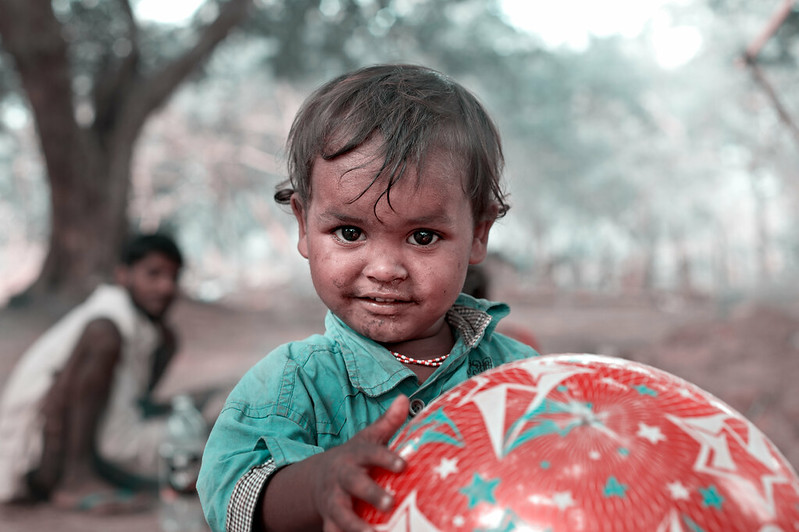 A single woman, a resident of Kambam near the Tamil Nadu-Kerala border, spoke about her family and friends organizing fundraisers. The funds went into assembling more than 1,000 grocery bags for low-income families living in the town. It is quite common for local communities in different parts of the nation to look after the rural poor in India.
India, while known for its overpopulated cities, is also prominently known for its vast rural landscape. Numerous small towns and villages where community living is the backbone still continue to exist. Kambam is one such town. On speaking to more locals in the region, there seemed to be several unofficial and low-key groups. These groups consistently reached out to the needy living in their area.
The Rural Poor in India
According to a recent SBI Research report, rural poverty has recorded a significant reduction. The report stated that in FY24, rural poverty accounted for about 4.86%, falling from 25% in 2011-12. This represents a notable reduction in rural poverty.
Taking a broader view of impoverished people in rural areas of the country brings several aspects to light. Similar to their surroundings, they more often tend to live as groups rather than individuals.
Secondly, experts state that there exists a notable disparity between homelessness in rural and urban areas. A recent census shows that 52% of India’s homeless live in urban areas, while 47% live in rural regions. Most of this population, however, lives in very inadequate and substandard housing situations. Nevertheless, studies show that they are less likely to be stranded on the streets like their urban counterparts.
On the other hand, access to health care and other basic facilities is often more difficult to reach in rural areas in India. These individuals, particularly those residing in remote parts, also face difficulties claiming the benefits of governmental schemes that can aid them in improving their lifestyles.
The Impact of Communal Living on the Rural Poor
India, similar to other Asian countries, exhibits a community-based lifestyle. This cultural approach has positive effects on people living below the poverty line. As mentioned earlier, casual conversations with locals in South India indicated the existence of several community outreach groups.
One group of young women hosts a cooking-based group. Members gather for a day of cooking, chatting and working together. They cook large meals, pack them and distribute them to areas where low-income residents live. These women report a sense of fulfillment through such outreach activities and say it provides a break from their routine.
Within the Muslim community in Kambam, following the rule of obligatory charity (“Zakath”), residents contribute regularly. Volunteers collect these funds and use them to help people who require health care assistance. This support can also extend to education and livelihood assistance.
These observations highlight the outcomes of communal living for people experiencing poverty. Studies also suggest that people living in rural India often approach the poor as members of their community.
As a result, individuals may help those who do not have access to basic life needs. For instance, it is common for a rural shopkeeper to give excess vegetables to a struggling person in the neighborhood.
Communities and Government Programs
In the last few decades, rural poverty has notably reduced. Several factors have contributed to this. While communal living and similar practices often provide short-term assistance, government schemes have focused on long-term solutions.
The central government’s housing schemes have contributed to reductions in homelessness. A research paper observes the difference between 2001 and 2011, showing a 28% decline in homelessness between the two decades.
In February 2025, the central government announced a new set of schemes focused on empowering rural communities. These initiatives aim to increase housing, employment, infrastructure and poverty alleviation efforts in rural areas.
Apart from governmental schemes and NGOs, projects often partner with local communities to enhance outreach and productivity. One such project was PURA (Providing Urban Amenities to Rural Areas). This large program began in 2001, with former President A. P. J. Abdul Kalam playing an integral role.
The project involved governments working with businesses and local communities to implement long-term solutions in rural areas. Although there were challenges, private-sector PURA initiatives reported more effective results. These outcomes ranged across housing, transport, education and employment.
Urban Versus Rural Poverty in India
Multiple studies suggest that rural poverty reduction in India has occurred at higher rates than urban poverty. One report stated that of the 22% of people experiencing poverty in India, nearly 25% live in urban areas. When considering that 70% of the nation’s population lives in rural areas, this suggests a higher concentration of poverty in urban settings. Additionally, homelessness shows higher rates in urban compared with rural India. While multiple factors contribute to this difference, lifestyle may be one factor. Urban environments often involve more individualistic living conditions compared with rural communities.
Looking Ahead
Global poverty can take many forms and requires diverse responses. Rural poverty in India highlights the need for strategies that combine government initiatives with community participation. In recent decades, government programs and community-based efforts have contributed to reducing poverty in rural areas. These approaches continue to support rural communities by improving access to services and economic opportunities.
– Shafika Fathima
Shafika is based in Chennai, Tamilnadu, India and focuses on Good News and Global Health for The Borgen Project.
Photo: Flickr
