• Link to X
  • Link to Facebook
  • Link to Instagram
  • Link to TikTok
  • Link to Youtube
  • About
    • About Us
      • President
      • Board of Directors
      • Board of Advisors
      • Financials
      • Our Methodology
      • Success Tracker
      • Contact
  • Act Now
    • 30 Ways to Help
      • Email Congress
      • Call Congress
      • Volunteer
      • Courses & Certificates
      • Be a Donor
    • Internships
      • In-Office Internships
      • Remote Internships
    • Legislation
      • Politics 101
  • The Blog
  • The Podcast
  • Magazine
  • Donate
  • Click to open the search input field Click to open the search input field Search
  • Menu Menu

Archive for category: Global Poverty

Key articles and information on global poverty.

Global Poverty, Mental Health, Youth Empowerment

Navigating the Mental Health of Eswatini’s Youth

Mental Health of Eswatini’s YouthTeenagers in Eswatini have attempted suicide at a rate of 15%, as they reported feelings of anxiety, depression and self-dissatisfaction. The Eswatini Economic Policy Analysis and Research Centre (SEPARC) reports that poor mental health affects 8,229 people in Eswatini, with young people between the ages of 15 and 35 accounting for 40% of these cases. Despite the lack of national statistics, small-scale studies indicate that substance misuse and emotional distress are prevalent. Here is information about the mental health challenges of Eswatini’s youth.

The Mental Health Challenges of Eswatini’s Youth

A lack of economic prospects, recreational facilities, support systems and violence are all major contributors to worsening mental health among young people. UNICEF reported that 35% of Eswatini’s youth are neither employed nor enrolled in education or training, increasing the likelihood of engaging in risky behavior, resulting in adverse mental health outcomes. 

Violence detrimentally affects children’s development, cognitive ability and academic performance, leading to issues such as low self-esteem, emotional distress and depression. About 79% of children between the ages of 1 and 14 have experienced physical violence. Among adolescents, 32% of males between the ages of 13 to 24 reported experiencing physical violence in their lifetime. Meanwhile, 5.5% of females in the same age range reported experiencing violent incidents occurring before the age of 18.

How Violence Exacerbates HIV/AIDS in Eswatini

Furthermore, violence is a significant driver of HIV/AIDS, as it increases vulnerability to risky behaviors through trauma and its impact on emotion regulation. Among young people with a history of violence, the prevalence of HIV was 7.4% for females and 3.4% for males. In comparison, the HIV positivity rate for those without such experiences was 6.4% for females and 3.3% for males.

The country’s 27% HIV prevalence rate among individuals aged 15 to 49 further compounds the mental health challenges that Eswatini’s youth face, placing it among the highest globally. The dread of disclosure, which underscores the necessity of expanding disclosure programs for those who provide care with more comprehensive support for adherence and addressing mental health concerns, emotionally burdens Eswatini’s youth. The potential negative consequences of disclosing their HIV status to their spouse were a source of concern for 75.3% of HIV-positive men and 23.4% of HIV-positive women between the ages of 13 and 24.

Fortunately, some organizations like UNICEF and Education Plus are promoting change through institutional support and policy. Meanwhile, local organizations such as Young Heroes are focusing on vulnerable communities.

UNICEF’s Mental Health Support for Eswatini

UNICEF reached out to young people through social media and discussions to share information about mental health, sexual health, gender-based violence and violence against children in collaboration with non-governmental organizations (NGOs). These efforts allowed 1,782 young people to access mental health support.

Collaborating with Junior Achievement Eswatini (JAE), UNICEF implemented a Financial Literacy and Entrepreneurship Skills Program, helping 3,005 adolescents and providing opportunities through economic empowerment, allowing them to reduce engagement in risky behaviors, thereby lowering the likelihood of experiencing adverse mental health outcomes.

In partnership with the Ministry of Health, UNICEF supported teen clubs and mother-baby pairs clubs offering psychosocial support, counseling and health education. These initiatives have helped more than 13,350 young people access information on mental health, sexual and reproductive health and HIV prevention. 

Education Plus

A partnership of UN organizations leads the Education Plus Initiative. The initiative is a high-level global advocacy effort aimed to improve access to education, health care and economic opportunities, promoting stigma-free health care services. These efforts enable young individuals with HIV to seek help in a more supportive environment, reducing the likelihood of adverse mental health outcomes due to fear of discrimination.

The initiative safeguards adolescents by addressing fundamental needs and providing mental health care. Since a lack of recreational resources often lead to risky behaviors that undermine mental health, Education Plus aims to provide free secondary education for both girls and boys by 2025 to address this issue.

Furthermore, the initiative equips young people with the tools to achieve financial independence and stability. This is achieved through social protection, school-to-work transitions and economic empowerment. By fostering hope for a better future, it increases the likelihood of reducing the percentage of young people at risk of self-harm.

Young Heroes

Young Heroes is a charitable organization that aims to empower vulnerable youth and their caregivers in Eswatini through local initiatives. The organization collaborates with leading international partners, offering psychological support, social safety and prevention of gender-based violence. Programs for youth emphasize the importance of education, counseling, HIV-related support and treatment.

Young Heroes’ Sabelo Sensha project aims to increase mental health and resilience among Eswatini’s vulnerable young people. To support this, the project provides HIV treatment adherence assistance, counseling, support for caregivers, group referrals, positive parenting training, educational subsidies and socioeconomic empowerment programs.

Young Heroes supports disadvantaged children in Eswatini through Stepping Stones Sessions, which provide educational initiatives. Sessions teach essential life skills and offer opportunities for personal development. Babazile Bhila, a 20-year-old who endured psychosocial struggles and poverty, said Young Heroes’ Stepping Stones changed her life. Indeed, Babazile is now funded by CANGO’s Halt Project for her education. She thanked Young Heroes for enabling her to reach her full potential.

In August 2024, Young Heroes and the Ministry of Justice and Constitutional Affairs formed a partnership through Legal Aid Eswatini. This partnership is a critical step in addressing the vulnerabilities that children and adolescents face. Through this partnership, organizations will collaborate to mitigate the social and legal obstacles that Eswatini’s youth are encountering. Furthermore, this will foster greater emotional security and mental well-being.

Looking Ahead

Addressing the mental health challenges that Eswatini’s youths experience requires a multifaceted approach that includes mental health support, economic empowerment and community-based activities. However, the initiatives of world-renowned organizations demonstrate that there is hope for a better future for Eswatini’s youth.

– Imge Tekniker

Imge is based in London, UK and focuses on Global Health and Celebs for The Borgen Project.

Photo: Wikipedia Commons

March 29, 2025
https://borgenproject.org/wp-content/uploads/borgen-project-logo.svg 0 0 Jennifer Philipp https://borgenproject.org/wp-content/uploads/borgen-project-logo.svg Jennifer Philipp2025-03-29 01:30:142025-03-28 06:46:27Navigating the Mental Health of Eswatini’s Youth
Aid, Foreign Aid, Global Poverty

US Foreign Aid to Taiwan

Foreign Aid to TaiwanTaiwan experienced a period of extreme poverty after World War II and the Chinese Civil War. Farming was the most common way to earn a living during the early 1950s, contributing to a low Gross National Product (GNP) per capita of $200 USD (at 1950s price levels) and extreme income inequality. Taiwan’s economic conditions shifted after the land reform began in 1949 and again in the late 1950s when the government prioritized export-oriented growth. Although the export-oriented growth model had a significant impact on Taiwan’s success, aid from the United States also made a lasting impact. Here is information about the history of U.S. foreign aid to Taiwan.

History

From 1950 to 1965, Taiwan received a significant portion of U.S. economic aid. Over this period, Taiwan received around $100 million USD in monetary assistance each year, which accounted for almost 9% of Taiwan’s gross domestic product (GDP).

The focus of foreign aid to Taiwan evolved throughout the years as living conditions improved and U.S. foreign policy objectives shifted. After the Chinese Civil War, people had minimal access to necessities like food and clothing. Starting in the early 1950s, U.S. foreign aid to Taiwan prioritized economic aid and provided military materials due to the widespread poverty and economic and political instability. With this aid, Taiwan was able to stabilize the political situation, which prevented the government from directing all funds toward defense and raising taxes on a population that already struggled financially.

In the mid-1950s, the U.S, directed aid toward infrastructure projects and industrial development. About 37.3% of aid funds went toward infrastructure, 21.5% to agriculture, 25.9% to workforce development and 15.3% to industry. The final stage of U.S. aid programs emphasized shifting from import-based industries to export-oriented growth. However, after 1960, the United States concluded that Taiwan had “graduated” from the aid programs and moved to cut concessional assistance. 

Current US Aid to Taiwan

The United States no longer provides the island with development assistance but continues to offer military financing loans and contribute to disaster preparedness. Before the suspension of the U.S. Agency for International Development (USAID), the organization initiated emergency response and joint training programs that have increased Taiwan’s ability to withstand natural disasters and military pressure from the People’s Republic of China (PRC).

Although disaster preparedness is an objective of aid to Taiwan, military support has been the primary focus of U.S. assistance in recent years. The National Defense Authorization Act of Fiscal Year 2023 and the Consolidated Appropriations Act, 2023 allow for the U.S. to provide up to $10 billion in grant assistance over five years and up to $2 billion in loans.

The goal of current U.S. aid is to maintain peace and stability in the Indo-Pacific region, while 20th century aid was intended to promote economic and social development. The demand for poverty-reducing aid programs diminished as previous initiatives proved successful, which explains this shift in U.S. aid objectives.

The Outcome of Foreign Aid

Taiwan recognizes that it owes much of its progress to the foreign aid it received over the decades. Today, the World Bank considers Taiwan a high-income economy. It is one of the world’s largest producers of semiconductors and electronics and is a driving force behind innovations in artificial intelligence. 

Foreign aid to Taiwan spurred economic development and substantially improved the well-being of Taiwan’s population. Taiwan’s GNP per capita was $1,132 USD by 1976 and $12,396 USD in 1995. With a higher GNP per capita, Taiwan’s population had more job opportunities, a more equitable income distribution and access to basic necessities like food, health care and education.

From 1953 to 1995, the mortality rates in children under 5 decreased from 21.1 per 1,000 to 1.9 per 1,000, while life expectancy increased by 3.2 years for men and 5.9 years for women as a result of lower income inequality. “By using this aid, we were able to build up our infrastructure… And we were also able to set up our import substitution industries…” remarked Ma Ying-jeou (馬英九), President of the Republic of China (Taiwan) from 2008-2016, in a speech. With U.S. assistance on infrastructure, industry and defense, Taiwan increased GNP per capita and established more income equality, improving life expectancy and the overall quality of life for its citizens. 

These improvements in health and economic outcomes demonstrate that foreign aid to Taiwan has made a noteworthy impact. At a time when the United States is reassessing its foreign aid commitments, it must recognize the positive influence of foreign aid on Taiwan’s success and rapid reduction of poverty.

– Haley Parilla

Haley is based in Cape Coral, FL, USA and focuses on Business and Politics for The Borgen Project.

Photo: Pixabay

March 29, 2025
https://borgenproject.org/wp-content/uploads/borgen-project-logo.svg 0 0 Jennifer Philipp https://borgenproject.org/wp-content/uploads/borgen-project-logo.svg Jennifer Philipp2025-03-29 01:30:082025-03-28 06:31:54US Foreign Aid to Taiwan
Global Poverty, Government, War

Transitional Government Aims to Rebuild Syria After Civil War

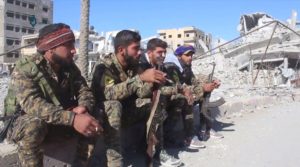
Rebuild SyriaThe Syrian civil war, which started in 2011, destroyed the country’s economy and infrastructure as armed groups loyal to different sides fought for control over many local economic hubs. This led to the destruction of sprawling urban centers and infrastructure nationwide. However, in December 2024, Syrian opposition forces ousted the Assad regime, marking a turning point in the nation’s history. Now, a transitional government is leading efforts to rebuild Syria through diplomatic measures.

A Free Market Economy

According to Al Jazeera, under the opposition group Hayat Tahrir al-Sham (HTS), the transitional government wants to establish Syria as a free market economy. As a step towards this, the government reopened the Nasib border crossing with Jordan, one of Syria’s busiest trading routes.

The government will be trying to establish new economic protocols to stabilize the public sector. The focus right now is on necessities such as electricity. However, the country’s economy currently revolves around informal markets that don’t have official oversight, resulting in a hard-to-follow capital flow that will be a challenge to capitalize on.

Reforming Government Ministries

Mohammed Abazeed, finance minister, told Reuters that government ministries would be reformed to improve accountability and efficiency, leading to a 400% increase in public sector salaries by February. The government also plans to overhaul the tax system to benefit all taxpayers. These improvements in various sectors will help Syria. 

However, the country still suffers from sanctions other nations imposed on it during Assad’s regime. The Assad regime received sanctions from many countries in the West, such as the U.S. and the U.K. These sanctions forced the regime to look to Iran and Russia for funding, but now that the old regime has been ousted, the new transitional government inherited those sanctions without a direct source of outside financing to counter them.

Removing Economic Sanctions

The transitional government led by interim President Ahmed Al-Sharaa is in diplomatic talks with the U.S. and European Union (EU) countries to remove economic sanctions. The U.S. government did label HTS as a terrorist organization;

However, on December 20, 2024, the U.S. government removed a $10 million bounty for al-Sharaa. The U.S. is also leading talks with Gulf Arab states to remove sanctions so long as the new government cuts ties with Russia and Iran, according to Al Jazeera.

A Peaceful Resolution

Armed groups and militias still control much of Syria. Many of these groups fought the HTS or remained wary of their intentions. As a show of peace, the transitional government invited delegates from all over Syria to a national dialogue conference on February 25.

Al-Sharaa and his government are trying to reach a peaceful resolution with other armed groups by involving them in rebuilding and creating a unified army from these groups. However, the Syrian Democratic Forces have refused to disarm and give up their territory.

Conclusion

Many Syrians remain hopeful for the future. Diplomatic talks with nations such as Türkiye remain consistent for the transitional government, potentially allowing for foreign investment. Syria remains in a precarious position but is consolidating a plan to rebuild.

– Jonathan Joseph

Jonathan is based in Milwaukee, WI, USA and focuses on Good News and Politics for The Borgen Project.

Photo: Wikimedia Commons

March 28, 2025
https://borgenproject.org/wp-content/uploads/borgen-project-logo.svg 0 0 Lynsey 2 https://borgenproject.org/wp-content/uploads/borgen-project-logo.svg Lynsey 22025-03-28 07:30:072025-03-26 06:09:17Transitional Government Aims to Rebuild Syria After Civil War
Employment, Global Poverty, Mental Health

Addressing Poverty in Greenland 

Poverty in GreenlandGreenland is an autonomous country under Denmark’s rule. Half of the country’s public revenue comes solely from Danish aid and contributions and yet many citizens live below the poverty line. While other members of the Danish Kingdom flourish, including the considerably smaller Faroe Islands, the number of people living in poverty throughout Greenland is at a staggeringly high 17.4%. This is what the reality of Greenlandic poverty looks like.

The People of Greenland

The vast majority of Greenland’s population identify as Inuit and consider themselves to be ethnically Greenlandic, while the remaining are nearly entirely Danish. The impacts of Norse colonialism and rapid modernization throughout history have impacted the Inuit people’s livelihoods and ways of living have been threatened by the impact of Norse colonialism and rapid modernization throughout history, a threat which has not dispersed despite decades of being recognized as an autonomous territory.

Tourism Vs. Tradition

For many, traditional industries such as fishing and hunting were a means of survival as well as income, though the forced displacement of families and the Inuit people has meant that many have lost access or ease of access to the trades they once relied heavily upon. These industries have long been a staple within the communities, but are gradually being replaced with modern institutions, including mining and tourism.

From 1774 to 1908, the Royal Greenland Trading Department (KGH) were responsible for managing the Greenland government and trade, and throughout this period, they actively fought the urbanization of the native land. However, by the 1960s, the Danish government had introduced a modernization program. While the Danish government introduced it to help Greenlandic workers, particularly the fishermen, into work at modern fisheries, the program merely contributed to the collapse of existing fishers and thus the vital trades of many citizens, as well as prolonged unemployment. This was only one example of colonization contributing to a growing crisis of poverty in Greenland.

The Modernization Shortfall 

Despite being the world’s largest island, the country is home to only 57,000 citizens, making for a sparse population along the coastline and masses of uninhabited land. As a result of this dispersion, there is a lack of key infrastructure that would enable various areas of the economy to grow, such as mining or tourism. As of 2025, there are still less than 100 miles of paved roads across the island, making transportation difficult for workers, and thus limiting job opportunities and access to key sectors and services. For those who rely upon fishing, hunting and gathering to survive non-existent or difficult roads can lead to both job and food insecurity.

These rural areas are where poverty thrives; according to Project World, many Greenlanders have inadequate access to sanitation, food and clean water within their own homes. This is particularly prevalent within predominantly Inuit villages, where a lack of a national grid means that people cannot easily access the services they rely on. Where Danish modernization programs and projects largely failed, many native Greenlanders fell behind and, as a result, beneath the poverty line.

Rising Temperatures 

Like the majority of Arctic countries, rising temperatures is impacting Greenland. As the ice sheet began to retreat in 2023, the island became known for its untapped resources, the earth rich with minerals. However, the aforementioned lack of infrastructure makes it more difficult to access these resources and, therefore, create jobs within the sector.

While the discovery of these minerals has been widely deemed a good thing, the impact of the rescinding ice sheet is already disrupting the lives of many Greenlanders. Melting ice and global warming can make one of the island’s key exports – fishing – an even more unreliable source of income, as the changing weather conditions impact marine life. Climate-induced erosion is also hitting the already limited road structures, making journeys necessary for food, work or transportation more dangerous, more difficult and more insecure. This impacts poverty in Greenland.

The Future

While Greenland’s autonomy and ownership have become a recent political issue, there should be a greater focus on alleviating poverty in Greenland without the island and the people’s independence and autonomy being used as a price tag. In particular, the Salvation Army is recognized as one of the major charitable organizations in Greenland that is making a large everyday impact on the citizens, helping to end homelessness and improve the quality of life for those most vulnerable across the country. From 2012, the charity has been providing warm spaces, meals and drinks and support to those in need, including via the 2024 Self Denial Appeal, which aimed to improve lives across the country.

With eyes across the globe turned to the island, hopefully, there will be a greater focus on improving the lives of Greenlanders by fighting poverty.

– Macy Hall

Macy is based in Dover, Kent, UK and focuses on Good News and Global Health for The Borgen Project.

Photo: Pixabay

March 28, 2025
https://borgenproject.org/wp-content/uploads/borgen-project-logo.svg 0 0 Jennifer Philipp https://borgenproject.org/wp-content/uploads/borgen-project-logo.svg Jennifer Philipp2025-03-28 01:30:562025-03-26 06:05:47Addressing Poverty in Greenland 
Global Poverty, Human Rights, Legislations and Policies

Fragility and Rule of Law in Colombia 

Fragility and Rule of Law in Colombia
In international relations, the rule of law is a principle of governance that holds all parties, including the government itself, accountable to the same rules. Colombia, however, has faced challenges in fairly upholding this principle, leading to political instability and violence. This article will focus on the fragility and rule of law in Colombia. While significant progress has occurred in recent years, major challenges remain. Overcoming these challenges and strengthening the rule of law will require continued legislative reforms, domestic activism and sustained international support. Although an uphill battle, there is hope for Colombia’s legal system.

Understanding the Roots of the Problem

Colombia has a simple legal structure, featuring a legislative, executive and judicial branch. The country elects a president every four years. A Supreme Court (Corte Suprema de Justicia) establishes legal precedent, and a Constitution serves as the foundation for addressing the fragility and rule of law in Colombia. In theory, everything should function smoothly. However, corruption, dysfunction and inequality plague the judicial system. Several factors have contributed to these conditions:

  1. Armed Conflict: Since the 1960s, civil war among rebel guerrilla groups and right-wing paramilitary groups has ravaged Colombia. Millions have been displaced or murdered, and this five-decade-long conflict significantly weakened legal institutions and fostered criminal activity, particularly in rural areas.
  2. Organized Crime: Human trafficking, drug cartels and illegal economies thrive in Colombia. This activity fuels violence and significantly undermines state authority. 
  3. Government Corruption: Elected officials frequently accept bribes from cartels, rebels and businesses to manipulate the law. These powerful figures are rarely held accountable, perpetuating a cycle of inequality.
  4. Dysfunctional Judicial System: Colombia’s judicial system itself is inherently flawed. Understaffing leads to a majority of crimes going unpunished. Legal professionals often face large bribes or violent threats, hindering their ability to administer justice. Furthermore, most poverty-stricken areas lack access to adequate legal institutions.

Impact on Citizens

The fragility and rule of law in Colombia has had a debilitating effect on its citizens, as one can see through citizens distrust of their government and the widespread poverty that runs rampant. Here is information about how fragility and rule of law in Colombia has increased distrust and poverty.

  • Distrust in Government: The World Justice Project’s 2022 survey reveals some shocking opinions that Colombian citizens hold:
    • Only 22% believe government officials would be held accountable for breaking the law.
    • Only 27% of citizens feel that local government officials are elected fairly.
    • A staggering 88% believe that most or all members of Congress are corrupt.
    • Only 36% believe the judicial system is effective in prosecuting criminals.
    • Over 70% believe most or all legal officials are corrupt.
    • Only 26% feel the police act lawfully, and a mere 25% trust the police.
  • Poverty: Corruption significantly hinders development and exacerbates poverty. In fact, as reported by the U.S. Department of State, Colombia lost more than $115 million (meant for infrastructure) to bribes and kickbacks. This irresponsible usage of resources prevents the government from providing essential services to the public, disproportionately affecting poor citizens that rely on the assistance. Furthermore, according to the World Bank, 39.3% of Colombians lived below the national poverty line in 2022. Put simply, corruption wastes resources that could be used for poverty reduction programs, infrastructure development or education, further entrenching Colombia’s citizens in a cycle of poverty.

Progress Towards Equality

While the situation is challenging, the statistics above actually represent growth compared to previous years, particularly regarding perceptions of corruption. This indicates that, albeit slowly, Colombia is making strides toward stability.

Several factors have contributed to this progress, including legislative reforms and international efforts:

  • International Bar Association’s Human Rights Institute (IBAHRI): This group actively works to restructure the Colombian Judicial System. The IBAHRI has conducted fact-finding missions, provided training to judges and lawyers and advocated for legal reform.
  • Colombian Government: Technology is being implemented to streamline judicial processes. One example is the “Justicia XXI” program, which aims to digitize court records and implement electronic case management systems. 
  • The United States: Since 2017, the United States has donated roughly $1.5 billion to Colombia to assist in “peace accord implementation.” These programs have contributed to the resolution of civil war, reduction of poverty and a crackdown on drugs.
  • The World Bank: The World Bank has provided Colombia with two DPFs. A DPF (or a Development Policy Financing) is a type of loan/grant that aims to support poverty reduction. In Colombia, specifically, the money has gone towards the creation of policy that “improves fiscal sustainability, increases productivity and improves economic/social integration of migrants.” 
  • European Union: The European Union Trust Fund for Colombia, established in 2016, supports projects such as the Land Restitution Unit, which helps victims of armed conflict restore their territory, and the Rural Development Project, which looks to increase living standards in underserved regions of the country.
  • Legislative Reforms:
    • In 2022, Colombia passed Law 2195 to eliminate corruption between the public and private sectors.
    • In 2023, a 10-Year Drug Policy, based on international standards, was introduced to reduce drug trafficking nationwide. 
    • In 2025, Colombia’s Supreme Court will replace four of its nine judges, a decision aimed at ensuring equality in the nation’s highest tribunal.

A Plan for the Future

To maintain this positive trajectory, Colombia will need to continue its anti-corruption campaign by continuing to reform the judicial system, implementing technology and expanding access to justice, particularly in rural and marginalized communities. Furthermore, the country needs to improve security measures, specifically by increasing police accountability and trustworthiness. In doing so, Colombia should be able to combat organized crime, one of the largest issues that the country faces. 

Although domestic reform is critical, Colombia cannot act alone. It will need support from the international community. Currently, the United States, the World Bank and the European Union all provide financial aid, and it would be beneficial for more institutions to follow suit. If Colombia can capitalize on international support, reduce corruption and reform its judicial system, a brighter future is within reach. The fragility and rule of law in Colombia will no longer be a burden, but a testament to peace, democracy and equality.

– Josh Weinstein

Josh is based in Chester Springs, PA, USA and focuses on Politics for The Borgen Project.

Photo: Flickr

March 27, 2025
https://borgenproject.org/wp-content/uploads/borgen-project-logo.svg 0 0 Jennifer Philipp https://borgenproject.org/wp-content/uploads/borgen-project-logo.svg Jennifer Philipp2025-03-27 07:30:292025-03-26 05:58:29Fragility and Rule of Law in Colombia 
Global Poverty, Trade

Impact of Trade on Poverty Reduction in Comoros

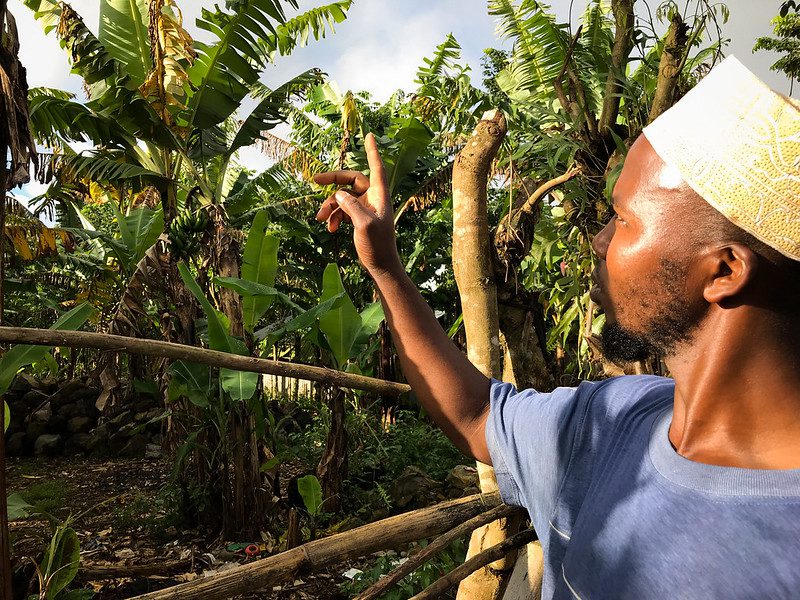
poverty reduction in comorosComoros is a country made up of three islands off the southeastern coast of Africa. It grapples with supporting its population, as 45% of people are living in poverty. There are a multitude of factors contributing to the issue, but one of the largest contributors is the state of the country’s economy and its relationship with trade.

The Issue with Trade

The economy of Comoros is dependent on trade and investment. Failing trade practices are then detrimental to the overall functioning of the country. There have been routine trade deficits because “the level of goods exports is lower than that of services exports, while the level of goods imports is higher than that of services imports.” Supporting the overall economy could help poverty reduction in Comoros.

Comoros has a history of an unstable political situation and fluctuating institutions. As a result, “most trade support systems remain fragmented in practice with very limited exchange of information between regional directorates.” The Comorian government must be able to establish a stable system of trade to create cash inflows for the country. A successful economy is necessary to support and provide services to the citizens of Comoros.

The vast majority of Comoros’s exports consist of a few products, which is why “plantations engage a large proportion of the population in producing the islands’ major cash crops for export: vanilla, cloves, perfume essences and copra.” Being dependent on these products makes the country vulnerable to price fluctuations, putting people’s incomes at risk. Expanding their market and sources of income will contribute to poverty reduction in Comoros.

Effects on Poverty

Poverty reduction in Comoros depends on stabilizing prices for people in the country. Comoros’s lack of exports and reliance on imported foods makes recent inflation detrimental, as “ongoing inflation has mostly been driven by food item prices, affecting the poor disproportionally.” The country’s poor are further isolated as they struggle to afford food and are unable to keep up with rising prices. The dangers of ineffective trade practices are evident in the ways they push people further into poverty.

In addition to the struggles of citizens to meet their needs due to financial hardships, the country as a whole has difficulty funding supportive programs. This means that investment and aid are crucial to poverty reduction in Comoros. Water shortages are an issue plaguing the impoverished, but “in 2019, with the backing of the Green Climate Fund (GCF), Comoros launched a $60 million eight-year project to increase reliable and safe water supply.” Until Comoros’s economy can support its population, aid is beneficial to the country’s poor.

Poverty Reduction in Comoros

Organizations are working to combat poverty along with the government of Comoros, one of which is the Comoros Red Crescent. This organization has been working to promote health, risk management, education, and income-generating activities since 1982. One of their courses is focused on “training about water sanitation,” which, as mentioned previously, is an area of need in the country. Comoros Red Crescent is supporting the people of Comoros in ways that the government is currently unable to do.

Comoros ratified the African Continental Free Trade Area (AfCFTA), which hopes to “mobilize the private sector to take full advantage of new trading opportunities on the continent.” The AfCFTA is meant to spearhead the transformation of the Comorian economy and contribute to poverty reduction in Comoros.

The implementation of AfCFTA could lead to economic growth, as “by 2043, GDP per capita in Comoros could increase to $5,581 in the Free Trade scenario, compared to $5,015 in the Current Path forecast.” These steps towards economic growth are promising for the future of poverty reduction in Comoros. Continual efforts for growth, like the beginning of AfCFTA, will provide more assistance to the impoverished in Comoros.

– Sydney Morrow

Sydney is based in London, UK and focuses on Good News and Politics for The Borgen Project.

Photo: Flickr

March 27, 2025
https://borgenproject.org/wp-content/uploads/borgen-project-logo.svg 0 0 Naida Jahic https://borgenproject.org/wp-content/uploads/borgen-project-logo.svg Naida Jahic2025-03-27 01:30:562025-03-26 05:52:55Impact of Trade on Poverty Reduction in Comoros
Education, Gender Equality, Global Poverty

Women’s Education and the Work of JAAGO in Bangladesh

JAAGO in BangladeshAccelerating Action is this year’s International Women’s Day theme, calling for urgent efforts to advance gender equality matters. The 2024 Global Gender Gap report shows that although significant progress has been made and several economies reached higher gender parity scores this year, others are far from ideal results.

Southern Asia ranks last in Economic Participation and Opportunity and shows low rates of women employed in the workforce, with Bangladesh declining by -3.3 points in the global ranking. Bangladesh (31.1%), Sudan (33.7%), Iran (34.3%), Pakistan (36%), India (39.8%) and Morocco (40.6%) are the economies with the lowest economic parity.

Gender parity in projected earned income is less than 30% in these economies. Furthermore, all the economies on the list have labor force participation rates below 50%.

Education as a Pathway to Economic Freedom

Global studies have long shown that education is one of the most effective ways to combat poverty and reach gender equality. According to the World Bank gender data, women with secondary education earn nearly 20% more than those without and those with tertiary education earn up to 323.4% more. Educated women are also less likely to marry before 18, reducing risks associated with early pregnancy and improving overall family health.

Bangladesh excels in educational attainment, with a 94% achievement rate that reflects gender parity in secondary enrolment, 93% in literacy and 84.1% in university enrolment. Generally, Southern Asia has also made the most remarkable progress since 2006, improving educational gender parity by +13.4 percentage points – more than twice the leap made by the Middle East, Northern Africa and sub-Saharan Africa regions during the same period.

The World Economic Forum’s 2024 Global Gender Gap Report also notes that 91.3% of girls and 74.8% of boys have completed lower secondary school in Bangladesh as of 2022. Hence, the female literacy rate rose to 84% in 2023.

The Work of JAAGO in Bangladesh

JAAGO is a leading foundation in Bangladesh dedicated to promoting gender equality and ensuring women have continued access to education. Its journey began in 2007 in a single room with only 17 children in the Rayer Bazar Slum of Dhaka. It aims to break the poverty cycle and ensure a bright future for children from underprivileged communities. JAAGO currently has 11 schools in 10 districts in Bangladesh, educating 5,000 children.

Through various programs, JAAGO has successfully implemented solutions to keep girls in school while fostering skill development. In many rural areas, schools are either too expensive or poor quality. To address this, JAAGO schools offer free education with highly qualified teachers. It provides online programs through the digital school initiative, ensuring access to quality education for all.

The Digital School Program of JAAGO in Bangladesh

JAAGO Foundation’s Digital School Program provides quality education to underprivileged children in remote areas of Bangladesh using online learning. It bridges educational gaps by offering interactive lessons, trained teachers and digital resources. The program focuses on accessibility, inclusivity and skill development, ensuring children receive a standardized education regardless of location. This initiative empowers students with knowledge and opportunities for a brighter future.

The program also focuses on delivering quality education and opportunities at every step, including counseling parents to encourage them to keep their daughters in school. Additionally, the programs provide medical and mental health sessions to ensure girls can continue their education without barriers.

ODOMMO

The ODOMMO project, launched by the JAAGO Foundation with the Malala Fund, promotes girls’ education in Bangladesh by tackling poverty, gender discrimination and societal barriers. It focuses on improving school enrollment, retention and learning environments. The initiative further includes teacher training, life-skills programs and school expansions, empowering girls to become future leaders and advocates for change.

The ODOMMO project has positively impacted 1,584 girls in Bangladesh’s flood-prone areas by reducing school dropout rates, increasing awareness about child marriage and encouraging greater participation in STEM. Additionally, the project conducted community-driven awareness initiatives, including courtyard meetings and discussions with school authorities, government officials and local leaders to advocate for girls’ education in the region.

Bandarban School Bus

Many impoverished families in Bangladesh struggle to afford schooling and recurrent flooding worsens job losses, making education even less accessible. In many cases, girls are sent to work or married off instead of continuing their studies, as families believe marriage offers them a more secure future.

Geographical challenges further limit access to education, especially in rural areas, where long and unsafe commutes discourage attendance. Without secure transportation or infrastructure, many girls cannot reach school safely.

The JAAGO Foundation launched the School Bus Initiative to tackle this issue, providing students with reliable transportation. This simple yet impactful solution has significantly increased attendance, ensuring more children, especially girls, stay in school. By removing safety concerns and commuting barriers, the initiative has helped reduce dropout rates, allowing students to focus on their education.

Volunteering and a Call to Action

Ensuring access to education requires a collective effort; governments, parents, corporations and communities all drive meaningful change. Raising awareness through social media campaigns, expert advocacy and corporate engagement can further mobilize resources and support.

Individuals and businesses can contribute by sponsoring a child’s education, covering school fees, meals, supplies, health check-ups and mentorship. Sponsors also receive monthly reports and can connect with the school or child via online calls or in-person visits.

Beyond financial support, volunteers play a key role in driving local change. During recent floods in Bangladesh, volunteers stepped up by raising funds, rescuing people, setting up medical camps and rebuilding homes, demonstrating how collective action can make a lasting impact.

– Arianna Distefano

Arianna Distefano is based in London and focuses on Good News, Politics for The Borgen Project.

Photo: Flickr

March 26, 2025
https://borgenproject.org/wp-content/uploads/borgen-project-logo.svg 0 0 Lynsey 2 https://borgenproject.org/wp-content/uploads/borgen-project-logo.svg Lynsey 22025-03-26 07:30:472025-03-25 05:20:32Women’s Education and the Work of JAAGO in Bangladesh
Africa, Development, Global Poverty

CPF in Madagascar

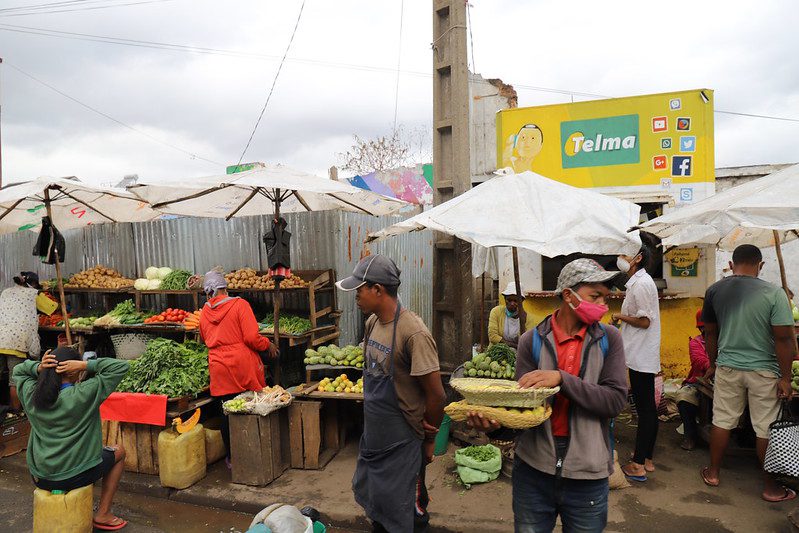
cpf madagascarMadagascar is the world’s fifth-largest island just off the coast of Africa with a population of about 30.3 million. As of 2023, 80.7% of these 31.2 million people live in poverty. In the south and southwest regions of Madagascar, natural disasters make this number soar to about 91.2% in these areas. However, hope still exists for the citizens of Madagascar, as with the support of the World Bank Group, a new Country Partnership Framework (CPF) in Madagascar will be in effect for four years between 2023-2027. The CPF is a World Bank’s plan/strategy to amplify its goal to end extreme global poverty.

CPF in Madagascar: Employment and Natural Disasters

The CPF in Madagascar specifically caters to Madagascar’s needs, and overall aims to lessen poverty rates, provide long-standing solutions and improve overall quality of life. One way they plan to do this is by improving job opportunities for citizens. The Integrated Growth Pole Project (IGPP) is one of the initiatives that could make this possible. The IGPP’s job focuses on pivotal economic sectors that have high growth potential. These include agricultural businesses, tourism businesses and building a foundation for a digital economy. While they help manage business, gain revenue and generate jobs they are also setting up for a digital economy which will benefit the economy because of its inclusion as well as its estimate to increase economic activity overall.

The CPF has also taken the initiative to strengthen the island’s resilience against natural shocks by investing in both landscape and seascape management, as well as creating a space within their funding and budget to account for these shocks with financial management that’s purpose is to create an economic resilience and overall improve public finances, according to the World Bank. This building of resilience is essential as it provides stability and security to the economy.

Additional Projects

Considering these two previous initiatives it’s clear the overall goal for the CPF is to improve the quality of life within Madagascar and multiple projects have been implemented by the World Bank that have greatly improved the lives of many, including the Agriculture Rural Growth and Land Management Project (CASEF). Thanks to the enactment of the land law, CASEF provided land tenure security for more than 800,000 farmers, as well as deliver certificates that benefited more than 500,000 farmers, according to the World Bank.

Other projects such as the Connectivity for Rural Livelihood Improvement Project (PACT) positively affected 110,000 people as it upgraded and paved 70 miles (113km) of road, giving residents better access to transport and services. The IGPP has also successfully created more than 20,000 jobs and has supported more than 28,000 agricultural producers working with specific crops, the World Bank reports.

The overall impact of the CPF in Madagascar has been incredibly beneficial for its economy and its people. From creating jobs to improving infrastructure on the island the CPF has improved the lives of many and continues to do so.

– Cheyenne Weller

Cheyenne is based in Boston, MA, USA and focuses on Good News for The Borgen Project.

Photo: Flickr

March 26, 2025
https://borgenproject.org/wp-content/uploads/borgen-project-logo.svg 0 0 Naida Jahic https://borgenproject.org/wp-content/uploads/borgen-project-logo.svg Naida Jahic2025-03-26 01:30:482025-03-25 05:12:21CPF in Madagascar
Charity, Children, Global Poverty

How Kids Club Kampala Is Helping Vulnerable Children in Uganda

Kids Club KampalaKids Club Kampala is an award-winning charity supporting vulnerable children in the slums of Kampala, the capital of Uganda. The organization aims to transform children’s lives by providing education and safeguarding their childhoods and futures. Uganda, one of the world’s most impoverished countries, has 42% of its population living in poverty, with 3.3 million people residing in slums as of 2012.

The slums are overcrowded, leading to poor sanitation and high crime rates. One in three adults has never received an education. Similarly, more than half of the population struggles to afford food, surviving just one meal daily. Kids Club Kampala currently supports 300,000 people across 12 slum communities in Kampala.

About Kids Club Kampala

Kids Club Kampala was founded in 2007 when two women visited Uganda for seven months and met a local who shared his struggles growing up in a challenging environment. Inspired by his story, the three joined forces, gathered volunteers and launched a charity to improve living conditions in Uganda’s slums.

Kids Club Kampala supports both children and their immediate families. The organization aims to transform children’s lives and lift their communities from poverty. It focuses on helping children aged 3 to 18 living in the slums through four key programs: community outreach, protecting, educating and skilling.

Community Outreach

Kids Club Kampala’s Community Outreach program efforts continue to make a significant impact, engaging children and youth in meaningful programs. In 2024, a total of 64 boys regularly participated in the initiative’s football project, benefiting from field training sessions that foster teamwork and discipline.

Additionally, 696 vulnerable girls have received crucial support through counseling sessions, providing them with guidance and emotional well-being. Every Saturday, 861 children actively join the charity’s Kids Clubs, creating a safe and enriching learning and social interaction space. To address period poverty, it has distributed 2,386 menstrual products to girls who would otherwise lack access, ensuring their dignity and uninterrupted education.

Child Protection

Further, the foundation’s Child Protection program safeguards children in imminent danger, ensuring their safety and well-being. In 2024, it rescued nine children from abuse and abandonment, while its community safeguarding officers responded to 14 child protection cases.

On top of that, the initiative, in efforts to provide stable and nurturing environments, has reintegrated 14 children into families through kinship care. Currently, 84 children are receiving love, care and protection at the Ewafe Project home, offering them a secure and supportive environment.

Access to Education

Kids Club Kampala’s Access to Education program is committed to providing high-quality education to children through sponsorship opportunities. In 2024, 17 new children were enrolled in the Child Sponsorship Project, bringing the total number of sponsored children to 176.

Additionally, 90 children have consistently attended its Encouraging Education Project every day over the past year, ensuring they receive the academic support they need. To further support their well-being, these 90 children have also benefited from daily nutritious meals at the charity’s education center, helping them stay healthy and focused on their studies.

The Skilling Program

Kids Club Kampala’s Skilling program equips individuals with essential business and professional skills to create sustainable livelihoods. Through the program, 12 young people enrolled in a carpentry training course in 2024, gaining practical expertise to secure future employment.

Additionally, 79 students have received business training and support, empowering them with the knowledge to start and manage their own ventures. To further enhance economic opportunities, the program provided training in tailoring and knitting for 132 individuals, enabling them to develop marketable skills that contributed to their financial independence and overall family stability.

Conclusion

Through community outreach, child protection, education access and family strengthening, Kids Club Kampala continues transforming lives. Indeed, the organization empowers vulnerable children and families by providing essential support, education and skill development, fostering a brighter and more sustainable future.

– Jennifer Cermak

Jennifer is based in York, Ontario, Canada and focuses on Good News for The Borgen Project.

Photo: Flickr

March 25, 2025
https://borgenproject.org/wp-content/uploads/borgen-project-logo.svg 0 0 Lynsey 2 https://borgenproject.org/wp-content/uploads/borgen-project-logo.svg Lynsey 22025-03-25 07:30:112025-03-24 03:38:04How Kids Club Kampala Is Helping Vulnerable Children in Uganda
Global Poverty, Poverty Reduction, SIDS

SIDS4 Brings New Hope for Small Island Developing States

SIDS4In May 2024, the Small Island Developing States (SIDS) gathered at the fourth U.N. International Conference (SIDS4) held in Barbuda and Antigua. After being recognized internationally for their multifaceted struggles towards poverty, SIDS4 proposed the Antigua and Barbuda Agenda for SIDS (ABAS).

Disaster-Prone

SIDS are countries among the most disaster-prone areas of the world, frequently experiencing tsunamis, floods, sea-level rise and more. These factors result in the entrapment of an ongoing poverty cycle. While receiving lower levels of international development financing, about 20.7 million of the SIDS population faces poverty.

These countries reside in the Caribbean, the Pacific, and the Atlantic, Indian Ocean and South China Sea (AIS). The U.N. Office of Disaster Risk Reduction (UNDRR) has committed to numerous initiatives that invest in sustainable futures for these citizens, as disaster costs in SIDS are among the highest in the world. In the past 50 years, these countries have lost more than $153 billion on natural disaster recuperation.

ABAS was designed to build resilient economies, create prosperous societies, promote sustainable practices, and protect environmental development. Environmental concerns and natural disasters are the overwhelming priority of the U.N., due to the cumulative impacts of irregular weather patterns and natural disaster shocks.

Just in Caribbean SIDS, the UNDRR reports that between 2000 and 2022 SIDS experienced 91% of economic losses due to tropical storms, resulting in almost $32 billion in damages. While SIDS contribute less than 1% of global GHG emissions, they are the most impacted when it comes to noticeable destruction in their communities.

Poverty Rates

The United Nations Development Programme (UNDP) and Oxford Poverty and Human Development Initiative (OPHI) developed a Multidimensional Poverty Index (MPI) to determine causes and patterns in poverty rates among SIDS countries. As health and standard of living are leading contributing factors, almost 50% of the Pacific SIDS and 46% of AIS SIDS are facing poverty, according to the 2024 report.

The ABAS initiative targets preventative measures to ensure citizens will be better prepared for disasters both natural and expected. To reduce poverty, the U.N. states that they will implement “accelerated actions towards full and effective implementation of the UNFCCC and the Paris Agreement.”

The U.N. plans to support the implementation of the UAE Framework for Global Climate Resilience, operationalizing the global goal of solving natural disaster crises and reducing risks for SIDS. Another initiative to support the vulnerable population is the allocation of pre-disaster funds to build resilience and prevent a never-ending cycle of poverty.

After declaring in 1992 that SIDS were a special case regarding environment and social development, the U.N. Conference on Environment and Development committed to providing the necessary aid to meet sustainable long-term goals. With unique vulnerabilities such as small size remoteness, biodiversity loss and narrow resource space, the U.N. continues to this day to create programs of action.

The work from ABAS continues to work towards its Sustainable Development Goals (SDGs) of lessening the poverty rate in SIDS countries, policy intervention, and allowing access to international funding. Only with cross-regional research on the direct impacts of natural disasters on poverty will SIDS countries keep moving towards a more prosperous population as a whole.

– Rachael Wexler

Rachael is based in Chicago, IL, USA and focuses on Good News and Global Health for The Borgen Project.

Photo: Flickr

March 25, 2025
https://borgenproject.org/wp-content/uploads/borgen-project-logo.svg 0 0 Naida Jahic https://borgenproject.org/wp-content/uploads/borgen-project-logo.svg Naida Jahic2025-03-25 01:30:592025-03-24 03:53:09SIDS4 Brings New Hope for Small Island Developing States
Page 212 of 2179«‹210211212213214›»

Get Smarter

  • Global Poverty 101
  • Global Poverty… The Good News
  • Global Poverty & U.S. Jobs
  • Global Poverty and National Security
  • Innovative Solutions to Poverty
  • Global Poverty & Aid FAQ’s
Search Search

Take Action

  • Call Congress
  • Email Congress
  • Donate
  • 30 Ways to Help
  • Volunteer Ops
  • Internships
  • Courses & Certificates
  • The Podcast
Borgen Project

“The Borgen Project is an incredible nonprofit organization that is addressing poverty and hunger and working towards ending them.”

-The Huffington Post

Inside The Borgen Project

  • Contact
  • About
  • Financials
  • President
  • Board of Directors
  • Board of Advisors

International Links

  • UK Email Parliament
  • UK Donate
  • Canada Email Parliament

Get Smarter

  • Global Poverty 101
  • Global Poverty… The Good News
  • Global Poverty & U.S. Jobs
  • Global Poverty and National Security
  • Innovative Solutions to Poverty
  • Global Poverty & Aid FAQ’s

Ways to Help

  • Call Congress
  • Email Congress
  • Donate
  • 30 Ways to Help
  • Volunteer Ops
  • Internships
  • Courses & Certificates
  • The Podcast
Scroll to top Scroll to top Scroll to top