Impact of Trade on Poverty Reduction in Comoros
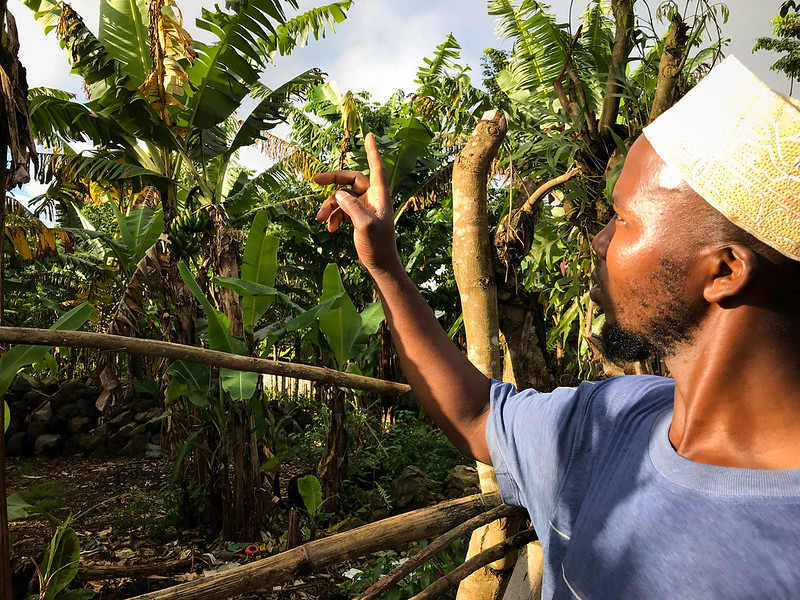 Comoros is a country made up of three islands off the southeastern coast of Africa. It grapples with supporting its population, as 45% of people are living in poverty. There are a multitude of factors contributing to the issue, but one of the largest contributors is the state of the country’s economy and its relationship with trade.
The Issue with Trade
The economy of Comoros is dependent on trade and investment. Failing trade practices are then detrimental to the overall functioning of the country. There have been routine trade deficits because “the level of goods exports is lower than that of services exports, while the level of goods imports is higher than that of services imports.” Supporting the overall economy could help poverty reduction in Comoros.
Comoros has a history of an unstable political situation and fluctuating institutions. As a result, “most trade support systems remain fragmented in practice with very limited exchange of information between regional directorates.” The Comorian government must be able to establish a stable system of trade to create cash inflows for the country. A successful economy is necessary to support and provide services to the citizens of Comoros.
The vast majority of Comoros’s exports consist of a few products, which is why “plantations engage a large proportion of the population in producing the islands’ major cash crops for export: vanilla, cloves, perfume essences and copra.” Being dependent on these products makes the country vulnerable to price fluctuations, putting people’s incomes at risk. Expanding their market and sources of income will contribute to poverty reduction in Comoros.
Effects on Poverty
Poverty reduction in Comoros depends on stabilizing prices for people in the country. Comoros’s lack of exports and reliance on imported foods makes recent inflation detrimental, as “ongoing inflation has mostly been driven by food item prices, affecting the poor disproportionally.” The country’s poor are further isolated as they struggle to afford food and are unable to keep up with rising prices. The dangers of ineffective trade practices are evident in the ways they push people further into poverty.
In addition to the struggles of citizens to meet their needs due to financial hardships, the country as a whole has difficulty funding supportive programs. This means that investment and aid are crucial to poverty reduction in Comoros. Water shortages are an issue plaguing the impoverished, but “in 2019, with the backing of the Green Climate Fund (GCF), Comoros launched a $60 million eight-year project to increase reliable and safe water supply.” Until Comoros’s economy can support its population, aid is beneficial to the country’s poor.
Poverty Reduction in Comoros
Organizations are working to combat poverty along with the government of Comoros, one of which is the Comoros Red Crescent. This organization has been working to promote health, risk management, education, and income-generating activities since 1982. One of their courses is focused on “training about water sanitation,” which, as mentioned previously, is an area of need in the country. Comoros Red Crescent is supporting the people of Comoros in ways that the government is currently unable to do.
Comoros ratified the African Continental Free Trade Area (AfCFTA), which hopes to “mobilize the private sector to take full advantage of new trading opportunities on the continent.” The AfCFTA is meant to spearhead the transformation of the Comorian economy and contribute to poverty reduction in Comoros.
The implementation of AfCFTA could lead to economic growth, as “by 2043, GDP per capita in Comoros could increase to $5,581 in the Free Trade scenario, compared to $5,015 in the Current Path forecast.” These steps towards economic growth are promising for the future of poverty reduction in Comoros. Continual efforts for growth, like the beginning of AfCFTA, will provide more assistance to the impoverished in Comoros.
– Sydney Morrow
Sydney is based in London, UK and focuses on Good News and Politics for The Borgen Project.
Photo: Flickr
