• Link to X
  • Link to Facebook
  • Link to Instagram
  • Link to TikTok
  • Link to Youtube
  • About
    • About Us
      • President
      • Board of Directors
      • Board of Advisors
      • Financials
      • Our Methodology
      • Success Tracker
      • Contact
  • Act Now
    • 30 Ways to Help
      • Email Congress
      • Call Congress
      • Volunteer
      • Courses & Certificates
      • Be a Donor
    • Internships
      • In-Office Internships
      • Remote Internships
    • Legislation
      • Politics 101
  • The Blog
  • The Podcast
  • Magazine
  • Donate
  • Click to open the search input field Click to open the search input field Search
  • Menu Menu

Archive for category: Global Poverty

Key articles and information on global poverty.

Developing Countries, Global Poverty

Longer Life Expectancy in Rich Communities Compared to Poor

Longer Life Expectancy in Rich Communities Compared to Poor
Life expectancy is a reliable parameter of development that reflects a country’s state of healthcare, population structure and development of treatment alternatives. Recently, researchers have revealed that inequality in incomes can result in a large divide in life expectancy between rich and poor societies.

The study investigated the life expectancy of several counties within the United States. The obtained values were compared to the life expectancy for 222 countries globally. The comparison revealed that more than half of the countries in the world performed better in terms of life expectancy in comparison to the poorest counties within the United States.

While this particular study was conducted in the United States, several other countries show similar results. For instance, an article published in The Lancet compared life expectancy for several districts belonging to England and Wales. The results revealed that the more economically prosperous districts in London had better life expectancy compared to districts in North-West England such as Liverpool and Blackpool.

So what creates the disparity between richer and poorer societies? An important causative factor is the level of healthcare in different countries. Poorer societies are likely to have access to a limited array of healthcare facilities, and may not be able to afford these services. As a result, individuals in poorer communities are excluded from access to life-prolonging treatment which can not only enhance life expectancy but also improve the quality of life.

An improvement in life expectancy is likely to benefit older population groups proportionately more. Thus, efforts to narrow the life expectancy difference should focus on improving health outcomes in the aging population. This can be achieved through an improvement in pension schemes. It is important to ensure that retired individuals receive sufficient stipend that will comfortably grant them access to healthcare resources.

Statistics published by the World Health Organization suggest that a boy born in 2012 in an economically developed country can expect to live approximately 16 years more compared to a boy born in a developing country. A larger difference of 19 years is expected for women, who typically have longer life spans in developed countries worldwide.

The WHO attributes the better life expectancy of economically flourishing countries to greater control over non-communicable conditions such as heart disease. This is done through timely monitoring of blood pressure, cholesterol levels and other aspects that help optimize management and reduce a risk of life-threatening crises.

By setting up regular health screening programs in rural communities, chronic conditions can be detected at a stage where they can be managed appropriately, without adverse side effects. Individuals can be encouraged to acquire control over their own health by implementing lifestyle alterations and becoming compliant with recommended treatment.

– Tanvi Ambulkar

Photo: Flickr

December 4, 2016
https://borgenproject.org/wp-content/uploads/borgen-project-logo.svg 0 0 Borgen Project https://borgenproject.org/wp-content/uploads/borgen-project-logo.svg Borgen Project2016-12-04 01:30:242024-12-13 17:56:15Longer Life Expectancy in Rich Communities Compared to Poor
Global Poverty

The Booming Camel Trade in the Horn of Africa

The Booming Camel Trade in the Horn of Africa
Last year, war-torn Somalia saw the highest in two decades export revenue from the sale of livestock abroad: $384 million. The increasing trade is a result of increased demand from the Gulf states for camel meat. The booming camel trade is a source of hope for the otherwise unfortunate country.

Once called the “Switzerland of Africa,” Somalia has been entrenched in a bloody civil war between the government and Islamist militant groups since 1986. Estimates place deaths between 350,000 and 1 million.

This year, hope glimmers in the Horn of Africa. The first democratic elections are under way, using a unique model drafted with the help of the United Nations, amid allegations of mass corruption.

In the peaceful regions, progress is taking place. The government has expanded its port facilities for shipping livestock, including camels, goats, and cattle. The animals are shipped mainly from the port of the capital, Mogadishu, but also from the northern ports of Bosaso and Berbera.

Somalia is home to world’s largest population of camels, a third of all on the planet. With an impressive number of 7.2 million animals, they surpass the next biggest herd, in Sudan, by almost 50 percent. They are also the largest camel milk producer worldwide “by far,” according to the Food and Agriculture Organization of the United nations.

The FAO has worked with the Somali government in the past five years to invest heavily in livestock infrastructure, vaccination programs and producing fodder. The capital for this initiative is coming from the European Union and the U.K. Of the country’s 10.5 million people, more than half rely on livestock for food and income, the Somali Chamber of Commerce has concluded.

The traditional methods used by Somali herders render the meat a unique taste that is desired in the Gulf. The government is trying to market it elsewhere as well. The booming camel trade is expanding to new markets. They recently started exporting to Egypt and are scheduled to begin trade with Malaysia.

The trade of livestock accounts for 40 percent of Somalia’s gross domestic product and is expected to reach 50 percent by next year. It is also the most important source of foreign-exchange earnings, only outnumbered by remittances from Somali diaspora, a central bank official told Bloomberg news.

The booming camel trade is not limited to Somalia. Camels from Sudan and Eritrea are also in high demand. The Rashaida tribe who lives there is known to produce the world’s best racing camels. These are coveted by the high-income countries of the Gulf who traditionally host camel races.

Buyers from the United Arab Emirates buy every year 100 to 300 young camels from the small village of Abu Talha. Some sell for as much as $80,000. Sudan’s exports more than tripled between 2010 and 2013 to $670 million, when the last World Bank data was available.

“The camels are everything, they give us meat, milk, and trade,” Hamed Hamid, a member of the Rashaida tribe told the Economist.

– Eliza Gkritsi

Photo: Flickr

December 3, 2016
https://borgenproject.org/wp-content/uploads/borgen-project-logo.svg 0 0 Borgen Project https://borgenproject.org/wp-content/uploads/borgen-project-logo.svg Borgen Project2016-12-03 01:30:282024-12-13 17:56:15The Booming Camel Trade in the Horn of Africa
Economy, Global Poverty

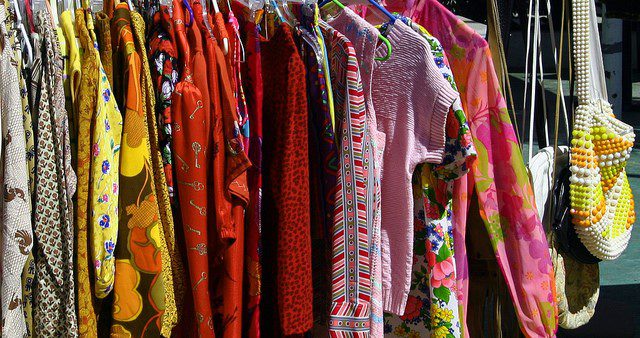
The True Costs of Fast Fashion

Fast Fashion
The fashion industry used to be “four seasons in a year; now it may be up to 11, 15 or more.” This phenomenon is resulting in “fast fashion.” Currently valued at $1.2 trillion, with more than $250 billion spent in the U.S. alone, the fashion industry has exploded as increased wages have increased demand. With this overload in consumption, there is inevitably much waste which damages the environment and exploits poor workers.

According to the Environmental Protection Agency, 15.1 million tons of textile were created in 2013. More than three out of every four garments has been incinerated or put in landfills. Traditionally, the U.S. has tried to reduce waste by selling used clothing to countries such as Pakistan, India, and Russia. With the strong dollar and increasing availability of cheap clothing from Asia, however, demand for secondhand clothing has decreased. As a result,  large amounts of waste needed to be taken care of.

The fast fashion industry also imposes an immense burden on the environment. The industry produces “10 [percent] of global carbon emissions and remains the second largest industrial polluter, second only to oil.” Producers consume nearly 70 million barrels of oil a year in just the production of polyester fiber and dump 1.7 million tons of dyeing chemicals into the environment. The industry also goes through an estimated 1.5 to 2.4 trillion gallons of fresh water a year, polluting much of it and damaging both human health and the environment.

While recent progress has created worker empowerment, the use of cheap labor in the fashion industry has been marred by tragedy. In 2013, a garment factory in Dhaka, Bangladesh collapsed, killing more than 1,100 people. Like other countries experiencing immense poverty, Bangladesh would “see its economy collapse” without the textiles industry. Brands such as Gap, Adidas and H&M have also been criticized for using child labor, paying wages of 50 cents per hour and demanding 10-hour shifts. With other options only as good as intensive agricultural work, many uneducated women find these abusive jobs as their best options. Workers also have had very little leverage in negotiating their working terms and so have less job security.

As all these issues continue to be exposed, however, progress will continue to be made. Since the factory collapse, registered trade unions in Bangladesh have increased from three to 120 and wages nearly doubled. As consumers have grown warier, smaller brands have emerged to promote the “slow fashion movement,” where people shop for quality over quantity and buy products made of sustainable materials. Larger brands have also sought change. H&M and Patagonia launched trade-back programs where customers can send in unwanted clothing that will be recycled and sold again. Nike has also worked to eliminate child labor and improve working conditions.

Although it is always great to see businesses take the initiative in improving the fast fashion industry, the ultimate dictator of change is the customer. Customers are the deciding factor in what companies produce. If the purchasing culture changes to one where customers primarily value how companies have treated its workers and the environment, then the necessary change will follow.

– Henry Gao

Photo: Flickr

December 3, 2016
https://borgenproject.org/wp-content/uploads/borgen-project-logo.svg 0 0 Borgen Project https://borgenproject.org/wp-content/uploads/borgen-project-logo.svg Borgen Project2016-12-03 01:30:202024-12-13 17:55:59The True Costs of Fast Fashion
Developing Countries, Global Poverty

Fighting Cancer in Resource-Poor Countries for $1.72

Cancer in Resource-Poor Countries
In 2012, 3.5 million women died from cancer. Women are diagnosed with cervical and breast cancer at a rate of about 2 million per year, and the diseases’ outcome can largely be predicted by geography. According to The Lancet, 62 percent of deaths resulting from breast cancer occurred in low- and middle-income countries. Similarly, 87 percent of deaths due to cervical cancer occurred in resource-poor countries. Clearly, fighting cancer in resource-poor countries can be difficult.

These trends are even more concerning given that the number of cancer-related deaths among women is expected to increase to 5.5 million by 2030. Over this same time period, the number of women diagnosed with breast cancer is expected to nearly double, and the number of women diagnosed with cervical cancer is expected to increase by 25 percent.

Most global health efforts targeted toward women focus on sexual and reproductive health. However, non-communicable diseases like cancer, cardiovascular disease, respiratory disease, diabetes, dementia, depression and musculoskeletal disorders constitute the greatest threats to women’s health. Indeed, breast cancer and cervical cancer result in three times as many deaths as childbirth and pregnancy complications do.

Further, the global economic burden of cancer is sizable ($286 billion in 2009), primarily because it keeps people out of the workforce and can lead to premature death. Addressing the burden of cancer on women’s health could lead to increased female participation in activities that benefit countries’ economies.

Even in more developed countries, cancer screenings and appropriate treatments are not equally available to all groups. Women belonging to ethnic and cultural minorities, in particular, may not have access to essential health care.

However, cancer screening and treatment is not as costly as is often assumed. As little as $1.72 per person could provide essential medical interventions to diagnose and treat cancer effectively. This amount is about 3 percent of current health care spending in resource-poor countries.

Mammograms for breast cancer screening and radiography for cancer treatment are not often available in low- and middle-income countries. A series of articles from The Lancet recommended increasing the availability of the HPV vaccine for girls and providing cost-effective screening procedures like clinical breast examinations and cervical cancer screenings through visual inspection with acetic acid.

The articles also called for mastectomy and tamoxifen treatments to be made available to people fighting cancer in resource-poor countries by 2030. The Lancet cited Mexico and Thailand as examples of countries where universal health care coverage has improved the diagnosis, treatment and outcome of cancer in women.

– Madeline Reding

Photo: Flickr

December 3, 2016
https://borgenproject.org/wp-content/uploads/borgen-project-logo.svg 0 0 Borgen Project https://borgenproject.org/wp-content/uploads/borgen-project-logo.svg Borgen Project2016-12-03 01:30:102024-12-13 17:56:11Fighting Cancer in Resource-Poor Countries for $1.72
Global Poverty

Five Fair Trade Facts

Five Fair Trade Facts
It’s likely many casual coffee drinkers would never notice a small, rectangular symbol on the bag of their favorite morning java. At first thought, the phrase “Fair Trade” conjures up an image of two individuals shaking hands and smiling after exchanging their products: a sign of mutual respect and goodwill. But what makes Fair Trade “fair?” Here are some quick Fair Trade facts:

  1. Fair Trade is a business model based on equality and economic justice with a focus on connecting consumers to producers by ensuring a consumer’s “day-to-day purchases can improve an entire community” of producers’ “day-to-day lives,” according to Fair Trade USA. This is done by ensuring producers are treated fairly at all intersections of the trading process.
  2. The Fair Trade model was inspired by the cooperative model, a business model which attempts to build up communities by keeping capital within the community which created it. This results in sustainable businesses which promote access to education and improved health for their communities as a market-based solution to poverty.
  3. Businesses are certified as Fair Trade through internationally-recognized certification organizations, such as Fair Trade USA and Fair Trade International, who audit supply chains and ensure transparency and traceability of materials. This guarantees exploitative practices such as forced labor or child slavery are minimized. Consumers can usually recognize Fair Trade products by the certifying organization’s label on the packaging.
  4. Fair Trade products can be found in almost every sector of the economy, from clothing and coffee to flowers and beauty products. Websites like The Good Trade help consumers locate products embodying Fair Trade ethics, while organizations such as The Human Thread advocate for companies to ensure their supply chains use Fair Trade standards.
  5. According to 2013 figures from Fair Trade International, there was a total of 30,000 Fair Trade International certified products being sold worldwide, with a retail sales total of 5.5 billion Euros, a growth of 15 percent  from the previous year.

These Fair Trade facts should serve as a general guide for those unfamiliar with the concept. The Fair Trade movement is important because it connects consumers to the production process in a world where economies of scale and an open world market limit contact. Producers create products to earn a living, but consumers can choose the products they purchase. This gives consumers the power to, as Fair Trade USA describes it, “vote” with their money on products which embody their own values. A vote for a non-Fair Trade certified product doesn’t necessarily mean a vote for exploitation and inequity, but a vote for a Fair Trade product knowing all the Fair Trade facts is a vote for a system which promotes transparency and economic justice.

– Lucas Woodling

Photo: Flickr

December 2, 2016
https://borgenproject.org/wp-content/uploads/borgen-project-logo.svg 0 0 Borgen Project https://borgenproject.org/wp-content/uploads/borgen-project-logo.svg Borgen Project2016-12-02 13:15:102024-12-13 17:56:18Five Fair Trade Facts
Global Poverty

Poverty in Estonia

Poverty in Estonia
Poverty in Estonia? Since the country regained its independence in 1991 after the collapse of the Soviet Union, Estonia has been relatively economically successful. In fact, it emerged as an economic pioneer among former Soviet states in the late 1990s.

The country takes good care of their 1.3 million citizens. Life expectancy for men is 70 years of age, while life expectancy for women hovers around 80 years. This puts Estonia in a fairly good position in relation to the rest of the modern world. In the wake of the Financial Crisis of 2008, Estonia has been able to almost fully restore its economy.


Poverty in Estonia: Recovering from the 2008 Crisis


During the period following the Financial Crisis, income inequality reached record highs. The Organization for Economic Cooperation and Development’s (OECD) 2016 report shows that while the wealthy bounced back quickly from the crisis, the wages of those below the relative poverty line have yet to return to what they were pre-crisis. Despite decreases in unemployment, every fifth person in Estonia lives in relative poverty. More than one-quarter of Estonia’s wealth is hoarded by the richest members of the country.

The absolute poverty rate is highest in children, young people and pre-retirement age people. Education level significantly affects the chance of becoming impoverished in Estonia. Among those who had access to only lower education, every third existed in the poorest demographic and only one-twelfth existed in the largest income quintile. Thus, better education is a prerequisite for the eradication of poverty in Estonia.

However, the most notable aspect of poverty in Estonia is not how it effects, but who it effects. Those who are most at risk for poverty are pensioners. Pensioners are often older citizens who need pensions. Thus, the highest cases of poverty exist within the elderly community. In 2013, nearly 32 percent of Estonian citizens above the age of 65 lived in relative poverty.

These are all problems that may be remedied with internal drive and external aid. Some solutions that have been posed include The Strategy of Children and Families and increasing benefits for elderly citizens. Meanwhile, those who are not citizens can aid the poor in Estonia by supporting such acts as the “Education for All Act” which ensures funding is allotted in areas where education deficit remains a problem globally.

– Kayla Provencher

Photo: Flickr

December 2, 2016
https://borgenproject.org/wp-content/uploads/borgen-project-logo.svg 0 0 Borgen Project https://borgenproject.org/wp-content/uploads/borgen-project-logo.svg Borgen Project2016-12-02 01:30:542024-12-13 17:56:17Poverty in Estonia
Charity, Children, Global Poverty

“Thomas Rhett and Friends” Concert Aids 147 Million Orphans

"Thomas Rhett and Friends" Concert aids 147 Million Orphans
Thomas Rhett emerged in 2016 as one of country music’s notable rising stars. This year he released his sophomore studio album Tangled Up, which spawned multiple hits including “T-Shirt,” “Star of the Show” and CMA song of the year, “Die a Happy Man.”

Off stage, however, Rhett’s success is supplemented by his enthusiastic support of relief projects for impoverished communities in developing nations. Following the conclusion of his ‘Six String Circus Tour’ co-headlining Jason Aldean, Rhett hosted the first annual “Thomas Rhett and Friends” charity concert benefiting 147 Million Orphans.

On Twitter, Rhett often calls attention to 147 Million Orphans, an organization sponsoring trips to Africa and Latin America with a purpose of building up local communities. Beginning in 2009, the organization’s original mission was to provide food, water, medicine and shelter to children in Uganda.

However, it has since expanded to Haiti and Honduras with remarkable achievements such as funding the construction of a large-scale medical center in Gressier, Haiti. According to its website, the organization accomplishes its goals by focusing on sustainable income projects that encourage healthier technologies and family preservation.

As a longtime supporter of the organization, Rhett announced a charity concert held on the evening of October 4, 2016. Tickets were limited and hopeful attendees raised money by bidding for the chance to take part in the event. Before the concert, guests participated in a silent auction to bid on exclusive items such as autographed guitars and appropriately customized t-shirts. Guests then arrived at The Old School in Nashville for dinner and drinks, a private concert, a personal meet and greet and an after-party bonfire.

Drawing additional publicity, Rhett’s performance was accompanied by fellow musicians: Dierks Bentley, Tyler Hubbard and Brian Kelley of Florida Georgia Line, Walker Hayes, Shane McAnally and Russell Dickerson. With all proceeds benefiting his charity, the concert all in all raised over $250,000.

Further, Rhett’s wife Lauren Atkins is an avid supporter of the organization. Atkins is professionally trained as a nurse, and she frequently embarks on mission trips herself to deliver medical supplies, new mattresses, and bed covers to the aforementioned nations.

Most recently, the couple also celebrated Giving Tuesday in Kenya by raising awareness of a wildlife refuge. Rhett then announced a few dates for his solo “Home Team Tour” beginning in spring 2017. While a follow-up “Thomas Rhett and Friends” concert has not been formalized yet, it is clear that the causes in developing nations will remain an important component of the Atkins’ family philanthropy.

– Zachary Machuga

Photo: Flickr

December 2, 2016
https://borgenproject.org/wp-content/uploads/borgen-project-logo.svg 0 0 Borgen Project https://borgenproject.org/wp-content/uploads/borgen-project-logo.svg Borgen Project2016-12-02 01:30:512024-12-13 17:56:17“Thomas Rhett and Friends” Concert Aids 147 Million Orphans
Global Poverty

Things to Know About Poverty in El Salvador

8 Things to Know About Poverty in El Salvador
El Salvador is the most densely populated country in Central America. After a 12 year civil war and years of unstable leadership, poverty in El Salvador is a concern that greatly affects the over 6 million people living there.

Top 8 Facts on Poverty in El Salvador

Over 25 percent of children below the age of 5 experience extreme poverty in El Salvador and 36 percent of the rural population lives in poverty. Urbanization is a problem developing countries face as cities grow and become a hub for economic, medical and commercial activity. This causes problems for those in rural areas as they have less and less access to resources. Currently, 60.3 percent of citizens live in urban areas, which results in greater poverty for the remaining people outside of cities.

The people of El Salvador are also constantly at risk of facing greater challenges due to natural disasters. World Vision reports that the country “experiences frequent earthquakes and volcanic activity, making it known as the ‘land of volcanoes.” In December of 2013, the Chaparrastique volcano in eastern El Salvador erupted and caused the evacuation of 5,000 people.

Leaf rust has caused problems for the coffee industry in El Salvador, which is an important source of income for the country’s economy. Heavy rain and wind carry rust spores from plantations to other plantations miles away. Bloomberg reports that the 2015 coffee season projections fell from 920,000 to 613,333 60-kilogram bags.

90 percent of the population has access to safe water and 96 percent of children are enrolled in school, though this education may not be effective in preparing children for their future. The U.S. Agency for International Development reports, “Many children and adolescents living in El Salvador face enormous vulnerabilities associated with high rates of crime and gang violence including poor quality education.”

El Salvador has the highest homicide rate in the world for youth under 19, reports USAID. InSight Crime cites progress in El Salvador’s mission to reduce the number of violent deaths to a rate more in line with international statistics. In September of 2016, 13.3 percent fewer homicides occurred than the previous year. USAID launched programs whose focus is to stimulate and increase productivity in areas that are at risk, such as rural populations.

The national strategy entitled Plan El Salvador Seguro “addresses security and education opportunities in high crime municipalities.” The strategy involves programs such as Education for Children and Youth at Risk, as well as USAID Bridges to Employment to care for those who are not enrolled in education but need to provide for themselves and their families.

UNICEF Goodwill ambassador and former professional soccer player David Beckham’s new fund “7” launched a campaign in 2015 to end violence against children and poverty in El Salvador. This program is Beckham’s commitment to improving the lives of vulnerable children globally.

Beckham said, “Every day, violence affects thousands of children and adolescents in El Salvador. It’s an outrage – violence in their homes, schools and streets. El Salvador has the highest rate in the world of homicides of children and adolescents and, together, we can change this.”

– Rebecca Causey

Photo: Flickr

December 2, 2016
https://borgenproject.org/wp-content/uploads/borgen-project-logo.svg 0 0 Borgen Project https://borgenproject.org/wp-content/uploads/borgen-project-logo.svg Borgen Project2016-12-02 01:30:182024-12-13 17:56:14Things to Know About Poverty in El Salvador
Global Poverty

Poverty in Montenegro

Poverty in Montenegro
Montenegro is a small mountainous country located in Southeast Europe off the coast of the Adriatic Sea. The country has a relatively small and open economy, which is reliant on energy-intensive industries. On average, Montenegro is one of the least efficient consumers of energy and water in the entire European continent.

Further, urban sprawl and deforestation put a strain on the infrastructure and local service provisions within Montenegro. This also increases exposure to environmental hazards and erodes natural resources. Overall, these issues pose a threat as it makes Montenegrins vulnerable to resource depletion.

Poverty in Montenegro averages at around 8.6 percent with 33 percent in economically vulnerable situations. However, those in the northern region average at around 10.3 percent poverty rates. Unemployment rates in the north, are around two times greater than the national average and citizens there have limited access to public services. This reflects an internal problem within the country, namely regional development disparity.

Gender and age discrimination are two additional issues in Montenegrin society. Although the high-education balance between men and women is equal in Montenegro, women in the workforce are prone to huge gaps in income. They also lack proper political and economic representation, making them especially vulnerable to problems such as domestic violence and general impoverishment should they choose to divorce or remain unmarried.

Another demographic that is overwhelmingly at a disadvantage are the roughly 50,000 internally displaced persons (IDPs) and refugees. These people make up roughly seven percent of the Montenegrin population and are among the poorest in Montenegro. Their poverty rate is roughly six times higher than the average national poverty rate.

Thus, combating social discrepancies and poverty in Montenegro is the pinnacle for evening the proverbial fiscal playing field. This will require reformation of health, employment and social services on both the local and global level.

– Kayla Provencher

Photo: Flickr

December 1, 2016
https://borgenproject.org/wp-content/uploads/borgen-project-logo.svg 0 0 Borgen Project https://borgenproject.org/wp-content/uploads/borgen-project-logo.svg Borgen Project2016-12-01 10:30:462024-12-13 17:56:17Poverty in Montenegro
Global Poverty

Lifestyle Diseases in India

Lifestyle Diseases in India
India, a third world country by economic profile, has morphed its morbidity profile to that of a first world nation. Lifestyle diseases in India are cropping up increasingly under the scanner making it a ticking time bomb with an alarming rise in cardiovascular disease, diabetes, hypertension, asthma and respiratory diseases as well as cancers.

Termed non-communicable diseases (NDC), many of these are found to be equally prevalent among the poor. In fact, ongoing studies prove they are increasing among the poorest. Sixty-six percent of the disease burden is borne by lifestyle diseases consequently cutting into the most productive asset of contemporary India- its people.

India has the highest number of diabetics at 50.8 million per the WHO, though only 11 percent of the population has health insurance. This figure, set to increase to 73.5 million by 2025, will include many of the poorest since India has one of the largest populations of the poor. Twenty-five million suffer from cardiovascular disease, 60 percent of the global total.

According to national diabetes expert Dr. Anoop Misra, diabetes is on the rise because the poor make bad and cheaper nutritional choices based on high fat and carbohydrates intake in their diet leading to malnutrition. They forego vitamins, proteins, and micronutrients as carbohydrates push up their insulin resistance and increase sugars. Diabetes is the forerunner to many opportunistic infections- fatty livers, high cholesterol leading to coronary heart disease and organ failures. Overcrowding and bad living conditions also increase stress leading to coronary heart diseases, asthma and cancers. Urbanization makes for a sedentary life leading to greater obesity. Mass migration from rural to urban areas has made it likely that nearly 60 percent of India will be urban by 2030.

One of the biggest problems with lifestyle diseases in India is that a large part of treatment is through self-monitoring and self-reporting. The high level of ignorance and lack of education about the ramifications of food and lifestyle choices amongst the urban poor leads to these diseases having the worst impact on them. Data collection in India is negligible and there is a large quantum of underreporting and underestimation among poorer patients.

India spends 4.2 percent of its GDP on health for its population of over a billion people. In comparison, Germany spends 11.3 percent for its relatively small population. Per capita spending on health amounts to 34 euros per person whereas in Germany it is over 4000 euros. Eighty percent of health care in India is dominated by the private sector. As a result, the poor become almost invisible for health care providers, leading to undetected and untreated morbidity.

Lifestyle diseases in India require prolonged treatment for a lifetime, including lasting changes in lifestyle. Without better and more consistent healthcare services being provided for the poor, NCDs could be the next big epidemic wiping out large parts of the Indian population.

– Mallika Khanna

Photo: Flickr

December 1, 2016
https://borgenproject.org/wp-content/uploads/borgen-project-logo.svg 0 0 Borgen Project https://borgenproject.org/wp-content/uploads/borgen-project-logo.svg Borgen Project2016-12-01 10:23:572024-12-13 17:56:13Lifestyle Diseases in India
Page 1740 of 2180«‹17381739174017411742›»

Get Smarter

  • Global Poverty 101
  • Global Poverty… The Good News
  • Global Poverty & U.S. Jobs
  • Global Poverty and National Security
  • Innovative Solutions to Poverty
  • Global Poverty & Aid FAQ’s
Search Search

Take Action

  • Call Congress
  • Email Congress
  • Donate
  • 30 Ways to Help
  • Volunteer Ops
  • Internships
  • Courses & Certificates
  • The Podcast
Borgen Project

“The Borgen Project is an incredible nonprofit organization that is addressing poverty and hunger and working towards ending them.”

-The Huffington Post

Inside The Borgen Project

  • Contact
  • About
  • Financials
  • President
  • Board of Directors
  • Board of Advisors

International Links

  • UK Email Parliament
  • UK Donate
  • Canada Email Parliament

Get Smarter

  • Global Poverty 101
  • Global Poverty… The Good News
  • Global Poverty & U.S. Jobs
  • Global Poverty and National Security
  • Innovative Solutions to Poverty
  • Global Poverty & Aid FAQ’s

Ways to Help

  • Call Congress
  • Email Congress
  • Donate
  • 30 Ways to Help
  • Volunteer Ops
  • Internships
  • Courses & Certificates
  • The Podcast
Scroll to top Scroll to top Scroll to top