C3’s Fight Against Child Marriage in India
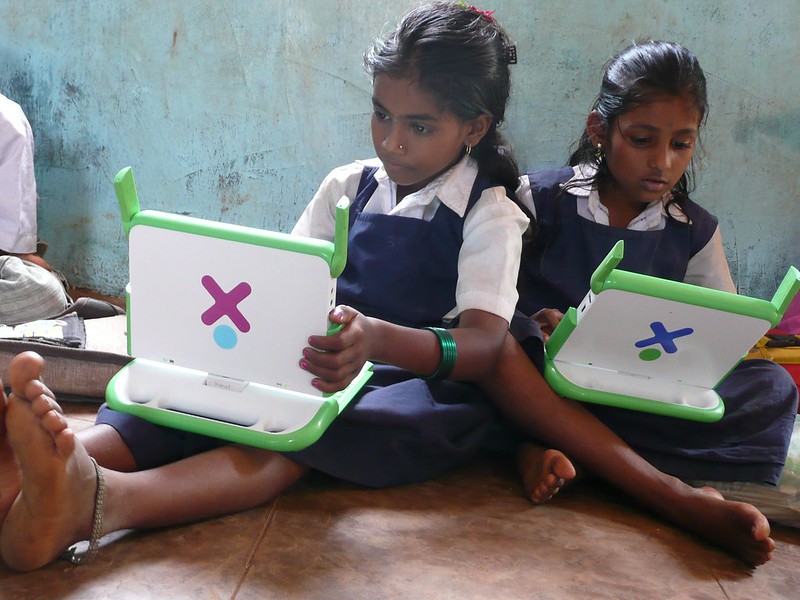 Every year in India, early marriage robs millions of girls of their childhood. Forced to leave school, bear children and shoulder adult responsibilities before they are ready, these girls face a lifetime of lost opportunities and bodily autonomy. Despite legal protections, child marriage remains a deeply rooted issue, fueled by poverty, social norms and gender inequality.
At the forefront of efforts to resolve the issue is the Centre for Catalyzing Change (C3), a nonprofit organization working tirelessly to empower girls, shift mindsets and create systemic change. C3 believes that when girls are educated, healthy and supported, they can break the cycle of child marriage and build stronger futures for themselves and their communities.
Understanding the Challenge
Child marriage remains alarmingly prevalent in India, especially in rural areas. According to the United Nations International Children’s Emergency Fund (UNICEF), nearly one in four girls in India gets married before the age of 18. Girls forced into early marriage are more likely to drop out of school, experience complications from early pregnancy, suffer from domestic violence and face limited economic prospects.
Behind these statistics are complex factors: poverty, lack of access to education, deeply entrenched gender norms and the belief that marriage offers girls social or economic security. The COVID-19 pandemic only worsened the situation, with reports of rising child marriage rates during lockdowns.
About C3
Founded in 2002, C3 is a nationally recognized nonprofit organization (NGO) dedicated to improving the lives of women and girls across India. C3 envisions a world where all women and girls can realize their full potential, participate in decisions that affect them and live lives of dignity and equality. C3 works at the intersection of education, health, leadership and rights. Its child marriage prevention initiatives rely on community partnerships, grassroots mobilization and evidence-based advocacy.
C3’s Approach to Ending Child Marriage
C3’s multi-layered strategy addresses both the symptoms and root causes of child marriage:
- Empowering Adolescent Girls. C3 provides girls with life skills education, leadership training and safe spaces where they can build confidence and support one another. Programs like Girls Champions equip young girls to advocate for their rights, resist pressure to marry early and become change agents in their communities.
- Keeping Girls in School. Education is one of the most powerful tools against early marriage. C3 works to increase school retention through scholarships, mentorship programs and girl-friendly school environments. When girls stay in school, the likelihood of early marriage drops significantly.
- Engaging Families and Communities. Change doesn’t happen in isolation. C3 actively engages parents, teachers, religious leaders and community elders through awareness campaigns and open dialogue. By fostering understanding of the harms of child marriage and promoting positive alternatives, C3 helps shift longstanding social norms.
- Strengthening Policies and Systems. C3 also advocates at the state and national levels to improve enforcement of child marriage laws and to develop adolescent-friendly health and education policies. It partners with government bodies to scale effective programs and to create environments where girls’ rights are protected.
Looking Ahead
In Bihar and Jharkhand—two states with high child marriage rates—C3 has reached more than 100,000 adolescent girls. It has engaged thousands of community members through workshops, leadership training and school-based interventions. With the help of C3 and other advocates, 23 child marriages have already been prevented. Despite progress, it appears ending child marriage in India still requires more effort. Social stigma, poverty and weak enforcement continue to pose challenges. But C3 remains committed by adapting to new realities, scaling what works and deepening its impact.
In 2025 and beyond, C3 aims to:
- Expand its programs to more high-risk districts.
- Increase digital outreach and adolescent-friendly tech tools.
- Deepen partnerships with schools, local governments and grassroots women’s groups.
Ultimately, by empowering girls and challenging harmful norms, C3 is helping build a more just, equal and hopeful India for everyone.
– Meagan Beaver
Meagan is based in Zephyrhills, FL, USA and focuses on Good News for The Borgen Project.
Photo: Flickr
