Public Transportation and Health Access in Malawi
 Malawi is one of the least developed countries in the world, ranking 172nd out of 193 on the UNDP’s Human Development Index. Diseases such as AIDS and tuberculosis are rampant and account for a disproportionate number of deaths in the country. As disease is such an issue, accessible health care access in Malawi is a must. Unfortunately, the majority of the population struggles to access these necessary facilities.
Lacking Transportation
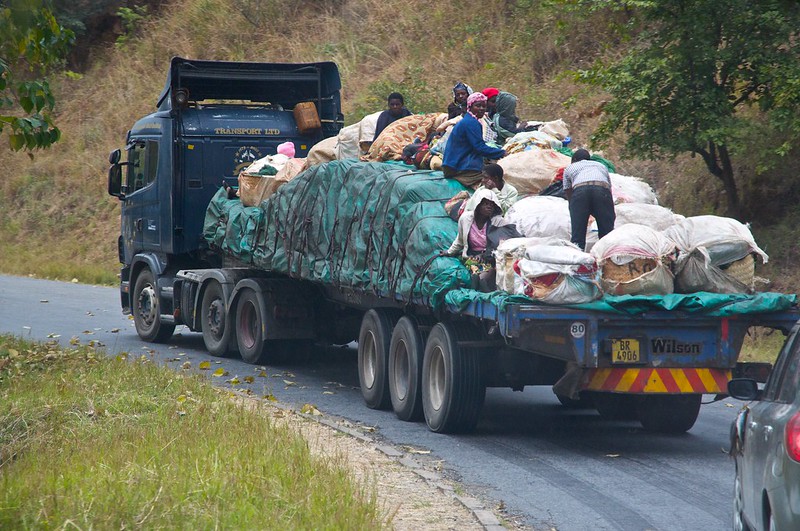
Malawi has a population of around 21 million, the majority of whom live in rural areas. Roads lack proper infrastructure and accidents are frequent, and the majority of citizens lack the funds to buy a vehicle. There are railroads, but they are often insufficient both in convenience and cost. Bikes and taxes are present, but unsafe and costly, so most Malawians must walk to their destinations. Walking is problematic as well, as there is little to no sidewalk present and destinations can take hours to get to. Transportation is even more of a struggle in rural areas, which are often lacking in taxis.
Lacking transportation extends beyond daily activities and into public health care access in Malawi as well. As the population is largely rural, and there is a major lack of funding for health infrastructure, the majority of Malawians must travel long distances to get medical attention.
In 2016, the average travel time between an individual’s home and the nearest health centre was one hour, and 2.5 hours to get to a central hospital. In 2016, roughly 20,000 Malawians died of AIDS and roughly 10,000 of tuberculosis.
Improvement and Aid
Although the state of transportation in Malawi is not ideal by any means, it is not an impossible issue. The South Eastern European Journal of National Health shows that there are multiple paths to improving the standard, such as introducing community funds and increasing the number of hospitals. No solution is simple, however, due to Malawi’s poor economy and the sheer scope of the work that needs to be done.
There are various charity groups that serve Malawi, aiming to improve the state of its health system. Riders for Health Malawi has been serving Malawi by transporting vital test samples and medical waste since 2011. They have also established a driving school in an attempt to lower the disproportionately high accident rate.
CARE is a group that has a broader approach to aid, but still impacts health services. It provides both access to health services as well as education about health. It also supports hygiene and sanitation, and acts as a major uplifter for women in poverty.
Orant Charities Africa employs highly trained, fully Malawian staff and focuses on health care access. It established the Kasese Health Care Centre, which acts as the only source for clean medical aid for miles, and provides ambulances when critical patients require higher care. It also sends mobile clinics to rural areas, which struggle most to get care when needed, and has recently renovated its maternity ward, which provides private and clean care for mothers in labour.
Final Remarks
Transportation in Malawi is in a poor state. This affects everything from buying groceries to medical emergencies. With poor funding and lacking infrastructure, establishing proper health connections is a challenge. It is a challenge that can be triumphed, however, and with the aid of those willing to help triumph is certain.
– Cayle Harrison
Cayle is based in Columbia, SC, USA and focuses on Global Health and Politics for The Borgen Project.
Photo: Flickr
