• Link to X
  • Link to Facebook
  • Link to Instagram
  • Link to TikTok
  • Link to Youtube
  • About
    • About Us
      • President
      • Board of Directors
      • Board of Advisors
      • Financials
      • Our Methodology
      • Success Tracker
      • Contact
  • Act Now
    • 30 Ways to Help
      • Email Congress
      • Call Congress
      • Volunteer
      • Courses & Certificates
      • Be a Donor
    • Internships
      • In-Office Internships
      • Remote Internships
    • Legislation
      • Politics 101
  • The Blog
  • The Podcast
  • Magazine
  • Donate
  • Click to open the search input field Click to open the search input field Search
  • Menu Menu

Archive for category: Global Poverty

Key articles and information on global poverty.

Global Poverty, Humanitarian Aid

Promoting Relief for Venezuelans During the Crisis

relief for VenezuelansThe Venezuelan people are experiencing a crisis with the collapse of their economic and healthcare system. They are challenged with a lack of medical supplies and equipment. Malnutrition and food insecurity are becoming extreme issues as well. Since 2014, it is estimated that more than 3 million Venezuelans have migrated to other countries to seek food and a better life. In the wake of Venezuela’s crisis, Rep. Debbie Mucarsel-Powell (D-Fla.) proposed the Humanitarian Assistance to the Venezuelan People Act of 2019, which will contribute to relief for Venezuelans during this time of crisis.

Aid to the Healthcare System

The Humanitarian Assistance to the Venezuelan People Act of 2019 focuses on healthcare facilities. The bill suggests offering aid by supplying the healthcare facilities with necessary medical equipment, medicines that are in great demand and other basic medical supplies that a facility might need.

With the Venezuelan healthcare system collapsing and shortages of medicine and supplies growing, several diseases, such as measles and malaria, have started to affect many people. This proposed bill will ensure the proper distribution of medicines and supplies to Venezuelan healthcare facilities via local nongovernment organizations.

Food and Nutrition Assistance

Assistance in food and nutritional supplies will also contribute to relief for Venezuelans. The children of Venezuela are experiencing extreme malnutrition in what some researchers are already considering a famine. As much as 41 percent of children can go without eating throughout for an entire day in Venezuela. Rep. Mucarsel-Powell’s bill aims to address the lack of food security and increased malnutrition. The bill will handle these issues by supplying people with food commodities and supplements.

Reports stated in the proposed bill will monitor the relief for Venezuelans. The bill proposes assistance with ensuring that all health and food supplies being distributed to Venezuelans are dutifully selected and spread throughout the entire population. Local nongovernment organizations are to oversee these distributions.

The bill’s reports will cover how well supplies are being spread out to the population and assess the degree of relief being provided to the population. The United States Agency for International Development and the Department of State will oversee the delivery of the assistance and ensure that it is properly handled.

Where is the Bill Now?

On March 25, 2019, the Humanitarian Assistance to the Venezuelan People Act of 2019 was passed in the House of Representatives and will now move on to the U.S. Senate. The proposed bill was read by the U.S. Senate and the Committee on Foreign Relations on March 26, 2019. Rep. Mucarsel-Powell states that providing $150 million each fiscal year will help to achieve the goals of providing relief for Venezuelans. The proposed bill concludes with condemning the current situation in Venezuela and the actions carried out by the Maduro regime and the country’s security forces.

– Logan Derbes
Photo: Flickr

July 5, 2019
https://borgenproject.org/wp-content/uploads/borgen-project-logo.svg 0 0 Kim Thelwell https://borgenproject.org/wp-content/uploads/borgen-project-logo.svg Kim Thelwell2019-07-05 01:30:502019-07-05 09:04:48Promoting Relief for Venezuelans During the Crisis
Global Poverty

The Health System in Malawi

Health System in Malawi

The topic of healthcare has become a worldwide focus in recent years. A push toward government-funded health services has indicated a shift towards the mentality that healthcare is a universal human right. Malawi, one of the smaller countries in southeast Africa, has a low gross domestic product, with 51.5 percent of the population living in poverty. With life expectancy at 64.5 years, the health system in Malawi needs improvement.

The Ouagadougou Declaration

In 2008, the Ouagadougou Declaration on Primary Health Care and Health Systems in Africa was adopted by African Region Member states, which includes Malawi. This declaration focused on nine major issues within healthcare: health governance, service delivery, human resources, health financing, health information systems, new technologies, community ownership and participation, partnerships for development and funding for health research. The Ministry of Health in Malawi is responsible for the implementation and the regulation of these health entities.

Health System in Malawi

Currently, Malawi operates a three-tier health system. The first tier is primary healthcare. This sector is in effect to meet the needs of general medical care, which includes community and rural hospitals and maternity units. The second tier consists of district hospitals. These see patients who receive a referral from their primary care physician to receive specialized services. This includes laboratory work and rehabilitation services. The final tier is tertiary care provided by central hospitals. This tier covers extreme conditions that require highly specialized care such as treatment for specific diseases. The linkage for these services comes through an elaborate referral system that trickles down the health system.

Although the 2008 doctrine worked to lay out different measures to ensure the quality of health service delivery in Malawi, major health concerns still persist. HIV/AIDS continues to be the number one cause of death in Malawi: 21.7 percent of deaths in 2012 were linked to HIV/ AIDS. Acute Respiratory Infections account for 8.6 percent of deaths, while Malaria accounts for 40 percent of hospitalized individuals.

Issues With Funding

A large cause of a lack of quality health services in Malawi comes down to funding. Approximately $93 is spent on each person in Malawi annually, which is around 11.4 percent of the overall GDP. The U.S. spends around $10,000 on healthcare per capita annually.

Due to these issues, the focus for healthcare in Malawi has been working on minimizing the burden of disease, increasing cost effectiveness, providing more widespread access to the poor and implementing proven successful health intervention. Implementation has been laid out through new quality assurance policies, improving standards and accreditation, and improving performance management with the Health Strategic Plan, which was created in 2011. While the government in Malawi works to assure quality health services in Malawi, non-profit organizations are working to help provide those health services. A few of these organizations include Care, which has provided 30.2 million people in Malawi with sexual and reproductive health resources, and the Fistula Foundation, which has given over $300,000 of funding for physician training.

Work being done by the Malawian government and non-profit organizations around the world is helping to improve the health system in Malawi.

– Claire Bryan
Photo: Flickr

July 5, 2019
https://borgenproject.org/wp-content/uploads/borgen-project-logo.svg 0 0 Kim Thelwell https://borgenproject.org/wp-content/uploads/borgen-project-logo.svg Kim Thelwell2019-07-05 01:30:202024-05-29 23:00:55The Health System in Malawi
Global Poverty

Smart Agriculture Farming: A Farmer’s Future?

Smart Agriculture Farming
In 2050, the population of the earth is expected to have exploded to 9.6 billion. Additionally, with the rise of extreme weather events under climate change and the decrease of arable land due to erosion, it has become increasingly crucial for farmers to become as efficient as possible. Smart agriculture farming is one solution to this problem. Through the utilization of modern technology, this can soon become a reality for many farmers residing in third world countries.

Smart Agriculture Farming

Smart Agriculture, also known as precision farming, is defined as the utilization of modern technologies, including:

  1. The IoT (internet of things)
  2. Soil scanning
  3. GPS
  4. Data management

All these innovations improve both the quality and quantity of agricultural goods. By having access to real-time data about the state of their crops, farmers can easily monitor the health of their fields. They can also maximize the effectiveness of resources such as water, pesticide and fertilizers. For example, in a smart agriculture regulated field, pesticide usage can be made custom to each corner of the plot, as opposed to the entire field or even farm.

Current Usage Status

Currently, precision farming occurs primarily in the developed world. North America, with 37.34 percent, has the lion’s share of the global smart agriculture farming market. Progress has been slower in developing countries, largely because of nonprofits funding pilot projects, such as the World Bank, rather than business venture capitalists. Presently, the largest smart agriculture provider in third world countries is PAD (Precision Agriculture for Development). The provider operates labs and partnerships in:

  1. India
  2. Kenya
  3. Pakistan
  4. Rwanda
  5. Ethiopia
  6. Uganda
  7. Bangladesh

PAD has ambitions to improve the livelihoods of the 100 million smallholder farmers across the developing world by providing them with customized information about the local geography, climate and more.

Positive Impacts

By increasing the efficiency of the application of fertilizers and pesticides onto crops, the positive impacts of smart agriculture can easily be measured. For instance, an Iran case study revealed that the application of smart agriculture farming reduced input costs. Positive environmental impacts were also recorded. For example, 90.7 percent of the time when precision agriculture was utilized, energy sources were conserved. Furthermore, an impressive 99.2 percent of the time, underground and surface water consumption decreased. The case study also saw an increase in terms of economic prosperity, with 99.1 percent of smart agriculture ventures increasing profitability.

Future Directions

Smart agriculture is moving today at an increasingly rapid speed. It is a part of the movement that is ushering in what many are beginning to call the Third Green Revolution. Currently, the most exciting aspect of precision farming that is in the works is perhaps the usage of agricultural drones.

Through a combination of aerial imaging and near-infrared viewing, farmers can now easily survey the conditions of their crops. Some of these drones, such as the DGI AGRAS MG-1, are even capable of the custom SMALL-SCALE application of fertilizers and pesticides.

In recent years, a similar industry, precision livestock farming, has also sprung up. Similar to the systems found in precision agriculture, precision livestock farming is generally defined as the continuous management of the health, production/reproduction, the welfare of farm animals and their environmental impact through automation.

Smart agriculture farming has helped greatly increase efficiency and profitability for many farmers in both the developed and developing world. Today, it is taking on exciting new directions and there is no telling what the future holds for it.

– Linda Yan
Photo: Wikimedia

July 4, 2019
https://borgenproject.org/wp-content/uploads/borgen-project-logo.svg 0 0 Kim Thelwell https://borgenproject.org/wp-content/uploads/borgen-project-logo.svg Kim Thelwell2019-07-04 07:30:362019-07-05 08:10:45Smart Agriculture Farming: A Farmer’s Future?
Global Poverty

Poverty in Mexico’s Indigenous Communities

Poverty in Mexico’s Indigenous Communities
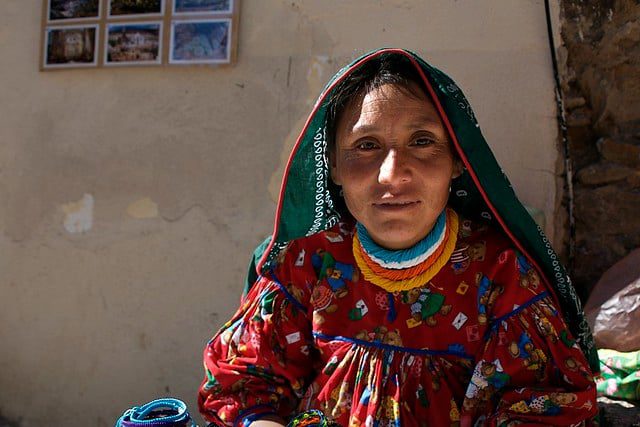
Mexico’s indigenous communities experience poverty at nearly double the rate of the population at large, with a whopping 80.6% of indigenous people living on less than $2 a day. Extreme poverty goes in hand with issues like food insecurity and a lack of access to education, health care and clean water. Only half of Mexico’s indigenous people have a primary school education, and poor indigenous communities have a lower life expectancy than the rest of Mexico’s population because they have not received the same opportunity to develop their communities as non-indigenous populations have. However, there are efforts that are occurring to address poverty in Mexico’s indigenous communities by developing these communities sustainably and integrating them into Mexico’s economy, without erasing their cultures and traditions.

Cultural Diversity Among Mexico’s Indigenous Communities

Mayans and other indigenous people in Mexico experience isolation from other communities and public policies that fail to fully integrate the diverse populations living in a state or region continually hurt them. Mexico is one of the most diverse countries in Latin America, with around 68 different indigenous communities making up around one-fifth of the country’s population. Combating poverty in Mexico’s indigenous communities, without leaving one group at a disadvantage, is difficult when there are so many different cultures present. These communities are all still living with the legacy of Spanish colonialism, which robbed native peoples of their resources and stifled their cultural practices and traditions. Assimilating indigenous communities might seem like a way to foster unity, but this practice has resulted in native communities with very limited autonomy and renders development programs that don’t account for cultural diversity ineffective and inaccessible to indigenous communities.

In response to this issue, Mexico’s National Council for the Evaluation of Social Development Policy has advocated for a “full inclusion approach,” in which all Mexicans have equal access to development through education, health care and job stimulation that account for cultural diversity among indigenous communities. With public policy that intentionally prioritizes full inclusion, the National Council for the Evaluation of Social Development Policy hopes that indigenous communities will be able to compete in the labor market, gain access to social security and rise out of poverty without sacrificing their languages and traditions. This may be the best way to address poverty in Mexico’s indigenous communities.

Anti-Poverty and Development Efforts

The Mayan community of Quintana Roo has experienced efforts to combat poverty that have both ignored and accounted for cultural differences. The Mayan community is heavily reliant on ejido lands, or communal land that the community has farmed and forested for centuries. Largely with the intention to combat poverty among Quintana Roo’s Mayan population, but also in response to a surge in the tourism industry, wealthy developers began privatizing ejidos. Mayans were part of these private development projects, but their traditional farming, forestry and beekeeping practices were not. Therefore, when external funding ran out, the locals were unable to continue the work or reap any rewards for their communities.

However, when development projects have worked within existing ejidos, such as the World Bank’s Dedicated Grant Mechanism (DGM), all decisions are up to the indigenous communities. The DGM in Quintana Roo provided ejidos with the funding to design and implement sustainable farm and forestry businesses. Juan Ortegon of Ejido Miguel Colorado wrote that Mayans had “never been consulted in the past,” and that these bottom-up development projects finally allowed Mayans to address the needs of their communities.

The Future of Addressing Poverty in Mexico’s Indigenous Communities

Positive steps are occurring to combat poverty in Mexico’s indigenous communities, but development programs stand the greatest chance of success when they not only account for cultural diversity but embrace it, allowing indigenous people to make decisions for themselves.

– Macklyn Hutchison
Photo: Flickr

July 4, 2019
https://borgenproject.org/wp-content/uploads/borgen-project-logo.svg 0 0 Kim Thelwell https://borgenproject.org/wp-content/uploads/borgen-project-logo.svg Kim Thelwell2019-07-04 01:30:522024-06-11 23:17:16Poverty in Mexico’s Indigenous Communities
Education, Global Poverty

Improving Girls’ Education in Vietnam

Girls' education in Vietnam

“Girls’ education…is a primary issue in terms of breaking the cycle of poverty,” says Carolyn Miles, the president and CEO of the group Save the Children, and this is especially true of girls’ education in Vietnam. Save the Children works in more than 120 countries to improve the lives of children and young people.

In Lao Cai province, one of the poorest regions in Vietnam, a significant number of girls lack access to basic needs. These needs include clean drinking water, toilets and basic education. Moreover, many women in the province suffer heinous human rights violations and have the highest illiteracy rates in Vietnam. Data show at least half of children 10 years old and older in Vietnam are illiterate. In fact, the illiteracy rates for girls are higher when compared to boys.

In primary school, girls’ education in Vietnam sees a high enrollment rate. However, it also sees a low attendance rate. In addition, many girls ultimately drop out of school. In more rural areas of Vietnam, low attendance rates increase due to lack of transportation. Transportation faces challenges like distance and damaged roads from wars. Furthermore, costs prevent many girls from continuing education in Vietnam. These costs include tuition and fees, plus textbooks, which are not free at secondary and tertiary levels. Instead of sending girls to school, many families more them to work and help the family. As a result, the Vietnamese government has been prioritizing gender equality and strategizing to improve girls’ education in Vietnam.

Making Improvements

The government of Vietnam has shown commitment to prioritizing and promoting gender equality. Nevertheless, the improvement of girls’ education in Vietnam remains a work in progress. To improve this, the Vietnamese government partnered with UNESCO and other developmental organizations. In particular, the Vietnam Ministry of Education and Training worked with UNESCO to establish the Gender Equality and Girls’ Education Initiative in Vietnam under the UNESCO Malala Fund for Girls’ Right to Education.

The Gender Equality and Girls’ Education Initiative in Vietnam gives girls and women a platform in Vietnam to fight for their human rights. For instance, the initiative provides education, raises awareness and teaches leadership training.

As listed on the UNESCO page, the objectives of the initiative are:

  1. “Reinforce gender equality in the Education Sector planning and management to empower girls and women.”

  2. “Enhance the capacity of education officials, teachers and experts to mainstream gender equality in curriculum and teaching practices.”

  3. “Raise awareness of students, parents, community members and the media to support the enabling environment for girls’ and women’s education and gender mainstreaming.”

UNESCO and other development organizations contribute to fostering a supportive environment for girls and women in Vietnam, especially within the educational setting. In Vietnam, UNESCO aims to create a fair environment where males and females both have a future and benefit from an equal-gender system of education.

– Fifita Mesui
Photo: Flickr

July 3, 2019
https://borgenproject.org/wp-content/uploads/borgen-project-logo.svg 0 0 Kim Thelwell https://borgenproject.org/wp-content/uploads/borgen-project-logo.svg Kim Thelwell2019-07-03 18:59:372024-06-12 07:49:34Improving Girls’ Education in Vietnam
Global Poverty

Top 9 Facts About Living Conditions in Kuwait

Top 10 Facts About Living Conditions in Kuwait
Kuwait is a small country in Asia that has an undeniable amount of wealth. Many of the citizens of Kuwait still live in extreme poverty, however. Kuwait’s wealth through natural oil reserves often masks the country’s poverty issues. Oil is the most important industry within the country and Kuwait’s top percentage of citizens possess most of the wealth. The nation only employs about 70 percent of its citizens leaving one in four people without incomes to support their families, a half a million people living in rental houses and over 100,000 people looking for a home. While conditions are difficult for citizens that do not profit from natural oil, Kuwait also has a negative reputation for being a challenging country to live in for expats. These top 9 facts about living conditions in Kuwait acknowledge both internal and external issues facing the country.

Top 9 Facts About Living Conditions in Kuwait

  1. Kuwait’s public transportation primarily includes buses and taxis. Kuwait has a very poor safety record on the roads with one of the highest accident rates in the Middle East. A government solution has proposed a plan to install GCC-railway terminals so that citizens and tourists can get around safely.
  2. Kuwaitis receive high medical care and are entitled to free medical treatment at government facilities. Kuwaitis always get priority over expats, which can make the cost and wait time for tourists a nightmare. A governmental implementation that segregates local and expat patients and foreign medical staff ensures that Kuwait’s citizens receive the highest and fastest level of care first.
  3. The overall environment of Kuwait is extremely unclean. The country has a significant litter problem as citizens tend to throw garbage in the streets. It is common for citizens and expats to drive around with piles of trash on the side of the road. The government is working with nonprofit organizations such as Operation HOPE in forming groups to clean litter on the roads weekly.
  4. The cost of living poses a challenge for the Kuwait people. Housing, education and clothing are too expensive for citizens not working in the natural oil industry. With only 70 percent of the country employed, half a million can only afford rental homes while 100,000 people are homeless.
  5. Women in Kuwait are making progress but there is still a long way to go. Women have been trailblazers in turning the country around following the Kuwait Parliament Act signed in 2005, granting women full suffrage. Kuwait still lacks laws against domestic abuse and husbands can prohibit their wives from working, though.
  6. Kuwait has an issue with extremely high temperatures, especially during the summer season. The average temperature from June through August is 101 degrees. The country has many months’ worth of dry periods making agriculture extremely difficult in producing a profit. The winter months are cooler but still face an average of 70 degrees.
  7. Operation HOPE in Kuwait is one of many nonprofit organizations working toward bettering the country. HOPE stands for Helping Others Practically and Everyday without discrimination or disrespect to anyone. Members of the organization do many things from cleaning the streets to making blankets for prisoners. The organization also provides food, toiletries and bedrolls to those in need.
  8. Non-citizens that came from tribal families and settled in the community over 50 years ago face the most serious economic problems. No citizenship means segregation by the government which makes earning a living extremely challenging. People can apply for citizenship, yet the process is long and challenging.
  9. Although the natural oil industry is the backbone for wealth in Kuwait, oil prices worldwide have dipped 60 percent since 2014 challenging the country to buckle down on spending and begin finding alternative ways to make revenue. This solution can lead to unemployed citizens finding work in whatever the government is going to deem profitable.

These top 9 facts about the living conditions in Kuwait expose some issues that the country faces for citizens, non-citizens and expats settling into the country. The top 9 facts about the living conditions in Kuwait also acknowledges that the Middle Eastern nation has promise and viable solutions to issues facing the country. If the government can continue to implement and think of new and effective measures, Kuwait should continue to prosper into a successful nation.

– Aaron Templin
Photo: Flickr

July 3, 2019
https://borgenproject.org/wp-content/uploads/borgen-project-logo.svg 0 0 Kim Thelwell https://borgenproject.org/wp-content/uploads/borgen-project-logo.svg Kim Thelwell2019-07-03 13:14:472024-06-04 01:08:35Top 9 Facts About Living Conditions in Kuwait
Global Poverty, Health

Five Benefits of Needle-Free Vaccines

Benefits of Needle-Free VaccinesThere are many different methods of non-traditional vaccines or needle-free vaccines that are being produced and becoming more available every day. For example, these include dry powder vaccines or patches. Most notable are jet injectors. Jet injectors use a large amount of pressure and fluid to breach the skin in a very fast motion. These vaccines are effective for usage in countries with extreme poverty because traditional vaccines need to be refrigerated. They also require a way to keep needles sterile. These five benefits of needle-free vaccines detail on how to solve these problems and more.

Five Benefits of Needle-Free Vaccines

  1. Jet Injectors Have Been Around for a Long Time: Jet injector technology might sound new, but it’s not as new as one would think. These kinds of shots were administered back in World War II. In fact, they were actually used through the 1980s until it was discovered that they were spreading diseases. This was due to the fact that the technology hadn’t been developed enough. Until it could be, the jet injectors had to stop being used. Now they have made jet injectors to be single-use, so there is no risk of spreading diseases between patients.
  2. They Require Fewer Resources: Jet injectors have been the most popular method of needle-free vaccines as they tend to use far less of the actual vaccine. This is arguably one of the most important benefits of needle-free vaccines. Jet injectors use up to 60 percent less vaccine than traditional needle vaccines. This is particularly helpful when there are shortages. Because jet injectors use a significantly less amount of the vaccine, it is also a cheaper option. For instance, the cost is $3-4 per vaccine or even $900 for 500 vaccines.
  3. They Are Less Painful: Another problem with the traditional vaccine is that it can cause pain in patients. This can become especially difficult when patients need multiple shots. Furthermore, those who fear needles are less likely to get a vaccination. On the pain scale, a pain score of three is when a person indicates that they are in some pain. This is important to know because when 100,000 subjects were given the jet injection, they had a pain score of zero. This painless injection allows for an alternative to the needle as it can easily administer multiple shots without pain. Lower pain scores are one of the key benefits of needle-free vaccines, as they allow the device to reach the broadest swath of patients possible.
  4. Less Risk of Injury After Disposal or Use: Needlestick injuries are another key problem with traditional vaccines. Needlestick injuries are injuries that happen when a needle accidentally penetrates the skin. The people that are exposed to these injuries are people who work with and around needles. Additionally, this can also happen to people like garbage-men when needles are not disposed of properly. When this kind of injury happens, they can transmit: HIV, Hepatitis B, Hepatitis C and AIDS. With the invention of jet injections, the risk of these injuries is reduced to nearly impossible as these injections need intense pressure to be administered.
  5. They Are More Efficient: The reason these jet injectors were being used in wars was that they are a faster and more efficient way of administering vaccines. Now that the technology has advanced over the last 70 years, these injections are less painful, more sanitary and now even faster. The injection lasts 1/10th of a second. It’s actually so fast that patients can barely feel it. This is helpful for those people in countries with extreme poverty as they are able to administer a lot of vaccines in a short amount of time.

With these benefits of needle-free vaccines, it’s clear this is the direction that the world should be headed in. They are cost-effective, sanitary, fast and nearly painless. As a result, access to vaccines could be provided to third-world countries at a more effective and reliable rate as they don’t need refrigeration and clean water.

– Ian Scott
Photo: Flickr

July 3, 2019
https://borgenproject.org/wp-content/uploads/borgen-project-logo.svg 0 0 Kim Thelwell https://borgenproject.org/wp-content/uploads/borgen-project-logo.svg Kim Thelwell2019-07-03 07:30:172024-05-29 23:00:55Five Benefits of Needle-Free Vaccines
Global Poverty

Tax Evasion in Sub-Saharan Africa

tax evasion in sub-Saharan Africa

Tax evasion, while a global issue, particularly hinders sub-Saharan Africa economic growth. In fact, the total amount of lost taxes exceeds the amount of foreign aid sent to the region. Tax evasion in Sub-Saharan Africa deprives governments of the ability to provide vital services, such as healthcare, education and disaster relief, to the 413 million people living below the poverty line.

By the Numbers

The Organization for Economic Cooperation and Development (OECD) estimates that Africa loses $50 billion to tax evasion annually. Some place the figure much higher; for example, the United Nations Economic Commission for Africa (UNECA) estimates that $100 billion is lost.  Compared with the total amount of foreign aid sent in 2017, $43.5 billion, the region experiences a net loss of approximately $6.5 billion, while using the more conservative OECD estimate.

The United Nations Conference on Trade and Development (UNCTAD) found that a wide financing gap exists in Africa. A financing gap refers to the difference between the amount needed to achieve Sustainable Development Growth (SDG) and actual government revenue. The UNCTAD estimates that there is a financing gap of $210 billion for key government initiatives, including infrastructure, food security, healthcare and education.

Resource Extraction Drives Tax Evasion in Sub-Saharan Africa

Multinational companies involved in resource extraction are particularly effective at paying only a small share of the taxes that they owe. Mineral and oil extraction companies are responsible for much of the tax evasion in Sub-Saharan Africa, accounting for total annual losses of up to 6 percent of African GDP. The Southern African Catholics Bishops Conference recently wrote a letter to 21 mining companies operating in South Africa; they asked each to explain their use of tax havens, the purpose of their subsidiaries, and if tax evasion was consistent with their corporate social responsibility policies.

The OECD launched the Africa Initiative Report in 2014, which includes 29 of the 46 countries in sub-Saharan Africa, as a means to combat tax evasion. The OECD hopes to increase cooperation between member countries, which will provide greater transparency. The progress being made is incremental, but most member countries are meeting the requirements set out by the OECD. The first and among the most important steps is for African countries to develop Exchange of Information (EOI) systems. EOIs allow for member countries to request relevant profit and tax information from one another. The 29 countries had a total of 23 people on EOI staff in 2014; in 2018, that number has grown to 79 staff members, prompting the OECD to describe the situation as “greatly improved.”

Tax Justice Network Africa

Tax Justice Network Africa (TJNA) is a research and advocacy organization working to promote “equitable, inclusive and sustainable development”. They point to tax evasion in Sub-Saharan Africa as a major cause of revenue loss. To stymie tax loss, TJNA calls for a more transparent global financial network; tax havens, or countries with very low effective tax rates, present an obstacle to achieve this goal. However, TJNA hopes to establish an Intergovernmental Tax Commission (ITC) in the United Nations in order to set international tax standards. The ITC, according to TJNA, would allow for greater conformity and make it more difficult for businesses to evade taxation.

A Broad Coalition

Tax evasion in Sub-Saharan Africa is a major cause of concern. However, international organizations and African countries are partnering to tackle it. If successful, Africa can expect to reap an additional $50-100 billion in annual tax revenue. While the 413 million people living in poverty will benefit significantly from higher rates of tax compliance, business can expect to benefit as well. As African economies continue to develop, businesses will have more opportunity for investment in emerging markets. Capital currently flows out of African economies. If the trend is reversed, governments, citizens and businesses will all benefit.

– Kyle Linder
Photo: Flickr

July 3, 2019
https://borgenproject.org/wp-content/uploads/borgen-project-logo.svg 0 0 Kim Thelwell https://borgenproject.org/wp-content/uploads/borgen-project-logo.svg Kim Thelwell2019-07-03 01:30:582024-05-29 23:00:56Tax Evasion in Sub-Saharan Africa
Global Poverty, Technology

Microlife CRADLE VSA Saves Mothers

Microlife CRADLE VSA Saves MothersRoughly 800 women die every day as a result of obstetric hemorrhaging, sepsis and pregnancy-related hypertension. The majority of these deaths occur in low-income areas that do not have the necessary tools to check a mother’s blood pressure and heart rate during or after childbirth.

In response, Professor Andrew Shennan and the CRADLE research team at King’s College London developed the CRADLE Microlife Vital Signs Alert (CRADLE VSA). The device features a “traffic light” early warning system that uses the traditional red, yellow and green colored lights. The user-friendly system indicates when a patient has pre-eclampsia or sepsis, even if the user has not undergone formal training.

CRADLE VSA relies on Shock Index, “the most reliable predictor of serious maternal adverse outcome. Appropriate thresholds for shock index were therefore incorporated into the traffic light algorithm, together with universally understood hypertensive thresholds, to trigger the coloured lights.” Several research studies have investigated the benefits of CRADLE VSA devices.

2013

A CRADLE research team found that over 90 percent of health clinics in a rural district of Tanzania lacked blood pressure devices. Often, the ones they did have were broken. The team provided 19 CRADLE VSA devices, containing tally counters to monitor use, to these clinics.

The CRADLE researchers conducted preintervention and postintervention studies over 12 months in three rural hospitals in Tanzania, Zimbabwe and Zambia. During the three-month preintervention phase, pregnant women who went to the hospital at twenty weeks gestation or more had their blood pressure measured twice with the validated CRADLE prototype device. The three-month intervention phase resulted in twenty rural and semirural peripheral antenatal clinics receiving one to two CRADLE prototype devices. They also received training sessions, instructions and a guide to referring based on blood pressure readings.

The researchers analyzed readings from 1,241 women (694 from the preintervention phase and 547 from postintervention). They discovered a link between the use of the device in these rural clinics and improved antenatal surveillance of blood pressure. They found a decrease in the proportion of women who never had their blood pressure measured in pregnancy from 25.1 percent to 16.9 percent.

April 2016

Researchers held a 20-month trial to determine the device’s efficiency. Over this time, new healthcare sites received the CRADLE VSA device every two months until 10 sites had the device. The goal of the trial was to determine the device’s ability to detect obstetric hemorrhaging, sepsis and hypertension and help providers reduce the number of deaths occurring during childbirth. In June 2016, researchers implemented the device in 10 low-income countries including Uganda, Sierra Leone, Ethiopia and Haiti.

June 2018

Studies showed that clinics in twelve countries across Africa, Asia and the Caribbean were using over 6,700 CRADLE VSA devices. A cluster randomized controlled trial in Mozambique, India and Pakistan used a prototype of the device in the intervention phase of pre-eclampsia. The trial enrolled a total of 75,532 pregnant women.

The CRADLE VSA saves lives by foreseeing the early diagnosis of pre-eclampsia. For many women, these health risks may have otherwise gone unnoticed. This innovation is contributing to the prevention of maternal deaths. This could help the world meet the United Nations Sustainable Development Goal 3, “to reduce the global maternal mortality ratio to less than 70,000 per 100,000 live births by 2030.”

– Sareen Mekhitarian
Photo: Upsplash

July 2, 2019
https://borgenproject.org/wp-content/uploads/borgen-project-logo.svg 0 0 Kim Thelwell https://borgenproject.org/wp-content/uploads/borgen-project-logo.svg Kim Thelwell2019-07-02 14:00:232024-05-29 23:01:04Microlife CRADLE VSA Saves Mothers
Global Poverty

Top 7 Facts About Poverty and Oral Health in Latin America

op Seven Facts About Poverty and Oral Health in Latin AmericaIndividuals living in poverty face disparities. Picture-perfect smiles are often out of reach for those living in impoverished conditions. This is due to various socio-economic factors like food insecurity or lack of dental coverage. The Pan American Health Organization found Latin Americans suffer from twice as many cavities as U.S. citizens. The top seven facts about poverty and oral health in Latin America are discussed here.

Top 7 Facts About Poverty and Oral Health in Latin America

  1. Oral health literacy is a neglected topic of research in the Latin American region. A correlation between the levels of oral health literacy in parents and a child’s oral health is present. This demonstrates the importance of furthering research. The Journal of Oral Research states the lack of oral health research is worrisome for the region. Oral health status is unique to each country and region.
  2. A 2016 report found Brazil’s dental market ranks third behind the United States and China. As a nation with one of the fastest-growing beauty markets, Brazil’s oral hygiene market is amongst the world’s leaders. Products such as toothpaste and mouthwash have seen an increase in recent years. A rising population, an emerging middle class, changes in consumer preferences and investment in promotions are causes of the growing market.
  3. In Latin America, there is a shortage of oral health personnel. Most of the dental systems are limited to pain relief or emergency services. In developing countries, such as those in Latin America, individuals are insufficiently covered for oral health care. This is a result of deregulation or privatization of care. A World Health Organization report indicates Chile has a 1.6 dentist-population ratio (one dentistry personnel per 10,000 people). On the other hand, Brazil sits at 12.3 density. The top seven facts about poverty and oral health in Latin America are revealing Brazil to be a dominating country in dental hygiene.
  4. However, the lack of government funding is a barrier for sufficient oral health care in Latin America. Often, government agencies are more likely to provide adequate funding to health care programs aiming at more serious diseases. Recent health surveys in Mexico investigated heart disease, addictions, immunization, chronic disease as well as violence against women. However, these surveys did not investigate oral diseases. Mexico spends approximately 6.2 percent of its budget on healthcare, a statistic below the 9.6 global average. Mexico’s healthcare system reform is projected to focus on prevention. It will reduce healthcare inequality through social factors and impose a new sales tax on sugared foods and beverages.
  5. In 2015, two dental students from Columbia University’s College of Dental Medicine partnered with the U.S. International Health Alliance, a non-profit organization working to advance global health, to bring dental care to children in Guatemala. Nearly 1,000 children received toothbrushes and lessons on oral health care and prevention of disease. The two dental students mentioned the local diet and lack of access to medical or dental care as two causes for the severe dental decay they witnessed.
  6. The Latin American Oral Health Association held a regional symposium to address the periodontal disease and its effect on general health in Latin America in January of 2019. Eighteen countries were represented as the aim of the symposium was to develop a regional plan to address gingival health issues. The symposium focused on the global burden of periodontal diseases on health, problems associated with diagnostic of the condition, problems associated with the treatment of the condition and possible solutions within Latin America.
  7. The University of West Florida’s College of Health studied the impact of social determinants of health, availability of oral health services, drug use and oral hygiene practices in Ecuador. The surveys conducted found participants had a low level of education, high levels of carbohydrates in their diet, poor feeding and prevention practices. The researchers reported their findings to the local authorities and community officials. They also plan to work closely with the Center for Disease Control and Prevention to develop a device to reduce fluoride levels in the community water system.

Though many countries struggle with oral health, these top seven facts about poverty and oral health in Latin America reveal the strides taken in minimizing the problem. Oral health is at the focus of various organizations both within and outside of Latin America. Researchers aim to look into oral health and increase education in the region. While certain countries like Ecuador and Guatemala struggle with oral health, Brazil acts as a model of what those nations can strive to become.

– Gwendolin Schemm
Photo: Flickr

July 2, 2019
https://borgenproject.org/wp-content/uploads/borgen-project-logo.svg 0 0 Kim Thelwell https://borgenproject.org/wp-content/uploads/borgen-project-logo.svg Kim Thelwell2019-07-02 13:35:412024-05-29 23:09:46Top 7 Facts About Poverty and Oral Health in Latin America
Page 1275 of 2162«‹12731274127512761277›»

Get Smarter

  • Global Poverty 101
  • Global Poverty… The Good News
  • Global Poverty & U.S. Jobs
  • Global Poverty and National Security
  • Innovative Solutions to Poverty
  • Global Poverty & Aid FAQ’s
Search Search

Take Action

  • Call Congress
  • Email Congress
  • Donate
  • 30 Ways to Help
  • Volunteer Ops
  • Internships
  • Courses & Certificates
  • The Podcast
Borgen Project

“The Borgen Project is an incredible nonprofit organization that is addressing poverty and hunger and working towards ending them.”

-The Huffington Post

Inside The Borgen Project

  • Contact
  • About
  • Financials
  • President
  • Board of Directors
  • Board of Advisors

International Links

  • UK Email Parliament
  • UK Donate
  • Canada Email Parliament

Get Smarter

  • Global Poverty 101
  • Global Poverty… The Good News
  • Global Poverty & U.S. Jobs
  • Global Poverty and National Security
  • Innovative Solutions to Poverty
  • Global Poverty & Aid FAQ’s

Ways to Help

  • Call Congress
  • Email Congress
  • Donate
  • 30 Ways to Help
  • Volunteer Ops
  • Internships
  • Courses & Certificates
  • The Podcast
Scroll to top Scroll to top Scroll to top