Why Poor Countries Fail to Administer Vaccines
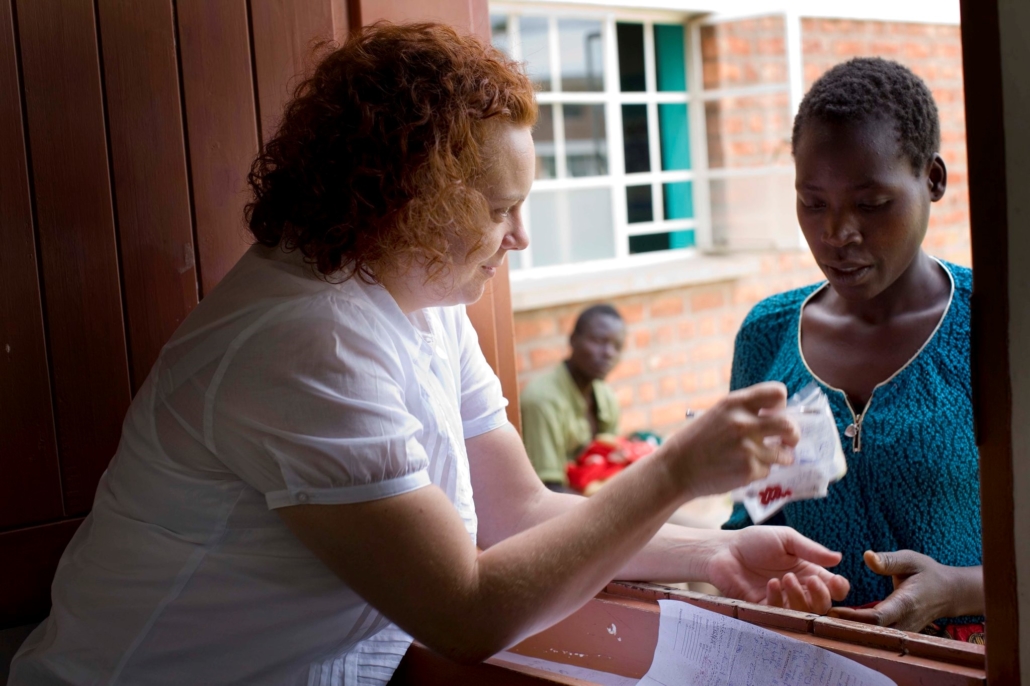 Over the years, immunizations have prevented large numbers of infectious diseases from spreading worldwide. Between 2 and 3 million deaths are prevented each year in all age groups due to these vaccines. Expanding access to immunization has become a new United Nations’ Sustainable Development Goal. Currently, 85 percent of the globe has vaccination coverage. In total, these efforts have drastically impacted the world over the last few years. However, there is still a major struggle to reach full coverage in certain regions. Here are three reasons why poor countries fail to administer vaccines.
Three Reasons Why Poor Countries Fail to Administer Vaccines
- Vaccines are expensive and difficult to spread across certain regions.
In 2017, roughly 19.9 million infants globally did not receive a DTP vaccination. This vaccination helps prevent children from getting diphtheria, tetanus and pertussis if a child receives roughly five doses over the course of their life. However, poorer nations have difficulty providing clinics and the means of offering repeated vaccinations.People living in rural areas must travel for hours to urban cities to receive treatments. In addition, transporting these goods to rural regions is tough because the hot temperatures can kill the immunity components of the vaccines. Shortages in supplies and lack of trained professionals also hinder the process. This heavily contributes to why poor nations fail to administer vaccines to large amounts of people.
On top of these issues, the costs of vaccinating a single child increased from $10 to roughly $42 since 2000. However, these heavy costs do not heavily burden extremely poor countries because the vaccine alliance, Gavi, funds them. Gavi encompasses many organizations such as the World Health Organization, UNICEF, The World Bank and others. This alliance has allowed the economic burden to lift for roughly 70 countries, and it is actively seeking ways to overcome the geographical obstacles in these regions. - Many are hesitant to vaccinate due to a lack of trust in immunization.
According to the WHO, vaccine hesitancy is the refusal to vaccinate despite the availability of vaccines. Lack of trust in immunization is a major reason why people in poorer nations face this issue. Many people fear the side effects and potential dangers of immunization, so they choose not to vaccinate their children. Another reason for this hesitancy revolves around cultural differences. Primarily Western nations have introduced these vaccinations and citizens have difficulties accepting them into their society.An example of this is the Democratic Republic of the Congo’s recent Ebola outbreak. For the past few months, a large percentage of Congolese citizens refused to take the life-saving vaccination. These people do not trust the medical system and the government that allowed for a different country to intervene in its lifestyle. Their exposure to the disease has meant that other communities isolate and neglect them, which means they are having a hard time letting outsiders into their homes, even if intentions are good. Some citizens even attacked treatment centers in Katwa and Butembo in February 2019 to make a statement.
Health officials in the DRC, as well as other countries, are making efforts to interact more with the communities during the vaccination process. A major step is finding ways to educate people on these medicines while respecting the cultures that they are entering. Recent campaigns such as the WHO World Immunization Week 2019 have made efforts to demonstrate the value of vaccines and immunization to start this process.
- Conflict and natural disasters prevent access to health care.
War-torn countries are some of the most difficult places to administer vaccinations. Hospitals and clinics can become damaged and make it harder for people to receive the treatment they need. The Syrian War is an example of this. Before the war began, child vaccination coverage against DTP was 89 percent. However, in 2016, the number dropped to 61 percent as children received less than the three recommended doses of the vaccine. Syria and other countries at the bottom of the WHO’s vaccination coverage list were experiencing a civil war or conflict in their country.In addition to wars, natural disasters also hinder the vaccination process with widespread destruction. In Mozambique, a deadly hurricane swept through the country in March 2019. Not only did the storm destroy hospitals and clinics, but it also made reaching citizens living in rural areas with life-saving medication difficult. Natural disasters generally exacerbate issues that many countries already face, making it more difficult for health care officials to work until recovery ends.
In recent years, Gavi has funded initiatives to help administer vaccines in countries facing these issues. Gavi offered to purchase vaccinations and other equipment to assist vaccinating millions of children exposed to preventable diseases in Syria. Also, the organization funded an influx of oral cholera vaccinations in 2017 to Sierra Leone after flooding and landslides.
Overall, there are many reasons why poor countries fail to administer vaccines to their citizens, but there are even more efforts going on today to overcome these obstacles. With the efforts of many health care organizations, the path to total global immunization might not be far out of reach.
– Sydney Blakeney
Photo: Flickr
