Kabul is the capital of Afghanistan with a population of 37 million people. Although there are efforts for improvements, Afghanistan still suffers from high rates of poverty. Here are seven facts about poverty in Kabul.
7 Facts About Poverty in Kabul
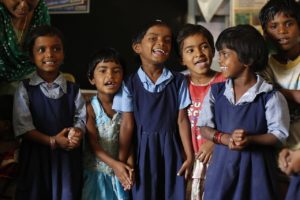
- Education: According to UNICEF, 3.7 million children in Afghanistan are out of school, 60 percent of which are girls. A few reasons for the low enrollment rates include poor sanitation systems in schools. Another reason is the lack of female teachers, particularly in rural areas. Female teachers are required for some because it is not allowed for male teachers to teach young girls. In addition, inadequate transportation in certain areas of the country makes it difficult for children to attend school.
- Child Labor: About a quarter of children in Afghanistan between the ages of five and 14 work or help their families. Many children are employed in jobs that can lead to an illness, injury or death due to dangerous working conditions and improper enforcement of safety and health standards. Children hold jobs in metal industries, agriculture, shoe shiners, and in the streets as vendors. Unfortunately, some children are forced to take on the pressures of going to school and work while others must quit school completely. In addition, children work long hours with little pay to no pay. However, UNICEF is supporting the National Strategy for Children at Risk, a strategy designed by the Ministry of Martyrs, Disabled and Social Affairs and partnered with UNICEF and other organizations that will help vulnerable families protect and care for their children. The main goal of this plan is for children to be protected from abuse, exploitation or violence in Afghanistan. In addition, the strategy will offer support to communities and vulnerable families. Another policy is the National Strategy for Street Working Children, which provides interventions such as family and community-based support systems for street children and their families to protect, prevent and decrease the number of children that work in the streets.
- Sex Trafficking: According to the USAID, Afghanistan happens to be a source, transit and destination country for forced labor and sex trafficking among men, women and children. However, efforts are being made to tackle this issue through the Combating Human Trafficking in Afghanistan project. This project is a collaboration of USAID and the International Organization for Migration that prepares the Afghanistan government institutions to contribute in the prevention of trafficking, prosecution of traffickers, victim protection and to enhance regional coordination in the fight against cross border trafficking.
- Literacy Rates: According to UNESCO, in Kabul, the highest female literacy rate is 34.7 percent and males at 68 percent. The difference in rates is due to a few factors such as women not being allowed to attend school, unsafe to travel to school and cultural norms. In addition, rates in urban and rural areas differ to due lack of schools in remote areas and extensive distances to travel for school. However, UNESCO has implemented a project called the which is a national program of the Ministry of Education that helps improve literacy and numeracy skills of the adult population in 34 provinces. The ELA Programme began in 2008 and since its launching, it has increased the literacy for over 600,000 adults and over 60 percent of them are women.
- Water: In Afghanistan, 79 percent of the population live in rural areas and only 27 percent have access to upgraded water sources. In Kabul, about 80 percent of people do not have access to safe drinking water. In addition, 95 percent do not have access to proper sanitation facilities. Due to lack of access to sanitation, about 20 percent of the population excretes in public.
- Health: According to the World Health Organization, Afghanistan has the second-highest maternal mortality rate in the world. Approximately half of children under the age of five are stunted due to chronic malnutrition and 10 percent have chronic malnutrition. Over 60 percent of all childhood deaths and disabilities in Afghanistan are due to respiratory infections, diarrhea and deaths that could’ve been prevented though vaccines such as measles.
Despite these statistics, USAID has partnered with the Ministry of Public Health of Afghanistan to make healthcare services more accessible to all. During October 2017 and September 2018, USAID delivered more than 900,000 institutionalized deliveries at public health facilities. In addition, over 1.4 million children were given PENTA3 vaccinations. Furthermore, with the financial help of USAID and other international donors, the World Bank supported more than 2400 public health facilities and 94 percent of the facilities have at least 1 female health care provider. - Child marriages: In Afghanistan, 35 percent of girls are married before they turn 18 and 9 percent are married before their 15th birthday. Child marriages occur due to various factors such as family practices, traditional customs and level of education. However, there are several organizations dedicated to ending child marriages such as Girls Not Brides. This organization is a global partnership of over 1000 civil organizations from more than 95 countries. It was founded in 2011 by a group of independent global leaders called The Elders that aims to raise awareness on child marriages, facilitate open conversations and provide support for victims. In addition, the organization works closely with girls to help build skills, empower them and developing support networks.
These seven facts about poverty in Kabul demonstrate major issues that could use improvement. Nonetheless, with the help and support of organizations little by little change will happen.
– Merna Ibrahim
Photo: Flickr




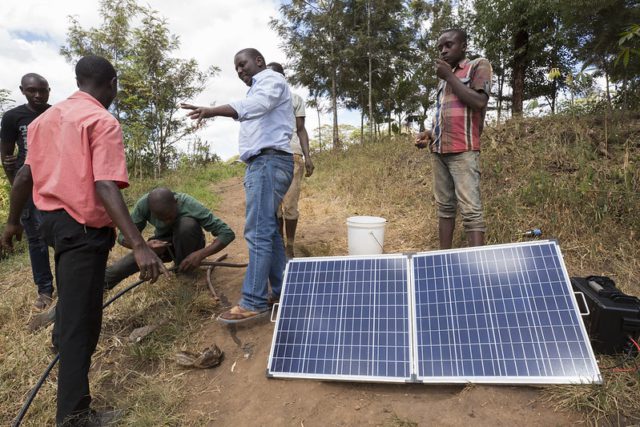 Throughout history, new technology has always been one of the key factors in driving both the economy as a whole, as well as a specific economic sector. New inventions drive new innovations, and as a result, significant advancements are made. Now, technology is driving agriculture in West Africa as well, with both new and familiar ideas paving the way forward. Here are some of the most notable technologies and advancements pushing agricultural expansion in West African countries like Ghana, Senegal, and Nigeria.