Top 10 Facts about Living Conditions in the Virgin Islands
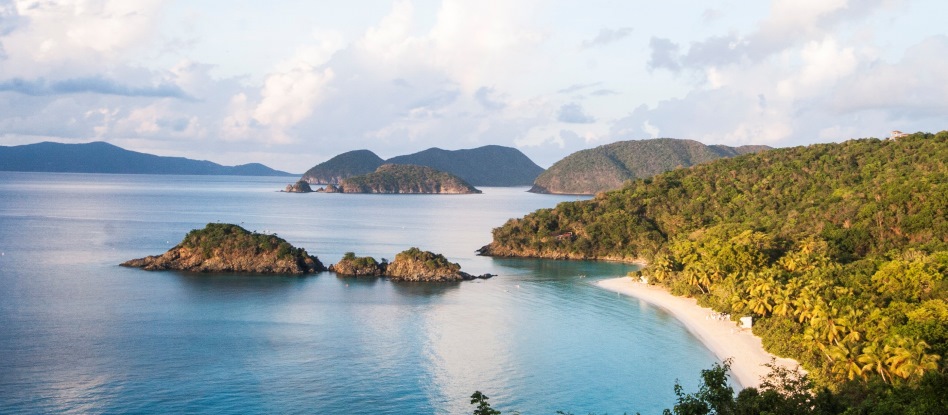
The U.S. Virgin Islands are a tourism hotspot in the Caribbean comprised of four major islands: St. Croix, St. Thomas, St. John and Water Island. Many people retire on the islands to enjoy the white sandy beaches and blue coastal waters. However, this list of top 10 facts about living conditions in the Virgin Islands goes beyond the images of tropical paradise to get a closer look at life on the islands.
Top 10 Facts About Living Conditions in the Virgin Islands
- The average household income in the U.S. Virgin Islands is $37,254 according to the U.S. Census Bureau. This is 75 percent of the mainland’s average income. Its economy relies heavily on tourism which makes up more than half of the islands’ GDP. More than 2 million tourists come to the Virgin Islands every year. However, when hurricanes damage the islands, they hurt the economy as well.
- The territory is $2 billion in debt due to hurricane damage, the collapse of sugar production and the closure of factories. In 2012, the Hovensa refinery closed down, leaving the islands without its largest employer.
- Hurricanes Irma and Maria damaged up to 90 percent of the U.S. Virgin Islands Water and Power Authorities’ (VIWAPA) transmission and distribution lines. The U.S. provided $1.9 billion for recovery to the islands. The Virgin Islands have since regained its water and power, but many top hotels and resorts will still be closed until late 2019.
- The Community Foundation of the Virgin Islands is a nonprofit organization that supports aid to the islands and works with the government to provide essential resources. In addition, All Hands and Hearts and Repair the World are two groups which provide relief to the islands following the aftermath of hurricanes.
- The U.S. Virgin Islands have three main sectors of employment: mining, logging and construction; accommodation and food and leisure and hospitality. Because of hurricanes, as the tourism sector declines, the construction and rebuilding sector is experiencing growth. Following the 2017 hurricanes, employment declined by 7.8 percent.
- The cost of living in the U.S. Virgin Islands is higher than on the U.S. mainland. On average, apartments cost $2,000 per month. A two-bedroom house costs at least $285,000.
- Not everyone can afford health care on the U.S. Virgin Islands. There are high levels of HIV on the islands with 31.4 people out of 100,000 diagnosed with HIV. In the continental U.S., only 12.5 people out of 100,000 people have HIV. In addition, doctors who come from the U.S. mainland often have issues communicating with locals.
- Water conservation is important on the islands because it only rains an average of 38 inches per year. Many residents rely on cisterns to store water instead of using the main water supply. This can cause problems with the water not being safe to drink. To combat this issue, the U.S. Virgin Islands have constructed new, efficient desalination plants.
- The middle and lower class is largely made up of Black Americans. Hurricane seasons push many people in this demographic deeper into debt when they have to reconstruct or rebuild. It is estimated that over 480 people are homeless in the U.S. Virgin Islands.
- The U.S. Virgin Islands provide private and public schooling to kids K-12. The University of the Virgin Islands offers 43 degree-options. It has campuses on both St. Thomas and St. Croix and there are 2,500 undergraduate and graduate students who attend the university. Though many schools were destroyed during the hurricanes in 2017, many have been rebuilt.
The U.S. Virgin Islands are more than just a tropical paradise with luxury homes. There are differences between the locals and those who move there from the mainland. Hurricanes wreak havoc on the small island territories every hurricane season, causing the islands to struggle economically and physically. This list of top 10 facts about living conditions in the Virgin Islands is not exhaustive, but it paints a clearer picture that the island territory is not solely about palm trees and sea breeze.
– Jodie Filenius
Photo: Flickr
