• Link to X
  • Link to Facebook
  • Link to Instagram
  • Link to TikTok
  • Link to Youtube
  • About
    • About Us
      • President
      • Board of Directors
      • Board of Advisors
      • Financials
      • Our Methodology
      • Success Tracker
      • Contact
  • Act Now
    • 30 Ways to Help
      • Email Congress
      • Call Congress
      • Volunteer
      • Courses & Certificates
      • Be a Donor
    • Internships
      • In-Office Internships
      • Remote Internships
    • Legislation
      • Politics 101
  • The Blog
  • The Podcast
  • Magazine
  • Donate
  • Click to open the search input field Click to open the search input field Search
  • Menu Menu

Archive for category: Global Poverty

Key articles and information on global poverty.

Children, Global Poverty, Innovations

Innovations in Poverty Eradication in Argentina

Poverty Eradication in ArgentinaArgentina, located in South America with a population of 45.7 million, has faced persistent economic instability, with 38% of the population living in poverty at the end of 2024. Although the number of people experiencing poverty in Argentina is alarming, this percentage has decreased from 53% in the first half of 2024 with President Milei’s attempts to grow Argentina’s economy. However, despite these improved figures, there is still a long way to go, and organizations and the government are continuing to work to get more people out of poverty. Here are three key innovations in poverty eradication in Argentina.

IDB Group Financial Support Package 

Last month, the Inter-American Development Bank (IDB) outlined a three-year strategy to support the transformation of Argentina. This plan, developed with the government, focuses on implementing reforms to ‘promote sustainability and efficient public spending.’ As part of this strategy, the IDB Group allocated $10 billion to grow Argentina’s economy and reduce poverty faced by the country. Both the private and public sectors will receive this financial support package. About $3 billion will be focused on private investment, with the remaining $7 billion focused on initiatives in the public sector. Furthermore, the plan also focuses on addressing poverty directly by ensuring the health care and education systems are improved, as well as living conditions for the most vulnerable populations.

Early Childhood Strategy 

The COVID-19 pandemic highlighted Argentina’s poor early childhood care system and existing inequality, as 2.7 million children are part of a vulnerable group. In response to this, the UN’s early childhood and sustainable development programme worked with the Argentine government to address this ‘care crisis.’ This strategy focuses on improving the childcare system across the country and has trained almost 3,000 workers on the effects of COVID-19 and social isolation on children. These improvements have worked to narrow the inequality gaps between children and are integral innovations in eradicating poverty in Argentina.

Income Transfer Programmes 

Income Transfer Programmes have been a key method in alleviating poverty. During the COVID-19 pandemic, the government expanded cash transfers to 9 million workers, subsidizing the income of the most vulnerable in Argentina. However, while Income Transfer Programmes are not a new method of eradicating poverty as one that has been in place for 20 years, recent developments have increased their impact. For example, the Universal Child Allowance, since it became the most prominent programme, led to a 3% decrease in Argentina’s overall poverty and a nearly 30% decrease in extreme poverty.

Looking Forward 

While the innovations in poverty eradication in Argentina outlined here have been crucial in lowering poverty rates and will continue to be, the fight to truly eliminate poverty in the country is far from over. The complex and structural issues leading to Argentina’s high poverty rate persist. However, the various innovations in poverty reduction outlined here represent a holistic approach to tackling Argentina’s issues and, therefore, offer hope for eradicating poverty in the country.

– Victoria Adrados

Victoria is based in London, UK and focuses on Good News and Technology for The Borgen Project.

Photo: Flickr

September 9, 2025
https://borgenproject.org/wp-content/uploads/borgen-project-logo.svg 0 0 Jennifer Philipp https://borgenproject.org/wp-content/uploads/borgen-project-logo.svg Jennifer Philipp2025-09-09 03:00:332025-09-08 23:53:35Innovations in Poverty Eradication in Argentina
Food Insecurity, Global Poverty, Hunger

Collapsed Food Systems in Sudan: How 80 Cents Can Help

Food Systems in SudanAs Sudan’s civil conflict enters its third year, health conditions have sharply deteriorated as the collapse of the food systems in Sudan has overwhelmed them. The country is currently facing the world’s largest hunger crisis, with 24.6 million individuals experiencing food insecurity. The civil war has devastated the Sudanese economy, agricultural livelihoods and food markets, particularly in North Darfur and the Western Nuba Mountains. The level of internally displaced people, an estimated 9 million people, fleeing an extreme threat to life, has further exacerbated the famine.

Inside the Crumbling Food Systems in Sudan

The food systems in Sudan heavily rely on local agricultural production, with two-thirds of the population relying on self-sufficient farming. Destruction of agricultural infrastructure and the forced displacement of individuals have halted the population’s ability to plant and harvest, often fleeing to food deserts to escape the violence of civil war. In 2024, reports indicated that many farmers were consuming the grain they would typically use to sow their land to alleviate starvation. The stark economic decline and government-enforced trade restrictions with neighboring countries have further increased food scarcity, driving up the price of food and limiting access. 

More than 8.1 million Sudanese are currently facing emergency levels of famine on the Integrated Food Security Phase Classifications (IPC), meaning households are experiencing large food consumption gaps reflected in higher mortality and acute malnutrition. Cholera cases have also skyrocketed due to a lack of access to clean, safe drinking water. Officials have recorded an estimated 32,000 cases of the illness since the beginning of the year. UNICEF has determined these findings alarming as they come during harvest season, when malnutrition is traditionally at its lowest. Children are the most at risk of health complications from acute malnutrition and cholera, as many have lost their parents or guardians. IPC has warned that authorities must take action now, as observers expect the crisis to deteriorate further due to the rainy season from July to September, which causes hindrances to travel.

Dangerous Humanitarian Conditions

Since the beginning of the conflict, man-made blockades, logistical challenges, lack of security in high-conflict areas and restricted access have disrupted vital humanitarian access. The Food and Agriculture Organization (FAO), the World Food Program (WFP) and the United Nations Children’s Fund (UNICEF) urge a ceasefire in the region and urge world leaders to scale up their spending on humanitarian operations. The cease-fire would allow humanitarian workers to safely reach the five regions currently experiencing famine, and hopefully deter this with an impending threat of spreading to an additional 17 regions in Sudan. The WFP is currently supporting more than 6.5 million Sudanese suffering from food insecurity; however, its operations require an estimated $642 USD to continue until November 2025.

ShareTheMeal, A Smartphone App Fighting Hunger

In 2015, WFP staffers Sebastian Stricker and Bernhard Kowatsch founded ShareTheMeal to make fighting hunger accessible to everyone. The application enables users to crowdfund as little as a donation of $0.80 USD to share a meal, made in their respective currencies and languages, to support WFP’s various humanitarian aid operations. In 2020, ShareTheMeal gained global recognition when it won Google’s App for Good award and Apple’s Making a Difference category. Currently, people have shared more than 250 million meals and contributed to 126 WFP operations. The UN’s micro-donation app is presently spearheading a Sudan initiative to help families fleeing the conflict. Since the conflict escalation in 2023, donations have already reached 98% of the 5 million meals shared goal. These meals are nutritionally focused, featuring rice, flour, vegetable oil, lentils, beans and salt.

Looking Ahead

Despite recent improvements in Sudan, the escalation of violence, the rainy season and the pullback on foreign aid, due to other crises like the famine in Palestine, have created harsher conditions in the third year of this civil war. Humanitarian organizations urge that the quiet famine will continue without the bolstering and continual funding of aid programs, which aim not only to reverse the widespread malnutrition but also to rebuild the inner food systems in Sudan, creating sustainable change.

– Elsa van Blokland

Elsa is based in Quebec, Canada and focuses on Global Health and Politics for The Borgen Project.

Photo: Flickr

September 9, 2025
https://borgenproject.org/wp-content/uploads/borgen-project-logo.svg 0 0 Jennifer Philipp https://borgenproject.org/wp-content/uploads/borgen-project-logo.svg Jennifer Philipp2025-09-09 03:00:022025-09-08 23:45:40Collapsed Food Systems in Sudan: How 80 Cents Can Help
Global Poverty, Migration, War

Social Remittances to Ukraine: Exchanging Ideas Across Borders

Social Remittances to UkraineThe story of Ukrainian refugees shows how migration can generate not just financial assistance, but also the transfer of ideas, skills and civic values. These “social remittances” can help Ukraine recover from war, resist aggression and build an economy less vulnerable to poverty.

Remittances, sums of money sent to another place, are often a way for migrants to continue relationships while abroad, a method for supporting their communities from a distance. Beyond financial remittances, some Ukrainian refugees have found another way to support their nation, planning to bring social remittances to Ukraine home with them. These ideas, skills and values can strengthen democratic institutions and create economic opportunity.

Poverty in Ukraine & Financial Remittances

According to the Economic Commission for Europe, poverty rates in Ukraine decreased by an estimated 30.5% from 2016-2021. In 2021, the estimated rate of people below the Ukrainian subsistence minimum (the minimum income required to cover basic living expenses) was 20.6%. Since the Russian invasion in 2022, the poverty rate has been on the rise. While there is a lack of data for 2022, the following year’s (2023) poverty rate in Ukraine was 35.5%, having increased 14.9% in just two years.

The Ukrainian National News reports that in 2024, remittances to Ukraine reached $9.6 billion. The report shares that, according to the National Bank of Ukraine, the top sources for these funds were the U.S., Israel and Germany.

Refugee Relocation

The Council on Foreign Relations estimates that since the Russian invasion, 2.9 million Ukrainians have fled to the Eastern border, entering Russia. Another 1.6 million refugees escaped to Poland, where they joined the 1.3 million Ukrainians that already migrated there. The remaining refugees headed to the Czech Republic, Moldova, Romania, Slovakia and other European nations.

Social/Intangible Remittances

As Silke Meyer, a professor of European Ethnology at the University of Innsbruck, shared,  remittances can extend beyond financial support. Migrants may also send back social capital, networks, knowledge and community norms.

Sociologist P. Levitt describes these as “social remittances,” ways of thinking and living that migrants transfer back to their home. Later research by Grabowska, professor of Social Sciences and Economics at Kozminski University, explains that the concept expanded into “intangible remittances,” encompassing professional and educational practices, attitudes towards mental health, disability, gender roles and political participation. Such exchanges are quietly political and can lay the groundwork for reducing poverty.

The Ukrainian context stands apart because the Russian invasion has forced millions to flee. In this setting, intangible remittances often “emerge[d] as urgent responses to national crisis, moral obligation, or collective recovery,” according to Grabowska. For the women in her study, displacement deepened their attachment to Ukraine. Their intent to bring home what they have learned reflects a will to see Ukraine become stronger, self-reliant and economically resilient.

Migrant Focus on Ukraine

One study participant noted that a work culture fostering development “is something that could benefit [the Ukrainian] workforce back home.” Another expressed a wish to see the hands-on learning and critical thinking she encountered abroad implemented in Ukrainian schools. Others spoke of professional flexibility, cross-cultural respect and greater inclusion for people with disabilities, values that also support long-term poverty reduction.

Grabowska’s work also explores the cumulative advantage effect, a theory explaining how people with more initial resources – money, education or recognition – tend to expand those advantages more quickly. Ukrainian refugees with these resources were better positioned to gather skills and networks abroad, which they then return as powerful remittances to Ukraine.

Unique Predictors

Beyond material resources, “higher civic engagement attitudes and autonomous reflexivity” were strong predictors of which refugees would benefit most from the cumulative advantage effect. War migrants who had a history of community activism and independent decision-making were “more than twice as likely” to gain advantages that could be sent back home. This points to social remittances as not just cultural or personal contributions, but explicitly civic and political, with the potential to influence economic growth and help address poverty in post-war Ukraine.

Future Remittances

The invasion forced Ukrainians into survival-based emigration, but it also created space to imagine a different future for the country. Some refugees plan to return permanently; others foresee a transnational lifestyle or contribution from afar. The only constants throughout the female war migrants’ interviews is their “emotional and symbolic ties to Ukraine” and “desire to contribute to its recovery.” Such commitments to restore and strengthen democratic, inclusive and resilient institutions are inherently political acts of resistance to attempts of domination and can lay the groundwork for reducing poverty by creating more equitable opportunities for all Ukrainians.

Benefits of Remittances

Ukraine is not the sole beneficiary of these contributions. The refugees see themselves as global citizens, fostering cooperation between Ukraine and their countries of residence. In sending back social remittances to Ukraine, they not only help their nation resist aggression but also share ideas that can strengthen anti-poverty efforts both locally and globally.

Whether through peacebuilding, civic participation or inclusive social practices, Ukrainian refugees are shaping conversations about the kind of world they, and their homeland, want to live in, one where the roots of poverty are addressed alongside the wounds of war. 

– Alyse Rhee

Alyse is based in Winter Garden, FL, USA and focuses on Good News and Politics for The Borgen Project.

Photo: Flickr

September 9, 2025
https://borgenproject.org/wp-content/uploads/borgen-project-logo.svg 0 0 Jennifer Philipp https://borgenproject.org/wp-content/uploads/borgen-project-logo.svg Jennifer Philipp2025-09-09 01:30:322025-09-08 23:50:40Social Remittances to Ukraine: Exchanging Ideas Across Borders
Child Marriage, Education, Global Poverty

Addressing Child Marriage in Chad With Education and Reform

Child Marriage in ChadIn Chad, thousands of girls as young as 14 years old are pressured to leave education behind and marry before reaching adulthood. Girls Not Brides underlined that in 2019, nearly 61% of Chadian women between the ages of 20 and 24 were married before their 18th birthday. While child marriage rates remain high in the region, the government of Chad and local organizations are rallying behind reforms. Through tougher laws, an increase in tailored educational initiatives and grassroots activism, efforts to curb child marriage rates are actively advancing, bringing hope to thousands of girls.

Correlation Between Child Marriage and Poverty in Chad

Research highlights a strong link between child marriage and poverty. In Chad, this practice is more prevalent among the lowest-income communities: girls from households facing the greatest economic challenges have more than triple the likelihood of marrying before 18 than those in the wealthiest group. The World Bank further emphasizes that economic hardship and limited educational opportunities drive child marriage. This cycle deprives girls from building secure futures, trapping entire families in economic hardship for generations.

Government and Policy Reforms to End Child Marriage in Chad

Policy changes, local initiatives and Non-Governmental Organizations (NGOs) are making meaningful progress in reducing child marriage in Chad. As part of the 2023 Universal Periodic Review, Chad emphasized their dedication to fostering equal rights for both men and women, and prioritizing academic opportunities for girls and their participation within schools.

The Sahel Women’s Empowerment and Demographic Dividend (SWEDD), is a collaborative effort between the World Bank Group and United Nations, aiming to narrow the gender gap and back efforts to help girls remain in or re-enter education.

The program’s transformative effect is clear, having already achieved: 

  • About 27,906 girls participated in advocacy workshops, helping them understand their rights and resist early marriage
  • It provided 360 mentors with specialized training on how to deliver education on gender issues and human rights
  • It established 360 refuge centers

Strengthening Laws and Birth Registration 

Policy reforms have paved the way for change, and these efforts are now being reinforced through improved legal protections and birth registration efforts. At the  High Level Political Forum in 2019, Chad confirmed the implementation of a revised statutory marriage age, raising it from 16 years to 18 years.

In February 2019, Chad’s government worked alongside the Organization of African First Ladies and United Nations to launch a fully funded plan to eradicate underage marriage. There were six key components of the strategy: 

  • Strengthening laws
  • Expanding public outreach
  • Offering survivor assistance
  • Workforce training
  • Upgrading facilities 
  • Improving oversight

In 2023, Chad implemented a new constitution that bolstered legal safeguards for women and girls, prohibiting harmful practices like genital mutilation and child marriage. Minister of Justice, Yousoff Tom underlined the commitment of the Chadian government, stating “since ratifying the convention in 1995, Chad had worked tirelessly to eradicate discrimination against women.”

With the assistance of the UN, Chad has strengthened birth documentation systems through the opening of registration offices, a crucial step in preventing age falsification.  Legal authorities now travel to refugee settlements to deliver new copies of birth records, strengthening the government’s ability to verify age with precision, closing the loopholes that once left girls vulnerable.

Chad’s Push for Girls’ Education

Chad has made notable progress in ensuring girls remain in education. The 2024 expansion of the Women’s Empowerment and Demographic Dividend not only worked to prevent violence against girls, but also strengthened access to education. The impacts of the initiative were clear, allowing 127,000 girls to receive academic and financial assistance.

Such measures are vital, just 12% of those who graduate from secondary school end up married before reaching age 18, in contrast to 76.5% of girls that have no education.

These reforms are already showing results, with the percentage of girls attending primary school climbing to 83% in 2024. To further advance girls’ education, Chad’s government imposed penalties on schools that denied admission to pregnant students, to safeguard young mothers’ rights to continue their studies and improve their economic prospects.

The Chadian government also created a ministry dedicated to women’s affairs to embed women’s needs and interests into the frameworks of all state-led initiatives. The Positive Parenthood Program works to challenge harmful gender norms while also expanding centers that offer medical and legal assistance to victims.

How Local and Global Groups Are Driving Change

Founded in 2011, Girls Not Brides brings together organizations from around the world to expand opportunities for girls and women and fight against early marriage. Girls not Brides spans almost 100 countries, successfully linking hundreds of groups together who each contribute to reaching the collective goal of preventing child marriage, and empowering and safeguarding girls. Girls not Brides has 10 member organizations working in Chad to tackle the underlying factors fueling child marriage through public engagement, educational initiatives and support services for girls.

Cellule de Liaison des Associations Féminines (CELIAF) is a further example of a coalition fighting for the rights and safety of girls in Chad. CELIAF consists of more than 450 Non-Governmental Organizations, who together, are working to end all forms of inequality faced by women, through strengthening their role within society. According to Peace Direct, CELIAF plays a key role in bringing together women’s advocacy groups in Chad, with their work impacting 16,000 women. Additionally, from 2012 to 2016 CELIAF launched a women’s empowerment initiative that focused on enhancing female participation in peacebuilding. Through linking grassroots organizations, advancing leadership opportunities and championing women’s perspectives, CELIAF effectively lays the groundwork for social change and combats damaging practices like child marriage.

Looking Ahead

Chad continues to face one of the highest child marriage rates globally, but change is on the way. Indeed, through policy changes, expanded educational opportunities and the commitment of local and international organizations, measurable progress has been made. From increasing the legal age of marriage and enhancing birth registration systems, to providing educational support and guidance to young girls, these efforts are empowering women and equipping the, with the tools to shape their own futures.

– Ciara Moore

Ciara is based in Edinburgh, Scotland and focuses on Good News and Politics for The Borgen Project.

Photo: Wikimedia Commons

September 9, 2025
https://borgenproject.org/wp-content/uploads/borgen-project-logo.svg 0 0 Jennifer Philipp https://borgenproject.org/wp-content/uploads/borgen-project-logo.svg Jennifer Philipp2025-09-09 01:30:272025-09-08 23:31:07Addressing Child Marriage in Chad With Education and Reform
Food & Hunger, Global Poverty, USAID

3 Ways USAID Programs in Mali Are Changing Lives

USAID Programs in MaliMali has a complicated relationship with recurring challenges such as climate crisis’ and conflict-driven violence. Whether it be due to the shocks of extreme heat and floods, or the violence from armed forces within different villages, USAID programs in Mali have benefited Malians greatly, with more than a third of the population being in need of humanitarian assistance.

U.S. assistance in Mali has allowed the pursuit for peace and stability; there have been major investments towards the healthcare system, agriculture, education and peacebuilding. Despite the recent cuts made to USAID’s funding, there are still efforts being made to retain relations between the states. USAID’s Country Development Cooperation Strategy for 2022-2026 represents the commitment towards providing humanitarian assistance while aligning with Mali’s national interests and plans. Thus, it is important to highlight the preexisting successes and the progress made due to USAID programs in Mali.

1. Boosting Food Security Through Feed the Future

In Mali, 1.6 million people or 6% of the population suffer due to acute food insecurity. USAID’s Feed the Future program in Mali makes an effort to improve the livelihoods of people improving food security and creates income and food opportunities for Malians, by boosting millet, rice and livestock production. Farmers gain access to improved seeds, livestock care and markets. Furthermore, these programs tackle malnutrition through prevention; investments into Mali’s agricultural systems will open economic opportunities for Malian people, who typically migrate away from the country for work, as there are newfound opportunities in their own nation. This program allows USAID to invest into Mali, allowing them to build themselves from the ground up and become self-sufficient to combat issues with malnutrition and food insecurity, and in the future, they will be able to thrive without foreign intervention.

2. Improving Health

In 2021, more than 60% of Mali’s deaths were due to communicable, maternal or perinatal and nutritional issues. However, this number should ultimately improve due to investments and more attention to the health care system and facilities.

Launched in 2020, and receiving a 16-month extension in 2024, USAID funded the Mali Health Systems Strengthening, Governance and Finance project (HSS) which had the goal of empowering Mali’s plan, management and financing of its own health care system. This project focused on multiple regional and national developments for the health care system, and has provided training for 26 health districts and more than 700 facilities. USAID supported them by also improving supply chain management, data monitoring and providing essential supervision for the improvements being made. By improving the governance of healthcare systems and management, it improves the health outcomes for the region and allows under-resourced regions to thrive on their own. Thus, once there is a transition of power, local organizations will be well equipped.

3. Strengthening Governance and Stability

Due to the challenges with civil conflict, there is often mistrust between local governments and communities. The USAID Mali Peacebuilding, Stabilization and Reconciliation (PSR) Program worked on building resilience of 43 communes so they could address violence and extremism. To build trust between the state and local communes, USAID approached it in a nuanced way to encourage multi-actor participation in commune decisions, the use of citizen voice and inclusive decision making. The PSR program’s training module on decentralization is in use for the national center for community training. Thus, there is more active collaboration between citizens and the state, creating more trust towards the government and improves state legitimacy. 

Looking Ahead

Overall, USAID programs in Mali have provided the funding and opportunities to improve nutrition, health and governance. The programs in place will ideally give Mali the strength and facilities to eventually become self-sufficient and no longer need the foreign intervention from USAID.

Through the Feed The Future program, it creates economic opportunities by creating jobs in agriculture, and it also provides the natural resources to feed the nation. The HSS program provides training and the facilities to allow the healthcare system to thrive. Finally, the PSR program works on improving relations between the government and civilians, which would reduce the mistrust of the government whilst incorporating the civic voice into governmental decisions.

Despite the hardships Mali has been facing, its GDP growth has been steadily increasing; estimates placed it at 4% in 2024 and part of its growth has been due to agriculture and services. USAID programs in Mali have undoubtedly provided several benefits to the country.

– Aaida Nuren

Aaida is based in London, UK and focuses on Good News for The Borgen Project.

Photo: Flickr

September 9, 2025
https://borgenproject.org/wp-content/uploads/borgen-project-logo.svg 0 0 Jennifer Philipp https://borgenproject.org/wp-content/uploads/borgen-project-logo.svg Jennifer Philipp2025-09-09 01:30:142025-09-08 23:36:243 Ways USAID Programs in Mali Are Changing Lives
Developing Countries, Development, Global Poverty, Sustainable Development Goals

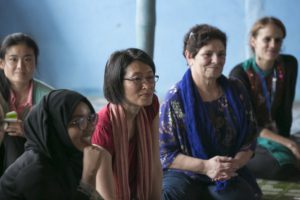
How India’s Sustainable Goals are Combating Poverty

India's Sustainable Goals are Combating PovertyIn a recent meeting at the United Nations (U.N.) headquarters, India stated that it is currently meeting expectations to reach its Sustainable Development Goals (SDG) health targets by 2030. This was announced during the Voluntary National Review (VNR) at the High Political Forum (HLPF) on Sustainable Development.

Significant progress has also been made in climate commitments made by India during the Paris Agreement in 2015. The link between making sustainable decisions and reducing poverty is very apparent when looking at recent data from India.

The Progression of India’s Climate Commitments

Non-fossil fuel capacity is currently one of India’s climate commitments. By the year 2030, India hopes to ensure half of the country’s energy is derived from renewable sources. Remarkably, India met this goal in 2024. Around 50% of the country’s installed capacity is sourced from wind, solar, hydro and nuclear sources. However, only 28% of electricity used in India is derived from non-fossil fuel sources. While India has met its initial target, it is still working toward making better use of sustainable energy sources.

India has also committed to increasing carbon sinks. A carbon sink is something that releases less carbon into the atmosphere than it absorbs. India’s goal is to use forests and trees to make an extra 2.5-3 billion tonnes of carbon sink. By 2021, India had managed to create an additional 2.29 billion tonnes of carbon sink.

Each year, there has been an increase of 150 million tonnes. However, there are some worries about the sustainability of carbon sinks. There is an anxiety surrounding the imbalance of monoculture plantations compared to naturally occurring forests. The concern surrounds their impact on ecology and whether their success can be sustained during a period of urbanization and pressure of land use.

Further, India has focused on its emissions intensity as part of its climate commitments. The government hopes to have a 45% reduction in emissions from its gross domestic product (GDP) by 2030. By the year 2020, India had already reached a 36% reduction. However, there is a significant lack of data beyond 2020 on emission reduction in India. Therefore, progress cannot be successfully monitored despite being on track to meet the goals of the group five years ago.

Impacts on Poverty Reduction

Over the course of the last 10 years, more than 240 million people have escaped from poverty within India. Furthermore, from 2015, the number of people with social protection coverage has increased by twice as much. These figures were displayed at the Voluntary National Review and reflect how India’s sustainable goals are combating poverty. India’s showcase at this review was a product of conversations with marginalized groups within its country. These groups include tribal groups, ensuring their needs are also being met.

India presented a short film during its VNR, highlighting its progress on the SDGs. The video showed how the country raised its SDG index score from 60 to 71. It also detailed efforts to ensure food security for more than 800 million people and the delivery of more than 2.2 billion vaccine doses. The film concluded with India’s core vision: “A sustainable future where no one is left behind.”

Looking to the Future

Working sustainably can improve a country’s economy and create a better future for its citizens. If India hopes to continue its remarkable progress, there are a few elements it can focus on. However, recent data support how India’s sustainable goals are combating poverty. As progress continues to increase, there is the hope of a future with little to no poverty.

– Katie Gray

Katie is based in Glasgow, UK and focuses on Global Health for The Borgen Project.

Photo: Flickr
September 8, 2025
https://borgenproject.org/wp-content/uploads/borgen-project-logo.svg 0 0 Lynsey 2 https://borgenproject.org/wp-content/uploads/borgen-project-logo.svg Lynsey 22025-09-08 14:00:472025-09-08 10:52:50How India’s Sustainable Goals are Combating Poverty
Development, Global Poverty, Technology

A New Era Begins: Google’s $37 Million AI Fund to Africa

 A New Era Begins: Google’s $37 Million AI Fund to AfricaArtificial Intelligence (AI) has skyrocketed throughout the world in recent years. AI focuses on completing tasks with human-like intelligence, such as reasoning, problem-solving, and language understanding. AI can also use its problem-solving skills to help communities around the world tackle their biggest challenges. Google has recently approved a $37 million AI fund for Africa to aid the fight against poverty. 

Food Security Initiative

Out of the $37 million, Google committed $25 million to the AI Collaborative: Food Security Initiative. The AI collaborative funds will support AI tools designed to improve hunger forecasting, support smallholder farmers and strengthen crop resilience. In many countries, the population depends on farming to survive. This initiative will develop tools that will predict hunger, enhance cropping systems, climate-related crop threats and help address farming inefficiencies. This AI fund for Africa aims to strengthen food systems and improve the livelihood of farmers in the face of worsening economic and environmental shocks. With the AI Collaborative initiative, communities and farmers can have an increased income and malnutrition reduction.

AI Education and Safety Programs

Google is also committing $7 million toward AI education and safety programs across Ghana, Kenya, Nigeria and South Africa. AI education for young people could prepare them for higher-paying jobs. Not only is Google donating to AI education, but it is also offering 100,000 Google Career Certificate scholarships for students. The program expands access for Africans to participate in the digital economy. 

Masakhane African Languages AI Hub

The Masakhane African Languages AI Hub is receiving $3 million for enhancement. The AI Hub will use the funding to create databases, translation models and voice technologies to ensure that AI systems represent African languages in the digital world. This new processing tool will support more than 40 African languages. Language barriers are a challenge for some African communities and often exclude them from opportunities. This translation method will allow for better communication for Africans looking into education, health care and finance. 

AI Research

Google is also giving $1 million each to two institutions for AI research. The University of Pretoria’s AfriDSAI and Wits MIND Institute in South Africa will receive funding for advanced AI studies. The grants to the institutes will support graduate students and researchers in contributing to shaping global AI development. The initiative positions Africa to play a greater role in the global AI conversation.

Road Ahead

Google’s recent donation expands the tools available to address poverty in Africa. This technological advancement provides a road to systematic change. The use of AI could help address some of Africa’s biggest issues, like food insecurity, unemployment and underrepresentation. While poverty remains a significant challenge, AI initiatives supported by Google represent a step toward long-term solutions.

– Emily Herlehy

Emily is based in Denton, TX, USA and focuses on Technology and Solutions for The Borgen Project.

Photo: Pixabay

September 8, 2025
https://borgenproject.org/wp-content/uploads/borgen-project-logo.svg 0 0 Precious Sheidu https://borgenproject.org/wp-content/uploads/borgen-project-logo.svg Precious Sheidu2025-09-08 14:00:052025-09-08 10:43:50A New Era Begins: Google’s $37 Million AI Fund to Africa
Development, Electricity and Power, Global Poverty

Unlocking the Future of Renewable Energy in Cuba

Renewable Energy in CubaThe island nation of Cuba, located in the Caribbean, is at a critical juncture in its energy development. Cuba has considerable renewable energy resources, including sunlight, wind and biomass. However, its energy grid relies heavily on imported fossil fuels, especially from Venezuela, making it vulnerable to price volatility, geopolitical changes and concerns over energy security.

Renewable energy in Cuba has the potential to be about more than just technology; it can offer economic independence, a climate-resilient future and sustainable development opportunities in a country where energy development has long been constrained by existing energy infrastructure and a lack of foreign investment options.

Renewable Energy in Cuba

Currently, renewable energy sources contribute to less than 5% of Cuba’s total electricity generation. This is incredibly low compared to the government’s target of 24% renewable energy generation by 2030. Cuba’s energy infrastructure remains outdated, inefficient and frequently experiences breakdowns. The result is regular blackouts and, in rural areas particularly, energy poverty complicating any efforts for economic activity and the modernization of living standards.

Notably, Cuba has significant untapped solar capacity, receiving an average of 5.4 kWh/m2 per day and significant capability in wind, biomass and small hydro. The potential for real transformation is incredible. However, the challenge is fostering the conditions to attract investment, skills, capabilities and partnerships to harness that potential.

For investors, Cuba’s renewable energy sector is a largely untapped multibillion-dollar market that could encourage local job development, reduce carbon emissions and modernize the energy grid. If successful, Cuba could gain some degree of economic sovereignty through a low-carbon energy project.

However, foreign investors face numerous complications and sometimes, impenetrable obstacles, including red tape, legal uncertainty and financing. Furthermore, U.S. sanctions present an additional layer of difficulty in exploring partnership possibilities, which, in many cases, innovative financing and creative partnerships can help to advance projects.

Public-Private Partnerships Gaining Traction

In light of these challenges, there are hopeful signs on the horizon. Public-private partnerships (PPPs) are starting to emerge. These partnerships allow foreign firms to contribute equity and technology as partners with the Cuban state-owned enterprise. New financing options, including green bonds and blended finance models, may provide a pathway to mitigate the risks of investing in Cuba’s renewable energy market.

Cross-border projects, particularly with European countries and Latin American neighbors, demonstrated a potential for scaling renewable projects. For example, Spanish and Chinese firms have engaged in various levels of partnership with Cuba, committing to constructing solar parks and wind farms. These cross-border collaborations have revived the feasibility of industrial-scale renewable energy projects across the Cuban landscape.

What Cuba Needs for a Successful Energy Transition

Interviews with Cuban engineers and energy policy specialists suggest that Cuba’s transformation to renewable energy will depend on three factors. The first is regulatory reform, which could streamline the approval of renewable energy projects by dealing with the current layers of licensing and approval that can be cumbersome.

The second relates to financing mechanisms, which may require the government to establish ways to de-risk investments for foreign entities interested in participating in the energy transformation. Third is capacity building, which includes developing a local skilled workforce.

There are lessons that Cuba can learn from other emerging economies, such as Costa Rica’s remarkable transition to renewables to achieve 99% of its electricity from renewables and Uruguay’s successful public-private partnerships.

Socioeconomic Benefits of a Greener Grid

Cuba’s renewable energy implications extend beyond electricity. From a microeconomic perspective, a greener grid could mean lower household costs. This could have a ripple effect in reducing risk from air pollution-related health outcomes, creating thousands of new jobs in installation, maintenance and manufacturing.

From a macroeconomic perspective, decentralized power using solar and biomass could facilitate reliable access to power in rural regions. It could unlock local economic development through agricultural growth, small and micro-enterprises development and improve educational delivery.

In urban agglomerations like Havana and Santiago de Cuba, renewable-powered public transit, such as electric vehicles or other clean energy systems, offers a promising shift in urban mobility. Paired with new energy-efficient infrastructure designed to meet local environmental conditions, these developments could significantly transform both the economy and the environment in these regions.

Yet, any sustained progress will rely on long-term commitments and funding. Most of Cuba’s renewable energy projects are funded through one-off grants, pilot programs or developmental loans and lack funding to assist with continued operational costs. Cuba could struggle to reach its renewable energy commitments and aims without stable policy frameworks and continued periodic financial assistance from rich states and multilateral institutions.

Conclusion

Cuba’s renewable energy sector may be nascent, but the possibilities are considerable. Through the appropriate policy alterations, financial instruments and international arrangements, Cuba may become a model of clean energy development in the Caribbean. The opportunities remain largely unrealized, coolly waiting for much political, economic and technological convergence, potentially to reshape Cuba’s energy future.

– Sophia Scelza

Sophia is based in Lindenhurst, NY, USA and focuses on Business and Global Health for The Borgen Project.

Photo: Pxhere

September 8, 2025
https://borgenproject.org/wp-content/uploads/borgen-project-logo.svg 0 0 Lynsey 2 https://borgenproject.org/wp-content/uploads/borgen-project-logo.svg Lynsey 22025-09-08 03:00:522025-09-08 02:06:09Unlocking the Future of Renewable Energy in Cuba
Children, Education, Global Poverty

How Bolivia’s Ineffective Education System Is Failing Its Children

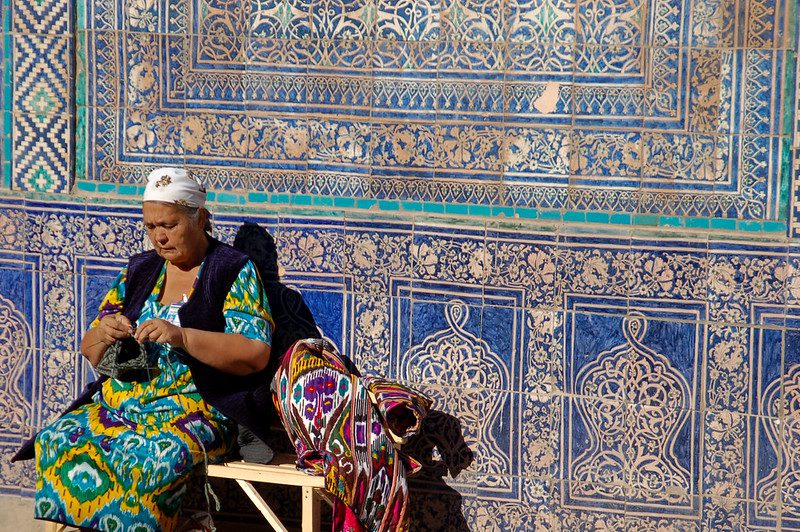
Bolivia’s Ineffective Education SystemIn the heart of South America, Bolivia faces a profound education crisis that threatens its youth’s future and the nation’s economic stability. Despite minimal efforts to reform and invest in education, systemic barriers, poverty and inequality continue to prevent millions of Bolivian children from accessing quality schooling. Only one in seven children completes their education. Additionally, more than a million Bolivians aged 15 and above remain illiterate. Hence, the country is grappling with a cycle of underdevelopment that could deepen if left unaddressed.

The Roots of the Crisis

Bolivia has the lowest GDP per capita in South America, at just $4,000. This economic reality directly impacts education, especially in rural and indigenous communities. Students in rural areas complete an average of only 4.2 years of schooling before dropping out to support their families, compared to 9.4 years in urban areas.

Data from the Bolivian Campaign for the Right to Education (CBDE) shows that most students struggle with basic literacy and comprehension. About 70% of third graders and 80% of sixth graders cannot interpret or reflect on written texts. Math and science performance is similarly low, with most students scoring at the lowest levels and unable to apply fundamental concepts.

Data from the World Bank shows that over time, Bolivian children are not completing secondary education courses, while fewer and fewer students enroll in primary education. Bolivia’s ineffective education system fails to equip students with even the most basic skills, leaving them unprepared for higher education and the workforce.

The country’s education system also suffers from a mismatch between what students learn and what the labor market demands. This makes it one of the significant catalysts for an ever-growing wealth disparity. Many graduates find themselves ill-equipped for Bolivia’s dominant agriculture, mining and construction industries, which favor hands-on experience over formal education.

Poverty and Education: A Repeating Cycle

The lack of education in Bolivia is both a cause and a consequence of poverty. Children who leave school early often enter informal labor markets with little opportunity for upward mobility. This keeps a cycle going where families stay trapped in poverty, unable to invest in their children’s futures and it continues for generations. Similar patterns are seen in other countries facing economic struggles.

Several studies have found a strong correlation between education and poverty reduction. Higher levels of education significantly decrease the probability of being impoverished and reduce income inequality. Yet, Bolivia’s ineffective education system fails to deliver these benefits to its vulnerable populations.

Government Efforts and Community Initiatives

Bolivia has tried to make notable efforts to reform its education system. The 1994 education reform aimed to decentralize funding, improve teacher training and expand intercultural bilingual education. These reforms were designed to address the diverse needs of Bolivia’s population, especially in rural and indigenous areas. While efforts to mainstream Indigenous languages in education and reform teaching methods yielded encouraging results, other challenges hinder broader school progress.

In 2010, the Bolivian government enacted the Avelino Siñani–Elizardo Pérez Education Law. This law redefined the country’s educational framework by establishing an educational system rooted in cultural diversity, social inclusion and lifelong learning principles. Rather than using the term “lifelong learning,” the law emphasizes “alternative education,” which serves youth and adults seeking to continue their studies outside the conventional educational system given to them.

The law also promotes education as a fundamental human right and an integration into intercultural and multilingual approaches to strengthen social cohesion, especially among indigenous communities. The holistic approach aimed to democratize access to education and align learning with Bolivia’s social and cultural realities.

Organizations like CHOICE Humanitarian have also taken action to fill gaps. CHOICE Humanitarian has built schools with solar panels, internet access and ecological classrooms that double as greenhouses, providing education and nutrition to students in remote areas. Despite these efforts, Bolivia’s ineffective education system struggles with implementation, consistency and scalability, especially in underserved regions.

The Path Forward

Bolivia’s ineffective education system is complex, rooted in historical inequalities and economic hardship. Yet, the country can pave the way for a brighter future with sustained investment, community involvement and policy reform. In this future, every child can learn, grow and contribute to a prosperous Bolivia.

– Dylan Fly

Dylan is based in Detroit, MI, USA and focuses on Business and New Markets for The Borgen Project.

Photo: Flickr
September 8, 2025
https://borgenproject.org/wp-content/uploads/borgen-project-logo.svg 0 0 Lynsey 2 https://borgenproject.org/wp-content/uploads/borgen-project-logo.svg Lynsey 22025-09-08 03:00:142025-09-08 01:56:04How Bolivia’s Ineffective Education System Is Failing Its Children
Education, Food Insecurity, Global Poverty

Belize’s National Healthy Start School Feeding Program

National Healthy Start School Feeding ProgramThe National Healthy Start School Feeding Program (NHSFP) is a government initiative that provides free, nutritious meals to primary and secondary students in Belize. The program began as a pilot in 2021 and a nationwide expansion in 2023 ensured all children could access healthy meals. Food insecurity affects a significant portion of the population, making the program a vital intervention. This change improved school performance by eliminating hunger in Belize’s school system. The impact of Belize’s NHSFP has been significant, helping to improve the health and education of students across the country.

How the National Healthy Start School Feeding Program Began

Before the NHSFP, a catering system provided school lunches. Private contractors or catering companies prepared meals off-site and then delivered the food. Many schools also had cafeterias where private vendors prepared and sold food to students. These catering companies followed some guidance but were free to prepare whatever food they wanted, regardless of quality or nutritional value. The lack of oversight often resulted in meals that were low in nutrients, contributing to health issues among students and offering no support for the local agricultural sector.

Schools now prepare fresh meals on-site. National menu handbooks with standardized nutrition requirements, developed by a team of nutritionists, ensure all children get healthy meals regardless of income level. The new program encourages schools to purchase food directly from local farmers, which boosts the local economy and provides fresher ingredients. The program has also trained all staff in food safety and nutrition, ensuring students get nutritious meals so they can focus on learning.

Fueling Academic Success

There are now two years’ worth of data on the Impact of Belize’s NHSFP. Some schools participating in the program reported increased student enrollment and decreased absences. School principals and educators have noted that healthy meals allow students to be more focused in class and have more energy to learn.

The program’s success has also spurred the development of a broader National School Food and Nutrition Policy to guide all schools. The program has also provided substantial training to school cooks and administrators since its start, ensuring they know how to do their jobs properly and safely.

Funding the NHSFP

The government of Belize funds the program, with the Ministry of Education, Culture, Science and Technology managing and disbursing funds to schools to purchase food provisions. Additionally, international grants are a major contributor to the NHSFP’s funding and the government of Taiwan is a substantial supporter.

Mexico is another major contributor to the program, with its Mexican Agency for International Development Cooperation (AMEXCID) partnering with the Food and Agriculture Organization of the United Nations (FAO) to provide financial and technical support. This support, which was key to the program’s design and sustainable model, has been crucial to the program’s success, installing new school kitchens, providing appliances and training school staff.

The Next Serving

What began as a small pilot program has quickly expanded into a national initiative to ensure every student in Belize can be hunger-free while in school. The scaling up of this program in stages is a testament to its effectiveness. The long-term impact of Belize’s NHSFP may soon be an example to the rest of the world, showing the importance of this issue and its influence on the success of a nation.

– Jeff Mathwig

Jeff is based in Philadelphia, PA, USA and focuses on Global Health, Politics for The Borgen Project.

Photo: Pxhere

September 8, 2025
https://borgenproject.org/wp-content/uploads/borgen-project-logo.svg 0 0 Lynsey 2 https://borgenproject.org/wp-content/uploads/borgen-project-logo.svg Lynsey 22025-09-08 03:00:112025-09-08 13:09:05Belize’s National Healthy Start School Feeding Program
Page 115 of 2163«‹113114115116117›»

Get Smarter

  • Global Poverty 101
  • Global Poverty… The Good News
  • Global Poverty & U.S. Jobs
  • Global Poverty and National Security
  • Innovative Solutions to Poverty
  • Global Poverty & Aid FAQ’s
Search Search

Take Action

  • Call Congress
  • Email Congress
  • Donate
  • 30 Ways to Help
  • Volunteer Ops
  • Internships
  • Courses & Certificates
  • The Podcast
Borgen Project

“The Borgen Project is an incredible nonprofit organization that is addressing poverty and hunger and working towards ending them.”

-The Huffington Post

Inside The Borgen Project

  • Contact
  • About
  • Financials
  • President
  • Board of Directors
  • Board of Advisors

International Links

  • UK Email Parliament
  • UK Donate
  • Canada Email Parliament

Get Smarter

  • Global Poverty 101
  • Global Poverty… The Good News
  • Global Poverty & U.S. Jobs
  • Global Poverty and National Security
  • Innovative Solutions to Poverty
  • Global Poverty & Aid FAQ’s

Ways to Help

  • Call Congress
  • Email Congress
  • Donate
  • 30 Ways to Help
  • Volunteer Ops
  • Internships
  • Courses & Certificates
  • The Podcast
Scroll to top Scroll to top Scroll to top