Food Security with Solar Cold Storage in Africa
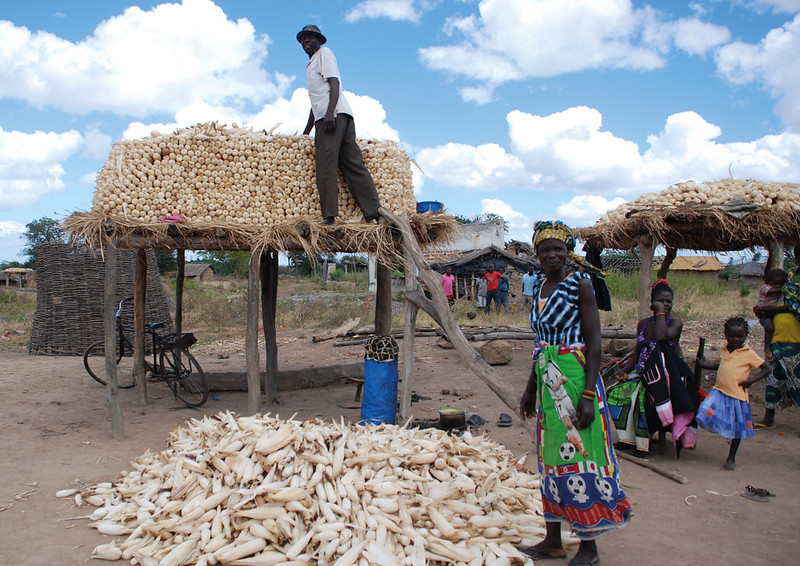 In sub-Saharan Africa, limited access to properly refrigerated goods means that as much as 50% of perishable produce never reaches the market, most prominently dairy, fish, fruits, and vegetables, items that are extremely valuable in this region. The continent loses $1.2 billion annually due to poor refrigeration and infrastructure, with 600 million people living without consistent access to electricity, affecting their ability to properly store food. These losses undermine hunger relief efforts and therefore hold farmers in a repetitive cycle of low income, affecting their ability to produce quality goods.
Solar Refrigeration Steps In
Companies like Sokofresh are utilizing solar-powered cold storage in Africa which is a clean, off-grid alternative to diesel-based systems. This enables farmers to preserve their perishable goods for up to 21 extra days, extending selling windows and increasing revenue potential.
Based in Nigeria, ColdHubs provides 100% solar-powered, walk-in cold rooms at rural hubs to combat post-harvest food waste for farmers. These units can store up to three tonnes and serve numerous small-scale farmers and fishers. This has ultimately reduced spoilage during transportation by up to 80%.
At the same time, Koolboks delivers solar-powered refrigeration and freezers to the Nigerian market traders to aid their protection of stock during frequent outages.
In Kenya, Sokofresh’s model helps farmers band together to access and share storage, helping them significantly cutting waste. ColdHubs’ network across 54 sites provides accessible refrigeration while generating local jobs and improving produce value.
As well as this, Uganda is implementing innovative strategies to empower female farmers, extend the shelf life of harvests, and strengthen local markets. This approach maximises available resources and serves as a model for reducing food waste and providing relief across Africa.
Barriers to Scaling Solar Cold Storage in Africa
However, there continues to be barriers as in Tanzania, up to 50% of tomato harvests spoil before reaching consumers due to a scarcity of cold storage. Significant obstacles are preventing Tanzania from introducing solar-powered storage, including institutional and technological barriers, foreign investment and aid to electrification project that require reshaping.
From the strides Nigeria has made in improving their food storage, this has awoken Rwanda’s eyes in attempting to reduce its food wastage by utilizing solar-powered storage. The model uses solar energy to complement Rwanda’s initiatives to reduce their post-harvest loss whilst increasing their green energy and cutting carbon emissions.
Cooling Towards Prosperity
Solar-powered cold storage has made significant differences in a multitude of countries all around Africa. Protecting the post-harvest quality, reducing waste and helping preserve farmers’ goods, this innovation supports food security, gender equity, and sustainable rural economies. This solar-powered solution can significantly reduce the $1.2 billion annual waste of improperly stored food and help provide wider access to food for those without consistent electrical connections.
– Carise Wallbank
Carise is based in the United Kingdom and focuses on Global Health for The Borgen Project.
Photo: Flickr
