• Link to X
  • Link to Facebook
  • Link to Instagram
  • Link to TikTok
  • Link to Youtube
  • About
    • About Us
      • President
      • Board of Directors
      • Board of Advisors
      • Financials
      • Our Methodology
      • Success Tracker
      • Contact
  • Act Now
    • 30 Ways to Help
      • Email Congress
      • Call Congress
      • Volunteer
      • Courses & Certificates
      • Be a Donor
    • Internships
      • In-Office Internships
      • Remote Internships
    • Legislation
      • Politics 101
  • The Blog
  • The Podcast
  • Magazine
  • Donate
  • Click to open the search input field Click to open the search input field Search
  • Menu Menu

Archive for category: Global Poverty

Key articles and information on global poverty.

Africa, Education, Global Poverty, Technology

Expanding Digital Access and Education in Rural Kenya

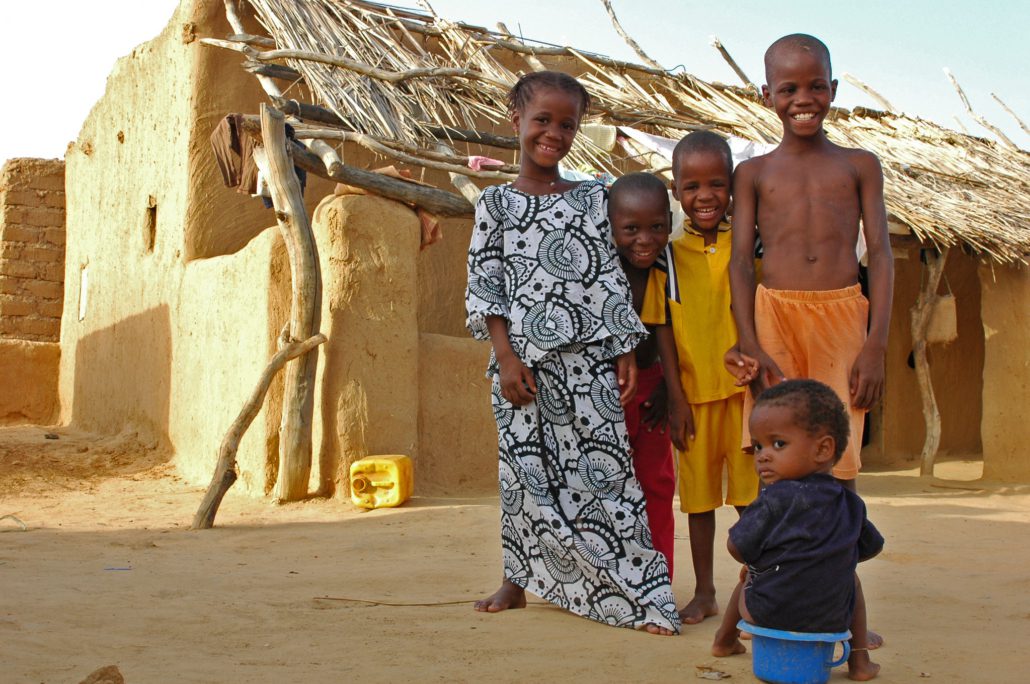
Education in Rural KenyaKenya, located in East Africa, has a rather complex educational history that has evolved from colonial and missionary influences to the current structure. Initially, digital access and education in rural Kenya were considered segregated. There was a strong focus on serving the interests of the colonial powers and religious institutions rather than being seen as a source for the people of Kenya.

Kenya operates an education system that is structured around a 2-6-6-3 framework. This framework includes no more than two years of “pre-primary,” six years of primary, six years of secondary, which is split into three years of junior and three years of senior secondary and a minimum of three years of tertiary education.

COVID-19 and the Kenyan Education System

Children have had to endure more than what most people would consider a “fair amount” when it comes to the education switches in Kenya during the worldwide COVID-19 pandemic. In 2020, school closures disrupted learning for more than 17 million children. In 2021, it was encouraging to see things seemingly return to normal. With children scoring higher test results and a safe return to school, everything seemed to be back on track.

However, for many of Kenya’s children, the return to school did not coincide with a return to normality. This was mainly due to the learning loss that both younger and rural children experienced in 2020 and because some children have still not returned to school. This resulted in what seemed like a lost hope for learning and education in rural Kenya.

According to an article published by Whizz Education titled “Measuring the Impact of COVID-19 on Learning in Rural Kenya,” it was found that 53% of students show declines in their levels of maths knowledge or “maths age.” The average loss among those students was 13 months, meaning that their maths age had regressed by more than a year from where it was before the start of school closures.

The learning loss was greater in the lower grades than the higher ones, which is most likely why these results were not reflected in exams. Girls were far more impacted than boys. Additionally, much more than their counterparts in richer urban areas, those in poorer rural regions experienced an increase in already existing inequalities. If children lost math skills during school closures, it is safe to assume they also lost reading, writing and other crucial skills.

The Digital Literacy Program

Launched in 2013, Kenya’s Digital Literacy Program (DLP) is a government initiative to integrate digital technologies such as laptops, tablets and projectors. It also includes tools like DLP content servers, digital wireless routers and power solutions, including solar power for off-grid schools. The program’s overall goal is to expand and improve education in rural Kenya.

Kenya’s DLP has connected rural communities in Kenya to a broader variety of information that goes beyond the scope of just Africa. Furthermore, using digital learning tools has increased student engagement in recent years, promoting a more engaging and relevant school environment for students.

This program has also fostered community development by enabling students and residents to participate in various online activities, connect with others and explore economic and educational opportunities.

Looking Forward

To this day, initiatives are being put in place to help Kenya expand its digital access for education. One of these key initiatives is called the National Digital Masterplan. This plan aims to improve digital literacy in schools by focusing on the digital infrastructure, government services, skills development and innovation.

Another key initiative to help Kenya expand its digital access for education is known as the DigiSchool Connectivity Project. This collaborative initiative in Kenya focuses on integrating Information and Communication Technology (ICT) into everyday teaching. Led by Kenya’s Ministry of Education and ICT Authority, also in partnership with UNESCO and Huawei, this project’s goal is to provide safe and reliable internet access to schools all across Africa. It has already been implemented in two phases, connecting approximately 34 schools and six special education schools.

– Simone Sanchez

Simone is based in Huntington, NY, US and focuses on Technology and Solutions for The Borgen Project.

Photo: Flickr

September 29, 2025
https://borgenproject.org/wp-content/uploads/borgen-project-logo.svg 0 0 Lynsey 2 https://borgenproject.org/wp-content/uploads/borgen-project-logo.svg Lynsey 22025-09-29 07:30:492025-09-28 23:44:38Expanding Digital Access and Education in Rural Kenya
Electricity and Power, Food Security, Global Poverty

Food and Electricity: Cuban Mothers’ Activism Against Poverty

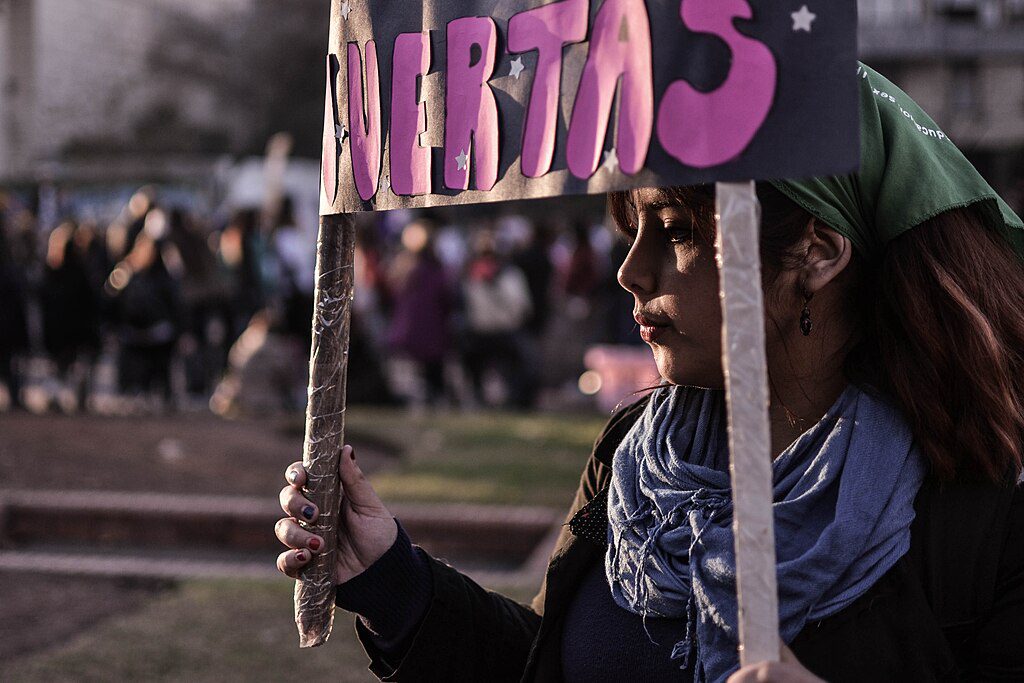
Cuban Mothers“Food and electricity” has been the rallying cry for Cuban citizens since the 2021 Cuban protests. In July 2021, Cubans took to the streets in record numbers to protest the COVID-19 response, scarcity of food and medicines and governmental restrictions on their rights. Continuing blackouts due to the energy sector’s collapse fueled protests. As of early 2025, only six of the country’s 15 oil-powered plants remained functional.

The blackouts paralyzed businesses, disrupted schools and caused mass spoilage of household food. According to reports by civil society organizations, around 290 protests driven by the National Electric Power System collapse took place between June 2024 and June 2025. Other factors have spurred the demonstrations, such as the decades-long U.S. embargo, which began in 1958 and has since tightened under the Trump administration; currency reform, which led to soaring inflation; and the COVID-19 pandemic.

These protests have been marked with resilience, especially by Cuban mothers who have been leading the charge. Cuban mothers’ activism has been the loudest, filling the void in the protest movement.

Mothers on the Front Line

Forced to bear the weight of being both caregivers and wage-owners, mothers in Cuba, especially single mothers, bear the brunt of the economic hardships disproportionately. Becoming the main opposition to the Cuban regime, Cuban matriarchs are demanding basic needs such as food, water, electricity, health care and housing. Worried about how the living and economic conditions may impact the lives of their children, Cuban mothers’ activism has brought these issues to the fore.

One poignant example of mothers spearheading the protest movement is 33-year-old Amelia Calzadilla. In a social media video, Calzadilla asked local authorities to run a gas line to her block, one of the few areas in Havana that does not have government-provided gas service. Since her initial video, she began sharing more openly antigovernment stances about Cuba’s deteriorating living conditions. Juggling activism, a paid occupation and caring for three children, Calzadilla represents the multifaceted pressures Cuban women are facing.

In more recent protests, mothers who were unable to feed their children have blocked highways. During the country’s frequent blackouts, matriarchs are protesting through the streets, banging pots and pans until the electricity resumes. Local media reports that more than 30 of these protests occurred in 2023. Women have also been the most vocal in denouncing the government’s detention of at least 45 minors for their participation in the 2021 protests. They have called out children being detained and interrogated without the presence of adults.

Moving Forward

Cuban mothers’ activism has become a formidable force, confronting social and economic issues while they shoulder the weight of being a matriarch. Their feat is all the more monumental considering the danger of detention that protestors face.

– Libby Foxwell

Libby is based in Sherborne, Dorset, UK and focuses on Politics for The Borgen Project.

Photo: Wikimedia Commons

September 29, 2025
https://borgenproject.org/wp-content/uploads/borgen-project-logo.svg 0 0 Lynsey 2 https://borgenproject.org/wp-content/uploads/borgen-project-logo.svg Lynsey 22025-09-29 07:30:032025-09-28 23:37:31Food and Electricity: Cuban Mothers’ Activism Against Poverty
Entertainment, Global Poverty, Tourism

A Party against Poverty: Caribbean Carnivals Impact

Caribbean Carnivals ImpactThe impact of Caribbean carnivals across the region has helped the vibrant celebrations transcend into the realm of socio-economic development for locals. Every year, thousands of international tourists flock to the Caribbean for the atmosphere, sounds and cultural experiences that carnivals offer. For locals, equating carnival with community has shown how these celebrations can encourage collaboration, drive sustainability and bring prosperity to a region that consistently showcases creative talent.

While carnivals characteristically personify positivity and togetherness, the unstable tropical climate, combined with the repercussions of COVID-19 in the Caribbean, are two key reasons for slowed development in the region. By 2030, the United Nations (U.N.) projects that climate change will cause an additional 100 million people to suffer from conditions of extreme poverty. Natural disasters such as hurricanes and earthquakes have increasingly plagued the fragile islands of the Caribbean, leaving life-changing damage to property and devastation in their midst.

The severe implications of the global pandemic have also highlighted how important carnival is to economic growth. Without commercial and tourist interest, the monetary rewards and employment opportunities created by carnival can no longer be assured. Now that COVID-related travel restrictions have been lifted, the economic recovery of these island nations has revolved around a larger annual celebration of carnival.

Cruising into Celebration

Conventionally arriving in the Caribbean by plane or boat, international tourists come to experience the iconic impact and cultural showcases that carnivals offer. Having arrived on sandy shores, tourists seek to indulge in local festivals, cuisine and events which revolve around carnival season. On the picturesque island of Saint Vincent and the Grenadines, the Vincy Mas carnival takes months to prepare, opening up job vacancies such as event organizers, costume curators and float designers. These paid responsibilities are examples of longer-term contract roles that are available for native islanders to get involved in. The tourist demand for extra lavishness, pomp and splendor continues to drive the capacity and standards of carnivals year on year. In Vincy Mas alone, the 2022 Miss SVG contest generated more than $100,000 in revenue.

Alongside an increase in employment opportunities for local residents, carnival spectators are not limited to international tourists. The celebrations also have a powerful ability to unite Caribbean communities. In Trinidad and Tobago, carnival has an institutional dimension. Unlike other festivals with religious or political affiliations, carnival unifies people through creative dance, performance and expression. By appealing to those historically marginalized, carnival plays an important role in promoting the interests of the Caribbean community.

The National Carnival Commission of Trinidad and Tobago (NCC) has overseen the development of carnival enterprises since the 1990s. As a result, the festival has attracted one of the largest crowds in the Caribbean and promotes values of collaboration, equality and togetherness. This sense of community identity reinforces the impact of Caribbean carnival on development initiatives.

Procession, Publicity and Promoting Development

The creative forms of communication and expression are broadcast to thousands of people annually. In Antigua and Barbuda, the Antiguan government chose to promote its 2024 Sustainable Development Goals (SDGs) on a carnival float paraded through bustling streets. Using Caribbean carnival impact to grow public awareness for sustainable development initiatives enables governments to outline pathways toward ‘poverty alleviation’ and ‘well-being amongst others.’ The carnival float has a visual appeal that official documents or speeches do not.

Furthermore, official U.N. initiatives promoting development and climate awareness projects have recently adopted a carnival-style approach to relaying important messages. The 2025 Small Island Future Festival held in Barbados incorporated performances and showcases from more than 100 different creatives. An opening address by Mrs. Limya Eltayeb of the United Nations Development Program (UNDP) encouraged the Caribbean to work as a collaborative network of island nations striving to achieve sustainable targets by 2030. The festival championed innovative measures, such as tackling the dangerous rise of Sargassum algae arriving on once pristine coastlines.

Looking Ahead

Caribbean carnivals continue to have an impact on the Caribbean economy. Festivals across the region draw large numbers of tourists and create job opportunities for local residents. Beyond tourism, carnival has also been used to raise awareness of inequality and poverty brought on by natural disasters and the pandemic. The celebrations unite Caribbean communities through dance, performance and music and local governments increasingly use carnival as a platform to promote sustainability and crisis management.

– Ash Fowkes-Gajan

Ash is based in London and focuses on Good News and Politics for The Borgen Project.

Photo: Unsplash

September 29, 2025
https://borgenproject.org/wp-content/uploads/borgen-project-logo.svg 0 0 Precious Sheidu https://borgenproject.org/wp-content/uploads/borgen-project-logo.svg Precious Sheidu2025-09-29 03:00:252025-09-28 23:21:21A Party against Poverty: Caribbean Carnivals Impact
Global Poverty, Refugees, Refugees and Displaced Persons

The African Nation Leading the World: Uganda’s Refugees

Uganda's RefugeesHosting the most asylum-seekers in Africa and the fifth most in the world, Uganda offers refugees a safe and welcoming place. The country employs an open-door policy to help anyone in need. Currently, more than 1.7 million refugees live in Uganda, most from neighboring countries facing humanitarian crises. Many have come from the Democratic Republic of Congo, South Sudan and Somalia—countries battling war or terrorism. About 54% of Uganda’s refugees are children and 26% are women, many of whom have lost their families and endured severe sexual and physical violence. For many, Uganda is the first safe place they have experienced.

Uganda’s commitment to hosting refugees goes beyond providing shelter. The government, along with international organizations, has implemented initiatives to help refugees rebuild their lives. These efforts reflect the country’s broader approach to refugee welfare, turning policy into tangible support for millions of displaced people.

Support Available to Uganda’s Refugees

  • Land. Uganda offers refugees small plots of land to grow and cultivate food. About 78% of rural refugees own agricultural land. This not only helps refugees support themselves and their families but also boosts Uganda’s economy and is a key reason the country can house so many.
  • Education. All child refugees receive a free education. There are also initiatives beyond basic schooling, including programs for adults. The U.N. High Commissioner for Refugees (UNHCR) has worked in the country to help prevent gender-based violence (GBV). A total of 135,080 men, women and children took part in a program that increased awareness of GBV, particularly male accountability. In addition, 27% of child refugees aged 5 to 17 received support for psychosocial development and 20,000 parents and caregivers received positive parenting training to strengthen child well-being and safety.
  • Green Initiative. By December 2024, 68,062 refugee and host community households in Uganda had received energy-efficient cookstoves, covering 44.5% of refugee households since 2020 and reaching 75.6% of the 2024 response plan target. Refugees also produced 45.1 tons of briquettes, most of which were sold for income. The cookstoves improved daily life as well, providing a cleaner option that helps prevent respiratory issues.
  • Health Care. As well as receiving free basic health care, Ugandan refugees are vaccinated to prevent potential pandemics. The Global Alliance for Vaccines and Immunization (GAVI) and the United Nations Children’s Fund (UNICEF) supplied 98.1% of refugees in Uganda with the measles vaccination. Although reports of outbreaks appeared in various refugee settlements, all were resolved with zero casualties.

The Future of Uganda’s Refugees

Uganda’s struggle with economic hardship raises questions about the future of refugees in the country. The number of struggling neighboring countries has led to a large influx of refugees, adding further stress on resources.

Although refugees feel safe, their quality of life remains imperfect. Schools and health facilities are overcrowded, reducing the quality of care and education for both refugees and hosts. In addition, 48% of asylum-seekers live in poverty and many blame Uganda’s self-reliance strategies and livelihood training. After receiving land, many refugees are responsible for their own survival, yet the training beforehand is not comprehensive. Beyond farming, job opportunities for refugees are limited, particularly since Uganda was already facing high unemployment before the influx of asylum seekers.

Multiple organizations are working to alleviate the pressure on resources. The U.N. High Commissioner for Refugees (UNHCR) is active in the country, partnering with local and global nongovernmental organizations (NGOs) to provide various types of aid. UNICEF and GAVI address health concerns, including vaccination programs. In addition, the United Nations World Food Programme (WFP) supports 660,000 refugees in Uganda and recently received €5 million from the European Union (EU) to continue its mission. RISE is also working to improve education and aims to reach 85,372 children and 12,264 teachers.

Looking Ahead

Overall, to continue supporting vulnerable refugees, Uganda needs support and funding from global organizations. Better training for asylum seekers before they receive land, as well as access to more public facilities for the entire population, is also needed. This could be challenging, as countries around the world are reducing foreign aid and organizations are already struggling with funding. WFP, for example, had to halt food assistance to nearly one million refugees, while others received reduced rations. Uganda’s generosity has set a global example and the future of its refugees depends on continued international support.

– Lysia Wright

Lysia is based in Derby, UK and focuses on Global Health and Politics for The Borgen Project.

Photo: Flickr

September 29, 2025
https://borgenproject.org/wp-content/uploads/borgen-project-logo.svg 0 0 Precious Sheidu https://borgenproject.org/wp-content/uploads/borgen-project-logo.svg Precious Sheidu2025-09-29 03:00:002025-09-28 23:30:45The African Nation Leading the World: Uganda’s Refugees
elderly poverty, Global Poverty, Health

Elderly Poverty in Andorra: Navigating a Rapidly Aging Future

Elderly Poverty in AndorraElderly poverty in Andorra poses challenges, but also opens the door for innovation. By focusing on disease prevention, healthy aging and stronger social protections, the country can reduce health care costs while empowering seniors to stay active and valued. This can only be possible with strategic reforms. Andorra is set to lead Europe in building a sustainable, dignified future and demographic change.

Elderly Poverty in Andorra

 In Andorra, about 22% of retirees – people aged 65 and older — are considered at risk of poverty. That is higher than the overall poverty risk of 13%. Without social benefits, the elderly poverty rate could climb nearly 30%.

Several factors contribute to this elevated risk of elderly poverty. One key issue is inequality in the pension system as many long-term contributors receive contributory pensions below the minimum wage (currently around 1,431 euros each month), whereas non-contributory solidarity pensions can be significantly higher—sometimes even three times as much—creating unfair disparities among retirees.      

Experts have predicted that the elderly age group in Andorra will increase at the quickest rate in Europe due to rising life expectancy and falling fertility. In the absence of improvements, Andorra’s health care and pension spending will likely rise 8.8 percentage points of GDP by 2050 compared to 2022. This increase may severely strain state finances, necessitating changes to other spending, an increase in revenue, or a rise in the national debt. Any nation must make these kinds of adjustments, but a microstate like Andorra, which is more prone to shocks, will likely find it especially difficult. 

Health Care in Andorra

In 2022, adults 65 and older made up 15% of Andorra’s population — among the lowest shares in the EU — but the figure is expected to climb to 37% by 2050, the highest among its peers, U.N. data shows. The shares for residents 80 and older is projected to rise from 4% to 13% in the same period, driving up health care costs, as this age group spends more than three times its population share on care, according to CASS.

Early disease detection and prevention can reduce health care costs, especially as Andorra’s growing elderly poverty requires more care. By promoting healthy aging and expanding prevention programs, like routine checks, the country can improve productivity, extend working years, strengthen pensions and limit medical expenses.

Pensions in Andorra

Andorra’s government is proposing a minimum pension for contributory pensions that is equal to the minimum wage to help address elderly poverty. Prerequisites for the pension are that applicants have contributed to it for at least 40 years and have not chosen to retire early.

On June 1, 2025, the Andorran government chose to boost the pension for low-income retirees and raised Social Security pensions that fell below the minimum inter-professional wage by 3.67%. Individuals who have contributed for at least 25 years will qualify for retirement pensions, and widows’ and widowers’ pensions. The government also offers pensions for illnesses related to work, and disability pensions for both occupational and non-occupational accidents. for common work-related illnesses.

The Takeaway

Andorra’s aging population, while challenging, presents an opportunity for reform and growth. By investing in prevention, promoting healthy aging and aligning pensions with the minimum wage, the country can protect vulnerable seniors, lower the risk of elderly poverty in Andorra, reduce health care costs and extend workforce participation. With smart planning, these measures could turn demographic pressures into sustainable and dignified models, positioning Andorra as a leader in adapting to Europe’s demographic shifts. 

– Joshua Pettis

Joshua is based in Houston, TX, USA and focuses on Global Health and Celebs for The Borgen Project.

Photo: Unsplash

September 29, 2025
https://borgenproject.org/wp-content/uploads/borgen-project-logo.svg 0 0 Jennifer Philipp https://borgenproject.org/wp-content/uploads/borgen-project-logo.svg Jennifer Philipp2025-09-29 01:30:502025-10-02 15:53:03Elderly Poverty in Andorra: Navigating a Rapidly Aging Future
Global Poverty, Legislations and Policies

5 Lawmakers Supporting Global Poverty Through Bipartisan Action

5 Lawmakers Supporting Global Poverty Through Bipartisan Action As the United States (U.S.) political spotlight beams elsewhere, a bipartisan group of lawmakers is quietly advancing global poverty relief through appropriations, legislation and advocacy that deliver transformative impact abroad. Sen. Chris Coons (D-D.E.), Rep. Joaquin Castro (D-T.X.), Sen. Lindsey Graham (R-S.C.), Rep. Brian Fitzpatrick (R-P.A.) and Sen. Jeanne Shaheen (D-N.H.) work across the aisle to sustain investment in global health, food aid and gender equity. Their efforts underscore how U.S. foreign engagement, especially lawmakers supporting global poverty, can reflect both humanitarian values and national interest.

5 Lawmakers Supporting Global Poverty

  1. Sen. Jeanne Shaheen (D-N.H.): Champion for Gender Equity. Since 2023, Shaheen has served as Ranking Member of the Senate Foreign Relations Committee, becoming the first woman to hold the position. She co-sponsored the Global HER Act to permanently abolish the Global Gag Rule and reinstate financing for the U.N. Population Fund (UNFPA). Additionally, in July 2025, Shaheen negotiated with Senators Risch and the administration to secure the release of $75 million in foreign aid, $50 million allocated for Haiti and $25 million for Nigeria, targeted at food and medical help. On April 2, 2025, she convened a Senate Foreign Relations roundtable to examine the ramifications of assistance reductions. She underscored that the cessation of mother and child health programs would undermine advancements in vaccinations, HIV prevention, malaria management, neonatal care and water, sanitation and that USAID’s emergency response framework and significant disease-prevention initiatives were jeopardized.
  2. Sen. Chris Coons (D-D.E.): The Power Player in Foreign Aid. Over the years, Coons has emphasized the importance of critical foreign assistance portfolios, including United States Agency for International Development (USAID), President’s Emergency Plan for AIDS Relief (PEPFAR) and the Global Fund. In early 2025, he proposed a Senate resolution reiterating the strategic role of USAID in national security. On the Senate floor after the 2025 executive freeze of USAID, he cautioned: “Our biggest global competitor…is delighted that we’ve handed them an opportunity to say to communities around the world that we are not a reliable partner.” Coons co-sponsored the Global Child Thrive Act with bipartisan colleagues, demonstrating his enduring commitment to early childhood development internationally. He observed: “With nearly 250 million children in low and middle income countries suffering from poor development…this bill will improve efforts by the U.S. to advance early childhood development policies across the world.”
  3. Rep. Joaquin Castro (D-T.X.): Innovating Aid, Prioritizing Refugees. Castro, a member of the House Foreign Affairs and Intelligence Committees, is a vocal proponent of refugee initiatives and humanitarian innovation. He co-sponsored the Fostering Innovation in Global Development Act, asserting that it reinstates USAID as a preeminent leader in global development via the promotion of evidence-based programs. He also joined Coons and Fitzpatrick in championing the Global Child Thrive Act, declaring: “To help all kids succeed…it’s never been more important that we show that same commitment on a global scale.” Castro has emphasized refugee displacement and human rights, advocating for augmented humanitarian assistance in situations impacting the Rohingya and Venezuelan communities. In a 2017 House Foreign Affairs Committee hearing, Rep. Castro fervently addressed the situation of the Rohingya, emphasizing the humanitarian crisis and the U.S. relief response. Specifically, he noted: “This is an incredible time… in Southeast Asia, the Rohingya have been dispossessed.” Rep. Castro emphasized that the U.S. must do its share to alleviate the severe humanitarian situation that Venezuelans confront at home as they continue to escape tyranny and instability when he co-introduced the AFFECT Human Rights in Venezuela Act in 2022. This act aimed to guarantee that humanitarian assistance was sent directly to Venezuelan migrants and refugees, illustrating Castro’s commitment to aiding displaced individuals.
  4. Sen. Lindsey Graham (R-S.C.): Conservative Bridge-builder on Aid. Graham, a steadfast advocate for international health financing, has justified initiatives such as the Global Fund and PEPFAR based on national security considerations. He referred to foreign aid as “national security insurance” and endorsed letters supporting PEPFAR and USAID for 2024–25. Even amid partisan debates, Graham helped preserve nearly $5.15 billion in PEPFAR funding for fiscal year 2025, resisting efforts that would have weakened the global HIV/AIDS response.
  5. Rep. Brian Fitzpatrick (R-P.A.): Health & Food Security Advocate. Rep. Fitzpatrick has consistently prioritized nutrition and health in foreign aid. As a House Foreign Affairs Committee member, he co-sponsored the Global Child Thrive Act and helped pass it into law. In August 2023, Rep. Fitzpatrick, along with Representatives Blumenauer and Krishnamoorthi, urged the Biden administration to enhance emergency international food assistance, particularly Ready-to-Use Therapeutic Food (RUTF), to address escalating world famine. He stated: “Food insecurity affects hundreds of millions of individuals and families worldwide… Ready-to-Use Therapeutic Food (RUTF) is proven to save the lives of children lacking access to nutrition.” As one of the most active lawmakers supporting global poverty in the House, Fitzpatrick’s bipartisan cooperation reflects a pragmatic approach to international aid.

Looking Ahead

In turbulent policy times, Sen. Coons, Rep. Castro, Sen. Graham, Rep. Fitzpatrick and Sen. Shaheen form a bipartisan group focused on advancing global poverty relief. Their actions demonstrate that addressing global poverty involves not only compassion, but also policy, stability and international engagement. Through appropriations debates, legislation and continued advocacy, these lawmakers support programs that assist vulnerable communities while aligning with U.S. strategic interests and reinforcing the country’s role in global development.

– Ray Bechara

Ray is based in Glasgow, Scotland and focuses on Good News and Politics for The Borgen Project.

Photo: Flickr

September 29, 2025
https://borgenproject.org/wp-content/uploads/borgen-project-logo.svg 0 0 Precious Sheidu https://borgenproject.org/wp-content/uploads/borgen-project-logo.svg Precious Sheidu2025-09-29 01:30:132025-09-28 23:03:595 Lawmakers Supporting Global Poverty Through Bipartisan Action
Global Poverty, Indigenous Peoples, Nonprofit Organizations and NGOs

Understanding Poverty Among the Orang Asli in Malaysia

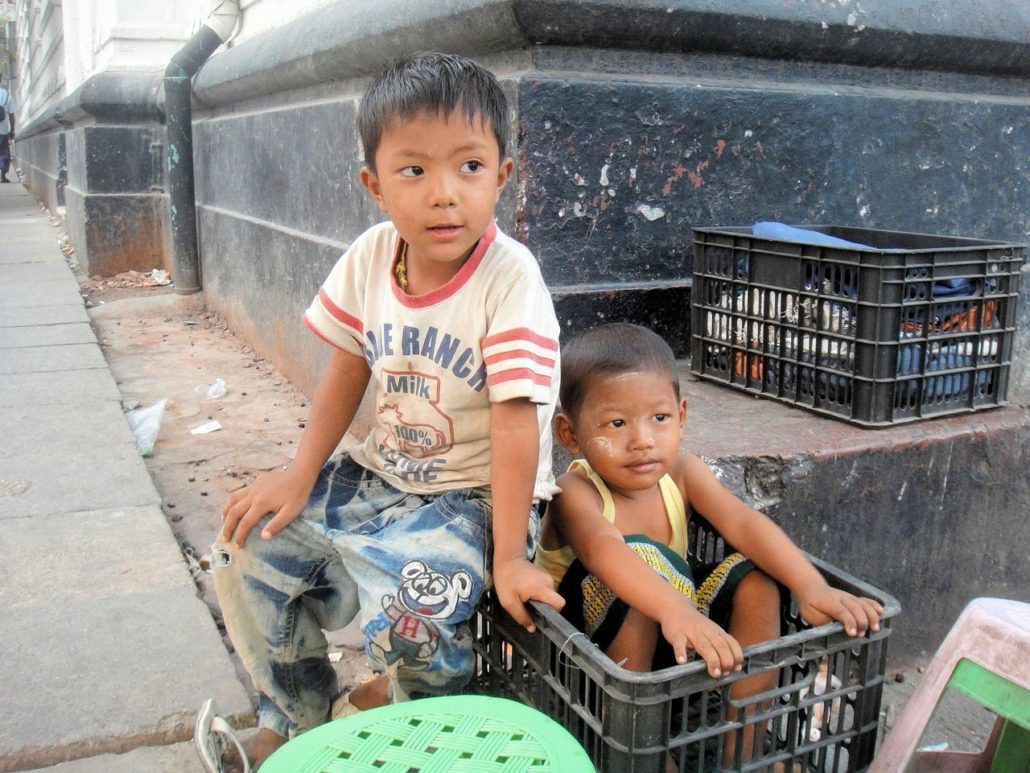
Orang Asli in MalaysiaOrang Asli is the collective name for the various Indigenous communities in Peninsular Malaysia. Orang Asli is translated as the “original people” in Malay and is used to describe the estimated 18 ethnic groups in Malaysia. The Orang Asli communities have various traditional lifestyles, including hunting and gathering, hill rice cultivation, along with semi-nomadic groups known as the Negritos and coastal fishing communities such as the Orang Seletar and Mah Meri.

Most Orang Asli communities practice subsistence farming with surplus crops sold to neighboring villages to supplement income. Most of these communities depend on the local environment for their lifestyle; local rivers are used for drinking water, agriculture, washing and transport to other communities or urban areas.

The Orang Asli make up 13.8% of Malaysia’s population. Yet, 80% live below the global poverty line. Additionally, the infant mortality rate for the Orang Asli is 51.7% compared to the national Malaysian average of 8.9%, due to inadequate access to health infrastructure.

Land Rights and Environmental Pressures

Orang Asli live on land designated by the Aborigines Act of 1954, which was created under British colonial rule. This act deems that the Malaysian government owns all land. The Orang Alsi are established as “tenants at will” and only given minimal financial compensation for encroachment. Land encroachment forces the Orang Alsi to leave their traditional lifestyle and settle in urban areas.

Government initiatives since the ’60s have focused on integrating the Orang Asli into urban society. Schemes include the introduction of cash crop agriculture and actively discouraging the hunter/gatherer lifestyle that the Orang Asli use. The Orang Asli have a sustainable lifestyle and only take what they need from the surrounding forest, keeping an equilibrium in the areas entrusted to the Orang Asli communities.

This contrasts with harsh economic development practices that have relied on rapid deforestation for monetary gain, causing mudslides, floods and soil erosion. Deforestation to make room for oil palm plantations greatly contributes to the increased poverty levels among the Orang Asli. Palm oil provides 2.5% of Malaysia’s GDP in 2021, with government officials using financial incentives to buy off Orang Asli headmen.

Land inhabited by the Orang Asli is targeted because they lack the means to advocate for themselves. Malaysia’s economic improvement strategies include hydroelectric dams to meet its expectations for renewable energy by 2050. However, it is disrupting the Orang Asli rivers, which hold spiritually significant areas of importance.

Without access to forested regions, the Orang Alsi have their rights to food, clean water and access to health and education infrastructure jeopardized.

Education and Social Marginalization

Many Orang Asli who withdrew from school expressed concerns about the lack of transport, support, and resources to access government-built schools. However, education is a key component of poverty alleviation; without it, many remain unable to improve their living conditions.

The Orang Asli also face cultural marginalization. Their lifestyle is often viewed as primitive by the wider Malaysian government. Deforestation hinders their cultural identity and unique livelihoods and places their entire way of life at risk.

Strategies To Help the Orang Asli Communities in Malaysia

Nongovernmental organizations (NGOs) such as Pusat KOMAS in Malaysia raise advocacy for human rights issues surrounding the Orang Asli. It particularly focuses on racial discrimination that the Orang Asli face in wider society. Humanitarian Affairs Asia assembles volunteers to redevelop primary schools for Orang Asli communities, ensuring they are easily accessible.

Furthermore, the Malaysian government launched the Shared Prosperity Vision as a blueprint for 2030. It addresses various social and economic problems affecting the Orang Asli, including welfare assistance, legal protections and reducing inequality within their communities. Financial contributions of $19 million have been allocated to JAKOA (Department of Indigenous People Development) to improve socioeconomic status, such as upgrading existing health facilities.

The Jahai Jeli school scheme is an innovative strategy that targets community inclusion. It uses a culturally receptive school curriculum to foster a collaborative relationship between the school and the wider community. The scheme was a trial project between 2018 and 2020. It showed promising results, including increased Orang Asli involvement at national decision-making levels.

The importance of the Orang Asli maintaining cultural agency, such as preserving their language, religious beliefs and environmental ownership, should coexist within poverty reduction frameworks.

– Liberty Whitford Webb

Liberty is based in London, UK and focuses on Good News and Politics for The Borgen Project.

Photo: Flickr

September 28, 2025
https://borgenproject.org/wp-content/uploads/borgen-project-logo.svg 0 0 Lynsey 2 https://borgenproject.org/wp-content/uploads/borgen-project-logo.svg Lynsey 22025-09-28 07:30:432025-09-28 01:32:56Understanding Poverty Among the Orang Asli in Malaysia
Global Poverty, Innovations, Technology

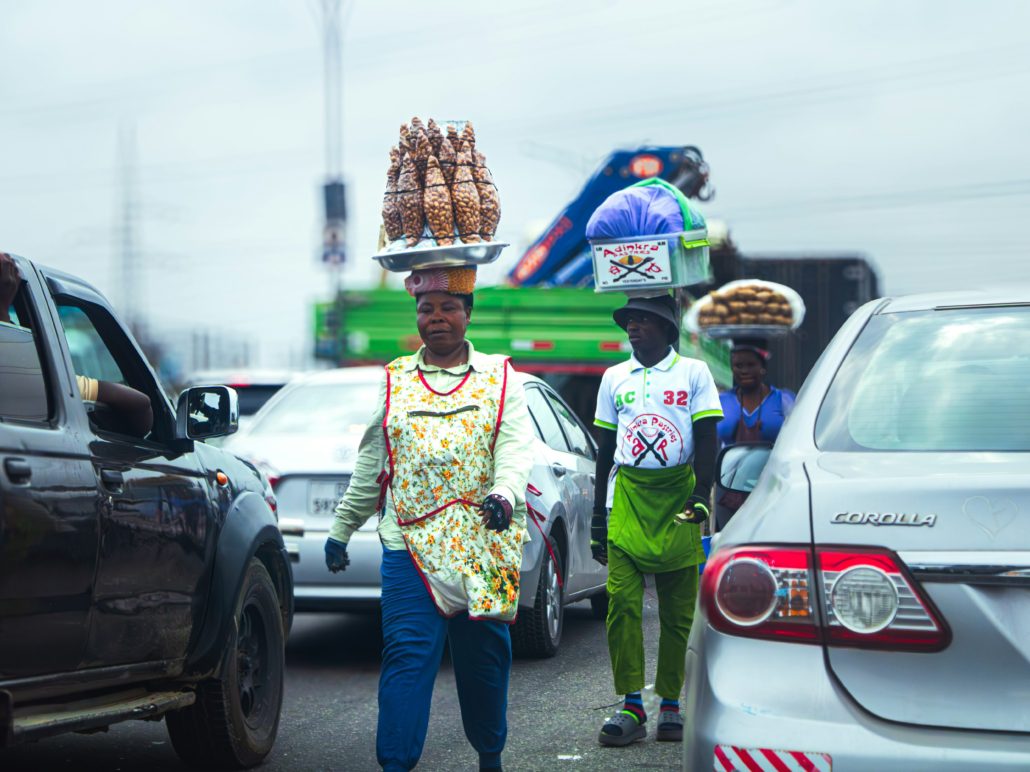
The Silicon Valleys of Africa: The Burgeoning Tech Hubs in Africa

Tech Hubs in AfricaThe media often depicts Africa as a deeply impoverished continent, where governments struggle to provide basic resources for their populations and rely heavily on Western aid. While Africa does suffer from some of the highest rates of poverty in the world, the entire picture is multifaceted.

It is an incredibly resource-rich continent that has been the victim of colonial exploitation. While the imagery of malnourished children with bloated stomachs draws sympathy, it does not tell the whole story. In truth, there are many thriving industries and burgeoning hubs in Africa.

Africa is the fastest-growing continent in terms of population and aid creates a pathway for future profitable trade relations. Aid should not focus only on short-term fixes but also on long-term paths to autonomy for African nations. Many cities are already prosperous markets that foster innovation. Here are three burgeoning tech hubs in Africa:

Lagos, Nigeria

Lagos has already established itself as one of the leading tech hubs of the future, not just in Africa, but globally. It ranked first in the Rising Stars category of Dealroom.co’s 2025 Tech Ecosystem Index, with a 1100% growth rate since 2017. There are five unicorns, private companies with valuations of more than $1 billion, based in Lagos.

The city provides a centralized market, as most industries are focused on the neighborhoods of Marina and Victoria Island, as opposed to the split markets of Johannesburg and Cape Town. Infrastructure currently poses a challenge to expansion in Lagos. It is difficult to “find anywhere in Lagos that would take 3,000 people in one go.” In response, Tech entrepreneur Iyin Aboyeji is building a 72,000-square-foot business park near the metro area.

Education is one of the foundations of upward mobility. Providing equal access to education is a way to improve the lives of those suffering and ensure that a nation’s best talent is placed in the proper roles. The Global Partnership for Education grant is a partnership between the United Kingdom’s Foreign, Commonwealth and Development Office and Nigeria’s Ministry of Education that provides funding for education initiatives within Nigeria.

The program has pledged $100 million in funding from 2024 to 2027. Some of its priorities include improving school infrastructure and teacher training in various facets of education.

Nairobi, Kenya

Nairobi, also known as Silicon Savannah, is one of the burgeoning tech hubs in Africa and has cemented itself as East Africa’s center of innovation. The international community is taking notice of Nairobi, as Microsoft has just invested $1 billion in a data center in Kenya. This will provide cloud computing through Microsoft Azure to East Africa.

M-Pesa, a mobile payment enterprise, is largely responsible for Nairobi’s rise as a tech hub. In 2007, it pioneered a secure platform that enabled people to transfer money using only their cellphones. The fintech sector has continued to expand, with other companies, such as M-Kopa, Lendable and Tala, basing their operations in Nairobi.

Incubators have also found a foothold in Silicon Savannah. The U.S. Embassy operates tech hubs for entrepreneurs who may not have proper access to technology. Both founded in 2010, iHub and Nailab are two incubators intended to accelerate African innovation and improve Kenya’s economic prosperity by bringing together creative thinkers and providing proper mentorship.

Programs that foster innovation will help maintain Nairobi’s growth and its status as one of the burgeoning tech hubs in Africa.

Kigali, Rwanda

Although currently a smaller market than the previous two cities, Kigali remains one of the burgeoning tech hubs in Africa. Unlike Nairobi’s private enterprise-driven expansion, Kigali maintains substantial support from Rwanda’s government. There has been a state-led effort for “digital transformation.” 4G or 5G currently enables 95% of the city.

The Kigali Innovation City is a business hub that houses universities, incubators and office spaces for emerging tech companies. Additionally, the city hosts the Africa Tech Summit. However, the city faces challenges like the infamous “brain drain.”

Because Kigali’s innovation efforts are public endeavors, salaries remain more lucrative in cities such as Nairobi and much of Kigali’s top talent is being lured out of Rwanda. The solution, once again, lies in education. In conjunction with Andela’s coding boot camp, institutions such as Carnegie Mellon University and African Leadership University produce approximately 2,600 tech graduates annually.

The Timbuktu Fund, sponsored by the United Nations Development Programme (UNDP), aims to foster startups around Africa. Programs like these help drive up wages and economic growth in places like Kigali, which in turn helps the city maintain its workforce.

Conclusion

Lagos, Nairobi, and Kigali show that Africa is redefining its story, from dependency to innovation. With growing investment, talent and education initiatives, these hubs are positioning the continent as a rising force in global technology.

– Patrick Feeney

Patrick is based in Los Angeles, CA, USA and focuses on Business and Technology for The Borgen Project.

Photo: Flickr

September 28, 2025
https://borgenproject.org/wp-content/uploads/borgen-project-logo.svg 0 0 Lynsey 2 https://borgenproject.org/wp-content/uploads/borgen-project-logo.svg Lynsey 22025-09-28 03:00:142025-09-28 01:01:51The Silicon Valleys of Africa: The Burgeoning Tech Hubs in Africa
Development, Global Poverty, Nonprofit Organizations and NGOs

Community Identity in Guyana

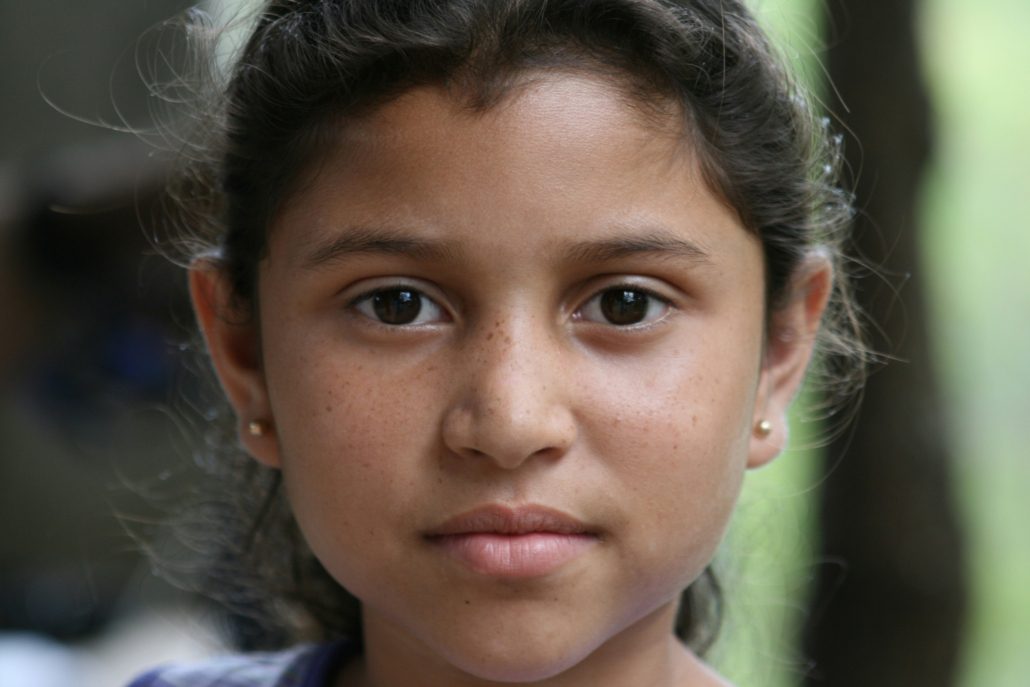
Community identity in GuyanaFrom the smell of curried goat at Georgetown’s Stabroek Market to the crash of the Kaieteur Falls in the Amazon, the developing country of Guyana in South America exudes diversity. This principle can also be applied to the increasing notion of community identity in Guyana, which aims to unite a land thriving with multiculturalism.

In 2019, 48.4% of the Guyana population lived below the poverty line of $5.50 per day. However, this worrying statistic provoked positive change in a nation striving to place its citizens at the heart of recent economic revival.

Grassroots Strategies for National Growth

President Dr. Mohamed Irfaan Ali has led political efforts to tackle disparities in living conditions and employment opportunities for Guyanese. He has recently sought to adopt a strategy centered on a campaign that involves “meeting residents at the grassroots level” rather than relying on the ever-fluctuating international market. As a result, self-dependency is tied to a strengthened facet of community identity in Guyana.

Outlined in the 2017 National Development Strategy, the government voiced strong concern over a de-skilled workforce caused by regional disparities within the country. The goals of recent legislation can be explained through a two-pronged approach:

  • Community-based initiatives that have specific regional interests at heart.
  • Nationwide approaches that seek to place all Guyanese at the forefront of national socioeconomic development.

Political Investment into Individual Communities

Community identity in Guyana has been central to developments revolving around a poverty reduction strategy under Ali’s administration. Regional strategies that target community initiatives have aimed to address problems unique to those living within the region. For example, the president visited residents living in Baracara village to emphasize agricultural production in the rural community.

Face-to-face contact between political representatives and their respective electorates ensures that policy-making adapts to the specific circumstances. The president visited communities in Georgetown to address urban issues such as unemployment. As a result of these discussions, more than 30 young people secured jobs, showing how domestic political engagement has directly improved the lives of Guyanese.

The Greater Guyana Initiative: Nonprofit Regional Partnerships

Alongside political efforts to strengthen community identity in Guyana, nonprofit organizations continue to run region-based programs. The Greater Guyana Initiative has supported communities nationwide with projects prioritizing local interests. In Potaro-Siparuni, Essequibo, the 2024 Hinterland Poultry “Egg Sandwich” Project Phase II has focused on egg production.

The organization has improved workplace machinery and equipment for workers in the region. As a result, the province has achieved at least a 75% hatchability rate, boosting both profit margins and workers’ salaries. The age of these workers is also an important consideration.

The Greater Guyana Initiative has taken active measures to provide opportunities for young people to remain in education. With child labor statistics in the Upper-Demerara Berbice region reaching 27.8%, nearly 10% above the national average, entrepreneurial programs have been offered as alternatives to full-time labor. These programs equip young adults with a skillset that encompasses both practical and analytical learning skills.

From 2024 to 2025, agriculture- and innovation-based initiatives were deployed across Guyana to boost youth employment in the industry. This pathway toward a promising career offers students an alternative to child labor, allowing them to apply skills gained from higher education. These carefully tailored initiatives highlight how organizations have sought to strengthen the domestic economy by improving the equipment and resources available to Guyanese.

At the same time, the targeted workers’ age reflects a moral commitment to reducing child labor in Potaro-Siparuni and Upper-Demerara Berbice. In essence, government and nonprofit organizations have recognized the potential of prioritizing domestic over international production.

Final Remarks

Locally based initiatives have carried national implications. A strengthened community identity in Guyana has brought greater focus to domestic output. As an alternative to international reliance, self-sufficiency has fostered a stronger national identity. With self-sufficiency comes greater community engagement with politicians, negotiations for better working conditions and improved salaries. Returning to the 2017 National Development Strategy, the long-term goal of repatriating the sizable Guyanese diaspora now appears increasingly attainable.

– Ash Fowkes-Gajan

Ash is based in London, UK and focuses on Good News and Politics for The Borgen Project.

Photo: Pexels
September 28, 2025
https://borgenproject.org/wp-content/uploads/borgen-project-logo.svg 0 0 Lynsey 2 https://borgenproject.org/wp-content/uploads/borgen-project-logo.svg Lynsey 22025-09-28 03:00:062025-09-28 01:23:55Community Identity in Guyana
Global Poverty, Natural Disaster

Organizations Assisting Mongolia After the Catastrophic Dzud

DzudKnown locally as the ‘white death’, a dzud is an extreme weather event that occurs in Mongolia when a harsh winter follows a summer drought. Temperatures can plummet to below -30 degrees and heavy snowfall blankets the country. Traditionally occurring every few years, climate change has impacted the frequency of this catastrophic weather event, causing some regions to experience it annually. The consequences can be particularly devastating for rural populations who rely on livestock for food and income.

The Impact of Dzud

The winter of 2022-2023 was particularly brutal. Mongolia saw 90% of its territory covered in a thick layer of snow, making it the heaviest snowfall the country had seen in 49 years. Millions of livestock died from the extreme cold, but many also died of malnutrition as only a minimal amount of food had been cultivated over the summer months due to the droughts the country faced. Unfortunately, it is the country’s herding population that suffers the hardest impact. The death of livestock often means a loss of livelihood for many, as it is through selling their produce that many families make a living.

The heavy snow also makes it difficult to get to markets during the winter and the reduction in food supply drives up market prices, making many at risk of suffering from malnutrition. According to the World Health Organization (WHO), 5.9 million people died in 2023 as a result of the dzud and 9% of the country’s total herd was lost.

When the snow eventually melts, the remaining water leads to widespread flooding across the country. These floods cause further destruction, damaging infrastructure and grazing land, while also increasing the risk of food and waterborne diseases, particularly in poorer regions with simple sanitation systems. The dzud is therefore not only a natural disaster but also a social and economic crisis.

Ongoing Intervention Efforts

Many aid organizations and government officials have been assisting the country. The WHO and World Bank have collaborated with the Mongolian Ministry of Health to ensure those in rural areas receive the help they need. Frontline health workers with medical supplies and the capacity to offer psychological support to those affected have been offering aid in the 21 affected provinces.

The World Bank has also been working alongside the meteorological and environmental monitoring agency to compile a comprehensive disaster risk financing strategy. Weather data gathered is used to trigger the release of funding ahead of catastrophic weather events, ensuring herding families are protected with financial assistance before the dzud even begins.

One year after the 2024 dzud, the Mongolian Red Cross Society has been particularly helpful. It has continued to help herder households get back on their feet, delivering critical humanitarian assistance where needed and offering services such as psychological support to the families who suffered the hardest hit.

Looking Ahead

The dzud remains one of Mongolia’s most pressing climate challenges, threatening both livelihoods and long-term stability. Yet the efforts of organizations like the WHO, World Bank and Mongolian Red Cross Society show that early intervention, social protection programs and community support can make a difference.

– Niamh Trinder

Niamh is based in Leicester, UK and focuses on Good News for The Borgen Project.

Photo: Flickr

September 28, 2025
https://borgenproject.org/wp-content/uploads/borgen-project-logo.svg 0 0 Precious Sheidu https://borgenproject.org/wp-content/uploads/borgen-project-logo.svg Precious Sheidu2025-09-28 01:30:342025-09-28 00:48:53Organizations Assisting Mongolia After the Catastrophic Dzud
Page 103 of 2163«‹101102103104105›»

Get Smarter

  • Global Poverty 101
  • Global Poverty… The Good News
  • Global Poverty & U.S. Jobs
  • Global Poverty and National Security
  • Innovative Solutions to Poverty
  • Global Poverty & Aid FAQ’s
Search Search

Take Action

  • Call Congress
  • Email Congress
  • Donate
  • 30 Ways to Help
  • Volunteer Ops
  • Internships
  • Courses & Certificates
  • The Podcast
Borgen Project

“The Borgen Project is an incredible nonprofit organization that is addressing poverty and hunger and working towards ending them.”

-The Huffington Post

Inside The Borgen Project

  • Contact
  • About
  • Financials
  • President
  • Board of Directors
  • Board of Advisors

International Links

  • UK Email Parliament
  • UK Donate
  • Canada Email Parliament

Get Smarter

  • Global Poverty 101
  • Global Poverty… The Good News
  • Global Poverty & U.S. Jobs
  • Global Poverty and National Security
  • Innovative Solutions to Poverty
  • Global Poverty & Aid FAQ’s

Ways to Help

  • Call Congress
  • Email Congress
  • Donate
  • 30 Ways to Help
  • Volunteer Ops
  • Internships
  • Courses & Certificates
  • The Podcast
Scroll to top Scroll to top Scroll to top