Solar Energy in Benin Empowers Women and Girls
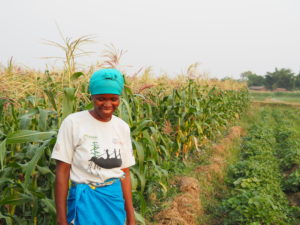
In Benin, a country in West Africa, only 11% of the rural population has access to electricity. This deficit contributes to poor nutrition and health, particularly in rural communities. Additionally, about 40% of the country’s 12 million citizens live below the poverty line. The Solar Electric Light Fund (SELF) is a nonprofit organization that uses solar-powered water pumps and solar drip irrigation to improve agriculture, increase access to clean drinking water and economically empower women in Benin, all with a focus on sustainability. Recent innovations utilizing solar energy in Benin are improving conditions for female farmers across the country.
Solar-Pump Water Stations: Benefiting Women and Girls
In the Kalalé District of northeast Benin, there are only 113 sanitary water sources for a population of 180,000 people. Many potable wells require women and girls to travel long distances outside their villages. This lack of available energy, known as energy poverty, increases the risk for women and girls of becoming targets of sexual violence. To avoid danger, many women and girls take routes to alternate water sources, such as nearby streams or open wells of contaminated water. Relying on these local water sources poses another significant health risk: water-borne diseases are responsible for about 15% of all deaths in Benin.
SELF has built 20 wells in the Kalalé District since 2011 and is currently working to install solar-pump water stations in the region. Funded by a grant from the Millennium Challenge Corporation (MCC), this initiative will install a new solar-pump water station in 24 villages, bringing clean, sanitary water to about 82,000 people. These solar-pump water stations use sunlight—a clean, renewable energy source—to increase access to clean water without emitting greenhouse gases. They also do not require batteries and can last at least 10 years without replacement.
With these solar-pump water stations, women and girls in 24 villages will no longer have to choose between a long, dangerous walk and contaminated water. By providing solar-powered technology to pump clean drinking water, SELF is reducing the prevalence of water-borne diseases in northeast Benin’s rural communities, as well as the risk of sexual violence for women and girls.
Solar Drip Irrigation: Empowering Women Farmers
In northeast Benin, the dry season is long and severe. According to the U.N. Framework Convention on Climate Change, it is “nearly impossible to grow food” for six months of the year. This especially harms women farmers, who are more likely to be living under the poverty line, as well as women and girls who must travel longer distances to collect water for irrigation.
The Solar Electric Light Fund created the Solar Market Garden (SMG) project to reduce malnutrition and food insecurity in Benin year-round. For this initiative, SELF used solar-powered well pumps to operate drip irrigation systems on 11 female-operated farms designated as Solar Market Gardens, impacting 400 women farmers in 10 villages throughout the Kalalé district. Each garden produces more than 4,000 pounds of food every month. As a result of this project, 66,000 more people have reliable access to fresh produce, increasing food security, nutrition and health. For rural villages in northeast Benin, access to solar energy can reduce hunger without negatively affecting the environment.
In addition to improving agriculture, SELF’s Solar Market Gardens also empower women and girls in Benin. Female farmers involved in the project can adequately feed their families, earn a larger and more reliable income and gain reputations as entrepreneurs. Women’s economic empowerment is crucial for poverty reduction because, according to U.N. Women, it “increases economic diversification and income equality” and grants women more “voice, agency and meaningful participation in economic decision-making at all levels.” At the same time, women and girls in each village can focus more on their education and other economic activities instead of water collection. According to the World Bank, educated women and girls are more likely to live healthier lives, earn an income and have fewer children. They are also less likely to marry as minors.
Encouraging Poverty Reduction
Widespread access to energy, especially electricity, is an essential component of poverty reduction because it allows more people to reliably access clean water and adequate food. The Solar Electric Light Fund reduces poverty and food insecurity in northeast Benin. Others can easily replicate their initiatives, directly benefitting women and girls and creating more sustainable communities. Overall, the rising popularity of solar energy in Benin gives hope to women and girls across the nation.
– Rachel Powell
Photo: Flickr
