Renewable Energy in Azerbaijan
 Azerbaijan, home to more than 10 million people, is a landlocked country located between Russia and Iran in Southeast Asia. In the past decade, the Azerbaijan government has implemented significant initiatives to increase their renewable energy resources with plans to have up to 38% of its electricity come from renewable sources by 2030. Renewable energy has become one of the nation’s top priorities in recent years, as President Ilham Aliyev issued a 2019 decree to reform and modernize the national energy sector. According to Aliyev, renewable energy in Azerbaijan has the potential to stimulate economies both nationally and around the world.
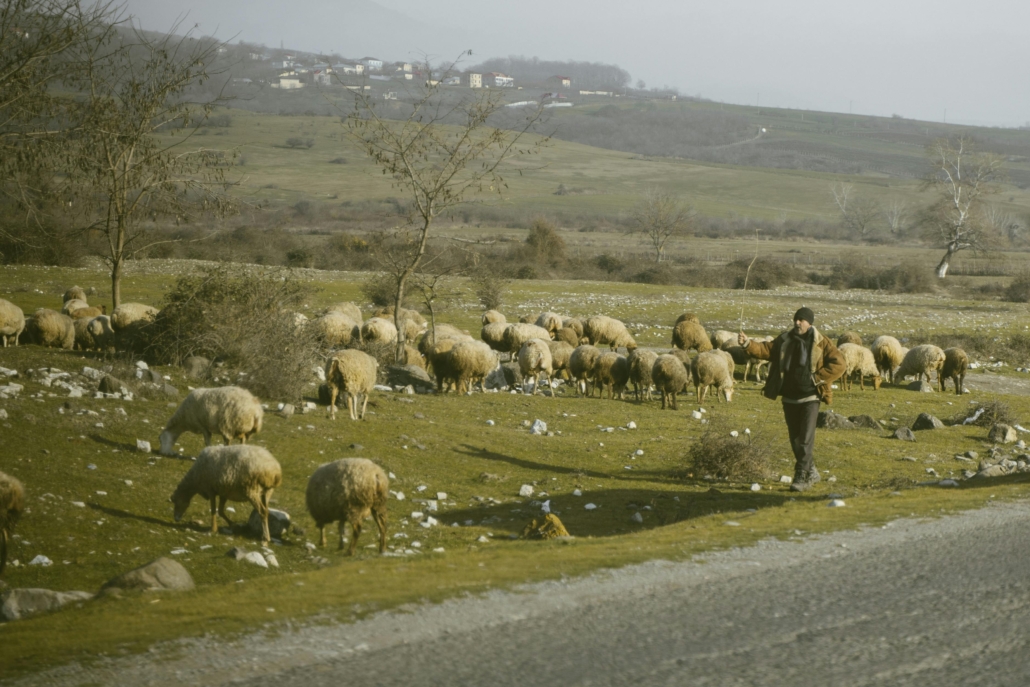
The poverty rate in Azerbaijan has considerably declined in the past 20 years, dropping from 68.1% in 1995 to only 5.5% in 2023; however, with almost half the population living in rural areas, many residents continue to experience unreliable access to affordable energy. Some rural residents have access to electricity for only five to six hours a day, and poor insulation in outdated buildings further limits their ability to retain energy. Expanding renewable energy in Azerbaijan could close this gap by making power more accessible, while also improving public health and creating jobs.
Azerbaijan’s Renewable Energy Transition
According to the International Energy Agency (IEA), oil and natural gas control Azerbaijan’s energy supply, which together account for more than 90% of electricity generation. Renewable energy in Azerbaijan contributes about 6% of total electricity generation, but that share is set to rise as the government invests heavily in renewables such as solar, wind, hydropower and bioenergy.
The Ministry of Energy estimates Azerbaijan’s technical renewable potential at more than 135 gigawatts (GW) onshore and 157 GW offshore, with 27 GW considered economically feasible. This includes 3,000 MW of wind, 23,000 MW of solar, 380 MW of bioenergy and 520 MW from small rivers. Azerbaijan currently operates 65 hydroelectric plants, five wind farms, nine solar plants and several hybrid projects that produce around 1,829 MW, which is more than 19% of the country’s total power capacity.
These investments align with Azerbaijan’s commitment to host COP29, the 2024 United Nations Climate Change Conference, underscoring the country’s growing role in advancing world sustainability.
How Renewable Energy in Azerbaijan Can Reduce Poverty
- Lower Costs and Greater Access: Renewable energy systems such as solar and wind operate more efficiently and cost less than fossil-fuel plants. Expanding renewables could lower electricity costs for households and businesses, particularly in rural communities that currently rely on costly or unreliable sources. Microhydropower systems also deliver power to isolated regions, allowing residents to easily access lighting, refrigeration and internet. These are key factors in stimulating education and economic growth.
- Better Health and Living Conditions: Burning fossil fuels releases major air pollutants that contribute to chronic respiratory and cardiovascular diseases. More than 880,000 Azerbaijanis live within five kilometers of gas flaring sites, heightening their risk of developing these chronic and often lethal conditions. Cleaner energy reduces these health risks and lowers medical expenses for low-income families. The new Garadagh Solar Power Plant will save 110 million cubic meters of natural gas and cut 200,000 tons of carbon emissions annually. These projects will benefit not only the planet but also improve the quality of life for Azerbaijani residents.
- Job Creation and Economic Growth: The shift to renewable energy has generated substantial job growth across Azerbaijan. Building and maintaining solar farms, wind turbines and grid systems creates thousands of jobs. The Shafag (Jabrayil) Solar Power Project is projected to generate more than 400 new jobs by the end of 2027. Moreover, many of these opportunities are located outside urban centers, such as the Khizi-Absheron 240 MW Wind Farm, helping to reduce rural poverty.
- Energy Security and Climate Resilience: Dependence on oil and gas exposes economies to price fluctuations and resource depletion. Renewable energy provides stability and self-sufficiency. By saving natural gas used in power generation, Azerbaijan can increase exports, leading to increased revenue for poverty reduction and infrastructure development. It also strengthens the country’s resilience to changing weather patterns, which also disproportionately affects poor and rural communities.
Challenges and the Road Ahead
While Azerbaijan’s renewable energy growth is promising, challenges remain. The country’s energy infrastructure continues to depend primarily on fossil fuels, and scaling up renewables requires additional investment in transmission lines and modernized regulations. The Ministry of Energy notes that although the technical potential exceeds 135 GW, only a fraction is economically feasible today due to costs, outdated technology and limited participation from the energy private-sector.
Still, the government’s Law on the Use of Renewable Energy Sources in Electricity Production and the development of public-private partnerships represent crucial steps toward a more sustainable and inclusive future. If Azerbaijan continues its commitment to renewable energy expansion, it will foster not only a greener economy but also a more equitable one.
– Emily Salter
Emily is based in Birmingham, AL, USA and focuses on Technology and Global Health for The Borgen Project.
Photo: Pexels
