• Link to X
  • Link to Facebook
  • Link to Instagram
  • Link to TikTok
  • Link to Youtube
  • About
    • About Us
      • President
      • Board of Directors
      • Board of Advisors
      • Financials
      • Our Methodology
      • Success Tracker
      • Contact
  • Act Now
    • 30 Ways to Help
      • Email Congress
      • Call Congress
      • Volunteer
      • Courses & Certificates
      • Be a Donor
    • Internships
      • In-Office Internships
      • Remote Internships
    • Legislation
      • Politics 101
  • The Blog
  • The Podcast
  • Magazine
  • Donate
  • Click to open the search input field Click to open the search input field Search
  • Menu Menu

Archive for category: Global Poverty

Key articles and information on global poverty.

Development, Global Poverty, Politics

First Elections in BARMM: A Test of Peace in the Philippines

BARMMIn the Philippines, the southern region of Bangsamoro, also known as the Bangsamoro Autonomous Region of Muslim Mindanao (BARMM), is holding its first official elections under a parliamentary setup on Oct. 13, 2025. These elections are important for the peace and prosperity of the Philippines and its southern region. However, the region has a history of volatility and the May 2025 general midterm elections were marked by significant violent political activity.

As reported by the United States Institute of Peace (USIP), the once-militant faction, Moro Islamic Liberation Front (MILF), which formerly clashed with the Philippines’ other governing authorities, has been making efforts to uphold a ceasefire. The group is also working to maintain peace in the region.

Election Violence and Security Concerns

While election violence almost doubled this year, the conditions for a ceasefire in BARMM have still technically been upheld. This gives hope for the upcoming elections, thanks largely to MILF and BARMM working toward peace. Both the government and MILF combatants formed the Joint Quick Response Team and have worked together to disarm and de-escalate violence in the region.

According to the University of the Philippines, while the country is striving toward a more integrated democratic nation, different forces have been attempting to coerce communities to vote a certain way through gun violence. Although official checkpoints have been established to confiscate firearms, rogue groups have set up their own checkpoints and even government officials are suspected of favoritism in how they follow through on checkpoints.

Global Implications and the Road Ahead

American organizations, such as the USIP, have been assisting in these areas. They credit MILF with striving to uphold peace and serving as an example of once-hostile forces working together toward a common goal. While the May midterms did not go as well as expected, there is hope that the October primaries will be both successful and less bloody. The fight for peace in the Philippines has been tenuous and how things will fare remains to be seen.

MILF created an agreement with the government in the late ’90s and early 2000s. The group has faithfully upheld its agreement and acted as an agent for peace in an otherwise volatile region. The Philippines could use more aid from countries like the U.S. and Japan, but the security of the whole Pacific region relies on the success of these upcoming elections.

Final Remarks

If this election is successful, it will be a step in the right direction for the Philippines as a democratic nation. It is of particular interest to countries like the U.S. and Japan in the fight against China’s push for control in Asia. As the Philippines becomes more secure, its economy is bound to thrive, poverty will decrease and it will become a more active member of the international political community. This hoped-for “unification” in the Philippines, while still showing signs of resistance in the area, promises to make the Philippines an “investment destination.”

The commitment of groups like MILF and USIP reflects optimism that maintaining peace in these volatile regions will lead to a better life for everyone involved. However, the history of the BARMM region casts considerable doubt on the future of the southern Philippines and its ability to move forward peacefully. Still, BARMM is working toward peace and the region’s future may be studied in textbooks for years to come.

– Gregory Walker

Gregory is based in York, PA, USA and focuses on Global Health for The Borgen Project.

Photo: Flickr

September 28, 2025
https://borgenproject.org/wp-content/uploads/borgen-project-logo.svg 0 0 Lynsey 2 https://borgenproject.org/wp-content/uploads/borgen-project-logo.svg Lynsey 22025-09-28 01:30:132025-09-28 00:56:42First Elections in BARMM: A Test of Peace in the Philippines
Disease, Global Poverty, Health

New 6-In-1 Vaccine in Mauritania Can Save Millions of Lives

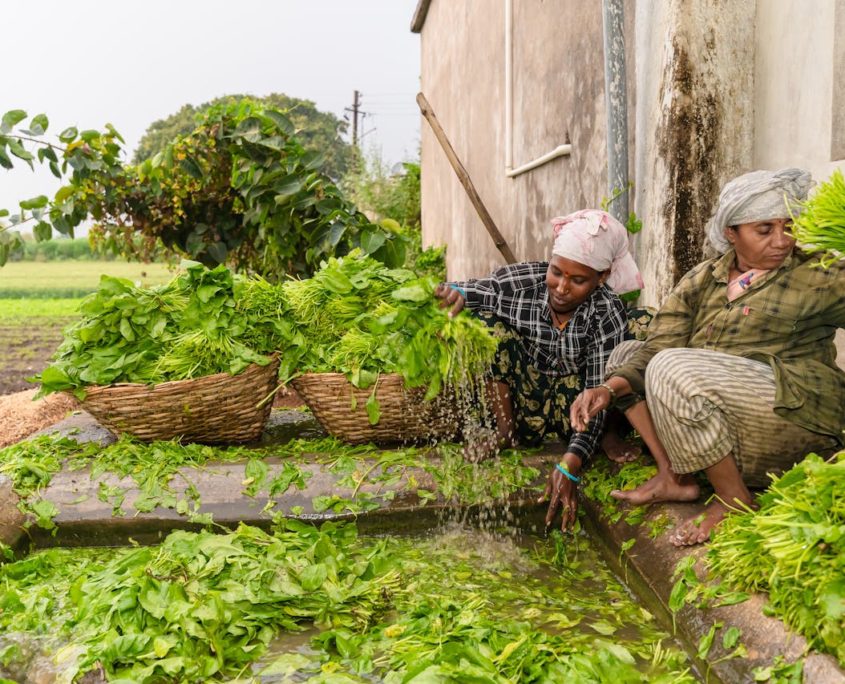
6-In-1 Vaccine in mauritaniaEach year, nearly four million children aged below 5 die due to infectious diseases. Many of these diseases, such as measles, whooping cough and tetanus, have been largely eliminated in developed countries. However, a lack of vaccination in underdeveloped nations has had serious repercussions for residents who can’t access the medicine.

Difficulties in transporting the vaccine while keeping it at the proper temperature (called the “cold chain” process) and finding enough workers trained to administer it are only a few of the problems that these countries face. The sheer amount of immunizations that children must receive (as many as 30 by the age of 18) only compounds the problem. This puts strain on families to devote time and money to getting vaccinated.

However, scientists have a solution: a 6-in-1 vaccine that costs less and requires less medical assistance, thus eliminating barriers that previously prevented poor countries, like Mauritania from vaccinating. Mauritania and Senegal are the first two developing countries to adopt the 6-in-1 vaccine. Their adoption indicates a promising outlook for disease prevention in poverty-stricken nations.

About the Hexavalent Vaccine

The 6-in-1 (“hexavalent”) vaccine consists of a single shot that contains protection against diphtheria, tetanus, pertussis (whooping cough), hepatitis B, Haemophilus influenzae type b (Hib) and polio. Before it was first used in the mid-2010s, the World Health Organization (WHO) utilized a similar pentavalent vaccine containing all the same immunizations except for polio, which had to be administered through a separate shot.

The pentavalent vaccine was highly successful, protecting approximately 80 million children annually during its 20-plus-year stint. However, the new hexavalent vaccine may have even greater potential. This is due to its ability to reduce inefficiencies caused by multiple shots and reduce overall storage and shipping costs.

Financial Crisis in Mauritania

Mauritania and its neighbor, Senegal, were the first low-income countries to implement the hexavalent vaccine in July 2025. Both countries experience significant poverty rates. However, Mauritania faces an especially pressing problem: to produce enough crops to feed its population of 5.2 million when less than 0.5% of its land is suitable for farming.

Despite being one of the least densely populated countries in the world, Mauritania faces an alarming hunger crisis compounded by recent flooding and an influx of refugees. In fact, inflation and decreased agricultural productivity are expected to bring an additional 200,000 people into poverty by 2027. As of 2022, food insecurity rates have reached 20%, up 9% from the previous year. An influx of refugees from neighboring countries also burdens Mauritania.

These factors cast a grim shadow over the future of Mauritania. Only 55% of children attend school due to the nation’s severely underfunded education sector. The health care industry is similarly lacking; a recent diphtheria outbreak in a refugee camp underscores the need for disease prevention in Mauritania.

Given its precarious economic and social situation, Mauritania may seem like a losing battle; however, introducing the hexavalent vaccine marks a new chapter in comprehensive aid for struggling countries.

A Helping Hand

Mauritania needs all the help it can get and Gavi is determined to provide it. Gavi, the Vaccine Alliance, is a Switzerland-based humanitarian organization responsible for introducing hexavalent vaccines into low-income countries, starting with Mauritania and Senegal. The group is also pushing for greater immunization equality worldwide.

In Mauritania alone, there are more than 35,000 underimmunized children. This results in exponentially higher infectious disease rates and an average lifespan 10 years shorter than that of the U.S. and other developed countries. The discrepancy can be attributed to lower levels of public health funding in impoverished countries like Mauritania. Without financial support, vaccines have also been too expensive to afford.

Katy Clark, a senior program manager at Gavi, expresses her frustration: “It wasn’t fair that high-income countries have had this combination vaccine for more than 20 years, while lower-income countries have had to wait.”

However, thanks to Gavi’s funding, Mauritania can purchase the 6-in-1 Vaccine for $3.00 per dose, which is $1.50 less than it would cost without Gavi’s support. The nation also saves money on labor and packaging, since the vaccine requires one fewer shot than the previous pentavalent and polio combination.

Conclusion

In the past 50 years, Gavi has vaccinated more than a billion children and prevented 40 million casualties from infectious diseases. This number can continue to increase through a strategic approach that prioritizes health care, affordable prices and humanitarian aid.

Global organizations like Gavi and UNICEF can provide targeted support by considering each nation’s specific needs and deficiencies, such as Mauritania’s hunger crisis and low vaccination rates. This approach can greatly improve the livelihoods of those in low-income countries.

The hexavalent vaccine has the potential to aid millions of people worldwide. Its path of trial and success demonstrates how crucial technological innovation is to the future of global health.

– Grace Gonzalez

Grace is based in Oakton, VA, USA and focuses on Business and Global Health for The Borgen Project.

Photo: Pexels
September 27, 2025
https://borgenproject.org/wp-content/uploads/borgen-project-logo.svg 0 0 Lynsey 2 https://borgenproject.org/wp-content/uploads/borgen-project-logo.svg Lynsey 22025-09-27 07:30:202025-09-27 04:10:59New 6-In-1 Vaccine in Mauritania Can Save Millions of Lives
Global Poverty, Migration, Poverty

Migration to India, Poverty and the Politics of Exclusion

Migration to IndiaMigration to India has long reflected a complex mix of geography, history and regional instability. From persecuted minorities in South Asia to economic migrants seeking work, India has, for decades, absorbed people crossing its borders. In many cases, this migration has offered a lifeline; safety, access to livelihood and new beginnings. However, in recent years, the politics of Hindu nationalism has reshaped how the country views migrants, deepening vulnerabilities and reinforcing cycles of poverty. Yet, amid these challenges, there remain examples of resilience and potential for a more inclusive approach.

1. A Historical Overview

India has historically hosted displaced populations including Tibetans, Afghans, Sri Lankan Tamils and Rohingya Muslims. While not a signatory to the 1951 Refugee Convention, India has traditionally adopted a pragmatic, albeit informal, approach to asylum. In many communities, local support networks, religious institutions and NGOs have helped new arrivals find their footing. This social infrastructure has allowed some migrants to gradually improve their living conditions, find employment and send children to school.

However, the Citizenship Amendment Act (CAA) of December 2019, marked a key turning point. The law fast-tracks citizenship for non-Muslim migrants from Afghanistan, Bangladesh and Pakistan, excluding Muslims from its scope, thereby punishing them. Presented by the government as a humanitarian gesture, it draws criticism from citizens and groups for institutionalizing religious discrimination. Consequently, migration to India is increasingly becoming, not a matter of regional urgency or economic contribution, but a question of religious identity.

2. Exclusion and Statelessness

Among the groups most affected are Rohingya Muslims from Myanmar. Many came to India after fleeing violent persecution, hoping for protection. Instead, India detained or labeled them illegal immigrants. In 2024, Rohingya refugees in Assam held a hunger strike to protest indefinite detention. With no formal recognition of their status, access to housing, education and health care remains extremely limited.

For migrants without documents, whether due to fleeing conflict or bureaucratic exclusion, the result is a state of legal invisibility. Without proof of identity, the country denies them welfare benefits, government schooling and formal employment. This leads to entrenched poverty that is less about economic conditions and more about political choices.

3. Hindu Nationalism and the Narrative of Threat

What has shifted in recent years is not the scale of migration to India, but the narratives surrounding it. Hindu nationalist discourse presents Muslim migrants as demographic threats or infiltrators. In this environment, policies such as the CAA and the proposed National Register of Citizens (NRC) serve to redefine national belonging.

In Assam, the NRC process has already left thousands, many of them poor and Muslim, stateless. These individuals now face the burden of proving their citizenship through documentation they may never have had. For those arriving in India today, poverty is no longer simply a backdrop; it is often the outcome of systematic exclusion.

4. Labor and Local Integration

Despite these obstacles, many migrants contribute meaningfully to India’s economy. In border states and urban centers, migrants work in construction, agriculture, domestic labor and small-scale manufacturing. Even in the absence of formal protections, many have managed to secure stable income over time. In cities like Hyderabad and Delhi, refugee communities have set up small businesses, language schools and community support services, often with limited resources but strong internal solidarity. 

These contributions challenge the dominant narratives of threat and burden. Instead revealing how migration to India can, when supported by thoughtful policy, contribute to local economies and social resilience.

5. Toward a More Inclusive Future

The path forward depends on how India chooses to balance national interest with humanitarian responsibility. A more inclusive approach would involve expanding legal protections, enabling access to documentation and ensuring that religion is not the basis for citizenship. Small policy shifts, such as temporary work permits, school access for children or municipal registration for housing, could significantly reduce poverty among new arrivals.

At the same time, civil society, legal advocates and local communities have shown that change does not depend solely on national policy. Grassroots efforts continue to offer legal aid, education and medical services to undocumented migrants. These actions, while limited in scale, show what is possible when dignity and inclusion are prioritized. While difficult to find structured organizations, there are groups helping the cause of migrants. For example “an Indian medical specialist who volunteered in several migrant-led organizations, such as a regional group and the Indian consulate-general medical committee, and has successfully helped repatriate bedridden patients and the mortal remains of deceased to India. He simultaneously partners in a law firm specializing in insurance cases for migrants who have met with accidents.” Although the motives of those helping are questionable and often selfish, they do eventually benefit migrants and those in need to a tangible extent.

Looking Ahead

Migration to India reflects both the region’s humanitarian need and the country’s political divides. For many migrants, it offers a last resort against persecution or poverty. Yet too often, their arrival is met with suspicion, exclusion and institutional neglect. Still, the potential for integration remains. Migration continues, but under policies that choose who gets dignity and who remains disposable. Unless these dynamics are addressed, migration will remain a mirror not just of poverty, but of the nation’s growing inequality.

– Maryam Qutbuddin

Maryam is based in Reading, UK and focuses on Business and Good News for The Borgen Project.

Photo: Unsplash

September 27, 2025
https://borgenproject.org/wp-content/uploads/borgen-project-logo.svg 0 0 Jennifer Philipp https://borgenproject.org/wp-content/uploads/borgen-project-logo.svg Jennifer Philipp2025-09-27 03:00:512025-09-27 02:28:12Migration to India, Poverty and the Politics of Exclusion
Developing Countries, Electricity and Power, Global Poverty

Renewable Energy in Tuvalu: Towards 100% Energy Independence

Renewable Energy in TuvaluIn 2015, the United Nations established 17 Sustainable Development Goals (SDGs), with goal seven aimed at ensuring “access to affordable, reliable, sustainable, and modern energy for all.” Behind this goal lies the widespread issue of energy poverty, or the lack of access to reliable and clean energy due to poor infrastructure or high costs. Energy poverty disproportionately affects developing nations, where it both reflects and reinforces existing poverty. One promising solution is to implement renewable energy, which lowers energy costs, improves energy reliability and supports sustainable growth. Over the past decade, Tuvalu, one of the world’s most energy-impoverished nations, has emerged as a leader in this movement, with a goal of achieving 100% renewable energy by 2030. Here is more information about renewable energy in Tuvalu.

What Is Tuvalu?

Tuvalu is a small Polynesian island nation in the Pacific Ocean, composed of four reef islands and five atolls and totaling just 16 square miles. With a population of approximately 11,733, Tuvalu is known for its rich Polynesian culture, stunning marine environment and advocacy.

Tuvalu is also the 46th poorest country in the world, according to the 2024 World Economic Report. Despite some ocean economic activity, Tuvalu relies heavily on international aid to meet its basic needs, like water, sanitation, transportation, energy and health care.

Energy Poverty in Tuvalu

One of Tuvalu’s most pressing economic challenges is its dependence on imported fossil fuels. In 2021, 96% of Tuvalu’s energy came from imported fossil fuels, which consumed more than 70% of the nation’s budget. High energy costs and poor infrastructure mean many Tuvaluans spend large portions of their income on unreliable and unhealthy energy sources. This not only reinforces cycles of poverty, but also burdens the country’s health, education and clean water services and its economic development.

During the 2009 Conference of the Parties (COP15), Tuvalu’s President Feleti Teo highlighted this cost: “Oil prices in Tuvalu will keep on rising even above the current levels of 3-400% above world prices…this is simply unrealistic and unsustainable for our poor islands.”

Why Renewable Energy in Tuvalu Matters

Renewable energy provides Tuvalu with a path toward sustainability, economic resilience and energy independence. By implementing 100% solar, wind and other renewables, Tuvalu could eliminate the need for imported fuel, cut energy costs, create jobs and stabilize energy access. Recognizing this, Tuvalu set a national goal to achieve 100% renewable energy by 2030 and has made already made some major progress thanks to international aid from global partners.

Progress Towards 100% Renewable Energy in Tuvalu

In 2023, Tuvalu celebrated the installation of a 184 solar panel Floating Solar Photovoltaic system on Tafua Pond in Funafuti. This system will generate 174.2 megawatts per hour of electricity each year (2% of Funafuti’s energy demand), reduce Tuvalu’s fossil fuel consumption by 41,100 liters per year and save the nation approximately $68,000 USD per year.

In May 2024, Tuvalu completed its first large-scale solar farm and a two-megawatt-hour battery storage system on its main island, Funafuti. Spanning several hectares of land and rooftop and utilizing advanced photovoltaic technology, the project significantly reduces Funafuti’s diesel dependency and improves energy reliability. With this success, the government and its partners are actively developing additional solar and wind projects to diversify energy sources. 

The Tuvalu government, in collaboration with the Tuvalu Climate Action Network, has also launched education and training initiatives to raise awareness about the benefits of renewable energy and prepare locals with the skills needed to maintain and operate the renewable energy systems.

The Role of International Support

Tuvalu relies heavily on international financial aid to fund its renewable energy projects. For example, grants from the World Bank, Asian Development Bank (ADB), Global Environment Facility and International Renewable Energy Agency made the solar projects possible.

Brian Webb, Director of Sustainability at the College of Wooster, visited Tuvalu in 2024  to prepare for a study-abroad program focused on Pacific island sustainability. In an interview with The Borgen Project, he commented on the relatively low cost of helping Tuvalu transition to clean energy: “It would not take very many million dollars to put them 100 percent on clean energy….Elon Musk spends more in a day than it would cost to fully outfit Tuvalu with clean energy. That is the sad part about it.”

Despite years of promises at global summits like COP15, Webb says, “It is a lot of talk and not a lot of action… Most countries that have the political means to make a positive impact are simply not doing that.” 

Teo’s call for a physical UN presence in Tuvalu during COP15 still resonates today:  “The UN cannot continue to be a ‘faceless’ actor on MDGs and sustainable development.”

Why the US Should Act

Investing in renewable energy in Tuvalu poses not only a humanitarian imperative but also offers a geopolitical opportunity for the U.S. in the Pacific. As Webb explained: “Countries like the U.S. talk a lot about the danger of China’s growing influence… For a relatively small investment, the U.S. could support Pacific nations and counter China’s reach in the region.” However, U.S. support would likely improve regional alliances, demonstrate U.S. leadership on poverty issues and foster long-term strategic returns from the Pacific. 

Renewable Energy to Economic Self-Sufficiency

The transition to renewable energy in Tuvalu provides a road map towards resilience and self-sufficiency and serves as a guide for other developing island nations. As Teo stated: “By harnessing the power of the sun, we are taking control of our energy needs and setting an example for other small island nations facing similar challenges.”

– Dylan Kretchmar

Dylan is based in Granville, OH, USA and focuses on Good News and Technology for The Borgen Project.

Photo: Wikimedia Commons

September 27, 2025
https://borgenproject.org/wp-content/uploads/borgen-project-logo.svg 0 0 Jennifer Philipp https://borgenproject.org/wp-content/uploads/borgen-project-logo.svg Jennifer Philipp2025-09-27 03:00:202025-09-27 02:24:00Renewable Energy in Tuvalu: Towards 100% Energy Independence
Child Poverty, Global Poverty

Being Poor in Portugal: Ending the Cycle for Future Generations

Being Poor in PortugalPortugal, located in southwestern Europe, borders Spain to the north and east and stretches along nearly 1,800 kilometers of Atlantic coastline to the west. The capital of Lisbon was once a symbol of prosperity and influence among European nations, but being poor in Portugal was not uncommon for children and other disadvantaged groups. Today, Portugal is home to roughly 1.7 million children, many of whom still live below the poverty line.

A Society of Inequality

Many nations viewed Portugal as the world’s most powerful empire, despite its small size. During the 15th and 16th centuries, Portuguese explorers established routes to major regions, including India, Brazil and China. Yet, the prosperity concentrated in urban centers stood in sharp contrast to the poverty in rural areas.

By the mid-18th century, several major events weakened Portugal’s position on the world stage. The 1755 Lisbon earthquake devastated the capital and Napoleon’s invasion in 1807 further destabilized the country. With limited financial resources, Portugal struggled to keep pace with industrialization. Political instability, inadequate infrastructure and a fragile economy deepened poverty across the nation. Children were among the most vulnerable, facing restricted access to both health care and education.

In the early 2000s, major cities such as Lisbon experienced modest economic growth, driven by tourism and foreign investment. Yet being poor in Portugal remained a reality for many children, as poverty continued to affect a significant portion of the population.

Addressing the Challenge

Nations around the world often praise Europe for its education and health care systems, yet childhood poverty remains a pressing issue in Portugal. In 2021, UNICEF reported that nearly one in five Portuguese children were living in poverty, highlighting the work still needed to ensure equal opportunities for all.

Efforts to combat childhood poverty in Portugal are gaining momentum through advocacy and government programs. In 2023, the country launched the Child Guarantee National Action Plan, a major EU initiative aimed at improving children’s lives. The plan focuses on expanding access to health care, increasing educational opportunities, providing nutritious meals and ensuring adequate housing for those in need. Philanthropists and organizations like AMI are also driving meaningful change.

From the Pitch to the People: Soccer Star Gives Back

Cristiano Ronaldo, a native of Portugal, is one of the world’s most famous footballers. Fans will never forget his soccer achievements, and his advocacy continues to make a difference off the field.

In 2015, DoSomething.org recognized him as the world’s most charitable athlete. His generosity includes funding life-saving brain surgery for a 10-month-old baby suffering from seizures and donating $165,000 to the cancer center that treated his mother. More recently, during the coronavirus pandemic, he reportedly gave $1 million to hospitals in Lisbon and Porto.

One of Ronaldo’s greatest contributions to Portugal goes beyond financial donations. By using his platform to advocate for the world’s most vulnerable, he leaves a lasting impact not only on those he directly helps, but also by setting an example of generosity and compassion.

Solutions and Hope

Identifying the causes of child poverty in Portugal is the first step toward creating sustainable solutions and the Portuguese government has taken key measures to build a country where children have the opportunity to thrive.

Biennial reports on the Child Guarantee National Action Plan will track the program’s impact and help lawmakers make necessary adjustments to combat childhood poverty in Portugal. The 2024 report highlights new initiatives, including reduced health care costs for children and youth, expanded access to education for vulnerable communities and key housing reforms.

Being poor in Portugal is still a reality for many children, but growing advocacy, stronger government initiatives and rising public awareness are paving the way toward meaningful change. Improved data collection, especially for migrant children, will further strengthen efforts to build lasting solutions.

– Fernanda Nilson

Fernanda is based in North Charleston, SC, USA and focuses on Good News and Technology for The Borgen Project.

Photo: Unsplash

September 27, 2025
https://borgenproject.org/wp-content/uploads/borgen-project-logo.svg 0 0 Jennifer Philipp https://borgenproject.org/wp-content/uploads/borgen-project-logo.svg Jennifer Philipp2025-09-27 01:30:562025-09-27 02:18:26Being Poor in Portugal: Ending the Cycle for Future Generations
Developing Countries, Global Poverty, Legislations and Policies, Poverty Reduction

Fragility and Rule of Law in Georgia

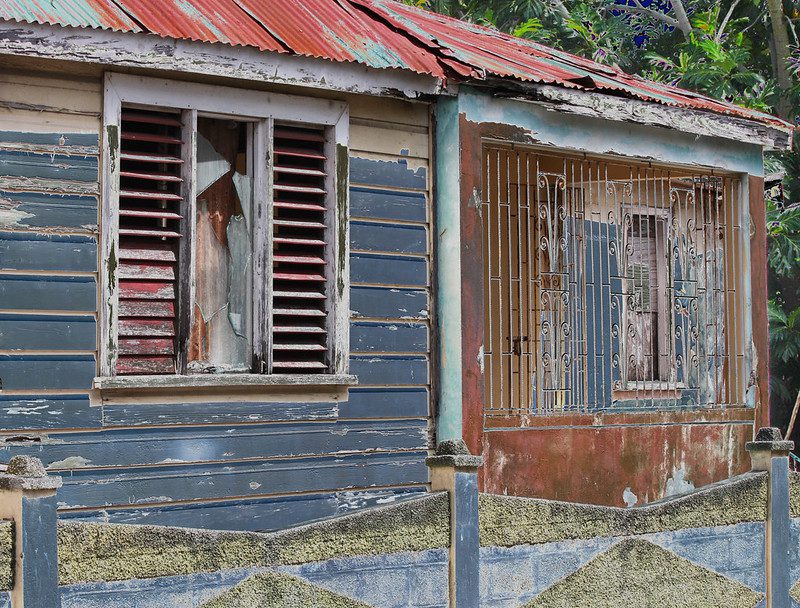
Rule of Law in GeorgiaIn Tbilisi and beyond, citizens protest for freedoms as state fragility and decline in the rule of law in Georgia threaten democratic progress. The Georgian Dream party, in power since 2012, has drawn strong criticism for weakening democratic institutions and centralizing authority. Critics warn that these moves encourage authoritarianism and weaken public trust.

The government changed laws that infringe upon freedom of expression, assembly and media. It increased penalties for peaceful protests and imposed new restraints on media outlets. Analysts assert that these restrictions conflict with Georgia’s European goals and harm the rule of law in Georgia.

Poverty and Rule of Law: A Linked Threat

Georgia’s absolute poverty rate fell from about 15.6% in 2022 to nearly 11.8% in 2023, lifting roughly 140,000 people out of poverty. Rural areas dropped to 15.6% poverty; urban areas fell to 9.4%. These gains, however, remain fragile where legal protections weaken.

The United Nations Development Programme (UNDP) reported that poverty could decline to 11.9% by 2027 if Georgia maintains annual GDP growth of 4.8%. However, the report cautioned that fragility in institutions undermines the sustainability of these gains. Here are five key factors weakening the rule of law in Georgia.

  1. Legislative restriction of expression, assembly and media
  2. Enactment of a foreign agents law targeting NGOs and media with foreign funding
  3. Political control over courts and election bodies
  4. Repression of dissent via fines, arrests and excessive force
  5. Frequent election law changes that diminish oversight

The “Foreign Agents” Law

The Georgian Dream party passed a law requiring media outlets and NGOs with foreign funding to register as organizations serving “foreign interests.” Transparency International Georgia said this law paves “a path to dictatorship” by silencing dissenting voices and transparency advocates.

A Project Linking Rule of Law to Poverty Reduction

UNDP, funded by Germany, implemented the Improving Rule of Law and Access to Justice for All – Phase 1 project in Georgia. The project began in January 2023 and concluded in September 2024. It budgeted about $1.63 million USD and worked with courts, civil society and local governments to improve justice access for rural populations, women and persons with disabilities.

As part of the initiative, UNDP supported the Legal Aid Service in establishing mobile legal clinics, trained 250 legal professionals and helped more than 1,500 vulnerable individuals access legal services. The project also organized outreach campaigns that increased awareness of legal rights among marginalized groups.

Electoral System Instability and Human Rights at Risk

Frequent amendments to election laws weaken oversight and favor the ruling party, according to a European Parliament briefing. Critics also report that law enforcement sometimes applies harsh punishments even in peaceful protests. These practices deepen mistrust among citizens.

Looking Ahead

Georgia faces a critical crossroad: if the rule of law in Georgia continues to decay, poverty reduction may stall and democratic institutions may further weaken. Initiatives like UNDP’s legal aid project show that combining justice reforms with poverty interventions can protect vulnerable people. Georgia’s future depends on strengthening rights, reinforcing institutions and ensuring that laws work for all citizens.

– Salome Jincharadze

Salome is based in Tbilisi, Georgia and focuses on Good News and Politics for The Borgen Project.

Photo: Pexels
September 27, 2025
https://borgenproject.org/wp-content/uploads/borgen-project-logo.svg 0 0 Jennifer Philipp https://borgenproject.org/wp-content/uploads/borgen-project-logo.svg Jennifer Philipp2025-09-27 01:30:452025-09-27 02:14:10Fragility and Rule of Law in Georgia
Africa, Global Poverty, Technology

Giga and The Digital Divide in Africa

gigaLimited internet access across sub‑Saharan Africa affects far more than social media or streaming. It shapes whether students can learn, teachers can access training and health workers can reach patients in remote places. The Groupe Spéciale Mobile Association (GSMA) estimates that sub‑Saharan Africa has the world’s largest mobile internet usage gap, driven by affordability, skills and device access.

The United Nations Children’s Fund (UNICEF) and the International Telecommunication Union (ITU) report that two-thirds of the world’s school‑age children lack internet access at home. Children in low- and middle-income countries are particularly affected. Closing these gaps is central to cutting poverty and unlocking long‑term development.

How Connectivity Translates to Classrooms and Clinics

When schools get reliable internet, students can access digital lessons, teachers can join training and ministries can target support based on real‑time data. In health, mobile platforms let nurses triage cases, issue reminders and consult specialists without long referrals.

The result is time saved, better information and fewer missed appointments. In places where travel is costly or unsafe, digital services extend the reach of education and primary care.

Giga: Connecting Every School

Giga, a UNICEF and ITU partnership, works to connect every school to the internet and every young person to information and opportunity. The initiative maps schools, tracks connectivity in real time and supports governments in financing and procuring affordable services.

In sub‑Saharan Africa, Giga works with governments including Rwanda, Kenya, Sierra Leone, Niger and Zimbabwe to map schools and design viable financing models. Public‑private partnerships, satellite mapping and open data are helping countries plan where and how to connect first.

To speed up progress, Giga has teamed up with industry and tech partners to lower costs and expand coverage. Market assessments call for a collaborative push to connect every African school by 2030, while mapping work with companies like Mapbox and AI partners has identified tens of thousands of previously unmapped schools. Partnerships with providers such as Liquid and IHS Towers support connectivity rollouts and school mapping at scale.

Smart Africa: A Regional Blueprint for Scale

Smart Africa is a pan‑African alliance working toward a Single Digital Market. Its SMART Broadband 2025 blueprint aligns with U.N. Broadband Commission targets. It focuses on affordability, coverage and policy harmonization for faster rollout.

At the continental level, the African Union’s Digital Transformation Strategy aims to build a digital single market by 2030, with supportive regulation, regional infrastructure and cross‑border services. Together, these frameworks guide countries on spectrum, universal service funds and investment climates that make school and clinic connectivity more sustainable.

Mobile Health: Bringing Care to the Last Mile

Mobile health services show how connectivity improves daily life. In South Africa, Hello Doctor provides 24/7 phone and app access to registered doctors, including callback and prescription support within national regulations. Regional models go further. In Rwanda, the government signed a 10‑year agreement with Babyl to provide telemedicine through basic phones and data services, expanding access for millions who live far from clinics.

Pharmacy‑based telehealth is also growing. mPharma is rolling out Mutti Doctor and subscription services that support remote consultations and point‑of‑care testing across multiple markets.

Barriers That Still Block Progress

Affordability, device availability and digital skills remain the biggest obstacles. GSMA finds that adults in rural areas are far less likely to use mobile internet than those in cities and women are less likely than men to be online. Industry and development partners are responding with device financing, digital literacy programs and policy reforms that reduce taxes and fees on data and smartphones.

A 2024 industry coalition, backed by global institutions, is focused on closing the usage gap by improving access to affordable, internet‑enabled devices.

What Works: Schools First, Clinics Next

The most promising models start with clear targets, open data and local ownership. Map schools, publish the data and invite providers to compete on price and quality. Connect clinics along the same routes and share infrastructure where possible.

Link connectivity with training, curriculum and telehealth workflows so that teachers, nurses and community health workers can use the connection from day one. The result is better learning, faster referrals and fewer missed visits.

A Roadmap To Narrow the Divide

Giga’s school connectivity model, Smart Africa’s broadband blueprint and mobile health platforms show that closing the digital divide is achievable at scale. Investments that combine infrastructure with skills and services can deliver immediate gains in classrooms and clinics while building inclusive growth over time.

With governments, private sector partners and communities working together, Africa can connect its schools, strengthen primary care and give the next generation the tools to thrive.

– Joseph Hasty

Joseph is based in Winter Park, FL, USA and focuses on Technology and Solutions for The Borgen Project.

Photo: Flickr

September 26, 2025
https://borgenproject.org/wp-content/uploads/borgen-project-logo.svg 0 0 Lynsey 2 https://borgenproject.org/wp-content/uploads/borgen-project-logo.svg Lynsey 22025-09-26 07:30:572025-09-26 05:08:22Giga and The Digital Divide in Africa
Children, Global Poverty, Poverty Eradication

How MrBeast’s Chocolate Is Eradicating Child Labor

MrBeast’s ChocolateThe cocoa industry has long faced scrutiny over child labor. YouTuber Jimmy Donaldson, better known as MrBeast, is working to address the issue through his company, Feastables. The U.S.-based chocolate company is “on a mission to end child labor in the cocoa industry.”

MrBeast plans to reshape the industry from production to purchase by “empowering West African children to get off farms and into local schools.” Feastables is more than a chocolate brand; it is one of the few companies sourcing 100% of its cocoa from Fairtrade-certified cooperatives. It ensures farmers receive a living income while tackling the root causes of child labor.

The Cocoa Industry’s Child Labor Problem

The global chocolate industry, despite having faced criticism for its ties to child labor, has refused to cut its connection to farms with human rights violations. The Bureau of International Labor Affairs (ILAB) reports that more than 1.5 million children work on cocoa farms in Côte d’Ivoire and Ghana.

The International Labor Organization (ILO) defines child labor as: “Work that deprives children of their childhood, their potential and their dignity and that is harmful to their physical and mental development.” The Food Empowerment Project reports that children as young as 5 years old work on these farms. They often operate heavy and dangerous machinery and sometimes work up to 14 hours daily.

Historical Roots of Exploitation

Cocoa farming has deep colonial roots. It was introduced to the region to meet European demand through cheap or free labor. This practice continues in different forms today. Côte d’Ivoire and Ghana now supply about 60% of the world’s cocoa.

Yet, because of the demand for cheap cocoa, most farmers earn less than $1 per day, below the extreme poverty line. This widespread poverty often forces families to rely on child labor for survival. MrBeast, speaking on a podcast with Steven Bartlett, said he wants to show other chocolate companies that “you can still make a profit while being ethically sourced.”

How MrBeast’s Chocolate Stands Out

Feastables’ collaboration with the International Cocoa Initiative (ICI) aids on-the-ground work with farmers to address the inequities within the supply chain. ICI Executive Director, Matthias Lange, said it is “really positive to see a relatively young company operating in the cocoa sector take up their duty to ensure that they’re creating responsible supply chains that promote human rights.”

With these efforts, MrBeast’s chocolate company aims to eradicate child labor in West Africa. The company aims to achieve this in three key ways:

  1. Fairtrade Cocoa Sourcing: Feastables purchases 100% of its cocoa on Fairtrade terms. This involves workers receiving a “Fairtrade Minimum Price” for their goods, protecting against market price drops. Farmers also receive a “premium,” an investment tool for their business, improving production and working conditions.
  2. Living Income Reference Price (LIRP): Feastables pays farmers the LIRP or the market price, whichever is higher. Fairtrade defines the LIRP as “The price a typical farmer household with a viable farm size and a sustainable productivity level needs to earn a living income from their crop sales.” Maintaining this price is critical to tackling child labor, as Feastables explains: “Stopping child labor starts with addressing its root cause—poverty.”
  3. Child Labor Prevention: Feastables only partners with farms using child labor monitoring and remediation systems (CLMRS). These systems identify children in labor or at risk and provide solutions to remove or protect them. According to the ICI, CLMRS can reduce child labor by a third when effectively implemented.

The system operates through four key functions: raising awareness, identifying children, offering prevention and remediation support and following up with affected children. Strict adherence to CLMRS is central to MrBeast’s plan to eliminate child labor in West Africa.

Conclusion

The chocolate sector still faces major challenges. Yet, MrBeast’s Chocolate model shows companies can practice ethical sourcing without sacrificing profits. Feastables has partnered with three major organizations to scale its impact: Fairtrade, ICI and Tony’s Open Chain.

Through these partnerships, MrBeast has committed the company to high standards of transparency, farmer support and child protection. This approach sets an example for the industry. It shows that consumer demand and corporate responsibility can work hand in hand to drive lasting change.

– Ashley Pfeifer

Ashley is based in London, UK and focuses on Business and Good News for The Borgen Project.

Photo: Unsplash

September 26, 2025
https://borgenproject.org/wp-content/uploads/borgen-project-logo.svg 0 0 Lynsey 2 https://borgenproject.org/wp-content/uploads/borgen-project-logo.svg Lynsey 22025-09-26 07:30:372025-09-26 05:15:01How MrBeast’s Chocolate Is Eradicating Child Labor
Agriculture, Global Poverty

Safeguarding Livelihoods: Kashmir’s Farmers

Kashmir's FarmersRolling hills, glittering lakes and powerful gusts of wind come to mind when one thinks of Kashmir, a region in India. Its natural beauty is the region’s crowning feature and greatest strength. Yet this beauty comes at a price. The same mountains that captivate the mind also dictate the region’s economy. Each year, when heavy snow sets in, the weather turns unpredictable or rainfall and temperature swing wildly, Kashmir’s charm remains undiminished; sometimes even enhanced.

However, the impact on livelihoods is severe. Crop yields, especially prized produce like apples, walnuts and saffron, along with tourism and traditional industries such as pashmina wool, kani shawls, wood carving and copperware, all suffer under the weight of nature’s whims.

The frigid winter affects Kashmir both through increased mortality and direct exposure to harsh climatic conditions, as well as through the toll on the region’s predominant trades. In response, the Indian government has introduced several schemes and measures to ease the hardships for Kashmir’s farmers, these wuthering winters bring. Highlighted below are some initiatives that have shown considerable results.

Pradhan Mantri Fasal Bima Yojana (PMFBY)

The Indian government introduced this scheme to address fears of declining paddy cultivation and provide holistic crop risk coverage. It offers protection to farmers through an automated system that activates when they apply for Kisan Credit Card loans. In the event of natural calamities, the scheme functions as an insurance mechanism, compensating farmers who lose crops to hailstorms, floods and other disasters.

Holistic Agriculture Development Program (HADP)

The Government of Jammu and Kashmir launched the HADP as a flagship initiative. It supports farmers’ shift from traditional apple orchards to high-density horticulture, which promises greater security and higher yields in harsh climatic conditions.

Mission for Integrated Development of Horticulture (MIDH)

Under this scheme, the Agriculture Department of Kashmir provides greenhouses with a 50% subsidy. This has proven to be a considerable boon, giving farmers the opportunity to sow and harvest crops in a controlled environment. It also ensures a steady supply of produce and a safety net for the people of Kashmir.

Mission on Agricultural Mechanization (SMAM)

Similar to the MIDH, this scheme provides artisans and farmers with subsidies galore on machinery and equipment. This empowers the agriculturalists by reducing the labouriousness of traditional farming, thus making any possible losses less futile compared to the yield of crops like apples, saffron and more.

Weather-Based Crop Insurance Scheme (WBCIS)

This insurance scheme is tailored to safeguard agricultural yields affected by adverse weather. It serves as a layer of security for the financial interests of farmers and other workers, such as artisans, tradespeople, artisans, boatmen and animal herders.

Final Remarks

Though the forces of weather remain beyond human control, the schemes outlined above make it easier for communities to withstand and adapt to their impact. They stand as a testament to the resilience of Kashmir’s farmers and ability to innovate in the face of adversity.

– Ruhani Rahul

Ruhani is based in Leander, TX, USA and focuses on Technology and Solutions for The Borgen Project.

Photo: Flickr

September 26, 2025
https://borgenproject.org/wp-content/uploads/borgen-project-logo.svg 0 0 Lynsey 2 https://borgenproject.org/wp-content/uploads/borgen-project-logo.svg Lynsey 22025-09-26 03:00:592025-09-26 05:01:03Safeguarding Livelihoods: Kashmir’s Farmers
Education, Global Poverty, Poverty Reduction

5 Key Facts About Being Poor in Cambodia

Being Poor in CambodiaGrowing up poor in Cambodia remains a complex reality for many children, even as the country achieved impressive economic growth over the last two decades and reached lower-middle-income status in 2015. The COVID-19 pandemic reversed years of progress, exposing vulnerabilities and pushing thousands of families back below the poverty line. Being poor in Cambodia continues to mean more than just income, it involves overlapping disadvantages that affect survival and opportunity.

Poverty by the Numbers

As of 2022, about 17.8% of Cambodians live below the national poverty line. For children, the situation is more concerning. Around 22% of children live in monetary poverty, while nearly 49% are multidimensionally poor, lacking essentials like clean water, housing, education or health care. Rural children face the harshest challenges. Only 22% of rural children escape significant deprivation, compared to 68% in urban areas. Overcrowded housing, poor sanitation and limited school access leave millions without a fair chance to thrive.

The Pandemic Deepened Inequality

COVID-19 devastated Cambodia’s key economic sectors of tourism, construction and garment exports. Job losses forced incomes to plummet, and families resorted to debt or pulled children out of school to cope. The government expanded the IDPoor cash transfer program to protect vulnerable families. IDPoor began in 2007 in rural areas and expanded nationwide in 2016. It identifies poor households through community assessments. During the pandemic, Cambodia expanded IDPoor so families could register for support when they needed it most. The program reached millions and kept many from sliding deeper into crisis, though the payments were often not enough to cover basic needs like food, medicine and school costs.

Families Experience Overlapping Barriers to Opportunity

Even families just above the poverty line often cannot access services that do not exist in their communities. A child may have food but no school, housing or clean water nearby. These overlapping deprivations trap children in cycles of disadvantage. For younger children, education, sanitation and housing account for more than half of the barriers. Lack of early childhood education and poor nutrition hinder long-term growth. For adolescents, overcrowded housing and weak school quality limit their chances of escaping poverty in adulthood. These realities show that being poor in Cambodia is about missing opportunities as much as it is about lacking money.

Nutrition and Education Programs Show Promise

Nutrition programs for mothers and infants have grown in recent years. UNICEF and the Ministry of Health focus on better antenatal care, micronutrient supplements and promoting breastfeeding. Exclusive breastfeeding rates are at 65%, but nearly one-third of children under 5 remain stunted, showing that more progress is needed.

Efforts to keep adolescents in school are also showing results. Scholarships tied to IDPoor status support secondary school attendance. During COVID-19, cash transfers helped families cover school fees and supplies. Surveys also found that around 80% of beneficiaries reported improved household well-being, reducing the risk of children dropping out. These combined efforts give families the chance to overcome some of the barriers that come with being poor in Cambodia.

Steps Towards Change

Cambodia has already taken key steps to reduce poverty. The IDPoor system proved that targeted support can shield families during crises and remains the backbone of the country’s social protection system.

Experts recommend a multisectoral approach to accelerate progress. Expanding access to clean water and sanitation in rural areas, improving housing and reducing overcrowding and strengthening early childhood education programs can all have lasting impacts.

With sustained effort, Cambodia can achieve its Sustainable Development Goal (SDG) of halving child poverty by 2030. For families living with the daily reality of being poor in Cambodia, these solutions represent hope for a brighter future.

Why It Matters

Growing up poor is not only about income, it is about opportunity. For Cambodia’s nearly 18 million people, it can mean the difference between thriving or being left behind. Recent progress shows that change is possible. Economic growth, stronger social protection and international support have already helped lift many Cambodian families out of poverty. By continuing to widen access to education, health care and essential services, the country has the chance to break cycles of hardship and create brighter futures.

– Lucy Williams

Lucy is based in Wrexham, UK and focuses on Global Health for The Borgen Project.

Photo: Pixabay

September 26, 2025
https://borgenproject.org/wp-content/uploads/borgen-project-logo.svg 0 0 Jennifer Philipp https://borgenproject.org/wp-content/uploads/borgen-project-logo.svg Jennifer Philipp2025-09-26 01:30:462025-09-25 15:13:305 Key Facts About Being Poor in Cambodia
Page 104 of 2163«‹102103104105106›»

Get Smarter

  • Global Poverty 101
  • Global Poverty… The Good News
  • Global Poverty & U.S. Jobs
  • Global Poverty and National Security
  • Innovative Solutions to Poverty
  • Global Poverty & Aid FAQ’s
Search Search

Take Action

  • Call Congress
  • Email Congress
  • Donate
  • 30 Ways to Help
  • Volunteer Ops
  • Internships
  • Courses & Certificates
  • The Podcast
Borgen Project

“The Borgen Project is an incredible nonprofit organization that is addressing poverty and hunger and working towards ending them.”

-The Huffington Post

Inside The Borgen Project

  • Contact
  • About
  • Financials
  • President
  • Board of Directors
  • Board of Advisors

International Links

  • UK Email Parliament
  • UK Donate
  • Canada Email Parliament

Get Smarter

  • Global Poverty 101
  • Global Poverty… The Good News
  • Global Poverty & U.S. Jobs
  • Global Poverty and National Security
  • Innovative Solutions to Poverty
  • Global Poverty & Aid FAQ’s

Ways to Help

  • Call Congress
  • Email Congress
  • Donate
  • 30 Ways to Help
  • Volunteer Ops
  • Internships
  • Courses & Certificates
  • The Podcast
Scroll to top Scroll to top Scroll to top