$28 Billion Pledge Boosts Childhood Anemia Prevention
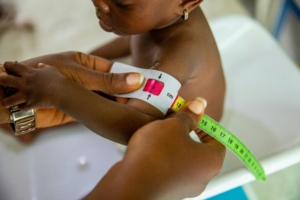 Iron deficiency anemia is the most prevalent, yet preventable, nutrient deficiency-related disease in the world. According to the World Health Organization (WHO), 269 million children younger than 5 are affected, primarily those in low-income countries. At the 2025 Nutrition for Growth (N4G) Summit, global leaders addressed childhood anemia prevention, pledging nearly $28 billion to address the crisis. This investment could change millions of lives; however, the challenge is turning commitments into actions that reach children who need it the most.
Childhood Anemia: Effects on Health, Education and Poverty
Iron deficiency anemia is primarily caused by inadequate nutrient intake. Children in poverty-stricken countries are most at risk as food insecurity prevents balanced meals. Excessive blood loss associated with malaria, a disease currently found in 83 countries, is also a compounding factor of anemia in children. The link between poverty and anemia highlights why it is essential to understand its impact on children’s health, education and future potential.
Anemia causes fatigue, weakness, compromised immunity and, if left untreated, heart problems. Beyond health issues, affected children struggle with attention and memory problems, impacting learning as well as social interactions. The result is poor school performance and increased absenteeism, which affects their access to future educational and career opportunities, further perpetuating the cycle of poverty.
Why Previous Efforts Fell Short
Previous N4G Summits prioritized malnutrition and childhood anemia prevention. Global leaders pledged $23 billion in 2013 to address global malnutrition and $27 billion in 2021 to invest in anemia and food fortification. Sadly, these pledges fell short as a result of weak monitoring, insufficient funding and implementation delays. COVID-19 disruptions additionally prevented 2021 programs from fully reaching target communities.
Based on previous tracking reports, the 2025 Summit has new priorities. With a historic investment of $28 billion, the WHO and global leaders aim to turn commitments into tangible results. The efforts emphasize accountability, targeted interventions and measurable outcomes, supported by data systems to track progress. These changes set the stage for this initiative to make a real difference.
How $28 Billion Supports Childhood Anemia Prevention
Building from previous frameworks, the WHO, in partnership with UNICEF and the Anemia Action Alliance, has developed a comprehensive strategy to address childhood anemia. Their four primary areas for intervention include:
- Addressing root causes: Programs are being implemented to address the nutritional and infectious causes of anemia. Comprehensive care tackling iron deficiency, malaria and parasitic infections is paramount in reducing the prevalence of childhood anemia.
- Supplement distribution: In collaboration with national ministries and outreach programs, the WHO and UNICEF will increase women and children’s access to iron and folic acid tablets.
- Food fortification: Countries are enacting policies mandating the fortification of staple foods such as wheat, rice and salt, which make up the bulk of diets in low-income countries. Fortification with iron helps address the widespread deficiency that contributes to childhood anemia.
- Health system improvements: The WHO and UNICEF are working with ministries of health to integrate anemia testing into routine health services, provide training to health workers and improve the delivery of supplies.
These efforts aim to create lasting systems that prevent childhood anemia rather than only treating it. When sustained, such progress improves health and boosts education, productivity and economic stability, helping break the cycle of poverty.
Turning Promises Into Progress: Why Transparency Matters
The impacts of anemia go beyond health; it impacts national growth, too. According to the World Bank, anemia in children reduces productivity and learning potential, costing low-income countries up to 4% of their GDP each year. To truly make a difference and reduce poverty across generations, commitments to improving health need to become actions.
That’s why the 2025 N4G Summit emphasizes trust and transparency. Past pledges faltered due to weak data collection and limited accountability. Organizations such as the U.N. and Global Nutrition Report are calling for stronger monitoring systems to ensure this doesn’t happen again. New tracking dashboards are in place to measure outcomes and ensure real progress is being made.
If governments and partners uphold their commitments, this unprecedented $28 billion pledge for childhood anemia prevention could finally create lasting change. It offers a once-in-a-generation opportunity to break the cycle of malnutrition and poverty for generations to come.
– Tina Kusal
Tina is based in Montrose, CA, USA and focuses on Good News for The Borgen Project.
Photo: Pexels
