• Link to X
  • Link to Facebook
  • Link to Instagram
  • Link to TikTok
  • Link to Youtube
  • About
    • About Us
      • President
      • Board of Directors
      • Board of Advisors
      • Financials
      • Our Methodology
      • Success Tracker
      • Contact
  • Act Now
    • 30 Ways to Help
      • Email Congress
      • Call Congress
      • Volunteer
      • Courses & Certificates
      • Be a Donor
    • Internships
      • In-Office Internships
      • Remote Internships
    • Legislation
      • Politics 101
  • The Blog
  • The Podcast
  • Magazine
  • Donate
  • Click to open the search input field Click to open the search input field Search
  • Menu Menu

Archive for category: Gender Equality

Gender Equality, Gender Wage Inequality, Global Poverty

Gender Wage Gap in Slovakia

Gender Wage Gap in SlovakiaSlovakia’s modern era of government is relatively new. Slovakia was formerly part of Czechoslovakia and under Soviet control until the “velvet divorce” in 1993. Since then, Slovakia has become a parliamentary democracy and joined NATO and the European Union in 2004. Despite its prosperity, Slovakia is not exempt from common issues that countries face today, such as the gender wage gap. The European Union has voted for the EU Pay Transparency Directive, which means member states, including Slovakia, have until June 2026 to transpose the requirements into their legislation. Here is information about the gender wage gap in Slovakia.

The EU Pay Transparency Directive

The purpose of the directive is to close the 12.7% gender wage gap across the EU. According to the European Council, “The EU wants to strengthen the principle of equal pay for equal work between men and women.” The directive will ensure pay transparency by requiring EU businesses to report salaries and take action if the gender wage gap is higher than 5%. The European Commission monitors and enforces the implementation of the directive in member states. Additional requirements include wage transparency before employment, allowing employees the right to information on average pay levels and increasing the representation of women on supervisory boards. Further details of the EU Pay Transparency Directive are available on the “EU Action for Equal Pay” page of the European Commission’s website.

Research on the Gender Wage Gap

A 2025 research-based article by Paula Gašpercová determined the gender wage gap in Slovakia between men and women as 16.8%. In comparison, the wage gap in Slovakia between mothers and childless women is 9.9%. One reason for this difference is that women often work in parts of the economic sector with lower compensation. Despite women often being more educated than men, their preference for the humanities leads to lower-paid jobs, while, in contrast, men are more likely to work in technical and scientific fields.

Further research shows women fall behind in their careers after becoming mothers. Additionally, mothers seek jobs based on security and flexibility rather than financial benefits. When complemented by the domestic responsibilities that women disproportionately carry out, this results in fewer opportunities for career advancement.

The unpaid care labor that women often perform is vital to the economy, and if one were to assign it a monetary value, it could exceed 40% GDP, according to UN Women. Care work largely does not receive recognition, even though it directly contributes to capital production. Therefore, women who are balancing the majority of unpaid labor with (often low-paying) jobs are less likely to reach economic independence, gather less savings and have lower retirement pensions, which collectively leaves them at risk of poverty. 

Gašpercová refers to Slovakia as a traditional country in which women are more likely to bear familial responsibilities. For example, while parental leave is available to both men and women, women use it more often. Furthermore, women are hindered from returning to work by limited access to child caregiving services. Beyond the current research, there are still unknown factors affecting the gender wage gap that suggest discrimination and other unquantified components.

Slovakia’s New Pay Transparency Laws

Slovakia’s Ministry of Labour, Social Affairs and Family introduced new legislation in September 2025 that fully transposes the EU Pay Transparency Directive to close the gender wage gap in Slovakia. As Trusaic outlined, changes brought on by the new legislation include requiring private employers to report any gender wage gap. Gender wage gap reports must be published and disclosed to internal employees. While Slovakia’s current law prohibits discrimination based on gender and encourages equal pay for equal work, the EU Pay Transparency Directive creates enforceable standards and increases employer scrutiny. Slovakia is expected to enact the new EU Pay Transparency Directive legislation by June 7th, 2026.

Gini Index

The Gini index measures income inequality by calculating how wealth is distributed among members of a household, with the ideal number being 0, as it signifies total equality. In 2023, Slovakia’s Gini index was 23.80. The World Bank gathers information on the Gini index when comparing global economies since data demonstrates a direct correlation between lower poverty rates and a lower Gini index.

The Slovak government is preparing to take appropriate action, informed by the EU Pay Transparency Directive, to close the gender wage gap. Encouraging businesses to provide equal pay for equal work is one step in the process of providing women with the opportunities to overcome systemic barriers. The introduction of pay transparency legislation will contribute to lower rates of income inequality, less poverty and will subsequently lead to further economic growth for Slovakia.

– Thirza List

Thirza is based in the United States and focuses on Politics for The Borgen Project.

Photo: Unsplash
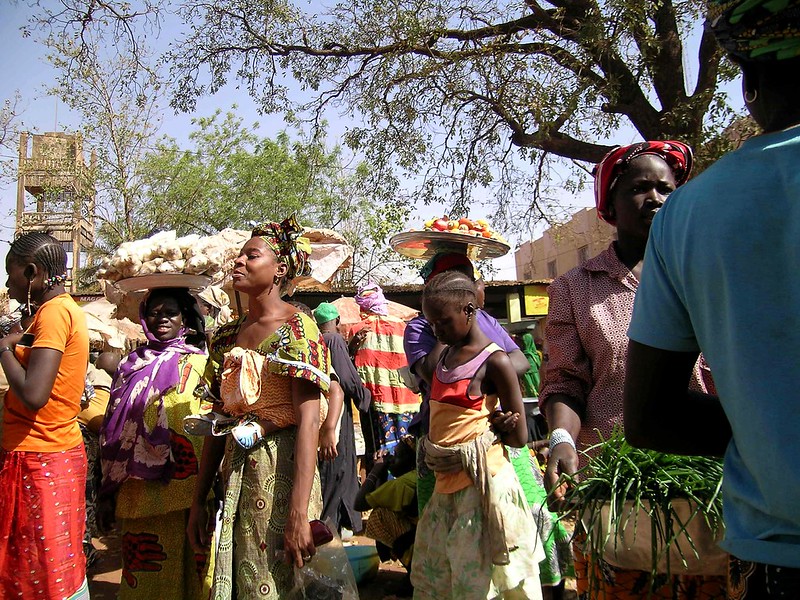
February 2, 2026
https://borgenproject.org/wp-content/uploads/borgen-project-logo.svg 0 0 Jennifer Philipp https://borgenproject.org/wp-content/uploads/borgen-project-logo.svg Jennifer Philipp2026-02-02 07:30:062026-02-01 23:58:49Gender Wage Gap in Slovakia
Gender Equality, Gender Wage Inequality, Global Poverty

Empowering Women to Close the Gender Pay Gap in Malawi

Gender Pay Gap in MalawiPoverty is an ongoing issue in Malawi with more than 70% of people living under the international poverty line. A vast majority of Malawians are living on less than $2.50 per day, resulting in 13 million struggling to achieve economic security.

Women are at an increased disadvantage due to social norms, creating an even bigger disparity in equality. The gender pay gap in Malawi affects not only women, as equality in the workplace, at home and societal beliefs can benefit everyone.

Conditions for Women in Malawi  

Women hold low economic power in their homes and workplaces, balancing unpaid childcare with paid jobs in productive sectors such as agriculture and mining, while still consistently being offered fewer hours and lower wages than men.

Girls are typically married before 18, having to abandon their education to care for their children. This limits their opportunities in the workforce and continues to perpetuate the notion that women are less skilled and deserve less pay. By taking away the chance for a full education, women are left at a disadvantage compared to men, who can finish their education and enter the workforce.

Women as Leaders in Poverty Reduction 

A 2023 UN Study focusing on the gender pay gap in East and Southern Africa supports the idea that women can become leaders in poverty reduction. Empowering women and giving them financial autonomy could help lift the entire country out of poverty. Women are more likely to share their income with the household, investing more in their children’s health, housing and education. Prioritizing investing in their own families further stimulates the economy and fuels the next generation to create better overall living conditions.

To integrate women confidently into the labor market, the U.N. is calling for legislative change, creating transparency in the hiring process and prohibiting discrimination based on gender or marital status. Malawi can achieve this by developing regulations for minimum wage, increasing benefits and making salaries publicly available. All of this contributes to the elimination of the glass ceiling, bringing women to the forefront of economic progress.

Malawi must work to change societal norms, while also implementing work-life balance policies to ensure that unpaid child care is no longer the only option. Progressing to share child care responsibilities will empower women and unlock the full potential of the Malawian workforce. Uplifting women will facilitate socioeconomic growth, working to lift the entire country above the poverty line.

The good news is that progress has already begun. Malawi has achieved an equal representation of genders in schools by removing education fees and creating a safe space for girls to learn. This is key in empowering young girls to enter the workforce with confidence and the knowledge necessary to succeed.

Empowered Women Advocating for Change 

Advocacy and the creation of support programs are essential in closing this gender divide. The Young Feminists Network (YFN) is an organization that lobbied to establish an Executive Committee at the end of 2024, representing the interests of women nationwide. Its work is pivotal to bringing the gender pay gap in Malawi to the forefront of government policy changes and giving women a voice at the political level.

YFN’s Equal Pay Day event in 2025 brought women together to discuss the “Untapped Societal Potential due to the Persistent Gender Pay Gap.” This shift in narrative, driven by young women, places an increased emphasis on the value women have to the economy. YFN is working to reshape the idea that women are less by recognizing their potential to become integral members of society.

This is vital work, increasing awareness and empowering women across the country to be confident and demand equal pay. YFN is an effective example of how societal norms are shifting and how women are asking for more. The full potential for Malawi’s economic growth is being unlocked as women find their collective confidence to demand equal pay. Young women are at the forefront of calling for change, not just to benefit themselves, but to help everyone in Malawi.

With government support and legislative change to close the gender pay gap in Malawi, women will continue to rise and bring prosperity to their country. Empowering women and giving them financial autonomy will lead to poverty reduction, powering the economy to create a sustainable future. All Malawian women need is the space to succeed. 

– Hope Jowharian

Hope is based in Paris, France and focuses on Business and Good News for The Borgen Project.

Photo: Flickr

December 17, 2025
https://borgenproject.org/wp-content/uploads/borgen-project-logo.svg 0 0 Jennifer Philipp https://borgenproject.org/wp-content/uploads/borgen-project-logo.svg Jennifer Philipp2025-12-17 01:30:292026-01-05 10:17:02Empowering Women to Close the Gender Pay Gap in Malawi
Gender Equality, Gender Wage Inequality, Global Poverty

Gender Wage Gap in Montenegro

Gender Wage Gap in MontenegroMontenegro has made steady progress on gender equality, however, women continue to earn less than men across most sectors of the economy. Structural habits in employment, social expectations and inequalities within the labor market reflect the gender wage gap in Montenegro, resulting in higher poverty risks for women.

A 2021 report from the International Labor Organization (ILO) indicates a 21.6% difference between female and male average earnings. Prime-age workers, highly skilled workers and foreign employees experience the most significant gap. Differences in the wage gap are not due to lack of qualifications or experience, but structural inequalities that shape the outcomes of women’s earnings.

Sectoral Segregation Reinforces Inequality

One of the leading factors of the gender wage gap in Montenegro is occupational segregation, as most women work in lower-paying sectors. Men dominate higher-paid fields, including construction, technology and energy, while women are concentrated in fields including retail, education and health care. Many women are on fixed-term contracts, facing larger wage penalties and limiting long-term earning potential. These disparities increase women’s vulnerability to poverty.

Female workers in Montenegro often acquire higher levels of education compared to men. However, these improved qualifications are not yet reflected in their pay. According to the LIO, highly educated women continue to earn less than similarly educated men. This suggests that gendered stereotypes, limited access to leadership roles and hiring patterns continue to hold back guaranteed equal pay and reinforce the gender wage gap in Montenegro.

Women Face Higher Poverty Risk Amid Unequal Earnings 

Montenegro’s Gender Equality Index score for 2023 was 59.3, placing the nation below the European Union average by more than nine points. According to the Statistical Office of Montenegro (MONSTAT), monetary and economic resources remain the least equal category. Scarce access to economic opportunities alongside lower earnings positions Montenegrin women at a higher risk of poverty than men, especially single mothers and rural women.

Reforms Aim To Reduce the Wage Gap

The Montenegrin government has introduced several legal and policy reforms to strengthen equal-pay protections and expand economic opportunities for women. Reforms include improving labor-law enforcement, expanding digital-skills training and supporting female entrepreneurship. The European Union and international partners are supporting these programs. According to the UNDP, these initiatives increased women’s participation in training programs supporting more than 500 women-led businesses between 2020 and 2023. Strengthening these reforms is vital to closing the gender wage gap in Montenegro.

Ending the gender wage gap in Montenegro will require a sustained investment in childcare, stronger enforcement of equal-pay law and expanded opportunities for women in high-growth industries. With consistent support from national institutions, the European Union and local organizations, Montenegro can reduce poverty rates and build a more equitable and resilient economy for all. 

– Hana Abulkheir

Hana is based in London, UK and focuses on Global Health and Politics for The Borgen Project.

Photo: Unsplash

December 6, 2025
https://borgenproject.org/wp-content/uploads/borgen-project-logo.svg 0 0 Jennifer Philipp https://borgenproject.org/wp-content/uploads/borgen-project-logo.svg Jennifer Philipp2025-12-06 03:00:022025-12-06 02:22:30Gender Wage Gap in Montenegro
Education, Gender Equality, Global Poverty

Closing Kenya’s Gender Gap in Tech Education

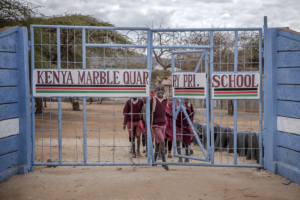
Kenya's Gender GapIn 2025, Kenya is witnessing a transformative shift in education. Across cities, towns and rural villages, digital learning hubs are opening doors for women and girls to access science, technology, engineering and mathematics (STEM) education for the first time. This access is driven by both government-backed digital literacy campaigns and grassroots organizations such as AkiraChix. These initiatives aim to close Kenya’s gender gap in the technology sector and position young women as leaders in the country’s growing digital economy.

Kenya’s Government Connecting the Gender Divide

Kenya has long been recognized as one of Africa’s technology pioneers, with its capital city, Nairobi, earning the nickname “Silicon Savannah” for its start-up ecosystem. However, despite this progress, Kenya’s gender gap in digital access remains significant. According to the United Nations Educational, Scientific, and Cultural Organization (UNESCO), women occupy fewer than 30% of Information and Communication Technology (ICT) roles in Kenya, and mobile internet use is considerably lower among women than men.

To tackle this divide, Kenya’s government has launched several digital literacy initiatives under its Kenya Vision 2030 and national ICT strategy. These initiatives aim to expand computer access in schools, increase teacher training and extend technology access in low-income regions. The government’s 2030 goals would allow women and girls to gain stronger digital skills and develop a greater interest in STEM fields.

How AkiraChix Is Coding a New Future for Women

At the heart of this transformation is AkiraChix, a Nairobi-based nonprofit founded in 2010 that trains young women from underprivileged backgrounds in coding, design and entrepreneurship. AkiraChix runs a camp program that introduces girls to technology and design software. Its CodeHive program offers a fully subsidized, yearlong training in software development, product management and digital design for women ages 20-24.

According to AkiraChix’s 2022 Impact Report, more than 80% of graduates secure a placement or start their own ventures within six months of finishing the program. In its 2021 Impact Report, one 2020 alumna, Rebecca Wambui, said learning to code through the CodeHive program helped her realize that “I can also do this.” She has since developed a chatbot to help local farmers access affordable market prices.

Community Hubs Expand Rural Opportunities

Beyond Nairobi, a growing network of community digital learning hubs is making STEM education accessible in rural and low-income areas. UNESCO-supported programs have introduced more than 200 girls from 20 schools to robotics, mobile app design and 3D printing. Similar to AkiraChix’s programs, UNESCO bootcamps often give girls their first exposure to engineering and computer science. These programs play a key role in narrowing Kenya’s gender gap by increasing interest in STEM.

By equipping women with marketable STEM skills, Kenya is strengthening innovation and inclusive growth. Studies show that expanding digital access contributes directly to higher gross domestic product (GDP) and employment rates in developing nations. For graduates of AkiraChix, UNESCO programs and other digital hubs, the results include greater financial stability, improved livelihoods and stronger educational outcomes.

Challenges and the Road Ahead

Despite these gains, challenges remain. Many rural areas still lack stable electricity or affordable data, limiting the reach of digital learning. Additionally, cultural norms and gender stereotypes continue to discourage girls from pursuing STEM, and the cost of devices remains a barrier for low-income families.

Experts emphasize the need for sustained investment in infrastructure, teacher training and the integration of digital skills in school curricula, supported by public and private partners.

Kenya’s expanding digital learning ecosystem demonstrates how innovation and equality can intersect to drive national progress. By giving women and girls the tools to thrive in STEM, the country is working to bridge its gender gap in technology and build a more inclusive future.

– Abigail Ariyo

Abigail is based in Ottawa, Canada and focuses on Good News for The Borgen Project.

Photo: Unsplash

December 1, 2025
https://borgenproject.org/wp-content/uploads/borgen-project-logo.svg 0 0 Precious Sheidu https://borgenproject.org/wp-content/uploads/borgen-project-logo.svg Precious Sheidu2025-12-01 07:30:332025-12-01 00:54:16Closing Kenya’s Gender Gap in Tech Education
Gender Equality, Global Poverty, Politics

Gender-Balanced Politics: Women in Power Reduce Poverty

Gender-Balanced PoliticsIn Rwanda, women hold almost two-thirds of the seats in parliament, the highest proportion in the world. When women entered politics in large numbers after the 1994 genocide, the government began prioritizing laws that improved daily life for families. Since then, Rwanda has expanded access to education, strengthened health care systems and reduced poverty among female-headed households.

Similar progress is visible elsewhere. In Nepal, thousands of women now serve on local councils, shaping budgets and school programs. In Finland, women have long led policies that make childcare affordable and education universal. Across the world, gender-balanced politics has shown that when women share power, communities thrive and poverty is reduced.

Why Representation Matters

Globally, women hold just 27.2% of parliamentary seats. Although this figure has risen from 11.3% in 1995, progress remains uneven. Research shows that gender-balanced politics has measurable economic benefits. Countries with more women in parliament tend to invest more in education, health care and family welfare, policies that reduce poverty in the long term. One study found that a 10-percentage-point increase in women’s representation is linked to a 0.74-point rise in GDP growth

Rwanda continues to lead the world, with women holding about 63.8% of parliamentary seats. Following the genocide, reforms ensured that women played a central role in rebuilding national institutions. Between 2001 and 2014, “the poverty rate declined by almost 18 percentage points.”

Across Europe and the Americas, countries with higher shares of women in parliament also rank high in education, universal health care and family support policies. The Americas average 34.5% women MPs — well above the global mean — showing how gender-balanced politics can translate into social progress.

Pathways to Gender Balance

Countries use quotas, mentoring and civic education to achieve gender-balanced politics. The IPU reports that nations with gender quotas average 31.2% women in parliament, compared with 16.8% in countries without quotas.

Mentorship and training help women access campaign networks, while civic education shifts public attitudes toward equality. Yet challenges persist: cultural norms, unequal campaign funding and harassment continue to hold women back.

When women share power in parliament and cabinet, policy priorities change. Investments in early education, maternal health and social protection rise. Countries with more women leaders tend to pass laws that expand women’s economic rights, boosting labour participation and reducing gender disparities.

Inclusive governance also strengthens accountability. Governments that reflect their populations’ diversity allocate resources more equitably, reducing poverty for all.

The Road Ahead

Gender-balanced politics is not just about equality, it’s about building fairer, stronger societies. Countries that include women in decision-making tend to achieve lower poverty rates, better health outcomes and faster development.

Rwanda and Nepal show what’s possible when women shape national policy. As more nations follow, gender balance in governance can evolve from an aspiration into a proven strategy for poverty reduction.

– Lucy Williams

Lucy is based in Wrexham, UK and focuses on Politics for The Borgen Project.

Photo: Flickr

November 29, 2025
https://borgenproject.org/wp-content/uploads/borgen-project-logo.svg 0 0 Naida Jahic https://borgenproject.org/wp-content/uploads/borgen-project-logo.svg Naida Jahic2025-11-29 03:00:482025-11-28 10:43:33Gender-Balanced Politics: Women in Power Reduce Poverty
Child Marriage, Gender Equality, Global Poverty

Child Marriage in Haiti: How Poverty Drives Child Marriage

Child Marriage in HaitiPoverty, gender inequality and insecurity largely drive the ongoing issue of child marriage in Haiti. Haitians face widespread poverty, food insecurity, gang violence and limited access to public services, leaving families with limited options to sustain themselves. This prompts many to marry off their children as a survival strategy. International aid and targeted poverty‑reduction programs work to address the root causes of child marriage in Haiti.

The Prevalence of Child Marriage in Haiti

In Haiti, 15% of girls marry or enter a union before the age of 18 and 2% before 15. For boys, 2% marry before 18. Three main factors drive child marriage: gender inequality, poverty and insecurity. Ongoing security issues such as gang violence, natural disasters and poor economic conditions push families to marry off their children, mainly daughters, as a form of survival and protection. Poverty, political unrest and natural disasters limit access to education and economic opportunities, leaving approximately one million children out of school in 2023 and families with few options for stability. Despite Haiti’s international commitments through Sustainable Development Goals (SDGs) to end child marriage by 2030, the country lacks a national strategy or a minimum legal marriage age without exceptions. Children 15 and younger marry with parental or presidential consent.

Driving Factors: Poverty and Gender Inequality

The age of consent in Haiti is 15 for both genders. Girls may legally marry at 15, and boys at 18. The president may approve marriages under these ages for ‘serious reasons.’ Additionally, if a girl under 14 conceives or either party reaches 18 within 6 months of marriage, the union cannot be annulled.

Widespread poverty and harmful norms contribute to high rates of violence and early marriage. Deeply rooted beliefs about family roles contribute to in-home violence with 73.8% of young women and 69.4% of young men justifying domestic violence. Nearly half of married adolescents aged 15–19 experienced physical, sexual or emotional abuse. A 2012 UNICEF report on Haitian poverty levels found that 58% of adolescents lived in poverty, and currently, more than half the population remains below the poverty line. High rates of violence in child marriages make divorce difficult, trapping many in abusive relationships.

Driving Factors: Gang Violence and Food Insecurity

Gang violence, hunger and poverty create urgent risks for children, including early marriage, sexual exploitation and school dropout. A needs assessment found that nearly half the population facing crisis levels of hunger. Food insecurity and economic hardship are driving parents to resort to child marriages. Low school attendance leaves children exposed to recruitment by armed gangs; estimates suggest that 30–50% of gang members are underage.

Plan International is an organization that is working to protect children from these risks. It provides psychosocial support, child-friendly spaces, nutrition programs, cash transfers and health services. Since July 2022, the organization has scaled up humanitarian assistance in Artibonite and the Northeast Department to identify and support children in need of psychosocial support, particularly unaccompanied or separated children, forcibly displaced children and survivors of sexual and gender-based violence. Plan International has set up child-friendly spaces, provided sociocultural activities such as theatre programs, and increased access to health services.

Plan International has supported more than 25,000 people with cash transfers, enabling them to buy food, pay school fees and meet other urgent needs. These practices aim to protect children from violence and exploitation. Addressing both hunger and insecurity is critical to preventing child marriage and safeguarding the futures of Haiti’s children. Compounded initiatives like this are helpful in reducing child marriage rates in Haiti.

UNICEF’s Initiatives Targeting Root Causes of Child Marriage in Haiti

UNICEF addresses poverty, violence and instability to prevent child marriage in Haiti. The organization expands nutrition services, including treatment for acute malnutrition, micronutrient supplementation, deworming and immunizations, reducing the hunger and malnutrition that push families to marry off their children. UNICEF delivers vaccines and therapeutic food, and ensures access to safe water, sanitation and hygiene. It also strengthens communities and helps lower the risk of disease outbreaks that disrupt education and livelihoods.

The agency promotes safe learning environments by distributing school kits, rebuilding damaged schools and advocating against attacks on education. A nationwide cash transfer initiative helps families enroll children in school and ensures teachers are prepared for the school year. UNICEF also provides psychosocial support and protection services to children experiencing violence, including victims of gender-based violence, unaccompanied and separated children and children associated with armed groups. The organization supports disaster recovery and preparedness, rebuilding water systems and schools and providing cash transfers to vulnerable families. These interventions reduce the economic and social pressures that drive child marriage and help protect every child’s right to a safe and healthy future.

Safeguarding Rights and Futures

Child marriage in Haiti is closely linked to poverty, insecurity and entrenched gender inequality, leaving children particularly vulnerable to marriage, violence and exploitation. Addressing these challenges through education, health care, nutrition and protection programs alongside broader efforts to reduce poverty and instability is essential to safeguarding children’s rights and preventing child marriage in the long term.

– Mollie Skogen

Mollie is based in London, UK and focuses on Politics for The Borgen Project.

Photo: Unsplash

November 22, 2025
https://borgenproject.org/wp-content/uploads/borgen-project-logo.svg 0 0 Jennifer Philipp https://borgenproject.org/wp-content/uploads/borgen-project-logo.svg Jennifer Philipp2025-11-22 03:00:272025-11-22 01:30:41Child Marriage in Haiti: How Poverty Drives Child Marriage
Employment, Gender Equality, Global Poverty

SDG 5 in Cuba: Updates on Gender Equality

SDG 5 in CubaThe United Nations’ Sustainable Development Goal 5 aims to increase gender equality worldwide. SDG 5 seeks to improve women’s political representation, enhance women’s academic achievement, reduce gendered divisions of care and domestic labor and combat the violence and exploitation of women. This article will examine the implementation of SDG 5 in Cuba, highlighting successes and areas that require continued attention.

Women in Government

The Federation of Cuban Women (FMC) formed in 1960 to implement reforms following the revolution. The FMC continues to work towards achieving gender equality within the political and public spheres. According to the U.N. Resident Coordinator in Cuba, Francisco Pichon, Cuba has made remarkable strides in gender equality; its parliament is one of only six governments worldwide to have achieved gender parity in its membership. As of 2024, women hold 55.74% of seats in Cuba’s parliament. This represents a nearly doubling of women’s parliamentary representation. A gendered power gap continues to exist for key government positions. For example, women hold only 18.5% of cabinet minister positions.

Education for Women

SDG 5 in Cuba has achieved significant successes in the realm of equitable education. Cuban women have achieved high levels of academic success with women reaching educational parity with their male peers in 2013. Today, Cuban women, on average, are more educated than men. Efforts to reform the National Education System during reviews in 2023 and 2024 worked to integrate education on gender-based discrimination and lack of equity in unpaid labor.

Maternal Health Care

The realm of women’s health care Cuba has made remarkable progress. Today, Cuba has among the lowest maternal mortality rates in the world. Cuba’s efforts to reduce maternal mortality have seen them collaborate with the World Health Organization (WHO) and the Pan American Health Organization (PAHO). Efforts to bolster health and better allocate resources have built more robust health screenings and statistics on maternal health. The integration of genetic counseling at all levels of care has helped health care providers and women gain insight into individual health needs. Current efforts have been aimed at rebuilding lost gains that have occurred since the COVID-19 pandemic where mortality rates increased.

President Raúl Castro’s speech at the 2015 global leaders meeting emphasized the need for continued work to achieve true equality, stating that “Political will is much needed to avoid turning the results obtained so far into our goals instead of making them a starting point and a pledge to achieve true equality for women.” Cuba demonstrates both the rapidity at which effective change can occur but also the resilience of the entrenched patriarchal culture, even with presence of women in the halls of power and ideological commitment towards at the highest echelons.

Gender Disparities in the Labor Force

According to U.N. Women, significant gendered disparities existed in terms of labor and security. According to the 2025 Sustainable Development report, despite ever-increasing academic achievement, gaps in labor force equity exist. Cuba falls short of the SDG target indicator 5.4, which aims for a more equitable gender balance in unpaid domestic and care work. Women and girls 15 and up spent 21% of their time on unpaid domestic and care work, nearly double the 12.5% of time spent by men. SDG 5 in Cuba faces challenges in addressing a significant labor gap. Women comprise 39.5% of Cuba’s labor force, while men comprise 60.5%.

Cuba’s economy has stagnated over the last half decade, a trend with negative impacts on women in the labor force. When economies struggle, women bear the brunt of the effects. During times of recession, women are forced out of the workforce. About 17.5% of women in Cuba are in vulnerable employment, lacking the safety nets that help absorb economic shocks. Cuban women are less likely than their male peers to be in vulnerable employment, but major reversals for job security have occurred for both men and women since 1991. To drive the achievement of SDG 5 and strengthen its social safety net, the Cuban government has extended maternity benefits to 15 months. Cuba has made efforts to reduce the strain of care on women by increasing in-home care support for severely disabled children.

Violence Against Women and Girls

SDG 5.2 aims to combat violence against women and girls in public and private spheres. Statistics from U.N. Women point to the continued resilience of patriarchal violence in Cuba with data indicating 4.6% of Cuban women aged 15-49 had experienced physical and or sexual violence from a partner in the last 12 months. 

In Cuba, legal frameworks protecting women are often stronger than enforcement. In September 2022, the country ratified a new Family and Penal code. These new codes have stronger protections for custody of children, and in cases of divorce, materially punish perpetrators. The penal code establishes harsher punishment for crimes based on gender. Still, common police inaction in events of abuse mean there is a substantial gap in the enforcement of robust legal codes.

Takeaways 

Cuba has seen great success in the achievement of SDG 5 in the realms of parliamentary representation, education, and health. Economic hardship means that critical gains in women’s compensation for labor are at risk. An enduring patriarchal culture means much progress remains in eliminating domestic violence. Work towards achieving SDG 5 in Cuba has been heterogeneous, demonstrating that progress on the Sustainable Development Goals requires continuous effort.

– Atticus Flanagan

Atticus is based in Cambridge, MA, USA and focuses on Good News for The Borgen Project. 

Photo: Unsplash

November 21, 2025
https://borgenproject.org/wp-content/uploads/borgen-project-logo.svg 0 0 Jennifer Philipp https://borgenproject.org/wp-content/uploads/borgen-project-logo.svg Jennifer Philipp2025-11-21 03:00:032025-11-21 05:37:28SDG 5 in Cuba: Updates on Gender Equality
Gender Equality, Gender Wage Inequality, Global Poverty

Exploring the Gender Wage Gap in Timor-Leste

Gender Wage Gap in Timor-LesteTimor-Leste, one of Southeast Asia’s youngest nations, continues to grapple with a range of social and economic challenges, one of which is the gender wage gap. Despite progress in political representation and laws promoting equality, women in Timor-Leste frequently earn less than men, limiting their economic independence and the nation’s growth potential. Addressing the gender wage gap in Timor-Leste is vital for building a more resilient and inclusive economy.

Employment Disparities and Economic Impact

According to the Labour Force Survey 2021, women in Timor-Leste are significantly less likely to participate in the labor market than men. The labor force participation rate stood at 36.9% for men and only 24.2% for women. Of the total employed population of 234,300, only 92,300 were women compared to 142,000 men. Unemployment among women was also higher at 5.9% compared to 4.6% for men, highlighting the structural disadvantages women face in accessing stable and well-paid jobs.

The survey further found that women are more likely to be self-employed or contributing family workers and less likely to hold formal wage employment. This imbalance not only constrains women’s personal financial independence but also reduces household income and the nation’s overall productivity.

Key Factors Behind the Gender Wage Gap in Timor-Leste

  1. Educational Gaps: Reports finds that educational disadvantage is higher in poorer regions with illiteracy and school non-attendance more prevalent among women. On average, the number of unschooled or illiterate females per household, according to the Timor-Leste Survey of Living Standards (TLSLS), is almost 30% higher than that of males. This educational divide, coupled with limited access to upskilling training, restricts women’s ability to enter the labor force, thereby reinforcing income inequality and limiting long-term economic mobility.
  2. Traditional Gender Roles: A major factor behind women’s low participation in Timor-Leste’s labor force is the persistence of traditional gender roles that assign domestic duties primarily to women. Of the women outside the labor force, more than half (50%) are engaged in family responsibilities or housework, compared with only 32% of men. These figures reflect deep-rooted social expectations that women should prioritize unpaid household labor over paid employment. As a result, many women face interruptions in their careers or are unable to enter the workforce at all, which contributes directly to the gender wage gap.
  3. Social Norms: Social norms in Timor-Leste also influences who holds authority within families and communities. People widely regard men as the primary decision-makers and breadwinners, while women’s roles often involve supporting and managing the household. Many families see wives as better at budgeting and saving, and therefore take charge of daily expenses and household finances. However, this division reinforces a deeper imbalance where men “work” and earn, while women “save” and manage, keeping women’s economic roles confined to the private sphere. Such cultural attitudes discourages women’s participation in public life and entrepreneurship, and ultimately reinforce gender disparities in income, leadership and opportunities.

Efforts To Close the Gap

Timor-Leste has demonstrated a strong national commitment to advancing gender equality and women’s leadership through the launch of its second-generation National Action Plan on Women, Peace and Security (NAP 1325) for 2024–2028. This five-year plan, with technical assistance from UN Women, attempts to incorporate gender equality at every level of government, from community decision-making and security sector reform to peacebuilding and humanitarian relief. The new plan, which builds on the achievements of the first NAP, has a strong emphasis on women’s leadership and meaningful engagement, particularly in fields where representation is still low. With women already occupying 36.9% of parliamentary seats and the appointment of the nation’s first female military commander, the plan represents a persistent attempt to reduce gender disparities in leadership as well as in the larger social and economic spheres.

Future Opportunities

Timor-Leste has certainly made progress in addressing gender inequality over the years, but continued efforts are essential to closing the gender wage gap in Timor-Leste and promote greater economic equity.

Despite existing laws to guarantee equal compensation for equal labor, enforcement remains inconsistent. Timor-Leste should focus on strengthening enforcement of laws pertaining to fair pay, maternity leave and employment discrimination. Ensuring that women can truly benefit from protections they are entitled to is crucial in reducing the wage gap and improving women’s financial independence.

Furthermore, to overcome the education divide, more targeted efforts are necessary to enhance women’s access to education, especially in traditionally male-dominated disciplines like STEM (Science, Technology, Engineering and Mathematics). Scholarships, incentives and awareness campaigns should also be fully accessible for both men and women in order to advance gender equality. By empowering women through education, Timor-Leste can therefore build a more inclusive workforce.

Looking Ahead

Though challenges remain, Timor-Leste has made significant strides towards gender equality. Ultimately, closing the gender wage gap in Timor-Leste benefits not just individuals but the entire nation, and Timor-Leste can then unlock its full economic potential, reducing poverty and fostering a more resilient and equitable society for all.

– Chris Tang

Chris is based in Beijing, China and focuses on Good News and Technology for The Borgen Project.

Photo: Wikimedia Commons

November 20, 2025
https://borgenproject.org/wp-content/uploads/borgen-project-logo.svg 0 0 Jennifer Philipp https://borgenproject.org/wp-content/uploads/borgen-project-logo.svg Jennifer Philipp2025-11-20 01:30:082025-11-20 01:26:09Exploring the Gender Wage Gap in Timor-Leste
Education, Gender Equality, Global Poverty

Education or Survival? Educational Challenges in Rural Punjab

Educational Challenges in Rural PunjabThe literacy rate in Pakistan has increased significantly over time, with the national figure now exceeding 60%. Punjab leads this progress with a rate slightly above 66%. However, these statistics do not override the province’s barriers to education, particularly for working-class families. Thus, to learn more about the educational challenges in rural Punjab, The Borgen Project interviewed Laiba Waris. Waris is a 22-year-old girl whose family moved from Sialkot to Islamabad to escape societal pressure and seek better opportunities.

Despite being close to Pakistan’s industrial hubs, rural Sialkot still faces deep-rooted inequality. Most families rely on small trades, farming or daily labor to make a living. For many, educating their children, especially daughters, feels out of reach. Schools are limited, transportation is expensive and traditional gender norms remain strong.

Waris is the only one in her family still in school. Her brothers fully support her, doing what they can despite financial strain. “We do have a small business, but education expenses are a big burden,” she says.

Waris’ Story: Education Beyond Boundaries

To overcome these educational challenges in rural Punjab, Waris’ family moved to Islamabad. This marked a turning point in Waris’ life. “It’s good for my personality development and my life,” she says, explaining that university education has given her confidence and exposure that rural girls rarely experience.

Yet, the journey has not been easy. “I face difficulties in paying my fees and managing transport. My family supports me, but it’s not easy for them,” she adds. Her words reflect the quiet determination of many rural students who leave their homes in search of a better future.

The Gender Divide in Rural Punjab

Educational challenges in rural Punjab are deeply intersectional with gender. This reflects the province’s wider gender gap, where female literacy is just about 63.4% compared to 75.4% for males. In her hometown, education beyond matriculation is not very common for girls. “In our area, education is so difficult for girls after matric, very few continue,” Waris explains. “Most get married early or start working in factories.”

Waris considers herself lucky to have parents who believe in education. “They’re not conservative. They want me to study and have a good job. But there’s still a lot of social pressure. People talk, but my family appreciates me and is standing by me.” Encouragingly, she also notes progress. “In old times, there were very few girls going to school. But now, things are changing. More girls are studying and they’re more passionate than boys.”

Dreams and Determination

Waris’ ambitions stretch far beyond her village. She aspires to enter politics to represent and uplift her community. “Education is as important as water,” she says. “It gives life meaning and power. Without it, people remain trapped.”

Her words carry a powerful message for policymakers and citizens alike: scholarships, free education and transport systems are essential if rural students are to compete equally with their urban counterparts.

The Path Forward

Waris’ story, from rural Sialkot to Islamabad, mirrors the broader dilemma faced by Pakistan’s working class: whether to prioritize education or focus on survival. Her journey highlights the significance and ever-cascading educational challenges in rural Punjab.

She shares her story as both a personal triumph and a reminder that true progress depends on making education accessible to all, regardless of geography, gender or income. For now, Waris continues to study, fueled by hope that one day her success will help open doors for others in her village who still dream of learning.

– Sidra Tahir

Sidra is based in Rawalpindi, Pakistan and focuses on Technology and Politics for The Borgen Project.

Photo: Flickr

November 8, 2025
https://borgenproject.org/wp-content/uploads/borgen-project-logo.svg 0 0 Lynsey 2 https://borgenproject.org/wp-content/uploads/borgen-project-logo.svg Lynsey 22025-11-08 07:30:362025-11-08 01:27:19Education or Survival? Educational Challenges in Rural Punjab
Gender Equality, Global Poverty, Women

How Changing Weather Drives Gender-Based Violence in Somalia

Gender-Based Violence in Somalia

Prolonged droughts, failed rainy seasons and displacement are raising everyday risks for women and girls. The result is a sharp rise in gender-based violence (GBV) in Somalia, turning a climate emergency into a public health crisis. The solutions exist. From safe spaces to bringing water closer to homes, programs cut risks and restore autonomy. 

Water Scarcity Forces Longer, Riskier Journeys

Only 52% of people in Somalia have access to a basic water supply. When regulated systems fall short, families turn to distant or unsafe sources. Fetching water is usually the job of women and girls and the long walks can expose them to harassment and assault. This proves climate instability drives gender-based violence in Somalia.

UNICEF and partners extend pipelines, drill boreholes, repair systems and support community-led sanitation efforts so that water is closer to homes. Shorter walks mean fewer chances for abuse and more time for school and work.

Overcrowded Displacement Camps Heighten Protection Risks

Climate shocks destroy livelihoods and push families into cities. In many IDP sites, cramped shelters, poor lighting and unprotected latrines increase exposure to sexual violence. In 2021, Somali women and children made up 93% of reported GBV survivors and 74% of reports came from displaced communities. Lack of lockable latrines, privacy and lighting are major risks.

Changing climatic conditions are driving GBV in Somalia by worsening displacement, straining services and increasing the daily dangers women and girls face in overcrowded camps. Evidence shows that practical steps can significantly reduce GBV risks in overcrowded IDP sites. Safety audits in Baidoa revealed that camps lacking lighting or secure shelters left women particularly vulnerable at night.

In contrast, latrines equipped with locks and solar bulbs improved both safety and dignity for users. Together with better fencing, lockable shelters and alternative fuel sources to reduce firewood collection risks, these measures help create safer, more protective environments for displaced families.

Food Insecurity Drives Harmful Coping Strategies

Drought, conflict and price shocks erode income. Families face impossible choices that can increase GBV in Somalia, including survival sex and child marriage. UNFPA notes spikes in rape and IPV linked to displacement and scarcity.

Harmful practices like Female genital mutilation (FGM) are also used to increase girls’ “marriageability.” Cash assistance with protection measures, safe and inclusive distributions, plus GBV risk mitigation in food security programs. The United Nations Office for the Coordination of Humanitarian Affairs (OCHA) highlights how integrating gender analysis into food responses lowers risk while meeting needs.

Shocked Health Systems Limit Survivor Care

Climate and conflict damage roads and clinics, making reaching medical and psychosocial support harder. UNFPA reports gaps in rape treatment, case management and Mental Health and Psychosocial Support (MHPSS) in rural areas and camps, which can trap survivors in unsafe settings.

UNFPA’s One-Stop Centers and Women & Girls’ Safe Spaces provide confidential, survivor-centered care under one roof, from clinical services to legal referrals. In Bosaso, a UNFPA-supported One-Stop Center is fully operational and serving survivors. As weather changes are driving GBV in Somalia, these safe spaces are vital lifelines, ensuring women and girls have access to protection, support and pathways to recovery.

Women-Led Adaptation Reduces Exposure and Builds Autonomy

Women are leading climate solutions that also reduce exposure to violence. Training in solar energy, water systems and climate-smart livelihoods places women at the center of risk reduction. UNICEF’s Youth Empowerment Center in Dollow trained displaced youth, including young women like Amina, to install solar panels.

Bringing reliable power and water closer to homes reduces the need for trips to distant, unsafe locations. The UNDP and its partners are also scaling up water infrastructure and nature-based solutions in Somalia. As a result, thousands of women-headed households are gaining reliable water access, reducing the time spent on risky journeys.

Why This Is a Global Health Issue

Gender-based violence in Somalia is fueled by drought, displacement and stressed systems. Changing weather patterns are driving GBV in Somalia by worsening displacement, deepening poverty and heightening daily risks for women and girls. It raises trauma, maternal health risks and disease exposure in crowded sites with weak WASH services.

Tackling it means pairing climate finance with GBV prevention, expanding access to safe water and sanitation, investing in survivor services and backing women-led adaptation. These steps save lives, restore dignity and strengthen resilience to a changing climate, offering Somali women and girls a safer and more hopeful future.

– Lucy Williams

Lucy is based in Wrexham, UK and focuses on Global Health for The Borgen Project.

Photo: Wikimedia Commons

November 4, 2025
https://borgenproject.org/wp-content/uploads/borgen-project-logo.svg 0 0 Lynsey 2 https://borgenproject.org/wp-content/uploads/borgen-project-logo.svg Lynsey 22025-11-04 01:30:142025-11-04 00:18:42How Changing Weather Drives Gender-Based Violence in Somalia
Page 4 of 39«‹23456›»

Get Smarter

  • Global Poverty 101
  • Global Poverty… The Good News
  • Global Poverty & U.S. Jobs
  • Global Poverty and National Security
  • Innovative Solutions to Poverty
  • Global Poverty & Aid FAQ’s
Search Search

Take Action

  • Call Congress
  • Email Congress
  • Donate
  • 30 Ways to Help
  • Volunteer Ops
  • Internships
  • Courses & Certificates
  • The Podcast
Borgen Project

“The Borgen Project is an incredible nonprofit organization that is addressing poverty and hunger and working towards ending them.”

-The Huffington Post

Inside The Borgen Project

  • Contact
  • About
  • Financials
  • President
  • Board of Directors
  • Board of Advisors

International Links

  • UK Email Parliament
  • UK Donate
  • Canada Email Parliament

Get Smarter

  • Global Poverty 101
  • Global Poverty… The Good News
  • Global Poverty & U.S. Jobs
  • Global Poverty and National Security
  • Innovative Solutions to Poverty
  • Global Poverty & Aid FAQ’s

Ways to Help

  • Call Congress
  • Email Congress
  • Donate
  • 30 Ways to Help
  • Volunteer Ops
  • Internships
  • Courses & Certificates
  • The Podcast
Scroll to top Scroll to top Scroll to top