Educating Girls in Kenya: Employ Them and End Poverty
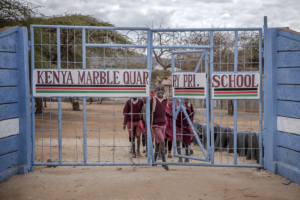 In Kenya, youth unemployment is a major driver of poverty. Each year, millions of young people enter the labor market, but many lack the qualifications needed for formal employment. In 2024, the youth unemployment rate stood at 11.93%, underscoring the continued limitations on access to stable jobs due to skills gaps.
When girls in Kenya are not educated, they continue to face barriers to completing secondary school due to social constraints and economic hardship, which increases their risk of falling into poverty. Without access to education and skills training, youth unemployment continues to fuel poverty and trap families in cycles of economic insecurity. Keeping girls in school and teaching them practical skills can reduce youth unemployment, expand opportunities and help break the link between joblessness and poverty.
Gender Inequality in Education
Kenya’s labor data show large gender disparities that worsen youth unemployment and increase exposure to poverty. According to the World Bank’s 2022 report, roughly 32.67% of Kenya’s female youth are not in education, employment or training (NEET). This means they are disconnected from opportunities that could help protect them from poverty.
Focusing on educating girls in Kenya is crucial to closing this gap and giving them pathways out of youth unemployment.
Skills Training as a Pathway Out of Poverty
To address these gaps, the government and its partners have strengthened Technical and Vocational Education and Training (TVET). The East Africa Skills for Transformation and Regional Integration Project (EASTRIP), a World Bank–funded program, increased enrollment in flagship TVET colleges from 6,971 to 57,857 students. During the program, the share of female graduates entering the workforce rose from 51% to 74%, demonstrating how skills-based training can help women overcome barriers to employment.
In addition to government action, nonprofit efforts are helping girls continue their education and build better prospects. The Campaign for Female Education (CAMFED) in Kenya was established in 2025 as a new national initiative to expand access to secondary school for girls from low-income backgrounds. In its first year, the program directly provided school fees, uniforms, menstrual supplies and disability support to 2,082 girls in Kajiado County.
To ensure students also received academic and psychosocial support, the initiative trained 163 government teachers as mentors. CAMFED’s approach is part of a broader pan-African movement that has helped millions of children access education and uses peer networks to support girls beyond the classroom.
Corporate Partnerships Reduce Youth Unemployment
Partnerships with the corporate sector are strengthening the link between jobs and skills. By 2030, the Mastercard Foundation’s Young Africa Works program in Kenya aims to help seven million young adults, including about five million young women, find suitable employment. The approach works with government, businesses and educational institutions to improve practical training, align skills with employer needs and support business growth.
The initiative also partners with TVET institutions to integrate competency-based skills and create pathways that connect education to income opportunities in digital technology, agribusiness, the green economy and other industries. Another instance of implementation is the 2Jiahiri campaign, launched by the KCB Foundation and the Mastercard Foundation. The plan aims to create approximately 43,000 jobs and offer vocational training to 8,500 young people.
Graduates have access to funding, business support and starter toolkits. 2Jiajiri has created more than 150,000 jobs and trained more than 35,000 young people, boosting their access to economic opportunities.
Final Remarks
This coordinated effort shows how educating girls in Kenya and linking their skills to real jobs can reduce their vulnerability to poverty. When education aligns with actual career paths, students graduate into productive economic roles rather than into uncertain futures. Schools, government training programs and private-sector partners work together to keep girls in school.
If these models are scaled and sustained, they can help more girls stay in school, find respectable jobs and build an economy where young people can contribute with confidence and independence.
– Madison Brown
Madison is based in Nottingham, UK and focuses on Good News for The Borgen Project.
Photo: Flickr
