Top 10 Facts About Hunger in Slovakia
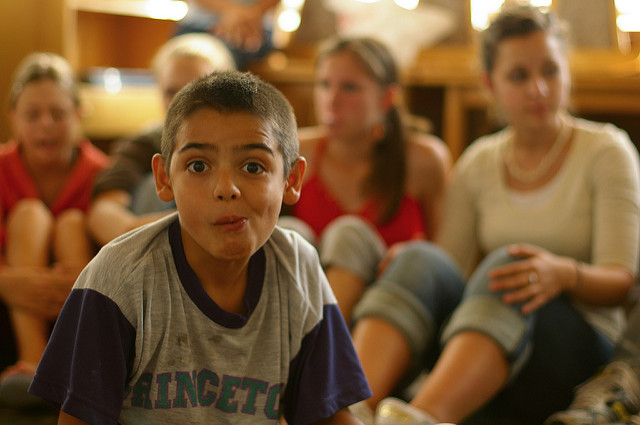 The Slovak Republic, located in Central Europe south of Poland, was created in 1993 when Czechoslovakia split into its two national components, the Czech Republic and Slovakia. It is a small, landlocked and mountainous country, with a population of almost 5.6 million, more than half of which is urban. Here are 10 facts about hunger in Slovakia.
Top 10 Facts About Hunger in Slovakia
- In 2024, Slovakia was one of 22 countries (out of the 127 countries ranked) with a score of less than five on the Global Hunger Index scale, meaning that its level of hunger is Low. The level of hunger in Slovakia has been consistently dropping since 2000.
- Four indicators comprise the GHI—percent of population undernourished; wasting and stunting of children under five years old; and child mortality of children under 5—and the proportions for Slovakia on each of these measures have been less than 10% since 2000.
- The “burden of malnutrition” is assessed annually by the 2025 Global Nutrition Report. Of the thirteen global nutrition targets measured and reported in the 2025 report, Slovakia is making ”some” progress only on low birth weight. The country is “off course” for seven targets and has provided no data for another three. There is no progress, or worsening, regarding reducing anemia for women of reproductive age; 23.5% of 15-49-year-old women are anemic.
- Slovakia has implemented national nutrition policies in seven of the ten areas reported in the Global Nutrition Report, including an operational policy, strategy or action plan to reduce unhealthy diet related to noncommunicable diseases. Their national policies include specific targets for childhood overweight reduction, and adolescent and adult overweight reduction, as well as for the reduction of blood sugar levels/diabetes prevalence.
- In 2021, at the June FAO Conference, His Excellency Samuel Vlčan, minister of agriculture and rural development, indicated that Slovakia was joining other countries and stakeholders in organizing a National Food System Dialogue. Vlčan reported the intention of Slovakia to meet dietary and nutrition needs with a sustainable food system that would also reduce environmental impact. This would include localizing supply chains, supporting local production and consumption and reducing and minimizing food loss and waste. Slovakia then participated in September in the Food Systems Summit, related to SDG 2, and also addressing diet-related diseases and access to nutritious and safe food.
- In 2023, Convoy of Hope Europe initiated Children’s Feeding in two program centers in Slovakia, where children would walk to the centers after school to receive a hot meal. Convoy of Hope fed 300 children on the first day, primarily Roma children. A marginalized group in Slovakia, living in segregated slums, the Roma comprise less than 2% of the Slovakian population and lack access to many social amenities.
- In 2024, Slovakia voluntarily joined the Global Alliance Against Hunger and Poverty. The Global Alliance is a collective approach to the innovative and accelerated implementation of the U.N.’s Sustainable Development Goals (SDGs) 1, No Poverty, and 2, Zero Hunger. Slovakia is thus committed to the Global Alliance’s “policy basket,” the 50 policy instruments and programs that can be applied or adapted to each country’s specific context.
- In June 2025, Slovakia hosts the XXIII European Conference on Food Chemistry. This event is to facilitate knowledge exchange on the latest advances in food chemistry and technology, as well as networking among food chemists from academia and industry, and food technologists and emerging scientists.
- Slovakia’s initial CAP [Common Agricultural Policy] Strategic Plan (under the European Commission umbrella) was first proposed in February 2022, with its most recent revision in March 2025. The CAP Plans are to achieve a “smart, sustainable, competitive, resilient and diversified agricultural sector, ensuring long-term food security.” Slovakia’s Plan gives special attention to small and young farmers. Key elements include financial support for farmers, organic farming, climate-related objectives, job creation, rural business support and higher animal welfare standards.
- There is a challenge, however, in achieving the best balance between Slovakia’s sovereignty in terms of food self-sufficiency (efficient agricultural production) and European Union goals (pan-European cooperation). This would be a balance between maintaining job opportunities in Slovakia’s agricultural sector versus support for trade interconnections and a common market.
While hunger is not a significant problem in Slovakia, there are shortfalls in terms of nutrition. However, the country is actively addressing its challenges, along with playing an important role in global approaches to hunger and nutrition.
– Staff Reports
Photo: Flickr
Photo: Flickr
