The Gender Wage Gap in Liberia and Its Impact on Poverty
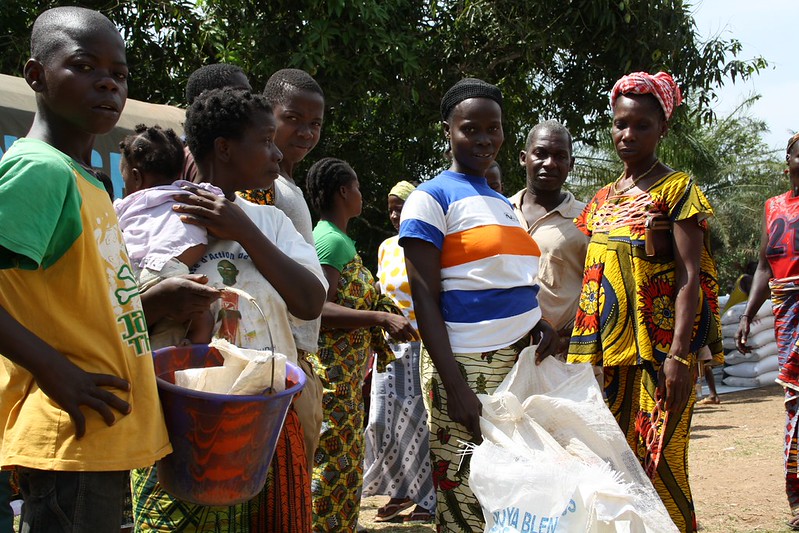 The gender wage gap in Liberia continues to be a major barrier to poverty reduction, and the country’s labor market continues to face persistent gender inequality. Despite women playing a central role in the economy, especially in informal trade and agriculture, women consistently earn less than men. In addition to reducing access to education and health care, this income disparity limits household stability and reinforces cycles of poverty that disproportionately affect women and children.
Vulnerable Employment and Low Wages
The prevalence of vulnerable employment, which includes informal, low-paying jobs without job security or social protections, is significantly higher among women in Liberia than among men. More than 90% of employed women are in vulnerable employment, compared to roughly two-thirds of men, according to the World Bank. These positions often lack minimum wage standards or stable income, making it difficult for women to save money or escape poverty.
Education Gaps, Informal Work and Social Barriers
Educational inequality is another major driver of the gender wage gap in Liberia. According to national data, women are less likely than men to have completed formal education and have lower literacy rates. More than 40% of Liberian women have never attended school, compared to approximately one-third of men. Limited access to education increases the likelihood that women remain in low-wage, informal work and reduces opportunities to enter higher-paying sectors.
Women are overrepresented in Liberia’s informal economy, which accounts for the majority of the labor market. Small-scale farming, street vending and domestic work, which are typically excluded from labor protections, serve as the main sources of income for many women. This concentration in informal work restricts access to credit, legal protections and fair wages, exacerbating income inequality and economic instability, according to the Council on Foreign Relations.
Social norms and unpaid care responsibilities further widen the gender wage gap. Unpaid domestic work, such as childcare, cooking and water collection, is more frequently carried out by women than men. Even when legal frameworks promote gender equality, these responsibilities reduce the time women can spend in paid employment and limit their ability to pursue higher-paying opportunities.
Health Impacts of the Gender Wage Gap
Income inequality and health outcomes are closely linked, and women’s well-being is directly affected by the gender wage gap. Research published by the National Institutes of Health indicates that limited access to income, education and employment opportunities adversely affects women’s health and increases household vulnerability to poverty. Lower wages reduce women’s ability to afford adequate nutrition and medical care, worsening existing disparities.
Policies and Programs Addressing the Wage Gap
International development programs and policy reforms aimed at expanding women’s access to education, credit and formal employment form part of Liberia’s efforts to reduce the gender wage gap. According to the World Bank and the United Nations (U.N.) Women, reducing gender income disparities could significantly improve household incomes and national economic growth. Long-term poverty reduction depends on stronger enforcement of labor laws and the expansion of economic programs targeted at women.
A Case for Closing the Gender Wage Gap
Closing the gender wage gap in Liberia is critical to breaking cycles of poverty and advancing sustainable development. Investing in women’s education, expanding access to formal employment and supporting income-generating initiatives can help reduce economic inequality and improve outcomes for families and communities. Strengthening women’s economic participation would also enhance resilience and support broader poverty reduction efforts across the country.
– Honey Regev
Honey is based in Edinburgh, Scotland and focuses on Business and New Markets for The Borgen Project.
Photo: Flickr
