• Link to X
  • Link to Facebook
  • Link to Instagram
  • Link to TikTok
  • Link to Youtube
  • About
    • About Us
      • President
      • Board of Directors
      • Board of Advisors
      • Financials
      • Our Methodology
      • Success Tracker
      • Contact
  • Act Now
    • 30 Ways to Help
      • Email Congress
      • Call Congress
      • Volunteer
      • Courses & Certificates
      • Be a Donor
    • Internships
      • In-Office Internships
      • Remote Internships
    • Legislation
      • Politics 101
  • The Blog
  • The Podcast
  • Magazine
  • Donate
  • Click to open the search input field Click to open the search input field Search
  • Menu Menu

Archive for category: Gender Equality

Disease, Gender Equality, Malaria

Successes Combating Common Diseases in Tanzania

Common Diseases in Tanzania
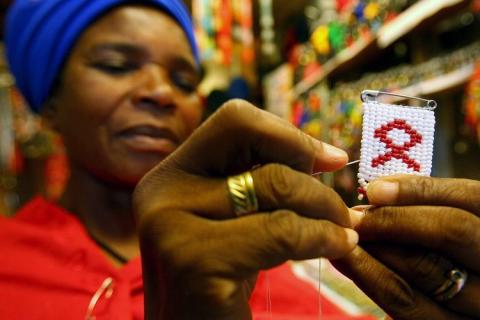
Gender inequality, limited access to safe water, lack of sanitation, poor hygiene and a recent drop in immunization are major issues Tanzanian citizens face in urban and rural areas of the country. These factors have contributed to the rampant spread of three common diseases in Tanzania: HIV and AIDS, cholera and malaria.

The most common disease affecting the Tanzanian populace is HIV and AIDS. HIV is a virus that attacks the immune system, the body’s natural defense against disease. The immune system is destroyed when left untreated and the person cannot recover from infections, big or small. At this stage, the person has AIDS.

According to the World Factbook, in 2015, almost 1.4 million people in Tanzania were living with AIDS. This is the most recent estimate. Also reported by the same source, Tanzania ranks sixth in comparison to the rest of the world with the number of its citizens living with the disease.

HIV is the main source of adult mortality in the country. The World Factbook states that in 2015 an estimated 35,700 Tanzanian adults died from the disease, placing the country in fourth place in comparison to the rest of the world.

According to the charity organization, AVERT, the populations most affected by HIV in Tanzania are people who inject drugs, men who have sex with men, mobile populations and sex workers. Of all HIV infections, 80% of them result from heterosexual sex. Tanzanian women are infected more than men due to having older partners, getting married earlier and neglecting negotiating skills for safer sex due to gender inequality.

The second of the most common diseases in the Tanzanian population is cholera. Cholera is a bacterial disease usually spread through contaminated water. Cholera causes severe diarrhea and dehydration. Cholera kills infected persons within hours when left untreated.

According to the World Health Organization (WHO), by April 20, 2016, there was a total of 24,108 cases of cholera in Tanzania, including 378 deaths. The majority of the cases were reported from 23 regions in mainland Tanzania (20,961 cases, including 329 deaths). Neighboring Zanzibar islands reported 3,057 cases of the disease, including 51 deaths.

The disease spread quickly due to conducive conditions such as limited access to safe water in poor households, sanitary problems and poor hygiene found in both mainland Tanzania and Zanzibar. In addition, the nation’s water supply institutions lacked the capacity to disinfect water and conduct regular water quality monitoring and assessments.

Recently, there has been a decline in the number of newly reported cases of cholera. However, the conditions that helped the disease to persist still have not changed, so the risk for more infections remains high.

The final common disease affecting the Tanzanian population is malaria. Malaria is a life-threatening disease caused by parasites that are transmitted to people through the bites of infected female Anopheles mosquitoes. Mild symptoms include fever, headache and chills. Severe symptoms include anemia, difficulty breathing due to fluid-filled lungs and cerebral malaria in children. In adults, organ failure is also frequent.

The World Factbook reports malaria is a leading killer of children under five in Tanzania. According to the Malaria Spot website, Tanzania has the third-largest population at risk of malaria in Africa. Over 90% of the population live in areas where there is malaria. Each year, 10 to 12 million people contract malaria and 80,000 die from the disease, most of them children. There is no vaccine for malaria. This fact contributes to why the disease continues to be a threat to Tanzanians.

Common diseases in Tanzania are prevalent because the geographical and economic conditions of the country favor their spread. While HIV and AIDS, cholera and malaria have been a threat to the population there have been positive strides. The Center for Disease Control (CDC) has been working with the government of the United Republic of Tanzania and more than 60 partner organizations since 2001 to address HIV, malaria, and other health threats by helping support service delivery and strengthen health systems and infrastructure. The CDC partnership has seen success, including:

  • 637,875 people are currently receiving HIV treatment
  • 74,430 pregnant women have received medication to reduce transmission to their babies through PEPFAR (The United States President’s Emergency Plan for AIDS Relief) since 2010
  • 1,155,833 men have been circumcised to prevent new HIV infections since 2010
  • New malaria infections have decreased from 18% to 10% in children 6-59 months in 2011-2012

With continued aid and improvement in living conditions for the Tanzanian people, common diseases in Tanzania will no longer remain common.

– Jeanine Thomas

Photo: Flickr

August 8, 2017
https://borgenproject.org/wp-content/uploads/borgen-project-logo.svg 0 0 Kim Thelwell https://borgenproject.org/wp-content/uploads/borgen-project-logo.svg Kim Thelwell2017-08-08 01:30:222024-05-28 00:15:10Successes Combating Common Diseases in Tanzania
Gender Equality, Women and Female Empowerment

Gender Inequality Examples and Progress Across the Globe

Comparing Gender Inequality Examples and Progress Across the GlobeIt is the time of year to reflect on achievements and the need for change. The World Economic Forum 2016 Report on the Global Gender Gap points to both.

Countries are measured on the following metrics regarding women and gender inequality: economic participation and opportunity, political empowerment, educational attainment, health, and survival.

The highest possible score is one for gender equality. The lowest possible score is zero for gender inequality. Rwanda has achieved a ranking of five. Pakistan and Yemen are 143 and 144 respectively out of a total 144 countries. Gender inequality examples are numerous in both Yemen and Pakistan.

Gender inequality leads to gender-based violence against both women and young girls affecting one in three females around the world, in the name of “honor killings”, public stoning’s, wartime rape, domestic violence and abuse. Increased conflict in Yemen highlights a correlation with marrying off child bride’s sooner. This is a longstanding human rights violation in Yemen.

Numbers from a survey of 250 community members conducted by UNFPA indicated 72 percent of child marriage survivors in North Yemen were married between the ages of 13 and 15. In the South, 62 percent were married before the age of 16. Child brides experience pregnancy complications and are more vulnerable to violence. They are expected to conceive within their first month after marriage.

Pakistan also experienced severe spikes in violence against women this past summer. Women died by burning, strangling, and poison. Women are vulnerable to early marriage, domestic violence and death by male family members who may be suspicious that they are unfaithful.

New legislation passed in October called the “anti-honor crime bill”. This marks progress; there will, however, remain obstacles between parliament and religious groups. For real change, all murders will need to be treated the same as a crime against the state.

True change for women living in vulnerable settings is possible. Protecting Girls Access to Education in Vulnerable Settings Act is a bill that was introduced in July 2016 that “… is critical to ensure that children, particularly girls, displaced by conflicts overseas are able to receive a quality education and that the educational needs of women and girls are considered in implementing U.S. foreign assistance policies and programs.”

Pakistan activists are taking action for change with a play on words to end violence against all women. The U.N. Women Pakistan’s new #BeatMe campaign challenges men to beat well-known women from Pakistan at things in which they excel. The campaign confronts physical abuse with female mountain climber Samina Baig. She is the only Pakistani woman to climb Mount Everest.

The campaign will focus on success stories of women from all walks of life. Pakistan’s #BeatMe campaign has advocacy components, legal services for survivors and intends to address a shift in social attitudes particularly among men and boys. The campaign’s long-term goals focus on opening a global dialogue about women’s rights and gender equality.

It has been twenty years since the Rwandan genocide where 100 million men, women and children died. Women extended their strength as mothers into the fields of construction and mobilization to rebuild their nation. Today women have a seat at the economic and political tables of power. This is why Rwanda ranks 5th this year for improving the status of women.

  • Fifty percent of Rwanda’s Supreme Court Justice’s are women
  • Girls attend public school in equal numbers to boys
  • Women can legally own property and pass citizenship to their offspring
  • Established businesswomen are leaders in the private sector
  • Rwanda ranks first in the world for women’s representation in elected lower house of parliament.

New laws are one factor in the Rwanda’s shift to a country where women hold a new place in society. These laws are strengthened by a paradigm shift in the collective thinking of the entire country.

Rwanda did not rebuild overnight. The strength of Rwandan women is a model for countries at war, where women are struggling to stay alive, and seek freedom from violence, a large stepping stone to education, political power and equal pay.

– Addison Evans

Photo: Flickr

December 18, 2016
https://borgenproject.org/wp-content/uploads/borgen-project-logo.svg 0 0 Borgen Project https://borgenproject.org/wp-content/uploads/borgen-project-logo.svg Borgen Project2016-12-18 01:30:562024-12-13 17:56:20Gender Inequality Examples and Progress Across the Globe
Gender Equality, Women and Female Empowerment

UN Women: Internship Program for Women in Afghanistan

UN Women Provides Internship Program for Women in Afghanistan
Afghanistan is a country where the population largely consists of people under 24 years old, and about 400,000 people are entering the workforce every year. It is hard enough finding a job as a young college graduate, but it’s even more difficult for the women in Afghanistan. Women in Afghanistan who seek education or employment still face backlash from a patriarchal society.

Although 64 percent of Afghans believe women should be allowed to work, many men still feel that women should be forbidden from pursuing an education. Girls who attempt to pursue education face great danger. Schools for girls have been burned down, teachers have been threatened and killed, and girls have been injured walking to and from school. The women who manage to complete their education often have forces working against them, preventing them from getting a job.

In December 2015, U.N. Women developed an internship program to help college-educated women acquire skills and develop a work ethic to better prepare them for the working world in Afghanistan. As of now, 48 women have completed the U.N. Women’s internship program in Afghanistan. The six-month program consists of two months spent training the women in different professional skills, and four months spent interning with an organization in the woman’s chosen field. The women receive a stipend from U.N. Women for the duration of their internship period.

The internship program has helped participants make vital social and professional connections with different programs around the world, some of which have offered these women jobs after completing their internships. The U.N. Women internship opportunity is helping women in Afghanistan look more suitable and appealing to job recruiters, giving them a competitive edge against young men looking for jobs.

As drastic and detrimental as things are for women in Afghanistan, the country is making progress for women and girls in education, political participation and economic roles. The National Unity Government is committed to the empowerment of women, and recognizes that equal opportunity for women is necessary for stabilizing Afghanistan and developing the country in a sustainable way.

There are more women in power than ever before. For example, 27.7 percent of parliament consists of women and three serve as ambassadors as well as the leaders of the Afghanistan Independent Human Rights Commission and four ministries. Also, Afghanistan has in place a National Action Plan to implement a resolution for the peace and security of women. These measures of progress show that there have been efforts in promoting and upholding a peaceful society with equal opportunity for women.

Women in Afghanistan continue to be disproportionately affected by poverty, discrimination and exploitation. There is still a substantial amount of resistance and discrimination in the workforce, but Afghanistan is making progress. With the help from U.N. Women, the working and educated women in Afghanistan can be progressive role models and leaders to all other women and girls.

Although Afghanistan has established ambitious goals, these actions are necessary to ensure that progress is not reversed and to preserve the great gains the country has made.

– Kayla Mehl

Photo: Flickr

November 13, 2016
https://borgenproject.org/wp-content/uploads/borgen-project-logo.svg 0 0 Borgen Project https://borgenproject.org/wp-content/uploads/borgen-project-logo.svg Borgen Project2016-11-13 01:30:422024-12-13 17:55:48UN Women: Internship Program for Women in Afghanistan
Gender Equality, Women and Female Empowerment

Women-Only Villages of Kenya Defy Patriarchal Laws

Women-Only Villages of Kenya Defy Patriarchal Laws
In some countries, structural change fights systemic oppression. Historically disenfranchised groups will organize and work their way through the existing power structure in order to undermine the ruling class.

The women-only villages in the foothills of Kenya have a different approach. In order to fight the patriarchal laws of the Samburu region, they’ve formed gender-exclusive villages where their peers support the women and provide resources to raise their children without husbands or other family members.

Umoja, which means “unity” in Swahili, is the most prominent of the women-only villages in the southeastern region of Kenya. It is home to about 50 permanent residents who support themselves by opening up their village to tourists and selling handmade jewelry.

Chairlady Rebecca Lolosoli established Umoja 25 years ago with 15 other women. They had all experienced rape and abuse by British soldiers and felt unsupported by their communities. In Samburu tradition, women are considered men’s property and therefore not legally protected in cases of rape and abuse. A group of men brutally beat Lolosoli for speaking out against the patriarchal standards of Samburu culture; she was recovering in the hospital when she got the idea for Umoja.

Today, the women of Umoja share in the day-to-day responsibilities of maintaining the village and protecting it from angry neighbors. They build homes, operate a school for their children, conduct jewelry sales and sleep in shifts in case men from nearby villages come to claim their wives. Many of the current residents consider themselves refugees, coming to Umoja after escaping abusive marriages.

Another reason women come to Umoja is to escape the culturally-ingrained practice of female genital mutilation (FGM). Historically, FGM is used as a mechanism to disempower women and enforce strict patriarchy.

Once “circumcised,” girls as young as eight can be given away to older men. Despite its reputation in traditional cultures for being safe and healthy, FGM frequently results in long-term health consequences, like urinary problems, menstrual problems, life-threatening infections and psychological trauma. The World Health Organization considers FGM a human rights violation and strongly advises against its practice worldwide.

Umoja provides a type of mobility that women of the Samburu tribe don’t have in a traditional setting. The opportunity to earn and save her own money liberates a woman from relying on her husband or family.

On top of that, living in Umoja allows women to raise their daughters beyond the confines of traditional Samburu culture, protecting them from FGM and forced early marriage. For single women who don’t wish to marry or have children, Umoja offers a safe environment in which they can work and live.

There are several other women-only villages in Kenya, including Nachimi and Supalake. In contrast to Umoja, men in Nachimi are allowed in the community, but they must respect the women’s authority.

In Supalake, gender rules still exist, but reversed; men complete chores like house maintenance and water retrieval, while women make the laws and conduct business. Each village serves as a place of refuge for women who have faced oppression or victimization of harsh Samburu traditions.

The women-only villages of Kenya are important to understanding the obstacles women face in traditional tribal cultures. Seeing how women live beyond the confines of patriarchal laws can help people understand the kind of institutional changes needed for gender equality. Places like Umoja, Nachimi and Supalake show us that economic independence is a requisite for social mobility.

– Jessica Levitan

Photo: Flickr

November 9, 2016
https://borgenproject.org/wp-content/uploads/borgen-project-logo.svg 0 0 Borgen Project https://borgenproject.org/wp-content/uploads/borgen-project-logo.svg Borgen Project2016-11-09 07:32:022024-12-13 17:55:48Women-Only Villages of Kenya Defy Patriarchal Laws
Advocacy, Gender Equality, Global Poverty

Canadian Prime Minister Stands Against Sexism in Poverty

Canada and its Strong Stance on Sexism in Poverty
Canada’s Prime Minister Justin Trudeau recently condemned sexism in poverty in response to a letter by the ONE Campaign. The open letter was released by Bono and the ONE Campaign on International Women’s Day in March. It was signed by some of the most influential women in the world, including Charlize Theron, Cheryl Sandberg and Angelique Kidjo.

Trudeau is the first world leader to formally respond, addressing the campaign thus: “On behalf of the Government of Canada, I am writing back to let you know that I wholeheartedly agree: Poverty is Sexist. Women and girls are less likely to get an education, more likely to be impoverished, and face a greater risk of disease and poor health.”

According to Melinda Gates, one reason poverty is sexist is time. It takes time to finish an education, learn a new life skill or start a business. Men in developing countries are more likely to have access to this time because women are responsible for the vast majority of unpaid housework. There are also more tangible barriers restricting women’s ability to work, whether in the form of laws barring women’s employment or a lack of access to child care for working mothers.

Trudeau had the opportunity to lead by example when Canada hosted the Fifth Replenishment Conference of the Global Fund in Montréal on Sept. 16. The conference brought global health leaders together to fight HIV/AIDS, malaria and other diseases. According to Trudeau, such collaboration is an important step to ending sexism in poverty because young women account for 74 percent of all HIV infections among adolescents in Africa.

Canada has increased its contribution to the Global Fund by 20 percent to $785 million CDN, all of which will go toward providing mosquito nets, medication and therapy. The Global Fund aims to save millions of lives and prevent hundreds of millions of new infections by 2019.

According to the ONE Campaign, nowhere in the world do women have the same opportunities as men do, a fact due in part to the sexism inherent in poverty. Trudeau’s response is one of many steps needed to rectify this major inequality.

– Sabrina Santos

Photo: Flickr

November 4, 2016
https://borgenproject.org/wp-content/uploads/borgen-project-logo.svg 0 0 Borgen Project https://borgenproject.org/wp-content/uploads/borgen-project-logo.svg Borgen Project2016-11-04 01:30:412024-05-27 23:53:34Canadian Prime Minister Stands Against Sexism in Poverty
Activism, Gender Equality

Girl Leadership Project Fights Gender-Based Violence in Brazil

Gender-Based Violence in BrazilAccording to the U.N., gender-based violence in Brazil is a major issue. A woman in São Paulo is assaulted every 15 seconds. A group of girls from Maranhão, Brazil hopes to change that. The girls are participating in Plan International’s Girl Leadership Project. Part of the initiative entails getting involved in local government and petitioning congresspeople for change. Eighteen-year-old participant Luanna Natalia spoke her mind on the issue of gender-based violence and discrimination.

“No woman or girl deserves to suffer violence or prejudice just because they’re female,” Natalia said. “We can only achieve equality if we work together to build a better world and a better society in Brazil.”

Gender-based violence is not just a problem in Brazil. It affects women worldwide. According to the U.N., as many as 76% of women are targeted for physical and/or sexual violence in their lifetimes. This pandemic undermines the safety, stability and security of all women, not just those personally affected. It also presents a serious issue in terms of global poverty. Women generally make up half a country’s potential workforce. Gender-based violence can:

  • Prevent women from working due to illness, injury or fear;
  • Increase lost wages, as well as health care, police and legal expenditures;
  • Limit women’s access to reproductive health care and family planning, making work difficult after pregnancy;
  • Increase the likelihood of miscarriages, stillbirths or abortions;
  • Force women to have more children than they’d like (these children may also experience a lower quality of life, putting more strain on a developing country’s already sparse resources).

In order to more actively fight gender-based violence, the U.N. proposed a Millennium Development Goal to promote gender equality and empower women by 2015. In 2015, the U.N. reiterated this sentiment in its Sustainable Development Goals, reflecting the work that still needs to be done by 2030.

Plan International’s Girl Leadership Project represents a promising step toward ending gender-based violence in Brazil and elsewhere. By raising awareness and empowering girls to advocate on behalf of themselves and other women, Plan International and other organizations are working to convince world leaders that the problem of gender-based violence deserves more attention. In the words of Natalia, “If we stand together, it proves we are not in this fight alone.”

– Sabrina Santos

Photo: Flickr

October 12, 2016
https://borgenproject.org/wp-content/uploads/borgen-project-logo.svg 0 0 Borgen Project https://borgenproject.org/wp-content/uploads/borgen-project-logo.svg Borgen Project2016-10-12 01:30:262024-05-27 23:53:39Girl Leadership Project Fights Gender-Based Violence in Brazil
Gender Equality, Global Poverty

India’s Gender Gap in Literacy

India's Gender Gap

As two-thirds of the world’s illiterate population or 496 million people are women, the gender gap in literacy rates remains conspicuous. The Guardian calls the gap “stubbornly unchanging” as gender inequality persists and overall literacy rates improve.

In the past 20 years, youth literacy rates have jumped from 83% to 91%, while the number of illiterate youth declined from 170 million to 115 million. Yet the difference between literacy rates for men and women has remained quite stable.

For instance, India’s gender gap is stark. The country holds the largest illiterate population and constitutes one-third, or 187 million, of all illiterate women around the world; there is a 24 percentage point difference between men and women. About 75% of Indian men have at least a basic level of literacy while 51% of women are literate.

This disparity in literacy rates remained persistent throughout the years according to data collected by India’s National Commission on Population. For example, in 1951, the literacy rate for males was 27% while just a mere 8% of women were literate — a 19 percentage point difference. In addition, in 1981, 56% of men were literate with a 30% literacy rate for women — a 26 percentage point difference.

Taking a Closer Look at India’s Gender Gap

As the gender gap remains stable although overall literacy rates are on the rise, this predicament is an interesting puzzle that requires a closer look at possible causes.

According to Planet Read, the following social factors have contributed to India’s gender gap:

  1. Gender-based inequality
  2. Social discrimination and economic exploitation
  3. Domestic responsibilities dominating educational responsibilities
  4. Low female enrollment in schools
  5. Low retention rate and high dropout rate

It is obvious that abiding social and cultural norms have been a roadblock towards promoting a more balanced ratio in literacy rates.

In a report by the University of Maryland, College Park, Aparna Sundaram and Reeve Vanneman observed a counter-intuitive relationship between an increase in women’s labor force participation and literacy rates. In areas that promote the idea of women in the labor force, there are also lower rates in literacy and education levels.

One may assume that the participation of women in the labor force contributes to an equalization in women’s status and, thus, a decrease in the gap between men and women literacy rates. However, this does not seem to be the case. The solutions towards resolving disparity seem much more complex than simply promoting an equalized labor force.

As more education is provided to a society as a whole, the more likely it would be for the persisting gender gap in literacy rates to decrease. Sounds like a paradox, but it is a solution worth noting.

As literacy is tied to thriving economies, it is important to focus on improving the gender gap in literacy rates. According to data, an increase in literacy rates correlates with a decrease in the share of the population living in poverty — on less than $2 per day. Moreover, focusing on educating women more specifically would, according to Bloomberg, yield a “growth premium” in DGP trends around the world.

– Priscilla Son

Photo: Flickr

October 7, 2016
https://borgenproject.org/wp-content/uploads/borgen-project-logo.svg 0 0 Borgen Project https://borgenproject.org/wp-content/uploads/borgen-project-logo.svg Borgen Project2016-10-07 01:30:102024-12-13 17:55:49India’s Gender Gap in Literacy
Gender Equality, Global Poverty, Women and Female Empowerment

Advancing Peace Talks: Where are the Female Peacekeepers?

Female Peacekeepers
Nearly 16 years ago, in response to the disproportionate amount of violence against women in countries enduring post-war conflicts, the U.N. adopted resolution 1325. The resolution targets the issue that when countries that have achieved reform, the post-war conflicts frequently bring more violence, specifically more violence toward women.

The U.N. Security Council resolution 1325 calls for the inclusion of women in all efforts maintaining and promoting peace and security. Even though the likelihood of achieving peace increases when female peacekeepers are included in the discussion, women living in countries that are at war often remain ignored.

Research has confirmed that women are a significant influence in promoting peace. Also, humanitarian efforts are more effective with women’s participation. The inclusion of female peacekeepers yields stronger protection efforts for U.N. peacekeepers, contributes to the implementation of peace talks, and accelerates economic recovery.

Experience has shown the inclusion of women in U.N. peacekeeping missions elicits more trust in communities and result in peace operations that are more customarily fit to a communities’ protection needs. Peace negotiations recommended by women are more likely to be accepted and retained.

However, women in countries where terrorism and extremism are prevalent face disparity, and the fragile state contexts affect their rights. Women often are forced into marriage, forced to engage in sexually based crimes prohibited to get an education or get a job or even engage in public life.

Despite the strides made by the U.N. to integrate women into the peace-building agenda to combat these problems, there has not been much progress since the resolution was first adopted by countries in 2000. There have been reports of incidents wherein U.N. peacekeepers preserved sexual violence and stood by as women were raped. The inclusion of women in peacekeeping operations could diminish the chances of this occurring.

In order to better serve women, the individuals most affected by post-war conflicts, there must be women within the peacekeeping force. Having female peacekeepers who can understand the difficulties and threats women face will better enable the effort to ensure safety. Thus, enforcing a concrete number of women to be included in peace operations is a way to hold U.N. peacekeeping operations accountable.

Although war impacts all, women can address this issue and improve conditions for women more so than men, yet women continue to be excluded from peace talks. 55 countries have adopted national strategies to implement the resolution, and an additional 10 have pledged to do so.

It is still up in the air whether these countries’ political wills for the inclusion of women in peace talks be translated into political action. In order for U.N. peacekeepers to actually fulfill their political wills, it would be accommodating for them to provide a target number of female peacekeepers to include in their peacekeeping operations.

– Kayla Mehl

Photo: Flickr

September 10, 2016
https://borgenproject.org/wp-content/uploads/borgen-project-logo.svg 0 0 Borgen Project https://borgenproject.org/wp-content/uploads/borgen-project-logo.svg Borgen Project2016-09-10 01:30:082020-06-06 07:23:49Advancing Peace Talks: Where are the Female Peacekeepers?
Gender Equality, Global Poverty, United Nations, Women & Children, Women and Female Empowerment

Plan International’s Goals for Gender Equality

Plan International

Plan International recently announced a multi-organizational partnership to help track the U.N.’s global goals for gender equality.

The goals for gender equality stem from the United Nation’s Sustainable Development Goals (SDGs). These goals, adopted in 2015, aim to vastly improve the living conditions around the world.

The central focus of this project is gender inequality. Plan International decided to collect relevant data and use it as a benchmark to determine the amount of progress.

Partner Organizations for Gender Equality

To do so, they partnered with several organizations. These include the International Women’s Health Coalition and KPGM. In addition, Plan International chose the ONE Campaign and Women Deliver.

Plan International chose these organizations because their previous work and values align with those of Plan. However, some organizations bring additional value to the table.

For instance, KPMG has a history of partnership building in the private sector. They also have a strong data tracking history with their Change Readiness Index. That index will be especially important in the project’s next few months.

The project’s first step is to sift through the data that already exists. They can then determine what is relevant to their goals for gender equality and what is not.

In an exclusive interview with Mary Bridger, the Engagement Manager for Plan’s SDG tracking initiative, she said, “We don’t feel that you can truly comprehend the realities for girls and women until you look beyond the quantitative data and find out what the lived realities for these individuals are (i.e. you can measure the geographic proximity of a school to girls, but until you ask them whether they feel safe on public transportation, you don’t know the true barriers).”

Prioritizing Gender Equality

For now, the project’s next goal is to work with their partners to push the scope of their research and develop the tools necessary to allow them to best capture those lived realities.

Bridger underscored the importance of this campaign when she said, “Plan International’s purpose is to work towards all children fulfilling their rights, focusing on excluded and vulnerable groups so that no-one is left behind. However, we have recognized the urgent need to prioritize girls as the most marginalized group whose rights are violated most.”

Plan International and their partner organizations all believe that meeting goals for gender equality will have a ripple effect within local communities and even worldwide.

– Sabrina Santos

Photo: Talent Culture

August 4, 2016
https://borgenproject.org/wp-content/uploads/borgen-project-logo.svg 0 0 Borgen Project https://borgenproject.org/wp-content/uploads/borgen-project-logo.svg Borgen Project2016-08-04 01:30:262024-12-13 17:54:41Plan International’s Goals for Gender Equality
Gender Equality, Women and Female Empowerment

Gates Foundation: Closing the Global Gender Data Gap

Global gender data gapThe Bill and Melinda Gates Foundation announced in May that it will donate $80 million to reduce the global gender data gap. This donation will contribute to meeting the United Nations Sustainable Development Goals by 2030. Current data collection standards do not adequately record women’s economic and social information in developing countries.

According to a press release by the organization, “a lack of comprehensive, current information about women and girls, especially in developing countries, hinders efforts to advance gender equality.” In order to achieve the health, educational and social proposals of the United Nations Sustainable Development Goals, world entities need access to accurate information about women everywhere. Closing the global gender data gap would provide that information.

The New York Times reports that standards for collecting data are gender-biased. These standards also fail to account for the complexity of women’s global situations. For example, many traditional surveys do not count female-led households in the same way as male-led households. They do not fairly count women who are homemakers or caretakers. Surveyors might end an interview after documenting “homemaker” as a woman’s primary activity, even if she has other economic occupations.

According to the same New York Times article, surveyors only collect about 30 percent of women’s economic activity. On the other hand, surveyors collect 75 percent of men’s activity. Statistics like this compelled the Bill and Melinda Gates Foundation to improve data collection methods. Entities such as the United Nations Foundation and the U. S. Department of State have also joined them.

The funding will support the creation of effective training techniques and improved tools for people who work with data. Tools like the Population Council’s Girl Roster Toolkit can provide those who collect and analyze data with holistic perspectives about issues girls suffer from globally and how they must properly document them. The Girl Roster also connects the world’s neediest young women with services in their areas.

In order to keep governments and politicians accountable to use the new and improved data, organizations like Avenir Health’s Track20 will help governments connect with women worldwide in order to give women access to family planning services.

The good news is that data gaps are already closing for women. According to the New York Times, the number of mothers dying during childbirth has dropped more than 40 percent worldwide. Similar statistics show much progress, but others show the need for more work to completely close the global gender data gap.

With the help of sponsors like the Bill and Melinda Gates Foundation and the work of data analysts and cooperative governments, the world can continue to give women everywhere the chances they need to live whole and happy lives.

– Addie Pazzynski

Photo: Flickr

July 25, 2016
https://borgenproject.org/wp-content/uploads/borgen-project-logo.svg 0 0 Borgen Project https://borgenproject.org/wp-content/uploads/borgen-project-logo.svg Borgen Project2016-07-25 01:30:002024-12-13 17:54:37Gates Foundation: Closing the Global Gender Data Gap
Page 33 of 39«‹3132333435›»

Get Smarter

  • Global Poverty 101
  • Global Poverty… The Good News
  • Global Poverty & U.S. Jobs
  • Global Poverty and National Security
  • Innovative Solutions to Poverty
  • Global Poverty & Aid FAQ’s
Search Search

Take Action

  • Call Congress
  • Email Congress
  • Donate
  • 30 Ways to Help
  • Volunteer Ops
  • Internships
  • Courses & Certificates
  • The Podcast
Borgen Project

“The Borgen Project is an incredible nonprofit organization that is addressing poverty and hunger and working towards ending them.”

-The Huffington Post

Inside The Borgen Project

  • Contact
  • About
  • Financials
  • President
  • Board of Directors
  • Board of Advisors

International Links

  • UK Email Parliament
  • UK Donate
  • Canada Email Parliament

Get Smarter

  • Global Poverty 101
  • Global Poverty… The Good News
  • Global Poverty & U.S. Jobs
  • Global Poverty and National Security
  • Innovative Solutions to Poverty
  • Global Poverty & Aid FAQ’s

Ways to Help

  • Call Congress
  • Email Congress
  • Donate
  • 30 Ways to Help
  • Volunteer Ops
  • Internships
  • Courses & Certificates
  • The Podcast
Scroll to top Scroll to top Scroll to top