• Link to X
  • Link to Facebook
  • Link to Instagram
  • Link to TikTok
  • Link to Youtube
  • About
    • About Us
      • President
      • Board of Directors
      • Board of Advisors
      • Financials
      • Our Methodology
      • Success Tracker
      • Contact
  • Act Now
    • 30 Ways to Help
      • Email Congress
      • Call Congress
      • Volunteer
      • Courses & Certificates
      • Be a Donor
    • Internships
      • In-Office Internships
      • Remote Internships
    • Legislation
      • Politics 101
  • The Blog
  • The Podcast
  • Magazine
  • Donate
  • Click to open the search input field Click to open the search input field Search
  • Menu Menu

Archive for category: Gender Equality

Gender Equality, Global Poverty, Poverty Eradication

Updates on SDG 1 in Bangladesh

SDG Goal 1 in BangladeshThe United Nations (U.N.) Sustainable Development Goals (SDGs) help direct all countries toward a more sustainable future. Members of the U.N. General Assembly developed 17 SDGs in 2015 to reduce poverty, eradicate widespread hunger and address other global challenges. Assuming all countries follow the yearly agenda, all developing countries will enjoy a more prosperous life by 2030. This article will highlight the progress of SDG 1 in Bangladesh.
Since 2015, Bangladesh has made remarkable improvements in reducing poverty (SDG 1). For instance, by 2010, the proportion of Bangladeshis living below the international poverty line decreased by 8.3%. Similarly, the proportion of Bangladeshis living below the domestic poverty line decreased by 9.9% from 2010 to 2018. While this is an exceptional improvement, Bangladesh still has much to improve by 2030.

5 Ways Bangladesh Works Toward SDG 1

  1. Increasing Opportunities for Women. Bangladesh has a large, young workforce. More than half of Bangladesh’s population is younger than the age of 25 and approximately 2 million people enter the workforce every year. Many women, however, do not participate in the workforce. This is particularly apparent in rural areas where the employment gap between men and women is especially high. According to the SDG Fund, only 36.4% of women are employed; unfortunately, this employment rate is 46.9% lower than that of men. Addressing this disparity between women and men is necessary to reduce poverty in Bangladesh over time.
  2. Growing the Economy. Bangladesh is well-known for its garment production industry, the second-largest in the world. Many businesses hire firms from Bangladesh to manufacture their products. This, in turn, provides Bangladeshis with more work opportunities and provides revenue for the economy. Garment exports from Bangladesh continue to rise by approximately 16% every year.
  3. Increasing Digital Power. Like Bangladesh’s garment industry, the digital power and technology industry continues to grow rapidly. Bangladesh has the largest number of information technology (IT) freelancers in the world: more than 600,000 IT freelancers work within the country. Freelancers are able to work remotely and assist people worldwide; therefore, these jobs are relatively secure. Much of Bangladesh’s youth seek IT experience due to the good pay and job security.
  4. Concentrating on Lagging Regions. Economic and environmental issues disproportionately impact the rural areas of Bangladesh. Ergo, these regions are more prone to poverty than urbanized cities. In order to dissipate national poverty and reach SGD 1 in Bangladesh, officials focus on improving lives in these lagging regions. Therefore, the SDG Fund’s program primarily supports rural districts such as the Kurigram district in Northwest Bangladesh and the Satkhira district on the country’s southwest coastline.
  5. Improving Infrastructure. Improved infrastructure is another vital aspect of fighting poverty in Bangladesh. According to the World Economic Forum Global Competitiveness Report from 2013, the country’s overall infrastructure ranked 134th out of 142 countries. However, since the development of the SDGs, Bangladesh, with financial help from the World Bank, paved 800 kilometers of new roads while maintaining 4,500 kilometers of rural roads in 26 districts. Officials also implemented road safety engineering measures and a community awareness campaign regarding road safety.

Looking to the Future

Bangladesh has made significant progress since implementing the SDGs. By increasing opportunities for women, growing the economy, increasing digital power, concentrating on lagging regions and improving infrastructure, Bangladesh can achieve its goal of providing its people a more prosperous life by 2030. More specifically, these poverty reduction methods will help achieve SGD 1 in Bangladesh.

– Heather Law
Photo: Flickr

December 30, 2020
https://borgenproject.org/wp-content/uploads/borgen-project-logo.svg 0 0 Kim Thelwell https://borgenproject.org/wp-content/uploads/borgen-project-logo.svg Kim Thelwell2020-12-30 10:38:462024-05-30 07:53:19Updates on SDG 1 in Bangladesh
Gender Equality, Global Poverty, Women's Rights

6 Facts About Women’s Rights in Mongolia

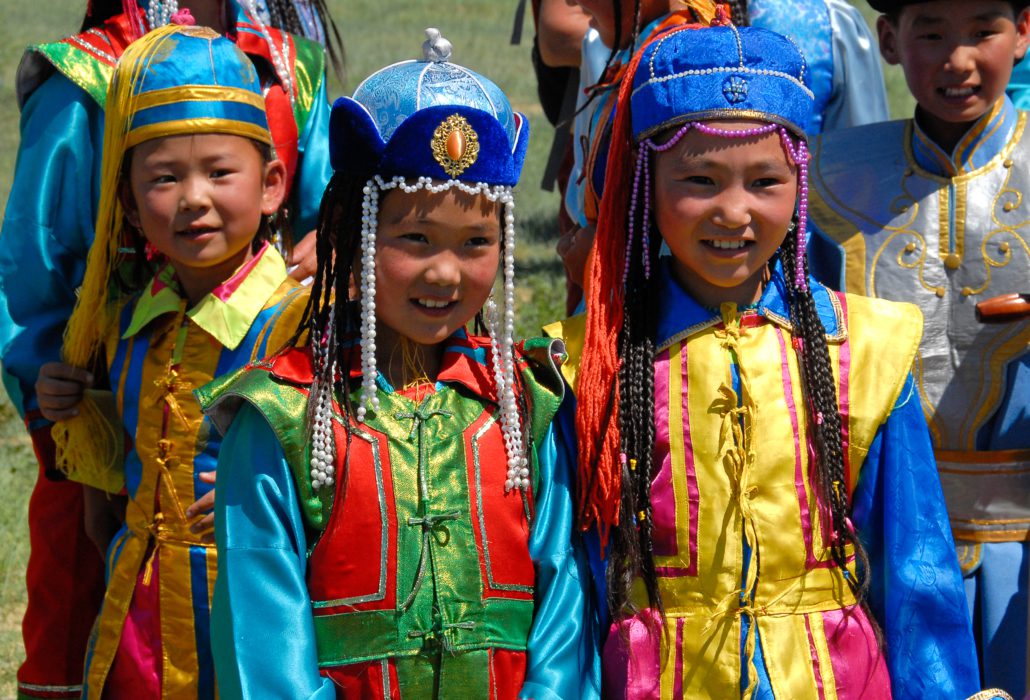
Women's Rights in Mongolia
Mongolia is a country in East Asia with more than 3 million people. Throughout the nineteenth and twentieth centuries, Mongolia experienced varied periods of social change and growth. After dispelling the controlling Communist Party in the early 1990s, social and economic policies rapidly transformed the nation’s outlook and prospects. Consequently, opportunities for women also changed. To understand this issue better, here are six facts about women’s rights in Mongolia.

6 Facts About Women’s Rights in Mongolia

  1. The communist party provided new opportunities for women in the twentieth century. In 1921, the Mongol nationalists established a communist party, in tandem with the Soviet Union, which essentially proclaimed equality between men and women. As a result, women received an education, entered the workforce and had political power. The government provided generous benefits and healthcare, and female literacy rates dramatically increased.
  2. The fall of the Soviet Union presented opportunities and challenges for women’s rights. The political transition in Mongolia came with newfound hardships, particularly economic ones. The new government removed subsidies assisting Mongolians, leaving many without financial assistance. From 1991 to the mid-200s, women faced higher unemployment levels, and more than 30% lived in poverty.
  3. With men working in the fields, women have turned to cities for employment and have found success. In recent years, as agriculture was deemed a male endeavor, women were forced to turn to other places to earn an income. Parents subsequently invested in their daughters’ education, and now, with women more educated than men, they are more likely to be employed. This phenomenon is now being deemed a “reverse gender gap.”
  4. The female unemployment rate is 2.6%, while male unemployment is 7.1%. This might not be a good thing for women’s rights in Mongolia, however. With higher alcoholism rates for Mongolian men in recent years, there is a clear connection between unemployment, alcoholism and violence within the home. Approximately one-third of Mongolian women suffer from domestic violence, a staggering statistic for a country whose economy relies so heavily on female labor.
  5. Sexual harassment remains a serious issue. With an estimated 63% of women experiencing sexual harassment of some form, the need for reform is evident. There is not a law in Mongolia protecting women from male harassment. Even in the workplace, where women are significant contributors, there is no legal defense against unwanted harassment.
  6. Despite female education rates, women are subject to massive inequities in pay. On average, women are more likely to be better educated than their male counterparts; however, traditional norms and values prevent women from fully achieving equality. A lack of childcare and social benefits, partnered with patriarchal values, gets in the way of opportunities for women. Furthermore, the gender pay gap stands at more than 12.6%, an increase from previous years. Even when women persevere through their society’s social limits, they do not receive as much pay as men of the same standing.

The unique history of Mongolia has altered the standing of women in Mongolian society multiple times. Despite Mongolia’s patriarchal values, the investment in female education has proven to be fruitful as women are well-educated and seeking work within the commercial setting. However, there is still much work to be done, as women face lower wages, sexual abuse and inequalities.

There is room to be hopeful, though, as rising levels of education and employment mean that there will be continued improvement within Mongolia’s social and economic spheres. Hopefully, women’s rights in Mongolia will continue to improve, and all Mongolians will soon embrace female contributions to society.

– Eliza Cochran
Photo: Flickr

December 17, 2020
https://borgenproject.org/wp-content/uploads/borgen-project-logo.svg 0 0 Kim Thelwell https://borgenproject.org/wp-content/uploads/borgen-project-logo.svg Kim Thelwell2020-12-17 14:40:452024-05-30 07:53:266 Facts About Women’s Rights in Mongolia
Developing Countries, Gender Equality, Global Poverty, Women's Empowerment, Women's Rights

Women’s Rights in South Sudan

Women’s Rights in South SudanSouth Sudan, a country in East Africa, gained independence in 2011. This gave more power and opportunities to women. However, women continue to face struggles due to gender inequality. Therefore, the topic of women’s rights in South Sudan is significant as the country works toward incorporating gender equality into the country’s development.

Gender Inequality in Education

Schools are a prominent place in which gender inequality occurs in South Sudan. This is proven by the difference between the literacy rates of girls, which is 40%, and boys, which is 60%. According to the World Bank, about seven girls for every 10 boys are in primary education and around five girls for every 10 boys attend secondary school. Additionally, as of 2013, a total of 500 girls in South Sudan attended the final grade of secondary school. Moreover, around 12% of teachers in the country are female, which only strengthens gender inequality in education.

To address gender disparities in education, in 2012, South Sudan received grants from the Global Partnership for Education and The United States Agency for International Development (USAID). Through these grants, UNICEF Sudan ran the Global Partnership for Education Program. The program aims to improve the overall education system by encouraging gender sensitivity and taking measures to prevent gender-based violence in a classroom setting.

Additionally, South Sudan plans to build 25 girl-friendly schools in the most disadvantaged regions with the purpose of benefiting 3,000 girls. The program will give teachers training on gender sensitivity and gender-based violence. Furthermore, South Sudan will implement a new curriculum to further remove barriers to education for girls with the focus of developing solidarity. The updated curriculum will also provide newly written textbooks.

Gender Disparities for Health in South Sudan

Gender disparity is a significant issue in health care, affecting women’s rights in South Sudan. The WHO categorized South Sudan’s health crisis as the “highest level of humanitarian emergency” in 2014. As of 2015, the maternal mortality ratio was 730 deaths per 100,000 live births. Violence in South Sudan widely limits access to health care since international NGOs supply more than 80% of the country’s health care.

Outbreaks of fighting often lead to the destruction of health centers and the cessation of medical centers, especially since medical professionals may be forced to seek refuge in another location. Furthermore, women often face disproportionate impacts stemming from the vulnerability of South Sudan’s health care system. Because women tend to be the primary source of care for their families during a time of crisis, while men are on the frontline, they often delay seeking medical attention to avoid leaving their children alone. Therefore, providing greater access to health care for women would improve the health of families as a whole.

Gender-Based Violence in South Sudan

Gender-based violence is another challenge women in South Sudan face. An estimated 475,000 women and girls in the country are at risk of violence. Additionally, more than half of women aged 15 to 24 have endured gender-based violence. South Sudanese women who have experienced violence also tend to face societal stigma, which stands as a barrier to receiving proper care. The United Nations Development Program (UNDP) aims to work with the South Sudan government, along with the Global Fund and the International Organization for Migration (IOM) to support women by targeting gender based-violence through support programs.

Awareness of women’s rights issues in South Sudan is a step toward improving the overall quality of life of women in the country. Gender disparity affects many aspects of women’s lives in South Sudan, including education, health and risks of violence.  Therefore, addressing issues disproportionately affecting women in South Sudan is imperative.

– Zoë Nichols
Photo: Flickr

December 15, 2020
https://borgenproject.org/wp-content/uploads/borgen-project-logo.svg 0 0 Yuki https://borgenproject.org/wp-content/uploads/borgen-project-logo.svg Yuki2020-12-15 08:22:212024-05-30 07:53:29Women’s Rights in South Sudan
Gender Equality, Global Poverty, Women's Empowerment

Pledge for Women’s Empowerment in Thailand 

Women’s Empowerment in ThailandIn Thailand, chief executives of 110 companies have signed an important pledge that agrees to the implementation of U.N. principles regarding women’s empowerment in its economy and businesses. Some of these principles include equal pay for equal work, improved workplace conditions in terms of safety and inclusivity as well as gender equality with a heavy emphasis on executive positions.

The Women’s Empowerment Principles (WEPs)

This pledge is known as the Women’s Empowerment Principles (WEPs), which was founded by the U.N. Global Compact and U.N. Women in 2010 and is funded by the European Union. The aim is to push businesses to be responsible for women’s empowerment and gender equality. The pledge is part of a wider movement established by U.N. Women, known as the Promoting Economic Empowerment of Women at Work in Asia (WeEmpower Asia) Initiative.

The WEPs are made up of a total of seven principles. These principles encompass several key areas which include gender equality in corporate leadership, equality, respect of human rights, nondiscrimination, health and safety of all workers including women, training and professional development of women, equality through advocacy efforts and the public reporting on the progress of these principles.

WeEmpowerAsia

Currently, the movement is working towards helping private businesses and organizations increase women’s participation in leadership positions with an overall aim of gender equality. Currently, the WeEmpowerAsia Initiative is working in a number of Asian countries including India, Thailand, China, Indonesia, the Philippines, Vietnam and Malaysia.

Another country that is participating in the WeEmpowerAsia Initiative is Malaysia. The Initiative is being led by a company known as LeadWomen. LeadWomen’s partnership with U.N. Women has cemented its work toward increasing women’s representation in leadership in Malaysia. As per the pledge, LeadWomen will be running webinars for the 300 Malaysian companies that signed. LeadWomen will also be providing support to these companies in order to make sure that the WEPs are being implemented in all aspects. In Malaysia, over 30% of women in public sector companies are in executive positions.

In Thailand, approximately 24% of CEOs are women, which makes them the third-highest in the world in terms of the percentage of female CEOs. This is comparatively better than both the Asia-Pacific average and global average which stands at 13% and 20% respectively. Thailand also has the world’s highest percentage of female CFOs, which equates to 43%.

Female Inequality Issues in Thailand

Even though Thailand is doing well in terms of female representation in executive roles, that is not the case in government administration, including parliament and judiciary. Only about 24% of executive civil roles are filled by women. In rural areas, female equality is even worse. Many rural women, especially those that belong to ethnic minorities, deal with poverty, exploitation and discrimination, according to the Commission on the Status of Women. Employment of women in these areas is mostly in the informal sector where they hold vulnerable jobs with only a handful in senior positions. Moreover, violence against women is also prevalent in Thailand which hinders opportunities for women’s empowerment.

The Future of Women’s Empowerment in Asia

To combat these challenges and put an end to gender-based discrimination, U.N. Women introduced the Women Empowerment Principles under the WeEmpowerAsia Initiative. The Initiative hopes that by promoting women’s engagement in economic activities in Thailand, it will empower women and put an end to the discriminatory practices that remain in the country.

– Abbas Raza
Photo: Flickr

December 15, 2020
https://borgenproject.org/wp-content/uploads/borgen-project-logo.svg 0 0 Kim Thelwell https://borgenproject.org/wp-content/uploads/borgen-project-logo.svg Kim Thelwell2020-12-15 06:32:142020-12-15 06:32:14Pledge for Women’s Empowerment in Thailand 
Developing Countries, Gender Equality, Global Poverty, Women's Empowerment, Women's Rights

Addressing Gender Inequality in Egypt

addressing gender inequality in EgyptEgypt recently launched the “Closing the Gender Gap Accelerator” to reinforce its stance on female economic gender discrimination. This initiative is a partnership between the World Economic Forum (WEF), National Council of Women, the Egyptian Government and the private business sector. The financial and human capital investment in this undertaking shows that the country is committed to addressing gender inequality in Egypt.

Closing the Gender Gap Accelerator

In 2019, Egypt’s Minister of Tourism, International Cooperation and Investment, Dr. Rania Al-Mashat, signed a letter of intent along with the WEF and the National Council of Women to empower women. More than 48 million women represent this emerging countries’ population and the good news is that their involvement will expedite the growth of the economy and gather momentum in eliminating poverty.

Each party has a specific role in the program’s success. Businesses will be tasked with the presence of additional women in the workforce, equal pay and professional development. Other benefits included are extended maternity leave for either parent and subsidized childcare to offset barriers that will cause women to fall behind, lose their position or not enter the labor force.

Egypt’s government, which has invested more than $3 billion in this project, will incentivize strategies and track the program’s evolution. In addition, the legislature has the commitment of more than 90 businesses.

Objectives of the Accelerator

Closing the Gender Gap Accelerator’s mission has four objectives: eliminate the gender pay gap, ensure more women are promoted into business management roles, expand their growth in the workforce and make sure that women are poised to work in a society that is will be powered by the likes of digital technology and artificial intelligence along with robotics.

One of the co-chairs of the private sector for the Accelerator, the Commercial International Bank known as Qalaa Holdings, firmly believes in empowering women in the workplace and it has demonstrated that by having 25% of the company’s executive board and leadership positions filled by women.

While the Accelerator is focused on women’s success in the economy, it also takes into account how women are viewed in the male-dominated workforce. Creating a safe climate in companies is just as important so the unfair barometers that women are measured by have to be eliminated as well as dismantling the discriminatory behavior toward them.

Global Gender Equality

Egypt is one out of nine countries, and the first country in Africa to set in motion a project of this magnitude created by the WEF.  After more than 10 years of researching global gender inequality issues, WEF realized that it would take nearly 100 years for political gender parity to be achieved. Women comprise 50% of the global population in most countries and to purposely exclude them from the equation would seriously compromise a society’s overall economic and societal impact worldwide.

WEF’s Accelerators to Close the Gender Gap

To combat this shortcoming, WEF created accelerators and issued a challenge to nations that want to close the economic gender gap. Public and private entities form accelerators to be inclusive of women in business, from job recruitment to job promotions and work on eliminating prejudice against them. Each country is on a three-year timetable (countries start date varies) and the WEF preserves the global structure of the project while the countries operate independently in the communities.  So far, Iceland has seen the most success out of the nine participating countries, by consistently closing the gender parity gap for 11 consecutive years.

A Bright Future for Egyptian Women

The Accelerator is an important tool for addressing gender inequality in Egypt. This initiative is good news for the women of Egypt as it shows the country’s continuous commitment to removing societal hurdles that have unjustly smothered women’s attempts at succeeding in the economy and stifled their much-needed contribution to society.

-Kim L. Patterson
Photo: Flickr

December 15, 2020
https://borgenproject.org/wp-content/uploads/borgen-project-logo.svg 0 0 Kim Thelwell https://borgenproject.org/wp-content/uploads/borgen-project-logo.svg Kim Thelwell2020-12-15 05:13:202020-12-15 05:13:20Addressing Gender Inequality in Egypt
Developing Countries, Gender Equality, Global Poverty, Women's Empowerment, Women's Rights

An Introduction to Women’s Rights in Somalia

women's rights in SomaliaSomalia is a country located in the Horn of Africa with a population of almost 14 million people. Although women and girls in Somalia consist of 50% of the country’s population, women and men are far from equal. Globally, Somalia places fourth highest on the gender inequality index. In Somalia, gender inequality is exacerbated by poverty, disability, social class and harmful practices that violate women’s rights in Somalia. Today, women in Somalia are susceptible to gender-based violence and sexual violence, an issue that is heightened in areas of conflict.

Genital Mutilation in Somalia

Common problems that perpetuate gender inequality in Somalia include female genital mutilation, child marriage, maternal mortality rates and a lack of access to fundamental tools for success, such as education, health care, credit and more. Women in Somalia, especially adolescent girls, are susceptible to undergoing genital mutilation. Often, these girls undergo this procedure before turning 13 years old, according to a 2013 report by the World Health Organization.

Somalia has the highest rate of genital mutilation, with 98% of girls undergoing the procedure. With the upsurge in coronavirus cases, girls in Somalia are forced to stay home. This leads to higher rates of genital mutilation. According to the United Nations Population Fund, the coronavirus could contribute to 2 million more instances of genital mutilation over the next decade that could have been stopped. Although genital mutilation remains legal in Somalia, the practice has no health benefits and harms women in girls in a plethora of ways as it poses health risks and robs women of the full capacity of their reproductive organs.

Maternal Mortality in Somalia

Another issue plaguing Somalia that perpetuates gender inequality is the maternal mortality rate, which is the highest of any country in the world. For children in Somalia, four in 100 infants die within the first month of their lives. Women in Somalia suffer high rates of maternal mortality due to poor health care infrastructure within the country and a lack of access to adequate services. In the United Nation’s 2030 Agenda, the central principle is “leaving no one behind.” This commitment from the United Nations involves prioritizing the rights, access and abilities of Somalian women.

Lack of Education and Leadership

In Somalia, there is a lack of women involved in political and social leadership roles. One of the reasons behind this is a lack of education. In Somalia, primary schools have one of the lowest rates of enrollment, with only 30% of children in school. Of the children in school, less than half of them are females. For girls living in rural areas, these numbers are lower. Compared to men, women in Somalia have much lower literacy levels. In Somalia, only 26% of women can read compared to 36% of men.

The Future of Women’s Rights in Somalia

Somalia remains a state of male power but there is hope that the country will become more focused on gender equality. The Somali Provisional Constitution, created in 2012, is undergoing revision. In 2021, the country is participating in a one-person-one-vote election. With the revision of the Somali constitution, there is an opportunity for empowering women and girls across the country by implementing gender equality provisions. It is hopeful that 2021 may promise more widespread opportunities for women and girls in Somalia.

– Caitlin Calfo
Photo: Flickr

December 12, 2020
https://borgenproject.org/wp-content/uploads/borgen-project-logo.svg 0 0 Kim Thelwell https://borgenproject.org/wp-content/uploads/borgen-project-logo.svg Kim Thelwell2020-12-12 03:11:352024-05-29 23:00:12An Introduction to Women’s Rights in Somalia
Developing Countries, Gender Equality, Global Poverty, Women's Empowerment, Women's Rights

Cafe Femenino Foundation Empowers Women

Cafe Femenino FoundationEstimates place women’s involvement in coffee production at as high as 70% of all the labor, making women an integral part of the coffee industry. However, women face high levels of gender discrimination within the industry in terms of access to “land, credit and information”, resulting in lower incomes and crop yields when compared to men. The Cafe Femenino Foundation looks to change this.

Cafe Femenino Foundation

Noticing the inequity, Garth and Gay Smith founded the Cafe Femenino Foundation in 2004 to empower women working in the coffee industry. The nonprofit organization provides grants to women’s coffee collectives in nine countries: Bolivia, Brazil, Colombia, the Dominican Republic, Guatemala, Mexico, Nicaragua, Rwanda and Sumatra. The grants can be used for a vast range of initiatives including food security, income diversification and health, to empower women socially, politically and economically.

Food Security Initiatives

Cafe Femenino Foundation provides grants to combat food insecurity in multiple countries’ coffee-growing regions, which also helps women earn extra income. In Peru, training sessions teach women how to preserve fruits to prevent spoiling and extend the period during which they can be eaten. Preserved fruit can also be sold at markets when the supply of fresh fruit is diminished, allowing the women to sell for higher prices. Women who participated in the training sessions went home with 10 cans of each fruit they preserved, which is credited with helping lower rates of child malnutrition in the regions.

Similarly, in the Dominican Republic, Cafe Femenino Foundation grants supported women’s coffee collectives to start growing passionfruit and breed both cows and goats. Passionfruit is used in many foods and drinks, making it popular among the women themselves and at the markets. Since 2009, more than 200 women and their family members have benefitted from access to passionfruit. The goat and cow breeding initiatives provide women with milk and meat to feed their families and to sell for additional income. As of 2013, almost 30 women participated in the animal breeding programs.

Health Initiatives

In Colombia, grants have been given by Cafe Femenino Foundation to the COSURCA coffee cooperative to improve women’s health through kitchen remodeling. Since kitchens are traditionally women’s spaces, they are often not remodeled and are constructed of poor materials with dirt floors. The kitchens of 18 women have been remodeled as of 2013 to include outdoor ventilation that prevents smoke inhalation and running water to improve cleanliness and hygiene.

Cafe Femenino Foundation has provided similar grants in Peru to improve health conditions by improving stoves. The new stoves decrease smoke inhalation and respiratory illnesses that occur as a result.

Women’s Empowerment Initiatives

Also in Peru, Cafe Femenino Foundation grants have supported the building of community safe spaces, called Casa Cafe Femenino, for women in multiple coffee-growing communities. These spaces provide women with opportunities to meet and talk in places that are not “borrowed from the men”, promoting women’s independence and agency. Casa Cafe Femeninos are also able to act as temporary shelters for women facing domestic violence. As of 2013, these spaces benefitted more than 800 women from two coffee collectives.

Cafe Femenino Foundation also supports the education of women. In Peru, the nonprofit helped five women complete training to be promoted to the role of internal coffee inspector, giving these women more power within the coffee industry. In the early years of the nonprofit, a grant provided scholarships for 600 girls, all of who were the daughters of coffee producers, to attend school.

Equality in the Coffee Industry

The coffee industry is made up largely of women yet these women face gender discrimination and inequality. Cafe Femenino Foundation strives to eliminate the gender gap in coffee production by providing grants to women’s coffee collectives in a range of areas, including food security, health and women’s empowerment based on the needs of the women. The projects, while benefitting the women, also help to teach leadership and problem-solving skills through a democratic process of distribution, furthering women’s empowerment.

– Sydney Leiter
Photo: pixabay

December 11, 2020
https://borgenproject.org/wp-content/uploads/borgen-project-logo.svg 0 0 Kim Thelwell https://borgenproject.org/wp-content/uploads/borgen-project-logo.svg Kim Thelwell2020-12-11 04:49:442024-05-30 07:53:09Cafe Femenino Foundation Empowers Women
Developing Countries, Gender Equality, Global Poverty, Women's Rights

Progressing Women’s Rights in Uganda

Women's Rights in UgandaWomen’s rights in Uganda are notoriously spotty. Ugandan women experience high rates of physical and sexual abuse, at 56% and 22% respectively. Additionally, child marriage is common and 40% of Ugandan girls marry before they turn 18. As a result, many girls never complete their education or gain the necessary job skills to help them provide for themselves and their families. The lack of opportunities for women to thrive economically only perpetuates poverty in the region.

The Gender Gap and Poverty

Uganda currently ranks 65th out of 153 countries on the Global Gender Gap Index for equal “economic participation and opportunity” among men and women. With 19.7% of Ugandans still living below the poverty line in 2013 and two in three households that escape poverty and then fall below the poverty line all over again, striving for women’s rights in Uganda is one essential step needed to combat the region’s prevalent poverty. Over the last few years, the Ugandan Government and nonprofit groups have made great strides to advance women’s rights in Uganda.

Legislation for Women’s Rights in Uganda

Over the last 15 years, Uganda has passed a volley of legislation designed to protect women’s rights. These laws make it more likely for women to have the physical health and wellbeing to hold jobs and begin to address the social barriers to women’s economic participation.

  • Laws prohibiting violence against women: The 2009 Persons Act (anti-trafficking), 2010 Anti-Female Genital Mutilation Act, 2010 Domestic Violence Act and additional 2011 domestic violence regulations.
  • The Equal Opportunities Commission Act of 2007: This law gives the Ugandan state power to punish discrimination against sex, while also permitting the state to implement “affirmative action in favor of groups marginalized on the basis of gender… for the purpose of redressing imbalances which exist.”

Governmental Plans for Women’s Rights

Addressing women’s rights in Uganda is a key part of Uganda’s Second National Development Plan 2015/16 – 2019/20. The Plan explains attaining women’s rights as a prerequisite to desired economic growth and proposes several key initiatives to increase women’s access to business ownership and resources. The initiatives include using technology to promote women’s issues, advancing economic reforms to allow women equal access to inheritance, property and public financial resources as well as addressing widespread gender discrimination. An additional public policy plan, The National Strategy to End Child Marriage, seeks to enhance women’s autonomy and economic opportunity by curtailing child marriage, which stunts teenagers’ abilities to seek education and exposes them to marital violence. Due to child marriage, currently up to 35% of girls drop out of school before age 18.

Organizations for Women’s Rights in Uganda

Nonprofit advocacy groups are playing a part to advance and raise awareness for women’s rights too. Girl Up Initiative Uganda provides programs tailored to educate adolescent girls, teaching job skills and economic empowerment. Additionally, Action for Rural Women’s Empowerment (ARUWE Uganda) focuses on teaching agricultural job skills to women in rural areas.

The National Union of Women with Disabilities in Uganda (NUWODU) seeks to expand ongoing women’s rights work to women with disabilities. In particular, NUWODU aims to end discrimination against disabled women workers in the job market and to increase their wages and access to services.

While there is still plenty of work to do, the progress being made by nonprofits and governmental action taken on behalf of Ugandan women enables them to attain long-term economic equality and prosperity that will help the region as a whole to fight poverty.

– Elizabeth Broderick
Photo: Flickr

December 7, 2020
https://borgenproject.org/wp-content/uploads/borgen-project-logo.svg 0 0 Kim Thelwell https://borgenproject.org/wp-content/uploads/borgen-project-logo.svg Kim Thelwell2020-12-07 08:46:052024-05-30 07:53:00Progressing Women’s Rights in Uganda
Developing Countries, Gender Equality, Global Poverty, Women, Women's Empowerment, Women's Rights

Preventing Harmful Practices in Malawi

Harmful Practices in MalawiDespite the enactment of the Gender Equality Act in 2013,  Malawi has much more to accomplish with respect to women’s rights. Traditional customs and harmful cultural practices are still deeply entrenched in Malawian society, leading to discrimination and marginalization of women and girls. These practices adversely affect their development, health, socioeconomic status and overall contributions to society. UNICEF defines harmful practices as discriminatory practices that transcend into communities and societies’ cultures and are viewed as acceptable. The most common harmful traditional and cultural practices include female genital mutilation (FGM), Gender-Based Violence (GBV) and child marriage. Such practices perpetuate gender inequalities, violate women’s rights and have detrimental physical and emotional effects on women. The Tilimbike Safe Community Space aims to reduce harmful practices in Malawi that affect women and girls.

Harmful Practices in Malawi

As a result of cultural practices, gender disparities remain pervasive across all aspects of society. Child marriage is a fundamental violation of human rights, with cascading consequences for young girls. For example, girls married as children are more likely to drop out of school, become teenage mothers and have higher rates of maternal mortality.

Malawi has one of the highest rates of child marriage in Africa, with the Human Rights Watch estimating that in 2020, one out of two girls will be married by the time they turn 18.

In addition to child marriage, Malawi remains a setting where gender-based violence is prevalent. One in five young women experiences sexual violence before they turn 18 and nearly 40% of married women have experienced intimate partner violence.

While adequate policies exist, the public and non-governmental sector responses have faced challenges in breaking down discriminatory cultural ideals and improving women’s rights. Harmful practices toward women continue unabated in Malawi due to the persistence of cultural attitudes. However, in rural communities, mentoring has proven to be efficacious in preventing harmful practices and empowering young girls and women.

Tilimbike Safe Community Space

The Tilimbike Safe Community Space is a mentorship program led by The Spotlight Initiative that serves at-risk girls and women in rural communities in Malawi by trying to eliminate harmful practices such as sexual and gender-based violence and child marriage. In mentorship sessions, mentors teach young girls about their basic human rights, sexual and reproductive health and other critical life skills. With this knowledge and interactions with their peers, girls are empowered to speak out and challenge harmful cultural practices.

Tilimbike Safe Community Space has 360 mentors, spanning across the high-risk districts of Dowa, Ntchisi, Mzimba, Nkatabay, Machinga and Nsanje. The program has educated and empowered more than 7,000 young women in these regions by equipping them with knowledge and skills to challenge the harmful practices that fuel GBV in their communities. The women and girls are now apt to speak out in their own communities, with crucial knowledge such as the importance of staying in school and the adverse effects of early marriage. Empowering girls and women is the first step toward change and fostering the foundation for solutions to these harmful practices.

Tilimbike During COVID-19

During COVID-19, women and girls are more confined to their homes due to school closures and travel restrictions. Therefore, they are at increased risk for GBV, teenage pregnancy and being coerced into childhood marriage. Despite the elevated risks, mentees of the Tilimbike Safe Community Space successfully prevented these harmful occurrences. Huge strides have been made to end the harmful cultural practices during COVID-19 restrictions, with no teenage pregnancies or child marriages among the mentees during the lockdown.

These women and girls have renewed hope for achieving their life goals and have enhanced their ability to make informed decisions about their lives and futures. The mentors in the Tilimbike Safe Community Space allow girls and women an opportunity to receive advice and support outside their home to reach their fullest potential. The Tilimbike Safe Community Space illuminates that mentorship programs are effective in breaking down cultural barriers and ending harmful practices.

Further Progression

Initiatives such as the Tilimbike Safe Community Space play a key role in eliminating dismantling gender disparities in society caused by cultural barriers. Mentoring and empowering women and girls will advance not just Malawi but the entire world.

– Samantha Johnson
Photo: Flickr

November 28, 2020
https://borgenproject.org/wp-content/uploads/borgen-project-logo.svg 0 0 Kim Thelwell https://borgenproject.org/wp-content/uploads/borgen-project-logo.svg Kim Thelwell2020-11-28 01:30:482021-01-12 04:45:13Preventing Harmful Practices in Malawi
Gender Equality, Global Poverty, Women's Rights

Women’s Rights in Botswana

Women’s Rights in Botswana
Botswana, considered one of Africa’s most politically stable countries, has seen a recent victory in the fight for women’s rights and gender equality. Here is some information about women’s rights in Botswana.

A Recent Victory

In September 2020, President Mokgweetsi Masisi amended the 2015 Land Policy to give married women in Botswana the right to own land. Previously, married women were only eligible to own land if their husbands did not. The policy excluded not only married women but widows and single mothers as well, which left millions of women affected.

Tshegofatso Mokibelo, a 38-year-old widowed financial analyst, received a denial when she applied for a residential plot of land, as her late husband had owned a plot previously and his family had since claimed it. “Women also have the right to own land,” she told the Thomson Reuters Foundation.

This recent amendment gives both men and women equal rights to own land.

More Good News

“Botswana will be a society where all men and women have equal opportunity to actively participate in the economic, social, cultural, and political development of their country.”

Botswana’s Vision 2036, one of its various initiatives towards improving the republic, promises progress for women’s rights. Since the U.N.’s Fourth World Conference on Women, held in Beijing in 1995, the country has made several commitments to gender equality and women’s rights in Botswana. These commitments include its ratification of The Convention on the Elimination of All Forms of Discrimination Against Women (CEDAW) in 1996, The Women’s Economic Empowerment Programme and the adoption of the National Policy on Gender and Development in 2015.

The progression toward women’s rights in Botswana has led to notable successes in education. Botswana has almost equal enrollment rates for girls and boys at every level in school. In fact, a Gender Parity Index report in 2012 favored girls at both the secondary school and tertiary education levels. More recently, UNICEF reported the GPI for primary education in 2014 as favoring girls, indicating improvement. However, according to the Sustainable Development Report, challenges remain in this area.

Other positive strides include equality within the labor force, reported as achieved in the Sustainable Development Report and having one of the lowest adolescent birth rates in Africa at 50 per 1,000 population, ages 15-19.

Gender Equality

According to the Sustainable Development Report, significant challenges remain in the effort to achieve the gender equality goal. Seats that women held in parliament, for example, are reported as stagnating with “major challenges remaining.” According to statistics from the World Bank, the proportion of seats that women held in parliament has decreased from 17% in 2000 to 9.5% in 2018.

The dual legal system in Botswana, a consequence of colonization, also creates complications in achieving gender equality. Customary laws that currently exist in Botswana discriminate against women. However, Botswana’s government has engaged itself in talks with traditional leaders since 2012 on how to bring women’s rights into customary law. This has resulted in several community groups establishing Gender Committees to open discourse around gender inequality.

Gender-based Violence

One of the greatest remaining challenges, which the COVID-19 pandemic has exacerbated, is gender-based violence. In July 2020, the current Minister of Nationality, Immigration and Gender Affairs, Anna Mokgethi, revealed an unprecedented increase in reports of gender-based violence since the April 2020 lockdown.

According to The United Nations Population Fund, over 67% of women in Botswana have experienced abuse. In order to combat this, the UNFPA is working with the Ministry of Health and Wellness and several organizations to provide gender-based violence prevention and access to services for those at risk.

One of the NGOs working to eradicate gender-based violence in Botswana is the Botswana Gender Based Violence Prevention and Support Centre. It offers prevention programs such as community outreach and education, as well as several services that gender-based violence personally affects. Kgomotso Kelaotswe, Counselor Supervisor for the NGO reported that during the lockdown period, 155 clients sought shelter at the organization, 67 clients received hotline counseling services and a further 50 obtained assistance through the short line message service.

Botswana continues to face challenges in the fight for women’s rights. However, the government’s commitment to tackling these challenges remains promising.

– Emma Maytham
Photo: Flickr

November 6, 2020
https://borgenproject.org/wp-content/uploads/borgen-project-logo.svg 0 0 Jennifer Philipp https://borgenproject.org/wp-content/uploads/borgen-project-logo.svg Jennifer Philipp2020-11-06 01:30:282024-05-30 07:53:27Women’s Rights in Botswana
Page 19 of 39«‹1718192021›»

Get Smarter

  • Global Poverty 101
  • Global Poverty… The Good News
  • Global Poverty & U.S. Jobs
  • Global Poverty and National Security
  • Innovative Solutions to Poverty
  • Global Poverty & Aid FAQ’s
Search Search

Take Action

  • Call Congress
  • Email Congress
  • Donate
  • 30 Ways to Help
  • Volunteer Ops
  • Internships
  • Courses & Certificates
  • The Podcast
Borgen Project

“The Borgen Project is an incredible nonprofit organization that is addressing poverty and hunger and working towards ending them.”

-The Huffington Post

Inside The Borgen Project

  • Contact
  • About
  • Financials
  • President
  • Board of Directors
  • Board of Advisors

International Links

  • UK Email Parliament
  • UK Donate
  • Canada Email Parliament

Get Smarter

  • Global Poverty 101
  • Global Poverty… The Good News
  • Global Poverty & U.S. Jobs
  • Global Poverty and National Security
  • Innovative Solutions to Poverty
  • Global Poverty & Aid FAQ’s

Ways to Help

  • Call Congress
  • Email Congress
  • Donate
  • 30 Ways to Help
  • Volunteer Ops
  • Internships
  • Courses & Certificates
  • The Podcast
Scroll to top Scroll to top Scroll to top
