 Pandemics have far-reaching impacts, such as economic downturns and overburdened healthcare systems. Previous outbreaks, such as Zika and Ebola, revealed that infectious diseases tend to highlight existing structural problems in countries with regard to age, race and gender. In fact, recent data from the pandemic has shown that the outbreak is deepening already existing gender inequalities. According to the U.N. Women’s current analysis of the situation, there are five critical areas where women are impacted the most that must be addressed immediately. These areas include the increase in the risk of gender-based violence due to lockdowns and stay-at-home mandates. COVID-19 has also exacerbated unemployment the unequal distribution of care and domestic work. Additionally, despite the increase in gender inequality during COVID-19, many policy responses to the pandemic do not involve gender-based planning.
Gender Inequality During COVID-19
According to United Nations Secretary-General Antonio Guterres, “Already we are seeing a reversal in decades of limited and fragile progress on gender equality and women’s rights. And without a concerned response, we risk losing a generation or more of gains.” Guterres also touched on the rise of unpaid care work due to school closures. The care of seniors and children disproportionately falls on women who must abandon paid work to care for these individuals. This is one example of gender inequality during COVID-19, as an existing inequality has worsened amidst the pandemic.
Inadequate PPE is another pre-existing condition that has worsened for women during the pandemic. About 70% to 90% of healthcare workers are women, yet protective equipment is usually made to fit men. This means that women who are putting their lives at risk every day to care for those infected with COVID-19 are at a higher risk of infection. Guterres put out a call to action to protect women’s rights globally and make sure that the pandemic does not reverse progress on gender equality. The U.N.’s response to this has three phases. These include the health response, the mitigation of the social and economic crises and building a more equal future for women after the pandemic.
U.N. Women’s Response
U.N. Women is focusing on many different areas to respond to gender inequality during COVID-19. It is working to raise awareness about these issues and supporting data collection and assessments. U.N. Women also provides access to essential services, supports women-run enterprises and engages the private sector for aid. With these actions, U.N. Women hopes to mitigate the effects of the pandemic on increased domestic violence, unpaid care work and economic inequality. U.N. Women also hopes to involve women affected by COVID-19 in decision-making and leadership positions to fight for gender equality.
A Global Effort
U.N. Women has offices around the globe that connect with as many countries as possible. For example, U.N. Women Afghanistan has launched a COVID-19 prevention program called Salam for Safety. This program engages women as central leaders in containing the spread of the disease. U.N. Women Vietnam is working with UNICEF to ensure the safety of women and stop the spread of COVID-19 in quarantine centers. Similarly, U.N. Women China has created programs to engage women and raise awareness about gender inequality during COVID-19. U.N. Women also has existing programs that it is scaling up to support women during this time.
It is clear that this pandemic is harming progress made on gender equality in the past few decades. However, the support of the private and public sectors globally can help maintain this progress. The inequalities highlighted by COVID-19 may provide a good opportunity to recognize all the work that remains before we can achieve total gender equality.
– Giulia Silver
Photo: Flickr
 The Kingdom of Saudi Arabia has struggled with issues regarding women’s rights for a long time. Saudi Arabia ranked
 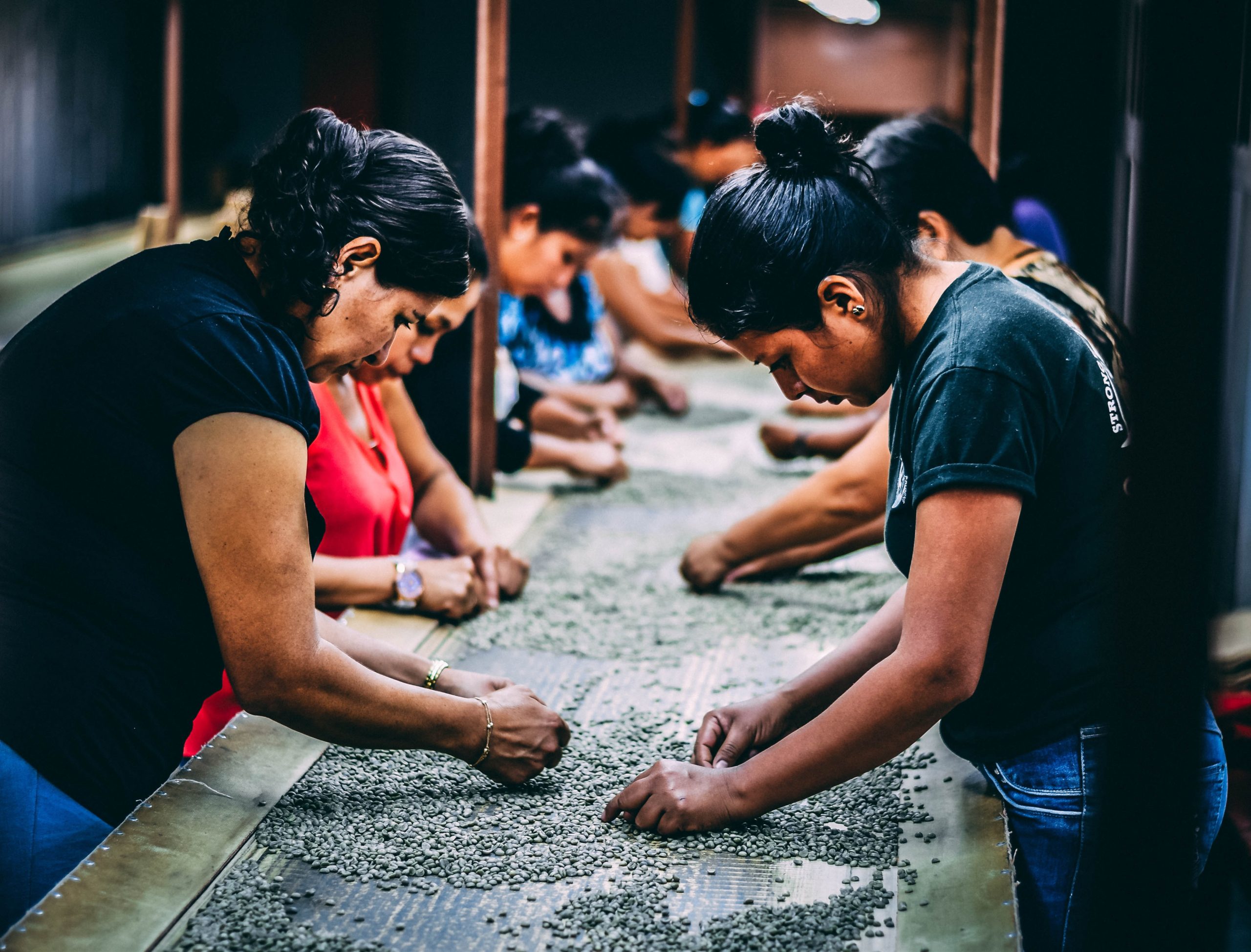 International trade is arguably the most significant economic development of the last century. Its growth has been roughly exponential due to technological advancements and specialization, and exports today are more than 40 times the amount they were in 1913. Although this growth contributes to higher wealth and more stable economic systems for many countries, it simultaneously can exasperate already-existing inequalities, particularly those concerning women. International trade has contributed to the
  Microfinance programs are a popular development tool that gives poor households loans and

 In January 2020, Mexico shattered barriers by announcing its adoption of a feminist foreign policy aimed at reducing “
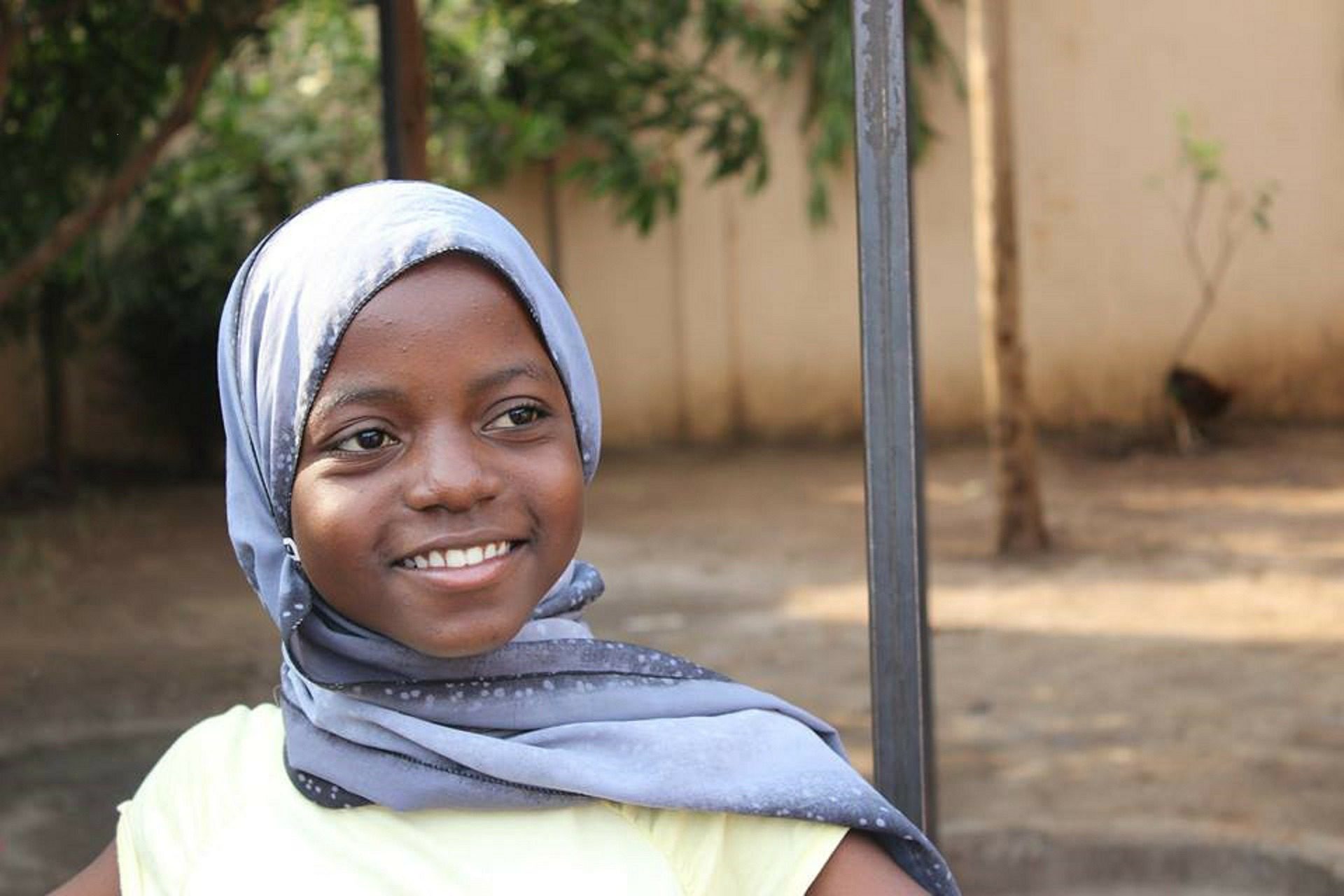 International fashion model Flaviana Matata survived malaria and studied electrical engineering in college. In 2007, Matata was the first-ever Tanzanian woman to compete in the Miss Universe pageant. In 2016, after learning that house paint is often passed off and sold as nail polish in Tanzania, she founded
 Many important improvements in educational outcomes have occurred in Sierra Leone since 2015, especially for women and children. The country is bouncing back from the civil war, Ebola crisis and other serious challenges. This progress is partially owed to organizations that help children go to school. Several NGOs and community-based actors support education in Sierra Leone. Here is a small glimpse into the work of many.