 Somalia is a country located in the Horn of Africa with a population of almost 14 million people. Although women and girls in Somalia consist of 50% of the country’s population, women and men are far from equal. Globally, Somalia places fourth highest on the gender inequality index. In Somalia, gender inequality is exacerbated by poverty, disability, social class and harmful practices that violate women’s rights in Somalia. Today, women in Somalia are susceptible to gender-based violence and sexual violence, an issue that is heightened in areas of conflict.
Genital Mutilation in Somalia
Common problems that perpetuate gender inequality in Somalia include female genital mutilation, child marriage, maternal mortality rates and a lack of access to fundamental tools for success, such as education, health care, credit and more. Women in Somalia, especially adolescent girls, are susceptible to undergoing genital mutilation. Often, these girls undergo this procedure before turning 13 years old, according to a 2013 report by the World Health Organization.
Somalia has the highest rate of genital mutilation, with 98% of girls undergoing the procedure. With the upsurge in coronavirus cases, girls in Somalia are forced to stay home. This leads to higher rates of genital mutilation. According to the United Nations Population Fund, the coronavirus could contribute to 2 million more instances of genital mutilation over the next decade that could have been stopped. Although genital mutilation remains legal in Somalia, the practice has no health benefits and harms women in girls in a plethora of ways as it poses health risks and robs women of the full capacity of their reproductive organs.
Maternal Mortality in Somalia
Another issue plaguing Somalia that perpetuates gender inequality is the maternal mortality rate, which is the highest of any country in the world. For children in Somalia, four in 100 infants die within the first month of their lives. Women in Somalia suffer high rates of maternal mortality due to poor health care infrastructure within the country and a lack of access to adequate services. In the United Nation’s 2030 Agenda, the central principle is “leaving no one behind.” This commitment from the United Nations involves prioritizing the rights, access and abilities of Somalian women.
Lack of Education and Leadership
In Somalia, there is a lack of women involved in political and social leadership roles. One of the reasons behind this is a lack of education. In Somalia, primary schools have one of the lowest rates of enrollment, with only 30% of children in school. Of the children in school, less than half of them are females. For girls living in rural areas, these numbers are lower. Compared to men, women in Somalia have much lower literacy levels. In Somalia, only 26% of women can read compared to 36% of men.
The Future of Women’s Rights in Somalia
Somalia remains a state of male power but there is hope that the country will become more focused on gender equality. The Somali Provisional Constitution, created in 2012, is undergoing revision. In 2021, the country is participating in a one-person-one-vote election. With the revision of the Somali constitution, there is an opportunity for empowering women and girls across the country by implementing gender equality provisions. It is hopeful that 2021 may promise more widespread opportunities for women and girls in Somalia.
– Caitlin Calfo
Photo: Flickr
 Estimates place women’s involvement in coffee production at as high as
 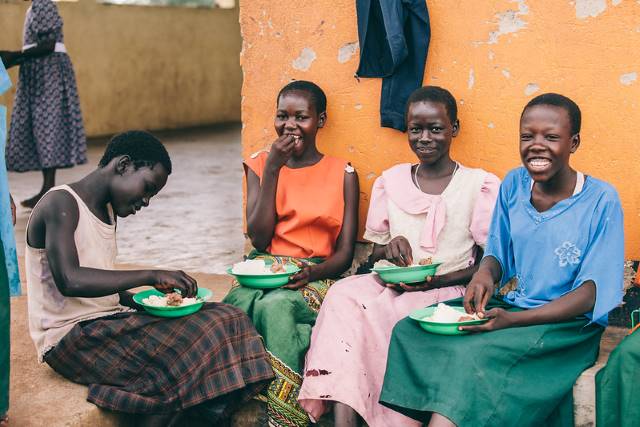 Women’s rights in Uganda are notoriously spotty. Ugandan women experience high rates of physical and sexual abuse, at
  Despite the enactment of the
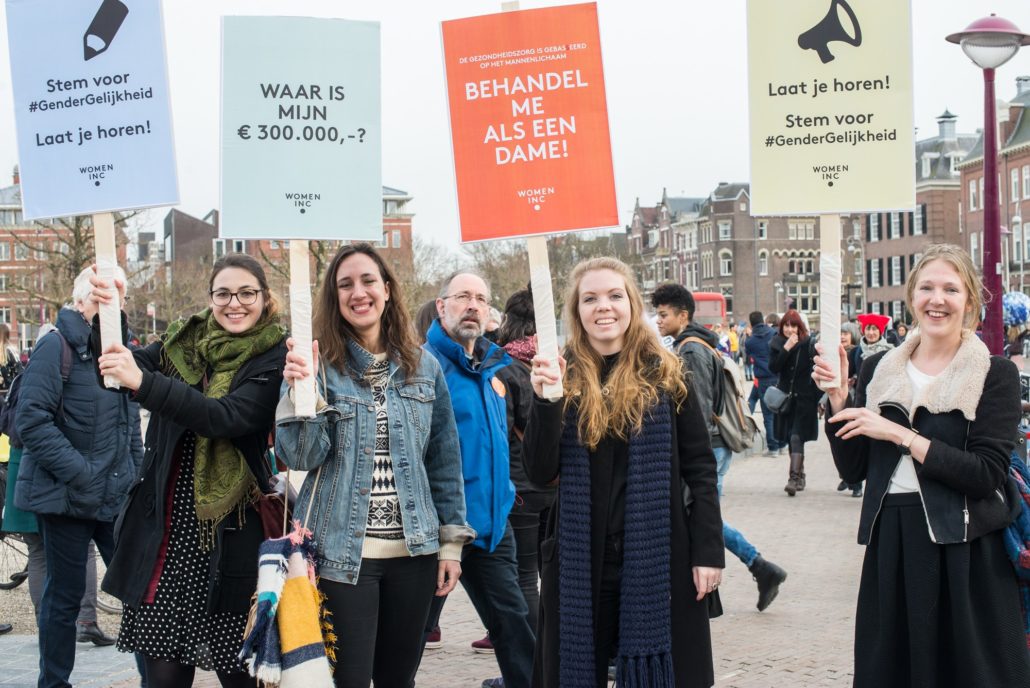
 In 2018, the U.S. International Development Financial Corporation (DFC) launched the 2X Women’s Initiative. This initiative focuses on financially empowering women across the world, especially in regions in which women face challenges in reaching economic success.
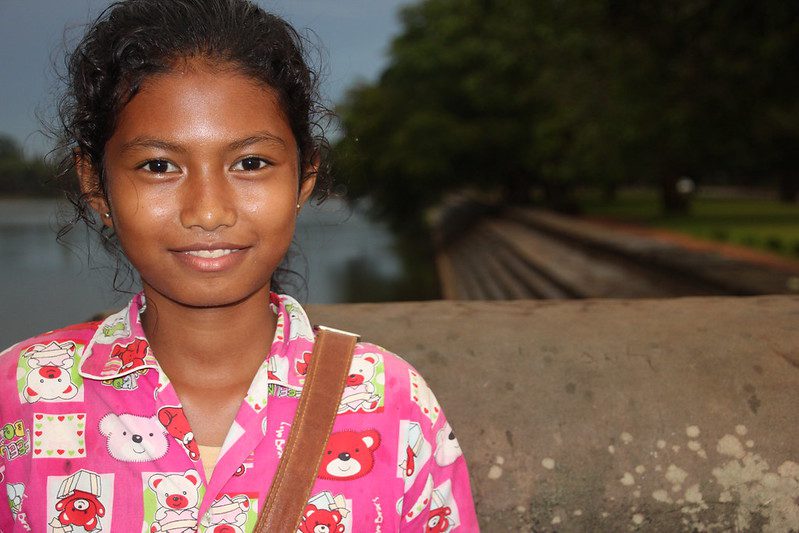 Officially, Cambodia is a democratic nation with legislation in place to protect women from domestic violence and trafficking. Cambodia’s economic development and restructuring of its government that creates such protections for women cannot be ignored considering its very recent history of a devastating genocide that destroyed almost all state and private institutions. Despite this transformation and progress for Cambodian women, they still do not receive the same rights, access and protections as their male counterparts. Here are seven of the most important things to know about the current state of women’s rights in Cambodia.
 Across the developing world, millions of women and girls in poverty receive little to no education. Women learn to cook, clean and care for children. Men, in contrast, often receive an education from a young age. With this advantage, men can work toward opportunities beyond the reach of their female counterparts. When girls have access to education, they can forward the benefits to their community. One educated girl can impact generations. This is why women’s education in The Gambia is important.
 Zimbabwe is a country in Southern Africa with