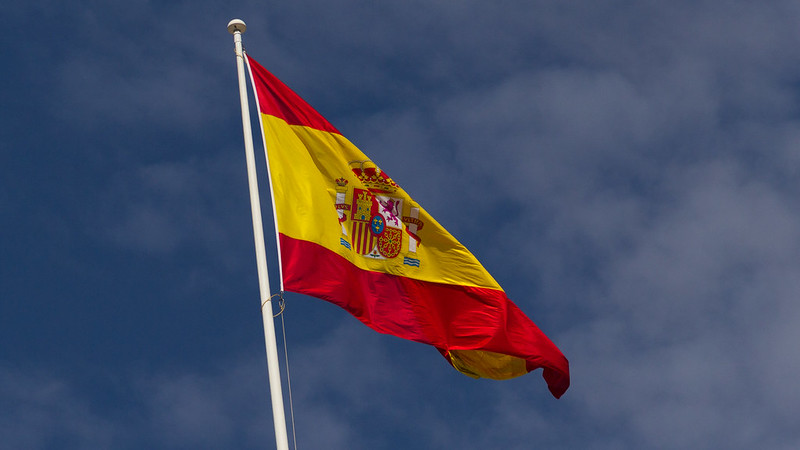
 While top contributing Organization for Economic Co-operation and Development (OECD) member countries have been slashing funding, Spain is one of three countries committing to increasing foreign aid expenditures. After more than 20 years of international net growth, total Overseas Development Spending (ODA) by the OECD Assistance Committee (DAC) dropped by 9% in 2024 and could drop another 9% to 17% in 2025. Meanwhile, Spanish foreign aid funding increased by 12% in 2024; since 2021, the budget for the Spanish Agency for International Development Cooperation (AECID) has more than doubled.
Spanish Foreign Aid: Then and Now
Spain established its ODA fund in 1976. As a leading donor, reaching the United Nations’ (U.N.) target for Sustainable Development Goals (SDGs) by 2015 was the expectation. To reach this goal, affluent countries must allocate 0.7% of their gross national income (GNI) to foreign aid spending, though few have done so. However, an economic crisis spanning from 2008 to 2011 saw cuts to ODA spending, with the contribution falling from 0.46% of GNI in 2010 to 0.12% in 2015. Besides a 2016 spike to 0.43%, Spain has since experienced slow and steady growth, currently contributing 0.24% of its GNI. As of 2024, Spain ranks as the 12th largest DAC donor out of 32 in terms of net financial contribution.
While Spanish foreign aid is far from meeting the 0.7% target, the country has voiced intentions to continue increasing ODA funding with specific policy initiatives outlined in the 2024-2027 Spanish Cooperation Master Plan for Sustainable Development and Global Solidarity. The Master Plan addresses the need for cross-cultural dialogue to ensure contextually appropriate efforts, with primary focuses including water and sanitation, health accessibility and food security.
Triangular Partnership
An avid promoter of multilateral cooperation, Spain’s plan advocates for Triangular Partnership. This involves an actor looking for support to address a development issue, an experienced partner to lend knowledge and an institution providing financial support. The concept offers that countries facing poverty have important stories to tell and no country is too rich to learn from them. Additionally, in 2023, Spain passed the Law on Cooperation for Sustainable Development and Global Solidarity, legally binding SDG commitments, including budgeting 0.7% of the national GNI toward foreign aid. Approved across all political bodies in the Congress of Deputies, it implements a statute improving conditions for aid workers and outlines the need for reform in the AECID, subsidy legislation and financial cooperation.
International Conference on Financing for Development
Besides monetary contributions, Spanish foreign aid takes an active role in international collaboration. A recent example is its hosting of the 2025 Financing for Development Conference in Seville. The fourth of its kind since 2002, the Financing for Development conference addresses the relationship between the movement of finances and societal priorities, ensuring fiscal policy coordination. The primary focus was on the importance of multilateral financial cooperation to reach the SDGs. Actionable areas outlined in the official document include international development cooperation and development effectiveness international financial architecture and systemic issues.
Moving Forward
In essence, Spanish foreign aid bodies are reaffirming their commitment to reaching the 0.7% GNI contributions to ODA efforts despite foreign aid budget cuts trending across Europe. Official reports include acknowledgements of the legally binding nature of previous and ongoing agreements and specifically promote the importance of multilateral cooperation for reaching these goals across all DAC countries.
– Emily Galán
Emily is based in Edmonton, Alberta, Canada and focuses on Global Health, Politics for The Borgen Project.
Photo: Flickr

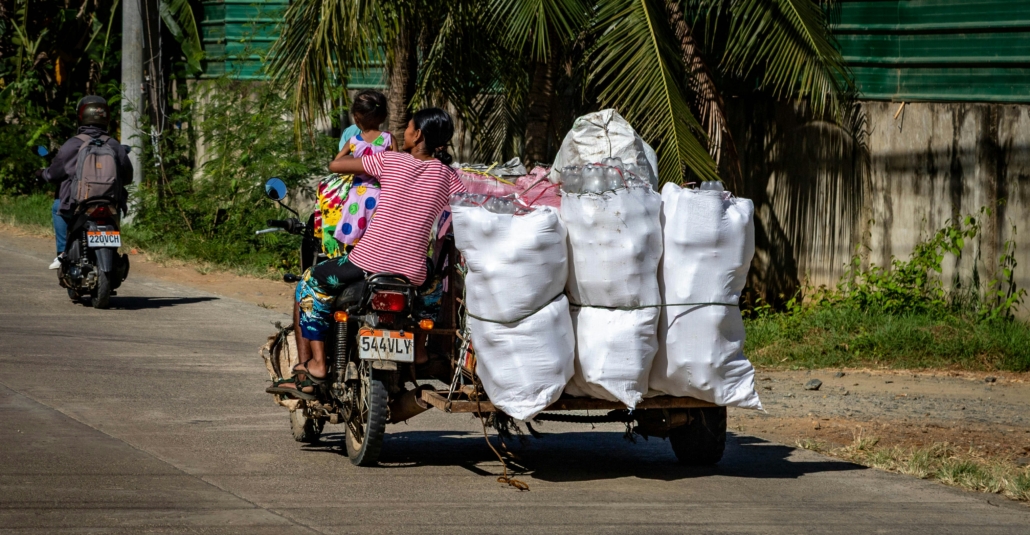
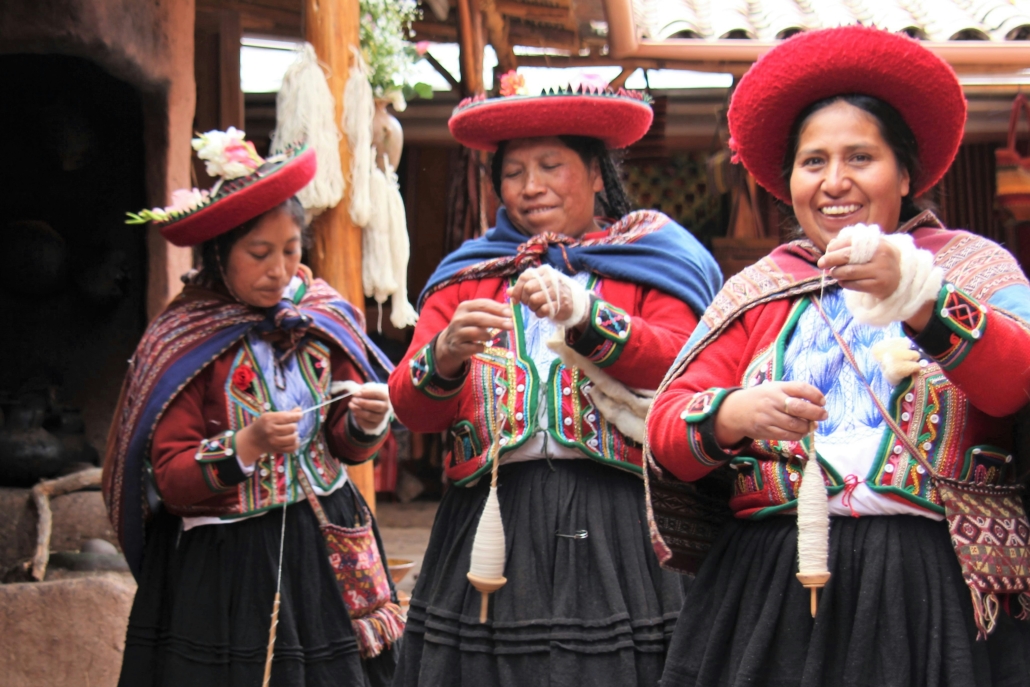
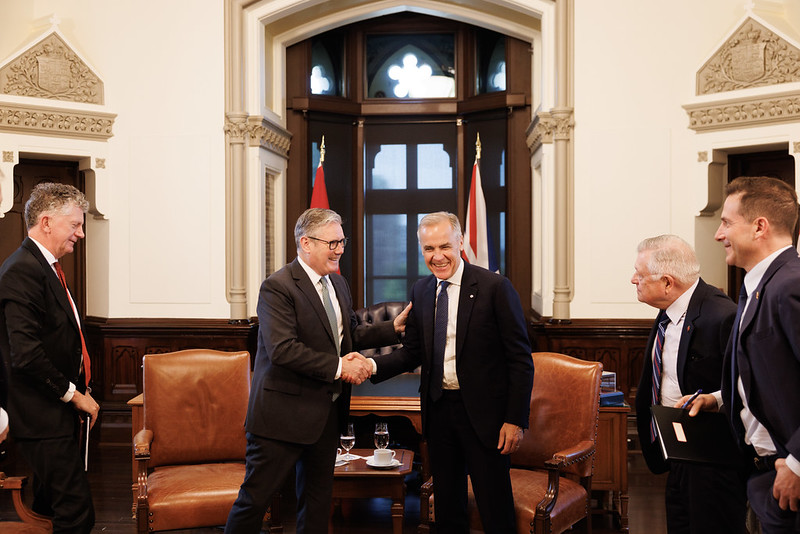
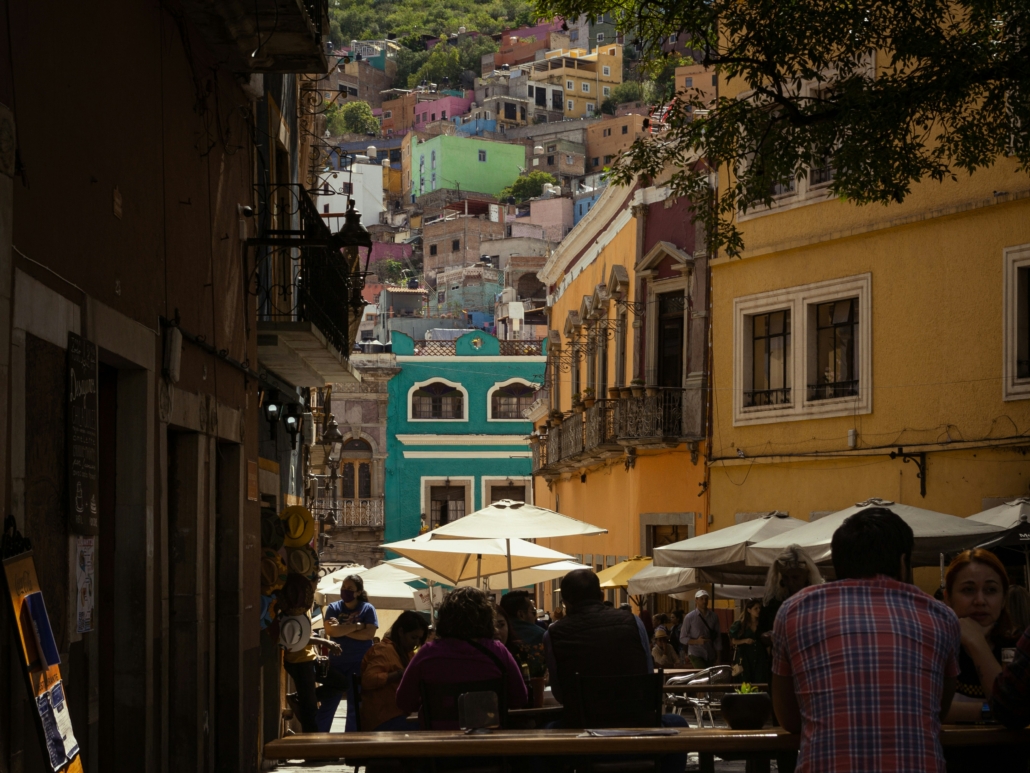
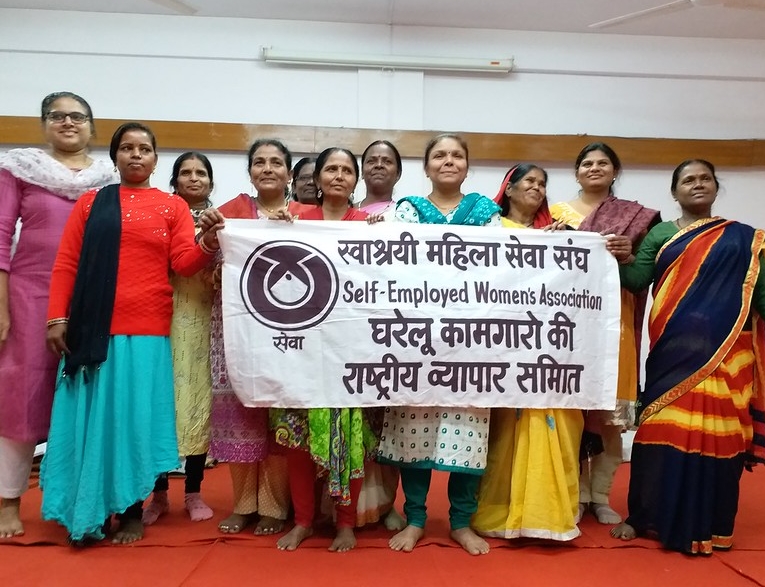 The concept of decolonial aid has gained increasing attention in recent years. Traditionally, global humanitarian systems have prioritized Western-led frameworks, which often overlook or sideline the expertise and leadership of local communities. As of 2020, there were fewer women from low- and middle-income countries in global health leadership roles than Harvard alumni, underscoring the imbalance in representation and influence. To address these disparities, many advocates have called for a shift toward decolonial approaches in international development and humanitarian work.