• Link to X
  • Link to Facebook
  • Link to Instagram
  • Link to TikTok
  • Link to Youtube
  • About
    • About Us
      • President
      • Board of Directors
      • Board of Advisors
      • Financials
      • Our Methodology
      • Success Tracker
      • Contact
  • Act Now
    • 30 Ways to Help
      • Email Congress
      • Call Congress
      • Volunteer
      • Courses & Certificates
      • Be a Donor
    • Internships
      • In-Office Internships
      • Remote Internships
    • Legislation
      • Politics 101
  • The Blog
  • The Podcast
  • Magazine
  • Donate
  • Click to open the search input field Click to open the search input field Search
  • Menu Menu

Archive for category: Foreign Aid

Foreign aid coverage and information.

Education, Foreign Aid, Global Poverty

Graduation Programs in Developing Countries

Graduation Programs in Developing CountriesPoverty, and efforts to escape it extend beyond income earned. The Multidimensional Poverty Peer Network (MPPN) captures this in its introduction to the concept of multidimensional poverty, stating that a person can suffer from poverty due to the buildup of a variety of factors that lessen quality of life, including but not limited to a lack of clean water or electricity, poor quality work or limited access to quality education.

For this reason, foreign aid in the form of transfers of cash or goods, while extremely useful in combating global poverty, might not always provide a comprehensive enough approach to ensure that as many people as possible are reached with long-term sustainability in mind.

Graduation Programs as a Solution

A solution exists in the form of graduation programs, defined by the Abdul Latif Jameel Poverty Action Lab (J-PAL) as programs that provide people living in extreme poverty not just cash assistance, but also business assets and vocational training so that they may have the chance to build financial independence and break existing cycles of poverty.

Graduation programs, according to J-PAL, were first pioneered by a nongovernmental organization (NGO) named BRAC in 2002. They are reported to yield positive societal outcomes after one to two years of funding and have been implemented in at least 20 countries.

How the Approach Works

As previously mentioned, the approach starts with providing business assets, such as livestock and supplies for trade, followed by skills training to manage those assets and consumption support. J-PAL states that consumption support consists of regular cash or food assistance for several months to one year.

These programs also provide recipients with access to savings accounts and health support in the form of health education, health care access and life skills training. To ensure participant success, frequent home visits are conducted by staff members to provide accountability and needed coaching.

The name “graduation program” is derived from the idea of “graduating” from dependence on foreign assistance within one to two years and transitioning toward financial self-reliance.

Evidence and Measured Returns

J-PAL shares empirical data showing that long-term returns generated by the graduation program approach can outweigh short-term costs. Studies measuring outcomes 18 months to three years after graduation indicate that beneficiaries saw income growth ranging from 7% to 65%, while consumption increased between 11% and 30%.

Additionally, Innovations for Poverty Action (IPA) reported results from a 2015 study consisting of randomized evaluations in six countries where graduation programs were implemented. The evaluations followed 21,000 people across Ethiopia, Ghana, Honduras, India, Pakistan and Peru over three years:

  • Ethiopia – Program cost: $1,054; Returns: 260%.
  • Ghana – Program cost: $2,135; Returns: 133%.
  • Honduras – Program cost: $1,406; Returns: -198%.
  • India – Program cost: $358; Returns: 433%.
  • Pakistan – Program cost: $1,160; Returns: 179%.
  • Peru – Program cost: $2,697; Returns: 190%.

Looking Ahead

In summation, data collected in countries where graduation programs in developing countries have been utilized demonstrate positive effects in providing more sustainable pathways to financial independence for households living in extreme poverty. The reported returns on investment also present a financial case for continued funding of graduation programs in developing countries within broader global poverty reduction efforts.

– Luca Hanlon

Luca is based in Brooklyn, NY, USA and focuses on Good News and Politics for The Borgen Project.

Photo: Flickr
March 28, 2026
https://borgenproject.org/wp-content/uploads/borgen-project-logo.svg 0 0 Precious Sheidu https://borgenproject.org/wp-content/uploads/borgen-project-logo.svg Precious Sheidu2026-03-28 03:00:342026-03-27 12:36:20Graduation Programs in Developing Countries
Foreign Aid, Global Poverty, Migration

Investment in Africa: How the UK Aims To Reduce Migration

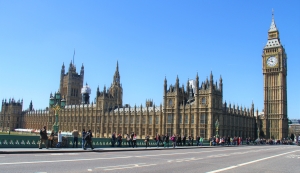
Investment in AfricaThe U.K. has recently seen a rise in politicians attempting to decrease migration into the country, especially via small boats, which are often unsafe for passengers and can lead to fatalities. A part of these efforts involves investment in Africa, with the intention of creating job opportunities. This initiative is currently focused on Ethiopia.

The British foreign ministry stated that almost a third of people traversing the English Channel on “small boats over the past two years” had departed from the Horn of Africa, which Ethiopia is a part of.

UK Foreign Minister’s Visit to Ethiopia

During a visit to Ethiopia, the U.K. Foreign Secretary met with Safaricom, a company supported by British International Investment. Safaricom provides technological connectivity and mobile money services across East Africa and has helped improve health, employment and education in Kenya. One of its subsidiaries, focused on Ethiopia, supported the country’s “digital transformation” in 2022.

During the visit, the secretary signed a Joint Development Agreement with Gridworks to proceed with two projects, which will cost more than $400 million. The Foreign Secretary also pledged financial support toward aid efforts in Africa, totaling $23.91 million. The aim is to improve access to health care, clean water and food, as well as to tackle women’s and children’s malnutrition.

Gridworks, which is also a British International Investment-backed organization, aims to increase investment in Africa from companies and businesses by providing electrical access. In Africa, “around 600 million people have no access to electricity.” This is a major barrier to economic growth because businesses must use diesel generators to supplement the lack of electricity in the area.

Safaricom and Its Impacts

Safaricom provides technological connectivity in Kenya, providing “2G, 3G, 4G and 5G in aggregate covering [more than] 99% of Kenya’s population.” It currently enables 32 million people to access and use mobile banking. This has lowered financial exclusion in the area to 16% of the adult population.

The organization is also committed to gender equality and sustainable climate practices; it wishes to have “50:50 senior management gender parity by 2025” and achieve net-zero carbon emissions by 2050. Safaricom has two foundations: the M-PESA Foundation and the Safaricom Foundation.

The former is responsible for the Citizens of the Future project, which has contributed hugely to education in Kenya. The project has helped more than 2.5 million students and teachers across more than 2,500 schools. The Citizens of the Future project has also helped renovate schools, improve ICT and provide scholarships.

Furthermore, it involves local communities in its work so they can understand changes made within the school. One beneficiary of the Citizens of the Future project, Mrs. Rebecca Asiko, Acting Head of Institution at Ekwanda Primary School, told Safaricom, “The state-of-the-art ICT hub means we can now teach our learners digital skills and the modern kitchen will ensure that we provide clean meals to the children, who need good nutrition to grow and concentrate in class.”

The Safaricom Foundation invests in health, education and economic empowerment. Its health focus is on “Maternal, Newborn, Adolescent and Child Health (RMNCAH) services.” It helps provide screenings for cardiovascular diseases, cancers, respiratory diseases and diabetes to “enable early detection, treatment and management.”

Its educational goals are similar to those of the M-PESA Foundation: improving teacher capacity and vocational and technical education. Through “enterprise development,” it aims to improve livelihoods and empower Kenyans economically. Improving education is also likely to increase investment in Africa, as a more educated workforce attracts more businesses to the region.

It also opens up more opportunities for employment for the population, which further improves the local economy as residents begin to have disposable income that they can then spend at local businesses.

Gridworks and Its Impacts

The Joint Development Agreement will allow Gridworks to create two transmission projects. These projects aim to meet Ethiopia’s industrial energy demand and, if successful, would help fuel its economy by attracting more investment from businesses in Africa. It would also improve its relations with neighboring countries and promote interconnectedness.

Gridworks has also succeeded with projects like the Moyi Power initiative in the Democratic Republic of Congo, which brought renewable energy to three previously isolated cities. Within five years, the project is expected to provide electricity to 37,000 households and businesses.

Conclusion

While these projects aim to attract investment to Africa and strengthen local economies, foreign aid still matters. Foreign investment not only makes these projects possible but also supports humanitarian work across the region.

UNICEF, which has assisted Ethiopia for more than 70 years, has played a major role in shaping the country’s economy. Its work focuses on children’s survival, health, social policy, protection, education, development and nutrition.

The U.K. Foreign Secretary recognizes the need for continued aid and has pledged to keep supporting organizations such as UNICEF while also investing in economic-focused projects.

– Ryan Cowen

Ryan is based in Brighton, UK and focuses on Good News and Politics for The Borgen Project.

Photo: Flickr
March 22, 2026
https://borgenproject.org/wp-content/uploads/borgen-project-logo.svg 0 0 Lynsey 2 https://borgenproject.org/wp-content/uploads/borgen-project-logo.svg Lynsey 22026-03-22 01:30:172026-03-21 13:51:54Investment in Africa: How the UK Aims To Reduce Migration
Foreign Aid, Global Poverty, Hunger

Confronting the Weaponization of Hunger in Sudan

Weaponization of HungerPassing the 1,000th day of civil conflict in January 2026, the humanitarian situation in Sudan remains the world’s most desperate and most neglected crisis. On top of the ever-growing death toll and alarming reports of widespread sexual violence, observers and international bodies have accused both the Sudanese Armed Forces (SAF) and the Rapid Support Forces (RSF) of the weaponization of hunger, with Sudanese civilians bearing the brunt of this cruelty. On Feb. 19, 2026, the U.K. foreign secretary, Yvette Cooper, alongside European and international collaborators, signed a Joint Ministerial Statement on Protection of Civilians and Humanitarian Operations in Sudan, which they hope will signal a move away from rhetoric and toward action in addressing the atrocities.

Weaponization of Hunger: The Effects and Mechanics

The World Food Program (WFP) has confirmed famine in two parts of the country, El Fasher in the west and Kadugli in the south. Here, 375,000 people face the most drastic level of food insecurity according to the globally ratified Integrated Food Security Phase Classification (IPC), Level 5. Elsewhere, moreover, more than 21 million people, nearly half of the country’s population, are suffering from acute levels of food insecurity.

The impact on food security is not an unfortunate by-product of the conflict. Instead, the two warring civil factions have orchestrated it as a war tactic. It has resulted from numerous sustained aid blockages as well as targeted attacks on humanitarian workers and volunteers. Of course, the disruption to domestic food production and increased food prices have exacerbated the crisis.

The U.K.’s Pledge

With neighboring Arab stakeholders bankrolling both sides and both militaries becoming more obstinate in their ambitions, the conflict shows little to no sign of halting. In response, voices across the world have amplified pleas for the conflict to end.

In an address to the Commons on Feb. 5, Yvette Cooper outlined the U.K.’s current status as a major contributor to foreign aid in Sudan, with pledges to increase aid given the current climate. “In December, the U.K. provided an additional £21 million for food, shelter and health services,” she said, amounting to a total of £146 million that has served 800,000 people over the past year.

Cooper’s other contribution has been diplomatic. She recently traveled to Addis Ababa and to Chad, where she held meetings with foreign ministers and members of the African Union to discuss opening aid channels, expanding the currently limited arms embargo and possibilities of engendering a temporary ceasefire.

Responding to the secretary of state’s statement, two MPs explicitly brought up the issue of weaponized hunger in Sudan and questioned whether the government was taking appropriate measures to confront it. Harpreet Uppal, the Labour MP for Huddersfield, and Jim Shannon, Strangford’s DUP representative, called for urgent increases in funding from the U.K. and international partners as well as increased U.N. presence in the worst-affected areas of Kadugli in South Kordofan and risk zones in Darfur and Kordofan. Though they welcomed the increased attention the U.K. government is giving to the humanitarian crisis, they believe more remains to be done.

Monica Harding, MP for Esher and Walton, called for effective intervention in Sudan’s gold trade, control of which is a constant battleground for the SAF and RSF and the profits from which fund a considerable portion of both operations. The U.K. and its allies need to impose sanctions, she argues, and expand the arms embargo “beyond Darfur to the whole country.” In the short term, she emphasizes that a ceasefire is essential if parties are to reopen humanitarian corridors safely.

Cooper reassured the Commons that she had met with the U.N. secretary-general and the U.N. emergency coordinator, Tom Fletcher, who confirmed that the Quad, a temporary alliance of Egypt, Saudi Arabia, the UAE and the U.S. formed to establish a humanitarian truce in Sudan, was discussing those topics. They are also “pressing for much greater humanitarian access.” Though MPs may welcome the government demonstrating concern with confronting the Sudanese crisis, bolstered by increases in foreign aid, for now, they only have verbal affirmation.

International Input

In the same Commons session, Adam Jogee MP turned attention beyond the U.K. and demanded an update on the contribution European allies are making. He asked Cooper to clarify what France, Italy, Spain and Ireland are doing to end the humanitarian crisis and the weaponization of hunger in Sudan. In response, Cooper reminded the chamber of an upcoming conference that will take place in Berlin in April and aims to discuss funding for an effective humanitarian aid program in the region.

Elsewhere, it is also important to mention the United States, which, despite budget cuts, has joined other nations in increasing the foreign aid directed to Sudan. On Feb. 3, the United States and the United Nations Office for the Coordination of Humanitarian Affairs (OCHA) held a joint conference centered on raising funds to address the situation. In total, donors pledged to contribute $1.5 billion to the Sudan Humanitarian Fund, which distributes money to various NGOs and U.N. agencies. Some critics have questioned the sincerity of these pledges due to the conflicts of interest among some of the countries involved.

As Sudan’s war continues, the WFP’s confirmation of famine and the obstruction of aid by warring factions highlight the deliberate weaponization of hunger. Despite pledges of increased support and diplomacy from Yvette Cooper and international partners, enforceable action, including sanctions, expanded embargoes and protected humanitarian access, may prove necessary if starvation is not to remain one of the conflict’s most devastating weapons.

– Jude Parsons

Jude is based in London, UK and focuses on Politics for The Borgen Project.

Photo: Flickr

March 15, 2026
https://borgenproject.org/wp-content/uploads/borgen-project-logo.svg 0 0 Precious Sheidu https://borgenproject.org/wp-content/uploads/borgen-project-logo.svg Precious Sheidu2026-03-15 01:30:162026-03-13 13:40:01Confronting the Weaponization of Hunger in Sudan
Foreign Aid, Global Poverty, Humanitarian Aid

Foreign Aid to Ethiopia

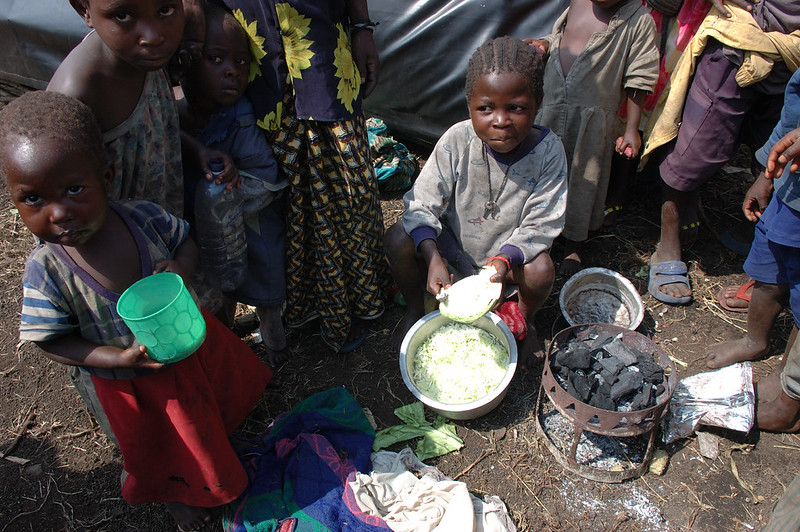
Foreign Aid to EthiopiaEthiopia remains one of the poorest countries in the world. Despite decades of foreign aid from as far back as the Cold War, the World Bank expects that 43% of its 138-million-person population is living below the poverty line of $3 per day. As much as 72% of the country lives without reliable education, health care or basic services, presenting immense challenges to people in rural and urban areas alike. However, with global politics constantly evolving, a growing number of nations and independent organizations have begun to help lift this developing nation above the line of poverty. Here is more information about foreign aid to Ethiopia.

Ethiopia’s History With Aid

The United States and Ethiopia have long held an important bilateral relationship in terms of aid. This east African country has consistently stood among the top recipients from the U.S, and the U.S. has consistently been its top donor. However, the U.S. Agency for International Development (USAID) paused its foreign aid to Ethiopia in 2023, following reports that large amounts were being diverted away from the residents who relied on it and resold locally. The agency oversaw reforms in the distribution of its aid that year, allowing its vital efforts to continue its life-saving work. The assistance that USAID provided has helped reduce AIDS-related deaths by 79% and supplied locals with essential testing materials and medication kits.

As the U.S. continues to taper its contribution, other key actors are met with the responsibility of filling in its role. The World Food Programme (WFP) is a leading international organization in distributing humanitarian aid to those who most need it, regardless of political tension. Conflict, drought and rising food prices have displaced an alarming number of men, women and children without stable food supplies, making emergency assistance essential for survival. In 2024, the WFP detailed its plan to support 1.9 million high-risk Ethiopians and a further 1 million refugees through its assistance. Its unique initiatives involve optimizing and protecting harvests by providing seed inputs, expanding market access and preventing post-harvest loss.

Impact of the Humanitarian Efforts

The $1.3 billion in U.S. foreign aid to Ethiopia in 2024 has helped drive Ethiopians through periods of immense strain in several regions. The combination of armed conflict and a multi-year drought has proved challenging for tens of millions of residents, but the country has not gone without external aid. The vast majority of the U.S. donation—$831 million—was humanitarian, supporting emergency food distribution, malnutrition treatment for children and mothers and school meals for children in displaced communities. Smaller portions went toward long-term economic development, pro-democratic governance and stabilizing efforts like education and the environment.

Wealthy nations are not the only actors in the fight for global development. The International Rescue Committee (IRC), a humanitarian nonprofit that Albert Einstein helped create, is one of many independent organizations working to alleviate the country’s refugee crisis. Ethiopia accepts more than 1 million refugees and asylum seekers from neighboring nations, making it one of the world’s largest refugee hosts. Since 2000, the International Rescue Committee has played a decisive role in supporting vulnerable residents and refugees in the region, especially for women and children.

The Future of Funding

As the United States cuts back on large amounts of its foreign aid to Ethiopia and other countries, European and international bodies are placing a greater emphasis on humanitarian efforts in the area. The European Union has offered about $700 million to support the developing nation through 2027, focusing on development that promotes conflict resolution, governance and peacebuilding. Denmark has pledged a further $238 million sum over five years in bilateral grants, marking efforts to support sustainable growth amid waning U.S. assistance.

The WFP has outlined five goals for its operations in Ethiopia, each underscoring the importance of long-term solutions rather than solely monetary contribution. Among these, they hope to see crisis-afflicted populations gain “strengthened livelihoods supported by resilient food systems that enable them to withstand multiple shocks and stressors.” The primary aim of the WFP is in developing social and political systems in the country that allow residents to thrive despite unexpected conflict or natural disaster.

– Jayhan Adhi

Jayhan is based in Chicago, IL, USA and focuses on Business and Politics for The Borgen Project.

Photo: Flickr
February 27, 2026
https://borgenproject.org/wp-content/uploads/borgen-project-logo.svg 0 0 Jennifer Philipp https://borgenproject.org/wp-content/uploads/borgen-project-logo.svg Jennifer Philipp2026-02-27 03:00:532026-02-26 00:38:58Foreign Aid to Ethiopia
Foreign Aid, Global Poverty, World Bank

BII Fights Global Poverty

BIIBritish International Investment (BII), founded in 1948 as the Commonwealth Development Corporation (CDC), is the world’s oldest development finance institution. Relaunched in 2022 under its current name, BII is owned by the United Kingdom (U.K.) government and plays a central role in the country’s strategy to reduce global poverty.

Unlike traditional aid, BII invests public capital into private companies in low and middle-income countries. The aim is to create jobs, strengthen local economies and support long-term development in areas with limited access to finance. By providing long-term investments, BII helps businesses grow, build resilient economies, deliver essential goods and services and reduce global poverty.

Productive, Sustainable and Inclusive Development

BII’s investments focus on supporting productive, sustainable and inclusive development. Productive development means creating jobs and expanding local economies. Sustainable development addresses climate change by supporting projects that reduce greenhouse gas emissions and help communities adapt. Inclusive development targets poverty reduction and gender equality, prioritizing investments that empower women and support those in need.

The institution mainly invests in countries in Africa and Asia, with India being the largest single recipient. Key sectors include financial services, infrastructure, technology, businesses, health, food, agriculture and education, areas that either create jobs or improve access to essential services. Each investment is linked to one or more United Nations Sustainable Development Goals (SDGs) to ensure measurable impact.

The Impact of Investments: Jobs, Climate and Gender

In 2024, British International Investment committed nearly £1.8 billion to creating jobs, reducing aid dependency and combating climate change, including £903 million in climate finance. Over the last three years, it has invested more than $2 billion in climate action, supporting businesses leading the fight against climate change in emerging markets. Its 2024 investments helped provide jobs for over one million people across Africa and Asia.

The World Bank identifies employment as a key pathway out of poverty, with wider benefits such as promoting gender equality and economic stability. Alongside this, BII directed £880 million to the poorest and most fragile countries and invested around £500 million in gender finance commitments in 2024.

How BII Is Funded

BII funds come from several sources. A portion comes from the U.K. government’s Official Development Assistance (ODA) budget, also known as the overseas aid budget. It also reinvests financial returns from its investments and attracts private capital from companies and individuals seeking to support development in countries in need. Between 2020 and 2024, BII invested £9.5 million and mobilized around £6.5 billion in private sector capital (investments from non-government sources such as corporations or individuals).

The U.K. originally committed to 0.7% of its gross national income (GNI) to ODA, but this has since fallen to 0.5% and is set to drop to 0.3% by 2027.

These cuts could limit BII’s future investments. In response, International Development Committee Chair Sarah Champion has suggested allowing BII to borrow money. The government has said it is considering ways for BII to raise more private finance. This approach is also reflected in BII’s 2022–2026 strategy, which aims to mobilize greater levels of private capital for investments.

Criticism and Accountability

Despite its achievements, BII has faced criticism. The U.K. Parliament’s International Development Committee raised concerns about some investments lacking a clear poverty focus, potentially harming society or the environment or not aligning with U.K. government policies. Critics also highlighted a concentration of investments in middle-income countries where benefits to the poorest may be limited. They argued that BII should improve transparency by providing clearer investment and impact data, better explaining its activities and demonstrating the changes resulting from its investments.

In response, BII has increased transparency, publishing detailed data on jobs created, gender impact and overall results. It also committed to directing half of its annual investments to the poorest and most fragile countries by 2030.

Investment as a Pathway Out of Poverty

Ultimately, British International Investment and global poverty are closely linked. By prioritizing job creation, climate action and private-sector growth, BII provides a sustainable pathway out of poverty for millions. With strengthened transparency and a growing focus on the most vulnerable regions, BII continues to demonstrate that investments can reduce poverty and transform lives.

– Jeanne Pellet

Jeanne is based in London, UK and focuses on Business and New Markets for The Borgen Project.

Photo: Flickr
February 17, 2026
https://borgenproject.org/wp-content/uploads/borgen-project-logo.svg 0 0 Precious Sheidu https://borgenproject.org/wp-content/uploads/borgen-project-logo.svg Precious Sheidu2026-02-17 01:30:022026-02-16 23:47:38BII Fights Global Poverty
Foreign Aid, Global Poverty, Humanitarian Aid

Foreign Aid to Kashmir

Foreign Aid to Kashmir
Kashmir is the United Nations’ longest ongoing, unresolved area of conflict, dating back to 1948. Today, three nuclear powers share occupation of the land. India controls 48% of the territory, Pakistan runs 35% and China covers 17%. About 40% of the population lives below the poverty line, according to the Kashmir Welfare Foundation.

On both ends of the highly-militarized area, Kashmiri people are subject to several human rights violations, including restrictions on political freedom and the systemic discrimination of religious minorities. Around 70,000 people have been killed in the midst of the conflict over the last 29 years alone.

Aside from the political turmoil, Kashmir is also prone to fatal natural disasters, such as earthquakes and floods. The lack of infrastructure, industries, access to education and proper health care in Kashmir prolong the territory’s recovery from these catastrophes and keep its people in poverty. Foreign aid to Kashmir is a significant component in rebuilding its infrastructure and supporting its civilians, caught in the crossfire between governments.

US Humanitarian Aid

In 2014, monsoon floods devastated Kashmir, killing more than 460 people, displacing 1 million and shoving several more into poverty. This flood was the worst Kashmir has seen in 100 years, as it severely damaged the agriculture, trade, infrastructure and tourism industries in the area. The Indian government provided relief, but it failed to reach 300,000 people and aid-workers called the efforts inadequate. In response, the U.S. provided $250,000 in foreign aid to Kashmir. This included sending humanitarian relief to NGOs in India through the U.S. Agency for International Development (USAID). The NGOs then used the aid to provide general supplies and temporary shelters for those who lost their homes.

After an earthquake erupted across Kashmir in 2005, the aftermath took the lives of 47,000 people, left more than 2 million without shelter and displaced another 2 million. The U.S. sent $510 million towards reconstruction and humanitarian relief efforts, with more than 1,000 American personnel on the ground.

Helicopters and U.S. military flights delivered more than 13,500 tons of resources, including medical supplies, food, materials for shelter and rescue equipment. The U.S. also evacuated 18,600 earthquake survivors and provided medical treatment to around 35,000 civilians.

Today, the U.S. is still Kashmir’s largest foreign government donor for relief. The other largest foreign aid donations to Kashmir come from non-government humanitarian organizations.

European Union Humanitarian Aid

In 2019, an earthquake ripped through Pakistan-run Azad Jammu and Kashmir. The disaster killed 37 people, destroyed 9,000 homes and further pushed 10,500 families into poverty. The European Union provided €300,000 in emergency humanitarian aid for those most affected through the European Civil Protection and Humanitarian Aid Operations. The funding helped at least 3,000 people in some of the most vulnerable areas and supplied access to clean water.

In response to the 2014 monsoon floods, the European Union provided €250,000 in humanitarian assistance, which helped more than 12,000 people in need. The aid included sending hygiene kits, food and livelihood support to 40 villages where the floods had the worst impact.

After the catastrophic earthquake in 2005, the European Union donated €50 million in foreign aid to Kashmir. The funding provided civilians with blankets, tents, water, fuel, health care and sanitation supplies.

The Impact of Foreign Aid in Kashmir

Overall, the U.S. and the European Union helped combat poverty in Kashmir with foreign aid, which provided humanitarian relief and significant support the government could not match. A study by the World Bank revealed that 70% of people in Kashmir living near the fault line, where there was a higher presence of foreign aid workers, said they trusted foreigners or those in the West, such as Europeans and Americans.

Every 10 kilometers away from the fault line, civilians’ trust in foreigners decreased by six percentage points. Consequently, the study suggests that people living in developing countries’ trust of foreigners is a direct response to international humanitarian actions in those regions.

The Future of Kashmir

Shafat Ahmed is a part of Conciliation Resources’ Kashmir Initiative Group, which focuses on peacebuilding. Ahmed led work on conflict-sensitive disaster management in Kashmir and developed a plan that he introduced to policymakers.

“When the focus of governments is on political tensions, the issue of disaster preparedness takes a back seat,” he said in a news release.

The plan outlines effective ways to prepare for and respond to natural disasters in Kashmir. The proposed solutions involve the governments communicating, collaborating and coordinating with each other during humanitarian crises. The solutions also include raising awareness and strengthening the means for civilians to confront natural disasters when they occur.

– Umaymah Suhail

Umaymah is based in Karachi, Pakistan and focuses on Good News and Global Health for The Borgen Project.

Photo: Unsplash

February 5, 2026
https://borgenproject.org/wp-content/uploads/borgen-project-logo.svg 0 0 Jennifer Philipp https://borgenproject.org/wp-content/uploads/borgen-project-logo.svg Jennifer Philipp2026-02-05 07:30:002026-02-09 05:26:46Foreign Aid to Kashmir
Food Insecurity, Foreign Aid, Global Poverty

The Success of Foreign Aid to Cuba

Foreign Aid to CubaBack in the 1950s, Cuba had the third highest per capita income in the Americas. Now, Cuba represents the longest embargoed nation on the planet, with a dwindling economy and a myriad of humanitarian issues. An aggressive U.S. policy of prohibiting trade stifles the country’s attempts at domestic development.

Why Did Foreign Aid to Cuba Cease?

For 63 years, since 1963, the United States has enforced a commercial and economic embargo against Cuba. Far more than simply an attack on Cuban trade, the U.S. policy attempts to globally isolate the island. At its core, the embargo legally bans American investment in Cuba while utilizing extraterritorial sanctions and resulting fines to deter investments from U.S. allies. 

Beyond this, the embargo prevents Cuba from selling its products in U.S. markets or to its allies. In return, it denies Cubans the ability to trade with their natural economic partner just 90 miles away, forcing them to source essential food and medicine from costly suppliers.

While the Obama and Biden administrations passed limited exemptions for travel, the foundational statutes of the embargo remain unaltered, leaving its restrictive core legally and politically intact. While the Obama and (although less) Biden administrations passed limited exemptions for travel, this was not a repeal of the statutes that brought the embargo into U.S. law and because of this the Trump administration had the ability to re-instate the full enforcement. Despite widespread criticism against the U.S., the nation is able to enforce the Embargo through its global-leading status and UN Veto.

Its Consequences

The consequences of the embargo permeate every facet of Cuban life. Though Cuba holds a strong domestic health care industry, the U.S. embargo has blocked access to new health-equipment and forced the country to rely on ‘intermediaries or substitutes, at exorbitant prices for inferior quality.’ As a result of the embargo, during the COVID-19 pandemic, the Cuban health industry lost $80 million – a loss that, should it persist, could lead to a breakdown of services. The U.S. Embargo also blocks Cuban farmers from accessing modern equipment and parts, leading to low-yield harvests and rationing. The nutritional deficiencies that the U.S. embargo caused have led to a rise in low birth weights and have triggered neuropathy epidemics in 50,000 Cuban adults.

Financially, U.S. law is prohibiting Cuban banks from processing dollar transactions, and foreign institutions can face billions in U.S. penalties for facilitating trade, rendering Cuba entirely isolated – such as the French bank BNP Paribas which faced an $8.9 billion fine in 2014 after engaging in Cuban transactions. This U.S. policy strangles Cuban entrepreneurs, who cannot affordably import supplies, access international credit or standard payment platforms like PayPal. The embargo also caused energy insecurities, which have led to frequent blackouts across Cuba, completely halting all activity. Consequently, the embargo forces many Cuban businesses into informality, reliant on black market cash-based deals, something that could only be ended if foreign aid to Cuba was re-initiated.

Paradoxically, although the United States created the embargo to pressure the Cuban government, it has only strengthened the regime by allowing its leaders to characterize themselves and their hardship as victims of aggressive U.S. foreign policy. Thus, the embargo continues a cycle of hardship without advancing its stated political goals, condemning the future of Cuban generations.

Solutions

Beyond the actions of the Cuban government or the remittances from the diaspora, the international community undertakes significant efforts to mitigate the humanitarian harm that the embargo caused. Multilateral organizations like the World Food Programme (WFP) lead these efforts, which in 2024, fed 1,320,867 people in Cuba, in addition to providing specialist malnutrition prevention schemes for 268,497 Cubans. The global community also navigates U.S. sanctions to support Cuba, such as the EU, which has allocated $125 million in cooperation funds since 2020, or China, which has regularly tried to develop Cuban industries, including an $1.8 billion credit line so that Cuban public transportation and the logistics involved could be improved. While effective, naturally, the support of these global actors wanes with the geopolitics that the U.S. pursues.

Complementing these governmental efforts, a network of international NGOs are working at the grassroots level to support the people of Cuba. One example is Oxfam, which works in rural and urban provinces to provide supplies and helps address the damage of natural disasters. Another critical NGO is Cuba Vive, which works yearly to raise more than £200,000, all of which goes back to Cuba as medical supplies/personnel.

What Needs to Be Done?

As The Washington Office on Latin America said, the embargo “no longer benefits any players in the game— not the United States and certainly not the Cuban people.” The United States-Cuba Trade Act bill would repeal the core embargo statutes (the Helms-Burton and Torricelli Acts) and restart the flow of foreign aid to Cuba, opening humanitarian channels, reuniting families and reintegrating the Island into the world.

As a 2023 UN General Assembly report concluded, the embargo continues “the adverse… on the Cuban people and on Cuban nationals living in other countries.” Cuba’s recovery hinges on the Embargo’s erasure and replacement by the UN and U.S. courts with a new paradigm of foreign engagement. One that replaces hostility with genuine economic partnership and brings foreign aid to Cuba again.

– Eli Thomson

Eli is based in Preston, UK and focuses on Politics for The Borgen Project.

Photo: Unsplash

February 4, 2026
https://borgenproject.org/wp-content/uploads/borgen-project-logo.svg 0 0 Jennifer Philipp https://borgenproject.org/wp-content/uploads/borgen-project-logo.svg Jennifer Philipp2026-02-04 01:30:222026-02-04 00:24:17The Success of Foreign Aid to Cuba
Aid, Foreign Aid, Global Poverty

How Foreign Aid Cuts Hurt Global Poverty Reduction

Global Poverty at Risk as Foreign Aid Cuts Accelerate WorldwideGlobal poverty eradication faces a growing threat as wealthy nations reduce foreign aid and international relief programs. After years of modest growth, official development assistance has dropped sharply, with reductions of 15–22% as governments redirect spending from humanitarian programs toward defense budgets. These cuts coincide with a worsening debt crisis across the developing world, raising fears that millions of people could be pushed back into extreme poverty. This trend illustrates how foreign aid cuts hurt global poverty reduction and threaten to undo decades of hard-won progress.

The Reversal of Aid Growth and Its Immediate Effects

Between 2018 and 2023, foreign aid from high-income countries grew by approximately 6% annually, signaling a fragile commitment to global poverty reduction. However, this momentum has now reversed. Across the United States and Europe, governments are rescinding foreign aid commitments and scaling back international relief programs in favor of increased defense spending. According to the Council on Foreign Relations, official development assistance has fallen by as much as 22% as countries reallocate resources from social investment to military priorities.

In the United States, this shift has been particularly stark. Cuts to traditional foreign assistance programs, proposals to eliminate long-standing aid mechanisms and the use of pocket vetoes on appropriated funds have weakened development institutions. These reductions have occurred alongside an estimated $1 trillion surge in U.S. defense spending, highlighting a broader policy realignment away from poverty-focused engagement abroad. While defense budgets have expanded, funding for health care, food security and humanitarian relief in low-income countries has contracted, placing vulnerable populations at heightened risk. This reallocation demonstrates how foreign aid cuts hurt global poverty reduction as essential resources for health and food security are withdrawn.

The Debt Crisis and Vulnerabilities in Developing Countries

The timing of these foreign aid cuts has raised concerns. A 2025 briefing paper by the Finnish Institute of International Affairs warned that more than 50 low-income countries faced a high risk of sovereign default due to post-pandemic borrowing, rising global interest rates and declining access to concessional financing. As debt servicing costs rise, governments often divert funds away from education, health care and social protection, investments essential for reducing poverty. This dynamic threatens to reverse decades of progress against extreme poverty and widen global inequality.

The U.S. retreat from foreign assistance has amplified these pressures. The FIIA briefing describes recent aid retrenchment as part of a broader global development crisis, noting that cuts to humanitarian and democracy assistance have destabilized international relief systems on which millions depend. European governments have mirrored this trend by redirecting aid budgets toward domestic priorities and defense, further shrinking the global pool of resources available to fight poverty. When combined with the debt crisis, the evidence shows that foreign aid cuts hurt global poverty reduction by leaving fragile economies without a vital safety net.

Foreign aid has become increasingly politicized. In the United States, development assistance is often portrayed as wasteful and disconnected from taxpayers’ needs. CFR argues that aid advocates have struggled to maintain public support by emphasizing moral obligation rather than strategic value (CFR, 2025). As a result, foreign aid is vulnerable to cuts during periods of political polarization, making sustained investment in poverty reduction more difficult to defend.

A Shift From Aid to Investment

Not all forms of international engagement have declined. Funding for the U.S. International Development Finance Corporation increased by approximately 280%, reflecting a shift toward investment-driven development approaches.

While such tools can stimulate economic growth, experts caution that they cannot replace poverty-focused aid and humanitarian relief programs designed to directly reach the world’s poorest populations. Financial and capital investments should be supported by targeted efforts that have historically been delivered via NGOs, nonprofits and collaborative philanthropic work. This distinction is important because many investment tools are return-driven, while humanitarian and nonprofit programs prioritize poverty reduction outcomes.

The Center for Global Development warns that reductions in U.S. funding threaten multilateral development banks and sector-specific programs that play a critical role in combating poverty. Concessional finance windows and institutions such as the World Food Programme and global health funds provide lifeline services that stabilize fragile economies and protect vulnerable communities. When these programs are disrupted, food insecurity, disease and economic instability rise, conditions that deepen poverty and increase long-term development costs.

Political Pressures and the Path to Recovery

Foreign aid also serves broader strategic goals. The CFR identifies three core objectives for effective assistance: preventing crises abroad that threaten the U.S. homeland, competing with geopolitical rivals through soft power and strengthening supply chains that support economic stability. Cuts to foreign aid weaken U.S. influence, create openings for rival powers and increase the likelihood of economic shocks that can affect American consumers.

Perhaps the most concerning issue is the long-term impact of sustained aid retrenchment. The CFR cautions that the deeper and longer foreign assistance budgets are cut, the harder it becomes for future administrations, regardless of political affiliation, to justify restoring them. As institutions lose capacity and partnerships erode, rebuilding effective poverty reduction programs becomes increasingly difficult and costly. This institutional decay shows how sustained foreign aid cuts hurt global poverty reduction by dismantling the architecture needed to fight it.

Looking Ahead

The debate over foreign aid reflects broader questions about global responsibility and international engagement. Without renewed commitment and clearer accountability, continued reductions risk entrenching deeper global poverty and increasing the long-term costs of inaction.

– Christopher Pellant

Christopher is based in Evansville, IN, USA and focuses on Business and Politics for The Borgen Project.

Photo: Flickr
February 1, 2026
https://borgenproject.org/wp-content/uploads/borgen-project-logo.svg 0 0 Precious Sheidu https://borgenproject.org/wp-content/uploads/borgen-project-logo.svg Precious Sheidu2026-02-01 07:30:582026-01-31 20:13:43How Foreign Aid Cuts Hurt Global Poverty Reduction
Foreign Aid, Global Poverty, Nonprofit Organizations and NGOs, USAID

NGOs Partnerships Following Foreign Aid Cuts in Uganda

Foreign Aid Cuts in UgandaThe decision to dismantle USAID was devastating for millions of people around the world. Several countries suffered immediate effects from the cuts in foreign aid, which provided necessities such as food, education and health care. Uganda is one of the hardest-hit areas for two reasons:

  1. It hosts the largest refugee population in Africa, nearly 2 million people, 81% of whom are women and children; and
  2. It faces a severe, chronic HIV epidemic and relies heavily on U.S. support for HIV treatment and prevention.

Uganda lost 66% of the funding received from USAID, which is approximately $307 million. As a result, many areas have been affected, including food aid, which has been cut due to a funding shortage, leading to increased hunger and malnutrition. However, nongovernmental organizations (NGOs) are hard-pressed to continue providing services on the same scale with less funding.

The Impact of Foreign Aid Cuts on Uganda

1. Education:

USAID funding supported school construction and the procurement of learning materials in Uganda. The funding also supported teacher training programs. Digital learning tools provided schools in remote areas, improving access to education. The lack of funding results in under-resourced schools and a reduced ability to meet growing demands.

This affects girls explicitly as it decreases their access to education regarding reproductive and menstrual health. Girls, seeking security, will marry early and lose hard-fought gains in gender equity. In refugee communities, funding shortages have led to staffing shortages. In one refugee settlement, there were 36 teachers with more than 3,400 students. Following funding cuts, nine teachers are left to manage classes of up to 500 students each.

2. Health:

USAID administers close to 60% of the President’s Emergency Plan for AIDS Relief (PEPFAR) bilateral funding, which provided more than half of the medication and staff needed to respond to the HIV epidemic in Uganda. PEPFAR also accounted for nearly 90% of pre-exposure prophylaxis (PrEP) initiatives on a global scale. Millions now are at risk of contracting HIV due to foreign aid cuts.

PrEP is restricted to pregnant and lactating mothers. Funding cuts cause immediate disruptions in care for thousands who depend on consistent medication (i.e., Anti-Retroviral Therapy). This increases the risk of babies being born with HIV. Vaccine shortages caused by foreign aid cuts increase the risk of contracting other diseases like TB, Ebola and Malaria.

Foreign aid cuts also lead to staffing shortages, making it challenging for those who remain to deliver the same level of health care with fewer resources and a reduced number of qualified staff.

One NGO in particular, St. Francis Health Care Services, provided HIV testing, medication and prevention products to sex workers in Uganda, but this was stopped due to cuts in foreign aid. Mwesigye, a country representative with the U.K.-based NGO All We Can, stated, “You know, there was almost an alarm… people were being told to run as fast as they could to the next health unit to get their dose for a few months… but that is also going to run out.”

The Response

When formal protection systems collapsed, local citizens and/or refugees stepped up to fill the gap. The NGO St. Francis Health Care Services received funding from PEPFAR several years earlier. However, its funding was cut after Uganda passed its anti-homosexuality act. The nonprofit was able to secure the funding again; however, its leadership began to realize how dangerous it could be for them and their ability to continue providing the vital services needed in the community.

After the organization’s funding was cut the first time, it began seeking private donors. It increased its revenue by offering paid services, such as surgery, maternal care, radiology and dental exams. As a result, it was less vulnerable to the effects of the foreign aid cuts. However, health leaders still had to make decisions in response to the cuts to foreign aid.

Other strategies implemented include moving away from standalone HIV/TB clinics and referring patients to government outpatient clinics; utilizing a large network of private clinics, seeking non-U.S. international collaborations, increasing donor outreach and implementing technological solutions (e.g., AI). Health officials propose using AI to identify high-risk patients, allowing them to be seen sooner.

Another NGO, Soft Power Health, continues to care for approximately 50,000 patients. This organization operates on a $699,000 budget, which is funded by private organizations and individual donors. It was also more insulated against the foreign aid cuts and continued its work. Services provided include transportation, free HIV medication and gardening and health education. Another clinic lost its funding and donated medical equipment to Soft Power Health, allowing it to continue testing for TB.

Grassroots Groups in Uganda

In response to the aid cuts, grassroots groups in Uganda have turned to farming, petty trade and vocational activities, selling milk and produce, while youth join skills programs to learn trades like tailoring. Women have formed support groups for survivors of gender-based violence and girls at risk, which have become lifelines through regular meetings and check-ins.

These community efforts are complemented by Volunteer Village Health Teams, who refer survivors to clinics that remain open, provide mental health services and conduct awareness sessions on gender rights and protection. Boda Boda riders, a network of volunteer motorcycle riders, transport survivors from remote villages to clinics, legal aid offices, or safer areas and have organized informal night patrols to discourage exploitation and monitor hotspots known for abuse.

Forging a Path Forward

Joy Kawanguzi, team leader of FABIO-Uganda, discusses the abruptness of the foreign aid cuts in Uganda: “It did not give us time to prepare. So the abruptness alone is an inconvenience.” She adds that the foreign aid cuts “put local organizations in a place where they start feeling like they are more implementers of donor ideologies. Because if a local organization were a key player, this decision would not have been drastic. There would have been consultations.”

Mwesigye agrees and advocates for organizations to be able to use funding for core costs instead of just fulfilling projects: “…if core costs are paid for; if you build the institution rather than fulfill project goals, then the institution will be bold enough to be able to work and do what it needs to do.”

These statements are indicative of a desire to move away from dependence on outside donors. Their sentiment is fueled by the question no one can answer: “What if this happens again?” The path forward for the people of Uganda is one where they have free rein with the resources they are given and the opportunity to achieve independence.

– Danielle Milano

Danielle is based in Pineville, LA, USA and focuses on Good News and Global Health for The Borgen Project.

Photo: Pexels

December 16, 2025
https://borgenproject.org/wp-content/uploads/borgen-project-logo.svg 0 0 Lynsey 2 https://borgenproject.org/wp-content/uploads/borgen-project-logo.svg Lynsey 22025-12-16 01:30:482025-12-15 23:26:49NGOs Partnerships Following Foreign Aid Cuts in Uganda
Foreign Aid, Foreign Relations, Global Poverty

China’s Aid in Africa

China’s Aid in AfricaForeign Aid has historically underpinned American soft power on the global stage and has been instrumental in promoting democratic governance, human rights, and development. With the shuttering of most aid projects, China has begun expanding its aid programs. Since the shuttering of USAID, many developing states in Africa and beyond now look to China as a predictable partner in the vacuum left by the United States’ sudden retreat from its central role in global aid. The United States’ retreat from development aid in Africa has hurt the multilateral aid space in particular. Multilateral aid systems, while slow and cumbersome, bring together a constellation of actors delivering assistance on a more purely humanitarian basis.

Chinese Aid in Africa

In 2024, China committed an additional $50 billion to projects on the African continent, according to NPR. China’s investment has focused on critical infrastructure. China has invested heavily in transit infrastructure and energy projects involving nuclear energy. Such investment lays the groundwork for greater industrialization and economic growth, made ever more critical by Africa’s rapid urbanization.

China has been involved in building and renovating government buildings and offices for the African foreign affairs staff—bases for different parts of the security apparatus. Importantly, China has been responsible for fourteen key intergovernmental telecom networks on the African continent. This building surge in Africa has given considerable sway over states seeking partners for future projects.

Debt Trap

Credible accusations state that Chinese aid in Africa is part of a strategy of debt trap diplomacy. Indeed, some of its development and aid projects have put countries at risk of debt. Ethiopia borrowed billions from China, which helped build critical transit infrastructure. Now the Ethiopian debt outstrips GDP, according to LSE.  Such behavior is not unique to China. Western aid has been criticized for the same colonial behavior. Aid from the West frequently comes with conditionalities that hinder self-sustaining growth, producing a cycle of dependency. Parallels in exploitative behavior does not absolve China of scrutiny.

The results of China’s aid efforts have been heterogeneous. China has leveraged unfair loans to gain access to critical infrastructure. In other cases, China has been more forgiving than other lenders when providing relief to African countries.

The Future of Aid in Africa

While the United States stands to lose by not participating in development and aid in Africa, its withdrawal has implications far more pressing than the dominant realpolitik. Some have foreseen China filling the void left by the United States, but even with funding surges, there are huge gaps in health and infrastructure development, according to Bloomberg. This funding surge has yet to meet the needs of some of the poorest states in Africa. China’s projects have an uneven record, with some programs being extractive and others facilitating real economic growth.

China’s aid in Africa has adopted a bilateral approach. China’s loans are aimed at building critical infrastructure assets that can generate sustained growth and capacity. The United States’ most successful projects have been multilateral and partnered with a diverse range of actors from intergovernmental organizations, NGO’s, and businesses. The focused scope of Chinese aid in Africa means its effects tend to be localized. China’s assistance makes a difference, but it still lacks the scope and, most critically, the integration of the United States’ previous aid efforts in Africa. By conservative estimates, the closure of USAID has already caused more than half a million deaths globally. Africa and the world as a whole benefit from a diversity of foreign aid sources. When developing states can choose between aid sources, they can leverage more equitable and sustainable aid projects.

– Atticus Flanagan

Atticus is based in Cambridge, MA, USA and focuses on Good News for The Borgen Project.

Photo: Wikimedia Commons

December 15, 2025
https://borgenproject.org/wp-content/uploads/borgen-project-logo.svg 0 0 Naida Jahic https://borgenproject.org/wp-content/uploads/borgen-project-logo.svg Naida Jahic2025-12-15 01:30:202025-12-14 23:53:38China’s Aid in Africa
Page 2 of 61‹1234›»

Get Smarter

  • Global Poverty 101
  • Global Poverty… The Good News
  • Global Poverty & U.S. Jobs
  • Global Poverty and National Security
  • Innovative Solutions to Poverty
  • Global Poverty & Aid FAQ’s
Search Search

Take Action

  • Call Congress
  • Email Congress
  • Donate
  • 30 Ways to Help
  • Volunteer Ops
  • Internships
  • Courses & Certificates
  • The Podcast
Borgen Project

“The Borgen Project is an incredible nonprofit organization that is addressing poverty and hunger and working towards ending them.”

-The Huffington Post

Inside The Borgen Project

  • Contact
  • About
  • Financials
  • President
  • Board of Directors
  • Board of Advisors

International Links

  • UK Email Parliament
  • UK Donate
  • Canada Email Parliament

Get Smarter

  • Global Poverty 101
  • Global Poverty… The Good News
  • Global Poverty & U.S. Jobs
  • Global Poverty and National Security
  • Innovative Solutions to Poverty
  • Global Poverty & Aid FAQ’s

Ways to Help

  • Call Congress
  • Email Congress
  • Donate
  • 30 Ways to Help
  • Volunteer Ops
  • Internships
  • Courses & Certificates
  • The Podcast
Scroll to top Scroll to top Scroll to top