Decolonial Aid: A Different Approach to Humanitarian Work
 The concept of decolonial aid has gained increasing attention in recent years. Traditionally, global humanitarian systems have prioritized Western-led frameworks, which often overlook or sideline the expertise and leadership of local communities. As of 2020, there were fewer women from low- and middle-income countries in global health leadership roles than Harvard alumni, underscoring the imbalance in representation and influence. To address these disparities, many advocates have called for a shift toward decolonial approaches in international development and humanitarian work.
What is Decolonial Aid?
Decolonial aid refers to the rethinking of humanitarian and development practices by dismantling long-standing colonial structures and assumptions. It challenges the perceived superiority of Western knowledge systems and emphasizes the importance of local expertise, leadership and ownership in shaping aid efforts. According to Peace Direct, decolonial aid involves rejecting colonial ideologies regarding the superiority and privilege of Western thought and approaches.
Efforts to promote locally led aid are not new. At the 2016 Grand Bargain World Humanitarian Summit, donors and humanitarian organizations pledged to direct at least 25% of aid funding to local organizations. However, loopholes have allowed international NGOs (INGOs) with offices in low-income countries to register as local organizations and claim these funds. This limits the intended impact and highlights the need for stronger accountability in aid reform.
Refugee-Led Organizations in Uganda
Uganda hosts the largest refugee population in Africa, with more than 1.6 million people seeking safety from conflicts in South Sudan and the Democratic Republic of the Congo (UNHCR, 2024). During the COVID-19 pandemic, many international aid workers left Uganda and Refugee-Led Organizations (RLOs) stepped in to meet urgent needs.
These organizations provided essential services such as education, personal protective equipment and mental health support. An example is the African Youth Action Network (AYAN), which promotes economic self-reliance and supports refugee-led political advocacy (AYAN). Another group, the Youth Social Advocacy Team (YSAT), works on peacebuilding and trauma healing among young refugees. These examples reveal that local communities often design the most effective responses to their challenges.
Financial Autonomy for Women in India
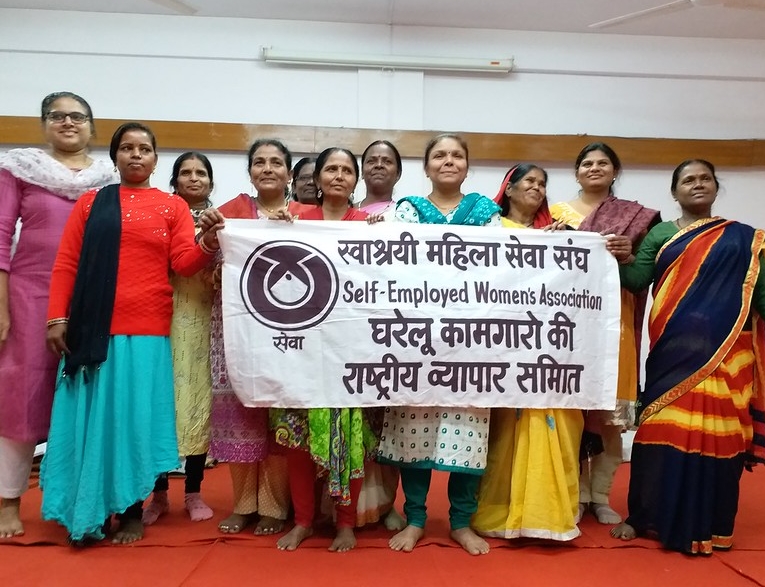
Decolonial aid also includes improving financial independence and representation. In India, the Self-Employed Women’s Association (SEWA) supports female workers in the informal economy, who make up 93% of the national labor force. Despite its contribution, many face systemic barriers and undervaluation. SEWA operates in 18 of India’s 28 states and focuses on self-reliance and full-time employment for women. The union, led by elected representatives, provides services such as health care, legal aid, childcare and financial support. The World Bank reports that in India, families with lower incomes rely more heavily on women’s earnings, making their economic empowerment essential to household well-being
The Challenges of Decolonial Aid
Despite its success, many grassroots organizations face structural challenges. SEWA initially struggled to register as a union due to legal barriers for self-employed women. In Uganda, many RLOs face registration issues because refugee-led groups often lack legal recognition under national law. In addition, many donors remain hesitant to fund smaller organizations, preferring to support INGOs with greater visibility. RLOs and local groups also report being excluded from key decision-making processes, often due to visa restrictions or lack of access to policy information. These ongoing challenges limit the ability of local organizations to fully participate in shaping the systems that affect their communities.
Looking Ahead
To advance decolonial aid, international donors, governments and development agencies can potentially improve transparency, reduce legal and financial barriers and build long-term partnerships with local organizations. Increased investment in grassroots leadership and shared decision-making could enhance the sustainability and relevance of humanitarian responses. By amplifying local voices and prioritizing equity in global aid systems, decolonial aid offers a path toward more just, effective and community-driven development.
– Clodagh Dowson
Clodagh is based in Wiltshire, UK and focuses on Global Health and Politics for The Borgen Project.
Photo: Flickr
