• Link to X
  • Link to Facebook
  • Link to Instagram
  • Link to TikTok
  • Link to Youtube
  • About
    • About Us
      • President
      • Board of Directors
      • Board of Advisors
      • Financials
      • Our Methodology
      • Success Tracker
      • Contact
  • Act Now
    • 30 Ways to Help
      • Email Congress
      • Call Congress
      • Volunteer
      • Courses & Certificates
      • Be a Donor
    • Internships
      • In-Office Internships
      • Remote Internships
    • Legislation
      • Politics 101
  • The Blog
  • The Podcast
  • Magazine
  • Donate
  • Click to open the search input field Click to open the search input field Search
  • Menu Menu

Archive for category: Foreign Aid

Foreign aid coverage and information.

Foreign Aid, Global Poverty

USAID Programs in Albania 2025

USAID Programs in Albania 2025In January 2025, the United States Agency for International Development (USAID) experienced a temporary freeze of most of its funding programs going to foreign countries. This temporary freeze allowed officials to re-evaluate some programs and revise funds distribution for more efficiency.

For USAID programs in Albania, statistics show that most funding supported peace and security efforts. To put it into perspective, out of the $21 million that USAID provided Albania in 2020, $16 million was for strengthening national defense, $4 million was for improving the governing democracy system and about $200 thousand was directed at economic growth. While part of this funding responded to the COVID-19 pandemic, these three areas have remained the primary focus of USAID programs in Albania.

USAID Compete SëBashku

As of 2025, Albania continues to receive funding from USAID, with several projects still up and running. Most USAID programs in Albania focus on the country’s economic growth, aiding the country’s democracy and supplying resources to help alleviate poverty. USAID Compete SëBashku works to bolster Albania’s economic functions. The program works to create more opportunities for businesses to start and grow, creating more jobs for underprivileged citizens and strengthening both the buyer and supplier networks in Albania. The program, launched in 2024, is in coordination with the European Union (EU) as well and has received $12 million from the U.S. alone to help bolster the agrifood system.

The CIDR in Albania

There has also been much work on improving cybersecurity; one of the USAID programs in Albania is the Critical Infrastructure Digitalization and Resilience (CIDR). A large-scale program operating in multiple European countries that USAID supports with funding. The plan is to conclude the program in 2026 by reaching the aim of strengthening the digitized use of government for Albania and the private sectors, making them much more resilient to cyber attacks or breaches of digital security. As Albania’s economy and business opportunities grow, strengthening cybersecurity can potentially ensure the safety of transactions and deals, while also assuring citizens’ personal lives.

Another project scheduled to conclude in 2026 is Improving Community Resilience (ICR). This program primarily targets neglected citizens and larger communities susceptible to poverty or strife. Furthermore, it involves providing media engagement in areas that don’t normally have it, other protection programs for women and young girls and encouraging an engaging community that lends a helping hand. The ICR supports the excluded, discriminated, conflicted and abused citizen. The program works to bring justice, health care, education and social protection to these individuals through the charitable actions of other citizens in social care services. 

Looking Ahead

USAID programs in Albania remain active, supporting long-term development through targeted efforts in governance, security and economic growth.

– Russell Bivins

Russell is based in Phoenix, AZ, USA and focuses on Good News for The Borgen Project.

Photo: Flickr

July 22, 2025
https://borgenproject.org/wp-content/uploads/borgen-project-logo.svg 0 0 Precious Sheidu https://borgenproject.org/wp-content/uploads/borgen-project-logo.svg Precious Sheidu2025-07-22 01:30:552025-07-22 00:21:11USAID Programs in Albania 2025
Foreign Aid, Global Poverty, Natural Disaster

Successes and the Future of Foreign Aid to the Philippines

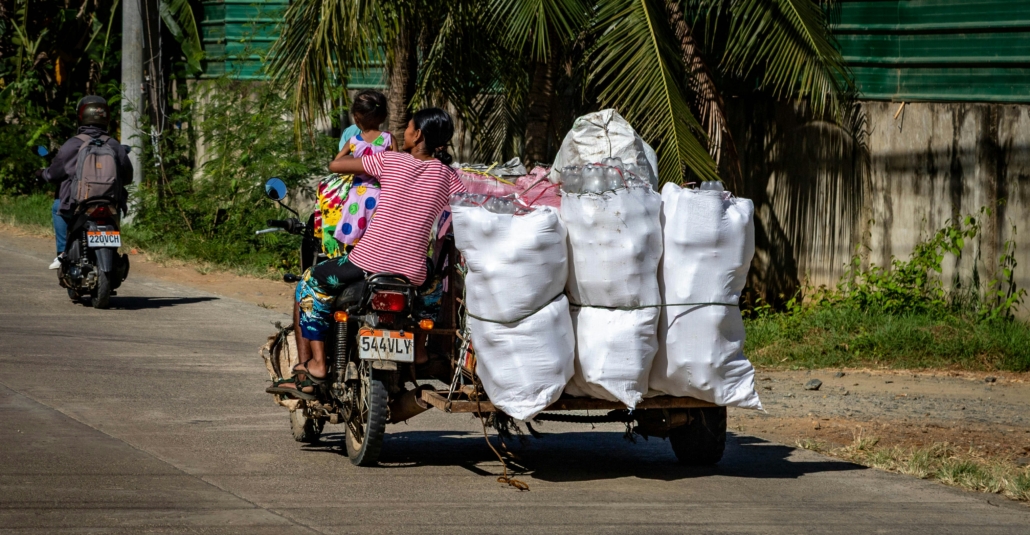
Foreign Aid to the PhilippinesWith the current dismantling of U.S. foreign aid programs, it is worth taking a closer look at what foreign aid has accomplished in developing countries so far. The Philippines is an excellent example. Since the 2000s, the country has seen rapid economic growth. With improvements to infrastructure and policy, progress is occurring. In 2023, the GINI index fell below the threshold for high inequality. Still, roughly one in five people live in poverty. Factors such as unequal opportunity, gendered social norms and oligarchic control over agricultural practices all contribute to sustained poverty. The Philippine government has continued fighting against poverty, with the world’s fourth largest conditional cash transfer program—the Pantawid Pamilyang Pilipino Program—leading to an approximate poverty reduction of 1.4% per year.

Recent Foreign Aid to the Philippines

With progress continuing along its slow and steady path, new challenges create new opportunities for the world to lend a hand. In recent years, foreign aid to the Philippines has fostered a number of positive outcomes in the areas of civil structure, health programs and disaster relief to name a few.

  • Bangsamoro: The Bangsamoro is an autonomous territory in the Philippines that the Moro people primarily inhabit. It is the only Muslim-majority territory in the Philippines. After being marginalized and dispossessed of lands for years, war broke out between liberation groups and the Philippine army, claiming more than 120,000 lives</a>. Autonomy has since been granted as of 1996, and the peace process has been ongoing ever since. Today, Bangsamoro is being rebuilt with the help of civil society organizations and foreign aid. The United States, through USAID, has funded Forward Bangsamoro for the last 6 years, focusing on the enhancement of local governance. Thanks to this and other foreign aid to the Philippines, the territory’s first democratic election will take place in October 2025.
  • HIV: Although the Asia Pacific Region has seen a reduction in HIV infections in the last decade, infections in the Philippines are rising quickly. Since 2010, there has been a 418% increase in HIV infections, and a 538% increase in AIDS-related deaths. With an ambitious goal of eliminating AIDS-related deaths by 2030, the Philippine government has partnered with others to address the crisis. In 2020, USAID committed $15.5 million to the government’s HIV/AIDS program. The epidemic is ongoing, but progress is occurring. Through pre-exposure prophylaxis drugs, condoms, anti-retroviral therapy medications and educational material, USAID has saved countless lives.
  • Natural Disasters: The Philippines experience on average 20 tropical cyclones each year. The country is also located on the Pacific ring of fire, making it prone to earthquakes and volcanic eruptions. When these natural disasters take place, displacement and resource strain follow. Since 1996, the EU has funded more than €170 million to the Philippines. Indeed, more than €100 million of that has gone to disaster relief. In October 2024, when Tropical Storm Kristine affected approximately 7 million people in the Philippines, foreign aid was quick to follow with programs like USAID providing $5 million in relief and the World Food Program (WFP) providing cash assistance and transport support to nearly 2 million of the affected. To date, foreign aid efforts have provided $44 million so far with recovery efforts still underway.

Loss of US Foreign Aid

As the current United States administration continues to dismantle foreign aid programs, others step up to fill the void. Countries like Japan, Canada, Australia, the EU and the U.K. are all continuing their support. Furthermore, senators and philanthropists like Bill Gates, who says his Foundation will close in 2045, decrie Musk for USAID cuts.

Türkiye, Norway, Brunei, Malaysia, Japan, Australia and Switzerland have given substantial aid to the Bangsamoro peace project through mechanisms such as the Independent Commissioning Body, the International Monitoring Team and Financial Support.

A local HIV/AIDS program called Love Yourself is keeping its doors open through the USAID freeze, thanks to its self-sustaining model, government partnerships and proactive preparation for potential losses of funding. Thanks to these steps, all of their programs are still currently free, with the exception of deliveries.

Additionally, the World Food Programme (WFP) continues to aid those affected by natural disasters. They provide cash assistance to families in the Cagayan province, who additional heavy rains affected in early 2025. More than 60 countries fund the World Food Programme on an entirely voluntary basis.

With this continued supply of aid, and with the exception of the COVID-19 pandemic, poverty in all forms has been on the decline. The country plans to reach single-digit numbers by 2028.

Looking Ahead

The reality is that, in a world filled with complex relationships, help changes hands but is always offered somewhere. Poverty, inequality, hunger, disease and safety are all seeing progress over time. Although the dismantling of USAID will create immediate challenges, it will also produce new stories of the strength and compassion.

– Levi Ravnsborg

Levi is based in Summerland, BC, Canada and focuses on Good News for The Borgen Project.

Photo: Unsplash

July 14, 2025
https://borgenproject.org/wp-content/uploads/borgen-project-logo.svg 0 0 Jennifer Philipp https://borgenproject.org/wp-content/uploads/borgen-project-logo.svg Jennifer Philipp2025-07-14 07:30:552025-07-14 01:05:03Successes and the Future of Foreign Aid to the Philippines
Foreign Aid, Global Poverty, Health

Foreign Aid to Peru: Transforming Health Care

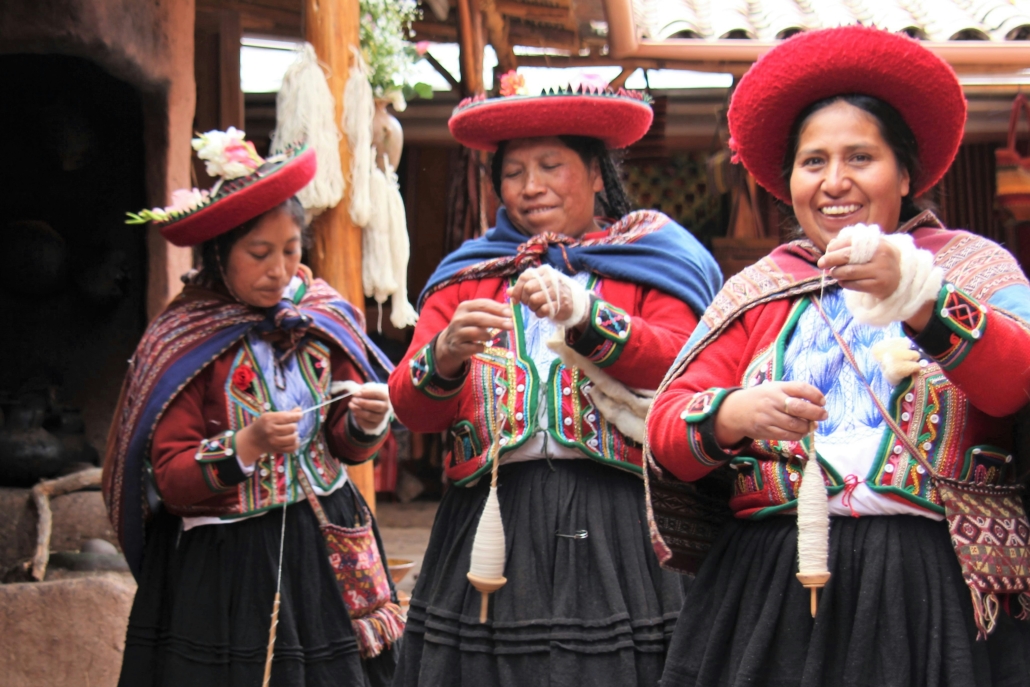
Foreign Aid to PeruThe U.K-Peru G2G Agreement is set to improve Peru’s health care infrastructure that has notably faced significant challenges, including fragmented systems, limited resources and disparities in access. A shortage of health care professionals and inadequate funding have exacerbated these issues which have greatly affected the quality of care provided. Despite making progress in the health sector in recent decades, such as the improvement of population health through health care reforms, sadly many issues remain.

These structural issues became ever more apparent with the COVD-19 pandemic as it hit Peru’s vulnerable health care system badly. Experts said that Peru’s largest issue was the insufficient funding and lack of preparation within its health care system. As of July 2022, authorities reported 6,500 COVID-19 cumulative deaths per million people, the highest in the world. The pandemic led to public outcry and put political pressure on the Peruvian government to pass lasting health reforms.

Following these challenges, Peru is moving to reform its health care infrastructure notably with the launch of its National Health Investment Program (PRONIS) in February 2025. Due to the heart of the issue of the pandemic-era being decentralization – this plan prioritizes the construction of Level III-1 hospitals, regional facilities capable of delivering advanced medical scale.

The G2G Model

In August 2024, Peru’s Ministry of Health (PRONIS) and the U.K. government signed a new Government to Government (G2G) agreement worth $630 million USD aiming to bolster hospital infrastructure for 5 million Peruvians in the north of the country. It aims to increase health care provisions in these areas, reducing the regional health care gap in the country via the building of multiple modern hospitals. This marks a modern model of foreign aid to Peru that goes far beyond traditional financial support.

The Memorandum of Understanding (MoU), which was signed in March 2025, also commits the British Embassy in Lima and the Peruvian government to promote the development of public-private partnerships for the operation and maintenance of infrastructure developed through Government-to-Government (G2G) Agreements.

The New Hospitals of the Future

There are two flagship hospitals being built under the Peru-UK G2G healthcare partnership aiming to benefit around 5 million in the north. One of them is the Trujillo Regional Teaching Hospital. The president said that more than $327 million USD will go into the health care infrastructure, featuring 28,600 state-of-the-art medical devices.

The Piura High-Complexity Hospital is receiving an investment of $259 million USD and will also be level III-1. The hospital will include 600 beds and more than 7,000 medical devices.

The Government of Peru and the United Kingdom later expanded their collaboration on high complexity hospital infrastructure to incorporate the Guillermo Diaz de la Vega Regional Hospital in Apurimac into the agreement. This will be the first high-complexity facility in one of the country’s most underserved Andean regions. These hospitals will likely be in operation by late 2028.

In Peru, there is an inverse correlation between poverty and access to quality health care. This is higher among the older population. With the focus of upgrading health care infrastructure in rural areas where people often have limited access to quality health care, the foreign aid to Peru from the U.K can help alleviate poverty by reducing preventable illnesses, lowering expenses and enabling individuals to lead healthier lives.

A Healthier Future

This G2G model not only strengthens bilateral ties between the U.K. and Peru but marks a movement to restore confidence in public works. The transformation of health care infrastructure via the new hospitals demonstrate how quality health care can be accessible across the country to all civilians. The targeting of health care gaps in impoverished areas highlights a strategic move towards equal healthcare for all. The G2G model fosters mutual accountability, with Peru maintaining its operational control but with the U.K.’s technical expertise. This serves as a model for future foreign aid – it’s a blueprint for impactful international cooperation that will have transformative results for the people of Peru.

– Hannah Latham

Hannah is based in Hampshire, UK and focuses on Good News and Global Health for The Borgen Project.

Photo: Unsplash
July 14, 2025
https://borgenproject.org/wp-content/uploads/borgen-project-logo.svg 0 0 Jennifer Philipp https://borgenproject.org/wp-content/uploads/borgen-project-logo.svg Jennifer Philipp2025-07-14 03:00:072025-07-13 10:41:36Foreign Aid to Peru: Transforming Health Care
Foreign Aid, Global Poverty, Legislations and Policies

New Commitments: G7 Foreign Aid Investment Programs

G7 Commits to New Foreign Aid Investment ProgramsAmid a global context of geopolitical conflict and economic uncertainty, G7 leaders announced the establishment of two new projects to finance overseas development and a commitment to advancing a third, launched under Canada’s G7 Presidency in 2018. These initiatives cover contributions to multilateral development banks and mobilizing the private sector. The G7 foreign aid goal is to advance and achieve the Sustainable Development Goals (SDGs) in developing countries.

What is the G7?

In 1975, the United States (U.S.), the United Kingdom (U.K.), France, Italy and West Germany established the Group of Six as a forum for noncommunist global powers to discuss international economic tensions. Since then, there have been additions and removals of member states, and its economic purposes continue to adapt in response to the geopolitical conflicts of the day.

In the 1980s, for example, leaders made efforts to increase engagement with human rights and global stability. Then, the beginning of the 21st century saw the prioritization of human rights and increased attention toward issues including climate change and gender equality. The group has also played a crucial role in uniting multilateral donors for project funding. In 2025, members are the U.S., the U.K., France, Japan, Germany, Italy and Canada, making it the G7.

ODA in the 2025 G7 Summit

Hosted in Kananaskis, Canada, the 2025 G7 summit prioritized Official Development Assistance (ODA) for peace and security, private investment and long-term prosperity through partnerships outside of the group. For 2025, the G7 foreign aid agenda included advancing the International Assistance Innovation Program (IAIP), which launched as a five-year pilot project under the Canadian G7 presidency in 2018. New announcements included the Private Capital Mobilization Initiative (PCMI) and a project to expand innovative financing to multilateral development banks.

The IAIP follows eight principles endorsed by G7 ministers responsible for humanitarian action and development assistance. These include promoting inclusive innovation, investing in locally-driven solutions, taking intelligent risks, using evidence to drive decision-making, seizing learning opportunities, ensuring the impact of innovations, facilitating multilateral collaboration, identifying scalable solutions and integrating proven innovations into larger programming. The 2025 summit announced a commitment of $290 million over a five-year period to promote the mobilization of private investment toward developing countries.

In addition, the PCMI project received an allocation of $101.3 million over five years to address the obstacles to private sector investment. This involves working with organizations such as the Global Infrastructure Facility and Scaling Capital for Sustainable Development (SCALE). Among other goals, the partnership aims to accelerate infrastructure projects and provide targeted support for project planning and de-risking instruments.

Finally, the Innovative Financing at Multilateral Development Banks Project has pledged up to $400 million to multilateral development banks through portfolio guarantees. The initiative focuses on developing countries in the Caribbean and Latin America, licensing the Inter-American Development Bank and the Caribbean Development Bank (CDB) to provide $1.6 billion in new financing to support development. The CDB itself received $200 million to be spent providing essential support for borrowing countries.

Looking Ahead

Though the G7 is an economy-focused coalition of democratic countries, its goals have included strengthening the economies of underdeveloped countries and collaboration with multilateral agencies. Under the Canadian Presidency, the 2025 G7 foreign aid achievements reflected this by mobilizing projects facilitating private sector investment, including guarantees protecting private investors from financial losses when investing in multilateral development banks. With governments slashing ODA budgets, encouraging the involvement of the private sector has the potential to stimulate a new era of investment in the developing world.

– Emily Galán

Emily is based in Edmonton, Alberta, Canada and focuses on Global Health and Politics for The Borgen Project.

Photo: Flickr

July 7, 2025
https://borgenproject.org/wp-content/uploads/borgen-project-logo.svg 0 0 Precious Sheidu https://borgenproject.org/wp-content/uploads/borgen-project-logo.svg Precious Sheidu2025-07-07 07:30:572025-07-07 01:53:21New Commitments: G7 Foreign Aid Investment Programs
Foreign Aid, Global Poverty, Humanitarian Aid

The Freeze on US Foreign Aid to Mexico

Foreign Aid to MexicoThe U.S. freeze on humanitarian aid has left many of Mexico’s private humanitarian organizations defunded. In Tijuana, Baja California, centers for migrants, low-income and houseless folk are experiencing trouble. A Mexican city so close to the U.S. is experiencing such a different reality than the U.S. city of San Diego. These organizations provided help with job search, medical care, psychological care, food, childcare and shelter. According to a report from inewsource, the freeze severely cut funding to dozens of programs that aided Mexico’s vulnerable population.

The Bigger Picture

Though the U.S. may only spend 1% of its federal budget on foreign aid, the impact is still strong. By withdrawing foreign aid to Mexico, the U.S. has hurt a lot of Mexico’s humanitarian organizations, ultimately hurting the people that are most in need. Some more examples of Mexican organizations affected by the freeze in foreign aid are Casa Frida, Comunidad AVES, Peace Oasis of the Holy Spirit Amparito shelter, Asylum Access Mexico and the Federal Mission Commission for Refugee Assistance. All of these organizations help asylum seekers and refugees with ranges of services.

Conversely, remittances from the U.S. to Mexico continue and are a strong source of foreign aid to Mexico. Remittances often work by Mexican immigrants working in the U.S. and sending the money they earn to their families back at home for a better means of life. Normal workers are leading this cash flow into Mexico, not the government, and they are not suitable for institutional humanitarian programs.

The Importance of Foreign Aid

Inequality threatens national security. According to the American Foreign Service Association, strategic foreign assistance can prevent instability, reduce the need for costly military interventions and strengthen global partnerships. It is never good to have one nation struggling so much, as it can lead to a potential uprising. Foreign aid has been a proven form of violence prevention.

One-third of Mexico’s population (or 36.3%) lived in poverty in 2022 and an additional 7.1% of Mexico’s population lived in extreme poverty. This is more than 40% of the population.

Given Mexico’s large population in poverty, foreign aid to Mexico is incredibly useful for the country. Mexico has used foreign aid in sectors like security and justice, economic development, humanitarian assistance and border security. An example of how foreign aid was used is in the Merida Initiative. This initiative fell under the security and justice sector and now La Merida is one of the safest places in Mexico. Foreign aid is important to Mexico.

Mexico’s Foreign Aid Outlook

Political analysts suggest that under their new president, Claudia Sheinbaum, Mexico may start investing more in regional humanitarian efforts, further positioning itself as a regional leader in Central America. Oxford Analytica reports that this shift could lead to increased support for international aid programs. Though the U.S. may not be sending foreign aid to Mexico for the time being, other countries are still offering their support like France, Japan, Uruguay, Chile and Spain.

The freeze on U.S. foreign aid to Mexico has led to widespread funding cuts for humanitarian organizations that support vulnerable populations. While remittances and other nations continue to provide support, the absence of the structured assistance that U.S. aid once offered is felt. With poverty affecting over 40% of Mexico’s population, the lack of foreign aid to Mexico hurts people in need. As Mexico navigates this change, the long-term effects of reduced U.S. support remain to be seen.

– Andrea Roji

Andrea is based in Chula Vista, CA, USA and focuses on Good News and Global Health for The Borgen Project.

Photo: Unsplash
July 4, 2025
https://borgenproject.org/wp-content/uploads/borgen-project-logo.svg 0 0 Jennifer Philipp https://borgenproject.org/wp-content/uploads/borgen-project-logo.svg Jennifer Philipp2025-07-04 07:30:242025-07-04 03:11:58The Freeze on US Foreign Aid to Mexico
Foreign Aid, Global Poverty

Decolonial Aid: A Different Approach to Humanitarian Work

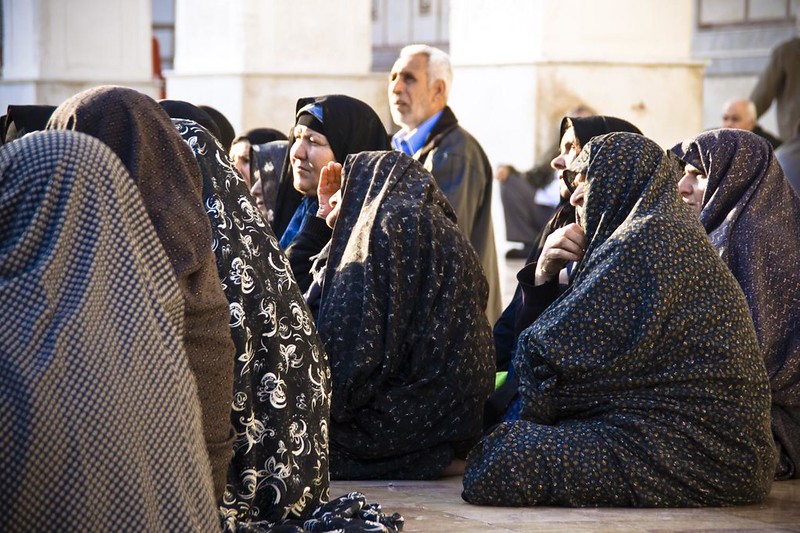
Decolonial AidThe concept of decolonial aid has gained increasing attention in recent years. Traditionally, global humanitarian systems have prioritized Western-led frameworks, which often overlook or sideline the expertise and leadership of local communities. As of 2020, there were fewer women from low- and middle-income countries in global health leadership roles than Harvard alumni, underscoring the imbalance in representation and influence. To address these disparities, many advocates have called for a shift toward decolonial approaches in international development and humanitarian work.
What is Decolonial Aid?

Decolonial aid refers to the rethinking of humanitarian and development practices by dismantling long-standing colonial structures and assumptions. It challenges the perceived superiority of Western knowledge systems and emphasizes the importance of local expertise, leadership and ownership in shaping aid efforts. According to Peace Direct, decolonial aid involves rejecting colonial ideologies regarding the superiority and privilege of Western thought and approaches.

Efforts to promote locally led aid are not new. At the 2016 Grand Bargain World Humanitarian Summit, donors and humanitarian organizations pledged to direct at least 25% of aid funding to local organizations. However, loopholes have allowed international NGOs (INGOs) with offices in low-income countries to register as local organizations and claim these funds. This limits the intended impact and highlights the need for stronger accountability in aid reform.

Refugee-Led Organizations in Uganda

Uganda hosts the largest refugee population in Africa, with more than 1.6 million people seeking safety from conflicts in South Sudan and the Democratic Republic of the Congo (UNHCR, 2024). During the COVID-19 pandemic, many international aid workers left Uganda and Refugee-Led Organizations (RLOs) stepped in to meet urgent needs.

These organizations provided essential services such as education, personal protective equipment and mental health support. An example is the African Youth Action Network (AYAN), which promotes economic self-reliance and supports refugee-led political advocacy (AYAN). Another group, the Youth Social Advocacy Team (YSAT), works on peacebuilding and trauma healing among young refugees. These examples reveal that local communities often design the most effective responses to their challenges.

Financial Autonomy for Women in India

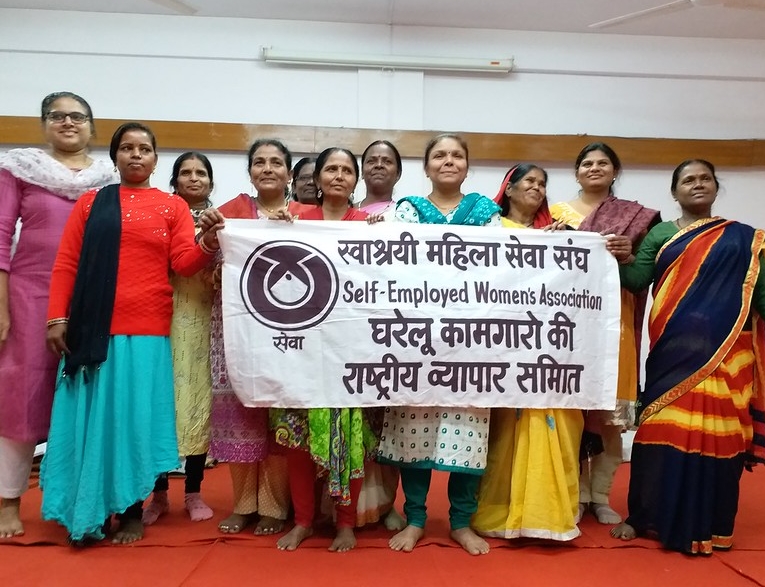
Decolonial aid also includes improving financial independence and representation. In India, the Self-Employed Women’s Association (SEWA) supports female workers in the informal economy, who make up 93% of the national labor force. Despite its contribution, many face systemic barriers and undervaluation. SEWA operates in 18 of India’s 28 states and focuses on self-reliance and full-time employment for women. The union, led by elected representatives, provides services such as health care, legal aid, childcare and financial support. The World Bank reports that in India, families with lower incomes rely more heavily on women’s earnings, making their economic empowerment essential to household well-being

The Challenges of Decolonial Aid

Despite its success, many grassroots organizations face structural challenges. SEWA initially struggled to register as a union due to legal barriers for self-employed women. In Uganda, many RLOs face registration issues because refugee-led groups often lack legal recognition under national law. In addition, many donors remain hesitant to fund smaller organizations, preferring to support INGOs with greater visibility. RLOs and local groups also report being excluded from key decision-making processes, often due to visa restrictions or lack of access to policy information. These ongoing challenges limit the ability of local organizations to fully participate in shaping the systems that affect their communities.

Looking Ahead

To advance decolonial aid, international donors, governments and development agencies can potentially improve transparency, reduce legal and financial barriers and build long-term partnerships with local organizations. Increased investment in grassroots leadership and shared decision-making could enhance the sustainability and relevance of humanitarian responses. By amplifying local voices and prioritizing equity in global aid systems, decolonial aid offers a path toward more just, effective and community-driven development.

– Clodagh Dowson

Clodagh is based in Wiltshire, UK and focuses on Global Health and Politics for The Borgen Project.

Photo: Flickr

June 8, 2025
https://borgenproject.org/wp-content/uploads/borgen-project-logo.svg 0 0 Precious Sheidu https://borgenproject.org/wp-content/uploads/borgen-project-logo.svg Precious Sheidu2025-06-08 01:30:072025-06-07 13:19:23Decolonial Aid: A Different Approach to Humanitarian Work
Foreign Aid, Global Poverty, Nonprofit Organizations and NGOs

Uneven Growth: Guatemala’s Poverty

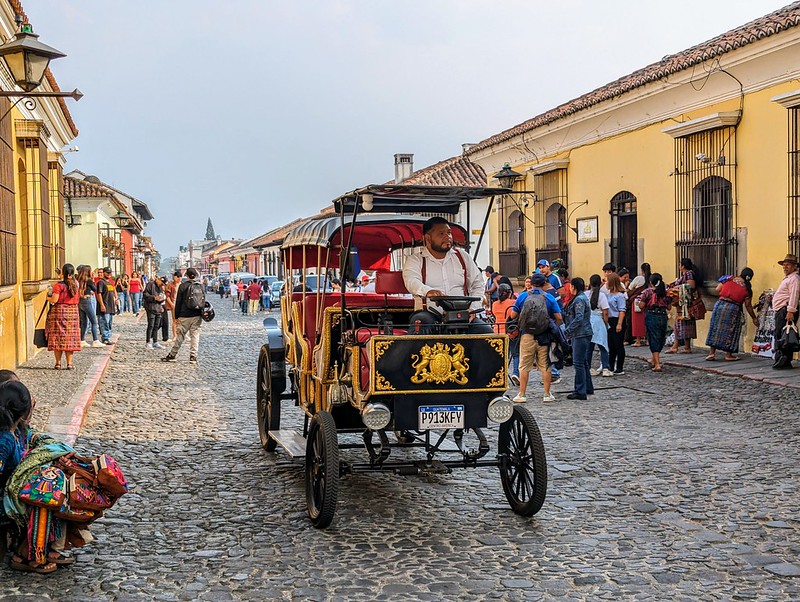
Guatemala’s Uneven Growth Amid Persistent PovertyGuatemala, a land where ancient Mayan temples pierce through lush rainforest canopies, stands at a critical crossroads. Since 2000, Central America’s most populous nation has achieved noteworthy economic growth, boasting the region’s largest economy. According to the World Bank, Guatemala’s GDP was an estimated $108.9 billion. Yet beneath these statistics lies a paradox: for millions of Guatemalans, extreme poverty continues to define daily life. A 2023 national survey reported that 56% of the population lives in poverty, with about 10% surviving on $2.15 or less per person. Despite recent growth, the poverty rate has only dropped by about 3.3%.

The Human Face of Economic Disparity

Guatemala’s poverty shows up in the highest rate of childhood malnutrition in Latin America, limited access to clean water and unequal access to education. Conditions are especially severe for Indigenous communities, particularly descendants of the Maya. According to data from the United Nations (U.N.), approximately 80% of Guatemala’s indigenous people live in some form of poverty; in other words, four out of five people.

In rural villages, residents often lack sanitation, infrastructure and health care. In 44% of rural municipalities, at least three-quarters of residents live below the poverty line. These areas have historically received fewer services than cities like Guatemala City. Structural barriers—such as limited access to skilled jobs or land ownership—have made upward mobility difficult.

Very few of those in extreme poverty have access to sewage systems. Around half of Guatemala’s children are malnourished. In rural areas, the poverty rate stands at 66.3%, compared to about one-third in urban areas. These numbers point to a generational crisis where children grow up without the nutrition or resources to escape poverty.

Disasters and the Cost of Inaction

During the COVID-19 pandemic, Hurricanes Eta and Iota destroyed more than 130,000 hectares of crops, pushing 1.8 million more people into food insecurity. Guatemala sits in the Dry Corridor, where erratic rainfall causes frequent crop failures. The U.N. reported in 2020 that more than 80% of families in this region struggled to meet basic food needs, which has led to a reliance on international food relief and an exodus into Mexico. In 2018, Volcán de Fuego, an active stratovolcano 18 km west of the city of Antigua, erupted, killing more than 200 people and destroying villages. About 43% of farmers in the region lost use of their land.

Corruption and Lack of Investment

Government responses often fall short. Corruption diverts resources away from those in need. Guatemala spends less of its GDP on social services than nearly every other country in the region. Public investment is low and the country has one of the weakest capacities to collect and use revenue for development. A 2014 World Bank report concluded that the country is at the bottom in public spending and ability to mobilize investment.

Faith-Based and International Aid

In many rural areas, churches and nonprofits fill gaps left by the state. Since 2014, Catholic Relief Services (CRS), funded in part by USAID, has distributed more than 40 million school meals through its Aprendizaje para la Vida program. During COVID-19, CRS and Caritas provided meals to 47,000 children in Totonicapán and offered classes to parents on how to prepare nutritious meals. Faith-based organizations also run mobile clinics, build homes and distribute drought-resistant seeds. Programs like Corredor Seco help improve access to clean water and food. NGOs such as Action Against Hunger and Fundación Genesis Empresarial work with the U.N. Food Programme to support local communities.

Looking Ahead

Nearly half the population continues to live in poverty without reliable access to essential services. Guatemala’s path forward depends on systemic reform, stronger governance and continued support from international partners. With collaboration, targeted investment and inclusive policies, there could be a way to break Guatemala’s poverty cycle.

– Max Marcello

Max is based in Pittsburgh, PA, USA and focuses on Business and Politics for The Borgen Project.

Photo: Flickr

May 17, 2025
https://borgenproject.org/wp-content/uploads/borgen-project-logo.svg 0 0 Precious Sheidu https://borgenproject.org/wp-content/uploads/borgen-project-logo.svg Precious Sheidu2025-05-17 01:30:522025-05-16 05:09:01Uneven Growth: Guatemala’s Poverty
Employment, Foreign Aid, Global Poverty

Foreign Aid To Iraqi Kurdistan

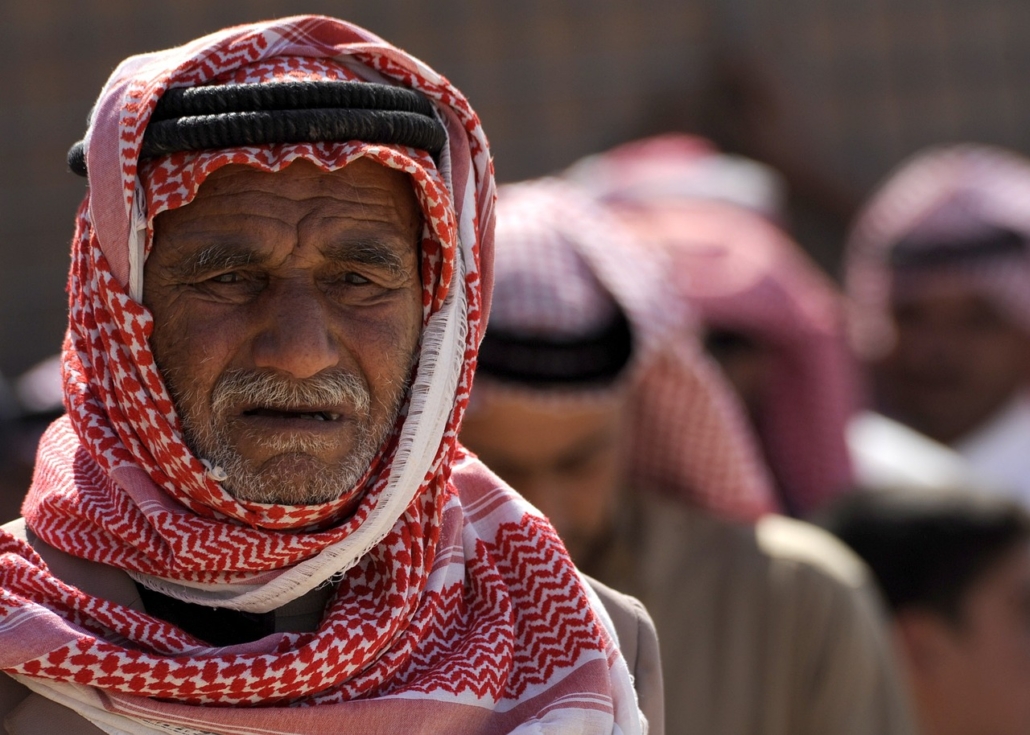
Foreign Aid To Iraqi KurdistanWith a population of more than 6 million, Iraqi Kurdistan (KRI) has long been an important partner for the international community. Since the Iraqi government formally recognized the KRI in 2005, it has remained a semi-autonomous region and acted as a home for refugees fleeing conflict in neighboring Syria. The region also played a vital role in the fight against the Islamic State between 2013 and 2017, but since the recent cuts in U.S. aid to Iraqi Kurdistan, worries about maintaining peace in the region have emerged. In spite of this, intergovernmental organizations such as the U.N. are implementing efforts to ensure the growth and well-being of the KRI and its people.

The Challenges Facing Iraqi Kurdistan

Of the 10 million people estimated to be living in poverty in Iraq, the KRI has a significantly lower proportion of that figure given the region’s semi-autonomous status and thus immunity from certain sanctions in previous years. But, waves of displacement and unemployment have contributed to the level of poverty in Iraqi Kurdistan.

As a result of the war on ISIS and the political instability in Syria since 2011, Iraqi Kurdistan has welcomed 1.8 million Syrian refugees and Iraqi Internally Displaced Persons (IDPs), which led to a 28% increase in the region’s population. Consequently, many individuals are enduring extreme poverty in these refugee camps in the north of the region.

Additionally, current estimates of unemployment in Iraqi Kurdistan are 13.6% for men and 29.6% for women, which is one of the leading reasons for poverty in the region.

In addition to the issue of unemployment, Iraqi Kurdistan is also experiencing the misappropriation of government funds. In 2023, a review of public spending in the KRI found that 42% of funds go towards employee salaries, which explains the severe underdevelopment of private sector industries. For example, Iraqi Kurdistan’s primary source of income is the oil industry, accounting for 99% of exports, which leaves the economy exposed to drastic shifts in global oil prices. Much of the work by NGOs and foreign governments operating in the region thus focuses on enhancing the growth of private sector industries and investing heavily in infrastructure projects.

International Contributions

In spite of the reduction in foreign aid to Iraqi Kurdistan, governments from around the world are coming up with innovative and diverse ways to boost employment in the region and advocate for those affected by conflict. For example, The United Nations Development Programme (UNDP) has teamed up with the KRI’s Ministry of Municipality and Tourism in Erbil, to provide training programs for women and youth to create handicraft objects to boost tourism and cultural awareness in the region. So far, the program has taken place in nine locations across the region and delivered essential training to 170 participants, improving their job prospects.

In addition, the U.K. maintains its optimism towards strengthening British-Iraqi Kurdistan relations and has proudly delivered health care services to more than 6 million people across Iraq. The British government will also be sending £100,000 per year, for the next 3 years, to support the implementation of the Yazidi Survivors Law, in the hopes of spreading awareness about the poverty and suffering of marginalized Kurds. 

Among plans to boost the tourism industry in the region, foreign aid to Iraqi Kurdistan is shifting towards the agricultural sector in order to diversify the KRI’s economy. In particular, delegations from the United Arab Emirates have conducted 10 research projects into rehabilitating the agriculture and livestock industry.

CABI’s Work in Iraqi Kurdistan

The nonprofit organization, CABI, has taken a more active role in boosting agricultural employment to alleviate the effects of poverty in the region. Through training programs, enhanced information, post-harvest services and processing plants, CABI is supporting potato production in the Duhok province. The project not only seeks to bolster food supply in this part of Iraqi Kurdistan, but also to offer jobs to IDPs, refugees and other vulnerable groups. Since its inception in 2021, CABI’s work in the KRI has already established a potato processing and storage plant, with hopes of offering 10,000 workers with job opportunities in harvesting.

The Future 

Currently, like many regions of the world, foreign aid to Iraqi Kurdistan has fallen short of previous years. The main challenges that the KRI faces are high levels of unemployment, over-dependence on the oil industry and managing the refugee crisis; all of which directly or indirectly contribute to poverty in the region. However, by expanding the economy into new sectors such as handicraft training and potatoes to boost tourism and agriculture sectors, the future is bright for Iraqi Kurdistan.

– Alfie Williams-Hughes

Alfie is based in Nottingham, UK and focuses on Business and Politics for The Borgen Project.

Photo: Pixabay

April 26, 2025
https://borgenproject.org/wp-content/uploads/borgen-project-logo.svg 0 0 Jennifer Philipp https://borgenproject.org/wp-content/uploads/borgen-project-logo.svg Jennifer Philipp2025-04-26 01:30:552025-04-25 04:51:18Foreign Aid To Iraqi Kurdistan
Development, Foreign Aid, Global Poverty

The $6.5 Billion Pledge: Syria’s Recovery Package

Syria's Recovery PackageOn March 17, international donors convened in Brussels and pledged nearly €6 billion (approximately $6.5 billion) in aid to revitalize Syria’s reconstruction efforts following the political transition after President Bashar al-Assad’s departure in December 2024. This financial commitment supports the country’s new leadership as it begins stabilizing and rebuilding after the civil war. The conference also aimed to reaffirm the global community’s commitment to a peaceful and inclusive future for Syria.

Discussions focused not only on physical reconstruction but also on strengthening civil society, expanding access to education and addressing widespread displacement. The event marked a renewed commitment to multilateral collaboration, bringing together more than 60 countries and international organizations to discuss not only funding but also sustainable strategies for Syria’s recovery.

Pledges for Syria’s Recovery Package

The European Commission reported that €4.2 billion (about $4.6 billion) of the pledged amount would be provided as grants, while €1.6 billion (about $1.7 billion) would come as low-interest loans. European Commission President Ursula von der Leyen announced that the EU is increasing its pledge to Syrians in the country and the region to almost €2.5 billion (about $2.7 billion) for 2025 and 2026.

Among major donor countries, Germany committed approximately €300 million (about $326 million), with more than half designated for aid within Syria and the remainder for displaced Syrians abroad. The United Kingdom (U.K.), despite reducing its foreign aid budget to 0.3% of GDP, pledged up to $208 million. The United States (U.S.), represented by Deputy Assistant Secretary for the Levant and Syria Natasha Franceschi, did not announce a new pledge, noting its status as the largest contributor to Syrian aid over the past 14 years and indicating that foreign aid commitments are under review.

Context and Challenges

The pledging conference comes at a pivotal time for Syria. The new leadership is tasked with unifying a country fragmented by war. Rebuilding efforts face obstacles, including a shattered economy and infrastructure, with United Nations (U.N.) estimates putting reconstruction costs between $250 billion and $400 billion. Security threats persist. Recent clashes, including an ambush on a Syrian security patrol and retaliatory attacks from supporters of the new government, have resulted in civilian casualties. These ongoing incidents have led some donors to delay investment until more stable conditions are confirmed.

International Community’s Role in Syria

The international community’s pledges demonstrate support for Syria’s transition toward peace and development. President Von der Leyen emphasized the urgency of assistance, stating, “At this critical time, the people of Syria need us more than ever.” However, this year’s total commitment falls short of the €7.5 billion (about $8.1 billion) pledged last year, reflecting financial constraints and competing global priorities.

Syria’s Path Forward

Syria’s recovery potentially depends on efforts to restore essential services, rebuild infrastructure and foster reconciliation among diverse communities. Syria’s recovery package represents an important step in addressing urgent humanitarian needs and laying the groundwork for long-term recovery. Coordination between the Syrian government, international donors and humanitarian organizations could be essential to ensure the transparent, inclusive and effective use of aid.

– Leighton Webber

Leighton is based in London, UK and focuses on Politics for The Borgen Project.

Photo: Flickr

April 9, 2025
https://borgenproject.org/wp-content/uploads/borgen-project-logo.svg 0 0 Precious Sheidu https://borgenproject.org/wp-content/uploads/borgen-project-logo.svg Precious Sheidu2025-04-09 07:30:192025-04-08 14:39:36The $6.5 Billion Pledge: Syria’s Recovery Package
Aid, Foreign Aid, Global Poverty

US Foreign Aid to Taiwan

Foreign Aid to TaiwanTaiwan experienced a period of extreme poverty after World War II and the Chinese Civil War. Farming was the most common way to earn a living during the early 1950s, contributing to a low Gross National Product (GNP) per capita of $200 USD (at 1950s price levels) and extreme income inequality. Taiwan’s economic conditions shifted after the land reform began in 1949 and again in the late 1950s when the government prioritized export-oriented growth. Although the export-oriented growth model had a significant impact on Taiwan’s success, aid from the United States also made a lasting impact. Here is information about the history of U.S. foreign aid to Taiwan.

History

From 1950 to 1965, Taiwan received a significant portion of U.S. economic aid. Over this period, Taiwan received around $100 million USD in monetary assistance each year, which accounted for almost 9% of Taiwan’s gross domestic product (GDP).

The focus of foreign aid to Taiwan evolved throughout the years as living conditions improved and U.S. foreign policy objectives shifted. After the Chinese Civil War, people had minimal access to necessities like food and clothing. Starting in the early 1950s, U.S. foreign aid to Taiwan prioritized economic aid and provided military materials due to the widespread poverty and economic and political instability. With this aid, Taiwan was able to stabilize the political situation, which prevented the government from directing all funds toward defense and raising taxes on a population that already struggled financially.

In the mid-1950s, the U.S, directed aid toward infrastructure projects and industrial development. About 37.3% of aid funds went toward infrastructure, 21.5% to agriculture, 25.9% to workforce development and 15.3% to industry. The final stage of U.S. aid programs emphasized shifting from import-based industries to export-oriented growth. However, after 1960, the United States concluded that Taiwan had “graduated” from the aid programs and moved to cut concessional assistance. 

Current US Aid to Taiwan

The United States no longer provides the island with development assistance but continues to offer military financing loans and contribute to disaster preparedness. Before the suspension of the U.S. Agency for International Development (USAID), the organization initiated emergency response and joint training programs that have increased Taiwan’s ability to withstand natural disasters and military pressure from the People’s Republic of China (PRC).

Although disaster preparedness is an objective of aid to Taiwan, military support has been the primary focus of U.S. assistance in recent years. The National Defense Authorization Act of Fiscal Year 2023 and the Consolidated Appropriations Act, 2023 allow for the U.S. to provide up to $10 billion in grant assistance over five years and up to $2 billion in loans.

The goal of current U.S. aid is to maintain peace and stability in the Indo-Pacific region, while 20th century aid was intended to promote economic and social development. The demand for poverty-reducing aid programs diminished as previous initiatives proved successful, which explains this shift in U.S. aid objectives.

The Outcome of Foreign Aid

Taiwan recognizes that it owes much of its progress to the foreign aid it received over the decades. Today, the World Bank considers Taiwan a high-income economy. It is one of the world’s largest producers of semiconductors and electronics and is a driving force behind innovations in artificial intelligence. 

Foreign aid to Taiwan spurred economic development and substantially improved the well-being of Taiwan’s population. Taiwan’s GNP per capita was $1,132 USD by 1976 and $12,396 USD in 1995. With a higher GNP per capita, Taiwan’s population had more job opportunities, a more equitable income distribution and access to basic necessities like food, health care and education.

From 1953 to 1995, the mortality rates in children under 5 decreased from 21.1 per 1,000 to 1.9 per 1,000, while life expectancy increased by 3.2 years for men and 5.9 years for women as a result of lower income inequality. “By using this aid, we were able to build up our infrastructure… And we were also able to set up our import substitution industries…” remarked Ma Ying-jeou (馬英九), President of the Republic of China (Taiwan) from 2008-2016, in a speech. With U.S. assistance on infrastructure, industry and defense, Taiwan increased GNP per capita and established more income equality, improving life expectancy and the overall quality of life for its citizens. 

These improvements in health and economic outcomes demonstrate that foreign aid to Taiwan has made a noteworthy impact. At a time when the United States is reassessing its foreign aid commitments, it must recognize the positive influence of foreign aid on Taiwan’s success and rapid reduction of poverty.

– Haley Parilla

Haley is based in Cape Coral, FL, USA and focuses on Business and Politics for The Borgen Project.

Photo: Pixabay

March 29, 2025
https://borgenproject.org/wp-content/uploads/borgen-project-logo.svg 0 0 Jennifer Philipp https://borgenproject.org/wp-content/uploads/borgen-project-logo.svg Jennifer Philipp2025-03-29 01:30:082025-03-28 06:31:54US Foreign Aid to Taiwan
Page 5 of 61«‹34567›»

Get Smarter

  • Global Poverty 101
  • Global Poverty… The Good News
  • Global Poverty & U.S. Jobs
  • Global Poverty and National Security
  • Innovative Solutions to Poverty
  • Global Poverty & Aid FAQ’s
Search Search

Take Action

  • Call Congress
  • Email Congress
  • Donate
  • 30 Ways to Help
  • Volunteer Ops
  • Internships
  • Courses & Certificates
  • The Podcast
Borgen Project

“The Borgen Project is an incredible nonprofit organization that is addressing poverty and hunger and working towards ending them.”

-The Huffington Post

Inside The Borgen Project

  • Contact
  • About
  • Financials
  • President
  • Board of Directors
  • Board of Advisors

International Links

  • UK Email Parliament
  • UK Donate
  • Canada Email Parliament

Get Smarter

  • Global Poverty 101
  • Global Poverty… The Good News
  • Global Poverty & U.S. Jobs
  • Global Poverty and National Security
  • Innovative Solutions to Poverty
  • Global Poverty & Aid FAQ’s

Ways to Help

  • Call Congress
  • Email Congress
  • Donate
  • 30 Ways to Help
  • Volunteer Ops
  • Internships
  • Courses & Certificates
  • The Podcast
Scroll to top Scroll to top Scroll to top