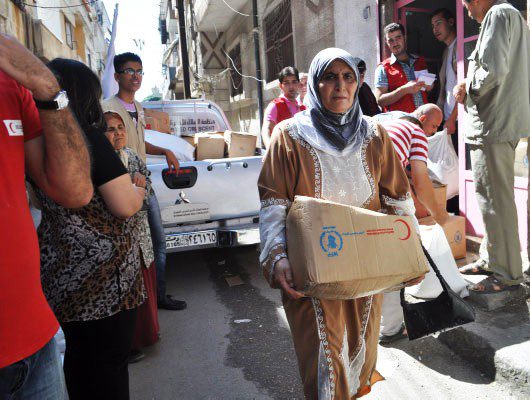
 The United Nations World Food Programme recently announced that a record pledge of $675 million, made at the Supporting Syria and the Region conference, will restore full food rations for Syrians.
In early February 2016, world leaders gathered at the conference in London to plan the restoration, the U.N. News Centre reports. According to the New York Times, most of the new money for the pledge was provided by Germany. The World Food Programme had to make cuts in aiding Syrian civilians last year because its budget was severely underfunded. This new pledge has helped the budget immensely.
The rations will go to Syrians inside the country, as well as refugees in the region. According to the U.N., there are 4.5 million Syrians inside the country and 1.8 million refugees outside the country in Jordan, Lebanon, Iraq and Egypt who rely on the World Food Programme every day.
The executive director of the World Food Programme Ertharin Cousin said, “the pledge now fully meets the basic food assistance necessities for those in need.” The pledge will also support increased student meals and other in-kind activities that will help create a better future for those affected, World Food Programme News reports. According to the U.N., these funds will allow the World Food Programme to provide a full food basket to families between April and October 2016.
The U.N. Office for the Coordination of Humanitarian Affairs also said that life-saving humanitarian assistance would be delivered by the U.N. and its partners to roughly 154,000 people living in besieged locations inside Syria. The assistance includes food, water, sanitation supplies, nutrition, household items, health and medical supplies.
Delivery trucks have already reached Moadimiyeh and more are expected to reach Madaya, Zabadani, Kefraya, Foah and East Ghouta. These deliveries will be in addition to regular operations delivering humanitarian aid to millions of Syrians, the U.N. reports.
According to Nonprofit Quarterly, the U.N. estimates that over 250,000 people have been killed and 12 million have been displaced due to the situation in Syria. The U.N. World Food Programme continues to do essential work to provide relief and assistance to the refugees and displaced persons.
– Kerri Whelan
Sources: WFP, United Nations, Nonprofit Quarterly, NY Times
Photo: United Nations


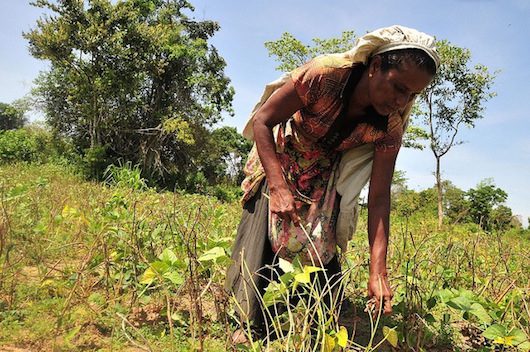 The World Food Programme (WFP) recently announced it will award a $20 million grant over the next two years to fight food insecurity in

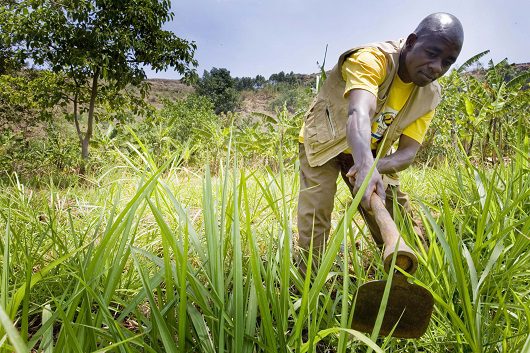
 One in eight people go hungry each day, but the world produces enough food to feed the entire population and more. Why haven’t countries eradicated hunger? Can’t governments simply reorganize food distribution to feed everybody? The answer is much more complicated.
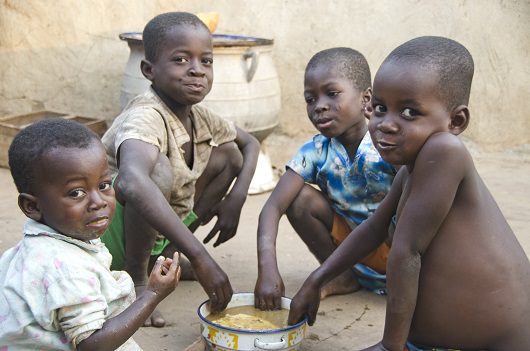 A Nov. 5 event on Capital Hill co-hosted by NGO alliance InterAction announced the progress of Feed the Future, the U.S. government’s global hunger and food security initiative.


 As 2015 comes to a close and the world takes a look at the progress that has been made in global poverty relief, it is clear that significant progress has been achieved. The list of what has been accomplished is extensive, but here are some of the top
.jpg)