• Link to X
  • Link to Facebook
  • Link to Instagram
  • Link to TikTok
  • Link to Youtube
  • About
    • About Us
      • President
      • Board of Directors
      • Board of Advisors
      • Financials
      • Our Methodology
      • Success Tracker
      • Contact
  • Act Now
    • 30 Ways to Help
      • Email Congress
      • Call Congress
      • Volunteer
      • Courses & Certificates
      • Be a Donor
    • Internships
      • In-Office Internships
      • Remote Internships
    • Legislation
      • Politics 101
  • The Blog
  • The Podcast
  • Magazine
  • Donate
  • Click to open the search input field Click to open the search input field Search
  • Menu Menu

Archive for category: Food & Hunger

Information and stories on food.

Aid, Developing Countries, Food & Hunger, Food Aid, Global Poverty, Hunger

Food Delivery in Developing Countries Promotes Food Security

Food Delivery in Developing Countries
In distressed communities, the poor often find themselves in situations where there is very little food, caused by issues such as war zones, natural disasters or a lack of healthy, sanitary markets. There are many different organizations that continue to aid in food delivery in developing countries in some of the most oppressed areas. Although these only offer temporary solutions and the main goal is to help the vulnerable learn how to grow their own sustainable, healthy foods, these organizations are there to help in the most urgent times of need.

Action Against Hunger a Pioneer of Food Delivery in Developing Countries

Action Against Hunger is possibly one of the most well-known and longest running food delivery programs working abroad. Founded in 1979, Action Against Hunger has been distributing food to countries such as Liberia, Guatemala, Bangladesh and Lebanon. Its efforts began with a French group responding to crises in Afghanistan.  

Action Against Hunger has many different programs to ensure the safe delivery of food. Its most notable programs include the Nutrition and Health Program, which treats malnourished children and boosts child survival. Through research and special screenings, Action Against Hunger can easily pinpoint the most extreme cases and the children who are most at risk of being harmed by starvation.

The Food Security and Livelihoods Program addresses the lack of nutritious foods that plague areas of poverty. The program enables vulnerable societies by improving their access to food, income and the economy. The Food Security and Livelihood Program educates small-scale farmers on how to increase food production and how to store and market their crops. Action Against Hunger considers each area’s specific needs and includes activities that help boost the local market.

In addition to responding to emergencies, this program also helps establish long-term solutions to continue fighting hunger. In times of violence or drought, Action Against Hunger helps communities replenish their food sources. Through the Food Security and Livelihood Program, Action Against Hunger also creates strategies such as small business assistance and veterinary services.

In 2016, Action Against Hunger improved food security, income and livelihoods for 2.6 million people in some of the most vulnerable situations around the world in countries such as South Sudan, Malawi and Iraq.

World Food Program USA Brings Food to Schools and War Zones

World Food Program USA tackles the issue of hunger by asking the question, “Why are people hungry?” and discovering the root causes behind hunger, such as poverty, conflict, natural disasters, climate change, lack of food access and lack of proper education. To help combat these specific situations, World Food Program USA has many different programs for food delivery in developing countries.

WFP’s School Meals Program provides food assistance to school-aged children in areas where school is often their only source of nutritious food. It provides school food assistance in countries such as Sudan, Tanzania, Bolivia and Mali. In 2016, WFP helped feed 16,404,640 children through school meals. More than 76,500 schools received assistance through WFP and 60 countries participated in the program.

WFP’s Emergency Response Program delivers food to war zones in countries such as Syria, Yemen and Iraq, along with natural disaster food delivery. Through these programs, it works with national governments, private sectors and civil society partners. WFP utilizes telecommunications systems to correlate relief and recovery on the ground.

Although many programs only provide temporary solutions to ending hunger, the most pressing issue is to ensure that those who have no other means are provided with their most basic needs: food, water, hygiene and a safe place to live. Through food delivery in developing countries, Action Against Hunger and World Food Program USA have not only helped combat starvation and malnutrition, but their programs have helped people in impoverished areas learn how to make, handle and market food, which will have a lasting effect on their livelihoods and generate a sustainable way of life for the future.   

– Rebecca Lee
Photo: Flickr

June 16, 2018
https://borgenproject.org/wp-content/uploads/borgen-project-logo.svg 0 0 Borgen Project https://borgenproject.org/wp-content/uploads/borgen-project-logo.svg Borgen Project2018-06-16 01:30:042024-05-29 22:42:45Food Delivery in Developing Countries Promotes Food Security
Food & Hunger, Food Security, Global Poverty

Five Facts About Food Insecurity and How to Combat It

food insecurity
Food insecurity is, by definition, “the state of being without reliable access to a sufficient quantity of affordable, nutritious food.” For many people around the globe, securing a reliable source of nutritious food is a daily struggle. One of the greatest challenges that faces the world today is ensuring that the world’s growing population has enough food to meet its needs. Below are five facts about food insecurity and possible solutions to the world’s growing food requirements.

Facts About Global Food Insecurity

  1. There is more than enough food produced in the world today to feed all people sufficiently. So why do 815 million people go hungry every day? Food waste is a leading cause of food instability. Approximately one-third of the world’s food production is thrown away or lost due to poor farming practices.
  2. After steadily decreasing for over a decade, global hunger is on the rise. Global hunger affects approximately 11 percent of the global population today. This rise in global hunger has been attributed to a famine which struck a large part of Africa in 2017. It is important to note that many global famines and natural disasters often affect the parts of the world that are hit by food instability the hardest.
  3. Food insecurity has adverse effects on children. Stunted growth, a lack of nourishment leading to underdevelopment in children, is directly caused by food insecurity. Stunting affects nearly 155 million children under the age of five in the world today. This contrasts trends of child and adult obesity in first world countries, which highlights the need for a change in the way people look at food and the practices used when distributing food supplies.
  4. Food insecurity and obesity coexist. In many countries, nutritious healthy foods are often scarce and therefore competition for them is high. Many people turn to easily obtained, calorie-dense foods that lead to obesity. An example of this is farmers turning to high calorie, less nutritious foods to preserve their healthy food crops for profits.
  5. Of all of the countries adversely affected by food insecurity, those most affected are areas involved in violent conflicts. Of the 815 million people experiencing food insecurity, nearly 500 million live in areas affected by conflict. Food supplies are often stolen under military protections or targets for strategic military actions when areas are in war times. This leads to food destruction and constant food insecurity in countries which often need food the most. This can be seen in many countries around the world today such as the Sudan regions of Africa, Syria, Lebanon, Iraq, Afghanistan, India, Libya and rural countries throughout Asia.

This issue is a growing problem in the world today. One of the largest challenges of today’s generation is figuring out a way to reliably feed the world’s ever-increasing population. Preventing food waste and changing agricultural practices will certainly be the first step to ending food insecurity worldwide. Preventing armed conflicts around the globe and providing nutritious food to the world’s youth will also be on the agenda for those facing food insecurity head-on. Those fighting this major issue have a long road and many challenges ahead in ending food insecurity around the globe.

– Dalton Westfall
Photo: Flickr

June 3, 2018
https://borgenproject.org/wp-content/uploads/borgen-project-logo.svg 0 0 Borgen Project https://borgenproject.org/wp-content/uploads/borgen-project-logo.svg Borgen Project2018-06-03 14:09:352024-05-29 22:42:39Five Facts About Food Insecurity and How to Combat It
Food & Hunger, Global Poverty, Inequality

8 Global Issue Topics for Essays and Research Papers

8 Global Issue Topics for Essays and Research Papers
Today, people are starting to become active participants in the fight against global issues and as a result, progress is being made. However, there are still individuals unaware of pressing issues around them. One way of bringing these people up-to-date would be through the use of essays or research. Here are 10 global issue topics for essays and research papers.

10 Global Issue Topics for Essays and Research

  1. Water Contamination and Shortage: 2.1 billion people in countries undergoing urbanization have inaccessibility to clean drinking water as a result of pollution, poverty and poor management of resources. Water resources are depleted by agriculture and industry energy production. To put into perspective, agriculture accounts for 70 percent of the reduction of water around the world, with 75 percent of a given countries’ water used for this purpose and depleted by contamination. Fortunately, there has been a recent increase in efforts to develop technology to combat contamination and reduce the rate of water depletion.
  2. The Relationship between Education and Child Labor: Despite a surge in funding for some countries and increasing attention through social media, education continues to be a luxury around the globe. Reasons include gender preferences and poverty, and child labor — the use of children in industry. According to UNICEF, 150 million children participate in laborious activities dangerous to their health. As one can imagine, this work hinders a child’s ability to fully invest in education. Therefore it’s most challenging to bring education to sub-Saharan Africa, where the rates of children enrolled in primary education continue to stagger. In addition, fewer students successfully complete secondary education here.
  3. Violence: Violence is a global issue that exists in all shapes and sizes. Violence can be done towards a particular group like women or LGBTQ+ members, or it is an act that can be a result of a mentally disturbed mind. There is also violence in response to economic stress. All these varying forms of violence lead to attention on the safety and prevention of such acts. However, there isn’t much consideration on how an everyday person can help. In discussions about violence, the biggest questions to answer are: How is this violence used? How is it achieved/accessed? Does the media have a role? How much is the foundation for a particular act of violence is personal? What is the overall goal?
  4. Poverty: In 2015, the International Poverty Line was set to $1.90. This number means that a person is living in extreme poverty if they live below this line. According to this set line, more than 1.3 billion people are living in this extreme worldwide. This fact suggests that 1.3 billion people have difficulty obtaining food and shelter, regardless of the availability of homeless shelters and organizations. Current questions or topics to explore in an essay or research would be the cause of variation in wages on the international level, and the nature and initiatives that can be taken to solve this global issue at large.
  5. Inequality: On a global scale, the focus on inequality tends to be in terms of the distribution of wealth. According to a Global Wealth Report, 44 percent of global net worth is held by only 0.7 percent of adults. This suggests that there is a significant division between economic classes around the world. Recently, research has shown the effects that this economic divide has on communities particularly in health, social relationships, development and stability. For example, in a society where there’s a large gap between the rich and the poor, life expectancy tends to be shorter and mental illness and obesity rates are 2 to 4 times higher. In terms of social relationships, inequality on a larger level introduces more violence and crime.
  6. Terrorism: Terrorism like the bombing incidents of the last few years continue to claim the lives of innocents. It is a threat to the peace, security and stability of the world, so terrorism prevention methods have been implemented to illustrate what is wrong and should be/could be done to uphold justice. However, the basis of the threats, mindsets and the successes/failures of response efforts still need to be evaluated.
  7. Child Marriages: Child marriages are defined as the union between one or two individuals under the age of 18. One in five girls are married before the age of 18, and child marriages prevent children from becoming educated, can lead to severe health consequences and increased risk of violence. Legislation and programs were established in order to educate and employ children in these situations as child marriages do not have enough awareness on individual involvement or emphasis on the common causes for these marriages.
  8. Food: Poverty, economic inequality and water contamination mean inability to produce sufficient amounts of food to sustain a population. This can, in turn, lead to poorer health and decreased energy to carry out physical and mental functions, leading to more poverty. By 2050, the world would need to find food for approximately nine billion people as cost of production for food will rise in response to the increased amount of individuals. Thus, the United Nations established programs to ensure food security and technology companies make efforts to reduce food production costs.

The Role of Essays and Research

There has been increasing progress towards solving the global issues; however, for some, this progress is too slow due to lack of understanding of preventative methods, diffusion of responsibility and unanswered questions. These global issue topics for essays and research papers can be used as a starting point to give more insight to others into the issues and how to get involved.

– Stephanie Singh
Photo: Flickr

May 30, 2018
https://borgenproject.org/wp-content/uploads/borgen-project-logo.svg 0 0 Borgen Project https://borgenproject.org/wp-content/uploads/borgen-project-logo.svg Borgen Project2018-05-30 01:30:172024-05-29 22:42:328 Global Issue Topics for Essays and Research Papers
Food Security, Global Poverty

The Importance of Agriculture in Nepal

Agriculture in Nepal
Nepal is a very small country that is found landlocked between India and China. There is evidence that Nepal has been populated in the mountainous regions for as long as 9,000 years. The estimated population of Nepal is 26.5 million and is one of the poorest countries in the world with nearly one-third of the population below the poverty line.

Agriculture in Nepal is central to the economy of this country. Nearly 80 percent of the population relies on agriculture in some way, but there is not enough production to support the population. There is a chronic issue of child malnutrition and an estimated 50 percent of Nepal’s children are affected by stunting. This rate is even higher in the mountainous regions.

Regional Variance of Agriculture in Nepal

There are three major climatic regions in Nepal, with each providing unique crops. The best crop-yielding area is Terai, which borders India. This area has a subtropical climate that supports the production of rice, wheat, barley, oil seeds, jute, tobacco, indigo and even opium. This area is a large crop-producing area but is compromised heavily by the changing climate, which is causing crop yield to be erratic.

The hill regions are crucial to agriculture in Nepal with the farmers being able to produce different crops during different seasons. These farmers of the hill regions can produce rice and maize in the summer and wheat, barley, mustard and vegetables in the winter. This region is also affected by increasing climate change.

The mountainous regions of Nepal have always been a harsh environment for the production of agriculture in Nepal. This area is limited to the crops of potatoes, barley and buckwheat. The harsh conditions cause the farmers to rely on livestock as a key source of income and agriculture in Nepal. Livestock is the main producer of yogurt, cheese, ghee and eggs. These farmers are known to raise Yaks that provide meat, milk and wool as a source of cash.

Efforts to Boost Production

Nepal’s government has made efforts to improve the production of agriculture in Nepal but has had minimal success. Nepal has many water sources but efforts to provide farmers with irrigation systems have proven inadequate. Nepal’s government introduced chemical fertilizers in the 1950s, which did create a small increase in agricultural production.

The lack of transportation in the mountainous regions has been a major obstacle for exports and the government has provided little improvement in this area as well. In the 1980s, Nepal’s government efforts to increase production began to improve exports with Nepal becoming one of the largest exporters of rice. However, now Nepal has a major food insecurity for its own population.

Food insecurity in Nepal has been exacerbated by changing climate, deforestation and the strike of a 7.8-magnitude earthquake in 2015. Deforestation is eroding topsoil and damaging water sources. The 2015 earthquake caused an estimated 8,699 deaths and a massive rebuilding project. More than 500,000 homes and 1,300 governmental buildings were destroyed, which has had a devastating impact on agriculture in Nepal.

Capacity-Building Foreign Aid

USAID has developed programs to help Nepal’s government rebuild agriculture and help the population to rise above the poverty level. USAID’s Feed the Future Initiative works with Nepal’s government and local development partners to increase agricultural production, create access to markets and improve child nutrition. In just five years, the Feed the Future Initiative has helped more than one million people in Nepal by dropping the poverty level by 36 percent. This project has also decreased the estimated 49 percent rate of child malnutrition to 36 percent in 2016.

USAID has also implemented the Program for Enhancement of Emergency Response (PEER). This program trains Nepalese citizens in search and rescue of collapsed structures. Also, medical first-responders are being trained and hospitals equipped for emergencies. This program was developed in response to the disastrous earthquake of 2015.

The rebuilding of Nepal is a necessity to improve agriculture in Nepal and decrease poverty. Nepal’s government has acted to increase production, but Nepal is still in need of outside assistance. A National Adaptation Programme of Action has begun to help educate farmers on switching crops from wheat and rice to vegetables that can be grown in less time.

Higher yields can produce more income, but Nepal still lacks the ability to support the local population with current production. Agriculture in Nepal is in great need of assistance to reduce poverty and child malnutrition.

– Kristen Hibbett
Photo: Flickr

May 27, 2018
https://borgenproject.org/wp-content/uploads/borgen-project-logo.svg 0 0 Borgen Project https://borgenproject.org/wp-content/uploads/borgen-project-logo.svg Borgen Project2018-05-27 23:18:452024-05-29 22:39:23The Importance of Agriculture in Nepal
Developing Countries, Food & Hunger

10 Facts About Third World Countries or Developing Nations

Facts About Third World Countries
Third world countries all over the world are struggling to have their voices heard due to widespread negative perceptions and stereotypes. Many areas of the globe lack all the facts about third world countries, both knowing where such nations are located as well as efforts from within to push forward. Here are 10 facts about third world countries that will help give a better look at these developing nations.

10 Facts About Third World Countries

  1. The term “third world countries” was first used during the Cold War. This term was used to specify the countries that didn’t side with NATO/capitalism or at the time the Soviet Union/communism. Since the Soviet Union no longer exists, the term “third world countries” has become more open to interpretation in today’s society. The new generic meaning for third world countries are poor and underdeveloped nations. Such descriptors can refer to poor education, infrastructure, improper sanitation and/or poor access to healthcare.
  2. Third world countries can be categorized in different sections. Third world countries can be measured up in five different sections — political rights and civil liberties, gross national income, human development, poverty and press freedom. It is likely to see the same countries in each of these sections. For example, Somalia is listed under political and civil liberties, gross national income, poverty and press freedom.
  3. The term “third world” is becoming more and more out of date. Since the dissolution of the Soviet Union, the interpretation of “third world countries” has become more open. With this phrase being so open it is easier to see the holes within. In an article by NPR, Marc Silver asked, “Who is to say which part of the world is “first?” And how can an affluent country like Saudi Arabia, neither Western nor communist, be part of the Third World?” To replace the term, “third world countries,” others are using phrases such as “developing world,” “developing countries” or “majority world.” There still isn’t a global consensus on which term to use.
  4. There are 166 developing countries. According to the International Congress of Qualitative Inquiry, there were approximately 166 developing countries; of these 166 developing countries, 52 are African countries; currently, Africa has a total of 54 countries.
  5. Water pollution is a growing concern in developing countries. More people die every year from unsafe water than from any form of violence. On January 10, 2018, the head of United Nations Environment and the Director General of the World Health Organization signed an agreement to improve joint actions to tackle pollution concerns around the world. Along with this agreement, the organizations also seek to improve coordination of waste and chemicals management, water quality, and food and nutrition issues.
  6. Health and nutrition resources are minimal. When determining whether a country is “developing,” there are three criteria to take into account. These three criteria are low-income, human resources and economic vulnerability. At least half of the world’s population lacks access to essential health services. Along with poor access to health services WHO reported that two billion people lack key micronutrients in their diet and 88 percent of countries suffer from either two to three forms of malnutrition.
  7. Eighty percent of the world lives on $10 or less a day. Nearly two-thirds of the global workforce is listed under an ‘informal’ economy. Informal work means that these employees don’t have proper social protection, rights at work and adequate working conditions. In fact, the United Nations reports that “93 percent of the world’s informal employment is in emerging and developing countries.” Of this number, men, covering 63 percent, are most likely to obtain informal employment. The United Nations concluded that those living in rural areas are twice as likely to be informally employed than those in urban areas.
  8. There exists a higher percentage of violence against women. One in three women will globally experience physical or sexual violence by a partner or non-partner. This is true in any country, but the World Health Organization reported that those in developing countries are still more likely to experience this violence. It is reported that 36.6 percent of women in the Africa region and 37.7 percent of women in the South/East Asia region are most likely to undergo physical or sexual violence.
  9. Three hundred eighty-seven million children worldwide live in poverty. Of all the children in the world, 19.5 percent live in extreme poverty while the child mortality rate has improved in recent years. In 1990, there were 93 deaths per every 1,000 live births. In 2016, this amount dropped to 41 deaths per every 1,000 live births. According to UNICEF’s most recent report, about 15,000 children under five still die every day.
  10. Seventy-nine percent of people in third world countries live without electricity. It is seen that there is more harm than good for most who are living without electricity. Those who live without electricity are producing indoor air pollution through burning fires. This causes up to 3.5 million deaths per year.

Whether it is called “third world” or “developing,” countries all over the world are pushing to grow and move forward. Without proper funding and education, it becomes increasingly difficult to improve as stated in these 10 facts about third world countries. Visit Act Now on The Borgen Project website to find 30 ways to help those trying to overcome obstacles succeed.

– Victoria Fowler
Photo: Flickr

May 23, 2018
https://borgenproject.org/wp-content/uploads/borgen-project-logo.svg 0 0 Borgen Project https://borgenproject.org/wp-content/uploads/borgen-project-logo.svg Borgen Project2018-05-23 01:30:522024-05-29 22:42:2910 Facts About Third World Countries or Developing Nations
Developing Countries, Food & Hunger, Global Poverty

The Health Impacts of Cooking Fuel in Developing Countries

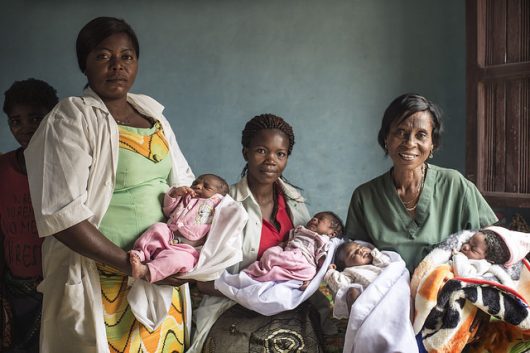
Cooking FuelFinding a reliable and clean source of cooking fuel in developing countries is a persistent obstacle for poor households. From using animal dung in East Asia to wood and charcoal in Africa, the simple process of cooking varies greatly in both safety and reliability across the world. Adverse health effects from household smoke have encouraged governments to provide affordable and cleaner options for cooking fuel.

Cooking Fuel in Developing Countries

The youngest and most vulnerable in the developing world are most likely to benefit from cleaner cooking fuels. Since indoor air pollution is most prevalent with the extremely poor — those living on less than $1 a day — providing cleaner options for cooking has disproportionately positive health effects for them.

Traditionally, coal and biomass have been the primary sources of cooking fuel in developing countries and have been particularly damaging in countries that lack access to other viable options. Unhealthy levels of air pollution in homes lead to premature deaths every year. The prime culprit is smoke from coal and wood in poorly ventilated kitchens.

Convenience Over Safety

Until recently, however, convenience has trumped health and environmental concerns. Despite recent efforts to modernize energy use in the developing world, the number of people reliant on solid fuels, such as wood, is expected to grow to 2.7 billion by 2030. Although the adverse health effects of indoor air pollution contribute to 2.6 million deaths per year, there has been major resistance from people accustomed to their traditional way of cooking.

Established types of cooking fuel in developing countries, if not healthy or environmentally friendly, are hard to usurp as the primary source for energy use.  Both India and Brazil have approached the problem through promoting liquefied petroleum gas (LPG) usage but from distinctly different angles.

LPG in India

For decades India has subsidized cleaner energy sources such as LPG as an incentive to transition homes from less healthy options, such as wood, charcoal and animal dung.

Although subsidies have been historically inefficient, India has made progress in providing affordable and clean fuel to households through a biometric identification system. Since 2016, India has provided 34 million households with stoves and a free cylinder of LPG.

India has focused on targeted, subsidized fuel for those needing the greatest assistance. In 2012, in response to increasing graft and black market activity, India initiated a Direct Benefit Transfer Scheme of LPG.  The subsidization program has only been possible due to access to individual bank accounts and biometric identifiers; which allows the government access to household’s income levels in order to better target various need requirements.

LPG in Brazil

Brazil, on the other hand, has focused on the market development of the LPG gas industry and promoting education to consumers. Specifically, the government’s approach to promoting efficient and healthy means of cooking has evolved into selling the public on the beneficial qualities of LPG. Rather than subsidized fuel or free LPG cylinders, Brazil has relied on educating Brazilian’s on the use of new stoves, as well as providing a free trial period.

To get accustomed to the new fuel, LPG cylinders and accompanying stoves were offered on a short-term, three-day trial. Once completed, households involved were allowed to either purchase the new cooking equipment or return it. The majority of consumers felt comfortable enough with the more modern cookware to transition to LPG usage. Direct experience with the product, instead of handouts, has been the impetus in Brazil for creating a market for cleaner cooking fuels and stoves.

Allowing poor households to see the benefits firsthand has directly created a demand for LPG. This approach of consumer development, rather than India’s direct cash transfer, could be replicated to provide cleaner cooking fuel in developing countries still reliant on wood, dung and charcoal.

The number of households who opt for cleaner and safer cooking fuel in developing countries will vary in approach. It depends on the level of poverty in the country and the policies the government, and the taxpayers, are willing to commit to.

Reducing deaths from indoor air pollution and providing a reliable source for cooking should be the ultimate policy goal of modernizing indoor fuel consumption. After all, making dinner in the developing world should not come at the price of smoke filled kitchens and declining health.

– Nathan Ghelli
Photo: Flickr

May 23, 2018
https://borgenproject.org/wp-content/uploads/borgen-project-logo.svg 0 0 Borgen Project https://borgenproject.org/wp-content/uploads/borgen-project-logo.svg Borgen Project2018-05-23 01:30:052024-12-13 17:58:45The Health Impacts of Cooking Fuel in Developing Countries
Food Security, Global Health, Global Poverty, Human Rights, Water

Food, Water and Human Rights: 10 Examples of Global Issues

examples of global issues
The year 2018 has brought many positives with it. Several countries are on pace to minimize poverty. Education movements for girls are spreading like wildfire all over the world. More women in developing countries are gaining access to maternal care. More governments are establishing innovative ways to combat fundamental challenges around the globe. Unfortunately, there are still many global issues that plague the world.

Global issues are matters of economic, environmental, social and political concerns that affect the whole world as a community. These issues disrupt the natural framework of humanity, disturbing economic and social progress. These are 10 examples of global issues that are altering the development of human progress across society as a whole.

Examples of Global Issues

  1. Clean Water
    Water is a basic substance required for all living organisms. Without it, human health inevitably fails. According to a report by the United Nations, there is enough fresh water on the planet for everyone. Unfortunately, 844 million people lack access to it, and one of three people do not have access to a toilet. Millions perish daily from unhygienic diseases due to inadequate water and sanitation. Governments are making efforts to assist those in need but are hindered by declining economics and disorganized infrastructures.
  2. Food Security
    Like water, food helps people lead healthy lives. Globally, 12.9 percent of the population is undernourished. Developing countries struggle with providing an adequate food supply to their people; as a result, nearly 795 million people do not have enough food to meet their nutritional needs. The World Food Programme, a humanitarian effort established by the U.N. to combat hunger and food security, is working to bring relief to developing countries, currently assisting more than 80 countries every year.
  3. Health
    Universal health is a growing concern. Unfortunately, diseases like HIV/AIDS, malaria, tuberculosis, smallpox and polio are still claiming the lives of thousands of people worldwide, mostly in developing nations. The World Health Organization is a global initiative that provides antibiotics and vaccinations all over the world. Since its inception, polio cases have declined by 99 percent, tuberculosis treatment has saved more than 37 million people, and in 2016, zero cases of Ebola were reported in West Africa.
  4. Human Rights
    Every person deserves basic rights, regardless of their race, sex or ethnicity. In 1948, the United Nations created the Universal Declaration of Human Rights, which today is commonly known as the International Human Rights Law. This declaration promotes and protects human rights civilly, economically, politically and socially.
  5. Maternal Health
    Maternal health is a global human rights issue, making it one of the key examples of global issues. There are an estimated 830 pregnancy-related deaths each day. This is mainly due to lack of maternal care. Women die from infections, postpartum bleeding, blood clots and other conditions. The United Nations Population Fund develops relationships with governments around the world to train healthcare professionals to provide expert maternal care to expecting mothers.
  6. Girls’ Access to Education
    Girls deserve the right to learn. Currently, 98 million girls do not attend school due to barriers like poverty, gender bias, governmental conflict, safety concerns and a lack of educators, classrooms and curriculums. Global Citizen reported that schools are sometimes hours away from where children live, making it unsafe for them to travel alone. Let Girls Learn is a U.S. global strategy targeting an increase in safe access to education for girls and educators. Funds are directed towards curriculums to help girls read and write.
  7. Digital Access
    We live in a digital age where we can find all the help we need online. This luxury is absent in many countries, as more than four billion people do not have access to the internet. Internet connectivity would assist those living in developing countries with finding help and aid. With online options, people in need can contact international aid programs to get assistance faster.
  8. Foreign Aid Budgets
    The world would like to believe it does enough for the poor, but sadly this is not true. In the U.S., the International Affairs Budget only makes up 1 percent of the federal budget. Increasing the foreign aid budget is actually beneficial to the American economy. It helps create more jobs in the U.S. and builds wealth in developing countries.
  9. Women’s Rights
    Women’s rights are human rights. Women suffer discrimination in many areas: laws, the workforce and gender-based stereotypes and social practices. The first conference on global feminism was held in Nairobi in 1985 and involved more than 15,000 non-governmental organizations, encouraging 157 governments to adopt strategies geared towards equality, development and peace for women.
  10. Refugees
    Refugees are people who have been forced to flee their homeland due to war, conflict and abuse. Foreign countries have granted them asylum for thousands of years. Refugees are sometimes denied entry into other countries, leaving them without basic human rights such as food, healthcare, education and jobs. Children make up the largest percentage of refugees. The U.N. Refugee Agency currently provides aid and safekeeping to 59 million refugees.

These 10 examples of global issues are not exhaustive. The world is filled with complex issues that must be addressed. Global strategies must continue to advance to nurture and protect all of humanity.

– Naomi C. Kellogg
Photo: Flickr

May 17, 2018
https://borgenproject.org/wp-content/uploads/borgen-project-logo.svg 0 0 Borgen Project https://borgenproject.org/wp-content/uploads/borgen-project-logo.svg Borgen Project2018-05-17 07:30:072024-05-29 22:42:24Food, Water and Human Rights: 10 Examples of Global Issues
Aid, Food & Hunger, Food Aid, Global Poverty

Partnership Delivers Feed the Future Plan in Kenya

Feed the Future
April 2018 marked the official start of the Feed the Future Kenya Country Plan, a USAID initiative to reduce poverty and food insecurity in Kenya. 
The plan was put into action by U.S. Ambassador Robert F. Godec at the Accelerating Value Chain Development (AVCD) National Conference, which took place in Nairobi during April 26-27.

Feed the Future

Feed the Future is a program developed by the Obama administration as part of the U.S. Global Food Security Strategy. It aims to promote agricultural production and help communities better cope with drought and climate change by introducing new technologies and innovative strategies to local farmers.

The Country Plan is actually the beginning of the second phase of Feed the Future in Kenya; the first phase was originally implemented five years ago. The hope for the second phase is to bolster the areas of the program which were successful and make improvements to the components that need work.

Progress in Combatting Poverty

So far, Feed the Future has been a huge success. Between 2011 and 2016, the program lifted an approximated 9 million people out from under the poverty line. Feed the Future farmers produce maize and groundnut crop yields that are 23 percent and 64 percent higher than the national average, respectively, which has resulted in an additional revenue of 2.6 billion dollars in agricultural sales.

Because of the progress made in the agrarian sector, an estimated 1.7 million households are no longer experiencing frequent hunger and malnutrition. In addition, there has been a 26 percent drop in stunted growth among children since the program began.

Agriculture and Economy Partner Up

The incredible numbers that have been achieved by Feed the Future are the result of partnerships between leading minds in the agricultural and economic fields. The program brings in speculation from scientists, successful businesses, nonprofits, food production companies and government agencies to create well thought out approaches to food insecurity.

Despite all of its accomplishments, there are still some issues that need to be worked out with Feed the Future. The most major of these is the focus of the program, which until now has been primarily on increasing crop yield.

While this is undeniably important, there should be more emphasis on education so that farmers understand what’s behind the positive trends and can continue them on their own for years to come — it’s called Feed the Future for a reason, after all.  

Dual Success

But overall, Feed the Future is a promising initiative that has already delivered spectacular results to food insecure nations. It is important that projects like this one continue to receive attention and funding, not only for the sake of those in need but for the taxpayers who finance them as well.

A recent study by the U.K. Department for International Development in Ethiopia and Kenya found that over the next two decades, every dollar invested in strengthening the ability of communities to cope with drought and climate change could result in about $3 saved in short-term humanitarian aid. This means that funding the right programs today will save American taxpayer dollars tomorrow.

– Maddi Roy
Photo: Flickr

May 16, 2018
https://borgenproject.org/wp-content/uploads/borgen-project-logo.svg 0 0 Borgen Project https://borgenproject.org/wp-content/uploads/borgen-project-logo.svg Borgen Project2018-05-16 01:30:322024-05-29 22:42:21Partnership Delivers Feed the Future Plan in Kenya
Food & Hunger, Food Security, Global Poverty

Moringa Plant Reduces Food Insecurity in Niger

Moringa Plant Reduces Food Insecurity in Niger

The United States Agency for International Development (USAID) funds efforts to reduce food insecurity in Niger, a landlocked country located in the Sahel region, an area prone to droughts. Frequent climatic shocks like droughts and floods make agriculture an inconsistent commodity. The vitamin-packed moringa tree could be a method of overcoming the inconsistent agricultural patterns and resulting food insecurity in Niger.

Nutritional Benefits of Moringa

The mystical miracle plant, moringa, is known as “the tree of life.” Officially known as Moringa oleifera, the plant is native to northern India and has been around for hundreds of years. The grassy and earthy taste of the plant is reminiscent of spinach but with a slightly more bitter taste.

The numerous health benefits of moringa prove the plant to be a natural superfood. The plant has many vitamins and minerals, including iron and calcium. Iron assists the body in mitigating anemia, and calcium helps with bone mineralization. Moringa also lowers blood sugar and cholesterol levels, which is essential to heart health. Additionally, the plant has a high protein content. The protein in the plant contains all nine essential amino acids that are usually only found in animal products.

Malnutrition occurs because of the agricultural inconsistencies that lead to food insecurity in Niger. Animal protein is usually considered a necessity in addressing malnutrition, but moringa has the nine essential amino acids in addition to containing 30 percent protein, making the plant a good substitute for animal products. Additionally, the moringa tree grows exceptionally fast in dry, semi-arid environments where other plants cannot typically grow, making it well-suited to the Nigerien climate.

Promoting Moringa to Address Food Insecurity in Niger

The National Cooperative Business Association Cooperative League of the United States of America (NCBA CLUSA) implemented the Moringa Value Chain (Moringa VC) project, which promotes the use of the moringa plant to combat food insecurity in Niger, in addition to Mozambique and Senegal.

The Moringa VC project began in 2009 and was funded by USAID. In 2012, the project was renewed under the title Moringa Intensification Project to Help Respond to and Mitigate the Drought Disaster in Niger, which assisted in strengthening the moringa plant’s role in contributing to economic growth and alleviating food insecurity.

The NCBA CLUSA’s approach to the implementation of the moringa plant included many effective steps. The development included information and awareness of the Moringa VC project, the restoration of current cooperative groups, routine data collection of focus indicators, training in production techniques and feasibility studies. These steps were implemented and carried out by many different actors in the region, including Peace Corps volunteers, agricultural officers and non-governmental organization staff.

In USAID’s Responding Early and Building Resilience in the Sahel, Nancy Lindborg said, “We know we can’t stop droughts from happening, but we can and do commit ourselves to early action when we have early warning signs, with a focus on highly targeted programs that build resilience even as we meet urgent needs.”

Women’s involvement in the growing and production of the plant has been an essential goal of the Moringa VC project. Expanding the production of moringa included women’s participation in the marketing, processing and consumption of the plant in Niger. Amy Coughenour, NCBA CLUSA’s Vice President for International Development, said that “focusing on women as a key element in this process ensures food security for the whole family.”

The NCBA CLUSA’s decentralized, inclusive and collaborative Moringa VC project is an active step in mitigating food insecurity in Niger caused by inconsistent agricultural patterns in the Sahel region.

– Andrea Quade

Photo: Google

May 13, 2018
https://borgenproject.org/wp-content/uploads/borgen-project-logo.svg 0 0 Borgen Project https://borgenproject.org/wp-content/uploads/borgen-project-logo.svg Borgen Project2018-05-13 07:30:322024-05-29 22:42:18Moringa Plant Reduces Food Insecurity in Niger
Children, Food & Hunger

The Dire Situation of Child Nutrition and Healthcare in Malawi

healthcare in Malawi
According to the U.K. Business Insider, Malawi was ranked one of the poorest countries in the world in 2017. Malawi is located between Zambia and Tanzania in Africa and approximately 74 percent of its population lives in poverty. This level of poverty has a great impact on the healthcare in Malawi. There are less than 300 registered doctors and 7,000 nurses in the entire country.

The number one cause of death in Malawi is HIV/AIDS, while neonatal disorders rank number four and nutritional deficiencies rank number eight. The healthcare in Malawi suffers greatly from the lack of provided funding which causes a lack of supplies. Also, there is a considerable lack of training for healthcare professionals, a factor that results in an infant mortality rate of approximately 90 deaths for every 1,000 births.

The healthcare in Malawi, or lack thereof, has a major impact on nutritional status. It is estimated that 50 percent of malnutrition is directly related to HIV infection. Only 19 percent of children between the ages of six months and 23 months of age receive a proper diet in Malawi. This lack of nutrition causes extreme anemia, vitamin A deficiencies and other micronutrient deficiencies. These deficiencies cause stunting of the child’s growth which has negative impacts on their overall development. Only one out of every three children receive proper healthcare in Malawi to treat malnutrition.

Fortunately, there are programs that are trying to improve the overall healthcare in Malawi. The Center for Disease Control (CDC) has been working with the healthcare system in Malawi since 2011. The CDC has provided scholarships for nurse-midwives and other professionals for training. The U.S. government has also partnered with the Malawi Ministry of Health (MOH) to incorporate training programs for healthcare professionals, improve surveillance systems, improve laboratories and implement prevention programs.

The World Food Programme (WFP) has acknowledged that half of Malawi’s children are stunted from malnutrition and that 23 percent of child deaths are associated with malnutrition. The WFP was organized to raise awareness all over the world for these children of Malawi. Also, in 2011, the Republic of Malawi launched SUN (Scaling Up Nutrition) which raises money for MOH to send to the local facilities. SUN is largely funded by the USAID and Irish Aid. The USAID has also funded the Food and Nutrition Technical Assistance III (FANTA III). This program provides nutrition assessment, counseling, support and HIV treatment programs.

The healthcare in Malawi is still struggling a great deal to provide proper care and improve the nutritional status of children. In 2003, Ripple Africa was created as a charity that focuses on improving healthcare in Malawi. Ripple Africa focuses on funding dispensaries and local clinics and hospitals. This charity relies on overseas volunteer doctors and nurses to provide much assistance. With these programs assisting the healthcare in Malawi, the system will hopefully continue to improve and save lives.

– Kristen Hibbett

Photo: Flickr

May 7, 2018
https://borgenproject.org/wp-content/uploads/borgen-project-logo.svg 0 0 Borgen Project https://borgenproject.org/wp-content/uploads/borgen-project-logo.svg Borgen Project2018-05-07 01:30:492024-05-29 22:42:17The Dire Situation of Child Nutrition and Healthcare in Malawi
Page 30 of 78«‹2829303132›»

Get Smarter

  • Global Poverty 101
  • Global Poverty… The Good News
  • Global Poverty & U.S. Jobs
  • Global Poverty and National Security
  • Innovative Solutions to Poverty
  • Global Poverty & Aid FAQ’s
Search Search

Take Action

  • Call Congress
  • Email Congress
  • Donate
  • 30 Ways to Help
  • Volunteer Ops
  • Internships
  • Courses & Certificates
  • The Podcast
Borgen Project

“The Borgen Project is an incredible nonprofit organization that is addressing poverty and hunger and working towards ending them.”

-The Huffington Post

Inside The Borgen Project

  • Contact
  • About
  • Financials
  • President
  • Board of Directors
  • Board of Advisors

International Links

  • UK Email Parliament
  • UK Donate
  • Canada Email Parliament

Get Smarter

  • Global Poverty 101
  • Global Poverty… The Good News
  • Global Poverty & U.S. Jobs
  • Global Poverty and National Security
  • Innovative Solutions to Poverty
  • Global Poverty & Aid FAQ’s

Ways to Help

  • Call Congress
  • Email Congress
  • Donate
  • 30 Ways to Help
  • Volunteer Ops
  • Internships
  • Courses & Certificates
  • The Podcast
Scroll to top Scroll to top Scroll to top