• Link to X
  • Link to Facebook
  • Link to Instagram
  • Link to TikTok
  • Link to Youtube
  • About
    • About Us
      • President
      • Board of Directors
      • Board of Advisors
      • Financials
      • Our Methodology
      • Success Tracker
      • Contact
  • Act Now
    • 30 Ways to Help
      • Email Congress
      • Call Congress
      • Volunteer
      • Courses & Certificates
      • Be a Donor
    • Internships
      • In-Office Internships
      • Remote Internships
    • Legislation
      • Politics 101
  • The Blog
  • The Podcast
  • Magazine
  • Donate
  • Click to open the search input field Click to open the search input field Search
  • Menu Menu

Archive for category: Food Insecurity

Food Insecurity, Global Poverty, Hunger

Hunger in Nigeria: A Crisis Impacted by COVID-19

hunger in NigeriaYahabba Adam, 30, smiled in the Maiduguri city center in Nigeria. Her four children would eat that day. She searched the market, and the $47 (NGN 17,000) provided by the World Food Programme’s (WFP) cash assistance program filled her wallet and heart with hope. Adam is one of 5.1 million Nigerians who are food insecure and in need of assistance. Conflict in the Northeast has heightened food insecurity and hunger in Nigeria, with another 7.7 million people now in need of humanitarian assistance.

The Boko Haram Insurgency and Crisis in the Northeast

In northeastern Nigeria, Boko Haram insurgency attacks and other conflicts have displaced two million people. With assistance from Benin, Chad, Niger and Cameroon, the Nigerian military has expelled the group from several northeastern provinces. Boko Haram still holds control over villages and other small territories. It continues to launch deadly attacks, often against women and children.

These attacks have contributed to a decline in agricultural production through the destruction of productive equipment and the displacement of farmers. In 2017, two senior politicians in Nigeria’s Borno state, which is the epicenter of the insurgency, sent a message to Boko Haram. Kashim Shettima and Olusegun Obasanjo donated 36 metric tons of maize, cowpea and rice seed and hundreds of new tractors to farmers. The officials saw an opportunity for the region to move forward in agriculture despite the conflict.

The northeast region of the country has a history of chronic food insecurity. Unfortunately, it is now in what the Famine Early Warning System Network describes as the crisis or emergency stages of acute food insecurity. Almost three million people in the region are food insecure, according to the WFP.

In November 2019, Cadre Harmonisé, a regional group that aims to diminish hunger in Nigeria, released a monthly report. It estimated that 2.6 million people in the Adamawa, Borno and Yobe states were severely food insecure. Without continued humanitarian support, the report projected the number would rise to 3.6 million by mid-2020.

COVID-19 Impact

There have been 35,454 confirmed cases of COVID-19 in Nigeria and 772 deaths, according to Johns Hopkins University. The pandemic is affecting every aspect of Nigeria’s economy.

“Countries like Nigeria are large food importers but are now being doubly hit – by COVID-19 and by plunging oil prices, the country’s main source of revenue, decimating the government’s budget and making food and other imports even more expensive,” said Julie Howard, a senior adviser on global food security at the Center for Strategic and International Studies (CSIS). 

COVID-19 is threatening the already fragile state of hunger in Nigeria. Citizens across the country are going against pandemic regulations to sell small items or beg for food on the streets. In Lagos, Nigeria’s commercial capital, the federal government and humanitarian organizations distribute free food to people whose food supply has been cut off by pandemic safety measures. However, many risk stampedes to get the food and some leave empty-handed. 

“We were scrambling for food when my sister with a young baby on her back was pushed away, and she had to give up,” said Folashade Samuel, a resident of the Lagos slums. “The situation is very, very tough. It is very dangerous to scramble for food because you can fall and get trampled on.”

Additionally, lockdowns and border closures within the nation pose a danger to the agricultural sector, which forms the base of the Nigerian economy. For most Nigerians, agriculture serves as the primary source of livelihood, with the sector employing 36.5% of the entire labor force. More than 30 million naira (about $77,500) had been lost as of May 2020 in the yam markets alone because of the pandemic lockdowns.

In order to combat the pandemic’s adverse effects on agriculture, the Nigerian government created a task force. This task force is creating ID cards to allow agricultural workers to move freely. The agriculture ministry and central bank are working to provide support through locally produced fertilizers and financial expansion for farmers.

What is Being Done?

This June, the Nigerian government launched a seed support initiative in partnership with a group of agricultural research institutes and programs. The initiative worked to deliver improved seeds to farmers in 13 states in order to lessen the harmful impact of the pandemic on hunger in Nigeria.

In Adam’s home city, Maiduguri, the United Nations Humanitarian Air Service (UNHAS) received presidential clearance to continue emergency operations, which include delivering food. The WFP manages the UNHAS. While its operations are limited, this humanitarian aid provides support similar to the $47 Adam carried that day in the market.

Along with managing UNHAS, the WFP distributed food and cash assistance to 1.2 million Nigerians in 2017 and 2018. During the pandemic, the WFP has continued its outreach and efforts to curb hunger in Nigeria, assisting 632,500 people with food and nutritional needs. Because schools often provide a much-needed source of food for children, the WFP is also supporting the government in adjusting the national home-grown school feeding programme to reach nine million children while schools are closed.

Many people in Nigeria face hunger and are in need of help. The Boko Haram Insurgency and the COVID-19 pandemic have exacerbated the problem of food insecurity in the country. As a result, the government and outside organizations are stepping in to help those in need and work to decrease hunger in Nigeria. 

– Olivia du Bois
Photo: Flickr

August 14, 2020
https://borgenproject.org/wp-content/uploads/borgen-project-logo.svg 0 0 Jennifer Philipp https://borgenproject.org/wp-content/uploads/borgen-project-logo.svg Jennifer Philipp2020-08-14 15:37:122024-12-13 18:02:06Hunger in Nigeria: A Crisis Impacted by COVID-19
Food Insecurity, Global Poverty, Health

Health and Climate Correlations

Health and Climate Change
Health and climate issues closely relate as environmental hazards have the ever-increasing potential to inflict damage on human populations. Climate conditions are able to worsen human health in the form of physiological deterioration, such as heart and lung diseases, asthma, mental health illnesses and many more ailments.

Extreme natural disasters such as floods, droughts, hurricanes and wildfires are examples of environmental factors that hurt human health. While these elements can cause health issues like the ones above, indirectly, the correlation between health and climate issues appears in the form of ecological changes and other biological forms. Examples include food security, mental illness, malnutrition, water-borne diseases and/or other infectious diseases. Reducing environmental risks can ultimately reduce these health risks.

Food Insecurity

In 2017, there were 157 million more “heat wave exposure events” than in 2000, which are extreme weather conditions that drastically increase individuals’ chance of mortal health risks. Extreme heat leads to an increase in hospital admissions and deaths credited to cardiovascular diseases, respiratory disorders, heat stroke and more. Heatwaves also decrease productivity—people lost 153 billion hours of labor from “excessive heat,” primarily in the agricultural industry, in 2017. Productivity loss leads to food insecurity, disruption of livelihoods and poor income distribution for those depending on agriculture for jobs.

As well as productivity decline, extreme weather events can diminish biodiversity and change rainfall trends, which causes crop yields to decline around the world. Insufficient crop yields reduce the amount of “consumable food calories” or the amount of food produced from crop yields for people to eat. This process results in global food insecurity, malnutrition, stunted growth, diseases and death, and while most wealthy countries are able to import food or find other viable crop options, rural areas in poorer countries, where 70% of the world’s most food-insecure live, suffer. Globally, food production lost approximately 35 trillion calories, which could have fed undernourished populations, as a result of fluctuating and unfavorable environmental conditions. Meanwhile, about 70% of weather disasters (droughts, floods, storms and more) are climate-related and FAO specifies that agriculture endures more than 20% of the damages. Of the damages to all industries from droughts in Latin America and the Caribbean between 2006 and 2016, agriculture bore 80% of the damages.

Food insecurity from insufficient crop yields increases the demand for food without a supply, therefore prices rise, which generates a new level of vulnerability for poor populations and forces them to turn to less nutritional food and threatens mass malnutrition. The United Arab Emirates (UAE) possesses a small agricultural industry and imports approximately 86% of its food. Food insecurities from their produce suppliers will “constrain trade flows” to the UAE and pressure individual people and households to spend a greater proportion of their income on food.

Increase in Diseases

Infectious diseases, such as malaria and cholera, and waterborne diseases spread faster in warmer climates leading to illnesses becoming more prevalent in regions where they were previously not a threat. As the frequency of droughts increases, humans become dependent on contaminated water sources that are more likely to have waterborne viruses that infect populations.

Malaria is an example of a disease that can spread based on environmental factors. As the temperature of the earth rises, malaria becomes more prevalent and the death rate increases because warmer than usual conditions enable the disease to spread to new, previously immune regions, such as East Africa.

Because the threat level of food and waterborne diseases is dependent on climate conditions, governments must prepare surveillance and preventative measures within their health systems.

Air Quality

The increased frequency of wildfires that put human health at risk is another example of how health and climate intertwine. Wildfires produce smoke that leaves behind carbon monoxide and fine particulate matter in the air which dramatically reduces the air quality. The World Health Organization (WHO) and CDC credit smoke exposure and poor air quality as the causes of “hundreds of thousands of deaths annually” from cardiovascular and respiratory diseases, lung cancer, asthma and chronic obstructive pulmonary disease and strokes.

Additionally, poor air quality from unclean cooking, heating and lighting practices—using indoor stoves and burning kerosene, wood, animal dung or vegetables—kills 4 million annually and causes 93% of children around the world to suffer from respiratory infections, according to WHO. Air pollution impacts the population generationally, as those that suffer from exposure to polluted air are later more likely to give birth to premature children with increased susceptibility to diminished cognitive ability, asthma, cardiovascular diseases and cancer. In 2016, 1,432 individuals died as a result of air pollution in the United Arab Emirates.

Poverty undoubtedly plays a significant role in health. Factors such as geographic location, socioeconomic status, age, access to health care, the resiliency of health care infrastructure and type of ecological threat have the potential to drastically amplify the level of health risk to populations. A perfect example of the role of wealth regarding health is how 98% of “low- and middle income countries with more than 100,000 inhabitants” worldwide fail to reach air quality standards that WHO has presented. Comparatively, the number of high-income countries with inadequate air quality levels is 56%. The good news is that many of these environmental problems are reversible: just as environmental issues can cause health problems, solving environmental issues can improve global health.

Actions Taken

The East African Development Fund (EADB) is an example of an economic institution that recognizes the threat of environmental issues on socio-economic development and overall health. The EADB has identified the necessity of addressing health and climate threats through the process of development in developing countries and regions. By supporting various initiatives and technologies, the EADB helps those facing environmental obstacles such as droughts, changes in rainfall and diminished crop yields.

The Global Environment Facility (GEF) is an organization that finances projects that address environmental issues. The GEF has provided $20.5 billion in grants and $112 billion to finance environmentally regenerative projects in 170 countries. GEF prioritizes a multifaceted approach and deliberate engagements with the “private sector, indigenous peoples, and civil society” to establish a variety of strategies and results.

Many more organizations like these exist, such as the Least Developed Countries Fund (LDCF), International Union for Conservation of Nature (IUCN), Organization for Economic Co-Operation and Development (OECD) and the Latin American Energy Organization (OLADE). These environmental organizations support national strategies to mitigate the economic and health repercussions of the environment and encourages each nation to do its part in addressing environmental challenges.

WHO Recommendations

Every four years, WHO curates profiles for countries to identify climate risks, correlating health impacts and national responses. In these profiles, WHO connects health and climate issues, as well as categorizes health impacts and solutions that differ between country and region. Across the board, one of the primary recommendations is the implementation of policy and a national strategy for health and climate issues. For example, one of the primary concerns in the United Arab Emirates is air pollution and the respiratory effects, whereas, in the Solomon Islands and Tuvalu in Polynesia, rising sea levels produce the most concern. WHO helps plan and implement “climate-resilient health systems” which improves the health workforce’s ability to better respond to health effects from environmental problems. In Tuvalu and the Solomon Islands, health officials receive training on health services for extreme weather events and “climate sensitive diseases.”

There are innumerable ways that public health and climate issues interconnect—tackling health problems and global environmental problems together is like killing two birds with one stone. As an international organization, WHO is responsible for producing thorough health guidelines and coordinating global health and climate responses. It falls upon each country to determine its role in protecting global health and solutions for environmental challenges they can implement to ensure the safest future.

–  Nye Day
Photo: Flickr

August 10, 2020
https://borgenproject.org/wp-content/uploads/borgen-project-logo.svg 0 0 Kim Thelwell https://borgenproject.org/wp-content/uploads/borgen-project-logo.svg Kim Thelwell2020-08-10 10:57:012024-05-29 23:23:04Health and Climate Correlations
Food Insecurity, Global Poverty

5 Projects Fighting Hunger in Tajikistan

Hunger in TajikistanTajikistan is the poorest nation in Central Asia and one of the world’s most impoverished countries. The rugged, mountainous terrain covers approximately 93% of the country’s territory, making food production nearly impossible. As a result, the 9.1 million people that inhabit the country often face food insecurity and high malnutrition rates that affect mostly women and children. Fortunately, the former Soviet constituent has been working alongside various countries and organizations to overcome this struggle and has been successful throughout the last decade. However, hunger throughout the country is still widespread and will need continual support. Here five projects fighting hunger in Tajikistan.
5 Projects Fighting Hunger in Tajikistan

  1. The Prevention and Treatment of Moderate Acute Malnutrition Project: The Prevention and Treatment of Moderate Acute Malnutrition Project is a plan that the United States Agency for International Development (USAID) gave funding to and the World Food Programme (WFP) implemented. The project started in January 2018 and will go to 2022. It intends to improve nutrition and healthcare in the region by “[providing] specialized nutritious food to over 24,000 malnourished children aged 6-59 months in more than 300 national primary health centers in targeted districts.”
  2. Scaling Up Nutrition (SUN): In September 2013, the Republic of Tajikistan joined SUN, a movement consisting of 61 countries that work alongside central and local governments to improve nutrition. Since joining, Tajikistan has passed several laws and documents that address improvements in health, nutrition and food security. Not only that, but the government has also installed the Food Security Council of the Republic of Tajikistan (FSCT) to delegate strategic methods on how the country should allocate food to alleviate widespread hunger. Since joining the movement, the country has made various improvements in all aspects of nutrition. For instance, from 2016 to 2019, SUN was able to decrease stunting in children under 5 years of age, a very prevalent issue throughout the country, by 9.3%.
  3. Women’s Dietary Diversity Score (WDDS): The Women’s Dietary Diversity Score, or better known as the WDDS, is a qualitative global nutrition evaluation that studies the types of food that a person consumes over 24 hours. The objective is to monitor the quality of the Tajik peoples’ current diet so the government can determine how to integrate better nutrition. The indicator focuses on women because experts believe that if women can satisfy their high nutritional needs, especially mothers and those expecting, then family members should also achieve their dietary needs. In the pilot WDDS study in 2016, the mean score on a scale from one to nine was six. Future studies will focus more on having comparable food-related information.
  4. Agrarian Reform Programme: From 2012 to 2020, the Agrarian Reform Programme of the Republic of Tajikistan addressed how to enhance the country’s low agricultural productivity. The landlocked state often faces hardship when it comes to food production because 7% of arable land is often prone to soil degradation. With assistance from the Food and Agriculture Organization (FAO), the country has received support to revise and advance policies regarding federal policies on food security, distribution and nutrition. Through various agrarian reforms throughout the eight-year period, the amount of arable land increased to nearly 65%.
  5. Feed the Future: Feed the Future is an American global hunger and poverty initiative that emerged in 2010. It aligns people from various sectors and the U.S. government to create an effective way to assist countries that need help enhancing their food production and distribution systems. With the support of USAID, the initiative has been able to help farmers boost their rate of food production while simultaneously teaching the importance of proper nutrition. The majority of the focus has been on Khatlon, a key province for agricultural production in the southwest area of Tajikistan that also has the highest rates of undernutrition and the largest number of those living below the poverty line.

Through various technological and modernization developments, Feed the Future has had a huge success, including secure access to land and water, increased breastfeeding rates and the establishment of a pilot program to prevent and treat moderate acute malnutrition in children. One of the most notable accomplishments was the introduction of seedling technology that helped produce more than 1.5 million seedlings of improved produce, such as cucumbers, tomatoes and sweet peppers.

While hunger is still a very prominent issue throughout Tajikistan, the Tajik government and international organizations’ efforts have brought forth numerous improvements throughout the last 10 years. With continued support, Tajikistan has high hopes for an improved future.

– Heather Law
Photo: Flickr

August 7, 2020
https://borgenproject.org/wp-content/uploads/borgen-project-logo.svg 0 0 Kim Thelwell https://borgenproject.org/wp-content/uploads/borgen-project-logo.svg Kim Thelwell2020-08-07 11:03:352024-05-29 23:18:475 Projects Fighting Hunger in Tajikistan
Food Insecurity, Global Poverty, Government, NGOs

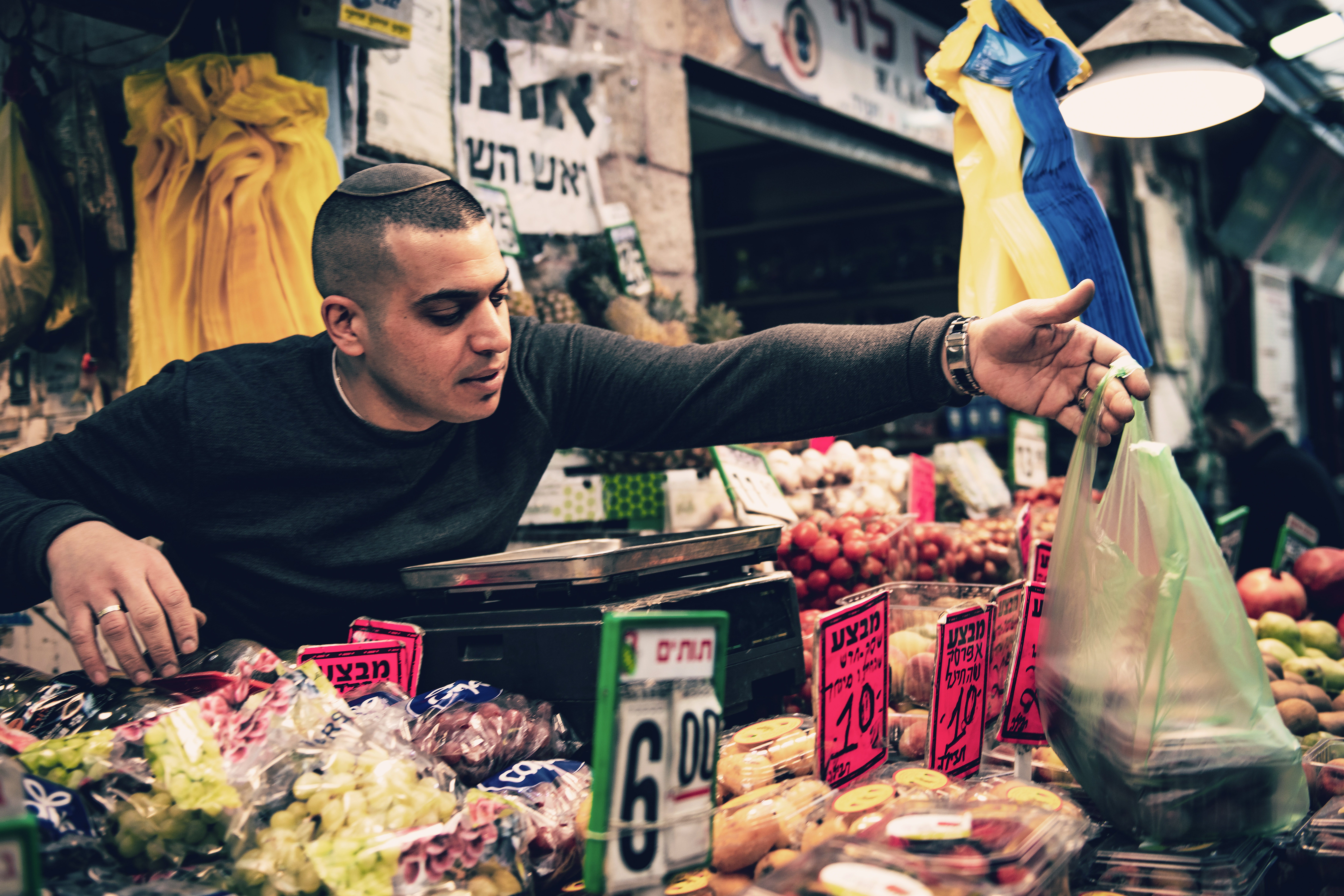
Hunger in Israel: NGO and Government Response

Hunger in Israel
Despite being a high-income country, Israel has one of the highest rates of hunger and poverty in the developed world. Many citizens experience hunger and have relied on NGOs to provide food. They are also asking for the government to take further action, especially during the COVID-19 pandemic.

Israel is a small country located in the Middle East with an estimated population of 8.7 million people. Lebanon, Syria, Jordan and Egypt border it. Established as an independent country in 1948, its gross domestic product (GDP) has grown significantly over time. This has made Israel a high-income country.

Food Insecurity in Israel

Despite Israel having the categorization of a high-income country, about 25% of individuals living in Israel experience food insecurity, and up to 40% are living with extreme hunger. According to the Poverty and Social Gaps Annual Report by the National Insurance Institute of Israel, Israel has one of the highest rates of hunger in the developed world. In particular, food insecurity and poverty tend to disproportionately affect:

  1. Orthodox Jewish communities
  2. Arab communities
  3. Single mothers
  4. Elderly individuals
  5. Families
  6. Children

There is adequate food available in the country as a whole. However, there is a notable discrepancy between income levels and nutritious food available. The risk of hunger in Arab and Orthodox Jewish families attributes to potentially larger families and lower employment levels. For ultra-Orthodox Jews, 50% of men and 73% of women do not have employment. Additionally, more than 800,000 children were living in poverty as of 2016. This has resulted in almost one-third of Israeli children experiencing hunger on a regular basis.

The Response of the Israeli Government

In response to hunger in Israel, nonprofit organizations have taken the large responsibility to provide for people in the country. On the other hand, the response of the Israeli government in regard to this issue has left many dissatisfied.

In an interview with Channel 12 in Israel, Minister Tzachi Hanegbi made controversial remarks. He said people in Israel who claim to struggle with food insecurity are talking “nonsense” and are not actually starving. He has since apologized, stating that he intended to convey that “[his interviewers’] extreme and gross criticism of the government creates fear amongst the public, instead of hope,” and that “the government that I am part of works day and night to put Israel back on the track of a healthy and flourishing economy.” Hanegbi’s initial comments have caused public disbelief and outrage in Israel and around the world.

Response of NGOs

Recently, the COVID-19 pandemic has introduced new economic hardships that further complicate efforts to reduce inequality and provide adequate food. Many expect that a major food crisis will occur as a result of the pandemic. GDP in the country has fallen 1.7% in the first quarter of 2020, while it had previously been rising.

As a result, there has been an increasing reliance on NGOs. Leket Israel, the largest food rescue program in the country, fed over 175,000 people in need before the COVID-19 pandemic. In response to the pandemic and resulting economic situation, it began a new program that delivers food directly to homes. With this program, it sent over 700,000 meals to people, many of whom never needed food assistance before the pandemic.

Other NGOs like Latet and Mazon made significant impacts regarding combating hunger in Israel and providing food to lower-income citizens. Latet is a large NGO that fights food insecurity in Israel and is partnered with 180 other local organizations in the country. It provides monthly assistance to 60,000 families, according to its website.

Policies and Government Efforts

The amount of policies toward the reduction of poverty has increased by 3.4% in 2016 in comparison to the previous year. This demonstrates the importance of continued governmental support.

The Israeli Forum for Sustainable Nutrition has been campaigning for changes toward better nutrition, improved health and environmental sustainability. Some of its projects include creating a data center for public use about nutrition and the environment, counseling municipalities, advancing research and holding the government accountable for advertising misinformation about food and the environment. It holds annual conferences and has had over 60 professional seminars with government officials, policymakers, academic experts and others.

In 2017, there was an increase in the minimum wage. It went from NIS 5,000 per month at the beginning of the year to NIS 5,300 by the end. In addition, in 2016, 80% of households had employment. This has resulted in a reduction in poverty and hunger for elderly individuals, Arab communities and immigrants in Israel. However, since COVID-19, unemployment has again increased within a month from under 4% to nearly 25% in April 2020 and leaving more than 1 million people without jobs. While there is continual progress, the government still relies mostly on NGOs and third-party organizations. Overall, more change must occur to improve the issue of hunger in Israel and support a more balanced world.

– Sydney Bazilian
Photo: Unsplash

August 6, 2020
https://borgenproject.org/wp-content/uploads/borgen-project-logo.svg 0 0 Kim Thelwell https://borgenproject.org/wp-content/uploads/borgen-project-logo.svg Kim Thelwell2020-08-06 15:14:432020-08-06 15:14:43Hunger in Israel: NGO and Government Response
Food & Hunger, Food Insecurity, Food Security, Global Poverty

Tackling Hunger in Finland

Hunger in Finland
Despite enjoying one of the world’s most advanced social-democratic welfare systems and the lowest human insecurity rates, there are still major struggles with poverty and hunger in Finland.

First Signs

The first signs of hunger in Finland emerged following a financial crisis in the 1990s which resulted in roughly 100,000 Finnish people reportedly hungry during the years 1992 and 1993. As a result, the foundation for a network of charity-based food aid provisions proliferated in Finland during the 1990s. Several spikes occurred in CFA rates in the late 1990s, with the largest increase at the turn of the century.

What is interesting about this particular response to food insecurity in Finland is that, in principle, the Nordic welfare state “is assumed to provide universal social security against social risks, such as poverty, for all its citizens.” However, at-risk people in Finland have received support largely through charity-based food aid, indicating that the current welfare state falls short of feeding everyone.

Giving Back

In 2013, EVIRA, the Finish Food Safety Authority, improved food safety regulations by allowing food and retail industries to donate food to charity with greater ease. This new food waste redistribution project was part of a new wave of social innovations in the greater E.U. which operated in efforts to reduce food insecurity and ecological waste.

As of 2014, the CFA in Finland had 400 distributors “including parishes, FBOs, unemployment organizations and other NGOs.” It reached roughly 22,000 Finnish people every week.

At-Risk Populations

Statistics Finland’s research shows that the number of people at risk for severe poverty and homelessness was 890,000 in 2017, which is roughly 16.4% of the population. Findings from the European Anti Poverty Network (EAPN) Poverty in Finland Report from 2019 show that the number of people living on minimum income benefits and experiencing livelihood problems such as food shortages continues to be a growing problem. The share of Finns turning to food banks every week was roughly 20,000 in 2019. The risk of poverty and malnutrition is highest amongst single mothers and older women living alone, according to the National Council of Women in Finland. Finland is also among one of the most racist countries in the E.U., making it even harder for migrants, especially women, to achieve success in the current economic climate. As a result, many migrants in Finland are poor and at risk of food insecurity.

A Hopeful Horizon

Progressive social reform strategies such as Finland’s Housing First strategy with the extensive food aid provision network in the country have the power to eradicate hunger in Finland. In fact, Finland’s Housing First strategy already accomplished a lot in regard to shelter insecurity in the country. Perhaps a stronger state role in providing food aid could be the extra push necessary to completely tackle the stagnating food insecurity problem.

– Jasmeen Bassi
Photo: Unsplash

August 5, 2020
https://borgenproject.org/wp-content/uploads/borgen-project-logo.svg 0 0 Kim Thelwell https://borgenproject.org/wp-content/uploads/borgen-project-logo.svg Kim Thelwell2020-08-05 15:52:252020-08-05 15:52:25Tackling Hunger in Finland
Food Insecurity, Foreign Aid, Global Poverty, Refugees

Innovative Ways to End Hunger in Niger

Hunger in Niger
About 20% of people in Niger are food insecure due to a growing population, regional conflict and environmental challenges. Though that percentage is rising, international organizations and governments are finding innovative ways to end hunger in Niger.

Threats to Food Security in Niger

According to the World Bank, Niger’s population is increasing annually by 3.8%, well above the average for countries in Sub-Saharan Africa. Coupled with a large number of refugees from countries like Mali and Nigeria, an extremely high birth rate is driving Niger’s population growth and ultimately causing food resources to become scarce.

As a result of the conflicts on the borders of Mali and in the Lake Chad Basin, an influx of refugees has migrated to Niger. Further, these regional conflicts have caused widespread displacement among Nigerien citizens domestically, resulting in a major displacement crisis. According to the Norweigan Refugee Council, Niger’s displacement crisis is severe and worsening from the lack of international aid and media coverage. Because food resources are scarce, this displacement crisis is intensifying hunger in Niger.

In addition to the upsurge in Niger’s population, environmental challenges pose a threat to food security. Niger experiences an annual dry or “lean,” season where a lack of rainfall limits crop production and thus lowers the availability of food. A dry season is regular and Niger’s people expect it; however, in the past 20 years, rainfall and temperature have become increasingly irregular, causing more severe food shortages. Nigerians are concerned that desertification and rising global temperatures will only extend and intensify the dry season, disrupting the livelihoods of the majority of rural Nigerien households that rely predominantly on agriculture to survive.

Although food insecurity affects all types of Nigerien communities, it more heavily affects two demographic groups: women and children. Women and children in Niger are more likely to experience malnourishment, which leads to higher rates of anemia. According to the World Food Programme, estimates determined that 73% of Nigerien children under the age of 5 and 46% of Nigerien women are anemic.

The International Community’s Role in Ending Hunger in Niger

Countries like the United States are supporting programs like the World Food Programme, Mercy Corps and Doctors Without Borders to relieve both the immediate and long-term effects of food insecurity in Niger. Each organization takes unique approaches to end hunger in Niger.

The World Food Programme, for instance, focuses on land rehabilitation programs that provide food and financial aid to families who are trying to recover unproductive farmland. The hope is that healthy land will allow agriculture in Niger to be prolific in the future.

Mercy Corps works with mostly Nigerien citizens on projects that encourage people in Niger to diversify their livelihoods in order to ensure that families have several opportunities to earn income in the event that climatic shocks should continue to stunt the agricultural industry. It helped more than 130,000 people in Niger in 2018.

While the World Food Programme and Mercy Corps focus largely on developing a self-sufficient Nigerien economy, Doctors Without Borders works to alleviate the immediate consequences of hunger in Niger by treating acute malnutrition, especially in children. The organization provided 225 families with relief kits in Tillabéri.

While regional conflict, a rapidly growing population and unpredictable weather further food insecurity in Niger, the international community is seeking a multidimensional solution to stimulate the Nigerien economy, end hunger in Niger and help communities flourish.

– Courtney Bergsieker
Photo: Flickr

August 4, 2020
https://borgenproject.org/wp-content/uploads/borgen-project-logo.svg 0 0 Kim Thelwell https://borgenproject.org/wp-content/uploads/borgen-project-logo.svg Kim Thelwell2020-08-04 11:53:492024-05-29 23:18:44Innovative Ways to End Hunger in Niger
Food Insecurity, Global Poverty

Cabarete Sostenible Feeds Popular Tourist Destination

Cabarete Sostenible
Cabarete Sostenible was assembled as a response to the economic consequences of COVID-19. The Dominican Republic ultimately decided to shut its borders, and this effectively suspended Cabarete’s tourism industry. Cabarete Sostenible provides food to Cabarete’s local population.

Cabarete is one of the world’s most popular tourist destinations for surfers, water-skiers, swimmers and even horseback riders. The town draws tourists through its rich culture, natural scenery and of course, its beautiful beaches.

But this idyllic vision of Cabarete tells less than half of the whole story of the Dominican Republic. The Dominican Republic has fought a decades-long war against hunger and poverty. Though, in that time, the country has made significant improvements to its poverty rate and its rate of hunger.

Declining Poverty and Hunger

The Dominican Republic’s Gross Domestic Product increased at an average rate of 5.8% per year between 2011 and 2016. This was the second-highest rate of GDP growth in Latin America in that period. In 2017, the poverty rate was 15.9%, then dropping to 13.8% in 2018.

Similarly, the rate of hunger in the Dominican Republic continued to decrease over the same period of time. The Dominican Republic’s Global Hunger Index score was 12.8 in 2010. By the end of the decade, that score decreased to 9.2.

COVID-19 is a Threat to Continued Improvement

The World Bank has assessed that closures of a majority of the Dominican Republic’s tourism industry will lead to lower household income and higher rates of poverty. Cabarete Sostenible notes that over 65% of Cabarete’s population depends on the tourism industry for resources and food. Although the population is a relatively small 20,000 people, thousands in Cabarete are facing food shortages.

Cabarete Sostenible

A person is food insecure if he or she is without a three-day supply of food at any given time. Roughly 80% of Cabarete’s population is food insecure. Cabarete Sostenible has developed both an immediate and a longer-term solution to address food insecurity and hunger in Cabarete.

In the short term, Cabarete Sostenible provides ration packs to hungry and food-insecure individuals, which contain a week’s worth of nutrition. Ration packs include rice, beans, cooking oil, pasta, soap and bleach, milk, fruit pulp, oranges, spinach and dark, leafy greens. Four-dollar donations feed one person for one week, and 15-dollar donations feed a family of four for one week. All of the donations go directly to purchasing food.

In the long term, Cabarete Sostenible is building sustainable food production facilities. The organization has mobilized local landowners as part of this effort. Their project includes building “community gardens, permaculture farms and food education programs.”

Looking forward

The Dominican Republic locked down national borders because of COVID-19. This led to an economic and humanitarian crisis in Cabarete because over half of the local population depends on tourism for resources and food. As a result, the Dominican Republic will likely experience a regression in its rate of poverty and the rate of hunger because of disruptions to local economies. Cabarete Sostenible provides ration packs to the local population of Cabarete in order to limit further devastation. These ration packs are funded, in large part, by individual donations, or rather individual acts of love and solidarity.

– Taylor Pangman
Photo: Wikimedia Commons

August 4, 2020
https://borgenproject.org/wp-content/uploads/borgen-project-logo.svg 0 0 Kim Thelwell https://borgenproject.org/wp-content/uploads/borgen-project-logo.svg Kim Thelwell2020-08-04 11:48:472020-08-04 11:48:47Cabarete Sostenible Feeds Popular Tourist Destination
COVID-19, Food Insecurity, Global Poverty

Solving Food Insecurity and Hunger in Australia

Hunger in Australia
Australia’s reputation as a wealthy country often shields underlying issues within the nation. A strikingly large portion of the population experiences hunger on a daily basis, while the federal government falls behind other affluent nations in helping its poor and starving citizens.

Food Insecurity in Australia

Although Australia reduced its poverty rate over the last few years — declining from 16.9% in 2017 to 13.2% in 2019 — the percentage of Australians experiencing hunger has not decreased. This is because food insecurity, rather than insufficient funds, lies at the root of hunger in Australia.

Kathy Radimer, a former CDC epidemiologist, defines food insecurity as the state occurring “whenever the availability of nutritionally adequate and safe foods or the ability to acquire acceptable food in socially acceptable ways is limited or uncertain.” In Australia, sustenance is not necessarily unattainable; rather, food is unsafe and inadequately healthy for much of the nation’s underserved.

In 2019, Foodbank Australia’s hunger report revealed that 21% of Australians experienced food insecurity in the year prior to its survey. In other words, everyone within that 21% had at least one experience running out of food without the means to buy more, due to either circumstantial or financial restraints. More often than not, these are not standalone occurrences: the report also revealed that 30% of food-insecure people go at least one day per week with no food whatsoever.

For women, the numbers are even worse. A staggering 27% of Australian women experienced food insecurity throughout 2019 in comparison with only 18% of men. This difference may arise partly because men experiencing food insecurity typically blame their inability to find work; women, on the other hand, often cite domestic violence, financial abuse and having to raise their children on their own for their food insecurity. Brianna Casey, the CEO of Foodbank Australia, explains: “We hear so many heart-breaking stories from mothers skipping meals so their children can eat to elderly women left on their own feeling isolated because they can’t offer their neighbors or friends so much as a cup of tea or coffee.”

The Impact of COVID-19

Food insecurity was a problem in Australia even before the COVID-19 pandemic. Since the virus began to spread, Foodbank Australia reports that an unprecedented number of Australians — over 1 million — need emergency food. Many of these people now experiencing food insecurity are migrant workers and international students who have recently lost jobs in hospitality and retail.

The federal government has not matched countries of similar prominence and wealth in terms of supporting this upsurge in hunger and food insecurity. International students are not eligible for JobKeeper payments or federal welfare, contrary to a leaked government report that claimed countries like Great Britain, New Zealand and Ireland have given international students access to government resources during the pandemic.

Practical implications of the pandemic have brought other new challenges for food-insecure Australians. Approximately one-fifth of the charities that normally distribute food, such as Shepparton Foodshare and Footprints in the Park, have either closed or significantly decreased aid, thanks to stay-at-home orders and a lack of volunteers. This makes it even more difficult for Australians to receive food in a time of urgent need.

Charity and Aid

Though the COVID-19 pandemic has negatively impacted many organizations that address food insecurity and hunger in Australia, many continue to help. For example, the Friends of Nepal Organization in partnership with the Non-Resident Nepali Association currently provides food for more than 1,000 Nepalese students in Australia, who would currently be food insecure without their intervention.

Large-scale corporations have taken note of the problem as well, with brands such as Arnott’s and PepsiCo donating $350,000 and $400,000, respectively, as well as their products, to Foodbank Australia. The Australian federal government recently began to provide relief, announcing a $16 million bundle to support food relief charities in April 2020. The Australian Defence Force has even been helping pack food at a Foodbank Australia warehouse in Sydney, aiming to combat the upsurge of hunger in Australia.

Despite Australia’s status as a wealthy nation, food insecurity remains rampant. Women suffer the brunt of the problem, sacrificing their small shares of sustenance for their families. The COVID-19 pandemic has worsened hunger in Australia overall, increasing unemployment and weakening food-related charities. Still, many Australian organizations recognize the need to end food insecurity, and they give time and money to try to combat the hardships that food-insecure Australians face.

–  Ava Roberts
Photo: Flickr

August 3, 2020
https://borgenproject.org/wp-content/uploads/borgen-project-logo.svg 0 0 Jennifer Philipp https://borgenproject.org/wp-content/uploads/borgen-project-logo.svg Jennifer Philipp2020-08-03 15:08:202024-05-29 23:22:17Solving Food Insecurity and Hunger in Australia
Food Insecurity, Global Poverty, Sanitation, Water

Poverty in Mauritania and How it is Being Reversed

Poverty in Mauritania
Mauritania, a sizable northwest African desert country, was recently ranked 161 on the U.N.’s Human Development Index in terms of life expectancy, education and per capita income. It has a population of 4.4 million people, 42% of whom live below the poverty line. The country has an abundance of minerals and natural resources. However, recurring natural disasters and economic, social and educational disparities plague Mauritania with vulnerability. Despite this, the youthful population, alongside a generous NGO, has the potential to develop and overcome poverty in Mauritania.

Environment and Health

Following an early 2018 drought in Mauritania, an estimated 350,000 people were left food-insecure for up to five months. Changing weather patterns and prolonged water scarcity cause the country’s periodic droughts, a challenge already sustained by many Mauritanians. Soil erosion and deforestation are spreading desertification, a major threat to the Senegal River. This river is one of the country’s only available freshwater resources. As a result, 42% of the population does not have access to improved water sources, and 60% do not have access to improved sanitation facilities.

The resulting water contamination and inadequate sanitation levels have left Mauritanians at high risk for infectious diseases. The Journal of Tropical Medicine and Infectious Disease highlights a study conducted at Mauritania’s National Referral Hospital which found that 14% of children hospitalized for diarrhea between 2011 and 2014 had died. Continued consumption of highly contaminated water often causes diarrhea, as well as typhoid fever and hepatitis A.

Government and Economy

With its generous supply of gold, iron ore, oil and fish, Mauritania’s economy should, ostensibly, be blossoming. However, surrounding terrorist occupation and a lack of economic diversification prevent foreign investment and overall improvement.

Al-Qaeda in the Islamic Maghreb is a terrorist organization and al-Qaeda affiliate operating in the Sahara and Sahel regions. Due to the group’s holdings and criminal activity in the surrounding countries, including Mauritania, there is a low potential for the extractive industry in Mauritania. Therefore, foreign governments instead look elsewhere for precious natural resources and fine minerals.

Nearly 40% of Mauritania consists of agricultural land, which more than half of the population depends on for food and income. Because the country’s periodic droughts often force the migration of farmers to cities, food insecurity occurs with farm-dependent people. In addition, disarray occurs in the economy.

Education

The prospects associated with a large youth population could mean a great change in Mauritania. However, things will only change as long as the education frequency and quality increases, particularly for young girls. Only 55% of children aged 6-11 attend school due to geographic dispersion, forced displacement and gender inequities. Females, with a literacy rate 20% lower than males, do not receive enough representation in the classroom. This disparity negatively affects the economy because educated girls lead to innovative entrepreneurship and economic growth.

The Good News

Action Against Hunger is a multinational organization, with headquarters in France, Canada, Spain, the United Kingdom and the United States, intent on combating Mauritania’s imperfections and mitigating global poverty through implementing sustainable solutions and creating community prosperity. For nearly 40 years, long-term change has been Action Against Hunger’s endgame. This resolution is exemplified in the organization’s motto: “For a world free from hunger.”

The organization’s work in Mauritania began in 2007, but Action Against Hunger has served 43 countries around the world since its inception. The initial Mauritania vision was to manage malnutrition in order to mend healthcare and education limitations. However, the solution-oriented organization has since broadened its focus.

Food Insecurity and Sanitation

To improve community food security, Action Against Hunger issues micro-grants to support families recovering from natural disasters, provides seeds and tools to struggling farmers, teaches land preservation techniques and offers livestock and veterinary services.

To ensure improved sanitation facilities and defend against water contamination, the organization drills and decontaminates wells, distributes hygiene kits and builds hand-washing stations. It also encourages and trains community-based water committees for long-term water management.

To treat malnutrition, Action Against Hunger delivers therapeutic food for children and trains employees in health care centers on how to treat malnourished children and pregnant mothers.

To dismantle the connection between conflict and poverty in Mauritania, as well as the rest of the world, Action Against Hunger advocated for the U.N.’s adoption of Resolution 2417 which unanimously passed in 2018. The resolution condemns warfare-induced starvation, forced displacement and humanitarian aid denial as violations of international human rights and humanitarian law. The resolution also increases the likelihood of foreign aid investment in Mauritania. It aims to block terror involvement and promote stable government in the world’s most conflict-cluttered countries.

Action Against Hunger’s collective efforts directly impacted 354,179 Mauritanians in 2018 alone with more projects and progress to come. However, the organization recognizes, especially in these uncertain times, that adaptability, innovation and strategic foresight are the best measures of success and will result in the greatest reduction of poverty in Mauritania.

– Natalie Clark
Photo: Flickr

July 30, 2020
https://borgenproject.org/wp-content/uploads/borgen-project-logo.svg 0 0 Kim Thelwell https://borgenproject.org/wp-content/uploads/borgen-project-logo.svg Kim Thelwell2020-07-30 20:37:032024-05-24 23:59:32Poverty in Mauritania and How it is Being Reversed
Food Insecurity, Global Poverty, Hunger, Poverty

Hunger in the Marshall Islands

Hunger in the Marshall Islands
The Marshall Islands is an island country in the Pacific Ocean near the equator. The nation is part of the island group Micronesia. Meanwhile, Wake Island lies to the north with Kiribati and Nauru to the south and the Federated States of Micronesia to the west. The Marshall Islands’ fragile ecosystem and densely populated areas present unique challenges for the country. These environmental and social factors have led to food insecurity and hunger in the Marshall Islands.

At the moment, there are limited statistics regarding hunger and food insecurity in the Marshall Islands. However, estimates determine that 21.5% of women and 20.8% of men living on the Marshall Islands have diabetes. Though this is not necessarily a direct relation, studies show that high rates of diabetes may correlate with food insecurity.

The Reasons for Hunger in the Marshall Islands

  1. The Marshall Islands have experienced rapid urbanization. The nation’s urban population has increased from 58% of the total population in 1980 to 77% in 2019. As a result, the people of the Marshall Islands are transitioning from traditional diets of fish and fruit to imported diets of rice, flour and meat. Consequently, there is an increased reliance on imported food items. This is quite risky as the price of imported food depends largely on global commodity prices. The fluctuation in these prices results in unreliable access to imported foods in the Marshall Islands. This reliance on imported food makes finding food more difficult for citizens of the Marshall Islands, especially those living in poverty.
  2. Rising sea levels have contributed to the loss of cultivable land. Most of the Marshall Islands are less than six feet above sea level. Farmers like Kakiana Ebot have reported that their crops have rotted and died due to saltwater soaking the soil. Ebot says that she has lost about $30 a day due to the death of her breadfruit tree.
  3. El Niño, a period of warm ocean temperatures in the Pacific, puts the Marshall Islands at greater risk of drought. During times of drought, fish become scarce. This is concerning because fish is one of the main non-imported food sources in the Marshall Islands. Additionally, ocean warming and acidification harm the coral reefs surrounding the Marshall Islands, further threatening the existence of local fish.

Multinational Efforts to Address Hunger in the Marshall Islands

The Marshall Islands, in collaboration with other nations, has taken action towards establishing food security and eradicating hunger. One such initiative is the Readiness for El Nino project (RENI), a measure that the European Union funded and the Pacific Community (SPC) implemented. This project is a response to the severe 2016 El Niño drought. Dr. Colin Tukuitonga, Director-General of the SPC, stated that the project’s goal is to “enhance the resilience of the Marshallese communities in preparation for future droughts, and serve as a model for mitigation efforts across the region.”

The implementation of the RENI project started in June 2017 and will proceed through October 2020. During the implementation phase, project leaders consult local communities including women and other marginalized groups. The consultations determine each community’s exposure and sensitivity to environmental challenges, as well as their ability to adapt.

In addition to preparing communities for drought, the RENI project also teaches home gardening and provides training in food preservation methods. All of these strategies seek to establish food security and decrease reliance on imported foods. This project will directly benefit 1,059 people and indirectly benefit 1,605 people.

So far, the RENI project has returned preliminary reports from the Ailuk Atoll, a northern atoll of the Marshall Islands. The consultation phase of the project has concluded and the RENI project has drafted a disaster management plan with the community.

Pacific Island Countries Addressing Hunger Together

Other island countries, like Taiwan, have also partnered with the Marshall Islands to increase food security. Taiwan’s International Cooperation and Development Fund established a hydroponics demonstration farm to help introduce innovative farming techniques to the Marshall Islands. This farm opened in January 2020.

Hydroponics farming is a method of growing plants using nutrient solutions in water solvent instead of soil. It is helpful in countries that lack fertile soil like the Marshall Islands. This farming technique will help diversify local fruit and vegetable production.

Like the RENI project, Taiwan’s hydroponic project has an educational component that will share vital knowledge about crop management and nutrition. In the next five years, this project hopes to increase vegetable and fruit production by around 100 kilograms per month.

Over time, with cooperation between the Marshall Islands and other nations, the country may be able to eradicate hunger.

 – Antoinette Fang
Photo: Flickr

July 29, 2020
https://borgenproject.org/wp-content/uploads/borgen-project-logo.svg 0 0 Borgen Project https://borgenproject.org/wp-content/uploads/borgen-project-logo.svg Borgen Project2020-07-29 07:30:332024-05-28 00:15:55Hunger in the Marshall Islands
Page 27 of 31«‹2526272829›»

Get Smarter

  • Global Poverty 101
  • Global Poverty… The Good News
  • Global Poverty & U.S. Jobs
  • Global Poverty and National Security
  • Innovative Solutions to Poverty
  • Global Poverty & Aid FAQ’s
Search Search

Take Action

  • Call Congress
  • Email Congress
  • Donate
  • 30 Ways to Help
  • Volunteer Ops
  • Internships
  • Courses & Certificates
  • The Podcast
Borgen Project

“The Borgen Project is an incredible nonprofit organization that is addressing poverty and hunger and working towards ending them.”

-The Huffington Post

Inside The Borgen Project

  • Contact
  • About
  • Financials
  • President
  • Board of Directors
  • Board of Advisors

International Links

  • UK Email Parliament
  • UK Donate
  • Canada Email Parliament

Get Smarter

  • Global Poverty 101
  • Global Poverty… The Good News
  • Global Poverty & U.S. Jobs
  • Global Poverty and National Security
  • Innovative Solutions to Poverty
  • Global Poverty & Aid FAQ’s

Ways to Help

  • Call Congress
  • Email Congress
  • Donate
  • 30 Ways to Help
  • Volunteer Ops
  • Internships
  • Courses & Certificates
  • The Podcast
Scroll to top Scroll to top Scroll to top