• Link to X
  • Link to Facebook
  • Link to Instagram
  • Link to TikTok
  • Link to Youtube
  • About
    • About Us
      • President
      • Board of Directors
      • Board of Advisors
      • Financials
      • Our Methodology
      • Success Tracker
      • Contact
  • Act Now
    • 30 Ways to Help
      • Email Congress
      • Call Congress
      • Volunteer
      • Courses & Certificates
      • Be a Donor
    • Internships
      • In-Office Internships
      • Remote Internships
    • Legislation
      • Politics 101
  • The Blog
  • The Podcast
  • Magazine
  • Donate
  • Click to open the search input field Click to open the search input field Search
  • Menu Menu

Archive for category: Food Insecurity

Food Insecurity, Food Security, Global Poverty

Brexit and Its Effects on the European Economy

BrexitJanuary 31, 2020, was a historic day for the European Union, for it marks the day the United Kingdom left the Union based on a public vote (referendum) held in June 2016. Seventeen point four million citizens opted for Brexit in 2016 and, after several negotiations and talks, the U.K. is now the first former member of the European Union. An important and large-scale decision such as this has the ability to distort economic stability greatly.
Trade

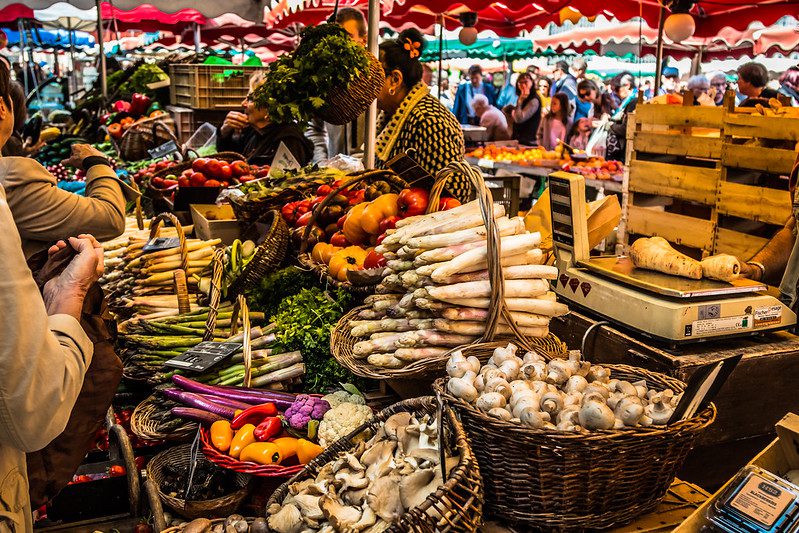
The EU is the world’s largest single market that allows free trade among all its members. It is also responsible for negotiating trade policies on behalf of its members, establishing a single, strong voice throughout various negotiations. Since Britain is no longer a member, it must create its own suitable trade policies with the countries it wishes to trade within the Union. Britain also needs to negotiate for its own demands. It was projected that the U.K. stood to lose $32 billion after Brexit, with no trade agreement in place between the U.K. and the EU. Losses incurred are more likely to increase as the EU accounts for nearly 46% of the U.K.’s exports. Researchers project that Ireland’s exports to Britain may drop by at least 10%. This creates a serious trade imbalance and hence contributes to the national deficit of the nation.

Food Poverty

British citizens consume a significant amount of imported food. Brexit could lead to a rise in food poverty, as about 30% of food is imported from the EU and 11% is from countries whose trade policies were negotiated by the EU. Since there is no trade policy in place, food insecurity is bound to rise. Food prices will likely rise 6% by June 2020, according to researchers. Overall, an increase in food poverty may be on the horizon.

Immigration

The U.K. had announced that post-Brexit only highly skilled immigrants will be able to secure jobs and the additional requirements have already created an impact on the economy. Immigrants mostly work low-skilled jobs and the implementation of this policy has already lead to shortages. At least one in 11 posts are vacant. Also, immigrants occupy nearly one-sixth (140,000) of the 840,000 care worker jobs. The new regulations will soon prompt vacancies and greatly affect people with disabilities and the elderly.

The Potential Solutions

Trade talks between the U.K. and the EU are taking place effectively. British Prime Minister Boris Johnson proposed a “Canada-style free trade agreement” which the EU is prepared to accept, given the fact that the agreement would demand no tariffs or quotas from them. This shows that negotiations are productive and that the U.K. is trying to cause very little disturbance to the economy. Aware of its reliance on imports from the EU, the U.K. has opted for a mutually beneficial free trade agreement. As the cost of imports and exports are reduced, the trade imbalances are corrected. This in turn will influence food poverty as the general price levels will decrease and imported food will become affordable.

Additionally, there are multiple organizations and government schemes that help combat food poverty in the U.K. For example, The Trussell Trust and other independent foodbanks have distributed nearly 3 million food packages between 2018 and 2019. The organization Healthy Start allows the purchase of basic food necessities for pregnant women and mothers with infants.

What Are the Benefits of Brexit for the UK?

The U.K. is free to trade with other nations such as Japan, the U.S. and India without EU restrictions. This will stimulate growth in all nations involved in possible free trade and help tackle domestic issues, such as unemployment and hunger. Effective trading can lead to increased employment opportunities and better living standards.

The U.K. has given almost half a trillion pounds to the EU to be a member of the bloc. The amount the U.K. will save is significant enough to be directed at rising food insecurity, short-term deficit and unemployment. The U.K. is also able to craft specific policies to suit its needs instead of being subject to the ones crafted by the EU. The ability to do this helps the U.K. and other nations involved, as all policies will be tailored to be mutually beneficial and appropriate.

Overall, Brexit is a challenge. It is difficult to adjust to and likely poses serious threats to economic stability in the near future. However, this is only a short-term issue. Once the transition period is over, a structured agreement between the E.U. and the U.K. will help their economies regain stability.

– Mridula Divakar
Photo: Flickr

July 12, 2020
https://borgenproject.org/wp-content/uploads/borgen-project-logo.svg 0 0 Kim Thelwell https://borgenproject.org/wp-content/uploads/borgen-project-logo.svg Kim Thelwell2020-07-12 01:30:542020-07-22 18:30:07Brexit and Its Effects on the European Economy
Food Insecurity, Global Poverty, Hunger

How to End Hunger in France

hunger in France
Recently, France has made consistent progress towards eliminating hunger within its borders, throughout the European Union and in developing nations. However, with worsening global health conditions as an added stressor to those who suffer from food insecurity, it is imperative to end hunger in France and around the world.

Who Does Hunger in France Affect?

The majority of France’s most food insecure are the 200,000 plus homeless and those living in the outskirts of Paris.

Globally, one in nine people go hungry every day, and global hunger is increasing. The United Nations Food and Agriculture Organization (FAO) estimates that around 10.7% of the world’s population suffers from chronic undernourishment. Additionally, over 26.4% of the world’s population is food insecure.

The standard of living in France is relatively high due to the country’s inclusive social security systems. Access to basic needs and services such as food, water, health care and education are mostly available to all. However, while many reap the benefits of this system, disenfranchised minorities and essential workers in some parts of France have lost their jobs and access to meals. For example, in the lower-income districts that surround Paris, residents in cities like Clichy-sous-Bois require the generosity of food banks to get by.

Why Does Hunger Persist Today?

In France and on the global scale, poverty, climate change, poor public policy and food waste drastically increase hunger. These factors manifest in several ways. Some communities, like Clichy-sous-Bois, do not have equal access to resources and become stuck in cycles of poverty. Environmental degradation from unsustainable agriculture and increasing natural disasters negatively impacts crop yields, access to and distribution of food. Food waste exacerbates climate change by releasing dangerous levels of methane in landfills. Furthermore, food waste also deprives hungry people of quality food.

Furthermore, estimates determine that by the year 2050, the world will need to produce enough food to feed over 10 billion people. The Ministry of Europe and Foreign Affairs stresses the need to transform the “agricultural and food systems” in France. According to the Ministry, “agriculture must be more sustainable and effective from economic, social and environmental perspectives to ensure food security and the health of individuals.”

The Strategy to End Hunger in France

Luckily, France has stepped up to reform the current food systems and agricultural practices that aggravate hunger and malnutrition locally and internationally. Through the Ministère de L’Europe et des Affaires Étrangères, France wrote the International Strategy for Food Security, Nutrition and Sustainable Agriculture. This strategy works out a five-point plan that France will carry out between 2019 and 2024. This plan tackles the causes of hunger and serves as a leader in ending hunger in Europe and the world.

The five points of the International Strategy for Food Security, Nutrition and Sustainable Agriculture are:

  1. To Strengthen the Global Governance of Food Security and Nutrition: France wishes to improve the effectiveness and coordination of international actors involved in the global governance of food security and nutrition.
  2. To Develop Sustainable Agriculture and Food Systems: Agriculture is currently a leading cause of climate change and biodiversity loss. As a result, France wishes to confront these issues by promoting sustainable agricultural practices.
  3. To Strengthen France’s Action on Nutrition: Multiple factors lead to undernutrition in young children, pregnant and/or breastfeeding women. These include access to quality food, clean water and conditions for good hygiene.
  4. To Support the Structuring of Sustainable Agri-food Chains to Promote the Creation of Jobs in Rural Areas: Targeted at younger generations and striving to be inclusive of family agriculture, agri-food chains are a good source of employment.
  5. To Enhance Food Assistance Actions to Improve the Resilience of Vulnerable Populations: The goal is to help struggling populations regain food autonomy in the face of recurring food crises.

More Solutions

In addition to this international plan, more immediate solutions in France aim to combat food waste locally. For example, Guillaume Garot, a member of Parliament in France, authored a food waste bill. This bill requires grocery stores to donate food that they would otherwise throw away. Additionally, this bill is the first of its kind, and the European Union quickly followed suit with similar goals.

The European Food Banks Federation (FEBA) works with the U.N. to use the 88 million tonnes of food that the E.U. wastes annually. A new set of sustainable development goals seek to “ensure sustainable consumption and production patterns” in France. As a result, FEBA transforms unnecessary food waste into vast quantities of food donations for the hungry.

FEBA builds connections with existing food banks and global partners to strengthen the food bank networks in France and across Europe and help mediate the donations. This organization works to alleviate food insecurity by distributing the equivalent of 4.3 million meals every day. That is 781,000 tonnes of food that it delivers to 9.3 million food-insecure people. In France, the Banque Alimentaires annually donates 73,000 tonnes of food products to those in need.

Through persistent actions like the International Strategy for Food Security, Nutrition and Sustainable Agriculture and food bank networks, the process to end hunger in France and worldwide is an ever more attainable goal.

– Rochelle Gluzman 
Photo: Flickr

July 10, 2020
https://borgenproject.org/wp-content/uploads/borgen-project-logo.svg 0 0 Jennifer Philipp https://borgenproject.org/wp-content/uploads/borgen-project-logo.svg Jennifer Philipp2020-07-10 14:54:382024-05-29 23:18:00How to End Hunger in France
Food Insecurity, Global Poverty, Hunger

4 Influences on Poverty in North Korea

Poverty in North Korea
Poverty in North Korea has been persistent for decades. North Korea is one of the most secluded countries in the world, both socially and economically. Since the Korean War in the 1950s, the nation has followed an ideology of self-reliance, called Juche in Korean. According to the official website of the North Korean government, Juche has three tenets: political independence, economic self-sufficiency and self-reliance in national defense. Adhering to these principles, North Korea withdrew from contact with other nations, gradually developing into the closed-off state it is today.

However, poor economic policies and the misallocation of resources have caused much of North Korea’s population to fall into poverty. One study estimates that the poverty rate of North Korea is around 60%, and another puts the percentage of undernourished North Koreans at 43%. The country suffers from chronic food shortages and has some of the worst income inequality in the world. Here are four influences on poverty in North Korea.

4 Influences on Poverty in North Korea

  1. Resource Misallocation: North Korea is notorious for its obsession with nuclear weapons and its military. The Korean War created high tensions between the country and its neighbors, leaving North Korea feeling threatened. As a result, North Korea funnels large amounts of resources into developing and maintaining weapons and the military, when it could better use those resources to fight famine and improve the economy.
  2. Environmental Collapse: To become self-reliant in food production, North Korea has employed intensive agricultural methods, using copious amounts of chemicals and cutting down forests to create farmland and increase crop yields. The loss of forests has led to erosion and flooding, costing the country much of its food supply. In addition, people chop down trees for firewood and eat wild animals to survive, leading to an imbalance in the ecosystem. With land growing less fertile, North Korea struggles to produce enough food for its people.
  3. Government Decisions: In 1995, the government cut supplies to the north of the country to provide more food for the North Korean capital, Pyongyang, to garner support for the regime there. This decision hurt the regime greatly. Farmers began hoarding food and selling it independently of the state. Citizen support for the regime fell, decreasing even further when the regime used force to maintain its power. The Juche ideology backfired, as the country had to rely on international aid during the famine.
  4. Decreased Foreign Aid: During the Cold War, North Korea received Soviet aid. However, the country refused to pay its debts to the USSR, which responded by withdrawing support for North Korea. The fall of the Soviet Union forced North Korea to rely more on China for imports. In the 1990s, however, China decreased its grain exports because its own population needed the crops. In response, North Korea condemned China as a traitor. Without foreign aid, poverty in North Korea has only worsened.

These four influences on poverty in North Korea show that it is the product of ill-advised governmental decisions. Fortunately, the global community has begun to take note of the country’s struggles, and other nations are offering help. China has been the most generous donor, sending over 200,000 tons of food in 2012 and $3 million in aid in 2016. South Korea has also been generous to its neighbor, pledging 50,000 tons of rice and $8 million in 2019. The U.N. asked donors for $120 million to give to North Korea, eliciting responses from countries like Denmark, Norway and Germany. Non-governmental organizations like the Red Cross and the World Food Programme (WFP) likewise commit to helping North Koreans in need. Hope remains for the people of North Korea.

– Alison Ding
Photo: Flickr

July 3, 2020
https://borgenproject.org/wp-content/uploads/borgen-project-logo.svg 0 0 Jennifer Philipp https://borgenproject.org/wp-content/uploads/borgen-project-logo.svg Jennifer Philipp2020-07-03 01:30:002024-05-29 23:18:004 Influences on Poverty in North Korea
Food Insecurity, Global Poverty, Hunger

Food Systems and COVID-19

Food Systems and COVID-19
The Borgen Project has published this article and podcast episode, “Food Tank, Food Systems and COVID-19: A Conversation with Dani Nierenberg,” with permission from The World Food Program (WFP) USA. “Hacking Hunger” is the organization’s podcast that features stories of people around the world who are struggling with hunger and thought-provoking conversations with humanitarians who are working to solve it.


To say Danielle Nierenberg is passionate about food is an understatement. A world-renowned researcher, speaker and advocate, she’s spent her career fighting for food-systems change and is an expert on all things food and ag.

In 2013, Danielle co-founded Food Tank, a global community pushing for food systems change. Food Tank aims to educate and inspire and highlight solutions that will create change.

We’ve been curious to learn more about Danielle and her work for a while. And during this unprecedented time, we wanted to get her expert insight into how coronavirus will affect food systems as well. So, we dialed Danielle up to talk about her career, Food Tank and COVID-19.

Click below to listen to Danielle Nierenberg’s conversation about food systems and COVID-19.


World Food Program USA · Episode 44: Food Tank, Food Systems and COVID-19: A Conversation with Dani Nierenberg

Photo: Flickr

June 26, 2020
https://borgenproject.org/wp-content/uploads/borgen-project-logo.svg 0 0 Jennifer Philipp https://borgenproject.org/wp-content/uploads/borgen-project-logo.svg Jennifer Philipp2020-06-26 09:37:392020-06-26 09:37:39Food Systems and COVID-19
Food Insecurity, Food Security, Global Poverty

Innovations to Provide Food Security in the Desert

Food Security in the DesertThe desert is an ecosystem that does not have adequate moisture and nutrients to grow food. People living in these areas often rely heavily on food imports because of this lack of fertile soil. Approximately 5 percent of land in the Middle East and North Africa regions has sufficient amounts of water. That small amount of viable land has suffered mismanagement, resulting in shortages and limitations in agricultural regrowth after natural disasters and war. Fortunately, scientists and organizations around the world are developing ways to boost food security in the desert. Luckily, there are two programs in Syria and the United Arab Emirates that are attempting to feed people in arid regions.

Hydroponics in Syria

The prolonged war in Syria has destroyed the once-booming agricultural industry, diminishing food security in the desert. Since the beginning of the conflict in 2011, the Food and Agriculture Organization of the United Nations (FAO) estimated the loss of the agricultural exports sector to be around $16 billion. This number does not include the destruction of fertile land and crops that fed the people of Syria.

British scientists brought green technologies to Syrian refugee camps to promote food security in the desert. Through these programs, refugees learn how to grow crops where fertilized soil is not available. This process uses recycled materials like mattresses; another process uses an indoor planting technique called hydroponics. Hydroponics is a growing technique that uses nutrient-rich water mixtures instead of soil to grow fruits and vegetables.

These projects allow people in refugee camps to become self-sufficient in terms of agriculture. Individuals can use these skills for future gardening and farming once resettled. The project has taught almost 1,000 people sustainable agriculture practices such as growing tomatoes, eggplants and peppers in refugee camps. Using technologies to grow vegetables in places with infertile land will help individuals and countries develop sustainability.

Pure Harvest in the United Arab Emirates (UAE)

The United Arab Emirates has a climate of severe heat. The high temperatures and harsh conditions present serious issues for conventional farming methods. Due to this extreme climate, the country imports roughly 80 percent of the total amount of food consumed. The emergence of sustainable and innovative agriculture occurred from the need for alternative farming methods.

Pure Harvest began the pursuit of climate-controlled hydroponic greenhouses in 2016. This company aims to help the UAE become more self-sufficient in the government’s efforts to improve food security in the desert. In 2018, the company’s soccer field-sized facility in the Abu Dhabi desert produced its first tomato plants. Since then, it has produced approximately two tons of tomatoes per day.

The success of the first greenhouse has gained positive attention around the world. More desert communities are interested in building greenhouses to increase food security in the desert. Not only do these greenhouses allow crops to grow in arid parts of the world, but they are also producing enough of a surplus to create an agricultural market economy to the desert.

The war-torn areas and severe climates pose threats to food security in the desert, and technology is a crucial tool for mitigating these threats. Innovative methods such as hydroponics in refugee camps and building greenhouses on infertile land are just the start of a transformation that will provide more self-sufficiency and food security in the desert.

– Ashleigh Litcofsky
Photo: Wikipedia Commons

May 10, 2020
https://borgenproject.org/wp-content/uploads/borgen-project-logo.svg 0 0 Kim Thelwell https://borgenproject.org/wp-content/uploads/borgen-project-logo.svg Kim Thelwell2020-05-10 01:30:182024-05-29 23:15:49Innovations to Provide Food Security in the Desert
Development, Food Insecurity, Global Poverty, Health

Eradicating Food Insecurity in Brazil

Food Insecurities Decrease Around Brazil
Brazil is the largest country in South America. It also has the largest economy, which has been a key contributor to agriculture and business all over Latin America. Even with improvements in income distribution, poverty remains widespread, as income inequality remains an unsolved issue at the root of rural poverty. Thirty-five percent of the population lives on less than $2 per day, which is a reason for the food insecurity in Brazil. Additionally, 19 percent of Brazil’s population lives in rural areas, which means that Brazil has 18 million poor rural people. Meanwhile, the country’s northeast region has the single largest concentration of rural poverty in Latin America. In this region alone, 58 percent of the total population and 67 percent of the rural population live in poverty.

Food Insecurity

Food insecurity is an important subtopic coinciding with global poverty. When someone is food insecure, it means that they lack access to enough safe and nutritious food to give them the growth and development necessary to be active and in good health. Food insecurity might include a lack of resources or availability altogether.

The Food and Agriculture Organization has implemented the Food Insecurity Experience Scale (FIES) which explains the differences between the following categories:

  • Food Security to Mild Food Insecurity is uncertainty regarding the ability to obtain food.
  • Moderate Food Insecurity is the reduced quality and/or quantity of food, as well as uncertainty about how to obtain food due to little or no money or other resources. Moderate food insecurity can also lead to malnutrition. An example of this is stunting in children, which is where they do not have adequate nutrition for necessary growth and physical development. Micronutrient deficiencies are another hazard where children do not receive enough nourishment to give them the proper nutrients they require for growth.
  • Severe Food Insecurity is when one has simply run out of food, and at the most, has gone a number of days without eating.

How Fome Zero Has Decreased Food Insecurity

Brazil, which is the largest country in South America, has been able to combat food insecurity, along with poverty, through government spending on social welfare programs. For instance, one way that poverty and food insecurities have decreased around Brazil is through Fome Zero or Zero Hunger. It launched in 2003 under President Lul da Silva and has been successful in leading the nation out of poverty and improving its food security conditions. Fome Zero has been able to provide meals that have nutritious value and can support the poor’s overall health in order to combat food insecurity in Brazil.

Stunting and Food Insecurity

From the standpoint of public policy, the program has also implemented other ways of protection for those under the poverty line. These include providing not only meals and overall health improvement but also education reform, food production, health services, water, sanitation services and the prevention of growth stunting in children under the age of 5. Stunting has resulted in malnutrition, impaired cognitive ability and declining school performance later on in their lives. With Fome Zero as a premiere social-welfare program, stunting has also declined by almost 20 percent in the last quarter-century. From 1996 to 2007, stunting reduced by half from 14 percent to 7 percent.

These improvements happened because of optimal breastfeeding practices, ensuring a child’s healthy growth and development. Initiating breastfeeding for six months provides protection against gastrointestinal infections, which can lead to severe nutrient depletion, causing the process of stunting to begin. Setting a daily diet and schedule for children, as well as diversity in diet, has improved their health and overall growth.

Stunting results from a household, environmental, socioeconomic and cultural standpoint that requires that interventions for better nutrition integrate in conjunction with nutrition-sensitive interventions. One example is that one can prevent infections by hand-washing with soap, the success of which depends on behavior change to adopt the practice, the availability of safe water and sanitation needs and the affordability of personal hygiene products. Available high-quality foods and affordability of nutrient-rich foods will affect a family’s ability to provide healthier foods to prevent stunting.

Bolsa Familia

Another program that da Silva started in 2003 is Bolsa Familia, or Family Allowance, which has helped decrease poverty and food insecurity in Brazil. The conditional cash transfer program supplies low-income families with a minimum level of income. However, there are two stipulations that go with the deal: their children must attend school daily and they must schedule doctor’s appointments in order to receive aid from the government. More than 20 percent of Brazil’s global domestic program went towards education, health care and protection for all low-income families. From 2003 to 2013, the extreme poverty line population has decreased from 9.7 percent to 4.3, with Bolsa Familia reaching 14 million households, equaling 50 million people. As such, many consider the program to be the most successful in the world.

More than 50 million people receive payments from the program. This depends on family earnings that range from $14 to $140, whether people work part-time or full-time, as well as the number of dependents. As the largest conditional cash transfer in the world, Bolsa Familia reaches more than a quarter of the nation’s population and has lifted more than half out of poverty.

BF has also started a trend globally that has expanded conditional cash transfer programs, alongside Latin America, where over 40 countries have adopted this model to aid those on the poverty line and who are food insecure. Brazil’s next step to put a halt to poverty included the Brazil Learning Initiative for a World without Poverty (WWP), launched in partnership with the Ministry of Social Development, Ipea and UNDP’s International Policy Center in 2013. The Initiative helped support continuous innovation.

The endgame of these program developments is to sustain, if not overachieve, in providing aid to families in Brazil. The levels of success and vast improvements of these programs have helped the country come close to eradicating food insecurity in Brazil, as well as poverty.

– Tom Cintula
Photo: Flickr

April 2, 2020
https://borgenproject.org/wp-content/uploads/borgen-project-logo.svg 0 0 Lynsey Alexander https://borgenproject.org/wp-content/uploads/borgen-project-logo.svg Lynsey Alexander2020-04-02 01:30:462024-05-29 23:15:20Eradicating Food Insecurity in Brazil
Food & Hunger, Food Insecurity, Global Poverty

8 Facts About Food Insecurity in Afghanistan

Eight Facts about Food Insecurity in Afghanistan
Afghanistan, although rich in natural resources, has high rates of poverty and food insecurity. More than half of the population lives below the poverty line, and conflict has caused food insecurity to increase. Other challenges include climate change and natural disasters, which will only exacerbate the nation’s struggles in the coming years. Here are eight facts about food insecurity in Afghanistan.

8 Facts About Food Insecurity in Afghanistan

  1. Food insecurity is defined as the lack of access to healthy, affordable food. In Afghanistan, food insecurity is driven by a number of factors, including droughts, flooding, climate shocks and insufficient infrastructure.
  2. Between 2014 and 2017, food insecurity in Afghanistan increased significantly, reaching 13.2 million out of a total population of 35.7 million. Approximately 54 percent of the population lives in poverty and an estimated 41 percent of Afghan children under the age of five are stunted due to food insecurity.
  3. Food insecurity is worsened by conflict. Due to the seemingly unending conflict in the Middle East, the people of Afghanistan have been denied access to the most basic human right: food. Years of oppression from the Taliban regime along with drought further worsened food insecurity in Afghanistan.
  4. Bombings conducted by the U.S. and the U.K. have also driven many people into camps where food delivery is nearly impossible. As of Dec. 2018, there were more than 2.5 million internally displaced persons (IDPs) in Afghanistan. Even outside of camps, displaced individuals are more likely to experience food insecurity.
  5. Groups like the World Food Program (WFP) assisted more than 3.6 million people in 2015. Most of the assistance came in the form of food deliveries to people in rural areas where food insecurity is the highest. The WFP’s work aims to protect the most vulnerable and impoverished families and illiterate schoolchildren. They also place a particular emphasis on protecting women and girls.
  6. In 2015, the WFP also reached more than 814,000 women and children with take-home food baskets. Along with these baskets were small tablets that provide nutrients that those who are food insecure often lack.
  7. The nonprofit organization Action Against Hunger was able to help 374,814 people in 2018. In the same year, conflict escalated even further in Afghanistan, forcing 278,000 Afghans to flee their homes. Action Against Hunger has operated in Afghanistan for two decades. Since 1995, this program has worked to alleviate malnutrition in children, build safe sanitation services and create food security across the nation.
  8. The Save the Children Initiative has also worked to quell the extreme food insecurity that has resulted from years of war and conflict in the Middle East. Save the Children has helped 24,733 parents to provide food for their children so they do not become malnourished.

These eight facts about food insecurity in Afghanistan highlight that while Afghanistan has seen years of conflict and still wears the scars of war, there are always organizations working to alleviate the hunger crisis. There are many things people in the U.S. can do to help alleviate this conflict as well, including voting to continue foreign aid to the Middle East and supporting candidates and congressional leaders who wish to end the war in this region of the world.

– William Mendez
Photo: Flickr

April 1, 2020
https://borgenproject.org/wp-content/uploads/borgen-project-logo.svg 0 0 Lynsey Alexander https://borgenproject.org/wp-content/uploads/borgen-project-logo.svg Lynsey Alexander2020-04-01 09:30:592020-04-01 09:07:158 Facts About Food Insecurity in Afghanistan
Food Insecurity, Global Poverty

How UNICEF is Fighting Malnutrition in Kenya

Fighting Malnutrition in Kenya
In Africa, about 257 million people do not know where their next meal will come from. This means that approximately 20 percent of the population is experiencing severe hunger as a result of the continent’s economic crisis and extremely dry conditions. Food prices soar in response to poor harvests and crop failures, leaving many to starve if action is not taken. Fortunately, humanitarian aid organizations like UNICEF reduce the impact of hunger in impoverished countries across Africa by stepping in with malnutrition prevention and treatment strategies that continue to save lives. This is how UNICEF is fighting malnutrition in Kenya.

The State of Malnutrition in Kenya

Kenya’s food insecurity issue is a direct byproduct of the country’s low agricultural productivity that is caused by a lack of rainfall. About 80 percent of the East African country’s land is arid.  These dry, drought-like conditions only exacerbate the dilemma of low crop and livestock production. This leads to a shortage of food, and the available food is often sold at an inflated, unaffordable price.

More than 3.4 million Kenyans are facing severe food insecurity and around 400,000 children under the age of 5 are malnourished. Approximately 26 percent of children 5 and under are stunted, while another 4 percent are chronically emaciated or “wasting.” With malnutrition being the leading cause of death in children, it is vital that something is done to prevent this hunger.

Taking Action

Luckily, UNICEF is taking action. Founded in 1946, UNICEF is fighting malnutrition in Kenya from the inside by providing millions of people with resources, medical treatment and even counseling. The organization’s Vitamin A Supplementation Policy helped more than 3 million children to receive Vitamin A, a nutrient that is crucial for the human body to develop properly. This supplementation program has helped children fight malnutrition by allowing them to build strong immune systems and reduce dehydration. According to UNICEF, Vitamin A supplements can increase a child’s chance of survival by as much as 24 percent.

In 2017, UNICEF provided malnutrition screenings to over 450,000 impoverished children through outreach services. This program was in response to Kenya’s national drought emergency that was declared in April of that year, which was projected to cause a rapid spike in food shortages. These screenings were able to provide life-saving treatments for children that were suffering from the effects of malnutrition.

Iron Folic Acid (IFA) prevents low iron levels in the body while also promoting proper growth and development. UNICEF recently donated Iron Folic Acid supplements to over 2.5 million women of reproductive age through the Girls’ Iron-Folate Tablet Supplementation (GIFTS) Programme, allowing adolescent girls and women to decrease their susceptibility to anemia. Since IFA is often used as a prenatal supplement, UNICEF is fighting child malnutrition in Kenya before it even starts.

In addition to increasing a child’s chance of survival, feeding practices like breastfeeding can promote optimal growth and development. Through the Community Health System, UNICEF counseled more than 1.7 million new mothers on safe and proper breastfeeding. By teaching mothers about the benefits of breastfeeding, UNICEF has saved even more children from experiencing malnutrition at an early age.

Moving Forward

Kenya has made significant progress in reducing malnutrition rates. By promoting good nutrition and providing resources and outreach services, UNICEF has improved the lives of millions of families. As far as 2022, UNICEF plans on continuing to integrate nutrition-specific strategies to help fight malnutrition in Kenya.

– Hadley West
Photo: Flickr

March 30, 2020
https://borgenproject.org/wp-content/uploads/borgen-project-logo.svg 0 0 Lynsey Alexander https://borgenproject.org/wp-content/uploads/borgen-project-logo.svg Lynsey Alexander2020-03-30 09:30:402020-03-30 09:23:38How UNICEF is Fighting Malnutrition in Kenya
Food & Hunger, Food Insecurity, Food Security, Food Security, Global Poverty

Agroforestry: Improving Food Security in Honduras

Food Security in HondurasHonduras is the second-poorest country in Central America, and although its economy relies heavily on agriculture, about 1.5 million Hondurans are still food insecure. Barriers like natural disasters and unpredictable weather continue to threaten the country’s food production, but recently, advancements in agroforestry are restoring the faith in farming nationwide. Alley cropping, a new method of agroforestry, is steadily showing how it is improving food security in Honduras.

Alley Cropping

For years, agroforestry has been transforming the lives of farming families by increasing food security in Honduras. However, before the introduction of alley cropping to farms in the country, crop failure continued to devastate farmers. While other agroforestry techniques have minimized the damage resulting from flooding, erosion and drought, alley cropping has proven to be a more successful method of crop farming. Alley cropping involves planting rows of crops between trees. This methodology creates an integrated ecosystem that improves and nourishes soil that supports both crop quality and quantity, thus increasing the amount the farmers are paid so that they can afford to support their families.

The Inga Foundation was the first to introduce and teach alley cropping techniques to Honduran farmers through demonstrational farming. These farmers also had the opportunity to obtain seeds from the demonstration and start their own alley cropping systems. According to the Inga Foundation, more than 300 farming families have been able to achieve food security through the new alley cropping method, and this number is only increasing as alley cropping starts to catch on.

Benefits of Alley Cropping

  1. Alley cropping regenerates degraded land, which helps crops grow.

  2. Alley cropping increases the nutritional value of fruits and vegetables.

  3. Unpredictable weather can be withstood, meaning crops are more resilient.

  4. Alley cropping is sustainable and benefits the natural environment.

  5. Families can stay on one plot of land without having to migrate to others due to soil degradation.

Inga Trees in Alley Cropping

In Honduras, Inga trees are among one of the most popular and successful trees used in alley cropping systems. The Inga Foundation’s demonstration farm showcased hedgerows of Inga trees, which are known to revitalize the soil and support crop growth. Here are a few reasons why the Inga tree was chosen as the model for alley cropping.

  1. Inga trees grow fast. This allows farmers to quick-start their alley cropping without much of a waiting period.

  2. Not only do Inga trees tolerate poor soil, but they nourish it.

  3. Inga trees reduce weeds.

  4. Seasonal pruning of Inga trees generates firewood and fuelwood for families.

  5. Inga trees produce edible fruit.

Because the Inga tree is both incredibly resilient and easy to grow, more and more farmers are seeking out their seeds in order to better provide for their families. This tree, when paired with agroforestry, is playing a huge role in improving food security in Honduras.

The benefits that come from agroforestry methods like alley cropping can mean the difference between life and death for some families in Honduras. Thankfully, the Inga Foundation has allowed for the breakthrough of improved farming which has saved hundreds of Hondurans from the burden of food insecurity.

– Hadley West

Photo: Flickr

March 22, 2020
https://borgenproject.org/wp-content/uploads/borgen-project-logo.svg 0 0 Lynsey Alexander https://borgenproject.org/wp-content/uploads/borgen-project-logo.svg Lynsey Alexander2020-03-22 21:40:382020-03-30 13:43:36Agroforestry: Improving Food Security in Honduras
Developing Countries, Food Insecurity, Food Security, Global Poverty

How Desert Locusts Impact Global Poverty

How Desert Locusts Impact Global Poverty
With the rainy season falling upon Africa, a number of countries are rushing to take action against a catastrophic swarm of desert locusts currently in several regions. This swarm might be the most destructive of its kind in 25 years for Ethiopia and Somalia and the worst that has hit Kenya in over 70 years. People can predominantly find the insects in regions across Africa, Asia and the Middle East. They have the ability to eat their own weight in food, which poses a challenge to crop production in arid climates. Rain and planting seasons begin in March, meaning that efforts to contain infestation must happen quickly before the situation becomes too drastic and the locusts impact global poverty too severely.

Read more below for information on what desert locusts are, their impact on global poverty and the preventative measures that affected countries must take in order to address the destruction that will cut across these regions in 2020.

Desert Locusts

Desert locusts are the oldest and most dangerous migratory pests. They are short-horned insects that are part of the grasshopper species, but they differ in that they have the ability to alter their behavior in order to migrate across large distances. These migrations can easily become highly concentrated and mobile.

These locusts usually travel in swarms, containing up to 40 million insects that can consume enough food for 34 million people in a short period of time. They are able to stay in the air for a long time, meaning that they can regularly cross the Red Sea at a distance of 300 kilometers.

These swarms have already crossed into areas like Uganda, Tanzania and South Sudan. They typically form under heavy rain conditions, where they travel in search of food. Desert locusts are among the most destructive migratory pests because they not only threaten food security but economic and environmental development as well.

People can spray them with pesticides as a control measure, but it is not always preventative. Both humans and birds regularly eat them, but not enough to reduce swarms of a large size. Current environmental conditions that cause frequent droughts, cyclones in the Indian Ocean and floods have created the perfect atmosphere for locusts to breed.

Locusts’ Contribution to Global Poverty

Desert locusts primarily reside in the arid deserts of Africa and near east and southwest Asia and the Middle East. This poses a severe challenge to herders and may potentially cause communal conflict as herders move in search of pastures and other grazing lands.

Desert locusts consume as much food as 20 camels, six elephants or 350,000 people in a day. It is in this way that locusts impact global poverty because with large invasions in east Africa, where 2.5 million people are already facing severe hunger, there is a clear challenge in regards to the global poverty epidemic. The food crisis will deepen and grazing lands will no longer be able to sustain sufficient crop production, which will lead to an even more economic downturn for several African countries.

Solutions

The quickest vehicle for prevention is spraying pesticides or biopesticides in the air. Natural predators exist, but desert locusts can escape pretty quickly due to their mobility.

The United Nations (U.N.) has publicly called for international aid in alleviating the destruction that will inevitably arise from these swarms. Desert locusts will compromise food security all over Africa, which will, in turn, lead to higher poverty rates as people scramble for food. Its office for the Coordination of Humanitarian Affairs has allocated about $10 million from its Central Emergency Relief Fund. This will help fund aerial operations that can enforce infestation control better.

The Food and Agriculture Organizations of the United Nations (FAO) is currently calling to raise about $76 million from donors and other organizations in order to limit how desert locusts impact global poverty. So far, it has raised approximately $20 million, which is largely from the U.N.’s emergency fund. The numbers should increase as the locusts travel larger distances and spread to more areas.

Desert locust swarms are growing at an exponential rate. Projections determine that they will increase by 500 times in East Africa by June 2020, which invokes even more of a humanitarian crisis as food shortage will impact millions of people.

– Brittany Adames
Photo: Flickr

March 11, 2020
https://borgenproject.org/wp-content/uploads/borgen-project-logo.svg 0 0 Lynsey Alexander https://borgenproject.org/wp-content/uploads/borgen-project-logo.svg Lynsey Alexander2020-03-11 11:50:462020-03-19 14:35:29How Desert Locusts Impact Global Poverty
Page 28 of 31«‹2627282930›»

Get Smarter

  • Global Poverty 101
  • Global Poverty… The Good News
  • Global Poverty & U.S. Jobs
  • Global Poverty and National Security
  • Innovative Solutions to Poverty
  • Global Poverty & Aid FAQ’s
Search Search

Take Action

  • Call Congress
  • Email Congress
  • Donate
  • 30 Ways to Help
  • Volunteer Ops
  • Internships
  • Courses & Certificates
  • The Podcast
Borgen Project

“The Borgen Project is an incredible nonprofit organization that is addressing poverty and hunger and working towards ending them.”

-The Huffington Post

Inside The Borgen Project

  • Contact
  • About
  • Financials
  • President
  • Board of Directors
  • Board of Advisors

International Links

  • UK Email Parliament
  • UK Donate
  • Canada Email Parliament

Get Smarter

  • Global Poverty 101
  • Global Poverty… The Good News
  • Global Poverty & U.S. Jobs
  • Global Poverty and National Security
  • Innovative Solutions to Poverty
  • Global Poverty & Aid FAQ’s

Ways to Help

  • Call Congress
  • Email Congress
  • Donate
  • 30 Ways to Help
  • Volunteer Ops
  • Internships
  • Courses & Certificates
  • The Podcast
Scroll to top Scroll to top Scroll to top