• Link to X
  • Link to Facebook
  • Link to Instagram
  • Link to TikTok
  • Link to Youtube
  • About
    • About Us
      • President
      • Board of Directors
      • Board of Advisors
      • Financials
      • Our Methodology
      • Success Tracker
      • Contact
  • Act Now
    • 30 Ways to Help
      • Email Congress
      • Call Congress
      • Volunteer
      • Courses & Certificates
      • Be a Donor
    • Internships
      • In-Office Internships
      • Remote Internships
    • Legislation
      • Politics 101
  • The Blog
  • The Podcast
  • Magazine
  • Donate
  • Click to open the search input field Click to open the search input field Search
  • Menu Menu

Archive for category: Economy

Information and stories about economy.

Developing Countries, Economy, Global Poverty

India’s Journey: Emerging as a Global Economic Powerhouse

Global Economic PowerhouseIn recent years, India has emerged as a global economic powerhouse, displaying remarkable economic progress that has positively impacted both extreme and non-monetary poverty. This is evident in the poverty decline over the years.  In 2022, India witnessed a substantial reduction in its Multidimensional Poverty Index (MPI) rate, dropping from 55.1% to 16.4% in 15 years. Several critical factors influence this decrease in poverty and the improvement of the global economic outlook.

India’s Growing Middle Class

The middle class in every country plays a pivotal role in shaping its economic outlook. India’s middle class is the fastest-growing demographic group in India, as it has witnessed a significant growth rate of 6.3% annually from 1995 to 2021.

Currently, the middle class makes up 31% of the population and projections indicate that this percentage will increase to 38% by 2031 and to 60% by 2047. The increase in the middle class has been one of the determining factors behind India’s growing success as a global economic powerhouse, as it leads to an increment in consumption and human capital for innovation.

IT Services and Digital Transformation

India’s IT services and digital transformation have propelled its position as a major player globally. India’s technology industry is a powerhouse driving the country’s global economy, job market and overall growth. In the fiscal year 2022, its revenue surpassed $200 billion. The COVID-19 pandemic has accelerated India’s digital progress, leading to a surge in internet users and a shift toward online services, including education and food delivery. As a result, India’s digital economy, comprising online businesses and services, is projected to reach a worth of $1 trillion by 2030.

Digital transformation is important for big companies and also smaller ones. Businesses are realizing they need to embrace technology to survive and grow. India is exploring exciting possibilities, like using artificial intelligence (AI) to improve internet access and digital services for everyone, even in rural areas. It is investing in innovations like AI to solve big challenges. While it is still early, the potential is huge for transforming India’s society and global economy for the better.

India’s Agricultural Landscape

The agriculture sector, a vital component of India’s economy, contributes significantly to the country’s gross domestic product (GDP) and employment. In the past years, it has experienced robust growth, accounting for 18.8% of the Gross Value Added (GVA) in 2021-22. Growth in allied sectors like livestock, dairying and fisheries has been the primary driver of this expansion.

Indian agriculture is now consumption-driven rather than population-driven, with farmers displaying diverse skills and small farms serving multiple functions. India ranks fourth globally in terms of the total value of agricultural production. Additionally, it is the second-largest food producer by calorie content, trailing only behind China.

India’s Foreign Direct Investment (FDI)

Over the past decade, India has experienced robust growth in its domestic market. It has attracted additional foreign direct investment (FDI) and focused on establishing foundational elements for sustainable economic development. Notably, India has advanced in global rankings for innovation and ease of doing business, indicating a favorable environment for further economic expansion.

In FY 2021-22, India saw a significant surge in annual FDI inflows, reaching $84,835 billion, surpassing the previous year by $2.87 billion. FDI equity inflows in the manufacturing sector increased by 76% compared to the previous fiscal year, totaling $21.34 billion. During FY 2022 (April-December), total FDI inflows in India amounted to $55.27 billion, with FDI equity inflows totaling $36.74 billion. Key countries contributing to FDI equity inflows included Singapore, the United States (U.S.), Mauritius, the Netherlands and Switzerland. The top sectors attracting FDI equity inflows in FY 2021-22 were computer software and hardware, services, the automobile industry, trading and construction activities.

Conclusion

In the past two decades, India has made remarkable strides in reducing extreme poverty. Between 2011 and 2019 it has halved the population living on below $2.15 per person per day. India aims to achieve high middle-income status by 2047.

According to the World Bank, for India to achieve this goal, it would need to focus on growth-oriented reforms and the expansion of quality job opportunities that match the influx of labor market entrants. Additionally, addressing gaps in economic participation, including increasing female workforce participation, is imperative to its global economic outlook.

– Teniola Yusuf

Teniola is based in Norwich, UK and focuses on Good News for The Borgen Project.

Photo: Pexels

May 8, 2024
https://borgenproject.org/wp-content/uploads/borgen-project-logo.svg 0 0 Lynsey 2 https://borgenproject.org/wp-content/uploads/borgen-project-logo.svg Lynsey 22024-05-08 01:30:102024-05-11 10:30:25India’s Journey: Emerging as a Global Economic Powerhouse
Africa, Economy, Global Poverty

Zimbabwe’s New Currency: A New Start?

Zimbabwe’s New CurrencyZimbabwe is a country in Southern Africa that has faced a volatile economy and high poverty and unemployment rates in the last decades. Amid surging inflation, which reached 55% in March 2024, the government announced the creation of a new currency, the ZiG, indexed on market prices and backed by gold. The hope is that this new currency could stabilize the economy and restore market confidence. Zimbabwe’s new currency and poverty situation are now closely interlinked.

Zimbabwe’s Economic Situation

The 2023 elections, which saw President Emmerson Mnangagwa get reelected, largely happened under the sign of economic concerns plaguing the country. The foregone rule of Mugabe left the country in dire financial circumstances. Among other problems, high inflation, corruption and a suspension of aid from the World Bank and the International Monetary Fund (IMF) as part of sanctions have yielded a cutthroat economic situation.

Although real gross domestic growth (GDP) reached 5.5% in 2023, this number is expected to fall to 3.3% in 2024 due to the effects of an El Nino induced drought and the general macroeconomic instability. However, the country’s economic foundations are considered decent as several sectors, such as agriculture and mineral production, remain locally and globally competitive. Yet, structural economic challenges will have to be tackled head-on to fulfill Zimbabwe’s economic potential truly.

Zimbabwe and Poverty

The decades of economic instability have stunted the country’s ability to fight poverty. As of 2023, it’s estimated that 42% of the population still lives in extreme poverty, with a quarter of the population being food insecure. With certain economists claiming the country’s unemployment rate is as high as 85%, much of the burden for the slow progress in diminishing poverty rates falls upon the country’s economic situation.

Zimbabwe’s New Currency and Poverty

Finance Minister Ncube announced the creation of the ZiG (Zim Gold) as part of a series of measures that sought to restore economic stability to the country. Since its election, the government has increased taxes on products such as sugar to repay some of the debt that has caused much of the country’s structural problems.

The new currency, indexed on the country’s gold reserves and precious minerals, would be less volatile than its predecessor. Indeed, backed by hard value items, this would prevent the currency from losing its worth. If successful, the new currency could help restore the country’s economy, where currently 85% of transactions are recorded in the United States (U.S. dollars). The government’s main objective is to regain strength and trust in a national currency as a path to leave the U.S. Dollar.

Suffering from high exchange rates, confidence in a national currency could lend itself to a better overall context for small and private businesses if restored. Zimbabwe’s new currency and poverty both rely upon stability and forthcoming measures.

Looking Ahead

The currency debuted and Zimbabweans were asked to exchange their remaining Zimbabwean Dollars for the ZiG in early April. Since then, mixed reports have come out. The general mistrust of the population regarding the historically chaotic management of the country’s economic institution leads many to remain keen on prioritizing the U.S. Dollar in most exchanges.

However, the ZiG does stay at a much lower exchange rate than its predecessor, the U.S. dollar. The choice of backing up the currency with hard assets still yields questions as economists wonder if the country’s gold and mineral reserves are large enough to back a currency. Whether this new approach will bear its fruits for Zimbabwe’s new currency and poverty alleviation requires close monitoring in the future.

– Felix Stephens

Felix is based in London, UK and focuses on Business and Politics for The Borgen Project.

Photo: Flickr

May 7, 2024
https://borgenproject.org/wp-content/uploads/borgen-project-logo.svg 0 0 Lynsey 2 https://borgenproject.org/wp-content/uploads/borgen-project-logo.svg Lynsey 22024-05-07 01:30:202024-05-07 00:40:59Zimbabwe’s New Currency: A New Start?
Economy, Global Poverty, Poverty Eradication

Why Solving Global Poverty Is Everyone’s Concern

Solving Global Poverty

In today’s world, which is filled with newfound technological advancement, widespread wealth and endless opportunities for many, it can be both confusing and distressing that millions still live in poverty. Therefore, while we tend to celebrate the advancements of the modern world, a significant portion of humanity struggles to meet their most basic needs.

In describing the consequences of widespread poverty, Regis University Professor tells The Borgen Project in an interview, “There are many negative consequences of poverty, both for individuals and for society at large. Poverty is not only associated with exploitation, lack of decent housing, lack of access to health care and lack of access to education, which all impact life expectancy and life satisfaction at the individual level, but it has huge impacts on whole societies. Poverty correlates with high criminality, criminal gang membership and recruitment, civil war onset, with various forms of radicalization and even some forms of gender-based violence.”

As a result, the persistence of global poverty is a challenge that demands immediate attention from every corner of the globe. This being said, here are further reasons why solving global poverty is everyone’s concern.

Moral Concerns

At its core, the fight against global poverty is an urgent moral concern. This is because every individual, regardless of their circumstances, deserves the right to live a life of security and equal opportunity. Nonetheless, widespread poverty continues to undermine these moral principles by depriving individuals of access to food, clean water, education and health care, all of which are essential human rights.

In expressing these inequalities, Regis University Professor tells The Borgen Project, “Of course, we should all care about poverty because it is a moral issue and we should strive for a more just world where people have access to their basic needs at the very least. It is important to point out too that we in rich countries should reflect more often on how our consumerism and choices perpetuate poverty and rely on the oppression of poor individuals in poorer nations.”

Adding to this statement, a report by the United Nations Development Programme (UNDP) emphasizes how poverty remains a significant obstacle to achieving basic human rights globally. For example, poverty often deprives individuals of access to fundamental necessities such as food, clean water, education and health care, all thereby impeding their ability to lead dignified lives. Finally, poverty can exacerbate existing inequalities and perpetuate systemic injustices, injustices we remain complicit in perpetuating if we fail to recognize why solving global poverty is everyone’s concern.

Global Interconnectedness

As our world becomes increasingly interconnected, the impacts of poverty also extend far beyond the communities where it is most prevalent. Poverty is something that breeds instability, perpetuates conflict, fuels migration across the globe and, as a Regis University professor tells The Borgen Project, “can be one variable explaining civil wars. Scholars have found, for example, that civil wars can spread to neighboring countries through the inflow of arms, ideas and combatants across borders. Thus, this is a very real way in which poverty can be a backdrop explaining civil war and the contagion of other neighboring countries, generating regional instability.” Therefore, the eradication of poverty is not only a matter of social justice but also a matter of global security and stability and it is a key reason why solving global poverty is everyone’s concern.

Economic Growth and Prosperity

Despite many traditional beliefs, poverty is not simply a consequence of underdevelopment. It also poses significant obstacles to all types of development. For example, poverty hinders economic growth by depriving communities of human capital and productive resources. Moreover, when individuals lack access to education and health care, their potential contributions to the economy can never be realized. In this way, poverty creates a cycle of hardships that leads families and communities into a state of continuous struggle.

Nonetheless, working to reduce poverty has the potential to break this cycle. The Department for International Development (DFID) highlights, for example, that “strong economic growth therefore advances human development, which, in turn, promotes economic growth.” Therefore, by contributing to poverty alleviation efforts and recognizing why solving global poverty is everyone’s concern, we are able to realize the economic potential of all people, leading to greater prosperity for society as a whole.

Environmental Sustainability

The alleviation of poverty is also inherently connected to environmental sustainability. Research conducted by the Intergovernmental Panel on Climate Change (IPCC) specifically describes this intricate relationship between poverty alleviation and environmental sustainability. The IPCC reports that poverty often compels individuals and communities to engage in unsustainable practices, such as deforestation and overexploitation of natural resources, as a means of survival.

These activities then contribute to environmental degradation, including habitat destruction and loss of biodiversity, intensifying the effects of climate change on the most vulnerable populations. As a result, impoverished communities are disproportionately affected by the negative impacts of poverty, such as extreme weather events and declining agricultural productivity. However, by helping to lift people out of poverty and providing them with paths to more prosperous livelihoods, we can promote sustainable practices that protect the planet for future generations.

Long-Term Stability

Finally, working to eradicate poverty is not merely a short-term fix. It is an investment in long-term stability and prosperity. Therefore, by realizing why solving global poverty is everyone’s concern and addressing the underlying structural factors that perpetuate it, we are able to create the conditions for sustainable development and lasting change. Improving education, health care and economic opportunities, for example, serve as platforms for societies to withstand future challenges relating to poverty.

In regard to creating these long-term solutions, Regis University Professor tells The Borgen Project, “As citizens in a democracy, we should recognize more fully the power we have to shape policy. We can form advocacy or lobbying groups, join social movements or create them and donate to international organizations that are credible in fighting poverty. We can also demand better policy-making around this area. In the United States (U.S.), a very tiny percentage of taxes are used for foreign aid through the USAID (U.S. Agency for International Development). We must demand more transparency on how funds are allocated and programs evaluated so we understand which projects and programs are more effective in poverty alleviation.” In these ways, we can lay the groundwork for a more equitable world that will prosper for years to come.

– Olivia Pitrof
Photo: Pexels

April 1, 2024
https://borgenproject.org/wp-content/uploads/borgen-project-logo.svg 0 0 Lynsey 2 https://borgenproject.org/wp-content/uploads/borgen-project-logo.svg Lynsey 22024-04-01 03:46:152024-04-04 08:33:29Why Solving Global Poverty Is Everyone’s Concern
Economy, Global Poverty

Exploring Social Solidarity Economy

Social Solidarity EconomyFor more than 25 years, the global economy has grown significantly. However, it has also faced challenges such as environmental degradation and wealth inequality. The top 10% of the world’s population holds more than half of global incomes, while the bottom half earns only 8%. As a result, there is a growing recognition of the need for alternative economic models prioritizing sustainability and fair resource distribution.

One such alternative is the social solidarity economy (SSE), which focuses on cooperation, democratic decision-making and community welfare over profit maximization. SSE is a comprehensive approach that addresses not only economic concerns but also social and environmental issues, recognizing the interconnectedness of these factors.

These initiatives blend economic and social aspects rooted in sociocultural foundations and a rationale that intertwines productivity, participation, efficiency and welfare. SSE extends beyond economic realms to serve societal needs like health care, education and environmental protection, providing a holistic solution. Achieving these goals necessitates substantial efforts, particularly strong member commitment to democratic principles and cooperative work.

Social Solidarity Economy in Action

A compelling case study of SSE in action is found within the indigenous community of Nuevo San Juan Parangaricutiro, a village in Mexico. Through collaboration with governmental entities and a commitment to inclusive governance, this community has transformed a small sawmill operation into a diverse ecosystem of cooperative enterprises. By reinvesting profits into new projects to create job opportunities, Nuevo San Juan Parangaricutiro has seen significant growth, boasting more than a thousand jobs annually, with 800 permanent positions through its 11 community enterprises, including sawmills, furniture factories and tourism ventures.

The community’s organizational structure notably reflects its commitment to SSE principles, democratic decision-making and community engagement. At its core is the General Assembly of Community Members, which serves as the highest authority for decision-making, with approximately 1,254 individuals participating. Additionally, the Board of Directors, comprising the ejidal commissioner and the supervisory council, oversees governance matters. The Community Council serves as a platform for sharing experiences and knowledge, drawing from the extensive participation of members with decades-long involvement. Each company within the community operates under its own management, contributing to the collective prosperity of Nuevo San Juan Parangaricutiro.

Globalizing Localized Solutions

The International Network for the Promotion of the Social Solidarity Economy (RIPESS) facilitates the dissemination of SSE principles globally. RIPESS fosters collaboration among SSE practitioners worldwide through organizing meetings and knowledge-sharing platforms. By connecting local initiatives like Nuevo San Juan Parangaricutiro with regional, national and international entities, RIPESS enables the exchange of ideas and best practices, driving innovation and collective action towards more inclusive and sustainable economic systems.

Looking Ahead

RIPESS has achieved significant international success and recognition by collaborating with different branches of the United Nations, such as the United Nations Conference on Trade and Development (UNCTAD), the United Nations Economic and Social Council (ECOSOC) and the U.N. Inter-agency Task Force on Social Solidarity Economy (UNTFSSE).

However, the real challenge lies in expanding localized SSE models and incorporating them into conventional economic frameworks. Through fostering partnerships between governments, civil society organizations and the private sector, SSE presents a promising path towards a more equitable and environmentally sustainable future. In this future, prosperity is measured by the well-being of people and the planet, not just economic indicators.

– Spencer Springob
Photo: Flickr

March 24, 2024
https://borgenproject.org/wp-content/uploads/borgen-project-logo.svg 0 0 Lynsey 2 https://borgenproject.org/wp-content/uploads/borgen-project-logo.svg Lynsey 22024-03-24 01:30:042024-06-11 00:12:44Exploring Social Solidarity Economy
Economy, Global Poverty

Haiti Remains Resilient

HaitiDespite having faced multiple challenges and with “more than half of its population living below the poverty line,” the people of Haiti remain resilient. Haiti was once the wealthiest colony in the Americas producing sugar, coffee, cacao, cotton and indigo. Today Haiti is the poorest country in Latin America and the Caribbean region. As of 2023, some 4.4 million people, 40% of Haiti’s population, are facing acute food insecurity according to the United Nations (UN) Humanitarian Affairs Agency, Office for the Coordination of Humanitarian Affairs (OCHA). In 2022, Haiti ranked 163 out of 191 countries on the United Nationals Human Development Index.

Today the country needs economic growth. Although humanitarian assistance could alleviate some urgent needs it does not address the root of the current economic and political paralysis Haiti faces. Eradicating poverty is vital to Haiti’s economic growth. The existence of poverty leaves Haiti open to corruption and impedes the growth of the economy. Poverty in Haiti is so excruciating that most of the Haitian population finds it almost impossible to meet their basic needs such as shelter, health care and food.

International Support

The United Solar Associates partnered with the Ministries of Aides International Organization and delivered an “Off-Grid Photovoltaic System” designed by the Department of Electrical Engineering, University of Massachusetts. The system was installed at the Port-Margot School Solar Project in Haiti to eliminate the existing problem of intermittent electricity. Students and residents will benefit from reliable service of electricity to their computers, copiers and printers in the computer learning center.

Furthermore, the Ministry of National Education registered “more than a million students, more than 17,000 schools and more than 30,000 teachers” in its 2023 data collection.

In addition, the University of Miami (UM) Miller School of Medicine physicians and staff treated more than 250 critically injured within 48 hours of arriving in Haiti after the 2010 earthquake. Subsequently, they have provided telemedicine consultations, fundraising and communications support.

Post-Earthquake Projects

Next, the World Bank provided support to Haiti following the 2010 earthquake and the 2016 hurricane has achieved significant results. Moreover, there are 18 active projects focusing on energy, education health, agriculture, water, infrastructure, disaster risk management and sanitation and the World Bank has invested more than $1.2 million as of October 2023, according to its website.

Finally, the International Development Association (IDA) financed 456,000 tuition waivers for Haiti residents and developed a school feeding program that will provide meals to over 23,000 students. IDA’s intervention also provided cholera education and prevention training to more than 3 million people. In 2011, there were 350,000 cases of Cholera. Since 2019, there have been “no laboratory-confirmed cases.”

“The Heart Has a Memory”

Scholars argue the truth to be found in Friedrich Nietzsche’s statement, “That which does not kill us makes us stronger.” Perhaps the memory of having once been the richest colony is the root of Haitian resilience. “The heart has a memory of its own and it has forgotten not one thing; and yet, all seems to slip away in the blink of an eye.”

– Pamela Fenton
Photo: Unsplash

March 12, 2024
https://borgenproject.org/wp-content/uploads/borgen-project-logo.svg 0 0 Jennifer Philipp https://borgenproject.org/wp-content/uploads/borgen-project-logo.svg Jennifer Philipp2024-03-12 07:30:212024-03-12 01:03:24Haiti Remains Resilient
Development, Economy, Global Poverty

IFAD’s Plans to Transform the Rural Economy of Uganda

IFAD's Plans to Transform the Rural Economy of Uganda In 2020, reports indicated that 84% of Uganda’s population lived in rural areas, with the majority earning their livelihood through farming. Despite being the primary food producers for their nation, rural residents disproportionately face poverty. In 2022, about 30% of the rural population, approximately 10 million men, women and children, lived below the national poverty line. The rural economy of Uganda is pivotal to the nation’s overall economic health.

A continued focus on agricultural productivity is essential to sustain and accelerate Uganda’s economic growth, for a large amount of Uganda’s population agriculture is the main pathway out of poverty. The International Fund for African Development (IFAD) is dedicated to eradicating poverty and hunger in rural areas of developing countries. IFAD plans to transform the rural economy of Uganda and involves multiple projects working to increase the income and livelihood of the rural population.

The National Oil Seed Project

The National Oil Seed Project (NSOP), which will span from 2019 to 2028, has an estimated total cost of $160.69 million, with IFAD financing $99.56 million of it. This project represents IFAD’s commitment to transforming the rural economy of Uganda by reducing oilseed and their product imports. It aims to address the domestic production shortfall of oilseeds used in making vegetable oil and other by-products.

By reducing imports, the project boosts national production to satisfy demand. It targets at least 120,000 smallholder farmers to foster rural transformation by sustainably developing the oilseed sector. Additionally, the initiative will create opportunities for private sector investment in oilseed and by-products like animal feed. This effort seeks to build a competitive oilseed industry in Uganda, significantly benefiting the rural economy.

The National Oil Palm Project

IFAD’s plan to transform the rural economy of Uganda also includes the National Oil Palm Project (NOPP). This ongoing project will run from 2018-2029 and has a total project cost of $216.2 million, with IFAD financing $77.03 million. NOPP aims to support inclusive rural transformation through strategic investment in oil palm.

Establishing an efficient oil palm industry will sustainably boost rural livelihoods through generated opportunities. The National Oil Palm Project is estimated to directly benefit 30,800 poor and vulnerable rural households. Additionally, the project aims to minimize market risks for smallholder oil palm growers by ensuring their access to investment credit, technical expertise and quality inputs.

Rural Development

Investing in agriculture in Sub-Saharan Africa proves up to 11 times more effective in reducing extreme poverty compared to other sectors. This effectiveness stems from small farms hiring unskilled laborers, generating income that boosts rural communities and strengthens the rural economy.

IFAD’s plans to transform Uganda’s rural economy are pivotal in alleviating poverty. Central to efforts to eradicate hunger and poverty, rural development encompasses not only economic transformation but also social change and the promotion of gender equality and inclusiveness. This holistic approach aims to enhance the overall well-being of rural communities.

Looking Ahead

With initiatives like the National Oil Seed Project and the National Oil Palm Project, Uganda is on the cusp of an agricultural revolution that promises to uplift its rural population. IFAD’s targeted investments aim to transform the rural economy, fostering a sustainable pathway out of poverty for millions. In addition, these efforts, centered on enhancing agricultural productivity and promoting inclusivity, herald a brighter future for Uganda’s rural communities, driving economic growth and improving lives.

– Arabella Wood-Collins
Photo: Flickr

March 7, 2024
https://borgenproject.org/wp-content/uploads/borgen-project-logo.svg 0 0 Precious Sheidu https://borgenproject.org/wp-content/uploads/borgen-project-logo.svg Precious Sheidu2024-03-07 07:30:382024-05-30 22:32:51IFAD’s Plans to Transform the Rural Economy of Uganda
Aid, Economy, Global Poverty

Tackling Poverty With Remittances in India

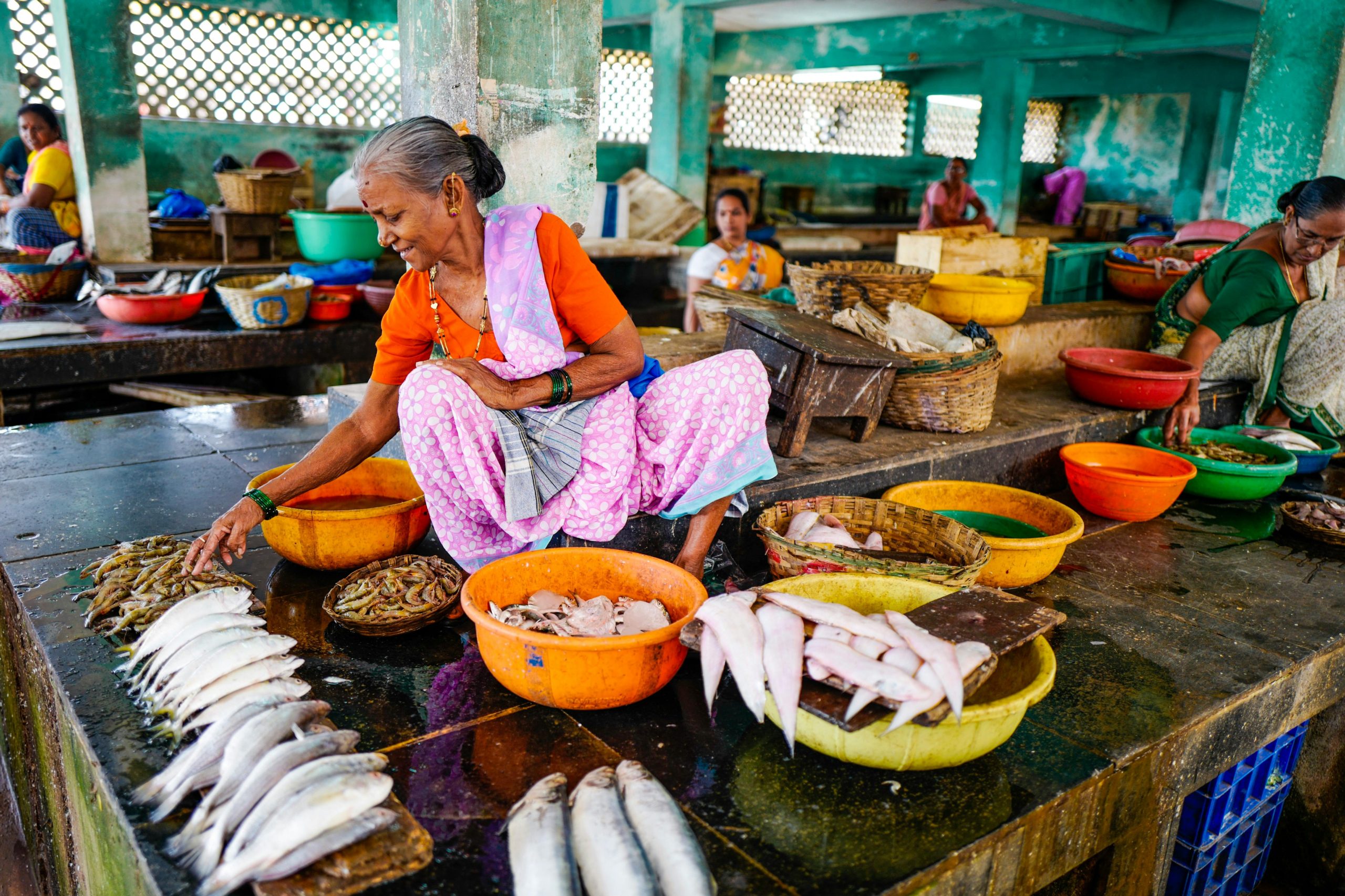
Remittances in IndiaIn India, remittances – money transfers from non-resident Indians (NRIs) to family members residing within their home country – are crucial to the nation’s economy and the overall reduction of poverty. As of 2023, India was ranked as the highest remittance recipient country in the world, with a total remittance inflow of $125 billion that year alone. Transfers have been received internationally, ranging from neighboring countries (Pakistan, Bangladesh) to distant Western nations (United States, United Kingdom). 

The Impact of Remittance

India’s extremely high population and political conflicts have subjected the country and its citizens to poverty for decades. When India gained independence from British Rule in 1947, the poverty rate was at an estimated 80%. Today, however, approximately 15% of Indian residents live in extreme poverty. Although this vast improvement may be accredited to the implementation of a full democracy, remittances have played a large role in driving internal growth.

NRIs have helped India combat poverty and greatly improve its GDP since the 1990s. Remittance money was one of the factors that prevented a serious recession following the Gulf War, which had damaged India’s trade with both the West and the Middle East.

Economic Initiatives

Since then, the continued flow of remittances has allowed banks and banking systems to improve significantly. Additionally, with NRIs being required to obtain income high enough to be able to sustain themselves and afford remittances, education has become one of the primary objectives of India’s continued development. Highlighting education has served to place a focus on schooling and reduce child labor, as children are deemed to be more useful as students overseas than as workers. 

Changing Public Policy

India has continued to encourage NRIs through public policy. The Emigration Act of 1983 was passed to protect the exploitation of Indian workers overseas for 18 specific countries and to assist them with travel, which gave them additional rights to make the process of sending money home even easier. More than 370,000 Indians used this Act in 2022 to emigrate to one of these 18 countries.

International Benefits

India can contribute to its sustainable development goals such as innovation because the amount of money earned via remittance is so high. Unlike many other countries, both the upper and lower classes can emigrate to a different country and succeed in sending money back to their families. NRIs serve as a boon to the United States in that many of them are highly skilled, highly educated workers. According to the Pew Research Center, NRIs tend to make more than double in salary in comparison to other nationalities [?]. 

Conclusion

Remittances in India play a large and positive part in India’s economy. They help Indians stay connected worldwide, and motivate travel, trade, and education. Remittance is vital to help keep the economy afloat, which the government has recognized through public policy.

– Varsha Pai
Photo: Pexels

February 18, 2024
https://borgenproject.org/wp-content/uploads/borgen-project-logo.svg 0 0 Jennifer Philipp https://borgenproject.org/wp-content/uploads/borgen-project-logo.svg Jennifer Philipp2024-02-18 06:45:412024-05-30 05:46:50Tackling Poverty With Remittances in India
Economy, Global Poverty

Addressing the Decline in the Madagascar Economy

Madagascar EconomyMadagascar is a large island country situated in the Indian Ocean. While its population is growing, one cannot say the same for its economy. The island nation is grappling with a dire economic crisis led by a troubling downturn in GDP. This article delves into the factors contributing to the unsettling decline in the Madagascar economy.

Political Instability and Economic Consequences

Madagascar has faced several political crises over the past few decades, leading to a lack of stable governance and consistent economic policies. From 2008-to 2013, the Malagasy government experienced the most extended period of political uncertainty. Consequently, this led to a lack of recognition from the global community. Since then, it has faced ongoing battles which have deterred foreign investors. Hence, the Madagascar economy has struggled to attract the foreign capital essential for development, causing a detrimental impact on GDP.

Agriculture

The country’s unique biodiversity and rich ecosystems have also suffered from economic decline. Madagascar is no stranger to environmental challenges, including deforestation and soil erosion. In 2022, Madagascar suffered from extreme droughts, which led to mass food insecurity for 1.6 million people. Since then, subsequent flooding and clones have left agriculture heavily impacted.

The decline in agricultural output, a critical component of Madagascar’s economy, has exacerbated natural disasters and environmental challenges. Reduced crop yields and disrupted farming practices have hit hard, leading to food scarcity and an increase in the cost of living for Malagasy citizens. 

The Global Economic Impact of COVID-19

The pandemic’s global reach has not spared Madagascar. The country’s economy relies heavily on exports, particularly in the textile and mining sectors. The slowdown of international trade and economic uncertainty stemming from the pandemic severely curtailed Madagascar’s economic growth. Reduced demand for exports and disruptions in supply chains resulted in a GDP of 7.1% and 9.8% income per capita. Approximately 1.8 million people in 2020 fell below the international poverty line.

Consequences of the Economic Downturn 

The steep decline in Madagascar’s GDP has triggered a host of consequences. A rise in poverty rates is one of the most pressing concerns, as livelihoods are threatened and access to basic necessities becomes increasingly challenging for the population. Social unrest is also rising due to economic desperation and political frustration. Furthermore, Madagascar is facing a growing humanitarian crisis as food insecurity deepens and access to health care becomes more limited.

Going Forward

The Madagascar economy as a result of the COVID-19 pandemic. Despite being enriched with abundant rare minerals, precious stones, fishing resources and extensive fertile land, the nation struggles with poverty. Even though Madagascar has great potential, it has not experienced substantial economic growth since gaining independence from France. 

The Madagascar Development Fund (MDF), which formally began in 2008, is a nonprofit organization that focuses on improving the everyday lives of people in Madagascar. As of 2017, the organization has funded 225 projects that helped improve health care and sanitation, education access, clean water and more.

With support and assistance from non-governmental organizations such as the MDF, the country can make gradual strides toward positive economic development.

– Sophie Higham
Photo: Flickr

December 16, 2023
https://borgenproject.org/wp-content/uploads/borgen-project-logo.svg 0 0 Lynsey 2 https://borgenproject.org/wp-content/uploads/borgen-project-logo.svg Lynsey 22023-12-16 11:56:502024-01-11 10:09:27Addressing the Decline in the Madagascar Economy
Economy, Global Poverty, Poverty Reduction

China and United States Support Venezuela’s Poverty Reduction Program

Venezuela's Poverty Reduction ProgramSupported by China’s International Poverty Reduction Center, President Nicolás Maduro of Venezuela announced Venezuela’s new poverty reduction program to combat inequality and tackle extreme poverty. The partnership came after President Nicolás Maduro’s trip to China earlier this year, in September, where the Venezuelan president met with President Xi Jinping in Beijing to develop economic ties. 

The result of the meeting led to the agreement of the “all-weather strategic partnership” between the two nations. These include the 31 new bilateral cooperation agreements focusing on developing the Venezuelan economy in various sectors such as oil, tourism and the renewed investment for the country’s national electric grid that has remained stagnant due to a lack of financial support. Moreover, the agreement will increase Venezuelan exports to China, such as avocados and coffee, to strengthen the nation’s economy. The launch of the new “Social Equality and Happiness Mission” will be closely supported by China’s International Poverty Reduction Center, with President Maduro emphasizing that Venezuela’s poverty reduction program will adapt to Venezuela’s culture and needs. 

Poverty and the Economic Crisis in Venezuela

The decision came in response to the country’s increasing economic decline and subsequent severe rise in poverty. In 2010, 32.5% of Venezuela’s population lived in poverty, whereas 8.8% lived in extreme poverty. However, as the decade progressed, the number of Venezuelans suffering from poverty climbed to 92.3%, and those suffering from extreme poverty made up 63.7% of the country’s population following trade sanctions against Venezuelan state oil companies from the United States.

The sanctions proved detrimental to the Venezuelan economy as it remained dependent on prominent oil exports. This contributed to the nation’s hyperinflation and increased national debt to 159.47% of Venezuela’s Gross Domestic Product (GDP). As of 2021, while 90.82% of the nation’s population suffer from poverty, extreme poverty impacts 67.97% of Venezuelans, which means that food shortages impact six out of 10 households across the nation and a drastic increase in the number of Venezuelan refugees fleeing to neighboring Latin American countries such as Colombia. In 2023, the minimum wage in Venezuela is at 130 bolívares, equivalent to $5. This drastic cut in wages and social benefits led to widespread strikes from workers in public sectors, particularly the education sector.

Financial Support to Venezuela

Therefore, the worsening crisis in Venezuela has led to increased foreign aid. In addition to China, the United States has offered substantial financial support for the South American nation. As of March 17, 2023, the United States has announced an additional $171 million to their existing support since 2017 in an attempt to address the humanitarian crisis.

Among the new budget announced, $83.4 million will provide emergency food assistance. Furthermore, $31 million will ensure the country’s development through bridging vital relationships with neighboring states such as Colombia and Ecuador. Moreover, $56.1 million will be dedicated to building integration programs, focusing primarily on marginalized groups such as women and children.

As of 2023, the United States has supported Venezuela in poverty reduction efforts, such as Venezuela’s poverty reduction program, through a total of $2.8 billion investment into essential needs such as access to food, water, health care and rebuilding the country’s economy.

– Remigius Kim
Photo: Pixabay

December 15, 2023
https://borgenproject.org/wp-content/uploads/borgen-project-logo.svg 0 0 Yuki https://borgenproject.org/wp-content/uploads/borgen-project-logo.svg Yuki2023-12-15 07:30:592023-12-11 14:51:47China and United States Support Venezuela’s Poverty Reduction Program
Economy, Global Poverty

Instability in Ghana’s Economy Impacts Poverty

Ghana's Economy
Ghana is a western African country situated on the coast of the Gulf of Guinea. More than half of the country’s GDP comes from the services sector, one-fifth comes from agriculture, and about one-fourth lies in industry. Though the nation possesses many major resources, like coal and gold, Ghana’s economy is suffering from a high debt burden and inflation. Thus, working-class individuals and those in poverty suffer as the prices of common goods rise, making it difficult for people to purchase necessities. According to the World Bank, “Simulations suggest that, in 2022, nearly 850,000 Ghanaians were pushed into poverty due to rising prices and the loss in purchasing power.”

Inflation in Ghana

In July 2023, Ghana experienced a significant inflation rate of 43.1%, marking an increase from the previous four months. The primary driver of this inflation was the soaring food prices, with food inflation rising from 54.2% to 55%. Additionally, non-food prices also saw an increase.

Furthermore, Ghana is grappling with a historically high level of public debt, nearly equivalent to the country’s Gross Domestic Product (GDP). In response to these pressing economic challenges, Ghana sought and secured a $3 billion bailout loan from the International Monetary Fund (IMF) in December 2022.

Despite Ghana’s economic struggles, inflation has improved slightly since last year’s peak. In 2022, the cedi, Ghana’s local currency, lost more than half its value compared to the U.S. dollar. To cope with inflation, the Bank of Ghana increased interest rates, which hurt businesses and households that relied on borrowed funds. Consumers and businesses are still suffering from the ramifications of last year’s economic catastrophe.

Impact on Civilians

Citizens are facing heightened financial challenges as essential commodity prices continue to rise. Lower-income families grapple with the increasing costs of rent, school fees and food. Businesses, too, encounter difficulties as fluctuating prices for goods make investments more uncertain. This economic instability impacts various aspects of people’s lives.

Poor government spending has also resulted in mounds of debt. Government entities now owe thousands of contractors money, which puts those workers at a loss. For example, many teachers face months of back pay, making it even more difficult to purchase everyday goods. Inflation has also diminished consumers’ purchasing power, shown through the prices of goods like maize: 159 kg cost 300 cedis in 2021, compared with the current price of 650 cedis. Maize is a prime example of a staple grain in Ghana that has increased significantly in price.

Causes of Economic Struggles

There are many contributing factors to Ghana’s economy, but the nation was not always struggling. When President Nana Akufo took power in 2017, inflation decreased significantly from 15.4% to 7.9%. By 2019, Ghana had the world’s fastest-growing economy and was described by the World Bank as “Africa’s shining star.” That same year, Ghana’s budget deficit was reduced to 5% of the GDP.

Some argue that the COVID-19 pandemic and Russia’s invasion of Ukraine drove inflation. However, many economists attribute much of the issue to poor government decisions, including excessive borrowing from the Bank of Ghana.

Hope for the Future

Numerous organizations are actively engaged in addressing Ghana’s economic challenges. More than 24 aid groups, which include Oxfam, Christian Aid, Caritas Ghana, ActionAid and Debt Justice, have collaboratively called on international creditors to reduce a portion of Ghana’s debt. In a joint letter signed by these organizations, they highlight the direct impact of the debt crisis on the people of Ghana. Ghana’s substantial debt burden has led to inflated prices, which, in turn, have made it increasingly challenging for many families to meet their basic needs.

The U.S. is also doing its part to assist Ghana. In March 2023, Kamala Harris announced that the U.S. pledged $100 million in assistance. The government has also requested another $139 million from Congress for aid to Ghanaians. The aim is to put these donations into efforts to lower some of the costs of commodities like food and fuel.

While Ghana’s economy is still suffering, the fact that inflation is lower this year than last gives hope for the future.

– Lindsey Osit
Photo: Pexels

October 21, 2023
https://borgenproject.org/wp-content/uploads/borgen-project-logo.svg 0 0 Kim Thelwell https://borgenproject.org/wp-content/uploads/borgen-project-logo.svg Kim Thelwell2023-10-21 07:30:102023-10-17 14:18:00Instability in Ghana’s Economy Impacts Poverty
Page 17 of 66«‹1516171819›»

Get Smarter

  • Global Poverty 101
  • Global Poverty… The Good News
  • Global Poverty & U.S. Jobs
  • Global Poverty and National Security
  • Innovative Solutions to Poverty
  • Global Poverty & Aid FAQ’s
Search Search

Take Action

  • Call Congress
  • Email Congress
  • Donate
  • 30 Ways to Help
  • Volunteer Ops
  • Internships
  • Courses & Certificates
  • The Podcast
Borgen Project

“The Borgen Project is an incredible nonprofit organization that is addressing poverty and hunger and working towards ending them.”

-The Huffington Post

Inside The Borgen Project

  • Contact
  • About
  • Financials
  • President
  • Board of Directors
  • Board of Advisors

International Links

  • UK Email Parliament
  • UK Donate
  • Canada Email Parliament

Get Smarter

  • Global Poverty 101
  • Global Poverty… The Good News
  • Global Poverty & U.S. Jobs
  • Global Poverty and National Security
  • Innovative Solutions to Poverty
  • Global Poverty & Aid FAQ’s

Ways to Help

  • Call Congress
  • Email Congress
  • Donate
  • 30 Ways to Help
  • Volunteer Ops
  • Internships
  • Courses & Certificates
  • The Podcast
Scroll to top Scroll to top Scroll to top