• Link to X
  • Link to Facebook
  • Link to Instagram
  • Link to TikTok
  • Link to Youtube
  • About
    • About Us
      • President
      • Board of Directors
      • Board of Advisors
      • Financials
      • Our Methodology
      • Success Tracker
      • Contact
  • Act Now
    • 30 Ways to Help
      • Email Congress
      • Call Congress
      • Volunteer
      • Courses & Certificates
      • Be a Donor
    • Internships
      • In-Office Internships
      • Remote Internships
    • Legislation
      • Politics 101
  • The Blog
  • The Podcast
  • Magazine
  • Donate
  • Click to open the search input field Click to open the search input field Search
  • Menu Menu

Archive for category: Economy

Information and stories about economy.

Economy, Global Poverty, Government

Uganda’s Economic Growth in the Face of Global Challenges

Uganda’s Economic Strength in the Face of Global ChallengesUganda’s economic landscape has faced significant global challenges over the past few years, yet the country has demonstrated notable resilience and potential for sustained growth. Despite external pressures such as high commodity prices, global inflation and the repercussions of geopolitical events, Uganda has managed to maintain steady economic growth.

Economic Growth and Performance

In 2024, Uganda’s economy is expected to grow by 6.0%, a testament to its resilience and robust economic strategies. This growth projection follows a substantial 6.3% increase in real GDP in 2022, reflecting the country’s capacity to bounce back from economic downturns. The primary drivers of this growth have been the agriculture and services sectors. Agriculture, particularly food crops, has thrived due to favorable weather conditions and government initiatives aimed at boosting productivity and sustainability.

The services sector has also shown strong growth, especially in trade, repairs and health services. For example, as more Ugandans move to urban areas, there is an increasing need for retail services, which has led to the proliferation of shopping malls, supermarkets and smaller retail outlets. Improved transportation networks and better logistics support this growth, making it easier for businesses to distribute goods across the country. 

Inflation and Monetary Policy

Inflation in Uganda peaked in late 2022, driven by global supply chain disruptions and high commodity prices. However, it has since been on a declining path, due to the Bank of Uganda’s (BOU) monetary policy. The BOU has implemented measures aimed at stabilizing inflation around 5%, which include adjusting interest rates and using open market operations to control liquidity. The proactive approach aims to mitigate economic shocks and prevent unnecessary volatility in monetary policy reactions. 

External Financial Support and Debt Management

A significant challenge Uganda face is its reliance on external financing, particularly in light of global monetary tightening and rising borrowing costs. However, Uganda’s external debt profile is relatively favorable, as it is predominantly owed to multilateral creditors such as the World Bank, IMF and African Development Bank. These institutions offer concessional loans with lower interest rates and longer repayment periods, which reduces the risk associated with commercial loans. Increasing domestic revenue through improved tax collection is crucial for financing development projects and maintaining debt sustainability. Effective tax policies and administration could further enhance government revenue, reduce dependence on external debt and provide more resources for essential public services and infrastructure projects​.

Sectoral Contributions and Structural Challenges

Uganda’s economic growth has been uneven across different sectors. While agriculture and services have performed well, the industrial sector has struggled, particularly in construction. The construction sector has faced challenges such as high costs of materials, regulatory hurdles and insufficient infrastructure investment. Additionally, Uganda faces structural challenges like the impact of climate change, limited fiscal space and stagnant productivity. These ongoing challenges are compounded by high local lending rates, which stifle business growth and innovation. 

Investment and Development Initiatives

International organizations like the World Bank, International Finance Corporation (IFC) and Multilateral Investment Guarantee Agency (MIGA) are actively supporting Uganda’s development across various sectors. These organizations invest in projects that aim to diversify the economy, support smallholder farmers and improve access to finance and jobs. For example, initiatives in the agricultural sector focus on enhancing productivity through modern farming techniques and access to markets. In the financial sector, efforts are being made to increase access to credit for small and medium-sized enterprises (SMEs), which are vital for job creation and economic diversification.

Strategic and Policy Recommendations

Enhancing coordination between fiscal and monetary authorities is essential for maintaining economic stability. For instance, aligning fiscal policies with monetary policy objectives could help control inflation and ensure sustainable public finances. Additionally, Uganda should focus on boosting productivity in established sectors like agriculture while exploring new growth avenues such as value-added production and export diversification. Investing in infrastructure, education and health services is critical to improve human capital and support long-term economic growth. Climate change adaptation and transition financing present opportunities that Uganda can potentially capitalize on to bolster its external balance position. 

Looking Ahead

Uganda’s steady economic growth, driven by agriculture and services sectors, reflects its resilience amid global challenges. Effective monetary policies have stabilized inflation, creating a favorable environment for recovery. External financial support and strategic investments in infrastructure and education aim to enhance Uganda’s economic stability and long-term growth prospects. Addressing structural challenges and boosting productivity remain crucial for sustaining this progress.

– Sofia Reynoso

Sofia is based in Tampa, FL, USA and focuses on Business and New Markets for The Borgen Project.

Photo: Flickr

July 17, 2024
https://borgenproject.org/wp-content/uploads/borgen-project-logo.svg 0 0 Precious Sheidu https://borgenproject.org/wp-content/uploads/borgen-project-logo.svg Precious Sheidu2024-07-17 01:30:412024-07-16 01:06:30Uganda’s Economic Growth in the Face of Global Challenges
Conflict, Economy, Global Poverty

Ben & Jerry’s: Divesting from Israel

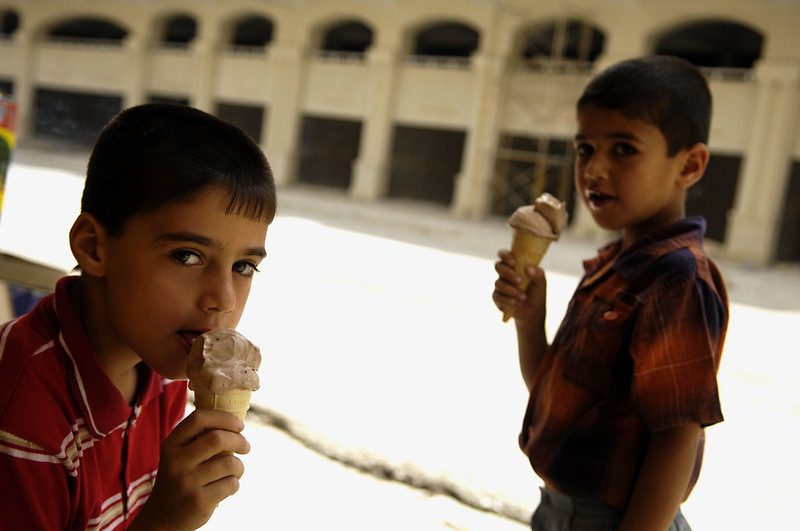
Divesting from IsraelBy divesting from Israel, Ben & Jerry’s did more than end the sale of ice cream in the occupied Palestinian territories. As the leading brand, Ben & Jerry’s is the face of the U.S. ice cream – a $19 billion U.S. market. Its divestment not only signals a significant economic impact but also a strong ethical stance in the human rights discourse at large. It bolsters Palestinian advocacy efforts and increases international pressure for policy reform.

“We believe it is inconsistent with our values for our product to be present within an internationally recognized illegal occupation,” wrote Ben & Jerry’s in a statement. Corporate divestments from Israel not only shift significant financial resources but also set precedents for other investors and reflect growing societal concerns about corporate responsibility in geopolitical conflicts.

What Is Divestment?

Divestment is the process of selling off assets for either financial, ethical or political reasons. In the context of the Israel-Hamas war, divestment refers to the withdrawal of investments from companies or entities operating in Israel or the occupied Palestinian territories.

Anyone who has watched the news in recent months has seen students at major universities calling for divestment. Protestors at Columbia University, for example, have a long list of divestment targets, demanding the college disclose and divest from companies like Amazon, Google and Airbnb.

Other major corporations, including Hudson’s Bay Company and UniCredit, have also announced divestments. To understand the significance of major corporate divesting from Israel, let’s consider Ben & Jerry’s as a case study.

Impacts of Ben & Jerry’s Divesting from Israel

Ben & Jerry’s divestment from the occupied Palestinian territories represents a strong ethical stance, influences public discourse, interacts with complex legal and political frameworks and applies economic pressure. This move highlights the potential for businesses to impact global human rights and policy issues through their investment decisions.

The Ben & Jerry’s divestment has placed economic pressure on Israel with an impact on both U.S. and Israeli economies and contributed to a broader social and political discourse around Israel’s occupation of Palestinian territories.

Economic Pressure on Israel

Ben & Jerry’s divestment from Israeli-occupied Palestinian territories puts economic pressure on Israel by challenging the legitimacy of its occupation and potentially promoting other companies or countries to reconsider their business ties.

The tangible economic pressure from divestment involves a combination of direct financial losses, disruptions in supply chains, impacts on local employment, stock market reactions, regulatory costs and changes in consumer behavior. Collectively, these pressures incentivize changes in policies and practices, aligning business operations with human rights considerations.

Impact on Israel and the US Markets

In Israel, the decision led to increased support for local ice cream brands and alternative suppliers. Local impacts include the reallocation of market share within Israel’s economy, particularly in the affected territories. In the U.S., depending on Ben & Jerry’s political affiliation, many consumers have supported and boycotted the company’s decision, leading to temporary influxes or declines in sales within certain demographics or regions.

The shifts in consumer preferences due to the controversy could have led to short-term changes in market share within the premium ice cream segment. In the past year, Ben & Jerry’s has lost nearly $1 billion in sales. This has allowed competitors like Häagen-Dazs, Baskin-Robbins and smaller artisanal brands to see an uptick in sales from consumers boycotting Ben & Jerry’s.

State-Level Regulations That Penalize Companies

The Israeli government lobbied states like North Carolina with anti-BDS (Boycott, Divestment, Sanctions) laws, which penalize companies that boycott Israel, potentially impacting business relations and financial interests. These state-level regulations prohibit state entities from contracting with or investing in companies that participate in boycotts against Israel or Israeli-controlled territories.

Broader Economic and Political Reactions

Human Rights Watch praised Ben & Jerry’s decision to stop selling ice cream in Israeli settlements in the occupied West Bank, urging the U.S. to follow suit in response to human rights abuses. The move by Ben & Jerry’s prompted reactions from various political and business entities. Israeli officials and pro-Israel groups in the U.S. pushed back strongly, labeling the move as economic terrorism and antisemitic. They warned of broader economic ramifications, including potential boycotts of Unilever products and strained business relations between U.S. entities and the company​.

​​In summary, Ben & Jerry’s divestment from the occupied Palestinian territories not only applies economic pressure but also reflects a strong moral position, influences public discourse and interacts with complex legal and political frameworks in the name of human rights advocacy.

– Sheridan Smith

Sheridan is based in Madrid, Spain and focuses on Business and New Markets for The Borgen Project.

Photo: Flickr
July 16, 2024
https://borgenproject.org/wp-content/uploads/borgen-project-logo.svg 0 0 Lynsey 2 https://borgenproject.org/wp-content/uploads/borgen-project-logo.svg Lynsey 22024-07-16 07:30:382024-07-16 00:50:45Ben & Jerry’s: Divesting from Israel
Economy, Global Poverty, Health

Investing in R&D for Diseases in Africa

Diseases in AfricaThe world has become a global village and events in one part of it affect everyone in many ways. Depending on the event, the effects can be good or bad. The African continent is of immense significance. Neglected diseases like HIV, tuberculosis, malaria and other tropical diseases are not just problems in Africa; they are global challenges. Africa currently accounts for 20% of the global disease burden and that means both the loss of 630 million lives and $2.4 trillion in economic value yearly.

The United States (U.S.), as a global leader, holds a key position in global health security. It can further strengthen this position by allocating investments in Africa, particularly in research and development (R&D) for these diseases. This strategic move will contribute to global health and boost the U.S. economy, creating new jobs and fostering innovation. Recent research published by the Global Health Technologies Coalition (GHTC) has proven that investment from the U.S. can impact not only global health but also boost the U.S. economy.

The US Investments in Health R&D in Africa

The U.S. investments are vital to supporting the development of new drugs for diseases like malaria, tuberculosis, HIV and Ebola, which are among the most pressing health challenges in Africa and globally. For instance, U.S. investment in the development of antiretroviral drugs has significantly reduced the mortality rate of HIV/AIDS in Africa, saving millions of lives. This is a testament to the potential impact of the U.S. investments in health R&D in Africa.

In the last two decades, the U.S. has invested $46 billion in R&D for neglected diseases like HIV, malaria, tuberculosis and other health issues. In 2022, this investment was 0.21% of its gross domestic product (GDP). The investment helped develop 12 products for tuberculosis and 11 for malaria. The development of Pretomanid has revolutionized tuberculosis treatment. It also works for drug-resistant cases, reducing the treatment duration from 18 months to 6 months. Using it for all drug-resistant cases can save up to $740 million annually.

Two drugs, Cabotegravir and Dapvirine, developed with U.S. investments, have the potential to revolutionize HIV prevention and treatment. Many other products against different diseases are in the pipeline, also developed with the country’s investment.

Boosting the US Economy

These investments have boosted the U.S. economy and benefited U.S. companies and people in more ways than one might think. Here are some key points describing how these investments have contributed to the growth of the U.S. economy:

  • Investments in R&D for diseases have created 600,000 jobs in the U.S. 
  • The investments resulted in an additional $104 billion in the U.S. economy.
  • The investments on the governmental level have enhanced private sector investments in R&D for global health as well and $1 will result in an additional $8 investment in the private sector. These figures imply that the U.S. economy will ultimately gain an investment advantage of $102 billion.

These investments will result in future products worth $255 billion, further boosting the U.S. economy.

Final Thoughts

The U.S. has financial power and moral authority globally. More investment in R&D for diseases can improve life expectancy in Africa, strengthen the economies of partner countries, boost the U.S. economy and protect Americans’ health. The world has become a global village and diseases can spread quickly, creating a potential danger for everyone. Cases of malaria and leprosy have emerged in the U.S. in the recent past.

R&D of treatments and prevention products can help control the emergence of diseases in the U.S. and globally secure the financial future of thousands of Americans through jobs and boost a strong U.S. economy. In our current circumstances, allocating resources toward R&D for diseases in Africa is crucial. This investment can revitalize the U.S. economy during these challenging times.

– Maria Waleed

Maria is based in Yokohama, Kanagawa, Japan and focuses on Good News and Global Health for The Borgen Project.

Photo: Pexels

July 10, 2024
https://borgenproject.org/wp-content/uploads/borgen-project-logo.svg 0 0 Lynsey 2 https://borgenproject.org/wp-content/uploads/borgen-project-logo.svg Lynsey 22024-07-10 07:30:482024-07-10 04:59:48Investing in R&D for Diseases in Africa
Economy, Global Poverty, Technology

Improving Waste Management in Southeast Asia

Waste Management in Southeast AsiaThe growth of Southeast Asia in recent decades has been startling. This growth has improved the economies and living conditions in the region and has contributed to reduced poverty rates. However, the rapid expansion of industry and population size has resulted in huge waste production. Six of the top 10 countries with the highest polluting levels are in Southeast Asia. The countries have inadequate waste management systems and are not capable of handling large quantities of waste.

Waste Management in Southeast Asia

Currently, landfills are used, which are not sustainable due to the increasing amount of land mass needed daily. The region is the fastest-growing waste generator among the East Asian and Pacific regions. It has produced approximately a fifth of all waste produced globally. Southeast Asia is projected to produce an additional 300 million tonnes by 2030. The region is the main global center for waste imports after China banned unclean waste imports, adding to the overall tonnage of waste. By 2050, plastic waste is projected to be one-tenth of all waste produced, reaching 12,000 million tonnes.

The United Nations Environmental Assembly has identified pollution as the third great environmental crisis of our time. It stresses the need for improved waste management in the Association of Southeast Asian Nations (ASEAN). For ASEAN, investing in sustainable processes is a must if it is to continue growing and improving the livelihoods of its population. The sustainability industry is an area of huge interest to investors as it is in its early stages of development.

The Problem with Waste

Poor waste management causes a multitude of problems, including health risks, pollution, resource depletion, economic losses and environmental degradation. Harmful diseases are spread in areas of inadequate waste management, threatening public health. Economic losses occur as resources are used inefficiently to handle the waste. Subsequently, governments have to act reactively to mitigate the consequences. These consequences of ineffective waste management disproportionately impact people experiencing poverty, who live in the most polluted areas and who feel the effects of poor health and environmental degradation the most.

Finding Solutions with Technology

There is a need for ASEAN to implement more effective waste management strategies to address the consequences laid out above and to promote sustainable development. Innovation and technology are being used to tackle the waste management problem in ASEAN. The gap in the market has drawn sustainable start-ups and investors to the region. Here are three companies that are using technology to improve waste management in ASEAN:

Rezbin

Based in Iloilo in the Philippines, Rezbin won the 2024 ASEAN start-up award. It targets the habit of recycling, providing bins at certain locations where plastic can be donated. Rezbin uses technology to track plastic donations and reward individuals who do. Rezbin’s CEO has stated that it is researching other tech solutions for the waste disposable industry. They hope to move into different areas of the waste value chain in the future.

Octopus

Octopus is a circular economy start-up based in Indonesia. It is a reverse logistics platform that producers can use to track and collect used waste to prevent it from ending up in landfills. The company ensures waste can be collected efficiently, providing incentives for manufacturers to collect and recycle their waste. Octopus hires people who have previously tried to make a living picking plastics for recycling and provides them with a monthly salary. Octopus benefits the ecosystem and individual livelihoods simultaneously.

Magorium

Based in Singapore, Magorium uses technology to convert plastic waste into a material called NEWBitumen, which can be used to build and pave roads. This material can be made from all types of plastic, clean or unclean, reducing the masses of unclean plastic ending up in landfills and cutting out the need to clean all plastics. Magorium provides businesses with the ability to get rid of plastics sustainably without them ending up in landfills, incinerators or the ocean.

The Future

Investment in improving waste management in ASEAN can lead to better outcomes for the region’s economies. The cost of uncollected waste is approximately five times higher than it would be to implement a sustainable waste management system. Start-ups using sustainable technology can help economies implement sustainable waste management systems and create a competitive market focused on sustainable development and waste reduction.

Revenue made from more efficient systems can be reinvested in the local economy and into initiatives tackling poverty. Overall, improving ASEAN’s ability to tackle its waste issue can benefit the poorest of society, who suffer most from the consequences of poor waste management.

– Lauren Alkhalil

Lauren is based in London, UK and focuses on Technology and Solutions for The Borgen Project.

Photo: Flickr

July 10, 2024
https://borgenproject.org/wp-content/uploads/borgen-project-logo.svg 0 0 Lynsey 2 https://borgenproject.org/wp-content/uploads/borgen-project-logo.svg Lynsey 22024-07-10 01:30:142024-07-09 05:58:10Improving Waste Management in Southeast Asia
Developing Countries, Economy, Global Poverty

Poverty in Honduras

Poverty in HondurasHonduras, a country rich in culture and natural beauty, has long faced the challenge of poverty. More than half of its population lives below the poverty line, grappling with issues such as unemployment, inadequate health care and lack of education. Frequent natural disasters that disrupt lives and livelihoods further worsen these issues. Addressing these challenges requires a comprehensive approach that includes economic growth, various social programs and strong institutions.

Economic Growth and Structural Reforms

Economic growth is essential for reducing poverty. In 2023, Honduras saw GDP growth of about 3.5%, slightly down from 4% in 2022, mostly due to a drop in textile demand from the United States. This trend is expected to continue, with projections showing a 3.4% growth in 2024 and 3.3% in 2025. Despite the decline in exports, household consumption and investment have been supported by steady remittances and credit growth.

To boost economic growth, Honduras needs to improve productivity and competitiveness. This includes investing in infrastructure, making the business environment friendlier and supporting small and medium-sized enterprises (SMEs). For instance, the Rural Competitiveness Project (COMRURAL) by the World Bank has significantly improved the productivity and market links for small rural producers, benefiting more than 14,000 families and enhancing financial inclusion for small farmers, according to the World Bank.

Social Protection and Human Capital Development

Investing in human capital is crucial for long-term poverty reduction. Honduras has made progress in education and health, but challenges remain. According to its website, the World Bank’s Education Quality, Governance and Institutional Strengthening Project has expanded school coverage in disadvantaged areas, increasing access to preschool education and providing training and resources for volunteer teachers.

The World Food Programme (WFP) has been instrumental in improving nutrition and food security. In March, the WFP’s school feeding assistance reached 6,598 children with 38 metric tons of food, supported by private partners like Fundación Ficohsa. The WFP’s nutritional assistance program also provided essential food items to 650 vulnerable individuals, including young children and pregnant or breastfeeding women.

Natural Disasters and Governance

Honduras is highly vulnerable to natural disasters, which worsen poverty. The World Bank has supported the country in disaster risk management and enhancing resilience. After hurricanes Eta and Iota, World Bank-financed projects helped rehabilitate and reconstruct affected areas, benefiting about 300,000 people, according to its website.

Improving governance and institutional quality is key to reducing poverty. Transparency and accountability in public administration are critical. The World Bank has helped the Honduran government update its poverty measurement methodology and improve the capacity of the National Statistics Institute, allowing for better targeting of social protection programs, according to its website.

Inclusive Economic Development and Job Creation

Creating opportunities for vulnerable populations is crucial for fostering inclusive growth. The World Bank is actively supporting Honduras through loans, grants, technical assistance and knowledge sharing. This approach is focused on sustainable poverty reduction. Its Country Partnership Framework (CPF) aims to build a “green, inclusive and resilient economy” by improving human development, promoting economic growth and job creation and bolstering resilience to natural hazards, according to its website.

Currently, the World Bank has committed $905 million across 12 investment projects and one development policy operation in Honduras, including $35 million in grants from programs such as the Global Agricultural and Food Security Program (GAFSP).

Since the onset of the pandemic, the World Bank has assisted Honduras with initiatives such as a $20 million emergency COVID-19 response, a $119 million standby loan and investments in disaster preparedness and health services, according to its website.

Projects also focus on improving education quality, urban water supply, disaster resilience and reconstruction efforts following hurricanes Eta and Iota. Despite progress, ongoing challenges emphasize the need for continued efforts to ensure sustainable development in Honduras.

Challenges and Future Initiatives

Despite these efforts, significant challenges remain. The WFP faces a funding gap of $83.4 million over the next six months (April to September 2024). In March 2024, approximately 1.8 million Hondurans faced a food security crisis or employed above-crisis-level food-based coping strategies. This highlights the urgent need for targeted interventions to address food insecurity. Additionally, support is needed for the most vulnerable to hunger and malnutrition, according to the WFP Country Brief.

In response to these challenges, the WFP, in partnership with the Swedish International Development Cooperation Agency (SIDA), conducted a strategic field visit to Choluteca and La Paz departments. Following this visit, both organizations committed to a collaborative emergency response program scheduled for 2024.

Reducing poverty in Honduras requires an approach that includes economic growth, social protection, institutional reforms and resilience to changing weather patterns. The combined efforts of the Honduran government, international organizations like the International Monetary Fund (IMF) and World Bank and private partners have laid a foundation for sustainable poverty reduction. Continued focus on these areas will be essential in achieving long-term progress and improving the lives of the Honduran people.

– Francheska Duarte-Santos

Francheska is based Durham, NC, USA and focuses on Business and Technology for The Borgen Project.

Photo: Unsplash

July 7, 2024
https://borgenproject.org/wp-content/uploads/borgen-project-logo.svg 0 0 Jennifer Philipp https://borgenproject.org/wp-content/uploads/borgen-project-logo.svg Jennifer Philipp2024-07-07 03:00:532024-07-07 00:23:27Poverty in Honduras
Developing Countries, Economy, Global Poverty

The Rapid Economic Development in Ethiopia

Economic Development in EthiopiaEthiopia is a low-income country in the Horn of Africa. It is one of the world’s oldest countries, but the territorial borders have changed multiple times during its existence. The country has a history of conflict and war.  In 2020, a civil war broke out in the country, which lasted for two years. Not long before this war started, the long-lasting conflict with Eritrea ended. Ethiopia also has a history of famine and poverty. However, in the last few years, the economic development in Ethiopia has been booming and the economy continues to grow.

About Poverty in Ethiopia

Ethiopia is one of the poorest states in Africa and the second-most populated country after Nigeria. According to the United Nations Development Programme (UNDP), approximately 68% of Ethiopia’s population was multidimensionally poor in 2021. Poverty has various adverse effects on the country, including the prevalence of serious diseases.

The population is highly susceptible to diseases such as malaria, HIV, tuberculosis and noncommunicable diseases (NCDs). In 2019, NCDs caused 43% of deaths in Ethiopia. Furthermore, its average gross domestic product (GDP) per capita is $1,028 as of 2022 and a significant portion of the population struggles to access an adequate food supply. This widespread food insecurity in Ethiopia is attributed to overall poverty, droughts and past conflicts, among other factors.

Economic Growth

Ethiopia is experiencing rapid economic growth, with an impressive 7.2% increase in the 2022/23 fiscal year. The country has made significant progress in reducing poverty. Between 1995 and 2015, the percentage of Ethiopians living below the international poverty line decreased from 69% to 27%. The list below showcases the main reasons why Ethiopia’s economic development is booming:

  1. In 2018, the Ethiopian government launched an Urban Institutional and Infrastructure Development program. The program’s goals are to promote structural and economic transformation through increased productivity, build resilience and inclusiveness, support institutional accountability and confront corruption. The program, which will end in July 2024, has improved the living conditions for at least 6.6 million Ethiopians living in the countryside.
  2. Agriculture is an essential driver of economic development in Ethiopia. The industry accounts for 40% of Ethiopia’s GDP and an estimated 75% of the country’s workforce finds itself in this field. The government has set a plan to replace wheat imports with local production. It has introduced farming techniques that allow wheat to be harvested twice a year. By 2022, Ethiopia had become completely self-sufficient in producing wheat for its inhabitants. In the same year, it made more than one million tons of surplus, which it exported. The wheat initiative has been a great success.
  3. Due to the rapidly growing population, the government is facing challenges in creating enough jobs. Small and medium-sized enterprises play a crucial role in the Ethiopian economy. Therefore, the government has begun to focus on supporting small and medium-sized businesses as part of its plan to create three million more jobs annually.
  4. Some of the elements mentioned are part of the government’s Homegrown Economic Reform Agenda. This is an economic reform that was launched in 2021 and focuses on:
    • Ensuring macroeconomic stability to sustain the rapidly growing economic growth.
    • Rebalancing the public and private sector’s role in the economy.
    • Unlocking new and existing potential.

Looking Forward

In January 2024, the leaders of Ethiopia and Somaliland signed a memorandum of understanding. Ethiopia, which is landlocked, will be allowed to use Somaliland’s port for commercial traffic. In return, Somaliland will get a share of Ethiopia Airlines. This deal has irritated Somalia, which considers Somaliland to be part of its territory. However, if or when this deal is set in motion, Ethiopia’s economic development will likely reach new heights.

– Sigrid Nyhammer

Sigrid is based in London, UK and focuses on Politics for The Borgen Project.

Photo: Unsplash

July 7, 2024
https://borgenproject.org/wp-content/uploads/borgen-project-logo.svg 0 0 Lynsey 2 https://borgenproject.org/wp-content/uploads/borgen-project-logo.svg Lynsey 22024-07-07 01:30:272024-07-07 14:27:33The Rapid Economic Development in Ethiopia
Business, Economy, Global Poverty

BPO Industry Lifts Philippine Population from Poverty

BPO Industry Lifts Philippine Population from PovertyIn recent years, the Philippines has experienced an economic resurgence, a significant shift from its prolonged economic struggles post-World War II. Historically, since the 1960s, a series of political regimes contributed to bleak economic prospects. Economic disparity widened significantly, with the rich getting richer and the poor facing increasing desperation. This disparity stemmed largely from an agrarian economy in which farmers, who did not own their lands, had to pay exorbitant rents to landowners. The introduction of the Business Process Outsourcing (BPO) industry has played a crucial role in altering this economic landscape.

The Feudal Legacy

The Philippines, often labeled a democracy, functioned more like a feudalistic society where the landed gentry controlled the economy and its tenants. This structure left the majority of the population either farming or working menial jobs, with minimal economic prospects and limited to earning only minimum wage. However, the early 2000s marked a significant shift when the Philippines opened its borders to international companies seeking a more affordable workforce.

The BPO Industry’s Impact

A significant challenge in the Philippines has been the scarcity of stable jobs, with many Filipinos reporting unstable job statuses or complete unemployment. However, the advent of the BPO industry has markedly reduced the unemployment rate. This industry has not only provided jobless individuals with new employment opportunities but also enhanced the purchasing power of the overall population.

International Career Opportunities

Before the proliferation of BPO companies in the Philippines, opportunities for Filipinos to work for international firms were limited, often requiring them to become overseas foreign workers to earn higher wages. BPO companies have changed this dynamic by providing Filipinos the opportunity to earn international wages without leaving the country. Additionally, these companies offer career paths with global firms, allowing employees to advance professionally within their home country.

Economic Revitalization

According to the World Bank, traditionally, only the upper and middle classes could afford a college education, limiting access to more lucrative jobs to a small segment of society. However, the emergence of BPO companies has transformed employment opportunities. The Philippines, known for its high percentage of English speakers, has become an ideal location for BPO operations. These companies typically do not require college degrees, instead prioritizing proficiency in English and basic computer skills. This shift has allowed a broader segment of the population, already literate and motivated, to secure employment, support their families and contribute effectively to their employers, thus expanding economic opportunities beyond the traditionally educated elite.

Before the BPO boom, a substantial portion of the population possessed minimal buying power, with many families reliant on a single source of low income. The introduction of BPO jobs provided higher wages, enhancing the economic strength of individual households. This increase in income allowed families to spend, invest and save more, stimulating demand for products and services and invigorating the national economy.

Looking Ahead

The rise of the BPO industry looks set to alter the economic landscape in the Philippines, providing stable employment opportunities and lifting many out of poverty. This shift could not only improve wages but also facilitate broader access to international careers without requiring emigration. The continued growth of the BPO sector offers a path toward sustained economic development, enhancing the quality of life for countless Filipinos and strengthening the nation’s overall economic resilience.

– Neil Misola

Neil is based in Kitchener, Ontario, Canada and focuses on Global Health and Politics for The Borgen Project.

Photo: Pexels

July 4, 2024
https://borgenproject.org/wp-content/uploads/borgen-project-logo.svg 0 0 Precious Sheidu https://borgenproject.org/wp-content/uploads/borgen-project-logo.svg Precious Sheidu2024-07-04 07:30:352024-07-03 05:45:40BPO Industry Lifts Philippine Population from Poverty
Economy, Employment, Global Poverty

Poor Labor Conditions in Uganda: How Are Citizens Affected?

Labor Conditions in UgandaAs Uganda continues to expand its manufacturing industries, such as food processing, textile production and metal fabrication, there’s a higher demand for laborers across the nation. Currently, Uganda has one of the largest labor forces in sub-Saharan Africa, totaling 6.9 million workers in 1993. However, with 42% of citizens of Uganda less than the age of 14, the government has found it difficult to provide proper training, education and labor conditions. As a result, Uganda continues to be an undeveloped country with high levels of “vulnerable employment,” leading to inadequate salaries, low productivity and unsafe labor conditions.

Low Minimum Wages

Uganda’s poor working conditions are a huge reason why the country remains undeveloped. From low wages to extensive working hours to unsafe working environments, Uganda’s workforce is a potential threat to the health and safety of citizens. In 2017, Uganda upped its minimum wage from UGX 6,000 (About $1.60) per month to UGX 130,000 (About $35.08) per month.

While this has been a win for Ugandan citizens, this minimum wage almost exclusively applies to formal vocations. Other sectors of work, such as manufacturing, laboring and processing, remain vulnerable and uncovered. The cost of living continues to increase in Uganda, leaving those uncovered by minimum wage at a loss of proper shelter, nutrition and working conditions.

Lack of Training

Uganda has a significant youth population in sub-Saharan Africa. However, due to the lack of proper vocational training, nearly 13% of the youth are unemployed. This is one of the main factors contributing to Uganda’s high poverty and unemployment rates. Lack of training in Uganda especially affects young women.

A high school dropout, Evelyn Nakabuye, who lives on the outskirts of Kampala, survived years of joblessness due to the lack of proper training. She lived in a small house with her four children and her mother. However, in 2018, Nakabuye enrolled in a training program known as TEXFAD, which teaches carpet design in weaving. After just six months in the academy,

Nakabuye is now self-sufficient enough to own her own home and take care of her children. “This fund has really helped me,” Nakabuye said. “And it has changed my life.”

Low-Labor Productivity

Due to inadequate salaries and improper training, many Ugandans are at risk of low-labor productivity. Low labor productivity makes it difficult to generate morale among employees, profitability and high performance. The International Trade Union Confederation (ITUC) states that 70% of Ugandan employees work without a legal or written contract, despite it being a legal requirement for the employer to provide an employment contract for each employee. This is just one of the ways in which companies in Uganda sabotage the collective voices of workers in order to profit themselves.

Solutions

By introducing more reasonable salaries, training programs and working conditions, Uganda can begin to emerge from global poverty and economic crisis. Uganda’s Skills Development Project, for example, delivers high-quality training programs in Agriculture, construction and manufacturing.

As one of the rapidly growing economies in sub-Saharan Africa, Uganda is investing in proper training, funding and salaries to keep pace with the rest of the world. By ensuring that employees have safe, comfortable working conditions, proper education and adequate earnings, Uganda can work itself out of global poverty and thrive as a nation.

– London Collins Puc

London is based in West Palm Beach, FL, USA and focuses on Global Health for The Borgen Project.

Photo: Unsplash

July 4, 2024
https://borgenproject.org/wp-content/uploads/borgen-project-logo.svg 0 0 Lynsey 2 https://borgenproject.org/wp-content/uploads/borgen-project-logo.svg Lynsey 22024-07-04 03:00:102024-07-03 05:35:15Poor Labor Conditions in Uganda: How Are Citizens Affected?
Economy, Global Poverty, Trade

Lebanon’s Hash: The $1 Billion Industry to Lift Its Rural Poor

Lebanon’s Hash“Our hash is the best,” said former President of the Lebanese Republic, Michel Sleiman, despite the country’s illegal status on the cultivation, trading and usage of hash. Although meant as a joke, it still points to the popularity of the drug and its transformation into a necessity. In a study done by the European Monitoring Center for Drugs and Drug Addiction (EMCDDA), 53% of cannabis users confessed to an increase in hash consumption following the 2020 Beirut explosion, citing relief from anxiety as one of their primary motivations.

Lebanon’s Hash Industry

Lebanon has been cultivating and exporting hash for 100 years. Despite being the fourth smallest country in the region, Lebanon ranks among the top four largest hash producers in the Middle East, raking in millions of dollars annually. The amount of profit that hashish produces on an annual basis in Lebanon is difficult to pin down since the production of the drug is still illegal and, therefore, remains heavily undocumented.

In 2020, however, following a devastating economic crisis, the Lebanese government and the McKinsey consulting company produced a financial plan titled “Lebanon Economic Vision.” The document proposes that the legalization of hash for medical and recreational use could increase drug exports from $828 million to $1.79 billion by 2025. This revolutionary idea could mean an unprecedented cash flow into Lebanon’s long-neglected agricultural sector.

Where the Money Flows

Most of Lebanon’s illegal hashish farming occurs in the Bekaa Valley, a stretch of farming land that is 70 miles long and 16 miles wide. Many farmers have switched to growing hash after the economic crisis in 2019, which kept Lebanon’s inflation in triple digits for years. Many farmers have switched to growing hashish because it is cheap. Cultivating one-tenth of a hectare of a hash farm costs $150, while other crops, such as wheat, can cost up to $3,000.

Legalizing Lebanon’s Hash

In light of this trend, there has been growing pressure on the Lebanese government to legalize hash for domestic use and export. As of today, 55% of Lebanese youth are for the recreational use of hash and up to 75% of them are for its medical use. The growing popularity of Lebanon’s hash has also been apparent in parliament.

In 2020, the government passed legislation that allows for the farming of local medicinal cannabis (less than 1% tetrahydrocannabinol). However, the methods of injection into the market, the regulation and taxation of the market remain undefined and therefore make the drug illegal still.

Final Remark

With an ongoing war in the South and a financial crisis that a weak central government prolongs, the legalization of hash can be seen either as a temporary impossibility or a possible lifeline for the country.

– Carl Massad

Carl is based in Sarba, Jounieh, Lebanon and focuses on Politics for The Borgen Project.

Photo: Pexels

July 3, 2024
https://borgenproject.org/wp-content/uploads/borgen-project-logo.svg 0 0 Lynsey 2 https://borgenproject.org/wp-content/uploads/borgen-project-logo.svg Lynsey 22024-07-03 01:30:442024-07-02 06:20:50Lebanon’s Hash: The $1 Billion Industry to Lift Its Rural Poor
Economy, Global Poverty, Government

How the Youth of Moldova Are its Future

Youth of MoldovaIn 2023, reports indicated a decline in the involvement of youth in decision-making and public policy implementation in Moldova. By early 2024, statistics revealed that Moldova’s population was 3.3 million, with young people making up over a quarter of this figure. Further analysis reveals that 72% of community youth programs fail to meet the population’s needs effectively, particularly those of the most vulnerable citizens. This situation highlights a significant gap between the objectives of youth programs and the actual needs of young Moldovans.

Economic Challenges and Depopulation

Moldova is facing significant depopulation, primarily due to the high emigration rates among young people. This trend presents a critical challenge to the economy, potentially limiting national development and restricting access to essential services. As one of Europe’s poorest countries, economic downturns disproportionately affect families with children, exacerbating the risk of poverty. Although there have been overall improvements in recent years, Moldova continues to experience high poverty rates, with child poverty being a major concern.

Youth and Social Policy

In 2020, Moldova recorded a child poverty rate of 26%. Households with multiple children, as well as those headed by a self-employed, unemployed or single-working parent, are particularly vulnerable to poverty. Current social policies fail to meet the needs of children living in poverty. Despite this policy gap, 72.7% of households with children reported satisfactory living conditions in recent years.

Educational and Employment Challenges

In Moldova, the youth population contends with significant challenges in education, employment, health and civic participation. Although 39% of 25 to 29-year-olds hold high-ranking degrees, the quality of education often fails to meet satisfactory standards. Many Moldovans remain disengaged from education and employment opportunities, complicating efforts to empower this generation with suitable jobs. Despite a general decline in poverty rates in recent years, the country faces hurdles in achieving economic growth, compounded by high emigration rates that particularly affect young citizens. Currently, 29% of Moldova’s youth are unemployed, a rate that exceeds many other countries and fosters social exclusion among this demographic. Prioritizing youth development is essential for Moldova’s national progress.

Various factors contribute to youth unemployment beyond economic challenges. Individual circumstances often require young people to assume caregiving responsibilities, leading them to become homemakers rather than active job seekers. Additionally, many young Moldovans plan to emigrate in search of better job opportunities that match their skills and qualifications. This trend is particularly pronounced among the most vulnerable segments of the youth population. Those from impoverished families, orphaned children or residents of rural areas face significant barriers to accessing education, further limiting their employment prospects.

The Youth Participation Program Initiative

Following youth-led protests in 2009, which demanded fairer governmental procedures and inclusion in policymaking, the Eurasia Foundation initiated the Youth Participation Program (YPP) in Moldova. This program aimed to channel the passion of the youth toward enhancing their country’s economy. To build momentum, the Eurasia Foundation collaborated with Moldova’s Ministry of Youth and Sports, organizing a series of youth debates across the country in partnership with Ministry representatives. These debates highlighted the perspectives of young people on policy reforms. The culmination of these efforts was the National Youth Forum, providing a platform for young Moldovans to discuss the 2009 to 2013 Youth Strategy directly with government officials.

Youth Sector Development Strategy

In 2023, the Moldovan government approved the “Youth 2030” Development Strategy, which targets three main objectives to bolster the nation’s youth. This strategy is designed to expand access to youth programs and enhance the participation of young Moldovans in voicing their ideas for the country’s future. Despite the absence of a specific public policy dedicated to the social inclusion of young people, the Youth 2030 strategy represents a comprehensive effort to unify various institutions that influence youth development and empower young citizens in Moldova.

Looking Ahead

Moldova’s initiatives to engage and support its youth are intended to contribute to the nation’s future development. The “Youth 2030” Development Strategy seeks to address significant gaps in youth participation and to improve access to essential programs. Addressing the root causes of emigration and enhancing opportunities for young people could be vital in fostering a more prosperous and stable society. By prioritizing youth inclusion and development, Moldova can potentially build a stronger, more resilient future.

– Brogan Dickson

Brogan is based in Edinburgh, Scotland and focuses on Good News and Global Health for The Borgen Project.

Photo: Flickr

July 3, 2024
https://borgenproject.org/wp-content/uploads/borgen-project-logo.svg 0 0 Precious Sheidu https://borgenproject.org/wp-content/uploads/borgen-project-logo.svg Precious Sheidu2024-07-03 01:30:382024-07-02 05:21:34How the Youth of Moldova Are its Future
Page 15 of 66«‹1314151617›»

Get Smarter

  • Global Poverty 101
  • Global Poverty… The Good News
  • Global Poverty & U.S. Jobs
  • Global Poverty and National Security
  • Innovative Solutions to Poverty
  • Global Poverty & Aid FAQ’s
Search Search

Take Action

  • Call Congress
  • Email Congress
  • Donate
  • 30 Ways to Help
  • Volunteer Ops
  • Internships
  • Courses & Certificates
  • The Podcast
Borgen Project

“The Borgen Project is an incredible nonprofit organization that is addressing poverty and hunger and working towards ending them.”

-The Huffington Post

Inside The Borgen Project

  • Contact
  • About
  • Financials
  • President
  • Board of Directors
  • Board of Advisors

International Links

  • UK Email Parliament
  • UK Donate
  • Canada Email Parliament

Get Smarter

  • Global Poverty 101
  • Global Poverty… The Good News
  • Global Poverty & U.S. Jobs
  • Global Poverty and National Security
  • Innovative Solutions to Poverty
  • Global Poverty & Aid FAQ’s

Ways to Help

  • Call Congress
  • Email Congress
  • Donate
  • 30 Ways to Help
  • Volunteer Ops
  • Internships
  • Courses & Certificates
  • The Podcast
Scroll to top Scroll to top Scroll to top