• Link to X
  • Link to Facebook
  • Link to Instagram
  • Link to TikTok
  • Link to Youtube
  • About
    • About Us
      • President
      • Board of Directors
      • Board of Advisors
      • Financials
      • Our Methodology
      • Success Tracker
      • Contact
  • Act Now
    • 30 Ways to Help
      • Email Congress
      • Call Congress
      • Volunteer
      • Courses & Certificates
      • Be a Donor
    • Internships
      • In-Office Internships
      • Remote Internships
    • Legislation
      • Politics 101
  • The Blog
  • The Podcast
  • Magazine
  • Donate
  • Click to open the search input field Click to open the search input field Search
  • Menu Menu

Archive for category: Economy

Information and stories about economy.

Economy, Education, Global Poverty

4 Ways Bangladesh is Combating Poverty

Bangladesh is Combating Poverty
Bangladesh is a lush South Asian country that some presume to be developing slowly along with other areas of South and Southeast Asia. In fact, the opposite is true: Bangladesh is a beautiful blueprint for how to build a country and lift citizens out of poverty. Its GDP has grown the most out of any country in the last 10 years, and it has cut the number of people living below the national poverty line in half from 2000 to 2016. While it is an amazing success story, 35 million people are still living below the poverty line and the country must continue to use an arsenal of poverty-fighting initiatives to eliminate poverty in Bangladesh. Here are four ways Bangladesh is combating poverty.

Fighting for Breath 

In the 1970s, with help from The Bangladesh Rural Advancement Committee (BRAC), Bangladesh slashed child mortality. By identifying diarrhea as the leading cause of child deaths and then widely administering Oral Rehydration therapy, it helped reduce the death rate from 180 in 1,000 to 53 in 1,000 by 2011. 

However, child mortality has continued in Bangladesh, and Pneumonia is a major killer, involved in one in five child deaths. Fighting for Breath is a global initiative that UNICEF spearheaded to eliminate pneumonia deaths in Bangladesh. By working to get Bangladesh up to global health standards (in terms of government spending and quality of care) as well as targeting underlying causes such as poor drinking water and sanitation, Fighting for Breath saves lives and stops child mortality and poverty. 

BRAC

As mentioned above, the Bangladesh Rural Advancement Committee is a global NGO now operating as simply BRAC. Since its masterful health initiative in the 70s, it pioneered the Graduation Program in Bangladesh, which has four goals: meeting basic needs, income generation, social empowerment and financial support and savings. As of 2022, it has used this model to help 2.1 million households out of extreme poverty in Bangladesh alone. 

BRAC operates under the philosophy that “people should be the subject, not the object of development programs.” Those ideals have helped them combat poverty in Bangladesh and across the globe. 

Fostering Education

A key pillar in reducing global poverty is widespread education, and Bangladesh is no stranger to this facet. Within a decade, Bangladesh has made incredible strides in education. An astounding 98% of elementary-aged children are receiving formal education. Also, according to the United States Agency for International Development (USAID), “The country has achieved…gender parity in equal access to education.” 

Although Bangladesh still struggles with equitable education for minority populations, there are USAID programs in place to tackle this issue. A chief aim is to promote awareness for minorities and people with disabilities. USAID further fought poverty with education by creating 100 classroom-based libraries in 2022. 

How Bangladesh is Combating Poverty With a Booming Economy

A major facet that has Bangladesh on pace to exit the U.N.’s Least Developed Countries List by 2026 is its expanding economy. A strong garment and textile industry and a growing energy sector have uplifted people from poverty. Textiles comprise 80% of the country’s exports and employ 4 million people. Additionally, 100% of Bangladesh’s population has access to electricity. Agriculture has also been a backbone to alleviating poverty, reducing the poverty rate by almost 70% within five years. Support from the World Bank to modernize 1.8 million agricultural houses also displays how a growing Bangladesh has mitigated poverty. The economy did take substantial hits from the COVID-19 pandemic, but its strong economy and fast-growing sectors have been pillars of making a difference. 

Looking forward, there are still many steps to eliminate poverty besides the other efforts Bangladesh is combating poverty with, but the country paints a resilient success story in how to present a continued effort to reduce poverty.

– Aditya Arora
Photo: Flickr

September 12, 2023
https://borgenproject.org/wp-content/uploads/borgen-project-logo.svg 0 0 Lynsey Alexander https://borgenproject.org/wp-content/uploads/borgen-project-logo.svg Lynsey Alexander2023-09-12 01:30:242024-05-30 22:32:204 Ways Bangladesh is Combating Poverty
COVID-19, Economy, Global Poverty

5 Facts About Poverty in the Caribbean

Poverty in the Caribbean
The Caribbean is a region in the mid-Atlantic Ocean composed of island nations known for their easy-going lifestyle and beautiful weather. The Caribbean has everything that a tourist looking for the perfect beach vacation could want; from historical landmarks to world-renowned beaches and more, the Caribbean is a popular choice for vacationers of all preferences.

However, like many tourist destinations, the Caribbean has economically successful tourist towns bordering impoverished villages. The region boasts mansions of the world’s ultra-wealthy but also houses an astounding number of the world’s extremely poor. Despite the wealth that a healthy tourism industry can bring to a country and a people, many inhabitants of the Caribbean’s island nations experience extreme poverty. Here are five facts about poverty in the Caribbean.

5 Facts About Poverty in the Caribbean

  1. The Caribbean is one of the poorest regions of the world. Currently, about 32% of people in the Caribbean live below the poverty line. While one in three below the poverty line is already too many, it is not the highest rate of poverty in the world. However, because of the lack of economic growth, poverty in the Caribbean is worsening, and the Caribbean is on track to become the poorest region in the world as soon as 2050.
  2. Haiti is the poorest country in the Caribbean. Overrun by gangs, damaged by natural disasters and vulnerable to corruption, Haiti is a fragile nation. The economy often experiences crashes and has had an average of 2% negative growth over the last four years. Because of their weak economic state, people are ransacked by extreme poverty without hope of leadership or guidance from the government.
  3. Poverty in the Caribbean causes two challenges that ultimately lead to increased amounts of trafficking and other crimes — unemployment and institutional weakness. Unemployment in the Caribbean is high, averaging more than 7% across all of the countries, so many have to find ways to generate income other than a traditional job. In addition to relatively unsteady labor markets, Caribbean countries often suffer from corrupt or otherwise weak governments and unstable economies. Because these institutions are unreliable, Caribbean persons often have to resort to crime and trafficking to make money and stay out of extreme poverty.
  4. The massive dip in tourism that COVID-19 brought on shocked Caribbean economies and halted growth, even in the wealthier countries. Tourism makes up nearly a quarter of the Caribbean’s total GDP. The Caribbean depends on tourism to create jobs and continue the cycle of money in and out of the country. Because the pandemic nearly eliminated travel in all parts of the world, the Caribbean suffered from a huge cut in income for many consecutive months during the height of the pandemic. This hit to the economy increased poverty in all Caribbean countries, even those who had previously been on the road to economic success, including Barbados and Jamaica.
  5. The Caribbean depends on foreign investment to keep its economy alive. In 2021, Latin America and the Caribbean received nearly $143 billion in foreign investment. The COVID-19 pandemic decreased foreign investment because main investors like the U.S., the U.K. and Canada shifted resources from foreign investment to their domestic fights against the pandemic. An unforeseen lack of foreign aid shocked the Caribbean economy and caused many to fall below the poverty line. Since 2020, foreign aid has steadily increased but has not yet reached pre-pandemic levels and poverty rates have remained high.

Looking Ahead

Although the Caribbean is one of the poorest regions in the world with weak institutions, trafficking issues and challenges from COVID-19, the tourism industry offers these countries opportunities for economic growth. As long as the natural beauty of the region can be preserved, the Caribbean can expect a steady and even growing tourism sector that creates jobs and brings money into local economies. This sector has the power to bolster the entire region’s economy and decrease the poverty rate in many island nations.

– Suzanne Ackley 
Photo: Flickr

August 19, 2023
https://borgenproject.org/wp-content/uploads/borgen-project-logo.svg 0 0 Lynsey Alexander https://borgenproject.org/wp-content/uploads/borgen-project-logo.svg Lynsey Alexander2023-08-19 01:30:402024-05-30 22:32:125 Facts About Poverty in the Caribbean
Economy, Global Poverty

How Singapore Is Eliminating Poverty

Singapore Is Eliminating PovertySingapore is a city-state in Southeast Asia, where it remains the only one in the region to have recognition as a developed country. It has a high GDP per capita and ranks high on the human development index (HDI). Despite these facts, at least 10% of households in Singapore are low-income and thus in poverty. Here is how Singapore is eliminating poverty.

Singapore’s History

The “little red dot” has always been an entrepôt for different cultures. From the ancient Malay kingdom of Srivijaya to the British Straight Colony, it was not until the 20th century that modern Singapore emerged.

Following the British departure from the region in 1963, Singapore, alongside Malaya, Sabah and Sarawak, established the country of Malaysia, and it did not take long for Malaysia to grow uncomfortable with Singapore’s presence in the federation.

Singapore has a vast Chinese population, where 77% of its population identified as such in the 70s. This resulted in the Parliament of Malaysia expelling Singapore from the federation as a result of ethnic tensions and deep political differences between the ruling parties of Singapore and Malaysia.

Singapore’s Economy

Leading up to its independence, Singapore’s leaders became increasingly concerned over their economy as the country lacked sufficient land to carry out agricultural and developmental activities.

The tiny island nation then depended on international trade where it received imported goods, and then processed and re-exported them to other countries. This has made the Port of Singapore the busiest port in the world in terms of shipping tonnage, with an average of 140,000 vessels linking Singapore to more than 600 ports around the world.

With such fundamental industrialization, Singapore has managed to position itself as a global trade center that focuses on modern skilled tech-centered labor that lapsed traditional manufacturing. This resulted in Singapore’s high GDP which, in 2022, stood at $466.79 billion and a per capita GDP of $82,807.

Poverty in Singapore

Singapore’s success does not reflect on everyone in the country. For instance, Nurhaida Jantan, an unemployed single mother with six children has to live in a tiny flat, just 30 square meters, with little to no finishing.

As explained in an interview with the BBC, the children share a single bedroom with only mattresses and blankets as their bedding. Nurhaida on the other hand, sleeps on the sofa and receives weekly donations from charities. She explains she cannot afford anyone being sick in the house as their finances are too tight.

How Singapore is Eliminating Poverty

Singapore’s major effort to eradicate poverty has been on its agenda since its independence and has always been improving. On March 2, 2022, Mr. Leon Perera of Aljunied GRC spoke to Parliament to submit several proposals to alleviate poverty where he suggested an increase in accessibility of state assistance schemes to those who needed it. He also recommended the increase of financial relief based on beneficiaries to ensure the attendance of those children in poverty to be at school.

Besides the legislative, the Singaporean Government has also taken measures to combat poverty. In particular, it adopted three policy focuses: education, work and family relationships. The Government has emphasized that education should be subsidized for low-income households. In addition, schemes are made available through the Workforce Development Authority such as Skills Future credit to provide mechanisms to enable and facilitate access to opportunities.

Looking Ahead

While most Singaporeans enjoy better living conditions compared to many other countries, there are still instances of neglect that persist. Nevertheless, Singapore is actively addressing poverty and effecting positive change.

– Kent Anderson
Photo: Flickr

August 12, 2023
https://borgenproject.org/wp-content/uploads/borgen-project-logo.svg 0 0 Lynsey Alexander https://borgenproject.org/wp-content/uploads/borgen-project-logo.svg Lynsey Alexander2023-08-12 01:30:082024-05-30 22:32:12How Singapore Is Eliminating Poverty
Economy, Global Poverty

Countries with blue economy strategies

Blue economyThe “blue economy” is a term that has become increasingly prevalent over the last decade as people, governments and economists have begun to recognize the vast opportunity posed by the ocean and its resources. The World Bank defines the blue economy as the: “sustainable use of ocean resources for economic growth, improved livelihoods and jobs while preserving the health of ocean ecosystem.” 

The blue economy sits at the nexus of people and the environment. Although people have lived in coastal environments and utilized ocean resources for millennia, the blue economy represents a consolidated and conscious sustainable development strategy that aims to incorporate the ocean into all levels of the economy – from local to national.

10 Countries Incorporating the Blue Economy into Their Development Strategies

  1. Kenya: The blue economy is a pillar of Kenya’s “Vision 2030,” the country’s development program. One of the major goals is to develop the country’s offshore tuna fishery, which domestic fishers currently underutilize. Other initiatives include seaweed farming, port developments, shipping and tourism.
  2. Vietnam: In Vietnam, the blue economy is a relatively new concept. However, local initiatives have already begun. For example, the Binh Thuan Fisheries Association has established a community management program to encourage sustainable fishing practices. The program resulted in the restoration of the clam fishery, the main source of income for the local community, in less than a year. The new fishing practices which the program brought resulted in the income of local fishers increasing from $15 to $25 per day.
  3. Samoa: Released in 2020, the Samoa Ocean Strategy is a national policy framework seeking to further develop the country’s blue economy. It includes a commitment to protect 30% of the country’s ocean by 2025 as well as support for marine spatial planning and sustainable fisheries.
  4. India: With a coastline of over 7,500 kilometers, the blue economy is developing into a significant industry in India. One notable initiative is recent expeditions into the deep sea to explore potential living and nonliving deep-ocean resources.
  5. China: China was an early and active adopter of the blue economy concept. One example of a small-scale blue economy initiative in China is the restoration of seagrass beds in the traditional fishing village of Chudao to support sea cucumber aquaculture, according to a 2020 article.
  6. Trinidad and Tobago: This Caribbean nation is part of a larger region-wide focus on developing a sustainable blue economy. Strategies are very new in this region, but a number of opportunities are there and the nation is emphasizing the establishment of cross-sector policies and strong institutional regulation.
  7. Tunisia: The Tunisian government has recently begun to develop a national strategy. The country is still in the early stages of implementation but has significant incentives considering that over 66% of its population lives on the coast and depends on marine resources for their livelihoods.
  8. Gambia: Gambia has recently adopted a 10-year plan to support sustainable growth and female employment in its significant mangrove oyster fishery sector. Food and Agriculture Organization (FAO) and the EU are implementing the program.
  9. Portugal: The Portuguese government has been actively trying to enhance its blue economy since 2015. The country has recently received €392.6 million from the European Maritime, Fisheries and Aquaculture Fund to support further implementation of sustainable fisheries and aquaculture.
  10. Costa Rica: The coastal country of Costa Rica is rich in marine resources and economic opportunities, with projects involving sustainable fisheries and marine tourism emerging. The Global Environment Facility (GEF) provided funding to a number of Central American countries including Costa Rica to support the development of blue economies in these countries.

Realizing the Potential

These 10 countries provide only a tiny cross-section of the blue economy landscape emerging across the world. Countries are realizing the ocean’s potential to alleviate coastal poverty and lift overall economic performance. Strategies already in place and being developed will help pave the way to better global ocean management with benefits for both people and the environment.

– Amy McAlpine
Photo: Flickr

May 1, 2023
https://borgenproject.org/wp-content/uploads/borgen-project-logo.svg 0 0 Naida Jahic https://borgenproject.org/wp-content/uploads/borgen-project-logo.svg Naida Jahic2023-05-01 07:30:122023-05-01 04:00:25Countries with blue economy strategies
Economy, Global Poverty

iPhone Manufacturing to Boost India’s Economy

iPhone ManufacturingMultinational technology company Apple Inc. first launched its smartphone, the iPhone, in 2007 and the company has since grown to hold about 24% of the global market share for smartphone trading. As of late 2022, the Taiwanese firm Foxconn, formally known as Hon Hai Precision Industry Co Ltd., produced an estimated 70% of the world’s iPhones, largely out of its Zhengzhou plant in Central China. As one of Apple’s most lucrative products, the iPhone accounts for around 50% of Apple’s revenue and around 45% of Foxconn’s revenue. Apple and Foxconn are now working to increase iPhone manufacturing in India, which will serve Apple’s corporate interests while also stimulating the Indian economy and easing unemployment by creating job opportunities.

China has long been the backbone of iPhone production. However, Apple’s significant dependence on China has become an increasing concern due to rising labor costs and strict, zero-tolerance COVID-19 policies, which have hampered production since the start of the pandemic. India’s lower labor costs and rising technology manufacturing sector make it an inviting location for production.

The Make in India Initiative

In 2014, Indian Prime Minister Narendra Modi launched the Make in India initiative to encourage investment in various economic sectors and boost employment rates. According to the World Bank, the unemployment rate in India stood at 7.7% in 2021 compared to 4.6% in China. Make in India highlighted electronics manufacturing as a critical area of development for the country and Modi sees great potential in making India a global technology manufacturing hub. The government also introduced Production Linked Incentive Schemes, which provide financial incentives for investing in various sectors, including electronics manufacturing, that are promising for the creation of new jobs.

Job Creation and Gender Equality

Given that India began producing smartphones less than 10 years ago, it is notable that India is now the second-largest mobile phone manufacturer after China. India’s rapid progress helped attract Apple’s attention, spurring the company’s transition into this growing sector. According to current estimates, India will manufacture around 25% of iPhones by 2025.

As part of Apple’s move into India, its key manufacturer, Foxconn, plans to invest $700 million to construct a new factory in the state of Karnataka in Southern India. Planned for a 300-acre site near Bengaluru, Karnataka’s capital and India’s IT hub, the factory is expected to create some 100,000 jobs. The investment demonstrates Apple and Foxconn’s shared commitment to increasing production in India and decreasing reliance on China.

Apple and its collaborators also hope to build women’s hostels near new factory complexes in India. These would provide female workers with safe accommodation and reduce travel times. The goal is to encourage more women to enter the workforce as manufacturing expands in India, thereby strengthening gender equality in India.

Labor Laws

Additionally, Apple and the Indian Cellular and Electronics lobby group, which represents the company and its suppliers, are pushing for labor law reforms that would make working hours more flexible. Eager to garner a higher share of global technology production, Indian authorities have been receptive to the proposed reforms. In February 2023, the state of Karnataka passed the Factories Bill, which introduces working hours akin to those of China’s iPhone factories.

The planned reforms include moving from three eight-hour shifts per day to two 12-hour shifts. While full-time weekly working hours will remain capped at 48, overtime allowance will increase from 75 to 145 hours across a three-month period. Women will also be allowed to work night shifts, which is currently prohibited in much of the country. With their written consent and employers’ agreement to fulfill certain security measures, such as ensuring safe transport and restroom facilities, women in Karnataka will be permitted to work between 7 p.m. and 6 a.m.

Growing Economies

Such reforms aim to increase the flexibility of work patterns and women’s presence in the workforce while reducing unemployment and encouraging investment in the technological sector in India. Eager for continued economic growth, the Indian government sees Apple’s expansion in the country as an opportunity to create jobs, increase Indian workers’ disposable income and boost overall GDP. In the long term, local sourcing and manufacturing of iPhone components will help further stimulate local Indian economies and lower production costs. Finally, Apple and Foxconn’s demonstrated confidence in India’s technological manufacturing capabilities will encourage further investments.

The Indian government, via the National Sample Survey Organization (NSSO), has not released official poverty statistics since 2011, but other estimates indicate that millions of people in India still endure poverty. Transitioning iPhone manufacturing to India is a mutually beneficial development. Not only will it serve Apple and Foxconn as businesses but it will also strengthen the present and future Indian economy while lifting people out of poverty through job opportunities.

– Sophie Sadera
Photo: Flickr

April 11, 2023
https://borgenproject.org/wp-content/uploads/borgen-project-logo.svg 0 0 Jennifer Philipp https://borgenproject.org/wp-content/uploads/borgen-project-logo.svg Jennifer Philipp2023-04-11 01:30:282023-04-10 02:57:44iPhone Manufacturing to Boost India’s Economy
Economy, Global Poverty

Ghana’s Blue Economy

Blue Economy
More than half the population of Ghana gains their income in one of three industries;
agriculture, forestry and fishing. The waters of Ghana are rich with different types of fish such as tuna, barracuda, cape hake and more. The fish is present in the local market and locals export it around the world as well, which could improve Ghana’s blue economy.

Economic Crisis

One might wonder if the ocean could be more useful to Ghana than it already is. Dr. Emmanuel Kofi Mbiah, former Chief Executive Officer of the Ghana Shippers Authority and current maritime consultant and legal practitioner, believes that Ghana’s blue economy could possibly save Ghana from its economic issues. Currently, Ghana is experiencing an economic crisis that it has not seen since the 1980s. Consumer prices have risen more than 40% and there have been widespread food shortages nationwide. The country’s currency continues to depreciate and is currently one of the worst-performing currencies. With that, 3.4 million people in Ghana are living in extreme poverty in 2022.

Blue Economy

Dr. Mbiah is urging the Ghana government to take a severe look at capitalizing on the blue economy to help alleviate some of the economic turmoil the country has been facing. The blue economy is an economic term that is linked to the exploitation and conservation of the maritime environment. He believes that the economic resources that come from the ocean can lift Ghana out of its economic turmoil. Mbiah stated that the ocean and its resources could be worth “over $24 trillion.”

In 2020, the United States of America had 1.7% of its GDP from its ocean economy – which amounts to more than $360 billion. Meanwhile, the ocean economy is worth about €500 billion for the European Union. For these people, they realized long ago the potential of Ghana’s blue economy. Not only does Dr. Mbiah believe that the fishing industry can produce more than it already does, but he also noted that Ghana could use the ocean for its energy power. With renewable energy becoming the new way of the world, Dr. Mbiah wants the government to look into how it can use the power of the ocean for its energy as well.

The Future

By capitalizing on Ghana’s natural resources, the country can help alleviate some of the economic hardships plaguing the country over the last few years. The government should take the potential that the industry has with serious thought. With the proximity to the ocean and the skills that Ghana has, the sea leads to endless possibilities and opportunities.

– Olivia MacGregor
Photo: Flickr

March 20, 2023
https://borgenproject.org/wp-content/uploads/borgen-project-logo.svg 0 0 Naida Jahic https://borgenproject.org/wp-content/uploads/borgen-project-logo.svg Naida Jahic2023-03-20 07:30:582023-03-20 09:59:30Ghana’s Blue Economy
Economy, Global Poverty

Reducing Global Poverty and International Trade

Reducing Global Poverty
According to recent economic forecasts, the global economy is facing a period of increasing uncertainty, making it crucial to revitalize trade and boost economic opportunities. Trade has been a key driver of economic growth and poverty reduction, with more than 1 billion people lifting themselves out of poverty since 1990 due to growth spurred by trade. As such, it is important to prioritize measures that promote trade, as this can help in reducing global poverty and fostering economic growth.

Reducing Global Poverty and International Trade

Developing countries have increasingly benefited from international trade as it serves as a powerful tool for driving economic growth, generating job opportunities and reducing global poverty. Today, these nations account for 48% of global trade, up from 33% in 2000, as they gain access to foreign investment and technology transfer which can increase productivity and promote economic growth.

International trade plays a crucial role in boosting economic growth, creating job opportunities and increasing incomes, especially for those living in poverty. Samsung is an excellent example of a company that has contributed significantly to the economic growth of many countries by creating millions of jobs through its electronics and mobile phone businesses. The company employs a total of 266,673 people worldwide. Walmart, the world’s largest retailer, operates in 24 countries with more than 10,000 stores and has played a role in reducing global poverty through its use of international trade. As the largest employer in the world, Walmart has a total of 2.3 million employees.

However, certain limitations still impede the capacity of the extremely poor to benefit from the broader economic gains. These constraints include rural poverty, fragility and conflict, informality and gender disparities.

Mitigating Downsides of International Trade

While international trade liberalization can lead to enhanced efficiency and sustained economic expansion, it may also trigger short-term adjustment costs and negative consequences for specific groups of workers. To mitigate these potential downsides, it is crucial to foster supply capacity and implement social safety nets.

One way to provide technical and financial aid to developing countries is through the Aid for Trade Initiative. Aid for Trade is an initiative that has the aim of supporting developing countries, particularly the least developed countries, in overcoming trade-related obstacles and increasing their ability to engage in international commerce.

Many developing countries face supply-side and infrastructure barriers that constrain their trade potential. The Aid for Trade Initiative encourages developing country governments and donors to recognize the role of trade in development and mobilize resources to address trade-related constraints. Aid for Trade also provides technical and financial assistance to developing countries, helping them build supply-side capacity, improve trade-related infrastructure and strengthen institutions.

The initiative seeks to minimize negative impacts on vulnerable populations while maximizing the economic benefits of trade, such as reducing global poverty. It also promotes deeper coherence among Aid for Trade partners and an ongoing focus on Aid for Trade among the trade and development community. By doing so, the initiative helps countries to better leverage the benefits of trade while minimizing the negative effects on vulnerable populations.

Next Steps in Reducing Global Poverty Through Trade

To unlock the full potential of trade, reforms are necessary to remove constraints, decrease transaction costs, promote competition and establish clear guidelines for cross-border commerce. Efforts should be redoubled to lower tariff barriers, eliminate trade-distorting regulations and encourage investment in infrastructure that facilitates market access.

It is also necessary to lower trade costs, improve the enabling environment, intensify the poverty-reducing effects of integration policies, manage and mitigate risks that the poor face, as well as improve data analysis to inform policy decisions. Furthermore, it is urgent to address the root causes of global trade tensions, bolster the rules-based trading system and pursue further trade liberalization to drive inclusive and sustainable economic growth, bringing the world closer to reducing global poverty.

In conclusion, the connection between global poverty and international trade is clear, with trade being a key driver of economic growth and reducing global poverty. However, challenges remain in ensuring that the benefits of trade reach those living in poverty. It is essential to promote a fair and equitable global trade system that supports developing countries in overcoming trade-related obstacles and increasing their ability to engage in international commerce. By pursuing these efforts, individuals can continue to leverage the benefits of trade while minimizing the adverse effects on vulnerable populations and ultimately, drive inclusive and sustainable economic growth that reduces global poverty.

– Nkechi First
Photo: Flickr

March 9, 2023
https://borgenproject.org/wp-content/uploads/borgen-project-logo.svg 0 0 Naida Jahic https://borgenproject.org/wp-content/uploads/borgen-project-logo.svg Naida Jahic2023-03-09 01:30:402023-03-07 08:12:58Reducing Global Poverty and International Trade
Economy, Global Poverty

Angola Fights Poverty through the Kwenda Social Program

Kwenda Social Program
The Kwenda social program is an initiative that the government of Angola launched to address the country’s social and economic challenges. Angola is a resource-rich country, but it has struggled with poverty and inequality for decades. The Kwenda social program aims to reduce poverty and promote social welfare through a range of measures that target vulnerable populations.

Angola’s Economic Struggles

Angola is the largest oil supplier in sub-Saharan Africa. Oil production accounts for about half of Angola’s GDP, more than 70% of the Angolan government’s revenue and more than 90% of Angola’s exports. The health and economic crisis due to the COVID-19 pandemic coupled with the subsequent drop in oil prices further crippled Angola’s struggling economy and exacerbated poverty levels.

Impressively, Angola’s government took swift action and unraveled the Kwenda social program in response to the economic strain on the population. The premise on which the Angolan government formulated the initiative is poverty relief for the country’s “poorest and most vulnerable.” The program became the first cash transfer initiative to deliver financial assistance through digital deposits. What makes the Kwenda social program unique is that along with its focus on economic relief, it provides human development and economic activities and aims to help 1.6 million families, 60% of whom are female-headed.

In terms of land area, Angola is “one of the largest countries in Africa,” with almost 70% of the population living within cities. However, that also means that a considerable chunk of the population lives in remote areas. Angolans living in these parts of the country face limitations due to debilitated infrastructure and a lack of public transportation.

This presented a significant challenge to the Angolan government during the economic crisis because the government could not easily reach a major portion (about 88%) of the rural population suffering from multidimensional poverty.

Benefits of the Kwenda Social Program

The Kwenda social program addresses the difficulties in reaching rural populations by combining digital tools with physical cash distribution. Furthermore, the Angolan government has established community centers in exceptionally remote communities with community workers to help facilitate physical cash deliveries to the poverty-stricken. These community centers play an integral role in collecting grievances from the local population, administering and implementing the program and providing health and educational services for disadvantaged youth.

One of the segments of the Angolan population that the Kwenda social program has particularly helped is women. This is because women lead many of the households (60%) that the Angolan government aims to help through the program. Another target group of people receiving financial benefits from the Kwenda social program is the elderly population. More than 10,000 elderly people receive cash transfers as a result of the program.

The Angolan government is not the only financier of the initiative. Of the $420 million set aside for the Kwenda social program, the World Bank is funding $320 million. Additionally, in 2022, the World Bank issued a statement of praise regarding the Kwenda social program. In 2021, the initiative completed more than 300,000 digital transfers to beneficiaries. Additionally, by January 2022, the Angolan government had registered more than half a million families into the program. Of those families, nearly half, 247,000, had collected one cash transfer at minimum.

Looking Ahead

The Kwenda social program is a significant initiative that has the potential to transform the lives of vulnerable populations in Angola. The program is based on a comprehensive and integrated approach that addresses the root causes of poverty and inequality. The program has already had a significant impact on the lives of thousands of households and has helped to promote social inclusion and women’s empowerment. With continued support from the World Bank, the government and other stakeholders, the program has the potential to bring about impactful and lasting change that can build a more inclusive and prosperous social fabric in Angola.

– Aemal Nafis
Photo: Flickr

March 7, 2023
https://borgenproject.org/wp-content/uploads/borgen-project-logo.svg 0 0 Naida Jahic https://borgenproject.org/wp-content/uploads/borgen-project-logo.svg Naida Jahic2023-03-07 01:30:162023-03-06 08:48:59Angola Fights Poverty through the Kwenda Social Program
Economy, Global Poverty

Ending Poverty in the Niger Delta

Poverty in the Niger Delta
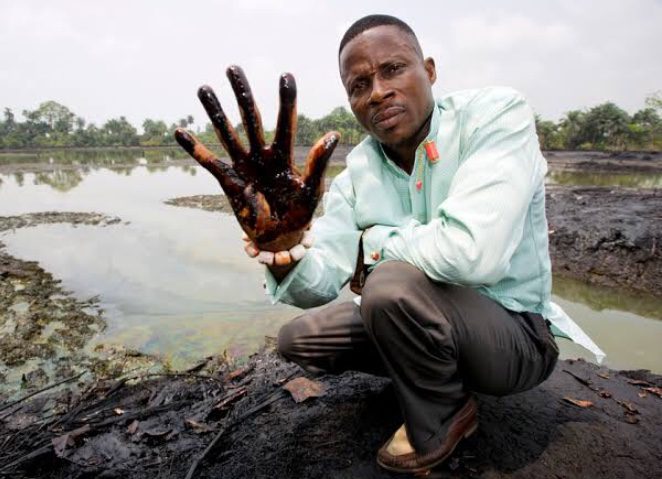
The Niger Delta sprawls its oily tentacles throughout the southern coast of Nigeria. Spread over 256,000 kilometers, the 10th largest oil reservoir in the world comprises fields of industrial piping. Oil accounts for 89% of Nigerian exports, yet the region has significant poverty. Big oil makes off with the profits of Nigerian labor, fleecing the nation of its natural wealth and leaving behind a trail of economic and environmental devastation. Shell alone has spilled 17.5 million liters of oil into the region since 2011, laying waste to arable farmland and poisoning groundwater. The Market Development in the Niger Delta Program (MADE) and The Foundation For Partnership Initiatives in the Niger Delta (PIND) are working to drain the quagmire of poverty in the Niger Delta.

Poverty in the Niger Delta

Nigeria only fully embraced democracy in the last decade, with the first peaceful democratic succession occurring in 2015. Nigeria’s Human Development Index (HDI) rose by 13.1% between 2005 and 2015, yet Nigeria is still the 152nd least-developed nation on earth. The population in extreme poverty in the Niger Delta is the largest on earth. About 76.5% of Nigerians live on less than $3.10 a day as of 2009 and one-quarter of children are working. The crux of the issue is that the success of the Nigerian economy is intrinsically bound to oil prices and is subject to the terms of big oil. Until the Nigerian economy is diversified at the individual level, poverty in the Niger Delta will continue to thrive.

The Foundation For Partnership Initiatives in the Niger Delta Against Poverty

PIND is a charitable NGO whose programs “identify, catalyze and leverage opportunities, jobs and incomes… promoting peace and equitable economic growth in Nigeria’s Niger Delta region.” The year 2021 was busy for PIND. Programs targeting issues ranging from youth prospects to women’s rights saw excellent progress toward ending poverty in the Niger Delta.

In 2021, PIND educated 12,199 Nigerian farmers with modern agricultural practices and technologies, incentivizing farmers to invest a total of ₦745.19 million ($1.6 million). PIND also collaborated with the Edo GIS department to map, border and secure arable agricultural land for provincial farmers.

The NGO trained 23 fishermen in Awoye with modern fishing techniques. PIND provided practical demonstrations, equipment and supply links for further purchases. PIND also demonstrated modern fish processing techniques. As a result, primary business owners in the Niger Delta purchased 20 ovens, enabling businesses to increase sales.

In association with A4&T power solutions, PIND facilitated 4,130 people from 650 households and 230 businesses in the Ondo region with access to renewable solar electricity.

An initial cohort of 631 youths graduated from the Youth Employment Pathways program in Delta State in 2021. These youths received training in “technical and vocational skills training across four intervention sectors of ICT, building construction, agriculture and services.” About 232 graduates attained apprenticeships, 161 started businesses and 112 secured paid employment.

In 2021, PIND produced 13 conflict reports to influential community leaders “to facilitate targeted interventions to mitigate emerging conflict issues in the (Delta) region.” In combination with the reports, 51 ‘peace actors’ took 48 actions to resolve conflicts in the Niger Delta region.

PIND collaborated with the Centre for Gender and Development Studies of the University of Port Harcourt to launch an advocacy program to end sexual violence and the ritualistic sacrifice of women and girls in the Niger Delta.

The Market Development in the Niger Delta Program Alleviating Poverty

The Market Development in the Niger Delta Program (MADE), by DAI, is another project alleviating poverty in the deprived Niger Delta region. Its mission is to “tackle fundamental social and economic development problems caused by inefficient markets, ineffective governance, and instability.” Between 2013 and 2020, MADE achieved the following milestones:

  • MADE leased with 551,521 independent farmers, providing them with ‘commercial incentives.’ About 389,441 of these farmers increased productivity and 307,722 experienced at least a 15% increase in income. This represents more than $55 million of the profits that MADE generated.
  • MADE influenced “36 lead firms across five sectors… to invest in 1,982 agricultural inputs, fisheries, poultry and palm oil.” MADE also orchestrated the training of 100,000 independent farmers by inspiring 50 more companies to train impoverished Nigerians. Training enables primary business owners to become more efficient and forge meaningful trade relationships with large corporations.
  • MADE led nine corporations to invest $10 million in 33,000 vulnerable people and human rights abuse victims in the Niger Delta.

MADE and PIND programs have made significant inroads into poverty in the Niger Delta. Agricultural knowledge-sharing endeavors and modern machinery workshops allow impoverished Nigerians to forge successful businesses and livelihoods. Facilitating investment by independent farmers and large corporations affords impoverished Nigerians the prospect of financial autonomy. MADE and PIND promote human rights, peace, democracy, youth prospects, women’s rights and financial development, addressing the root causes of poverty in the Niger Delta with emphatic efficiency.

– David Smith
Photo: Wikipedia Commons

February 25, 2023
https://borgenproject.org/wp-content/uploads/borgen-project-logo.svg 0 0 Naida Jahic https://borgenproject.org/wp-content/uploads/borgen-project-logo.svg Naida Jahic2023-02-25 01:30:222024-05-30 22:30:49Ending Poverty in the Niger Delta
Economy, Global Poverty

The Benefits of Formalizing India’s Economy

India’s Economy
India’s government outlined major economic formalization within the next 10 years. Formal economies create new tax incentives and remove financial burdens an informal economy leaves in place. Informal economies have left in place jobs with no benefits. They can create significant pay gaps between those in informal economies and formal economies. The latest step in formalizing the economy is formalizing the “mom-and-pop” shops, thus creating boosted tax bases and increasing a taxpayer database to remove further economic burdens from the poorest Indians.

Formal Versus Informal Economies

An informal economy or informal economic sector is common worldwide in developing nations. An informal economy or sector is a type of market, job or business that can generate reliable revenue but the government does not properly tax or track. From their offset, informal economies seemed promising, especially to the workers, as they promised a reliable transition between a developing nation and a nation with a solid and robust economy. Instead, as many informal sectors have yet to formalize, they and their workers are putting extra strain on the economy without paying fair taxes.

The COVID-19 pandemic devastated the informal economy workers. In most cases, an informal economic worker works on a case-by-case basis, such as cab and bus drivers in Africa or market vendors. The informal workforce predominantly defines work done on a one-to-one transactional case. The informal economy has been necessary for an economic transition to find areas with sustainable economic growth. However, economic growth, job opportunities, and income possibilities remain low if those areas remain informal.

Workers in informal economic sectors tend to be poorer and have fewer chances to create an upward financial movement for themselves. The continuance of an informal sector or business separates workers from tax benefits, government resources and assistance as needed. As a whole, this can limit the potential upward mobility for an entire region or nation, limiting sustainable economic growth and leaving poverty rates higher than they would be if an economy were to formalize.

Why is India Formalizing its Economy?

India has been aiming to formalize its economy for years, and current Prime Minister Narendra Modi is spearheading the efforts. PM Modi and his government are formalizing India’s economy through sweeping policy changes that can keep workers safe and markets flexible while decreasing poverty rates as access to government assistance improves. Formalizing India’s economy is not an easy task, with a great deal of pushback coming from the informal work sectors, but for long-lasting economic growth, the government began taking small steps in the formalization process.

About 93% of India’s workforce works in its informal economy. When the COVID-19 pandemic hit, and citizens in informal work positions lost most, if not all, of their income, they had to turn to government assistance, forcing a formalization process that proved beneficial for all. Between 2019 and 2021, India’s poverty rate dropped from 55% to 16%, an impressive economic recovery aided by Modi’s push for formalizing India’s economy.

Formalizing India’s economy has been a long time coming, and the government is determined to capitalize on the improvements made during the pandemic and create stable, sustainable growth that benefits all Indian citizens.

The Latest Formalization Steps

The latest steps in formalizing India’s economy include expanding the Goods and Services Tax (GST). PM Modi originally introduced the GST to formalize the economy and plans to expand the GST for the small “mom-and-pop” stores. Expanding the GST is not the first step India has taken to formalize the sector of small corner stores. India’s government implemented zero Merchant Discount Rates (MDRs) on all digital financial transactions for stores earning less than Rs 20,000 a month.

Expanding the GST will bring additional businesses under the tax umbrella to lighten economic burdens on others and other businesses that may have heavier taxes as compensation for the remaining untaxed businesses. Formalizing India’s economy brings the mom-and-pop stores government assistance as needed, as many suffered due to shutdowns during the COVID-19 pandemic, and business-to-customer (B2C) interactions minimized. With the GST’s growth, the Indian government wants to use private and public databases to track the development of B2C interactions to understand each region’s economic growth and stability.

Formalizing India’s economy is necessary for lifting millions of citizens out of poverty, creating jobs that can last generations and bringing tax and government benefits to all citizens. PM Modi and his government are striving to support their citizens in unprecedented ways in India. Expanding the Goods and Services Tax is one of many ways to build national economic strength.

– Clara Mulvihill
Photo: Flickr

February 24, 2023
https://borgenproject.org/wp-content/uploads/borgen-project-logo.svg 0 0 Naida Jahic https://borgenproject.org/wp-content/uploads/borgen-project-logo.svg Naida Jahic2023-02-24 01:30:052024-05-30 22:30:49The Benefits of Formalizing India’s Economy
Page 19 of 67«‹1718192021›»

Get Smarter

  • Global Poverty 101
  • Global Poverty… The Good News
  • Global Poverty & U.S. Jobs
  • Global Poverty and National Security
  • Innovative Solutions to Poverty
  • Global Poverty & Aid FAQ’s
Search Search

Take Action

  • Call Congress
  • Email Congress
  • Donate
  • 30 Ways to Help
  • Volunteer Ops
  • Internships
  • Courses & Certificates
  • The Podcast
Borgen Project

“The Borgen Project is an incredible nonprofit organization that is addressing poverty and hunger and working towards ending them.”

-The Huffington Post

Inside The Borgen Project

  • Contact
  • About
  • Financials
  • President
  • Board of Directors
  • Board of Advisors

International Links

  • UK Email Parliament
  • UK Donate
  • Canada Email Parliament

Get Smarter

  • Global Poverty 101
  • Global Poverty… The Good News
  • Global Poverty & U.S. Jobs
  • Global Poverty and National Security
  • Innovative Solutions to Poverty
  • Global Poverty & Aid FAQ’s

Ways to Help

  • Call Congress
  • Email Congress
  • Donate
  • 30 Ways to Help
  • Volunteer Ops
  • Internships
  • Courses & Certificates
  • The Podcast
Scroll to top Scroll to top Scroll to top