How Renewable Energy in Malawi Is Driving Economic Growth
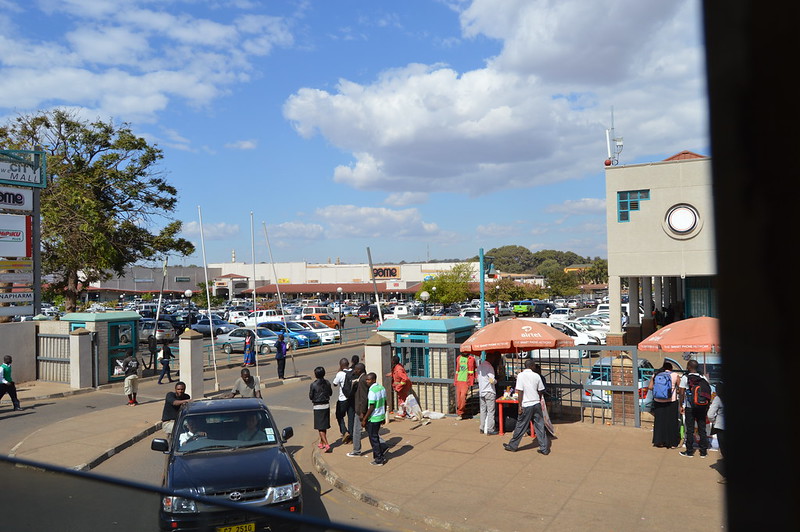 In Malawi, a landlocked country in southern Africa, economic inequality persists, hindering significant poverty reduction efforts despite consistent growth. Currently, about 70% of the country’s 20 million residents live on less than $2.15 a day and a considerable portion of national income belong to the top 20% of earners. A major factor explaining the persistent economic inequality in Malawi is the low electrification rate. Currently, only 15% of Malawi has access to electricity, one of the lowest rates worldwide, primarily due to inadequate infrastructure in information, communication and energy technology. Renewable energy in Malawi offers a viable solution to increase access to electricity and support economic growth.
The disparity between rural and urban areas is stark, with only 5% of rural regions having electricity access compared to 42% in urban areas. Additionally, even areas with electricity face inconsistent service. Leo Randall-Brown, a volunteer in Bangwe, noted, “We lose power once a week or so,” remarked Leo Randall-Brown, a volunteer in Bangwe, “but [a few months ago] it was worse.” Despite these challenges, optimism grows around Malawi’s emerging energy sector. Innovative and collaborative efforts in renewable energy present a promising pathway to address disparities and support the nation’s poorest communities.
Hydroelectric Power
Hydroelectric power is a crucial element of Malawi’s energy portfolio, generating 90% of its electricity primarily from the Shire River. Yet, this represents only about 17% of the nation’s potential hydroelectric capacity. Modernization efforts are underway to improve this infrastructure. Notably, the rehabilitation of the Nkula Hydropower Plant, a project undertaken by the Austrian company Andritz Hydro and Portuguese firm Mota Engil, has increased energy generation capacity by 50%. Additionally, projects like the Mpatamanga Hydro, supported by a World Bank-backed Public-Private Partnership (PPP), aim to significantly enhance hydroelectric capacity, marking a robust effort to maximize Malawi’s energy resources.
These ongoing initiatives are crucial for enhancing energy security and alleviating poverty in Malawi. Hydroelectric projects catalyze job creation, providing substantial employment opportunities during the construction and operation phases. They also boost agricultural productivity in downstream villages by improving access to electricity for irrigation and agro-processing activities. The development of hydroelectric power in Malawi thus represents a multifaceted approach to combating poverty, fostering economic growth and empowering local communities to thrive.
Solar Power
With an annual daily mean global solar radiation equivalent to 250 million tonnes of oil, Malawi possesses a vast and sustainable solar energy resource. Solar power, a versatile form of renewable energy, facilitates both household-level and large-scale photovoltaic (PV) cell electrification. Across Malawi, tens of thousands of solar home systems (SHS) have been adopted, providing households with reliable lighting, heating, water pumping and radio usage. Mr. Randall-Brown notes, “We have a small solar panel that charges throughout the day. It acts as a kind of backup generator.”
The 2018 Energy Policy in Malawi emphasizes off-grid electricity, highlighting a cooperative effort between the government and the private sector. Companies such as VITALITE Malawi have capitalized on this policy framework, enhancing public-private partnerships (PPPs) to expand solar home system (SHS) services to an unprecedented number of households and communities. This focus on off-grid electrification significantly benefits the nation’s most vulnerable populations, reducing the need for extensive infrastructure investments while ensuring sustainable and renewable energy in Malawi for all.
Malawi has made notable progress in developing utility-scale solar power plants, exemplified by the completion of projects such as the 60 MW Salima, 20 MW Golomoti and 21 MW Nkhotakota. These projects underscore the government’s commitment to expanding grid infrastructure. Collaborative efforts with USAID and other international partners highlight Malawi’s proactive approach to promoting interconnected sustainable development. These ongoing initiatives are creating new income opportunities for both rural and urban households and enhancing agricultural practices with solar-powered irrigation. This technology is particularly crucial for Malawi, which relies heavily on rain-fed agriculture, marking a transformative era of resilience and prosperity for the nation’s agricultural sector.
Geothermal Power
Geothermal energy holds immense promise for Malawi’s energy future, owing to its location in the East African Rift System (EARS), which endows the country with significant reserves. Approximately 55 geothermal sites dot the landscape, with three major ones—Chiweta, Mwankeja and Nkhotakota—identified for detailed investigation, boasting a combined potential of 200 MW. While geothermal efforts are largely in the exploratory phase, a plant in Nkhotakota is planned for construction.
In a concerted effort to harness the vast potential of geothermal energy, the Malawian government is actively pursuing avenues for both public and private investment. A notable stride occurred in 2013, when the government-owned energy company EGENCO forged a groundbreaking agreement with Kenya’s Geothermal Development Company, fostering intra-African technological collaboration within the East African Rift System (EARS). Beyond its role in sustainable electricity generation, geothermal energy holds the promise of delivering direct community benefits and catalyzing economic growth and technological advancement.
Looking Forward
Malawi is on the cusp of a transformative era in its energy sector, poised to make significant strides in electrification, sustainable development and poverty alleviation. The country boasts vast untapped potential in renewable energy sources such as hydroelectric, solar and geothermal resources. By harnessing these opportunities through pro-growth domestic policies and integration with foreign entities, Malawi is primed to drive inclusive growth and prosperity. As the nation embraces foreign investment in renewable energy in Malawi, it paves the way for collaborative efforts to unlock the full potential of clean energy and propel Malawi toward a brighter, more sustainable future for all its citizens.
– Matthew Candau
Matthew is based in St. Andrews, Scotland and focuses on Business and Technology for The Borgen Project.
Photo: Flickr
