• Link to X
  • Link to Facebook
  • Link to Instagram
  • Link to TikTok
  • Link to Youtube
  • About
    • About Us
      • President
      • Board of Directors
      • Board of Advisors
      • Financials
      • Our Methodology
      • Success Tracker
      • Contact
  • Act Now
    • 30 Ways to Help
      • Email Congress
      • Call Congress
      • Volunteer
      • Courses & Certificates
      • Be a Donor
    • Internships
      • In-Office Internships
      • Remote Internships
    • Legislation
      • Politics 101
  • The Blog
  • The Podcast
  • Magazine
  • Donate
  • Click to open the search input field Click to open the search input field Search
  • Menu Menu

Archive for category: Economy

Information and stories about economy.

Economy, Global Poverty

The Steps Toward Malawi Debt Restructuring

Malawi Debt
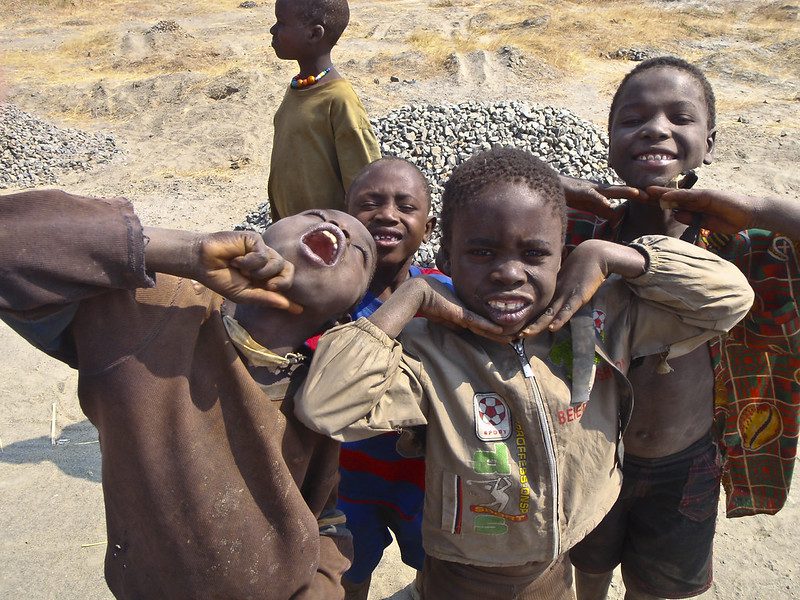
Malawi is a country located in Southeast Africa. Boasting natural beauty and a rich culture, Malawi has a diverse landscape. The nation has been incredibly resilient in recent years, continuing to grow and persevere through economic challenges. Malawi has had a complex debt situation for decades. To try and support its development goals, Malawi borrowed money. The country now faces an extreme debt burden, putting the citizens in unsafe, vulnerable positions. This debt halts Malawi’s economic and social development.

Debt History

In 1964, Malawi gained its independence from Britain. The country’s debt journey began soon after that, in the 1970s, when it started borrowing money to fund social programs and new infrastructure projects. The first loans to the country came from Western banks and numerous government programs. 

Malawi’s economic stability relies heavily on agricultural exports. So, when interest rates started to rise, and the price of exports dropped, debt began to build up quickly. In the 1980s and 1990s, about $100 million of debt payments departed from Malawi each year. As the debt kept adding up, Malawi was scrambling to find solutions. The economy started to decline significantly, prompting their decades of struggle with debt. 

To combat this, the IMF and World Bank started the Heavily Indebted Poor Countries (HIPC) initiative to help developing countries with debt. This initiative allows governments to regain 100% debt relief from the African Development Fund, World Bank and IMF. In 2006, the HIPC initiative authorized Malawi to get $2.3 billion of debt canceled. Annual debt repayment improved, and the conditions for citizens did, too. Now, Malawi could focus money on social programs instead of repaying debt.

Current State

The struggle with debt began again around 2015. As export prices decreased, Malawi looked to borrow money to support themselves. Malawi has few options for increasing revenue besides agriculture, so as droughts rose and sustainability declined, the country ran into trouble. Malawi was hit hard by the COVID-19 pandemic, too. Restrictions and lockdowns furthered the economic burdens. Most agricultural movements stopped, and many citizens lost their jobs. Extreme poverty rose, as did food insecurity. To bounce back from the pandemic, Malawi reached out for help. 

In 2023, Malawi currently has $1.2 billion owed in external debt. The country owes $495 million to the African Export-Import Bank and $337 million to the Trade and Development Bank. These two make up the bulk of money Malawi owes. The others include the Export-Import Bank of China and the Export-Import Bank of India. For a developing country, this is a large amount of debt to repay. However, Malawi is optimistic about the restructuring of this debt.

Future Plans

Malawi has a plan for taking care of its debt. The Malawi finance minister announced on September 5, 2023, that he was optimistic about Malawi’s debt restructuring. The country seeks a new IMF loan by the end of the year. The African Export-Import Bank and the Trade & Development Bank have already signed the restructuring. Malawi still needs the India and China Export-Import banks to sign to guarantee the IMF loan. 

The minister stressed the resilience Malawi has built these last few years and the difficulties they have overcome. The country continues to break through despite unforgiving conditions. The main setback that Malawi faces now is a need for more foreign currency.

The IMF has tirelessly supported Malawi and sent a team to work with the government. The IMF has implemented new programs for debt restructuring in Malawi. One strategy that the IMF proposed was adopting market reforms. Doing this would stabilize their debts and allow economic growth.

Malawi is gaining momentum with restructuring the debt and is hopeful it will continue. Malawi’s debt-to-GDP ratio currently stands at 73%. By adopting new strategies and gaining support from international organizations, Malawi could restructure its debt sustainably and efficiently.  

– Madison Rogers
Photo: Flickr

October 6, 2023
https://borgenproject.org/wp-content/uploads/borgen-project-logo.svg 0 0 Yuki https://borgenproject.org/wp-content/uploads/borgen-project-logo.svg Yuki2023-10-06 01:30:342023-10-02 07:21:16The Steps Toward Malawi Debt Restructuring
Economy, Global Poverty

Turks and Caicos’ Economy: Affecting the Majority

Turks and Caicos' Economy
The Turks and Caicos’ economy is seemingly the jewel of the Caribbean. The islands counted 405,000 tourists in 2021, which is quite low for overall numbers. However, compared to their population the islands ranked 2nd in the world for the number of tourists per resident — a staggering 8.9. With such a profitable industry driving the territory, the outlook for the residents should appear incredibly promising. This is not the case.

About 22% of the population is living under the $1.90 per day global poverty line. Around 60% of households aren’t able to consistently pay for essential items such as food and bills. Unemployment is at just under 10%, with the rural population influencing a large amount of the rate. Here is why it is one of the most sought-after destinations suffering so much from inequality.

An Over-Reliance on Tourism

The success of the tourism industry almost entirely drives Turks and Caicos’ economy. While, for the majority of the territory’s existence, this has been profitable, the COVID-19 pandemic highlighted how structurally dependent the Islands are. 

In 2018, Turks and Caicos gained $787 million from visitors on vacation. Despite having a population of only 45,000, this number was 2% of the revenue for the entirety of the Caribbean. It also made up nearly 70% of Turks and Caicos’ GDP for the year. 

The COVID-19 pandemic completely halted the progress Turks and Caicos made to become one of the most desirable tourist spots in the world. Around 2 million tourists dropped to only 370,000 in just one year. This global event exposed the glaring holes in the economy of the Islands. 

Only $7.8 million worth of exports were transferred in 2021. The main categories for exports are mollusks, crustaceans, polyacetals and processed tobacco — none of which even generated $1 million alone. Imports totaled $286 million; petroleum, vehicles and meat are some of the biggest and most expensive imports. 

Turks and Caicos’ Economy is incredibly fragile and over-reliant on one specific industry and with the incredibly high risk of natural disasters in the region, an over-reliance on a sector that requires perfect weather and facilities is a precarious situation to be in. 

The People Affected

The citizens of the Turks and Caicos Islands, also known as Belongers, have experienced a population boom over the last two decades, partly due to increased migration from neighboring Haiti. Of these migrants, around 50% live in poverty or at high risk of lowering below the line. 

Many of these Haitians live on Providenciales Island, the third largest of the archipelago. The overpopulation of that island has caused a lack of work opportunities and poor living conditions including housing infrastructure and access to health care. 

An occupation that usually generates a large percentage of jobs is farming. However, due to the lack of arable land across all of the islands, less than 100 people work in agriculture — only 15 of whom are full-time workers. Due to the low income generated by all of the exported goods, there are not any jobs there either to allow financially vulnerable people to train for. 

As mentioned previously, natural hazards are a serious issue on the islands, and not only for monetary reasons. More than 20% of the population was affected by the hurricane season in 2008, exactly not what people suffering from poverty need. 

Children are one of the most affected groups on the islands, with both Belongers and migrants facing similar issues. Children from all age groups often drop out of school to try and support their families with short-term work to supply some extra money to afford necessities, leading to a lack of basic education and employable skills. 

Solutions

The main attempt to aid the thousands of people living in poverty is the development of new sectors across the islands. Turks and Caicos’ economy may lack diversity now, but there is an opportunity for technology to flourish on the islands. The government has created plans to improve technological infrastructure to draw in business in addition to already appealing low tax rates. 

One main goal is to install a second fiber-optic cable across the territory to increase the capacity of the network and give remote workers a reliable connectivity service to not only invite business but to essentially create luxury resorts that a worker never has to leave, generating even more growth to the tourism industry. 

These plans are in the National Physical Development Plan (NPDP), published in 2020. Other plans from this document include using hydroponic technology to increase farming capacity across North Caicos and utilizing the Blue Economy to produce more effective fishing practices, create even more desirable leisure activities and invest in biotechnology from seaweed. 

Turks and Caicos’ economy is a relatively small and unstable one. However, the population of the territory allows for minor changes to make large impacts. Further development into new, exciting industries will generate foreign investment, with the poorest on the islands only succeeding with greater opportunities and improved living conditions. 

If everything goes as planned and tourism stays a constant driver of GDP, the most vulnerable living on the beautiful archipelago will have the greatest prospect of hope out of almost any island in the world.

– Oliver Rayner
Photo: Flickr

October 1, 2023
https://borgenproject.org/wp-content/uploads/borgen-project-logo.svg 0 0 Yuki https://borgenproject.org/wp-content/uploads/borgen-project-logo.svg Yuki2023-10-01 07:30:092023-09-27 08:10:45Turks and Caicos’ Economy: Affecting the Majority
Economy, Global Poverty, Poverty Reduction

Tourism Boosts Lebanon’s Economy Amid Summer Revival

Lebanon's Economy
Lebanon’s economy experienced a remarkable upswing this summer, thanks to the revival of tourism in the country. The tourism sector has emerged and has always been a pivotal player, breathing new life into the nation’s financial prospects and increasing the potential for poverty reduction in Lebanon.

Increased Tourism in Lebanon

Efforts to implement security measures in the region have cultivated a modest sense of confidence among travelers, drawing a heightened influx of international visitors to Lebanon. Expert estimates and statements from tourism authorities substantiate the sector’s expansion, resulting in amplified tourism receipts and economic advantages.

Local businesses, encompassing hotels, restaurants and transportation services, flourish by attending to the increasing count of tourists exploring Lebanon’s rich cultural heritage, historical landmarks and breathtaking natural landscapes. This influx of visitors has also resulted in job creation, further contributing to economic growth and poverty reduction among locals. This is significant considering a report by Human Rights Watch in 2022 that 36% of people in Lebanon lived in extreme poverty.

Insights from Jean Abboud, president of the Association of Travel & Tourist Agents in Lebanon, reveal that Beirut’s International Airport has witnessed a notable surge in travelers. This trend has remained consistent since the end of June, with passenger numbers averaging between 15,000 and 18,000 individuals daily. Particularly noteworthy is the peak occurring on June 25, when the airport’s terminals bustled with 20,000 passengers in a single day.

This surge in passenger traffic paints a vivid picture of Beirut reclaiming its popularity and appeal on the global travel stage. The numbers indicate a renewed preference for Beirut as a favored entry point, reigniting the city’s role as a hub of international connections. By facilitating the smooth movement of people across borders, Beirut’s airport takes on a pivotal role in revitalizing the local tourism and travel sector. This sector holds immense significance for the nation’s economy and cultural exchanges.

How Tourism is Boosting Lebanon’s Economic State

In 2022, Walid Nassar, serving as the minister of tourism in a caretaker capacity, presented data revealing that Lebanon welcomed more than 1.72 million visitors during the previous summer, contributing a significant $5 billion through their collective expenditures. At a conference held in Dubai in May, Nassar projected that the upcoming year would see an even more substantial influx of tourists, primarily during the summer season, with an estimated minimum of 2.2 million visitors. Nassar’s estimations suggest this surge in visitor numbers will play a key role in generating revenue of at least $9 billion for the nation, thereby contributing to poverty reduction in the country.

Tourism’s resurgence has not only bolstered Lebanon’s economy but also extended economic opportunities to various regions, reducing disparities and promoting inclusivity. By attracting visitors to lesser-known areas, local communities benefit from the increased economic activity. To maintain the momentum, it is crucial to prioritize sustainable practices and the preservation of Lebanon’s cultural heritage. This ensures the long-term growth and stability of the tourism industry.

Looking Ahead

Lebanon’s economy experienced a much-needed boost, thanks to the revival of tourism during the summer months. The increased number of visitors has had a positive impact on various sectors, leading to economic growth and job creation. However, sustaining this growth requires continued investments in tourism infrastructure and the promotion of sustainable practices. As Lebanon embraces this summer revival, it has the potential to create a more stable and prosperous future for its citizens and communities, further solidifying its position as a favored destination on the global tourism map.

– Kassem Choukini
Photo: Wikipedia Commons

September 25, 2023
https://borgenproject.org/wp-content/uploads/borgen-project-logo.svg 0 0 Yuki https://borgenproject.org/wp-content/uploads/borgen-project-logo.svg Yuki2023-09-25 07:39:052023-09-25 23:32:23Tourism Boosts Lebanon’s Economy Amid Summer Revival
Economy, Global Poverty

Economic Improvements in Jamaica

Economic Improvements in Jamaica
Following the COVID-19 pandemic, Jamaica’s economy grew after its gross domestic product suffered a 10% decrease. It has done so by producing goods, such as food, beverages and tobacco, with the help of the goods and by self-producing industries such as restaurants, fishing, transportation, communication, construction, hotels, mining, agriculture and forestry. As a result of this, the country garnered its eighth consecutive period of economic growth during the March quarter of 2023, advancing 4.2% year-on-year after making it toward 3.8% growth during the previous quarter. Here is some information about the economic improvements in Jamaica.

Current Growth

After the 2022–2023 fiscal year had passed, the Bank of Jamaica Governor, Richard Byles, reported that the country’s economy grew in the range of 4% to 5.5% and that this outturn is up to par with the outcome that was said to come true by the institution itself. In addition to this, Byles has commented that the economic growth could be indicated by the estimated outturn for the period between the months of January and March 2023, which had a faster growth rate that quarter, ranging between 3.5% and 4.5%, than the period that had the previous fastest growth rate between October and December 2022, where 3.8% was recorded instead.

Predictions about Jamaica’s Future Economic State

Byles added that there were indications that the economy would continue to grow for the April to June 2023 period as a result of the advancements in agriculture and manufacturing production that support the resumption of production at the JAMALCO alumina plant. He further stated that as of May 18, 2023, Jamaica’s gross international reserves remained at a decent rate of $4.7 billion and that the Jamaican dollar increased in value against the U.S. dollar by 0.4%, in contrast to a 3.3% loss over the same time last year. He also commented that the Bank of Jamaica has so far sold $398.3 million through its foreign exchange intervention trading, the B-FXITT program, and an additional $10 million to certain state firms, including Petrojam, resulting in a net purchase of $470.3 million when offset by the bank’s purchases that it made.

How Economic Improvements in Jamaica are Occurring

Byles also stated that despite recent volatility in the banking industry abroad, the domestic financial system is strong with appropriate capital and liquidity. He added that the gross reserves will continue to be adequate in the medium term. Furthermore, he noted that deposit-taking institutions have maintained compliance with prudent liquidity standards and that the quality of the system’s loan portfolio has remained stable in itself.

Conclusion

To continue to combat the economic downturn and ensure economic improvements in Jamaica, Jamaica has progressively integrated climate change adaptation into its policy framework and reinforced its social protection system, which has led to an increase in fairness, a decrease in poverty and a better social structure.

– Deon Roberts
Photo: Flickr

September 21, 2023
https://borgenproject.org/wp-content/uploads/borgen-project-logo.svg 0 0 Yuki https://borgenproject.org/wp-content/uploads/borgen-project-logo.svg Yuki2023-09-21 12:23:092026-04-16 10:07:03Economic Improvements in Jamaica
Economy, Education, Global Poverty

4 Ways Bangladesh is Combating Poverty

Bangladesh is Combating Poverty
Bangladesh is a lush South Asian country that some presume to be developing slowly along with other areas of South and Southeast Asia. In fact, the opposite is true: Bangladesh is a beautiful blueprint for how to build a country and lift citizens out of poverty. Its GDP has grown the most out of any country in the last 10 years, and it has cut the number of people living below the national poverty line in half from 2000 to 2016. While it is an amazing success story, 35 million people are still living below the poverty line and the country must continue to use an arsenal of poverty-fighting initiatives to eliminate poverty in Bangladesh. Here are four ways Bangladesh is combating poverty.

Fighting for Breath 

In the 1970s, with help from The Bangladesh Rural Advancement Committee (BRAC), Bangladesh slashed child mortality. By identifying diarrhea as the leading cause of child deaths and then widely administering Oral Rehydration therapy, it helped reduce the death rate from 180 in 1,000 to 53 in 1,000 by 2011. 

However, child mortality has continued in Bangladesh, and Pneumonia is a major killer, involved in one in five child deaths. Fighting for Breath is a global initiative that UNICEF spearheaded to eliminate pneumonia deaths in Bangladesh. By working to get Bangladesh up to global health standards (in terms of government spending and quality of care) as well as targeting underlying causes such as poor drinking water and sanitation, Fighting for Breath saves lives and stops child mortality and poverty. 

BRAC

As mentioned above, the Bangladesh Rural Advancement Committee is a global NGO now operating as simply BRAC. Since its masterful health initiative in the 70s, it pioneered the Graduation Program in Bangladesh, which has four goals: meeting basic needs, income generation, social empowerment and financial support and savings. As of 2022, it has used this model to help 2.1 million households out of extreme poverty in Bangladesh alone. 

BRAC operates under the philosophy that “people should be the subject, not the object of development programs.” Those ideals have helped them combat poverty in Bangladesh and across the globe. 

Fostering Education

A key pillar in reducing global poverty is widespread education, and Bangladesh is no stranger to this facet. Within a decade, Bangladesh has made incredible strides in education. An astounding 98% of elementary-aged children are receiving formal education. Also, according to the United States Agency for International Development (USAID), “The country has achieved…gender parity in equal access to education.” 

Although Bangladesh still struggles with equitable education for minority populations, there are USAID programs in place to tackle this issue. A chief aim is to promote awareness for minorities and people with disabilities. USAID further fought poverty with education by creating 100 classroom-based libraries in 2022. 

How Bangladesh is Combating Poverty With a Booming Economy

A major facet that has Bangladesh on pace to exit the U.N.’s Least Developed Countries List by 2026 is its expanding economy. A strong garment and textile industry and a growing energy sector have uplifted people from poverty. Textiles comprise 80% of the country’s exports and employ 4 million people. Additionally, 100% of Bangladesh’s population has access to electricity. Agriculture has also been a backbone to alleviating poverty, reducing the poverty rate by almost 70% within five years. Support from the World Bank to modernize 1.8 million agricultural houses also displays how a growing Bangladesh has mitigated poverty. The economy did take substantial hits from the COVID-19 pandemic, but its strong economy and fast-growing sectors have been pillars of making a difference. 

Looking forward, there are still many steps to eliminate poverty besides the other efforts Bangladesh is combating poverty with, but the country paints a resilient success story in how to present a continued effort to reduce poverty.

– Aditya Arora
Photo: Flickr

September 12, 2023
https://borgenproject.org/wp-content/uploads/borgen-project-logo.svg 0 0 Lynsey Alexander https://borgenproject.org/wp-content/uploads/borgen-project-logo.svg Lynsey Alexander2023-09-12 01:30:242024-05-30 22:32:204 Ways Bangladesh is Combating Poverty
COVID-19, Economy, Global Poverty

5 Facts About Poverty in the Caribbean

Poverty in the Caribbean
The Caribbean is a region in the mid-Atlantic Ocean composed of island nations known for their easy-going lifestyle and beautiful weather. The Caribbean has everything that a tourist looking for the perfect beach vacation could want; from historical landmarks to world-renowned beaches and more, the Caribbean is a popular choice for vacationers of all preferences.

However, like many tourist destinations, the Caribbean has economically successful tourist towns bordering impoverished villages. The region boasts mansions of the world’s ultra-wealthy but also houses an astounding number of the world’s extremely poor. Despite the wealth that a healthy tourism industry can bring to a country and a people, many inhabitants of the Caribbean’s island nations experience extreme poverty. Here are five facts about poverty in the Caribbean.

5 Facts About Poverty in the Caribbean

  1. The Caribbean is one of the poorest regions of the world. Currently, about 32% of people in the Caribbean live below the poverty line. While one in three below the poverty line is already too many, it is not the highest rate of poverty in the world. However, because of the lack of economic growth, poverty in the Caribbean is worsening, and the Caribbean is on track to become the poorest region in the world as soon as 2050.
  2. Haiti is the poorest country in the Caribbean. Overrun by gangs, damaged by natural disasters and vulnerable to corruption, Haiti is a fragile nation. The economy often experiences crashes and has had an average of 2% negative growth over the last four years. Because of their weak economic state, people are ransacked by extreme poverty without hope of leadership or guidance from the government.
  3. Poverty in the Caribbean causes two challenges that ultimately lead to increased amounts of trafficking and other crimes — unemployment and institutional weakness. Unemployment in the Caribbean is high, averaging more than 7% across all of the countries, so many have to find ways to generate income other than a traditional job. In addition to relatively unsteady labor markets, Caribbean countries often suffer from corrupt or otherwise weak governments and unstable economies. Because these institutions are unreliable, Caribbean persons often have to resort to crime and trafficking to make money and stay out of extreme poverty.
  4. The massive dip in tourism that COVID-19 brought on shocked Caribbean economies and halted growth, even in the wealthier countries. Tourism makes up nearly a quarter of the Caribbean’s total GDP. The Caribbean depends on tourism to create jobs and continue the cycle of money in and out of the country. Because the pandemic nearly eliminated travel in all parts of the world, the Caribbean suffered from a huge cut in income for many consecutive months during the height of the pandemic. This hit to the economy increased poverty in all Caribbean countries, even those who had previously been on the road to economic success, including Barbados and Jamaica.
  5. The Caribbean depends on foreign investment to keep its economy alive. In 2021, Latin America and the Caribbean received nearly $143 billion in foreign investment. The COVID-19 pandemic decreased foreign investment because main investors like the U.S., the U.K. and Canada shifted resources from foreign investment to their domestic fights against the pandemic. An unforeseen lack of foreign aid shocked the Caribbean economy and caused many to fall below the poverty line. Since 2020, foreign aid has steadily increased but has not yet reached pre-pandemic levels and poverty rates have remained high.

Looking Ahead

Although the Caribbean is one of the poorest regions in the world with weak institutions, trafficking issues and challenges from COVID-19, the tourism industry offers these countries opportunities for economic growth. As long as the natural beauty of the region can be preserved, the Caribbean can expect a steady and even growing tourism sector that creates jobs and brings money into local economies. This sector has the power to bolster the entire region’s economy and decrease the poverty rate in many island nations.

– Suzanne Ackley 
Photo: Flickr

August 19, 2023
https://borgenproject.org/wp-content/uploads/borgen-project-logo.svg 0 0 Lynsey Alexander https://borgenproject.org/wp-content/uploads/borgen-project-logo.svg Lynsey Alexander2023-08-19 01:30:402024-05-30 22:32:125 Facts About Poverty in the Caribbean
Economy, Global Poverty

How Singapore Is Eliminating Poverty

Singapore Is Eliminating PovertySingapore is a city-state in Southeast Asia, where it remains the only one in the region to have recognition as a developed country. It has a high GDP per capita and ranks high on the human development index (HDI). Despite these facts, at least 10% of households in Singapore are low-income and thus in poverty. Here is how Singapore is eliminating poverty.

Singapore’s History

The “little red dot” has always been an entrepôt for different cultures. From the ancient Malay kingdom of Srivijaya to the British Straight Colony, it was not until the 20th century that modern Singapore emerged.

Following the British departure from the region in 1963, Singapore, alongside Malaya, Sabah and Sarawak, established the country of Malaysia, and it did not take long for Malaysia to grow uncomfortable with Singapore’s presence in the federation.

Singapore has a vast Chinese population, where 77% of its population identified as such in the 70s. This resulted in the Parliament of Malaysia expelling Singapore from the federation as a result of ethnic tensions and deep political differences between the ruling parties of Singapore and Malaysia.

Singapore’s Economy

Leading up to its independence, Singapore’s leaders became increasingly concerned over their economy as the country lacked sufficient land to carry out agricultural and developmental activities.

The tiny island nation then depended on international trade where it received imported goods, and then processed and re-exported them to other countries. This has made the Port of Singapore the busiest port in the world in terms of shipping tonnage, with an average of 140,000 vessels linking Singapore to more than 600 ports around the world.

With such fundamental industrialization, Singapore has managed to position itself as a global trade center that focuses on modern skilled tech-centered labor that lapsed traditional manufacturing. This resulted in Singapore’s high GDP which, in 2022, stood at $466.79 billion and a per capita GDP of $82,807.

Poverty in Singapore

Singapore’s success does not reflect on everyone in the country. For instance, Nurhaida Jantan, an unemployed single mother with six children has to live in a tiny flat, just 30 square meters, with little to no finishing.

As explained in an interview with the BBC, the children share a single bedroom with only mattresses and blankets as their bedding. Nurhaida on the other hand, sleeps on the sofa and receives weekly donations from charities. She explains she cannot afford anyone being sick in the house as their finances are too tight.

How Singapore is Eliminating Poverty

Singapore’s major effort to eradicate poverty has been on its agenda since its independence and has always been improving. On March 2, 2022, Mr. Leon Perera of Aljunied GRC spoke to Parliament to submit several proposals to alleviate poverty where he suggested an increase in accessibility of state assistance schemes to those who needed it. He also recommended the increase of financial relief based on beneficiaries to ensure the attendance of those children in poverty to be at school.

Besides the legislative, the Singaporean Government has also taken measures to combat poverty. In particular, it adopted three policy focuses: education, work and family relationships. The Government has emphasized that education should be subsidized for low-income households. In addition, schemes are made available through the Workforce Development Authority such as Skills Future credit to provide mechanisms to enable and facilitate access to opportunities.

Looking Ahead

While most Singaporeans enjoy better living conditions compared to many other countries, there are still instances of neglect that persist. Nevertheless, Singapore is actively addressing poverty and effecting positive change.

– Kent Anderson
Photo: Flickr

August 12, 2023
https://borgenproject.org/wp-content/uploads/borgen-project-logo.svg 0 0 Lynsey Alexander https://borgenproject.org/wp-content/uploads/borgen-project-logo.svg Lynsey Alexander2023-08-12 01:30:082024-05-30 22:32:12How Singapore Is Eliminating Poverty
Economy, Global Poverty

Countries with blue economy strategies

Blue economyThe “blue economy” is a term that has become increasingly prevalent over the last decade as people, governments and economists have begun to recognize the vast opportunity posed by the ocean and its resources. The World Bank defines the blue economy as the: “sustainable use of ocean resources for economic growth, improved livelihoods and jobs while preserving the health of ocean ecosystem.” 

The blue economy sits at the nexus of people and the environment. Although people have lived in coastal environments and utilized ocean resources for millennia, the blue economy represents a consolidated and conscious sustainable development strategy that aims to incorporate the ocean into all levels of the economy – from local to national.

10 Countries Incorporating the Blue Economy into Their Development Strategies

  1. Kenya: The blue economy is a pillar of Kenya’s “Vision 2030,” the country’s development program. One of the major goals is to develop the country’s offshore tuna fishery, which domestic fishers currently underutilize. Other initiatives include seaweed farming, port developments, shipping and tourism.
  2. Vietnam: In Vietnam, the blue economy is a relatively new concept. However, local initiatives have already begun. For example, the Binh Thuan Fisheries Association has established a community management program to encourage sustainable fishing practices. The program resulted in the restoration of the clam fishery, the main source of income for the local community, in less than a year. The new fishing practices which the program brought resulted in the income of local fishers increasing from $15 to $25 per day.
  3. Samoa: Released in 2020, the Samoa Ocean Strategy is a national policy framework seeking to further develop the country’s blue economy. It includes a commitment to protect 30% of the country’s ocean by 2025 as well as support for marine spatial planning and sustainable fisheries.
  4. India: With a coastline of over 7,500 kilometers, the blue economy is developing into a significant industry in India. One notable initiative is recent expeditions into the deep sea to explore potential living and nonliving deep-ocean resources.
  5. China: China was an early and active adopter of the blue economy concept. One example of a small-scale blue economy initiative in China is the restoration of seagrass beds in the traditional fishing village of Chudao to support sea cucumber aquaculture, according to a 2020 article.
  6. Trinidad and Tobago: This Caribbean nation is part of a larger region-wide focus on developing a sustainable blue economy. Strategies are very new in this region, but a number of opportunities are there and the nation is emphasizing the establishment of cross-sector policies and strong institutional regulation.
  7. Tunisia: The Tunisian government has recently begun to develop a national strategy. The country is still in the early stages of implementation but has significant incentives considering that over 66% of its population lives on the coast and depends on marine resources for their livelihoods.
  8. Gambia: Gambia has recently adopted a 10-year plan to support sustainable growth and female employment in its significant mangrove oyster fishery sector. Food and Agriculture Organization (FAO) and the EU are implementing the program.
  9. Portugal: The Portuguese government has been actively trying to enhance its blue economy since 2015. The country has recently received €392.6 million from the European Maritime, Fisheries and Aquaculture Fund to support further implementation of sustainable fisheries and aquaculture.
  10. Costa Rica: The coastal country of Costa Rica is rich in marine resources and economic opportunities, with projects involving sustainable fisheries and marine tourism emerging. The Global Environment Facility (GEF) provided funding to a number of Central American countries including Costa Rica to support the development of blue economies in these countries.

Realizing the Potential

These 10 countries provide only a tiny cross-section of the blue economy landscape emerging across the world. Countries are realizing the ocean’s potential to alleviate coastal poverty and lift overall economic performance. Strategies already in place and being developed will help pave the way to better global ocean management with benefits for both people and the environment.

– Amy McAlpine
Photo: Flickr

May 1, 2023
https://borgenproject.org/wp-content/uploads/borgen-project-logo.svg 0 0 Naida Jahic https://borgenproject.org/wp-content/uploads/borgen-project-logo.svg Naida Jahic2023-05-01 07:30:122023-05-01 04:00:25Countries with blue economy strategies
Economy, Global Poverty

iPhone Manufacturing to Boost India’s Economy

iPhone ManufacturingMultinational technology company Apple Inc. first launched its smartphone, the iPhone, in 2007 and the company has since grown to hold about 24% of the global market share for smartphone trading. As of late 2022, the Taiwanese firm Foxconn, formally known as Hon Hai Precision Industry Co Ltd., produced an estimated 70% of the world’s iPhones, largely out of its Zhengzhou plant in Central China. As one of Apple’s most lucrative products, the iPhone accounts for around 50% of Apple’s revenue and around 45% of Foxconn’s revenue. Apple and Foxconn are now working to increase iPhone manufacturing in India, which will serve Apple’s corporate interests while also stimulating the Indian economy and easing unemployment by creating job opportunities.

China has long been the backbone of iPhone production. However, Apple’s significant dependence on China has become an increasing concern due to rising labor costs and strict, zero-tolerance COVID-19 policies, which have hampered production since the start of the pandemic. India’s lower labor costs and rising technology manufacturing sector make it an inviting location for production.

The Make in India Initiative

In 2014, Indian Prime Minister Narendra Modi launched the Make in India initiative to encourage investment in various economic sectors and boost employment rates. According to the World Bank, the unemployment rate in India stood at 7.7% in 2021 compared to 4.6% in China. Make in India highlighted electronics manufacturing as a critical area of development for the country and Modi sees great potential in making India a global technology manufacturing hub. The government also introduced Production Linked Incentive Schemes, which provide financial incentives for investing in various sectors, including electronics manufacturing, that are promising for the creation of new jobs.

Job Creation and Gender Equality

Given that India began producing smartphones less than 10 years ago, it is notable that India is now the second-largest mobile phone manufacturer after China. India’s rapid progress helped attract Apple’s attention, spurring the company’s transition into this growing sector. According to current estimates, India will manufacture around 25% of iPhones by 2025.

As part of Apple’s move into India, its key manufacturer, Foxconn, plans to invest $700 million to construct a new factory in the state of Karnataka in Southern India. Planned for a 300-acre site near Bengaluru, Karnataka’s capital and India’s IT hub, the factory is expected to create some 100,000 jobs. The investment demonstrates Apple and Foxconn’s shared commitment to increasing production in India and decreasing reliance on China.

Apple and its collaborators also hope to build women’s hostels near new factory complexes in India. These would provide female workers with safe accommodation and reduce travel times. The goal is to encourage more women to enter the workforce as manufacturing expands in India, thereby strengthening gender equality in India.

Labor Laws

Additionally, Apple and the Indian Cellular and Electronics lobby group, which represents the company and its suppliers, are pushing for labor law reforms that would make working hours more flexible. Eager to garner a higher share of global technology production, Indian authorities have been receptive to the proposed reforms. In February 2023, the state of Karnataka passed the Factories Bill, which introduces working hours akin to those of China’s iPhone factories.

The planned reforms include moving from three eight-hour shifts per day to two 12-hour shifts. While full-time weekly working hours will remain capped at 48, overtime allowance will increase from 75 to 145 hours across a three-month period. Women will also be allowed to work night shifts, which is currently prohibited in much of the country. With their written consent and employers’ agreement to fulfill certain security measures, such as ensuring safe transport and restroom facilities, women in Karnataka will be permitted to work between 7 p.m. and 6 a.m.

Growing Economies

Such reforms aim to increase the flexibility of work patterns and women’s presence in the workforce while reducing unemployment and encouraging investment in the technological sector in India. Eager for continued economic growth, the Indian government sees Apple’s expansion in the country as an opportunity to create jobs, increase Indian workers’ disposable income and boost overall GDP. In the long term, local sourcing and manufacturing of iPhone components will help further stimulate local Indian economies and lower production costs. Finally, Apple and Foxconn’s demonstrated confidence in India’s technological manufacturing capabilities will encourage further investments.

The Indian government, via the National Sample Survey Organization (NSSO), has not released official poverty statistics since 2011, but other estimates indicate that millions of people in India still endure poverty. Transitioning iPhone manufacturing to India is a mutually beneficial development. Not only will it serve Apple and Foxconn as businesses but it will also strengthen the present and future Indian economy while lifting people out of poverty through job opportunities.

– Sophie Sadera
Photo: Flickr

April 11, 2023
https://borgenproject.org/wp-content/uploads/borgen-project-logo.svg 0 0 Jennifer Philipp https://borgenproject.org/wp-content/uploads/borgen-project-logo.svg Jennifer Philipp2023-04-11 01:30:282023-04-10 02:57:44iPhone Manufacturing to Boost India’s Economy
Economy, Global Poverty

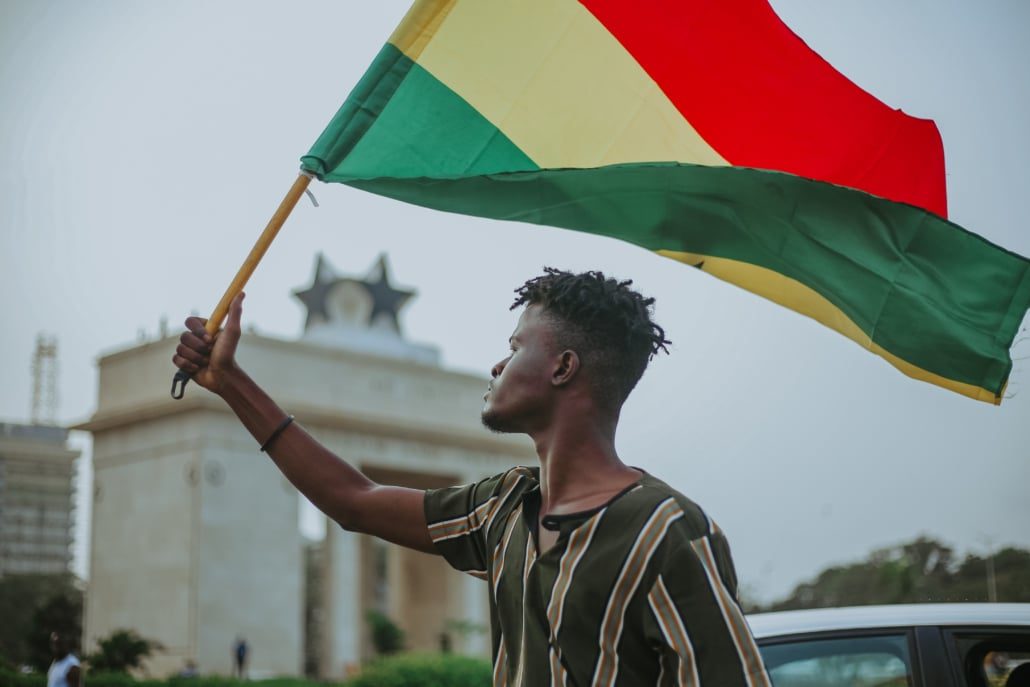
Ghana’s Blue Economy

Blue Economy
More than half the population of Ghana gains their income in one of three industries;
agriculture, forestry and fishing. The waters of Ghana are rich with different types of fish such as tuna, barracuda, cape hake and more. The fish is present in the local market and locals export it around the world as well, which could improve Ghana’s blue economy.

Economic Crisis

One might wonder if the ocean could be more useful to Ghana than it already is. Dr. Emmanuel Kofi Mbiah, former Chief Executive Officer of the Ghana Shippers Authority and current maritime consultant and legal practitioner, believes that Ghana’s blue economy could possibly save Ghana from its economic issues. Currently, Ghana is experiencing an economic crisis that it has not seen since the 1980s. Consumer prices have risen more than 40% and there have been widespread food shortages nationwide. The country’s currency continues to depreciate and is currently one of the worst-performing currencies. With that, 3.4 million people in Ghana are living in extreme poverty in 2022.

Blue Economy

Dr. Mbiah is urging the Ghana government to take a severe look at capitalizing on the blue economy to help alleviate some of the economic turmoil the country has been facing. The blue economy is an economic term that is linked to the exploitation and conservation of the maritime environment. He believes that the economic resources that come from the ocean can lift Ghana out of its economic turmoil. Mbiah stated that the ocean and its resources could be worth “over $24 trillion.”

In 2020, the United States of America had 1.7% of its GDP from its ocean economy – which amounts to more than $360 billion. Meanwhile, the ocean economy is worth about €500 billion for the European Union. For these people, they realized long ago the potential of Ghana’s blue economy. Not only does Dr. Mbiah believe that the fishing industry can produce more than it already does, but he also noted that Ghana could use the ocean for its energy power. With renewable energy becoming the new way of the world, Dr. Mbiah wants the government to look into how it can use the power of the ocean for its energy as well.

The Future

By capitalizing on Ghana’s natural resources, the country can help alleviate some of the economic hardships plaguing the country over the last few years. The government should take the potential that the industry has with serious thought. With the proximity to the ocean and the skills that Ghana has, the sea leads to endless possibilities and opportunities.

– Olivia MacGregor
Photo: Flickr

March 20, 2023
https://borgenproject.org/wp-content/uploads/borgen-project-logo.svg 0 0 Naida Jahic https://borgenproject.org/wp-content/uploads/borgen-project-logo.svg Naida Jahic2023-03-20 07:30:582023-03-20 09:59:30Ghana’s Blue Economy
Page 18 of 66«‹1617181920›»

Get Smarter

  • Global Poverty 101
  • Global Poverty… The Good News
  • Global Poverty & U.S. Jobs
  • Global Poverty and National Security
  • Innovative Solutions to Poverty
  • Global Poverty & Aid FAQ’s
Search Search

Take Action

  • Call Congress
  • Email Congress
  • Donate
  • 30 Ways to Help
  • Volunteer Ops
  • Internships
  • Courses & Certificates
  • The Podcast
Borgen Project

“The Borgen Project is an incredible nonprofit organization that is addressing poverty and hunger and working towards ending them.”

-The Huffington Post

Inside The Borgen Project

  • Contact
  • About
  • Financials
  • President
  • Board of Directors
  • Board of Advisors

International Links

  • UK Email Parliament
  • UK Donate
  • Canada Email Parliament

Get Smarter

  • Global Poverty 101
  • Global Poverty… The Good News
  • Global Poverty & U.S. Jobs
  • Global Poverty and National Security
  • Innovative Solutions to Poverty
  • Global Poverty & Aid FAQ’s

Ways to Help

  • Call Congress
  • Email Congress
  • Donate
  • 30 Ways to Help
  • Volunteer Ops
  • Internships
  • Courses & Certificates
  • The Podcast
Scroll to top Scroll to top Scroll to top