• Link to X
  • Link to Facebook
  • Link to Instagram
  • Link to TikTok
  • Link to Youtube
  • About
    • About Us
      • President
      • Board of Directors
      • Board of Advisors
      • Financials
      • Our Methodology
      • Success Tracker
      • Contact
  • Act Now
    • 30 Ways to Help
      • Email Congress
      • Call Congress
      • Volunteer
      • Courses & Certificates
      • Be a Donor
    • Internships
      • In-Office Internships
      • Remote Internships
    • Legislation
      • Politics 101
  • The Blog
  • The Podcast
  • Magazine
  • Donate
  • Click to open the search input field Click to open the search input field Search
  • Menu Menu

Archive for category: Economy

Information and stories about economy.

Economy, Global Poverty, Inequality

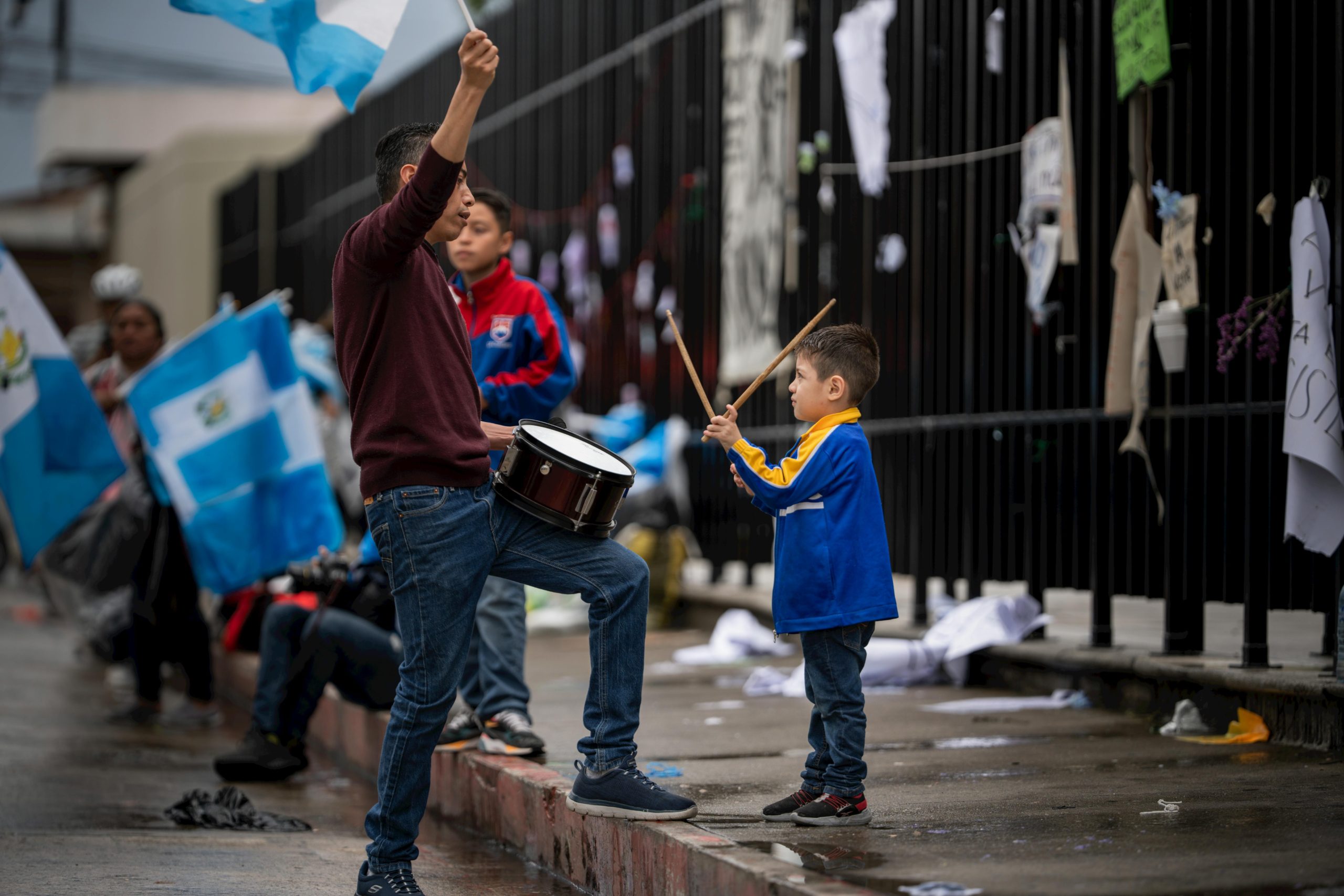
Guatemala’s Economic Growth and Equality

Guatemala’s Economic GrowthIn the past three decades, Guatemala has experienced a steady economic growth trajectory, yet this progress has not translated into significant reductions in poverty or inequality. Since the signing of the 1996 peace accords, which ended a 36-year civil war, the Guatemalan economy has grown at an average annual rate of 3.5%. This period of economic expansion saw the gross domestic product (GDP) growth rates of 4.1% in 2022 and 3.6% in 2023​.

However, these figures mask a deeper issue: the benefits of this growth have not been evenly distributed across the population. Urban areas, particularly Guatemala City, have seen substantial investment and development, while rural and indigenous communities continue to lag. This disparity highlights the challenge of achieving inclusive growth that benefits all segments of society.

Key Drivers of Economic Growth

Guatemala’s economy is largely driven by the private sector, which contributes approximately 85% of the country’s GDP. The services sector is the largest, accounting for 68% of GDP. This includes a wide range of activities such as banking, tourism, retail and telecommunications. The manufacturing sector, contributing 14%, is also a vital component, with industries such as food processing, textiles and pharmaceuticals playing significant roles​​.

Agriculture, though comprising only 10% of GDP, remains a critical sector, employing a substantial portion of the population and producing key exports like coffee, sugar and bananas. Additionally, remittances from Guatemalans living abroad, particularly in the United States (U.S.), are a crucial economic lifeline, contributing significantly to household incomes and foreign exchange reserves​.

Persistent Poverty and Inequality

Despite Guatemala’s economic growth and stability, poverty and inequality remain pervasive issues. As of 2023, approximately 55.1% of Guatemala’s population lives in poverty, with indigenous and rural communities bearing the brunt of this economic hardship​​. These communities often have limited access to education, health care and employment opportunities, perpetuating a cycle of poverty.

The informal sector is a substantial part of the economy, accounting for 49% of GDP and employing 71.1% of the workforce​. This sector is characterized by low wages, job insecurity and lack of social protections, which further exacerbate economic disparities. The country faces significant human capital challenges, with high rates of child malnutrition and limited access to basic services such as clean water, sanitation and electricity​.

Efforts and Challenges

Various initiatives have been undertaken to address these socioeconomic challenges. The U.S. Agency for International Development (USAID) has been active in Guatemala, implementing programs aimed at improving financial management, fostering innovation and supporting entrepreneurship. These programs are designed to create a more conducive environment for business growth and to empower local entrepreneurs.

However, the effectiveness of these initiatives is often undermined by systemic issues such as corruption and governance weaknesses. Corruption remains a significant problem, affecting public trust and the efficient allocation of resources.

Potential for Future Growth

Guatemala has considerable potential for future growth, thanks to its rich natural resources, cultural heritage and strategic geographical location. The country is rich in minerals such as gold, silver and nickel, which present opportunities for the mining sector. Its cultural heritage and natural beauty make it an attractive destination for tourism, which can be a significant source for Guatemala’s economic growth. 

– Sofia Reynoso

Sofia is based in Tampa, FL, USA and focuses on Business and New Markets for The Borgen Project

Photo: Pexels

July 2, 2024
https://borgenproject.org/wp-content/uploads/borgen-project-logo.svg 0 0 Lynsey 2 https://borgenproject.org/wp-content/uploads/borgen-project-logo.svg Lynsey 22024-07-02 03:00:272024-07-01 09:14:31Guatemala’s Economic Growth and Equality
Developing Countries, Economy, Global Poverty

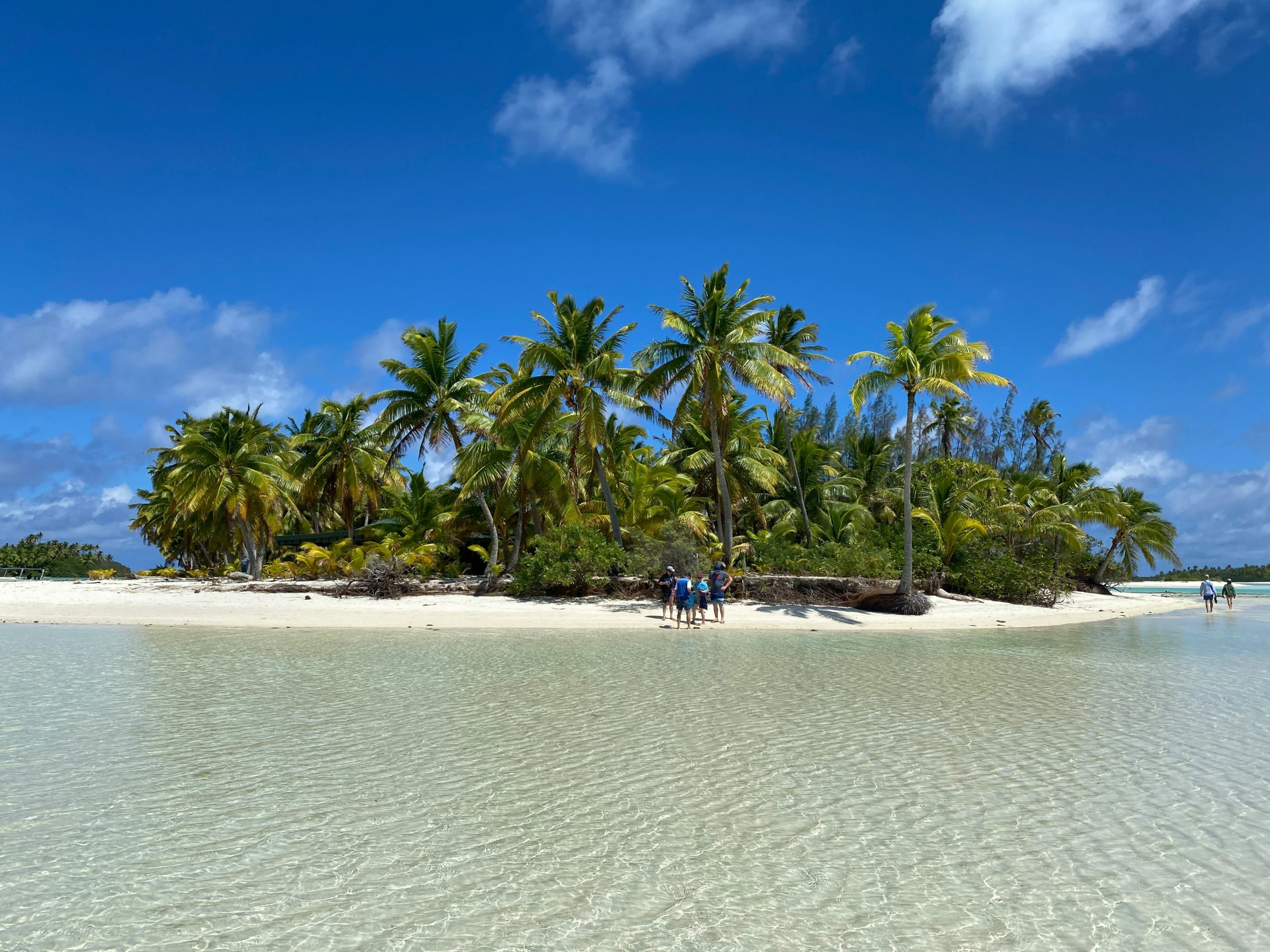
Tackling Poverty in the Cook Islands Post-Pandemic

Poverty in the Cook IslandsThe Cook Islands, an idyllic South Pacific archipelago, faced significant socioeconomic and poverty challenges after the COVID-19 pandemic. Traditionally reliant on tourism, global travel restrictions severely disrupted the nation’s primary industry, leading to widespread economic hardship.

Economic Disruption and Job Losses

The COVID-19 pandemic dealt a devastating blow to the Cook Islands’ economy. Tourism, which contributed approximately 70% of the nation’s gross domestic product (GDP) in 2018, abruptly halted as global travel restrictions were imposed to curb the spread of the virus. This led to a dramatic decline in national income, with the GDP recession estimated at 26% in 2021.

The immediate consequence was widespread job losses, particularly in the hospitality and service sectors. Many businesses were forced to close their doors permanently due to the lack of revenue. This economic shock rippled through the community, significantly increasing poverty in the Cook Islands.

Government Response and Social Welfare

In response to the crisis, the national government implemented a series of financial aid packages and social welfare programs to reduce poverty in the Cook Islands. The COVID-19 Active Response and Economic Support (CARES) Program, backed by the Asian Infrastructure Investment Bank (AIIB), provided much-needed financial assistance.

These initiatives supplied grants and loans for businesses to help them stay afloat. The programs also supported households with food programs and educational opportunities for children. These measures were crucial in preventing a complete economic collapse and maintaining social stability during the height of the pandemic.

Recovery and Diversification of Economy

  1. Fisheries and Agriculture: Investments are being made to enhance sustainable fishing practices and improve agricultural productivity. These efforts aim to provide alternative sources of income and ensure food security. For instance, the government has introduced high-yield crop varieties and modernized fishing fleets with support from international partners like the Australian Government through its Department of Foreign Affairs and Trade (DFAT).
  2. Digital Economy: Expanding digital infrastructure has become a priority in integrating the Cook Islands into the global digital economy. Projects funded by organizations like the Asian Development Bank (ADB) aim to improve internet access, foster new business opportunities and support remote work. This digital expansion is crucial for economic diversification and for creating new avenues of income.
  3. Renewable Energy: The Cook Islands government has set ambitious targets to transition to renewable energy, aiming for 100% renewable energy in the near future. Significant progress has been made with solar and wind energy projects contributing to the national grid. These projects reduce dependency on imported fuels while creating green jobs and attracting investment in clean technologies.

Looking Forward

The COVID-19 pandemic highlighted the vulnerabilities of the Cook Islands economy. However, it also presented an opportunity to rethink and diversify economic strategies. By focusing on other sectors of the economy, poverty in the Cook Islands can be replaced by prosperity. The collective efforts of the government, international organizations and the community will be instrumental in driving this transformation and ensuring that the nation emerges stronger post-pandemic.

– Asiya Siddiqui

Asiya is based in Fremont, CA, USA and focuses on Business and Good News for The Borgen Project.

Photo: Unsplash
July 1, 2024
https://borgenproject.org/wp-content/uploads/borgen-project-logo.svg 0 0 Lynsey 2 https://borgenproject.org/wp-content/uploads/borgen-project-logo.svg Lynsey 22024-07-01 01:30:172024-06-30 10:25:48Tackling Poverty in the Cook Islands Post-Pandemic
Development, Economy, Global Poverty

Remittance in Lebanon

Remittance as a Poverty Reduction Mechanism in Lebanon In Lebanon, international worker remittance has been playing an increasingly important role in the economy since the 2019 financial crisis. The International Monetary Fund (IMF) defines remittance as household income from foreign economies arising mainly from migration to those economies. In 2022, international remittances from migrants made up 37.8% of Lebanon’s GDP, surpassing the share of exports in the country’s GDP. In addition, the figure represents the highest remittance to GDP ratio in the Middle East and North Africa region. 

Remittance in Lebanon

The high volume of emigration in Lebanon plays a central role in the size of remittances the country’s citizens receive. While the country has a population of 5.49 million population as of 2022, an estimated 880,000 Lebanon migrants or more than 16% of the population, resided outside the country. Other Arabian countries, North America and Europe are the top destinations for migrants. Before and during the 2008 global recession, remittance composed more than 25% of the country’s GDP, but its share decreased steadily in the decade between 2008 to 2018 until the 2019 financial crisis emerged in Lebanon.  

Since the year 2019, Lebanon’s economy has been grappling with a deep financial crisis that was exacerbated by the COVID-19 pandemic and the Port of Beirut explosion in 2020. The country’s GDP plummeted from around $52 billion in 2019 to an estimated $23.1 billion in 2021, leading to a rapid decline in income and basic services in the country. According to the World Bank estimates, the poverty rate of the country more than tripled since 2012, with 44% of the country’s population living below the poverty line as of 2022. 

A Buffer During Crisis

Against the backdrop of the enduring economic crisis, international remittance acts as a crucial buffer against poverty for families in Lebanon and a hedge against the complete collapse of the economy and social order. In 2022, an estimated 15% of households rely on remittance for income, up from the pre-crisis 10%. A survey by the UNDP also revealed that 29% of households started receiving remittances from their family members abroad as a response to the impacts of the financial crisis. The majority of the remittances were used to pay for food, electricity and medical expenditures, highlighting the importance of the remittance for Lebanese households to maintain their living standards.   

Remittances have become more important in alleviating poverty in the country after the financial crisis. In 2022, receiving remittances reduced a household’s possibility of being poor by five percentage points and the results were significantly robust. In comparison, in the year 2012, the percentage was four points and the statistical correlation was weak. 

Development Aid

From a long-run perspective, before the financial crisis in Lebanon, remittance played an important role in facilitating poverty reduction and economic development. The research found that remittance correlates positively with schooling attendance in Lebanon, indirectly contributing to the development of human capital and the long-run development of the economy. In addition, there is also evidence that the inflow of remittance contributes to the development of the financial market and long-run economic growth. A 2019 study further estimated that every 1% increase in remittance increases economic growth by 2%.

Looking Ahead

International remittances have become a vital lifeline for Lebanon, significantly contributing to the economy and providing essential support for families amid ongoing economic challenges. With remittances comprising a substantial portion of Lebanon’s GDP, their role in alleviating poverty and sustaining living standards remains critical. As Lebanon continues to recover from its financial crisis, the ongoing flow of remittances could be essential for economic stability and future development.

– Wangruoxi Liang

Wangruoxi is based in Ann Arbor, MI, USA and focuses on Business and New Markets for The Borgen Project.

Photo: Unsplash

June 29, 2024
https://borgenproject.org/wp-content/uploads/borgen-project-logo.svg 0 0 Precious Sheidu https://borgenproject.org/wp-content/uploads/borgen-project-logo.svg Precious Sheidu2024-06-29 07:30:352024-06-28 09:28:46Remittance in Lebanon
Economy, Entrepreneurship and Business, Global Poverty

CIRCLE Alliance: Increasing Circular Plastic Economies

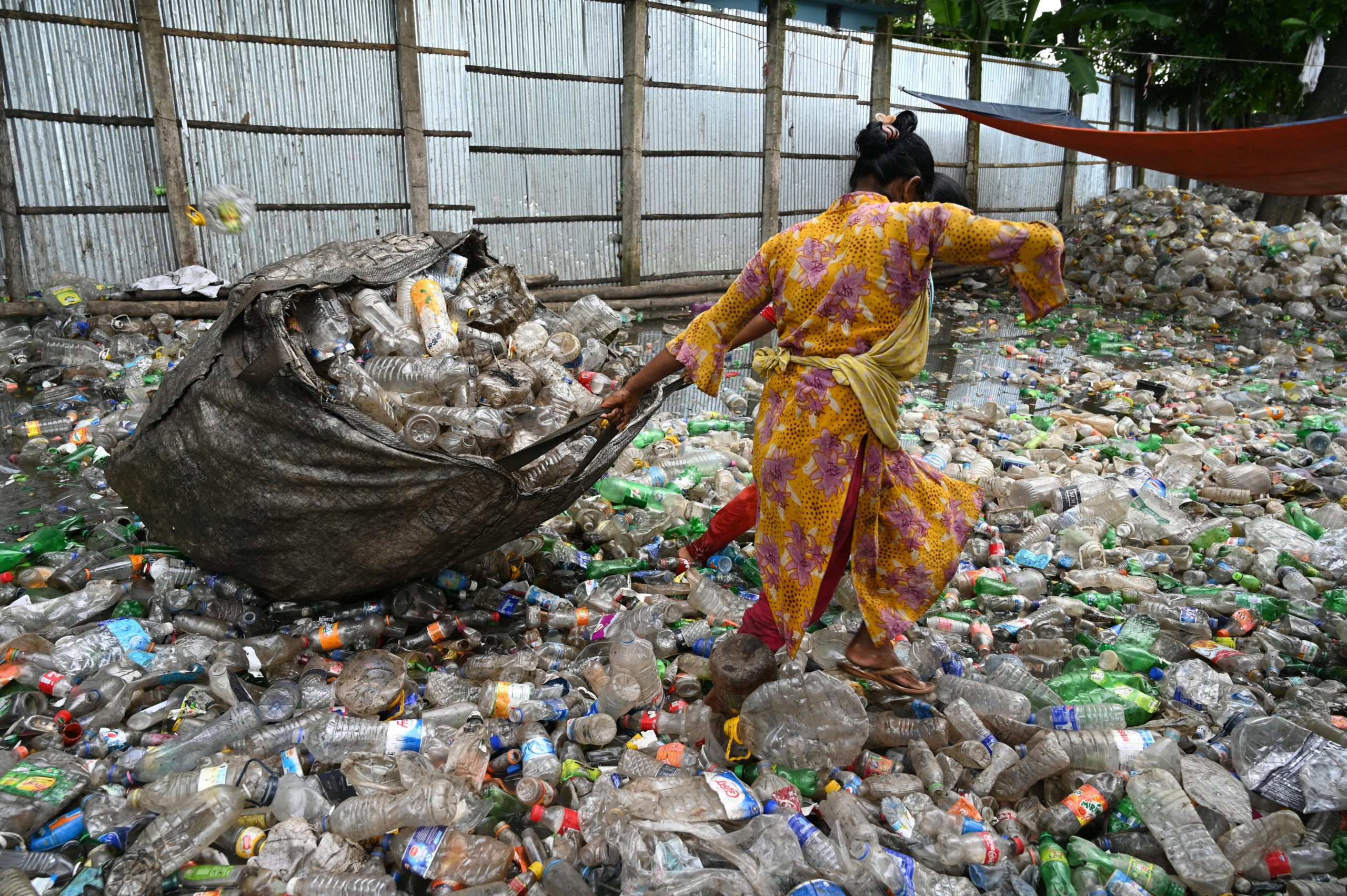
CIRCLE AllianceJune 6, 2024, marked the launch of the new CIRCLE Alliance collaboration. The public company Unilever, the United States Agency for International Development (USAID) and the private organization Ernst and Young (EY) have all partnered to create the CIRCLE Alliance. These organizations are working with entrepreneurs and small businesses that are already established in the plastic waste sector.

They aim to find solutions to scale the work already being done through their $21 million investment. Through this and by focusing on increasing circular plastics economies, CIRCLE will work to reduce the use and waste of plastic products. CIRCLE’s initial plan is to launch projects in four key countries: India, Indonesia, Vietnam and the Philippines. Within these countries, CIRCLE will focus efforts on those who already perform most of the collection and disposal of waste – women.

Plastic in CIRCLE’s Key Countries

  • India produces the most plastic waste in the world, behind the United States (U.S.) and the European Union (EU), with 26,000 tons generated daily. It is also the leader in polymer production, the substance used to create plastic.
  • Indonesia generates just more than 21,000 tons of plastic waste daily. Most of the waste comes from rural locations without proper waste management systems. Most of the waste ends up in waterways, floating down rivers. Only 17% of the waste that makes it into rivers either washes up or is removed.
  • Vietnam’s recent economic growth contributes to the plastic waste problem. The nation produces almost 8,500 tons of plastic waste daily and if it continues on its current path, this amount is projected to double by 2030.
  • The Philippines produces just less than 8,000 tons of plastic waste daily and the country’s coastlines are suffering. Much of the country’s economy is based on coastal work—fishing, tourism and shipping. With 20% of all plastic waste finding its way to the ocean, these industries are being impacted. 

What Are Circular Plastic Economies?

In circular plastic economies, plastic waste is reduced by finding solutions to recycle and reuse plastic products that are currently being thrown away. Plastic, a material used globally, is estimated to double in production in the next 20 years. We are creating and producing new plastics daily and therein lies the problem. The world currently creates more plastic than is recycled for reuse. Currently, 84% of all plastic created is disposed of in landfills, fires or the ocean.

Globally, plastics are mostly operating in a “linear take-make-waste model,” a term coined by the Ellen MacArthur Foundation, a leader in circular economy creation and research. With the introduction of circular plastic economies, the economic value of production is recouped. Additionally, the material does not find its way into the environment.

CIRCLE Alliance’s Investment in Entrepreneurs

CIRCLE Alliance has already shown its dedication to the cause and displayed how circular plastic economies promote poverty reduction. In the Philippines, for example, lives Riza Santoyo. Her inspiring story starts with a self-funded waste-collecting business in her small town. She used the resources available to her to collect waste, making about $2 a day. CIRCLE Alliance’s investment in equipment for Santoyo allowed her to increase not only her efficiency and productivity in waste collection but also her income. The efforts that the CIRCLE Alliance is making in these key countries are at the intersection of sustainability and poverty reduction.

Expand Producer Responsibility

Another initiative to increase circular plastic economies is to expand producers’ and companies’ responsibility for the aftermath of their products. To combat the myth that single-use plastic is the most cost-effective method, USAID, EY and Unilever are working to promote systems of use called Extended Producer Responsibility (EPR Systems). These systems flip the responsibility of waste removal from the consumer to the producer. It forces the producer to evaluate the true cost of their single-use product. This has encouraged companies to make their plastic recyclable and to think of solutions outside of plastic for their products.

– Carlee Unger

Carlee is based in Pembroke, NC, USA and focuses on Global Health and Politics for The Borgen Project.

Photo: Pexels

June 25, 2024
https://borgenproject.org/wp-content/uploads/borgen-project-logo.svg 0 0 Lynsey 2 https://borgenproject.org/wp-content/uploads/borgen-project-logo.svg Lynsey 22024-06-25 07:30:182024-06-29 16:42:34CIRCLE Alliance: Increasing Circular Plastic Economies
Economy, Education, Global Poverty

Unlocking Economic Opportunities With Education in the Congo

Education in the CongoThe Democratic Republic of Congo (DRC) boasts the world’s second-largest rainforest, a wealth of precious minerals and large crude oil reserves, the spoils of which most Congolese do not enjoy. In fact, two-thirds of the population lives below the poverty line, subsisting on less than $2.15 a day. This dire situation stems from a long history of sociopolitical turmoil. Additionally, ongoing violent conflict in the DRC has stunted economic growth and subjected citizens to prolonged instability and violence.

Furthermore, inhospitable conditions are most acutely burdensome for women, who face gender discrimination, early marriage, poverty and food insecurity. Women with little or no educational attainment are even more vulnerable to experiencing these issues. Humanitarian organizations are investing in programs to make high-quality education more accessible throughout the Congo. These efforts are instrumental in the fight against gender inequality and extreme poverty.

Education in the Congo

For underprivileged Congolese children, tending to crop fields is more routine than sitting in classrooms reading and writing. Beginning in the ’80s, parents had to pay tuition fees to send their kids to school. Then, in 2019, a new policy waived the cost of attendance, enabling more than three million children to enroll. While higher rates of young people attending school is an encouraging sign of progress, the education system in the DRC needs to be equipped to accommodate the influx; classrooms are overcrowded and instructors are overwhelmed.

Education Cannot Wait

Education Cannot Wait (EWC), the global fund for education in less-resourced areas, has stepped in to aid the DRC. The nonprofit is addressing teacher shortages, supplying psychosocial support services and training for educators and instituting nutrition programs at school. As of August 2023, EWC has built or rehabilitated 343 classrooms and trained 2,425 teachers. The inclusivity and protection component of its mission has facilitated the distribution of more than 3,000 female hygiene kits to girls and supports the monitoring of school performance.

Other Initiatives Supporting Education in the Congo

Another organization dedicated to increasing the universal availability of education in the Congo is the United States Agency for International Development (USAID), which has allocated $7.7 million toward improving classroom instruction. USAID works closely with faith groups, private institutions and international partners to provide greater academic resources for at-risk communities with low literacy rates and poor math scores. Its initiatives aim to equip schools with sufficient supplies like textbooks and higher-quality lessons in social and emotional skills, numeracy, soft and vocational skills and literacy.

The United Nations Educational, Scientific and Cultural Organization (UNESCO), partnered with the French Development Agency (AFD), is also conducting a four-year teacher training project in the Congo. One of the guiding motivations behind the program is to boost the presence of women in the educational profession, which may make school environments more welcoming for girls.

Final Remark

Certainly, investing in the education and empowerment of young Congolese will yield significant benefits for the DRC. It will advance the country’s efforts to eliminate extreme poverty and build a more prosperous future for its citizens. Enhancing the availability and quality of educational resources is the crucial first step toward these overarching objectives.

– Natalie Kaufman

Natalie is based in Orlando, FL, USA and focuses on Good News for The Borgen Project.

Photo: Wikipedia Commons

June 25, 2024
https://borgenproject.org/wp-content/uploads/borgen-project-logo.svg 0 0 Lynsey 2 https://borgenproject.org/wp-content/uploads/borgen-project-logo.svg Lynsey 22024-06-25 01:30:162024-06-23 13:46:14Unlocking Economic Opportunities With Education in the Congo
Economy, Financial Instruments, Global Poverty

The Declining Yen and Its Impact on Japan

Declining YenDespite its small size, Japan has consistently ranked as the world’s third-largest economy, following the United States (U.S.) and China. However, in 2024, the country fell to fourth place, overtaken by Germany. Japan has experienced a declining yen, its weakest in history, leading to a rapid economic decline. Businesses relying on imported goods are facing even greater economic challenges. Several factors contribute to Japan’s economic difficulties and this stagnation poses significant concerns for the country’s future.

Reluctance to the Digital Shift

Japan remains one of the few analog societies, still relying on fax machines and cash while retaining traditional methods. This digital gap stems from Japanese companies’ reluctance to adopt information and communications technology (ICT) and a fixed mindset. Renowned tech companies like Sony, successful in the past, resist adapting to new technologies. Additionally, the COVID-19 pandemic exacerbated this issue. While much of the world shifted to remote work, many in Japan continued working on-site, missing opportunities to embrace digitalization.

Japan’s Economic Golden Age

In the 1960s, Japan’s economy flourished, opening to world trade and focusing on exporting goods. The Income Doubling Plan of 1960, which aimed to boost Japanese income through enhanced government support for social welfare and education, played a significant role. During this period, Japan emerged as a leading manufacturer of electronics, automobiles, metals and chemicals. Companies such as Sony, Nikon, Canon, Toyota, Honda, Mazda, Mitsubishi and Suzuki dominated the international market by emphasizing high-quality and high-technology products.

The Economic Bubble Burst

In the 1980s, Japan’s economy grew rapidly, with soaring stock prices, real estate values and the Yen’s strength. This period of economic excess is known as the bubble economy. However, the bubble burst in 1992 when the Bank of Japan raised its interest rate. This led to a stock market crash and a steep decline in asset prices. Since then, Japan has faced economic stagnation, a period often referred to as the lost decades.

The Dilemma of Low Interest Rates

The Bank of Japan has maintained a low-interest rate for decades, contributing to the continuous decline in the value of the Yen. Higher interest rates can boost a currency’s value by attracting foreign investment, which is why countries often raise rates to curb inflation. For instance, the U.S. increased its interest rate during the COVID-19 pandemic to stabilize the dollar. Conversely, lower interest rates can reduce a currency’s value but are used to stimulate economic activities such as borrowing, spending and investing. In Japan, the strategy to drop interest rates to near zero was intended to encourage consumer spending. However, this approach backfired by making the economy less attractive for foreign investment and further decreasing the Yen’s value.

Path Forward for Economic Recovery

Over the years, Japan has resisted raising its interest rates despite economic stagnation. With low demand for the Yen, Japan feared that higher rates would exacerbate its ability to pay off debts. However, in March 2024, for the first time in 17 years, Japan increased its interest rate from 0% to 0.1%, ending its negative interest rate policy.

By 2026, Japan will face a shortage of 2.3 million digital workers due to a fundamental lack of digital skills. Embracing a digital shift to enhance technology promises to spur economic growth. Additionally, gradually raising the interest rate at a steady pace could eventually strengthen the value of the Yen.

Focusing more on tourism offers another avenue to alleviate economic stagnation. Currently thriving due to the declining Yen, Japan’s tourism industry benefits from government efforts to attract more foreign visitors. In 2024, visitor numbers from the U.S. and Germany, where currency strength outpaces the Yen, surged by 64.3%. The weakened Yen draws tourists looking for cost-effective travel options, presenting an opportunity for Japan. By actively attracting international visitors, Japan could leverage its economic challenges to bolster the tourism industry, potentially significantly contributing to the gross domestic product.

Looking Forward

Japan’s decision to increase interest rates and its openness to digital transformation offers hope for economic revitalization. As Japan adapts to global digital trends and continues to enhance its tourism sector, it sets a path toward overcoming decades of economic stagnation and the declining yen. These ongoing strategic shifts promise to gradually restore the strength of the Yen and reinvigorate Japan’s global economic standing.

– Eunsung Koh

Eunsung is based in Seoul, South Korea and focuses on Technology and Politics for The Borgen Project.

Photo: Flickr

June 16, 2024
https://borgenproject.org/wp-content/uploads/borgen-project-logo.svg 0 0 Precious Sheidu https://borgenproject.org/wp-content/uploads/borgen-project-logo.svg Precious Sheidu2024-06-16 07:30:502024-06-15 08:58:36The Declining Yen and Its Impact on Japan
Economy, Global Poverty, Government, Inequality

Balancing Prosperity and Income Inequality in Luxembourg

Income Inequality in LuxembourgEconomically, Luxembourg is rated one of the most affluent and prosperous countries in Europe. Acclaimed for high standards of living, a strong economy and a strategic geographical position to become a doorway for international business, the Grand Duchy has made its own identity in the international arena. Nevertheless, one of the greatest challenges of the country comes in the form of income inequality and societal differences.

Economic Prosperity

Luxembourg has a very high economic potential, with a strong financial services industry, high-quality steel and a strategic position in geography. Its financial sector acts as the backbone of its economy. It attracts world corporations, investment funds and financial institutions who are looking for stability and fine regulatory frameworks.

Financial services are one industry that heavily contributes to Luxembourg’s gross domestic product (GDP). Luxembourg for Finance reports that “the financial sector accounts for approximately 26% of the GDP of the country, making it one of the greatest contributors to the economy.”

Although not quite as prosperous as in its heyday, Luxembourg’s steel industry remains another important sector of the country’s economy. Its location in the center of Europe makes it easy to trade and carry out commerce, making it a good place for international businesses to have their headquarters or regional offices.

Income Inequality in Luxembourg

Despite its prospering economy, Luxembourg is faced with sharp income inequality, a challenge pervading many aspects of society. According to a report by Sustainable Development Goal (SDG) Watch Europe, the top 20% of earners in Luxembourg take home about five times what the bottom 20% earn.

Differences between the well-off and the underprivileged are reflected in the accessibility of basic services: education, health and housing. While the country is generally characterized by a high living standard, spots of poverty and social exclusion do remain, particularly among certain groups.

Government Response

The government of Luxembourg has implemented social welfare policies that try to alleviate poverty and enhance social mobility. At the very core of these lies a comprehensive social safety net. They include salient welfare programs in the form of unemployment allowances, housing subsidies and even health support schemes. These range from better education and training opportunities to job prospects that economically empower marginalized communities.

Conclusion

Of course, Luxembourg’s impressive economic success is praiseworthy. The government continues with new social welfare policies and programs intended to level the playing field in society.  They aim to foster mobility and bring the nation closer to achieving its vision of an equitable society.

– Honorine Lanka Perera

Honorine is based in Highland, NY, USA and focuses on Business and Good News for The Borgen Project.

Photo: Unsplash

June 16, 2024
https://borgenproject.org/wp-content/uploads/borgen-project-logo.svg 0 0 Lynsey 2 https://borgenproject.org/wp-content/uploads/borgen-project-logo.svg Lynsey 22024-06-16 01:30:392024-06-15 08:50:26Balancing Prosperity and Income Inequality in Luxembourg
Development, Economy, Electricity and Power, Global Poverty

How Renewable Energy in Malawi Is Driving Economic Growth

Renewable Energy in MalawiIn Malawi, a landlocked country in southern Africa, economic inequality persists, hindering significant poverty reduction efforts despite consistent growth. Currently, about 70% of the country’s 20 million residents live on less than $2.15 a day and a considerable portion of national income belong to the top 20% of earners. A major factor explaining the persistent economic inequality in Malawi is the low electrification rate. Currently, only 15% of Malawi has access to electricity, one of the lowest rates worldwide, primarily due to inadequate infrastructure in information, communication and energy technology. Renewable energy in Malawi offers a viable solution to increase access to electricity and support economic growth.

The disparity between rural and urban areas is stark, with only 5% of rural regions having electricity access compared to 42% in urban areas. Additionally, even areas with electricity face inconsistent service. Leo Randall-Brown, a volunteer in Bangwe, noted, “We lose power once a week or so,” remarked Leo Randall-Brown, a volunteer in Bangwe, “but [a few months ago] it was worse.” Despite these challenges, optimism grows around Malawi’s emerging energy sector. Innovative and collaborative efforts in renewable energy present a promising pathway to address disparities and support the nation’s poorest communities.

Hydroelectric Power

Hydroelectric power is a crucial element of Malawi’s energy portfolio, generating 90% of its electricity primarily from the Shire River. Yet, this represents only about 17% of the nation’s potential hydroelectric capacity. Modernization efforts are underway to improve this infrastructure. Notably, the rehabilitation of the Nkula Hydropower Plant, a project undertaken by the Austrian company Andritz Hydro and Portuguese firm Mota Engil, has increased energy generation capacity by 50%. Additionally, projects like the Mpatamanga Hydro, supported by a World Bank-backed Public-Private Partnership (PPP), aim to significantly enhance hydroelectric capacity, marking a robust effort to maximize Malawi’s energy resources.

These ongoing initiatives are crucial for enhancing energy security and alleviating poverty in Malawi. Hydroelectric projects catalyze job creation, providing substantial employment opportunities during the construction and operation phases. They also boost agricultural productivity in downstream villages by improving access to electricity for irrigation and agro-processing activities. The development of hydroelectric power in Malawi thus represents a multifaceted approach to combating poverty, fostering economic growth and empowering local communities to thrive.

Solar Power

With an annual daily mean global solar radiation equivalent to 250 million tonnes of oil, Malawi possesses a vast and sustainable solar energy resource. Solar power, a versatile form of renewable energy, facilitates both household-level and large-scale photovoltaic (PV) cell electrification. Across Malawi, tens of thousands of solar home systems (SHS) have been adopted, providing households with reliable lighting, heating, water pumping and radio usage. Mr. Randall-Brown notes, “We have a small solar panel that charges throughout the day. It acts as a kind of backup generator.”

The 2018 Energy Policy in Malawi emphasizes off-grid electricity, highlighting a cooperative effort between the government and the private sector. Companies such as VITALITE Malawi have capitalized on this policy framework, enhancing public-private partnerships (PPPs) to expand solar home system (SHS) services to an unprecedented number of households and communities. This focus on off-grid electrification significantly benefits the nation’s most vulnerable populations, reducing the need for extensive infrastructure investments while ensuring sustainable and renewable energy in Malawi for all.

Malawi has made notable progress in developing utility-scale solar power plants, exemplified by the completion of projects such as the 60 MW Salima, 20 MW Golomoti and 21 MW Nkhotakota. These projects underscore the government’s commitment to expanding grid infrastructure. Collaborative efforts with USAID and other international partners highlight Malawi’s proactive approach to promoting interconnected sustainable development. These ongoing initiatives are creating new income opportunities for both rural and urban households and enhancing agricultural practices with solar-powered irrigation. This technology is particularly crucial for Malawi, which relies heavily on rain-fed agriculture, marking a transformative era of resilience and prosperity for the nation’s agricultural sector.

Geothermal Power

Geothermal energy holds immense promise for Malawi’s energy future, owing to its location in the East African Rift System (EARS), which endows the country with significant reserves. Approximately 55 geothermal sites dot the landscape, with three major ones—Chiweta, Mwankeja and Nkhotakota—identified for detailed investigation, boasting a combined potential of 200 MW. While geothermal efforts are largely in the exploratory phase, a plant in Nkhotakota is planned for construction.

In a concerted effort to harness the vast potential of geothermal energy, the Malawian government is actively pursuing avenues for both public and private investment.  A notable stride occurred in 2013, when the government-owned energy company EGENCO forged a groundbreaking agreement with Kenya’s Geothermal Development Company, fostering intra-African technological collaboration within the East African Rift System (EARS). Beyond its role in sustainable electricity generation, geothermal energy holds the promise of delivering direct community benefits and catalyzing economic growth and technological advancement.

Looking Forward

Malawi is on the cusp of a transformative era in its energy sector, poised to make significant strides in electrification, sustainable development and poverty alleviation. The country boasts vast untapped potential in renewable energy sources such as hydroelectric, solar and geothermal resources. By harnessing these opportunities through pro-growth domestic policies and integration with foreign entities, Malawi is primed to drive inclusive growth and prosperity. As the nation embraces foreign investment in renewable energy in Malawi, it paves the way for collaborative efforts to unlock the full potential of clean energy and propel Malawi toward a brighter, more sustainable future for all its citizens.

– Matthew Candau

Matthew is based in St. Andrews, Scotland and focuses on Business and Technology for The Borgen Project.

Photo: Flickr

June 4, 2024
https://borgenproject.org/wp-content/uploads/borgen-project-logo.svg 0 0 Precious Sheidu https://borgenproject.org/wp-content/uploads/borgen-project-logo.svg Precious Sheidu2024-06-04 07:30:162024-06-03 13:32:11How Renewable Energy in Malawi Is Driving Economic Growth
Economy, Electricity and Power, Global Poverty

How Renewable Energy in Croatia Can Reduce Energy Poverty

Renewable Energy in CroatiaSprawling across the Adriatic Sea, Croatia comprises more than 1,200 islands – 48 of which are inhabited. Currently, the country imports much of its energy needs in the form of fossil fuels. National Energy and Climate Plan outlines the efforts to expand renewable energy in Croatia: by 2030, Croatia aims to have a 36.4% renewable energy share and a 45% reduction in total emissions. At the end of last year, Croatia recorded four days powered fully by renewable energy sources.

Politics and Renewable Energy

Recent and upcoming political changes could impact the renewable energy share in Croatia and have important impacts on those living in energy poverty. The 2024 election year has been deemed a “super-election.” In April, the country’s long-dominating center-right party, Croatian Democratic Union (HDZ), won the Parliamentary Election on April 17, but change could still occur with the European Parliament Election taking place in June and the Presidential seat being up for reelection at the end of the year. 

In a recent survey conducted for Croatia’s 2024 election, 70% of people expressed concerns about rising costs of living accompanying inflation. While the focus of this year’s election is economic, discussions surrounding renewable energy initiatives play a role in growing Croatia’s economy and helping those living in energy poverty. Making investments in renewable energy is an economic endeavor.

This is important because typically, renewable energy discussions are pushed to the side in Croatia in favor of issues the population finds more pressing such as food safety, economic growth and youth unemployment, Clean Energy Wire reports. Renewable energy in Croatia only enters the political discourse when severe weather events occur and brings attention to the impacts of changing weather patterns. Bringing attention to the economic advantages of independent renewable energy in the election will bolster initiatives for renewable energy in Croatia and benefit initiatives targeting energy poverty.

Economic Opportunity

Currently, Croatia imports the majority of fossil fuels it uses: 100% of coal, 80% of oil and 40% of gas, according to Clean Energy Wire.

Dependency on importation makes Croatia “particularly vulnerable to the rise in fossil fuel prices” contributing to the country’s high energy prices, Clean Energy Wire stats. This shows that developing renewable energy sources could help stabilize energy prices and allow more people access to consistent energy.

Renewable energy is growing as the cheapest option for electricity. The cost of solar power electricity has been declining – falling 85% from 2010 to 2020. Similarly, wind energy has seen dramatic declines in cost. Expanding renewable energy sources in Croatia could offer cheaper energy to more people, allowing those who cannot afford the high and volatile fossil fuel prices to access this essential resource.

Renewable Energy Policy

Initiatives to combat energy poverty in Croatia are underway in legislation through the expansion of renewable energies.

New drafts of Croatia’s National Energy and Climate Plan (NECP) include language targeting energy poverty in the country. Under this Plan, an Energy Poverty Program aims at achieving the following objectives from 2021 to 2030 with an overall goal to define criteria for energy poverty:

  • Incorporation of energy education for citizens living in energy poverty
  • Creation of national standards and key identifiers describing energy poverty as a system for measurement and monitoring
  • Creation of programming will likely effectively increase energy efficiency for those in and at risk of living in energy-poverty households

Currently, 9.4% of the population cannot heat their homes adequately and is living in energy poverty. NECP plans to implement monitoring and allow the Country to identify at-risk populations, target policy accordingly, and ultimately lead to effective structural policy combating energy poverty.

Closely tied with the Energy Poverty Program, a 2020 initiative targeting energy poverty through the expansion of renewable energy use assists in renovating homes. The Program for Renovation of Family Houses has provided 100% funding for these renovations for qualifying houses in addition to free energy auditing. As of summer 2020, the program received more than $4 million.

The upcoming 2024 elections could spur change in Croatia’s priority on renewable energy and help to drive out investments in fossil fuel. This, in accordance the ongoing renewable energy initiatives, give hope to decreasing the levels on energy poverty in Croatia. 

– Carlee Unger

Carlee is based in Pembroke, NC, USA and focuses on Politics and Good News for The Borgen Project.

Photo: Flickr

June 3, 2024
https://borgenproject.org/wp-content/uploads/borgen-project-logo.svg 0 0 Jennifer Philipp https://borgenproject.org/wp-content/uploads/borgen-project-logo.svg Jennifer Philipp2024-06-03 01:30:562024-06-03 14:01:53How Renewable Energy in Croatia Can Reduce Energy Poverty
Africa, Economy, Global Poverty

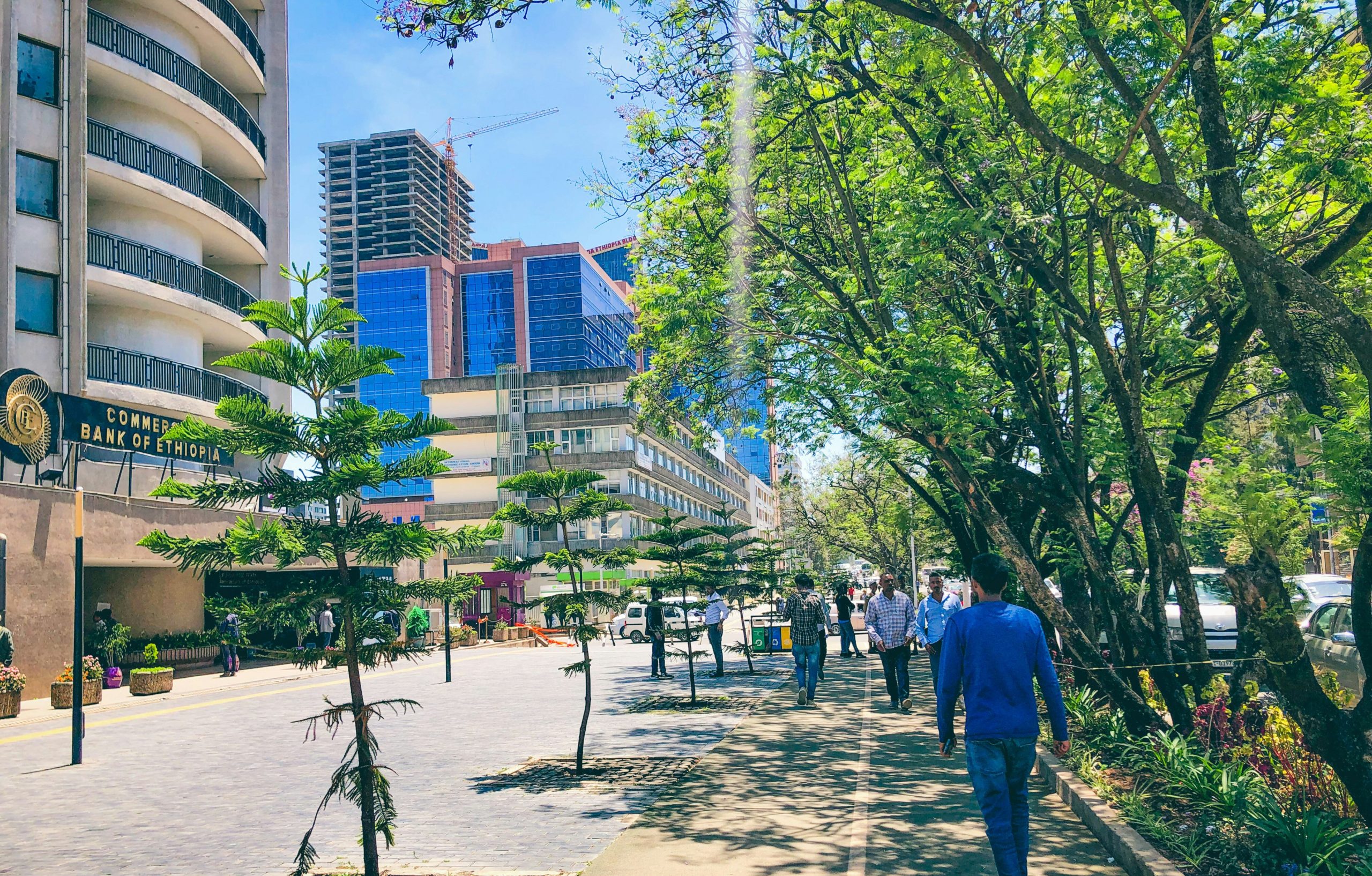
Circular Economy Innovations and Poverty in Ethiopia

Poverty in EthiopiaEthiopia is a country with a cultural heritage and natural wealth. Yet, it faces high rates of poverty and environmental challenges. Even in this adversarial backdrop, innovative approaches toward a circular economy are emerging as one of the transformative solutions. These efforts shed light on how zero-waste initiatives, resource recovery programs and upcycling enterprises are not only mitigating environmental degradation but also creating economic opportunities and combating poverty in Ethiopia.

Poverty in Ethiopia

Ethiopia is among many African countries that face pervasive poverty. According to estimates by the World Bank, more than 20% of Ethiopia’s population lives below the poverty line and has little access to clean water, education and health facilities. Furthermore, rapid population growth and climatic changes raise the difficulty of the already existing challenges, making sustainable development a matter of high priority.

The principles of circular economies stress the use of resources in ways that are more regenerative, wasting little and reaping full value. It is within this argument that the circular economy opens a promising pathway for poverty alleviation in Ethiopia by inspiring economic growth while at the same time protecting the environment.

Zero-Waste Initiatives

Zero-waste initiatives aim to eliminate waste through redesigning production, reusing and promoting responsible consumption. In Ethiopia, organizations like the Zero Waste Ethiopia project pioneered such waste management strategies, with the core of reuse and recycling. By diverting waste away from landfills and incinerators, these initiatives effectively reduce environmental pollution while creating employment opportunities in the waste collection and recycling sectors.

An example of this progress is the Addis Ababa Waste-to-Energy Facility, which commenced operations in 2018. This facility converts municipal solid waste into electricity, offering a sustainable energy source to the capital while reducing methane emissions at landfill sites. In addition, community-based initiatives like the “Clean and Green Ethiopia” campaign encourage citizen participation in waste segregation and recycling, promoting environmental stewardship and community empowerment.

Resource Recovery Programs

Resource recovery programs tap into innovative technologies that release value from waste materials. Such initiatives in Ethiopia include producing biogas from organic waste and wastewater treatment plants, reducing environmental pollution and producing renewable energy and organic fertilizers. These programs empower locals by providing them with access to clean energy sources and enhanced agricultural productivity for poverty reduction.

With the support of international organizations, the Ethiopian Biogas Program began in 2009 and has since installed more than 42,000 biogas digesters in rural households, substituting traditional sources of biomass fuels and hence improving indoor air quality. The same applies to the wastewater treatment plant of the Hawassa Industrial Park, which recycles and treats industrial effluent to prevent water pollution of Lake Hawassa, sustaining the industrial development of the region in an environmentally friendly way.

Upcycled Ventures

Upcycled ventures give otherwise discarded material a high-value new life, creating a circular economy where waste represents a valuable resource. In Ethiopia, social enterprises like Sabahar and SoleRebels typify transformational potential through upcycling. Sabahar produces exquisite textiles from recycled materials, which gives artisans sustainable livelihoods while preserving traditional weaving techniques. Similarly, SoleRebels transforms old tires into fashionable footwear, offering opportunities for employment among marginalized groups while reducing waste in landfills.

These businesses not only help reduce poverty but also promote social inclusion and cultural conservation. These enterprises combine traditional craftsmanship with innovation in design, projecting cultural heritage to the world while generating income for their local communities.

Final Remark on Poverty in Ethiopia

The impacts of circular economy innovations extend into environmental sustainability dimensions, such as social and economic benefits, by creating new markets for recycled materials, employment opportunities and efficiency in resource use that contribute to poverty reduction and inclusive economic growth. However, such scaling up would involve a collaborative partnership among government, private sector and civil society stakeholders, coupled with investment in research, infrastructure and capacity building.

For a country like Ethiopia, which faces huge challenges regarding poverty and environmental issues, embracing circular economy innovations could show the way toward sustainable and inclusive development. The potential of zero-waste initiatives, resource recovery programs and upcycling enterprises can secure resilience in communities, protect natural resources and uplift the most vulnerable populations in Ethiopia. 

– Honorine Lanka Perera

Honorine is based in Highland, NY, USA and focuses on Business and Technology for The Borgen Project.

Photo: Flickr

June 3, 2024
https://borgenproject.org/wp-content/uploads/borgen-project-logo.svg 0 0 Lynsey 2 https://borgenproject.org/wp-content/uploads/borgen-project-logo.svg Lynsey 22024-06-03 01:30:072024-06-01 13:31:34Circular Economy Innovations and Poverty in Ethiopia
Page 16 of 66«‹1415161718›»

Get Smarter

  • Global Poverty 101
  • Global Poverty… The Good News
  • Global Poverty & U.S. Jobs
  • Global Poverty and National Security
  • Innovative Solutions to Poverty
  • Global Poverty & Aid FAQ’s
Search Search

Take Action

  • Call Congress
  • Email Congress
  • Donate
  • 30 Ways to Help
  • Volunteer Ops
  • Internships
  • Courses & Certificates
  • The Podcast
Borgen Project

“The Borgen Project is an incredible nonprofit organization that is addressing poverty and hunger and working towards ending them.”

-The Huffington Post

Inside The Borgen Project

  • Contact
  • About
  • Financials
  • President
  • Board of Directors
  • Board of Advisors

International Links

  • UK Email Parliament
  • UK Donate
  • Canada Email Parliament

Get Smarter

  • Global Poverty 101
  • Global Poverty… The Good News
  • Global Poverty & U.S. Jobs
  • Global Poverty and National Security
  • Innovative Solutions to Poverty
  • Global Poverty & Aid FAQ’s

Ways to Help

  • Call Congress
  • Email Congress
  • Donate
  • 30 Ways to Help
  • Volunteer Ops
  • Internships
  • Courses & Certificates
  • The Podcast
Scroll to top Scroll to top Scroll to top