Disability and Poverty in OmanOman is a country of about 4 million people at the southeastern end of the Arabian Peninsula. Its rich oil reserves have made it one of the richest countries in the Middle East. Yet, its relatively high GDP per capita—estimated at $39,800—belies the many socio-economic issues affecting large sectors of the Omani population. Two such issues are poverty and disability-induced hardship. Below are the main things to know about disability and poverty in Oman.

Oman’s Nexus of Poverty and Disability

Oman still has some (relative) poverty. Despite no one in Oman living below the international poverty line of $1.25/day anymore, a regionally tailored metric shows that 10.1% of Omani nationals can still be considered “poor” in some capacity. This is one of the highest relative poverty rates in the Persian Gulf region. Poverty is even more severe among foreign workers in Oman, who number 1.8 million of the country’s residents but have experienced exclusion from most poverty-related programs and statistics.

Some of Oman’s poorest citizens have disabilities as well. There are 44,513 total Omani citizens living with disabilities. This translates to nearly 1% of the total population. The most common types of disabilities in Oman are hearing disabilities (34%) and physical disabilities (23.7%). Such disabilities reduce the likelihood of having a stable income. In 2003, only 15.7% of disabled Omanis were economically active, and 65% were unable to work at all. Thus, disability has a high correlation with poverty in Oman.

Implications of Disability and Poverty for Oman

Poverty is more acute in rural areas in Oman. A dearth of state services in agricultural and remote communities likely renders poorer and disabled Omanis in those communities vulnerable to educational neglect and health issues.

Another vulnerable group that disability and poverty disproportionately impact in Oman is children. Nearly one in 10 Omani children is stunted – a phenomenon often associated with poverty. Moreover, 16,000 Omani children are disabled.

Interventions

Despite the hardships that disability and poverty in Oman has triggered, the country has made significant strides in alleviating conditions for poor and disabled Omanis. Through its massive oil wealth, Oman has greatly solidified its current social safety net, known as the “Social Protection Fund.” The fund allows impoverished Omanis to receive unemployment benefits, monthly allowances and job recruitment opportunities when necessary. The Social Protection Fund partly explains how Oman was able to eliminate its absolute poverty rate (the proportion of people living below $1.25/day) in 2025.

For disabled citizens, the Social Protection Fund offers a tailored “disability benefit,” providing 130 rials ($338 USD) each month. This money allows Omanis with special needs to secure necessities like food, water and shelter, while reducing the likelihood of them falling into poverty.

Looking Forward

Overall, despite Oman’s international reputation for affluence, some of the country’s citizens still suffer from the interconnected issues of poverty and disability-induced hardship. These issues debilitate the lives of those who are already the most vulnerable in Omani society—foreign workers, rural residents and children. Yet, the Omani government has implemented a Social Protection Fund that has partially succeeded in alleviating the hardship induced by poverty and disability in Oman. 

– Pranav Kanmadikar

Pranav is based in Louisville, KY, USA and focuses on Technology and Global Health for The Borgen Project.

Photo: Flickr

Disability and Poverty in GrenadaPoverty in Grenada greatly affects those with disabilities more than those without. However, as poverty as a whole in the country is decreasing, so too are the disproportionalities, improving lives of those experiencing disability and poverty in Grenada. 

Poverty in Grenada

The citizens of Grenada, an island country in the Caribbean, have a high risk of facing poverty because of the country’s infrastructure, access to programs and aid, heavy reliance on food and oil imports and the climate they are in. Grenada is a developing country that has put more money into its industries to create more jobs and reduce its reliance on Grenada’s goods. But because they are in the hurricane belt, the destructive weather can affect these people and industries. In the early 2000s, Hurricane Ivan and Emily damaged agriculture in the rural areas.

In 2008, the poverty rate was at 37.7%, an increase from the 32% in 1998, most likely due to the hurricanes’ damage to land and businesses as people were without jobs. Meanwhile, in 2018, the rates of poverty decreased to 25%. The extreme poverty rate has been on a more significant decline, going from 12.9% in 1998, 2.4% in 2008, but unfortunately rising to 3.4% in 2018.

Tourism and Poverty

Besides agriculture, Grenada has boosted its tourism industry. Tourism contributed about 40% to the GDP. Grenada’s government improved this industry, adding in more jobs and enhancing the island’s economy. In 2014-2019, this helped decrease the rate of poverty and extreme poverty. However, in 2020, the tourism industry rapidly declined because of the COVID-19 pandemic. Many people were without jobs or income, and most likely fell into poverty.

The Living Conditions in Grenada Report comes directly from the World Bank Group and the Central Statistical Office of Grenada. These organizations created this report in 1998 to report poverty, equity and living conditions, as well as measure Grenada’s Consumer Price Index. The latest report is from 2018 and the next will be in 2028. Although not the most current information, it is being used for reporting, comparing and measuring Grenada’s need for aid.

Poverty and Citizens With Disabilities

Individuals with disabilities, as well as their families, have a higher susceptibility to poverty. This vulnerable group has a strained ability to uphold a job/income. In some cases, the individual’s disability prevents them from important actions like walking, which is a movement needed for agriculture and tourism. In 2021, 551 people could not walk, making their lives harder and decreasing the number of jobs they can work in.

Some children with disabilities, physical or psychological, struggle to stay in school. These issues make it harder for the student to participate and graduate. Only about 23% of children with disabilities graduate from secondary school. Lack of education leads to a lack of jobs and opportunities. The lack of income can further hurt the individual and family. There is a need to help people who live with disability and poverty in Grenada.

Care and medical treatment for certain disabilities can be expensive and could be detrimental to the household’s income. Some families cannot afford care. People with disabilities also experience exclusion. For example, Article 25 of Grenada’s Constitution from 1973 determined that a person cannot run to be a senator if they are unable to speak. Those who cannot verbally communicate cannot sit on the board, further propelling the disproportionalities.

Fighting Poverty in Grenada

The Grenadian government has signed the 2030 Agenda for Sustainable Development and the Sustainable Development Goals (SDGs) to ensure everyone is included while eradicating poverty globally and locally. The government has also enforced the Education Act in 2002, making educational programs that are specifically tailored to individuals with intellectual, communicative, behavioral and/or physical disabilities.

Along with the government, a few nonprofits have been aiding Grenada. Kingdom Workers is directly combating poverty and unemployment by hosting a few events geared towards making education more accessible, like Sensory Day. This event, hosted at the end of 2020, included crafts, toys and specific instructors teaching children with developmental disabilities on ways to communicate, boosting their motor skills.

Kingdom Workers has also provided programs that teach instructors and family members on how to take care of children with developmental disabilities. The understanding of how to treat, teach and communicate with these children further includes them in school. It provides a space where they feel comfortable while learning.

Looking Ahead

Grenada and its economy has improved from where it was in 1998 when The Living Conditions in Grenada Report first began. The overall rate of poverty and extreme poverty in Grenada has decreased. More citizens have jobs, there are more resources to improve the lives of persons with disabilities and to keep them out of poverty, and the economy is growing. Although Grenada is on its way up there is still more to be done to bring the rate down and to provide even more inclusivity, making lives better for persons experiencing disability and poverty in Grenada.

– Emily Ruggiero

Emily is based in Orefield, PA, USA and focuses on Politics for The Borgen Project.

Photo: Wikimedia Commons

Disability and Poverty in HondurasFrom the bustling capital of Tegucigalpa to the city of La Lima where Oro Lencas line the streets, the harsh realities of disability and poverty in Honduras often overshadow the warmth of home. As the second poorest country in Central America, Honduras faces staggering socioeconomic challenges. As the World Bank reported, more than 48.3% of the population lives below the poverty line. These unlivable conditions contribute directly to the growing rates of physical and cognitive impairments.

A study that the U.S. The Department of Education in Honduras did found that 82% of individuals with disabilities lived below the poverty line. These numbers emphasize the urgent need to build inclusive systems that address both equity and accessibility.

A Brief History

The Republic of Honduras, historically known as the “banana republic,” gained independence in 1821. Despite achieving sovereignty, Honduras became a dominant exporter of bananas under the influence of the United Fruit Company, which played a role in shaping the country’s geopolitics. Institutional corruption followed for decades, with government officials embezzling funds intended for health and public infrastructure.

Today, many citizens still survive on less than $1.90 a day. This entrenched poverty continues to deepen the prevalence of those disabled across the country. 

Where Disabilities Commence: Environmental Roots

Rural regions in Honduras remain among the most underserved. Poor infrastructure, unsafe drinking water and inadequate health care services contribute to the emergence of preventable disabilities. For example, chronic malnutrition–linked to stunted growth–is seen in more than 23% of children in Honduras.

Disease outbreaks also worsen existing health conditions. A study in the National Library of Medicine found that 1.6% of infants born to mothers with Zika virus developed microcephaly – a severe neurological condition– at birth. These cases reflect the systemic neglect and environmental vulnerability present across the country.

Crime, Trauma, Oppressed

An even higher rate of crime and widespread violence compounds high rates of poverty and disability in Honduras. Women and children face challenges such as sexual violence, forced gang recruitment and displacement. One woman told the Norwegian Refugee Council, “I want to live normally and in peace,” further emphasizing how those oppressed want a life free of crime and persecution within their cities.

Powerful criminal organizations like Barrio 18 hold an insurmountable amount of power, often surpassing local governance. As a result, law enforcement and legal systems are often deeply compromised. The unchecked violence especially targets vulnerable groups. Human Rights Watch reports that people with disabilities are frequently among those experiencing this cycle of abuse.

Silenced Stories: The Media’s Attention and Role

Mainstream media often overlooks these human rights crises. The reason lies in the country’s deep suppression of journalism and press freedom. Al Jazeera reports that journalists who expose state corruption face threats, physical harm and abusive legal proceedings.

This has drawn attention to former president Juan Orlando Hernandez, accused of prioritizing multinational corporations over domestic welfare. These media restrictions continue to shield injustices from international attention and allow abuses to continue unchallenged.

Resist and Rebuild

Despite ongoing challenges, Hondurans continue to resist and rebuild. The country receives one of the highest numbers of asylum seekers globally, yet remains one of the poorest.

Organizations like CUPEDO, a religious led corporation, are stepping in to change that. CUPEDO focuses on increasing access to education, health care and vocational training for people with disabilities. Its “Women in Development” program empowers women to earn an income safely, helping them avoid dangerous migration or exploitative labor. Since its launch, it has reached thousands of women in western Honduras.

While the impact of grassroot organizations is vital, they cannot resolve these issues alone. As long as corruption, diseases and poverty persist, millions of Hondurans will remain trapped in inadequate conditions with little opportunity to rise above them. International governments, NGOs and institutions must expand aid, strengthen the anti-corruption framework and protect human rights.

A Nation Worth Fighting For

As the aroma of pupusa and the melodies of Aurelio Martinez play across bustling plazas, one must remember that disability and poverty in Honduras does not solely define its people. The country holds a rich cultural heritage and resilient spirit worth celebrating and supporting. 

Addressing injustices and poverty is not merely a political responsibility; it is a human one. By amplifying marginalized voices, supporting grassroots organizations, contacting representatives and spreading awareness, one can contribute to a future where Hondurans have the opportunity to thrive with dignity and opportunity.

– Anne Isimbi

Anne is based in Albuquerque, NM, USA and focuses on Global Health for The Borgen Project.

Photo: Unsplash

Disability and Poverty in Burkina FasoIn Burkina Faso, disability and poverty are deeply intertwined. Limited access to education, health care and employment traps many people with disabilities in cycles of exclusion. Without targeted support, their potential remains overlooked and their rights are unfulfilled.

Disability in Burkina Faso is more than a personal health challenge; it is a profound development issue. In one of the world’s most impoverished nations, having a disability often means being locked out of education, employment and health care. When systems aren’t built for inclusion, the result is predictable: poverty deepens, inequality widens and national progress stalls.

Systemic Poverty and Exclusion

According to the Tigoung Nonma, a cooperative of disabled artisans, approximately 10% of Burkina Faso’s population lives with a disability. Yet most of them are invisible in public life. Due to structural barriers and social stigma, access to jobs, education and even buildings remains limited.

Not only that, but for families already surviving on less than $2 a day, caring for a disabled member without social safety nets often means sacrificing their own basic needs. Medical devices like wheelchairs or hearing aids are expensive and hard to use and accessible public infrastructure is scarce. Children with disabilities are more likely to drop out of school and adults face major hurdles in finding stable work.

Health System Gaps: Underserved and Underfunded

According to the World Health Organization (WHO), Burkina Faso allocates just 6.3% of its GDP to health. This is far below the global average and far short of the need. Rural health centers are often unequipped to serve patients with specialized needs, especially those requiring physical therapy, long-term care or rehabilitation services.

Most of Burkina Faso’s more than 3,000 health facilities are inaccessible to people with mobility impairments. Similarly, a 2024 survey across French-speaking sub‑Saharan Africa revealed that Burkina Faso has only 26 physiotherapists, a staggering shortage for a needy population. For those with intellectual or developmental disabilities, the situation is even more dire. Most go undiagnosed, untreated and entirely unsupported, falling through the cracks of an already strained health care system.

Social Stigma and Discrimination

Beyond physical barriers, people with disabilities in Burkina Faso face deep social stigma. Misconceptions linking disability to witchcraft or divine punishment are still prevalent in rural areas, leading to neglect, abandonment and violence.

In employment and education, discrimination persists. Many children with disabilities are kept at home, denied enrollment in schools or bullied by peers. Adults are often excluded from the labor market entirely or relegated to informal work without legal protections.

A Vicious Cycle

Disability increases the likelihood of poverty and poverty increases the likelihood of disability. Malnutrition, unsafe childbirth, poor sanitation and lack of access to vaccinations contribute to preventable impairments in children. Meanwhile, poverty-stricken families often lack the knowledge or means to seek early intervention.

This cycle is especially damaging for women and girls, who face a double burden of gender and disability-based discrimination. They are less likely to attend school or access health care and more vulnerable to abuse.

Toward Inclusive Development

Thankfully, efforts are growing to integrate disability rights into national development plans. Burkina Faso ratified the U.N. Convention on the Rights of Persons with Disabilities (CRPD) in 2009 and has committed to more inclusive policies. However, Implementation remains slow.

Nonprofits like Light for the World and Humanity & Inclusion lead some of the most impactful initiatives. These organizations have progressed in supplying assistive devices and pushing for disability-inclusive budgets. Their work shows that inclusion isn’t just possible, it’s essential for sustainable development.

Conclusion

Disability and poverty in Burkina Faso are closely linked, forming a loop of exclusion that threatens the country’s development goals. The challenge is not disability but the failure to provide accessible infrastructure, inclusive policies and equal opportunities.

Addressing this issue requires more than charity; it demands systemic change, political will and international solidarity. Only then can Burkina Faso unlock the full potential of all its citizens, regardless of ability.

– De’Marlo Gray

De’Marlo is based in Long Beach, CA, USA and focuses on Global Health for The Borgen Project.

Photo: Flickr

SmartCaneIn India, visual disability affects approximately 0.23% of the population, with significantly higher rates, up to 1.53%, among older adults. Despite efforts to improve access, about 15% of people with visual disabilities still lack access to health care for their condition.

Barriers such as affordability, low literacy and geographic isolation disproportionately affect women, marginalized communities and people with low incomes. These challenges limit access not only to treatment but also to assistive devices like canes or glasses.

Smart cane technology in India is addressing this gap by using sensor-based innovation to improve mobility, independence and safety for people who are blind or visually impaired.

The Limits of Traditional Mobility Tools

An estimated 4.95 million people in India are blind and another 35 million are visually impaired. Cataracts and uncorrected refractive errors remain the leading causes of blindness and low vision, respectively.

Many of these individuals rely on traditional white canes for mobility. While helpful for detecting objects on the ground, conventional canes fail to detect obstacles above waist height, such as low-hanging signs or open windows.

This limitation increases the risk of accidents and discourages independent travel, especially in crowded or unfamiliar environments.

SmartCane Solution for Safer Navigation

Smart cane technology aims to overcome these limitations. The SmartCane was developed by the Indian Institute of Technology (IIT) Delhi in collaboration with Phoenix Medical Systems and Saksham Trust, with funding from the Wellcome Trust.

It is an electronic mobility aid that uses ultrasonic sensors to detect obstacles up to three meters away and at varying heights. The device sends tactile feedback through vibrations to alert users before impact. The SmartCane retails for around $34 and has reached more than 20,000 users across India and internationally.

Implementation and Impact

SmartCane’s distribution has primarily occurred through partnerships with NGOs, schools for the blind and regional disability centers in India. Saksham Trust, a key implementing partner, has helped train users to integrate the device into their daily routines. Instruction includes mobility training, orientation sessions and guidance on interpreting haptic feedback.

A study led by Rohan Paul, one of SmartCane’s innovators and a Rhodes Scholar, found a 93% reduction in collisions during a structured obstacle course compared to users of traditional canes. Another U.S.-based study of older adults evaluating smart mobility devices found that 83% supported the idea. Similarly, 100% believed they could learn to use it effectively with training. However, some raised concerns about accessibility, appearance and tech support.

Real Benefits Beyond Navigation

Smart canes give users greater independence, allowing them to move through public spaces and explore new places more confidently. Enhanced obstacle detection reduces the risk of injury and supports safer commuting. Integration with smartphones and other devices opens access to apps, navigation tools and public services.

However, affordability remains a barrier, especially for low-income users. About half of the people with visual disabilities can access recommended aids or appliances. Government subsidy programs and increased awareness could help scale the device’s reach and close these access gaps.

Looking Ahead

Smart cane technology in India illustrates how low-cost, scalable innovation can reshape the lives of people with disabilities. With further investment and inclusion in national disability programs, smart canes could empower millions to navigate their environments safely, independently and with dignity.

– Hayden Chedid

Hayden is based in Parker, CO, USA and focuses on Technology and Global Health for The Borgen Project.

Photo: Flickr
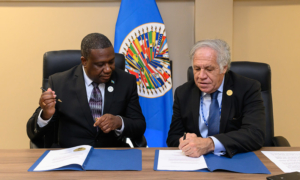
Disability in MoldovaIn Moldova, being born with a disability can mean being locked out of education, work and even basic human dignity. As one of the most impoverished countries in Europe and a neighbor to a war-affected region (Ukraine), Moldova faces significant challenges and offers limited opportunities for its citizens. But for people living with disabilities, the barriers are not just economic; they are systemic, cultural and deeply rooted.

Despite international agreements and national policies, gaps remain in reaching the country’s most vulnerable communities. Poverty and neglect continue to isolate the disabled population, leaving them under-resourced, unheard and invisible.

Living With Disability in Moldova

An estimated 7% of Moldova’s population lives with a disability, but state support is shockingly low. Many families are left to navigate complex disabilities alone, with grandparents or single parents stepping in as full-time caregivers, without guidance, training or respite.

Disability in Moldova is not just ignored; it’s hidden. According to a 2015 report, nearly 1,716 children with mental or intellectual disabilities remain in segregated institutions and many are still denied access to mainstream education. Around 2,500 people (children and adults) with mental disabilities are forced to live in institutions, cut off from communities and basic liberties.

Additionally, between 3,000 and 4,000 individuals, mainly with intellectual or psychosocial disabilities, are stripped of legal capacity. They’re barred from basic life decisions like marriage, employment, voting and refusing medication. Many are institutionalized by guardians or withheld from community life.

Moldova’s economic crisis affects everyone, but people living with disabilities bear the brunt of it. According to the United Nations Development Program (UNDP), more than 25% of Moldovans live below the national poverty line, with rural areas hit the hardest. For people with disabilities and their families, this means daily decisions between medicine and meals, therapy and survival. In Moldova, disability is not just a personal challenge; it’s a systemic trap.

International Promises vs. Local Reality

Moldova has ratified the United Nations (U.N.) Convention on the Rights of Persons with Disabilities (CRPD). On paper, this marks a commitment to equality and accessibility. But in practice, little has changed. There is no cohesive national disability strategy, no consistent monitoring and international aid has failed to prioritize the disability crisis. Progress is sporadic and largely symbolic, leaving thousands in legal and social limbo.

However, some nongovernmental organizations (NGOs) are working on the ground to support people with disabilities in Moldova. One such organization, the Tony Hawks Center, is committed to improving the lives of vulnerable children. It provides non-invasive rehabilitation services, including physical therapy, occupational therapy and speech therapy, for children aged 0 to 18.

According to the U.N., only 26% of Moldovans support the inclusion of persons with intellectual and psychosocial disabilities in the community. In response, the organization launched a broad awareness campaign aimed at increasing public acceptance and reducing stigma.

– Marina Martin

Marina is based in Rapid City, SD, USA and focuses on Global Health for The Borgen Project.

Photo: Flickr

Disability and Poverty in BhutanBhutan is a country with a unique culture and traditions. It is the only South Asian country that has a Gross National Happiness (GNH) philosophy, which emphasizes the importance of collective happiness and well-being over economic growth in the nation. This index is based on four pillars including sustainable socio-economic development, cultural preservation, environmental preservation and good governance, which help measure the quality of life and happiness of citizens.

Despite the importance given to GNH, the country faces a number of challenges with respect to poverty including access to education and basic resources, access to health care and social support. These factors disproportionately affect vulnerable populations in the country, especially children with disabilities. However, recent developments in regional and national policies and legislation aimed at addressing disability and poverty in Bhutan have resulted in positive changes in these areas. 

The Correlation Between Disability and Poverty in Bhutan

The Oxford Poverty and Human Development Initiative (OPHI) report (2018) indicated that people with disabilities experienced significantly higher levels of multidimensional poverty in Bhutan. It suggested that the multidimensional poverty rate of people was at a stark 11.1%, as compared to people without disabilities (5.6%). A 2022 report revealed that systematic barriers to education, vocational training and employment particularly affecting children and youth with disabilities reinforces the connection between disability and poverty in Bhutan. It further emphasized the role of Bhutanese social norms, like “Karuna” (compassion) and “Karma,” in perpetuating social and economic exclusions experienced by the disabled population especially.

The intersection of lack of coordination, funding for initiatives and targeted support were identified as both the cause and consequence of poverty in Bhutan. Another study noted a higher degree of prevalence of disabilities amongst poor children and those of mothers with lower levels of education. While this analysis does not paint a rosy picture regarding the intersection of disability and poverty in Bhutan, it acts as an entry point for change, grounded into local social institutions and realistic implementation, offering a roadmap to the policymakers for actionable goals—an approach that is already beginning to show tangible progress.

Disability and Education in Bhutan

In 2024, Kesang Chuki Dorjee, Chairperson of the Social and Cultural Affairs Committee (SCAC) presented a report titled “Review Report on the State of Persons with Disabilities.” In the report, Dorjee indicated how between the 12th and 13th Five-year plans, the government’s allocation towards educational activities for children with disabilities saw a rise from approximately Nu 87 million to Nu 1.115 billion.

The 2024 report estimated that 1,071 children with disabilities were attending in schools in a nationwide capacity. Bhutan has established three early childhood intervention centers offering services including communication skills, socialization behavior management, school readiness and other vocational training, like cooking, weaving tailoring and so on. Guided by the Sustainable Development Goals (SDGs), Bhutan has made important strides in implementing these inclusive strategies and policies for educating children with disabilities.

Education is an important aspect in the intersection of disability and poverty in Bhutan. The fact is that education is a critical point of intervention as it directly tackles the root cause of marginalization. As the abovementioned data suggests, children with disabilities are especially more likely to experience discrimination in mainstream educational settings. Ensuring that all children can participate in quality education regardless of ability can help build a stronger economic future for all, along with promoting equity. In Bhutan, where educational attainment has close links with future livelihoods, inclusive educational policies have become a key tool in breaking the cycle of intergenerational poverty, promoting social inclusion and fulfilling the country’s Gross National Happiness (GNH) philosophy of collective well-being and equity.

Looking Ahead

Despite many challenges stemming from the link between disability and poverty with respect to children in Bhutan, the momentum for change has been set into motion. The significant increase in government investment, along with inclusive educational initiatives, reflects a national commitment to ensuring that no child is left behind. As Bhutan continues incorporating principles of Gross National Happiness into its policies, the government and stakeholders are working to ensure that children with disabilities living in poverty, not only gain access to equitable education but also have the opportunity to contribute meaningfully to society. Though the journey may be long, the actions taken today are laying a strong foundation for a more inclusive and equitable Bhutan in the future.

– Vasudhaa Shakdher

Vasudhaa is based in Vancouver, Canada and focuses on Good News for The Borgen Project.

Photo: Unsplash

Disability and Poverty in LatviaLife becomes a hardship when an injury causes disability. The case is even worse for individuals with permanent disabilities, and often experience neglect from society. As such, without proper care, they are significantly more at risk of living below the poverty line. For disabled individuals living in impoverished nations, resources and care can be nonexistent. Although the perception of disabled persons in Latvia improved, disability still has significant links to being at risk of poverty and social exclusion. Here is more information about the links between disability and poverty in Latvia.

Social Isolation and Mistreatment

Eurostat, the statistical office of the European Union, links poverty and social isolation together through the at risk of poverty or social exclusion metric (AROPE). Isolation and mistreatment from society can in turn exacerbate poverty. In 2021, Eurostat projected that in Latvia, 37.5% of disabled persons over the age of 16 were considered AROPE. Latvia’s rate was the highest in the Baltic States and was among the highest in the European Union. This number has grown since 2015, whereas only 566,000, or 28.5% of residents, were considered AROPE.

Paired with the fact that the number of disabled persons in Latvia is growing, individuals under AROPE require even greater attention in order to not suffer poverty’s devastation.

Poverty Alleviation for the Disabled

Latvia has one of the largest wealth gaps in the European Union. Data from 2012 demonstrates that the top 10% of the population received 26% of the entire income. In 2023, data from the Central Statistical Bureau listed that the richest population’s income was 6.3 times greater than the income of the poorest, rendering Latvia as a top country with wealth inequality. 

With a percentage of the affluent population, it is possible to provide greater support to individuals in poverty. However, little is occurring to benefit disabled and impoverished individuals. Since 2005, the social minimum has been 64.03 Euros per month, equivalent to that of the benefit given to disabled individuals. In addition, the minimum disability pension ranges from 64.03 Euros to 170.75 Euros per month. 

Given that these rates have been unchanged since 2005, it is difficult for individuals under these funds to sustain a viable lifestyle, especially as inflation increases the cost of living every year. In addition, Latvia’s classification of a poor person, an individual who is not earning more than 128.06 Euros per month, has not changed since 2001. As the minimum benefit that disabled citizens receive is significantly less than the minimum amount necessary to be in poverty, disabled individuals experience significant disadvantages.

A Path Forward for the Disabled

Despite clear societal hardships for disabled individuals and increased risk of poverty, treatment has improved. In 2010, the Independent Living Institute, which is dedicated to promoting rights of individuals with disabilities, stated that “the view of people with disabilities has improved.” Latvia addressed the matter of living conditions for the disabled in 2009 with draft legislation discussing personal assistance and the specifics of individual care. The legislation provided minimum requirements for social services and assistance to the disabled, and outlined the responsibilities of local governments in providing such care. Although the legislation did not move forward due to a financial crisis, the fact that officials discussed this demonstrates that Latvia acknowledged disability and the risk of poverty.

This shift is due to borders opening and the changing of stereotypes of disabled persons. As Latvians gained the ability to travel abroad and view how disabled individuals were treated in other countries, their own perceptions began to change positively. 

Since the increased awareness of disability and poverty in Latvia, greater progress has occurred to ensure that the disabled are cared for and less at risk. Interest groups such as the Independent Living Institute have played a significant role in lobbying the Latvian government to consider and implement disability care legislation, and was critical in signing onto of the UN Convention on the Rights of Persons with Disabilities. 

Looking Ahead

While stigma surrounding disabled individuals still exists, more respect and acknowledgement of their capabilities and hardships ultimately create better treatment and greater equity. The first step to reducing disability and poverty in Latvia is to first understand and take issues of disabled individuals seriously. With support from individuals and groups fighting to promote accessible resources, the disabled population will be less likely to be at risk of poverty, and should live happier lives.

– Owen Wu

Owen is based in Westborough, MA, USA and focuses on Technology and Politics for The Borgen Project.

Photo: Unsplash

Disability and Poverty in GuineaIn 2018, the poverty rate of people who lived in Guinea was at an astounding high, with 43.7% of Guineans living below the poverty line, which is equivalent to about 5.8 million people. One year before, in 2017, 1.5% of the population lived with disabilities. Although these percentages are vastly different, the correlation between disabled individuals and poverty is hard to miss. Here is information about the relationship between disability and poverty in Guinea.

Effects of Poverty

Increases in global commodity prices led to rising inflation levels, pushing more people into poverty as they were unable to access affordable food, effectively depriving them of their necessary nutritional intake. The effects of high food inflation caused Guineans to resort to unhealthy coping mechanisms, which have a long-term impact on their daily lives and, ultimately, their ability to earn a living. More than half of the entire population is also experiencing extreme food insecurity and poverty. This ultimately also leads to high rates of malnutrition.

Despite this, the percentage of people below the poverty line has decreased from 55.2% in 2012, suggesting that living conditions are actively improving over time.

Effects of Disability

People with disabilities in Guinea face significant discrimination and are highly vulnerable to violence. For example, people with albinism are subject to many myths and stereotypes about their condition, such as the belief that they bring good luck. This myth often results in these individuals being kidnapped or becoming victims of ritual crimes.

Guinea signed and ratified the United Nations Convention on the Rights of Persons with Disabilities in 2007-8. This convention works to help individuals see disabled people as subjects with rights who are capable of claiming those rights, making their own decisions rather than just objects of charity and social services. After this, Guinea adopted multiple measures to help foster human rights and the rights of people with disabilities. Multiple organizations originated as well in order to protect disabled people.

Organizations Addressing Disability and Poverty in Guinea

Disability and poverty in Guinea correlate, as disabled people have a poverty rate of 14.4%. Numerous organizations advocate for disabled rights, such as the Guinean Network of Disability Organizations for the Promotion of the International Convention on the Rights of Persons with Disabilities (ROPACIDPH). This organization directly advocates for the rights of disabled children and adults with education, health support, training/advice/parental guidance, etc. While there are some good things in place to advocate for disabled people who may be suffering from poverty or other related issues, their lives will only be improved if the laws put in place are strictly enforced. For example, recently, there was an event held in support of the deaf community for the International Day of Sign Languages by ROPACIDPH that its Facebook page showed.

There are also many organizations, like the World Food Programme (WFP), actively working to provide food assistance to those in need. “In 2023, WFP provided vital nutritious food to more than 1 million vulnerable people, including schoolchildren and pregnant or breastfeeding women. This work improves food security and nutrition, reducing maternal malnutrition, mortality risk, low birth weight rates, and malnutrition among children under 5.”

Organizations such as the United Nations Development Programme (UNDP) have also helped people with reduced mobility start 100 businesses to help them become self-sufficient and not need to rely on the government or other people to survive. These businesses were all met with great success. One business has ended up making more than $6,000 a month.

Looking Ahead

As these organizations continue to work to improve the lives of these individuals, their living conditions continue to get better and better with continued support and advocacy. As time has progressed, the poverty level and food insecurity continue to drop, and more help has been provided over the years. Disabled individuals have also become more recognized in Guinean communities, and many conventions were put in place to help support them.

– Bowie Aldrich

Bowie is based in Syracuse, NY, USA and focuses on Good News and Global Health for The Borgen Project.

Photo: Unsplash

Disability and poverty in AngolaAngola, a Portuguese-speaking country located in southwestern Africa, records a history of prolonged civil conflict and high poverty rates. These two situations result in the phenomenon of war-based disability and poverty in Angola, which profoundly influences the development of Angolan society in the present day.

Background

In the 1970s, Angola fought a war of independence against Portuguese colonial rule, followed by a prolonged civil war between rival political factions until 2002. This extended period of conflict left behind a large population of disabled individuals and severely damaged the country’s infrastructure and potential for economic development.

As of 2018, approximately 53% of Angola’s population earns less than $3.65 daily. The majority of this vulnerable population resides in rural areas, which, incidentally, were also the most heavily impacted by military action during the Civil War period. The land still bears marks of physical destruction, including destroyed infrastructure and other dangers affecting the population.

The presence of unexploded ordnances such as landmines is of particular concern: between 60,000 and 88,000 Angolans have been injured by landmines. However, the number is likely higher due to underreporting. Reports suggest that there are as many as 1,000 minefields left in Angola. Given the lack of reliable data and access to survivors, it is even more challenging to ascertain the extent of war-related psychological disabilities, such as PTSD.

At the same time, compensation is practically nonexistent: military veterans are entitled to pensions equivalent to $67 per month. However, even this relatively minor payment is only issued to a small percentage of eligible recipients. The Angolan government has similarly failed to deliver housing and infrastructure development promises.

Addressing the Problems

International organizations and aid groups have worked to alleviate problems relating to disability and poverty in Angola. The HALO Trust, a British charity that works to clear away explosives in former conflict areas, has been active in Angola since 1994. It reported eliminating 123,000 landmines as of 2025.

These efforts have helped restore access to farmland, schools and roads, reducing injury risks and improving livelihoods, especially for communities where landmine-related disabilities remain common. HALO’s work also supports Angola’s broader goals of rural development, poverty reduction and rehabilitation for those injured during the conflict.

Mine clearing operations are directly connected to infrastructure work. For example, it would permit the development of the so-called Lobito Corridor, a railway project linking the resource-rich African interior to the Angolan port of Lobito, facilitating mineral exports and providing economic opportunities for Angolans.

Conclusion

Disability and poverty in Angola go hand in hand. Clearing landmines would not only reduce injuries and disabilities but also support rebuilding efforts. These advances may help to restore economic productivity across the country. At the same time, greater involvement from authorities, particularly toward investing in issues that originate from the war’s legacy, will help improve the life quality of Angolans.

– Rafael Saavedra

Rafael is based in San Antonio, TX, USA and focuses on Politics for The Borgen Project.

Photo: Flickr