Inclusive Education: Confronting Disability and Poverty in Bhutan
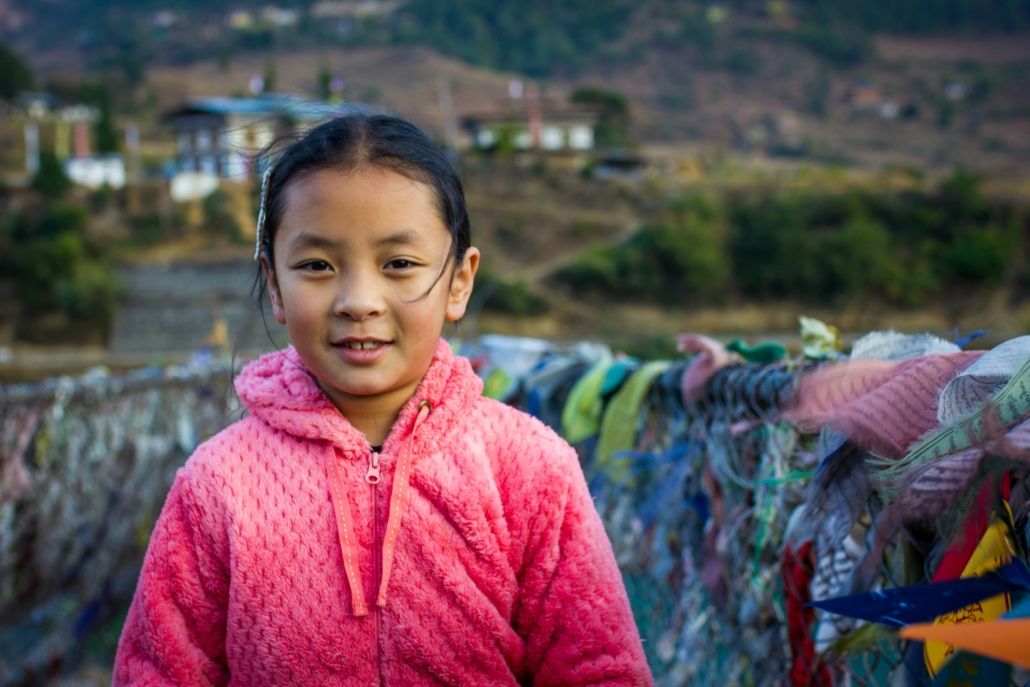 Bhutan is a country with a unique culture and traditions. It is the only South Asian country that has a Gross National Happiness (GNH) philosophy, which emphasizes the importance of collective happiness and well-being over economic growth in the nation. This index is based on four pillars including sustainable socio-economic development, cultural preservation, environmental preservation and good governance, which help measure the quality of life and happiness of citizens.
Despite the importance given to GNH, the country faces a number of challenges with respect to poverty including access to education and basic resources, access to health care and social support. These factors disproportionately affect vulnerable populations in the country, especially children with disabilities. However, recent developments in regional and national policies and legislation aimed at addressing disability and poverty in Bhutan have resulted in positive changes in these areas.
The Correlation Between Disability and Poverty in Bhutan
The Oxford Poverty and Human Development Initiative (OPHI) report (2018) indicated that people with disabilities experienced significantly higher levels of multidimensional poverty in Bhutan. It suggested that the multidimensional poverty rate of people was at a stark 11.1%, as compared to people without disabilities (5.6%). A 2022 report revealed that systematic barriers to education, vocational training and employment particularly affecting children and youth with disabilities reinforces the connection between disability and poverty in Bhutan. It further emphasized the role of Bhutanese social norms, like “Karuna” (compassion) and “Karma,” in perpetuating social and economic exclusions experienced by the disabled population especially.
The intersection of lack of coordination, funding for initiatives and targeted support were identified as both the cause and consequence of poverty in Bhutan. Another study noted a higher degree of prevalence of disabilities amongst poor children and those of mothers with lower levels of education. While this analysis does not paint a rosy picture regarding the intersection of disability and poverty in Bhutan, it acts as an entry point for change, grounded into local social institutions and realistic implementation, offering a roadmap to the policymakers for actionable goals—an approach that is already beginning to show tangible progress.
Disability and Education in Bhutan
In 2024, Kesang Chuki Dorjee, Chairperson of the Social and Cultural Affairs Committee (SCAC) presented a report titled “Review Report on the State of Persons with Disabilities.” In the report, Dorjee indicated how between the 12th and 13th Five-year plans, the government’s allocation towards educational activities for children with disabilities saw a rise from approximately Nu 87 million to Nu 1.115 billion.
The 2024 report estimated that 1,071 children with disabilities were attending in schools in a nationwide capacity. Bhutan has established three early childhood intervention centers offering services including communication skills, socialization behavior management, school readiness and other vocational training, like cooking, weaving tailoring and so on. Guided by the Sustainable Development Goals (SDGs), Bhutan has made important strides in implementing these inclusive strategies and policies for educating children with disabilities.
Education is an important aspect in the intersection of disability and poverty in Bhutan. The fact is that education is a critical point of intervention as it directly tackles the root cause of marginalization. As the abovementioned data suggests, children with disabilities are especially more likely to experience discrimination in mainstream educational settings. Ensuring that all children can participate in quality education regardless of ability can help build a stronger economic future for all, along with promoting equity. In Bhutan, where educational attainment has close links with future livelihoods, inclusive educational policies have become a key tool in breaking the cycle of intergenerational poverty, promoting social inclusion and fulfilling the country’s Gross National Happiness (GNH) philosophy of collective well-being and equity.
Looking Ahead
Despite many challenges stemming from the link between disability and poverty with respect to children in Bhutan, the momentum for change has been set into motion. The significant increase in government investment, along with inclusive educational initiatives, reflects a national commitment to ensuring that no child is left behind. As Bhutan continues incorporating principles of Gross National Happiness into its policies, the government and stakeholders are working to ensure that children with disabilities living in poverty, not only gain access to equitable education but also have the opportunity to contribute meaningfully to society. Though the journey may be long, the actions taken today are laying a strong foundation for a more inclusive and equitable Bhutan in the future.
– Vasudhaa Shakdher
Vasudhaa is based in Vancouver, Canada and focuses on Good News for The Borgen Project.
Photo: Unsplash
