Oman’s Poverty Eradication: A Global Model for Ending Poverty
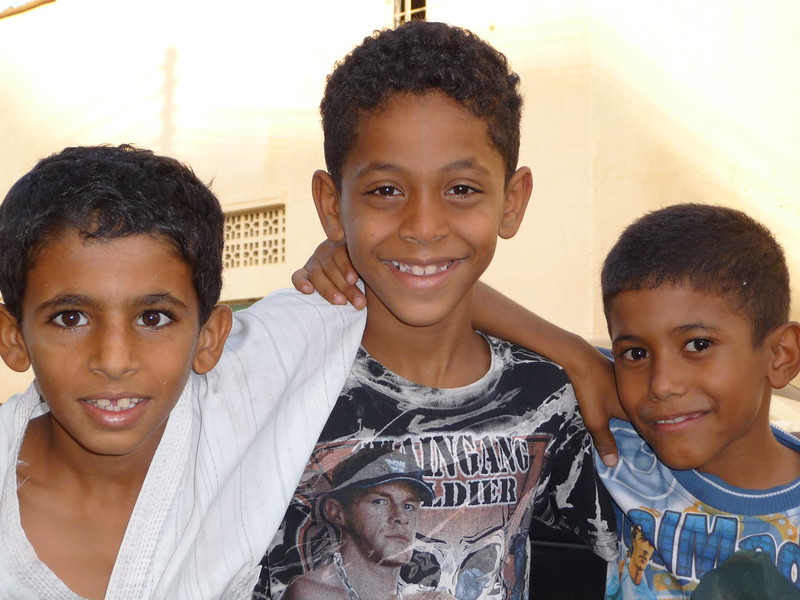 In May 2025, Oman became one of the first countries in the world to completely end extreme poverty. According to the National Centre for Statistics and Information, no one in the country is living on less than $1.25 a day which is the global line for extreme poverty. Other countries now see Oman’s poverty eradication efforts as a model to follow.
Oman guided its fight to end poverty through a national plan called Vision 2040. It focuses on improving education, creating more jobs outside of oil and helping people in every part of the country. Another plan, called the 10th Five-Year Development Plan, helped turn these goals into real projects. As of 2025, Oman has completed 95% of the programs in the plan and invested more than $28 billion to help improve people’s lives.
Expanding Social Protection
A big part of Oman’s poverty eradication came from a new social protection law. This law, which started in 2024, created a national program to give financial help to more than 1.5 million people. Families now get support for children, seniors, people with disabilities and workers who lose their jobs. The program is paid for by the government and makes sure no one is left behind. Oman also worked closely with international groups like the United Nations International Children’s Emergency Fund (UNICEF). Together, they launched a Child Protection Guide to keep children safe and supported across the country.
Investing in Education, Health and Housing
Oman has made big improvements in education and health. The country now ranks among the top 20 in the world for how much it spends on each student and nearly 98% of adults can read and write. Health care is free for all citizens and new hospitals and digital systems are making care even better. Housing is another important part of reducing poverty. Oman has given money to thousands of low-income families to help them build or fix homes. The country is also building Sultan Haitham City, a new city with 20,000 homes, schools, parks and clean energy. It will house 100,000 people once finished.
Looking Ahead
Even with all this spending, Oman has managed to keep its finances under control. It used oil money wisely, paid off debts and still had enough left to support the country’s programs. In fact, its credit rating was upgraded in 2024, suggesting higher levels of trust from global investors. Oman tracks its progress using the United Nations’ Sustainable Development Goals. These goals help countries measure how well they’re doing on issues like poverty, education and health care. Oman has met or is close to meeting many of them.
– Cameron Jones
Cameron is based in Hendersonville, TN, USA and focuses on Good News and Politics for The Borgen Project.
Photo: Flickr
