Disability and Poverty in Guinea
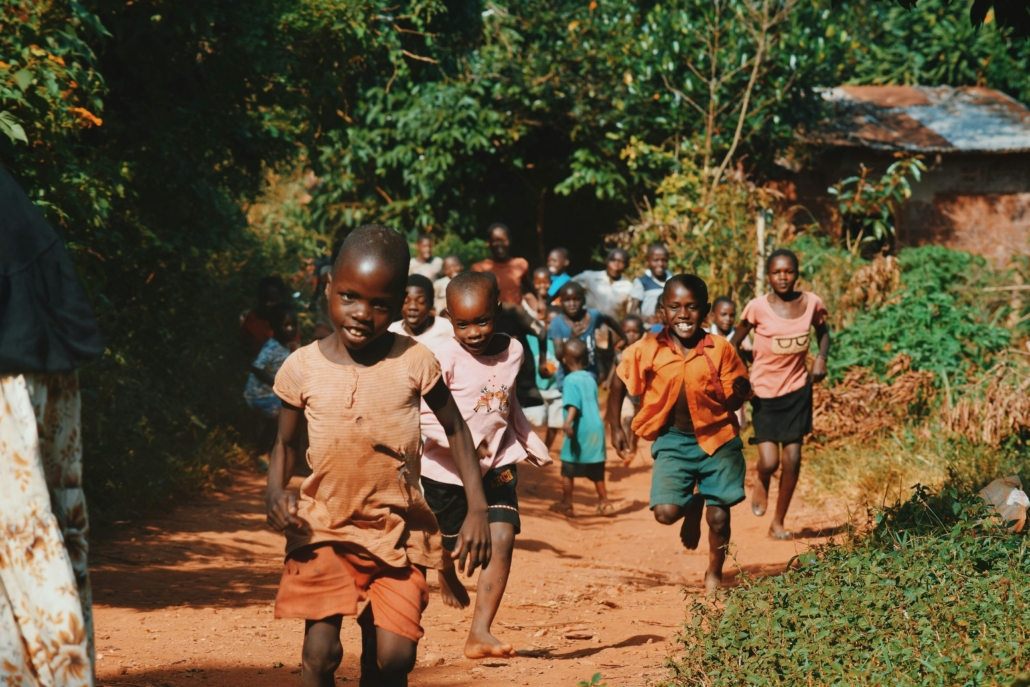 In 2018, the poverty rate of people who lived in Guinea was at an astounding high, with 43.7% of Guineans living below the poverty line, which is equivalent to about 5.8 million people. One year before, in 2017, 1.5% of the population lived with disabilities. Although these percentages are vastly different, the correlation between disabled individuals and poverty is hard to miss. Here is information about the relationship between disability and poverty in Guinea.
Effects of Poverty
Increases in global commodity prices led to rising inflation levels, pushing more people into poverty as they were unable to access affordable food, effectively depriving them of their necessary nutritional intake. The effects of high food inflation caused Guineans to resort to unhealthy coping mechanisms, which have a long-term impact on their daily lives and, ultimately, their ability to earn a living. More than half of the entire population is also experiencing extreme food insecurity and poverty. This ultimately also leads to high rates of malnutrition.
Despite this, the percentage of people below the poverty line has decreased from 55.2% in 2012, suggesting that living conditions are actively improving over time.
Effects of Disability
People with disabilities in Guinea face significant discrimination and are highly vulnerable to violence. For example, people with albinism are subject to many myths and stereotypes about their condition, such as the belief that they bring good luck. This myth often results in these individuals being kidnapped or becoming victims of ritual crimes.
Guinea signed and ratified the United Nations Convention on the Rights of Persons with Disabilities in 2007-8. This convention works to help individuals see disabled people as subjects with rights who are capable of claiming those rights, making their own decisions rather than just objects of charity and social services. After this, Guinea adopted multiple measures to help foster human rights and the rights of people with disabilities. Multiple organizations originated as well in order to protect disabled people.
Organizations Addressing Disability and Poverty in Guinea
Disability and poverty in Guinea correlate, as disabled people have a poverty rate of 14.4%. Numerous organizations advocate for disabled rights, such as the Guinean Network of Disability Organizations for the Promotion of the International Convention on the Rights of Persons with Disabilities (ROPACIDPH). This organization directly advocates for the rights of disabled children and adults with education, health support, training/advice/parental guidance, etc. While there are some good things in place to advocate for disabled people who may be suffering from poverty or other related issues, their lives will only be improved if the laws put in place are strictly enforced. For example, recently, there was an event held in support of the deaf community for the International Day of Sign Languages by ROPACIDPH that its Facebook page showed.
There are also many organizations, like the World Food Programme (WFP), actively working to provide food assistance to those in need. “In 2023, WFP provided vital nutritious food to more than 1 million vulnerable people, including schoolchildren and pregnant or breastfeeding women. This work improves food security and nutrition, reducing maternal malnutrition, mortality risk, low birth weight rates, and malnutrition among children under 5.”
Organizations such as the United Nations Development Programme (UNDP) have also helped people with reduced mobility start 100 businesses to help them become self-sufficient and not need to rely on the government or other people to survive. These businesses were all met with great success. One business has ended up making more than $6,000 a month.
Looking Ahead
As these organizations continue to work to improve the lives of these individuals, their living conditions continue to get better and better with continued support and advocacy. As time has progressed, the poverty level and food insecurity continue to drop, and more help has been provided over the years. Disabled individuals have also become more recognized in Guinean communities, and many conventions were put in place to help support them.
– Bowie Aldrich
Bowie is based in Syracuse, NY, USA and focuses on Good News and Global Health for The Borgen Project.
Photo: Unsplash
