Disability and Poverty in Burkina Faso
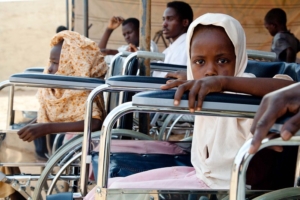 In Burkina Faso, disability and poverty are deeply intertwined. Limited access to education, health care and employment traps many people with disabilities in cycles of exclusion. Without targeted support, their potential remains overlooked and their rights are unfulfilled.
Disability in Burkina Faso is more than a personal health challenge; it is a profound development issue. In one of the world’s most impoverished nations, having a disability often means being locked out of education, employment and health care. When systems aren’t built for inclusion, the result is predictable: poverty deepens, inequality widens and national progress stalls.
Systemic Poverty and Exclusion
According to the Tigoung Nonma, a cooperative of disabled artisans, approximately 10% of Burkina Faso’s population lives with a disability. Yet most of them are invisible in public life. Due to structural barriers and social stigma, access to jobs, education and even buildings remains limited.
Not only that, but for families already surviving on less than $2 a day, caring for a disabled member without social safety nets often means sacrificing their own basic needs. Medical devices like wheelchairs or hearing aids are expensive and hard to use and accessible public infrastructure is scarce. Children with disabilities are more likely to drop out of school and adults face major hurdles in finding stable work.
Health System Gaps: Underserved and Underfunded
According to the World Health Organization (WHO), Burkina Faso allocates just 6.3% of its GDP to health. This is far below the global average and far short of the need. Rural health centers are often unequipped to serve patients with specialized needs, especially those requiring physical therapy, long-term care or rehabilitation services.
Most of Burkina Faso’s more than 3,000 health facilities are inaccessible to people with mobility impairments. Similarly, a 2024 survey across French-speaking sub‑Saharan Africa revealed that Burkina Faso has only 26 physiotherapists, a staggering shortage for a needy population. For those with intellectual or developmental disabilities, the situation is even more dire. Most go undiagnosed, untreated and entirely unsupported, falling through the cracks of an already strained health care system.
Social Stigma and Discrimination
Beyond physical barriers, people with disabilities in Burkina Faso face deep social stigma. Misconceptions linking disability to witchcraft or divine punishment are still prevalent in rural areas, leading to neglect, abandonment and violence.
In employment and education, discrimination persists. Many children with disabilities are kept at home, denied enrollment in schools or bullied by peers. Adults are often excluded from the labor market entirely or relegated to informal work without legal protections.
A Vicious Cycle
Disability increases the likelihood of poverty and poverty increases the likelihood of disability. Malnutrition, unsafe childbirth, poor sanitation and lack of access to vaccinations contribute to preventable impairments in children. Meanwhile, poverty-stricken families often lack the knowledge or means to seek early intervention.
This cycle is especially damaging for women and girls, who face a double burden of gender and disability-based discrimination. They are less likely to attend school or access health care and more vulnerable to abuse.
Toward Inclusive Development
Thankfully, efforts are growing to integrate disability rights into national development plans. Burkina Faso ratified the U.N. Convention on the Rights of Persons with Disabilities (CRPD) in 2009 and has committed to more inclusive policies. However, Implementation remains slow.
Nonprofits like Light for the World and Humanity & Inclusion lead some of the most impactful initiatives. These organizations have progressed in supplying assistive devices and pushing for disability-inclusive budgets. Their work shows that inclusion isn’t just possible, it’s essential for sustainable development.
Conclusion
Disability and poverty in Burkina Faso are closely linked, forming a loop of exclusion that threatens the country’s development goals. The challenge is not disability but the failure to provide accessible infrastructure, inclusive policies and equal opportunities.
Addressing this issue requires more than charity; it demands systemic change, political will and international solidarity. Only then can Burkina Faso unlock the full potential of all its citizens, regardless of ability.
– De’Marlo Gray
De’Marlo is based in Long Beach, CA, USA and focuses on Global Health for The Borgen Project.
Photo: Flickr
